
Camponotus crassus
- Sci. Name
- Camponotus crassus
- Subgenus
- Myrmobrachys
- Tribe
- Camponotini
- Subfamily
- Formicinae
- Author
- Mayr, 1862
- Distribution
- Found in 7 countries
Introduction
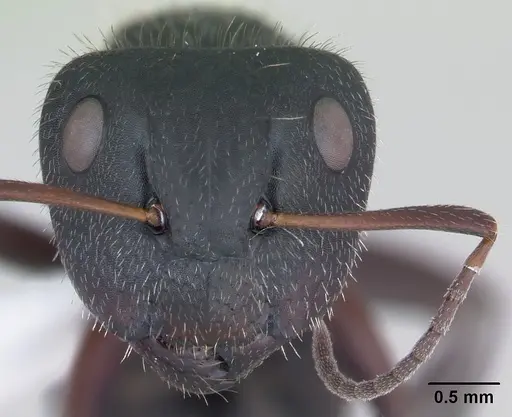
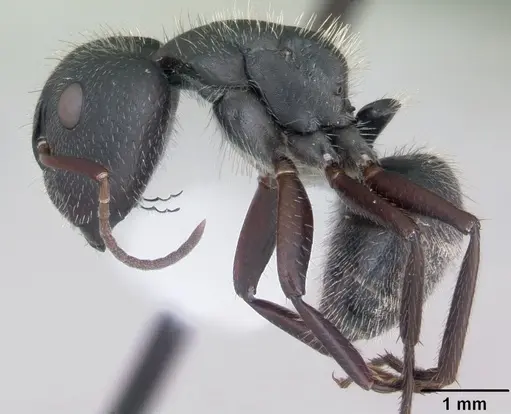
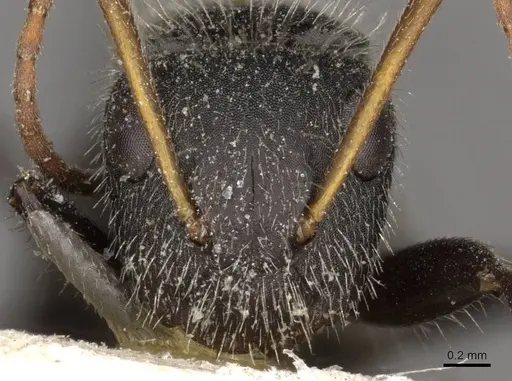
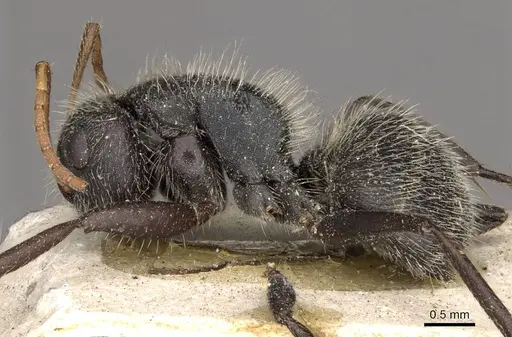
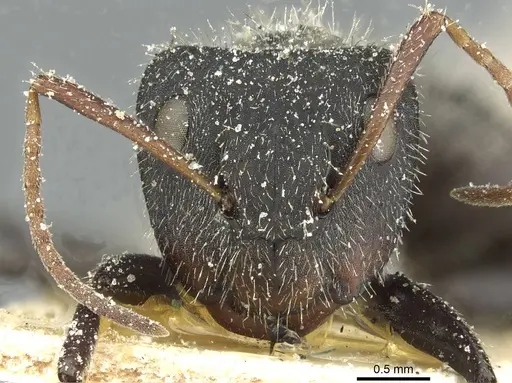
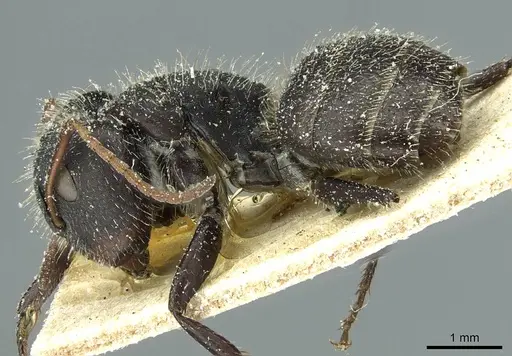
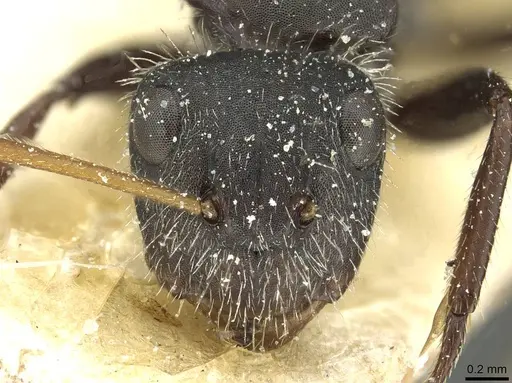
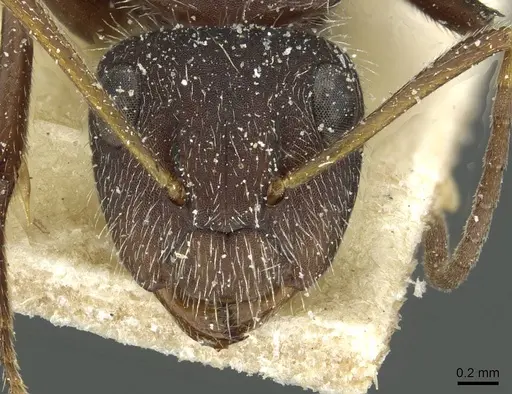
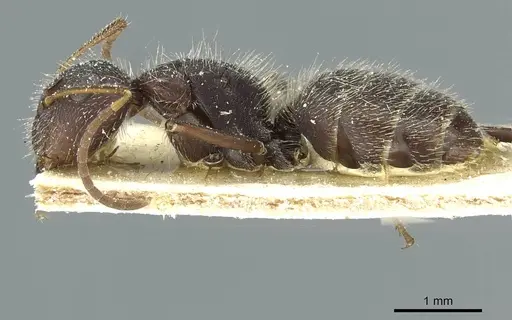
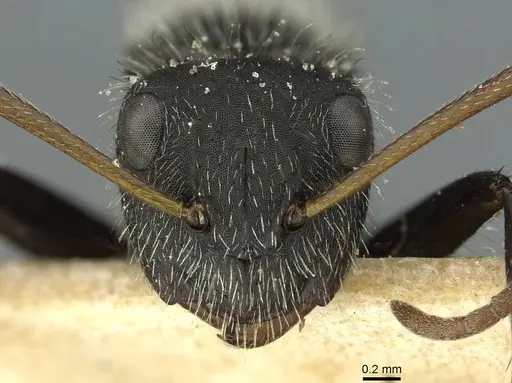
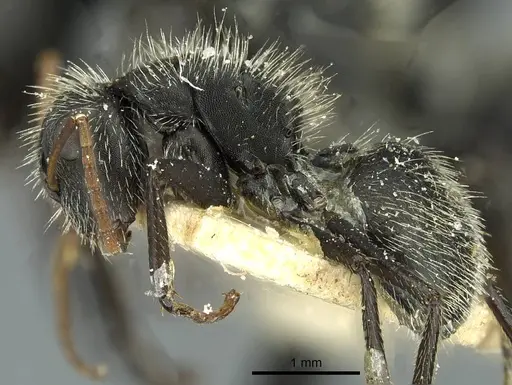
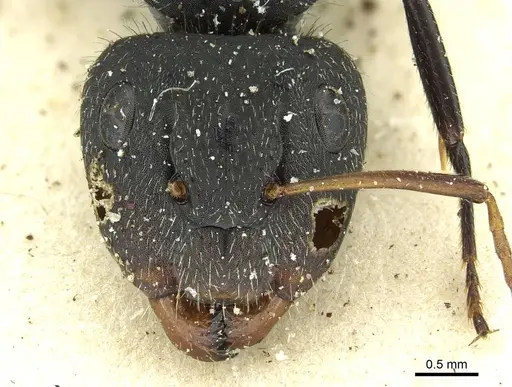
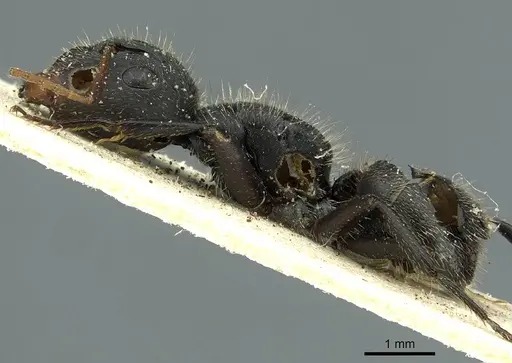
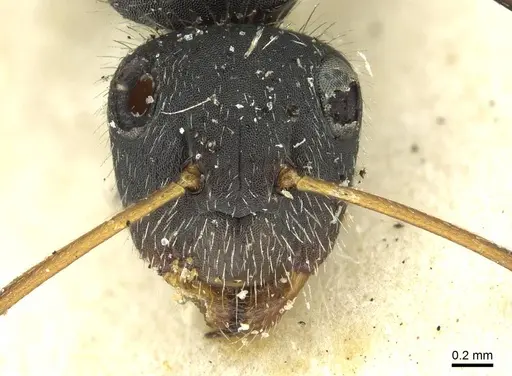
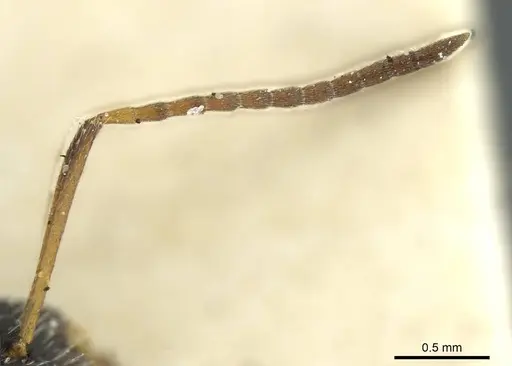
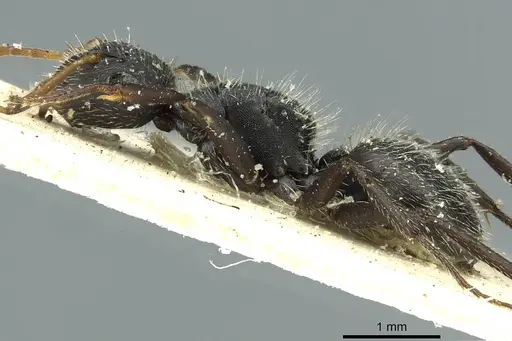
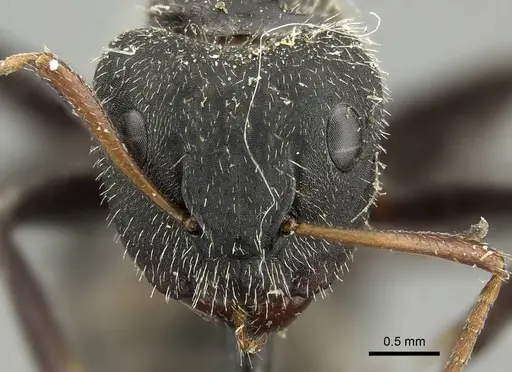
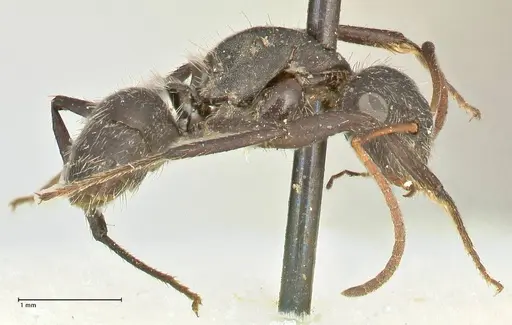
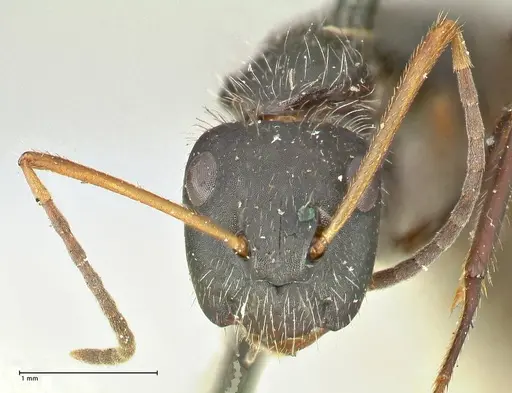
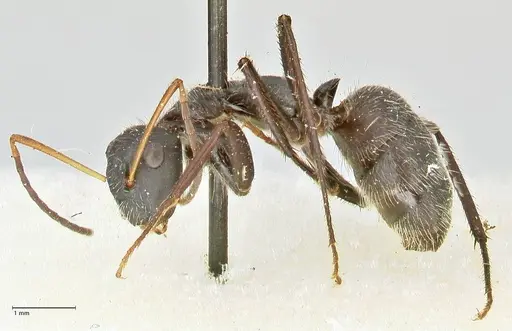
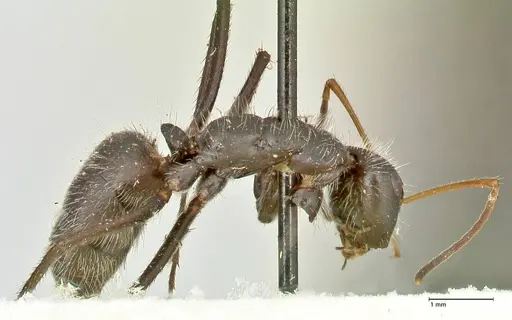
Camponotus crassus is a medium-sized carpenter ant native to the Neotropical region, found across Argentina, Brazil, French Guiana, Paraguay, and Trinidad and Tobago [AntWiki]. Workers measure approximately 6-7mm in total length and have the typical robust carpenter ant build with a dark body . This species belongs to the subgenus Myrmobrachys and is known for being a highly aggressive, diurnal forager that patrols plants and defends them against herbivores . What makes C. crassus particularly interesting is its role as a dominant protector ant in the Brazilian cerrado and other Neotropical habitats. It aggressively tends honeydew-producing insects like treehoppers, visits extrafloral nectaries, and fiercely attacks any herbivores that threaten its host plants . This species is incredibly adaptable, found in everything from pristine Atlantic forests to urban parks, and is one of the most frequently recorded ants across Brazil .
Quick Summary
- Difficulty: Easy
- Origin & Habitat: Native to the Neotropical region, Argentina, Brazil, French Guiana, Paraguay, and Trinidad and Tobago [1]. Found in diverse habitats including cerrado savanna, Atlantic forest, Pantanal wetlands, Caatinga dry forest, and urban areas [8][9]. Nests in dead wood, bamboo internodes, twigs, and bark cavities [1][10].
- Colony Type: Single-queen colonies (monogyne) are typical for this species. Colonies contain around 150 workers on average, with larger colonies in established nests [11].
- Size & Growth:
- Queen: size data unavailable, inferred from Camponotus genus patterns (~8-12mm)
- Worker: 6-7mm [2]
- Colony: up to 150 workers per colony on average [11]
- Growth: Moderate
- Development: 6-8 weeks (typical for tropical Camponotus) (Development time depends on temperature, warmer conditions speed up development)
- Antkeeping:
- Temperature: Keep at 24-28°C. This is a tropical species that thrives in warm conditions. Room temperature within this range works well, or use a heating cable on one side of the nest to create a gradient.
- Humidity: Moderate humidity, provide a water tube as their primary moisture source. These ants adapt to various conditions but prefer some moisture available.
- Diapause: No, as a tropical species, they do not require hibernation. Activity may reduce slightly during cooler months but no true diapause.
- Nesting: Prefers nests in dead wood, bamboo, and twig cavities. In captivity, they do well in Y-tong (AAC) nests or wooden formicariums. Provide nesting chambers scaled to their medium size. They are arboreal-nesting by preference but will use ground nests [10][1].
- Behavior: C. crassus is a diurnal, aggressive ant that actively patrols vegetation and defends extrafloral nectary-bearing plants [3]. They are efficient predators of insect herbivores and will attack termites and other prey with bites and formic acid [4][12]. Workers forage from ground level to the canopy and are known to tend treehoppers for honeydew [5]. They are not particularly shy and will readily defend their territory. Escape risk is moderate, use standard barrier methods but they are not particularly adept at escaping compared to smaller ants.
- Common Issues: colonies may decline if kept too cold, maintain warm temperatures year-round, queen can be claustral but founding colonies need quiet, dark location for first 6-8 weeks, aggressive behavior means they may attack anything that approaches the nest, give them space during founding, wild-caught colonies may have parasites, quarantine and observe new colonies
Housing and Nest Preferences
Camponotus crassus is flexible about nesting locations in captivity. They do well in Y-tong (AAC) nests or wooden formicariums with chambers scaled to their medium 6-7mm worker size [10]. In the wild, they nest in dead wood, bamboo internodes, and twig cavities, so providing wood-based or naturally-themed nests appeals to their natural preferences [1][10]. A water tube connected to the nest provides constant moisture. These ants are arboreal by nature but adapt readily to ground-level setups. The outworld should have a foraging area with easy access to food. Use standard escape prevention like Fluon on container edges.
Feeding and Diet
This is a generalist omnivore that accepts a wide variety of foods. In captivity, they readily consume sugar water, honey, or diluted syrup as their carbohydrate source. For protein, offer insects like mealworms, small crickets, or other feeder insects. They will also scavenge on dead insects [12]. In the wild, they collect extrafloral nectar, honeydew from treehoppers, and hunt small insects and termites [5][4]. Feed them a few times per week, offer protein 2-3 times weekly and keep sugar water available constantly. Remove uneaten prey after 24-48 hours to prevent mold.
Temperature and Seasonal Care
As a tropical Neotropical species, C. crassus needs warm conditions year-round. Keep the nest area at 24-28°C for optimal colony health and development. They are active during the day (diurnal) and reduce activity somewhat during cooler periods, but they do not undergo true hibernation or diapause [13]. Room temperature in most homes should be adequate if kept in a warm room, otherwise use a heating cable on one side of the nest to create a gentle temperature gradient. Avoid temperatures below 20°C for extended periods. They are found across Brazil's diverse climates from the tropics to subtropics, so they handle warmth well but not cold.
Behavior and Colony Dynamics
C. crassus colonies are known for their aggressive, territorial behavior. Workers actively patrol plants, especially those with extrafloral nectaries, and will fiercely attack any intruders including herbivorous insects, other ants, and potential predators [3][4]. They use both bites and formic acid from their acidopore when attacking prey [14]. Colonies maintain a single queen and typically grow to around 150 workers, though larger colonies can develop over time [11]. New colonies are established when a mated queen seals herself in a chamber (claustral founding) and raises her first workers alone. Workers are polymorphic, with major workers being larger than minors. This species is considered one of the most common and dominant ants in Brazilian cerrado ecosystems [7][15].
Handling and Temperament
This ant species is aggressive and will readily bite if threatened. The bite is not dangerous to humans but can be noticeable. They possess formic acid which they can spray, though this is more effective against small arthropod prey than humans [14]. For antkeeping, give newly founded colonies plenty of quiet time, do not disturb the queen during the claustral founding period. Once established, they are active and engaging to watch as workers patrol the outworld and defend against any perceived threats. They are not suitable for handling but make interesting observation colonies. Their diurnal activity pattern means they are most active during daylight hours.
Frequently Asked Questions
Is Camponotus crassus a good species for beginners?
Yes, this is a good beginner species. They are adaptable, tolerant of varying conditions, and not difficult to keep. They are widely available in the hobby and establish readily. The main requirements are warm temperatures and basic feeding. Their aggressive behavior makes them interesting to watch.
How long does it take for the first workers to appear?
Expect first workers (nanitics) in about 6-8 weeks after the queen lays eggs, assuming warm temperatures around 24-28°C. This is typical for tropical Camponotus species. The queen will remain sealed in her chamber until the first workers emerge.
What do Camponotus crassus eat?
They are omnivores. Offer sugar water, honey, or diluted syrup as a constant carbohydrate source. For protein, feed them small insects like mealworms, fruit flies, or small crickets a few times per week. They will also scavenge on dead insects.
Do they need hibernation?
No, they do not need hibernation. As a tropical species from the Neotropical region, they remain active year-round with appropriate warmth. You may notice reduced activity during cooler months, but no special winter care is required.
How big do colonies get?
Colonies typically reach around 150 workers on average, though well-established colonies can grow larger over time. This is a medium-sized colony for a Camponotus species, not among the largest but substantial enough to be impressive.
Can I keep multiple queens together?
This species is monogyne, single queen colonies are typical. It is not recommended to keep multiple unrelated queens together as they will likely fight. Each colony should be started with a single claustral queen.
What temperature is best for Camponotus crassus?
Keep them warm at 24-28°C. This tropical species thrives in warm conditions. Room temperature in a warm room is usually fine, or use a heating cable on part of the nest to create a gradient. Avoid temperatures below 20°C.
Where does Camponotus crassus live in the wild?
They are found across the Neotropical region including Argentina, Brazil, French Guiana, Paraguay, and Trinidad and Tobago. They nest in dead wood, bamboo, and twig cavities in habitats ranging from cerrado savanna to Atlantic forest to urban areas.
Are they aggressive?
Yes, they are notably aggressive and territorial. They actively defend their nest and patrol plants for food sources. They will attack insects, other ants, and potential threats with bites and formic acid. This makes them excellent at protecting plants with extrafloral nectaries.
Report an Issue
The current care sheet is based fully on literature. See inconsistencies, or something that's incorrect? Please , it will be resolved after review from an admin. Contributing to the blogs tab also helps providing information, to make us be able to further improve the caresheets. Thank you for your support!
References

This caresheet is licensed under CC BY-SA 4.0 .
Community Blogs
CASENT0173406
View on AntWeb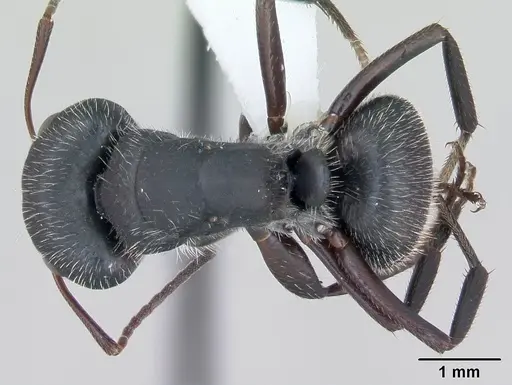
CASENT0173407
View on AntWeb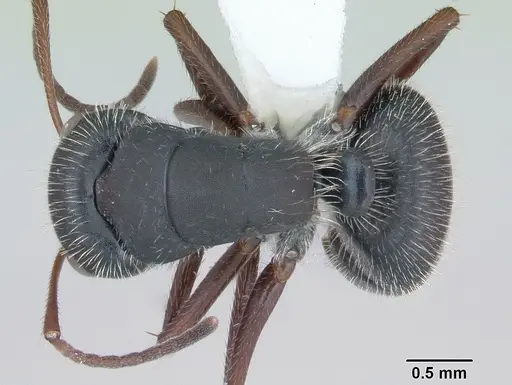
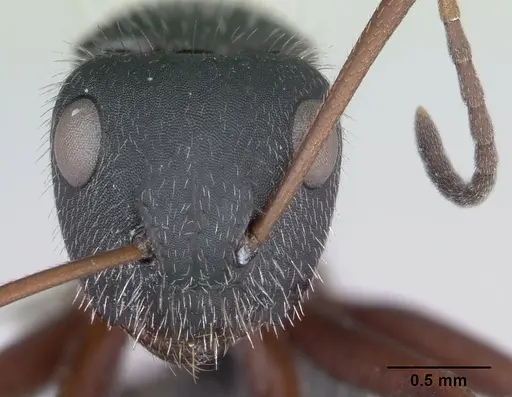
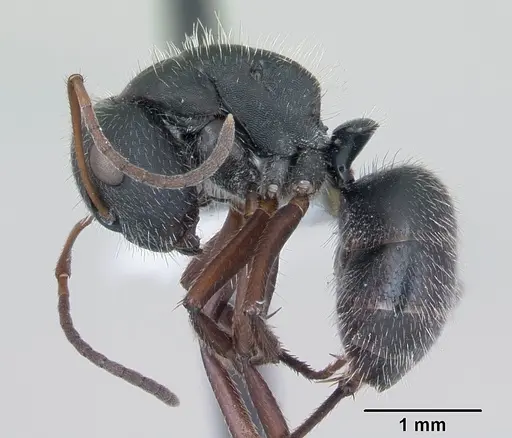
CASENT0882121
View on AntWeb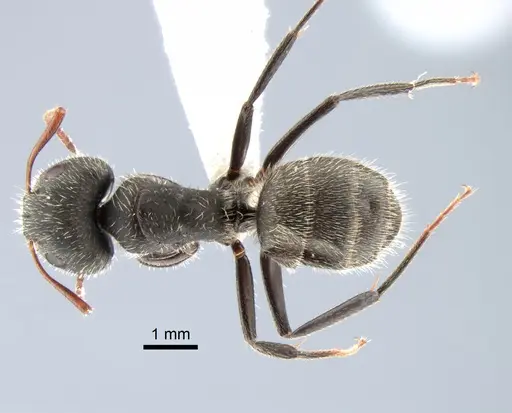
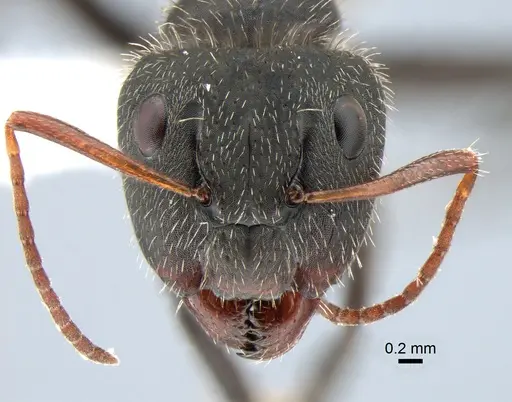
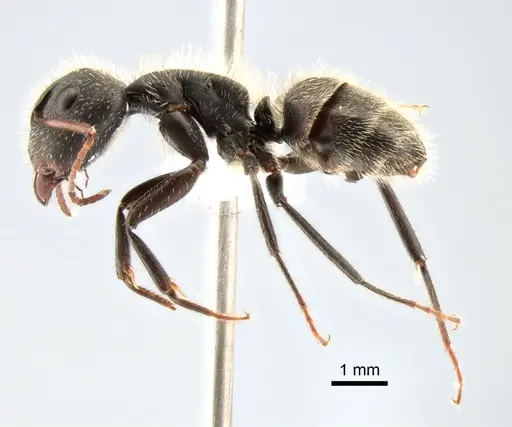
CASENT0910693
View on AntWeb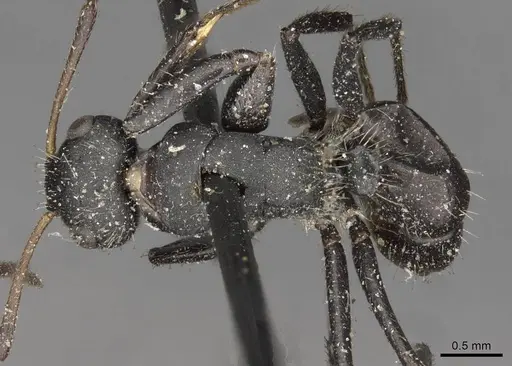
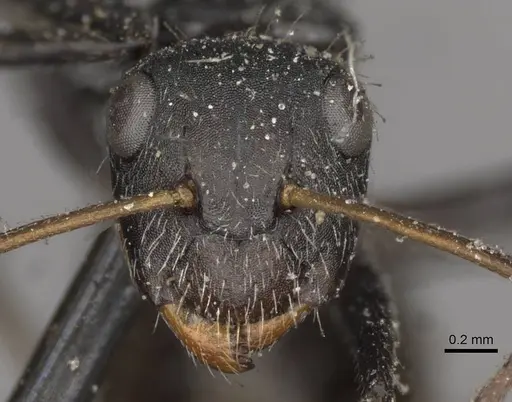
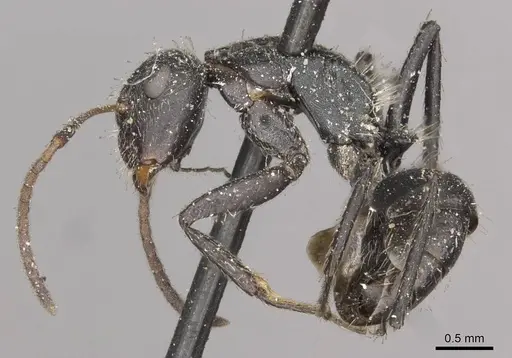
CASENT0910722
View on AntWeb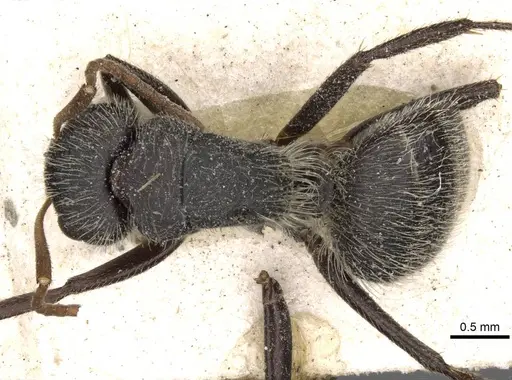
CASENT0911730
View on AntWeb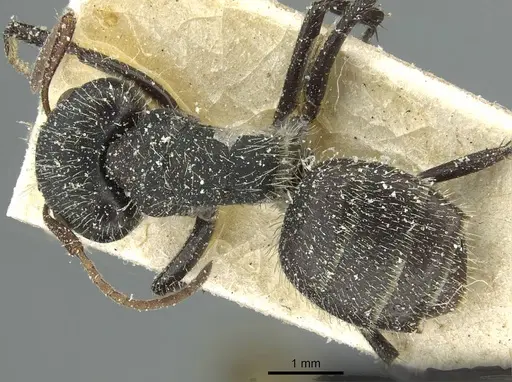
CASENT0911731
View on AntWeb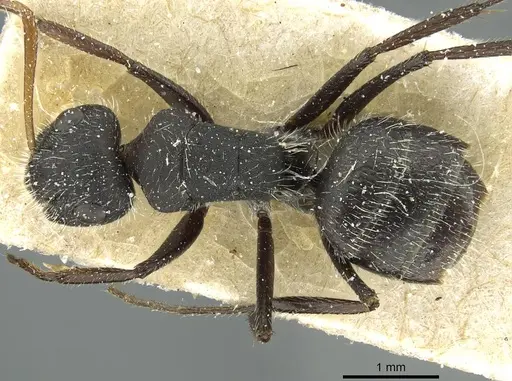
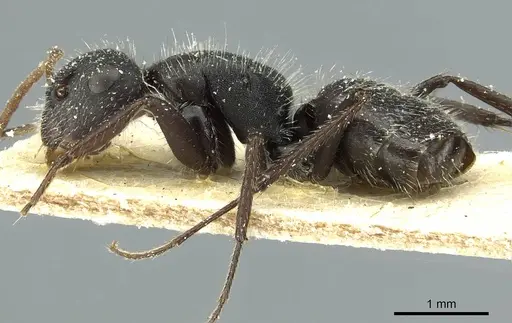
CASENT0911732
View on AntWeb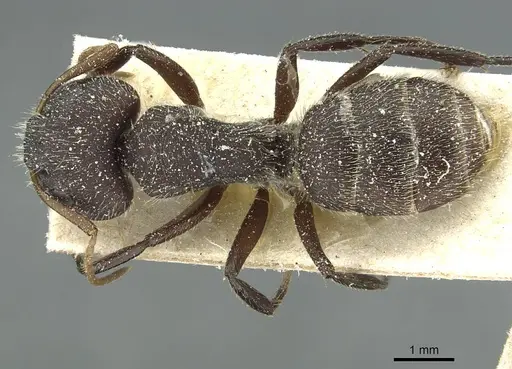
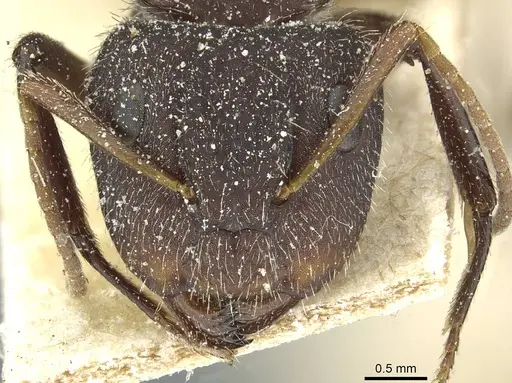
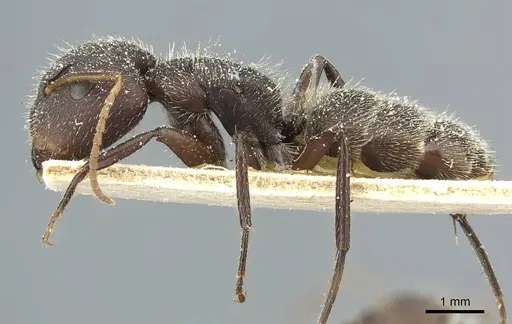
CASENT0911733
View on AntWeb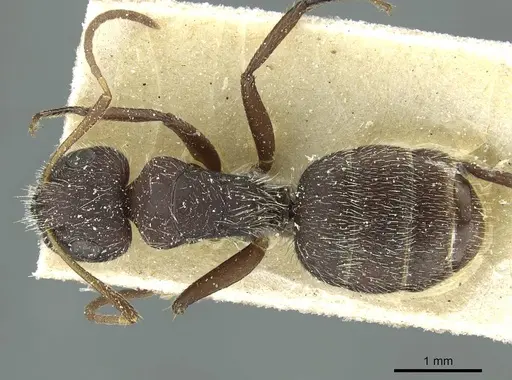
CASENT0911734
View on AntWeb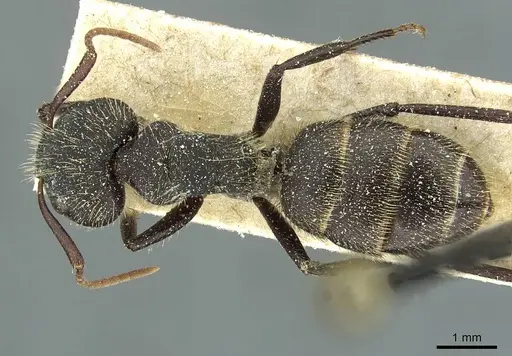
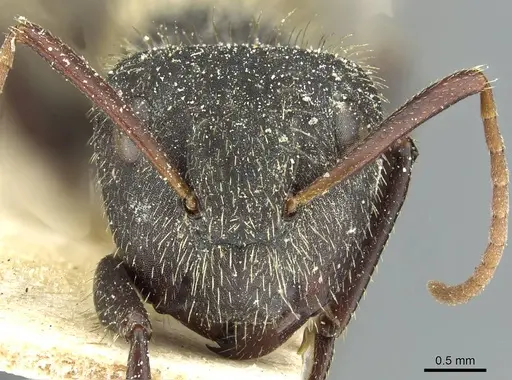
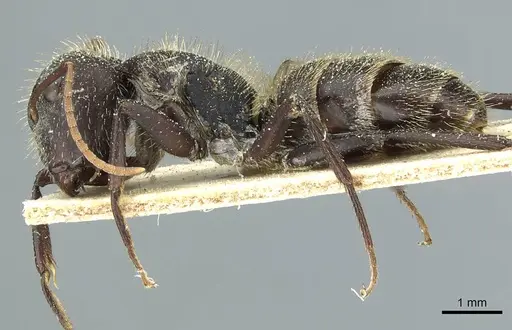
CASENT0911735
View on AntWeb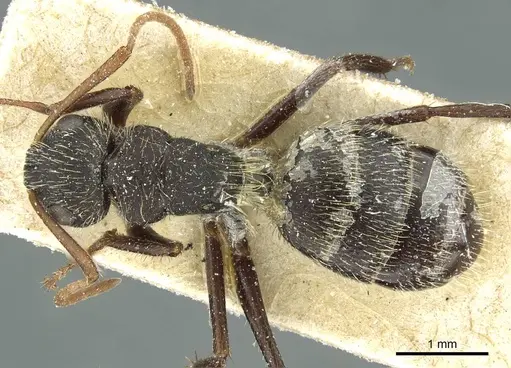
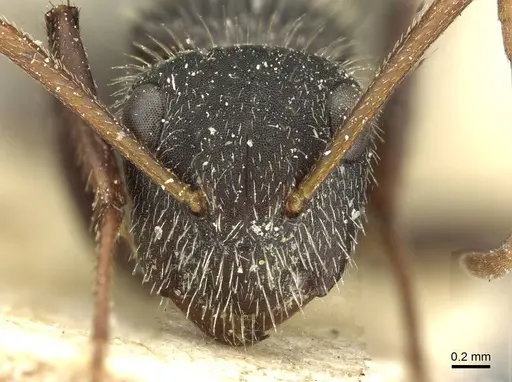
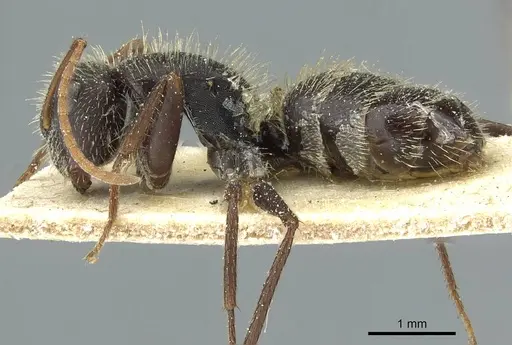
CASENT0911736
View on AntWeb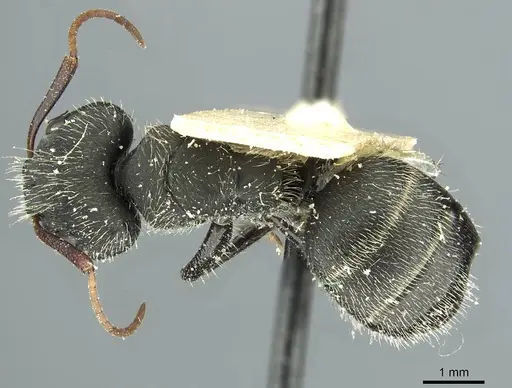
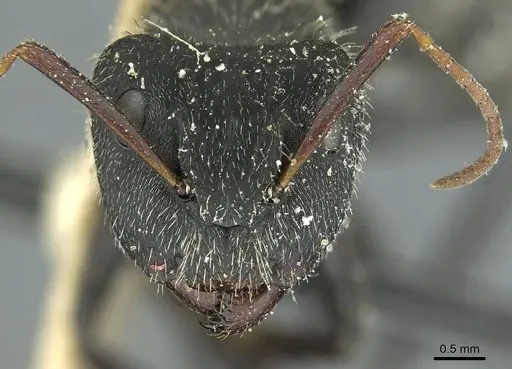
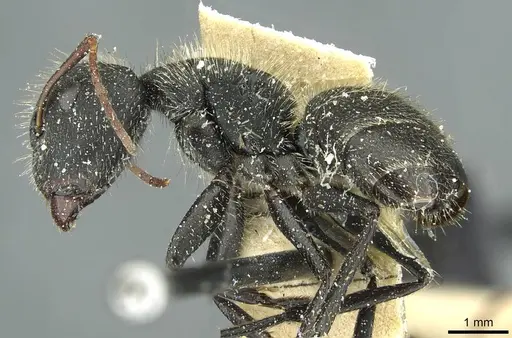
CASENT0911737
View on AntWeb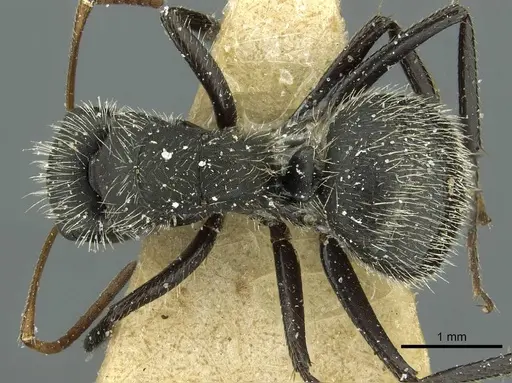
CASENT0911738
View on AntWeb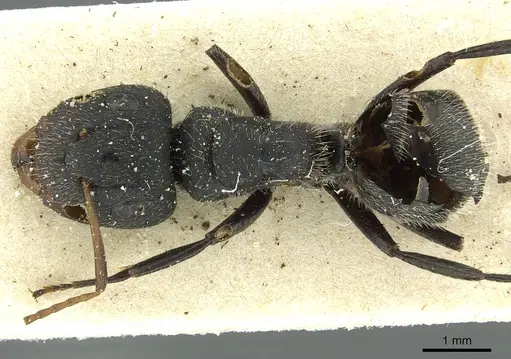
CASENT0911739
View on AntWeb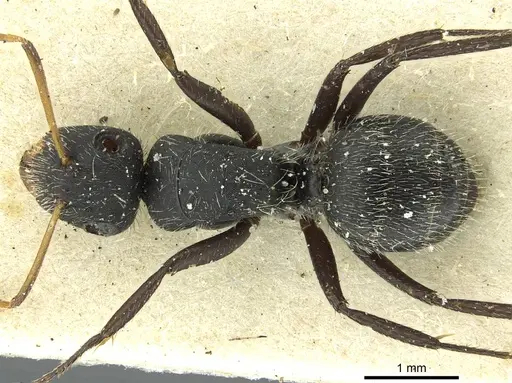
CASENT0915791
View on AntWeb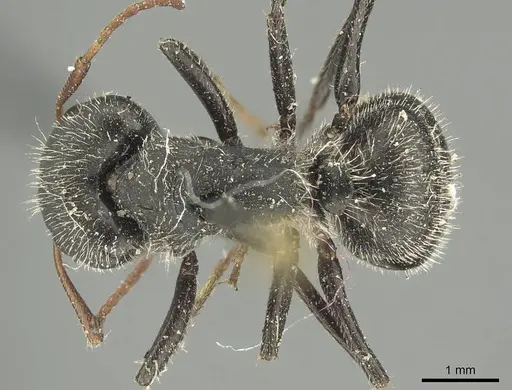
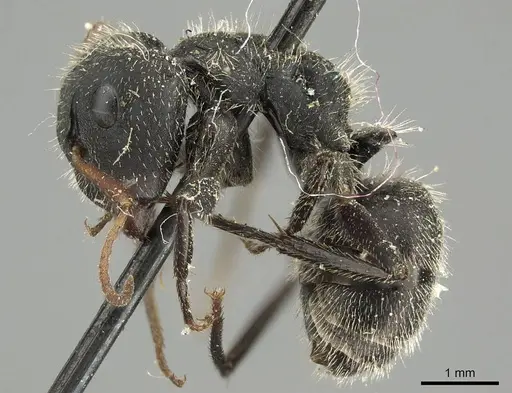
FOCOL2456
View on AntWeb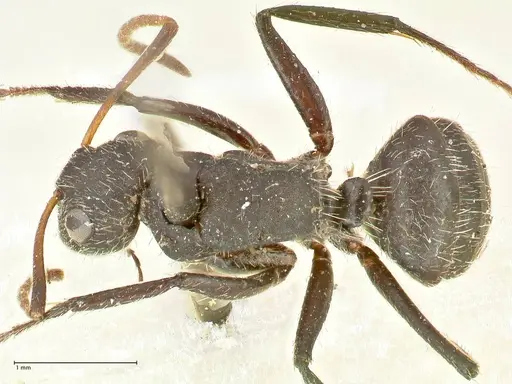
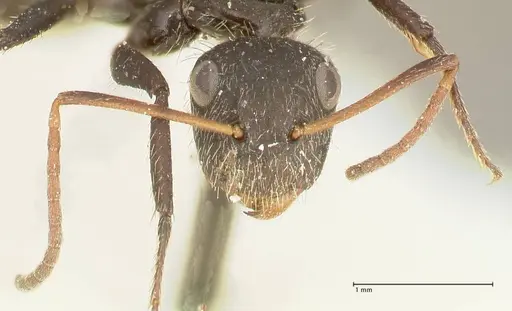
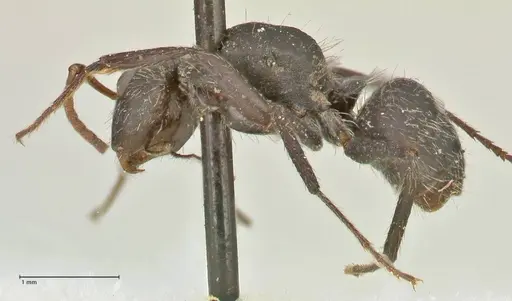
FOCOL2457
View on AntWeb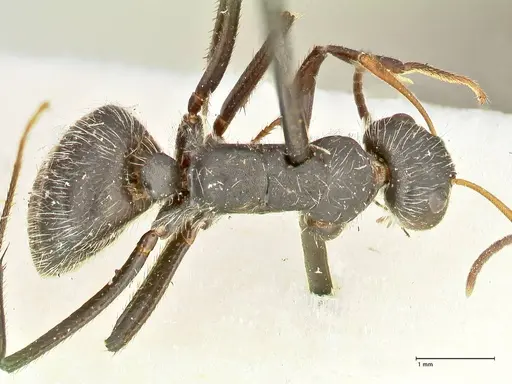
Literature
Loading distribution map...Loading products...