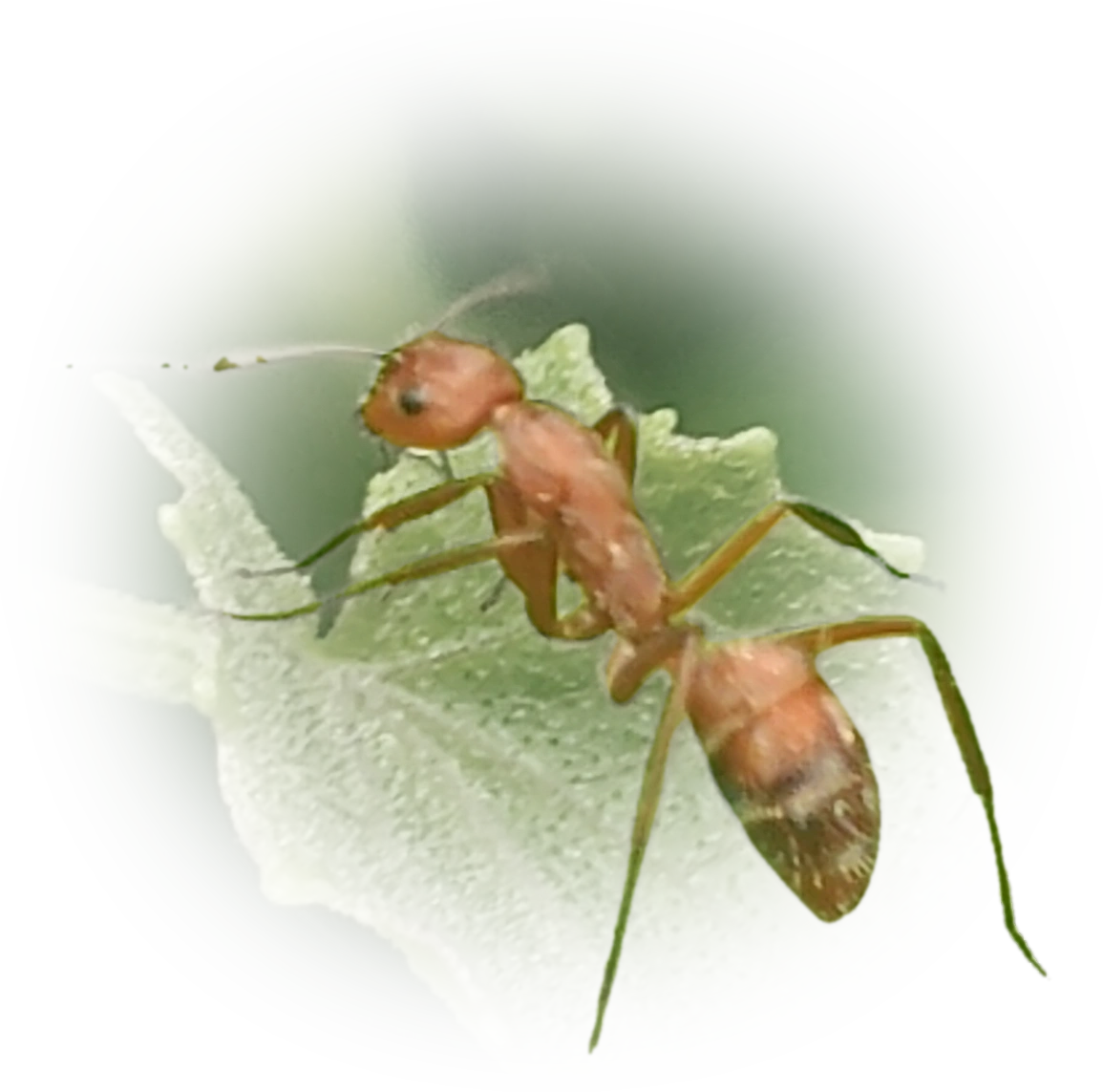
Camponotus coruscus
- Sci. Name
- Camponotus coruscus
- Subgenus
- Myrmaphaenus
- Tribe
- Camponotini
- Subfamily
- Formicinae
- Author
- Smith, 1862
- Distribution
- Found in 6 countries
Introduction
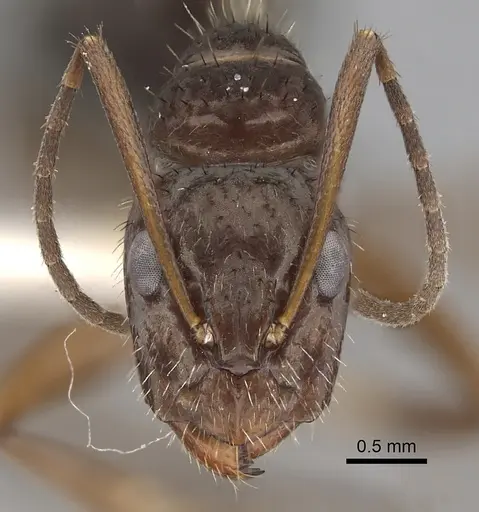
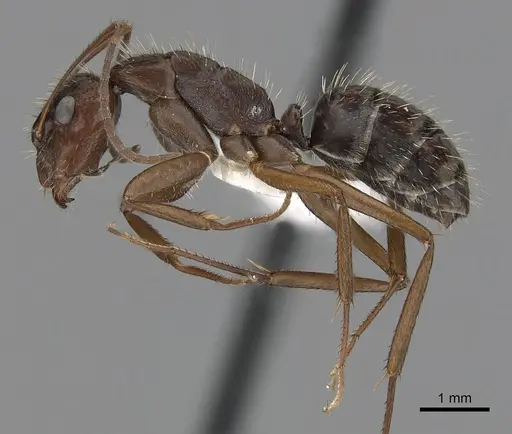
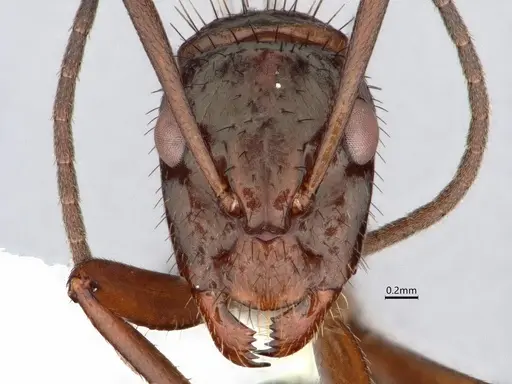
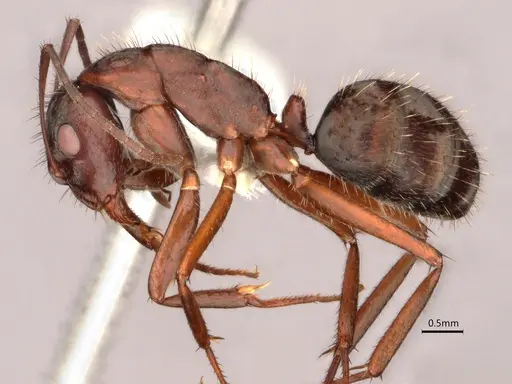
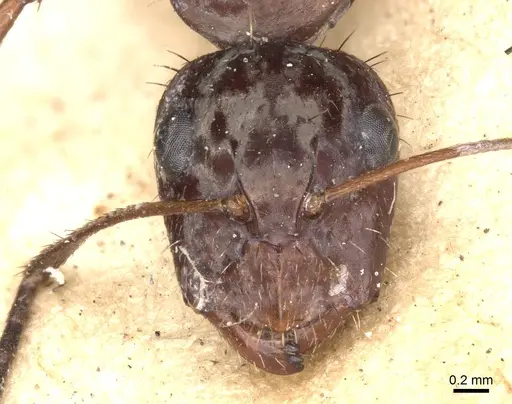
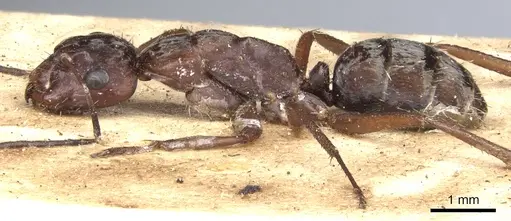
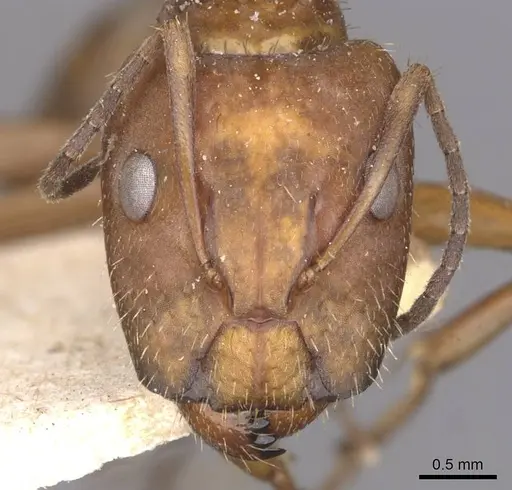
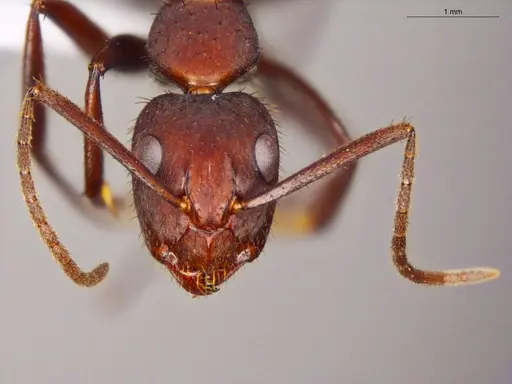
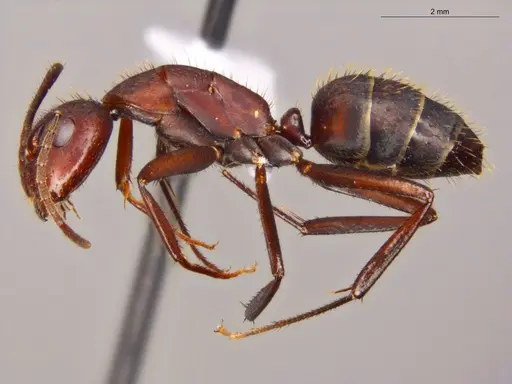
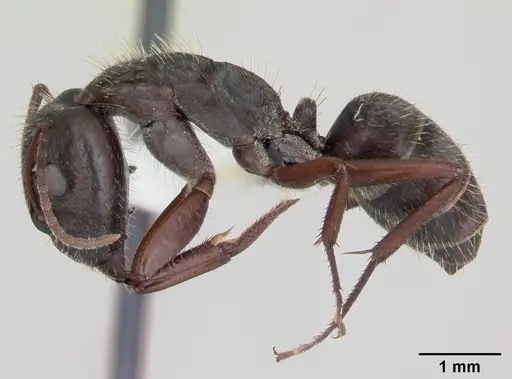
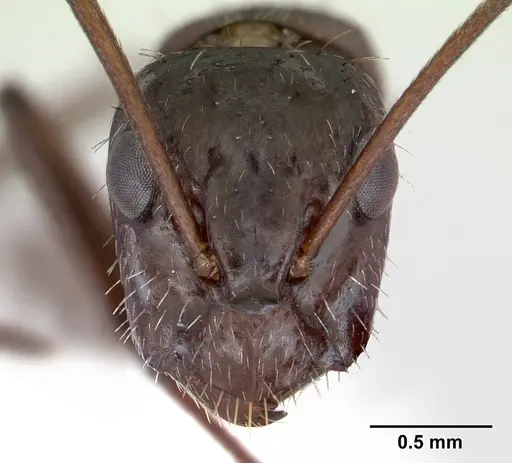
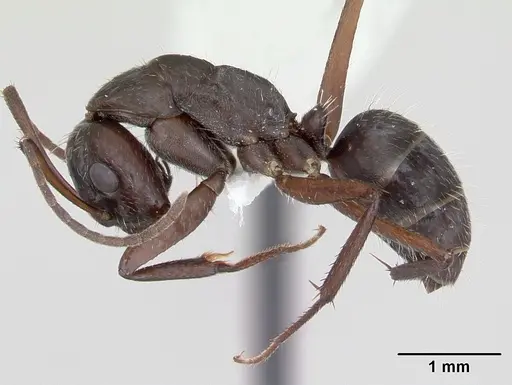
Camponotus coruscus is a large reddish-brown carpenter ant found throughout the Neotropical region from Mexico to Colombia. Workers measure 4-8mm depending on caste, with major workers around 8mm and minor workers 4-6mm. The species is striking for its distinctive silver or golden sheen that catches the light, especially on the head - this makes it easily distinguishable from similar species like Camponotus leydigi which lacks this reflection . They belong to the subgenus Myrmaphaenus and are known as active, alert foragers that hunt and scavenge in groups . This species is notable for its flexibility in nesting habits - in Colombia they nest in rotten parts of living trees in disturbed forests, while elsewhere they've been found nesting in soil, stumps, and twigs in both forested and agricultural areas like cocoa plantations . Their workers are effective predators that carry captured insects back to the nest in groups, and they also tend aphids for honeydew .
Quick Summary
- Difficulty: Medium
- Origin & Habitat: Neotropical region, Mexico through Colombia to Venezuela, including Costa Rica, Panama, Guatemala, Honduras, and Tobago. Found in diverse habitats including grasslands, riparian areas, dense primary forests, and cocoa plantations. Nests in twigs, branches in trees, stumps, and soil in both humid and disturbed forest areas [2][1][3].
- Colony Type: Single queen colonies (monogyne). As a Camponotus species, they are claustral, the queen seals herself in a chamber and raises her first workers alone using stored fat reserves.
- Antkeeping:
- Temperature: Keep at 24-28°C. This is a tropical species that thrives in warm conditions. A heating cable on one side of the nest creates a gradient allowing workers to regulate their temperature.
- Humidity: Moderate to high humidity (60-80%). They naturally inhabit humid forest environments and prefer moist nest substrate. Keep the nest area damp but not waterlogged, with some drier areas available for the ants to choose [3][2].
- Diapause: No true diapause required. As a tropical species from lowland areas, they do not need hibernation. However, slight temperature reduction during winter months (down to 20-22°C) may slow activity naturally.
- Nesting: Y-tong (AAC) or plaster nests work well. Provide a nest chamber sized appropriately for the colony, these ants prefer snug chambers. They are arboreal-nesting in nature so they appreciate vertical space and climbing structures. Outworld should include substrate for foraging and access to water.
- Behavior: Active and alert foragers. Workers are defensive when defending the colony and will bite and spray formic acid if threatened. They forage both on the soil surface and up into vegetation, hunting insects and scavenging. They are group foragers, workers coordinate to bring back larger prey items together [2]. Escape risk is moderate, use standard barrier methods like Fluon on test tube rims. They lack a functional sting but can bite and spray formic acid from their acidopore.
- Common Issues: colonies may stall if temperatures drop below 22°C, keep them warm, overfeeding can lead to mold problems in the nest, remove uneaten prey promptly, slow founding phase, queens may take 2-3 months to produce first workers, don't disturb, wild-caught colonies may carry parasites that can decimate the colony in captivity, they need protein-rich foods regularly, sugar alone is not sufficient
Housing and Nest Setup
Camponotus coruscus does well in Y-tong (AAC) nests or plaster nests with appropriate humidity. They prefer chambers that are snug rather than spacious, these ants feel more secure in tighter spaces. Provide a water reservoir connected to the nest chamber to maintain humidity without needing frequent misting. The outworld should include some substrate (soil or sand) for foraging and can include climbing structures since they naturally forage in vegetation. Test tube setups work for founding colonies, but plan to move them to a proper formicarium once the colony reaches 15-20 workers. Use standard escape prevention like Fluon on any rims or barriers. [2][1]
Feeding and Diet
As active predators and scavengers, C. coruscus needs a varied diet high in protein. Offer small insects like fruit flies, small crickets, mealworms, or other small arthropods 2-3 times per week. They are group hunters in the wild, so they handle larger prey items well, workers coordinate to carry captured insects back to the nest [2]. They also accept sugar sources like honey water or sugar water, especially when insect prey is less available. They will tend aphids for honeydew if given access to plants in the outworld. Remove any uneaten prey within 24-48 hours to prevent mold issues.
Temperature and Seasonal Care
This is a tropical species that requires warm conditions year-round. Maintain temperatures between 24-28°C for optimal brood development and colony growth. A heating cable placed on one side of the nest creates a temperature gradient that allows workers to self-regulate by moving between warmer and cooler areas. Avoid temperatures below 22°C for extended periods as this can stall colony development. Unlike temperate species, they do not require a true diapause or hibernation period. During winter months, a slight reduction to around 20-22°C is acceptable but not necessary. [2]
Colony Development and Growth
Founding queens are claustral, after mating, the queen seals herself in a chamber and does not leave to forage. She survives entirely on her stored fat reserves while laying eggs and raising the first brood. This founding phase typically takes 6-8 weeks at warm temperatures (25-28°C), but can take longer if temperatures are cooler. The first workers (nanitics) are smaller than normal workers but will quickly be replaced by larger individuals as the colony grows. Brood has been documented in nests during June, suggesting seasonal reproduction peaks in the wild [2]. Colonies grow moderately, expect several months to reach 50 workers, and potentially years to reach several thousand in optimal conditions.
Behavior and Foraging
C. coruscus is an active, alert species with well-developed foraging behaviors. Workers forage both on the ground and in vegetation, hunting insects and scavenging. They are group foragers, when a large prey item is found, workers recruit nestmates to help transport it back to the nest [2]. They are defensive of their colony and will bite and spray formic acid if the nest is threatened. Major workers have strong mandibles and can deliver a noticeable bite. They are not aggressive toward humans outside of nest defense. These ants are visual foragers and benefit from having some light in their outworld during active hours.
Frequently Asked Questions
How long does it take for Camponotus coruscus to produce first workers?
At optimal temperatures (25-28°C), expect 6-8 weeks from egg to first worker. The claustral queen seals herself in and raises the brood alone, so be patient and avoid disturbing the founding chamber during this time.
What do Camponotus coruscus ants eat?
They need a diet high in protein from small insects (fruit flies, small crickets, mealworms) offered 2-3 times weekly. They also accept sugar sources like honey water. In the wild they hunt insects in groups and scavenge, plus tend aphids for honeydew.
What temperature do Camponotus coruscus need?
Keep them warm at 24-28°C. This tropical species does not do well below 22°C for extended periods. A heating cable on one side of the nest creates a useful gradient.
Are Camponotus coruscus good for beginners?
They are intermediate in difficulty. They require warm, humid conditions and regular protein feeding, but are not as demanding as some tropical species. Their longer development time during founding requires patience.
How big do Camponotus coruscus colonies get?
Based on typical Camponotus patterns, colonies likely reach several thousand workers over time. Major workers are around 8mm while minors are 4-6mm.
Do Camponotus coruscus need hibernation?
No, they are a tropical species and do not require hibernation or diapause. They remain active year-round with proper warmth.
What type of nest is best for Camponotus coruscus?
Y-tong (AAC) nests or plaster nests work well. They prefer snug chambers rather than large open spaces. Provide humidity through a water reservoir connected to the nest area.
Can I keep multiple Camponotus coruscus queens together?
No, this species is monogyne, single queen colonies. Multiple unrelated queens will fight. Only keep one queen per colony.
Why is my Camponotus coruscus colony not growing?
Check that temperatures are warm enough (24-28°C) and humidity is adequate. Also ensure they have regular protein-rich food. Cold temperatures or poor nutrition are the most common causes of stalled growth.
Report an Issue
The current care sheet is based fully on literature. See inconsistencies, or something that's incorrect? Please , it will be resolved after review from an admin. Contributing to the blogs tab also helps providing information, to make us be able to further improve the caresheets. Thank you for your support!
References

This caresheet is licensed under CC BY-SA 4.0 .
Community Blogs
CASENT0280059
View on AntWeb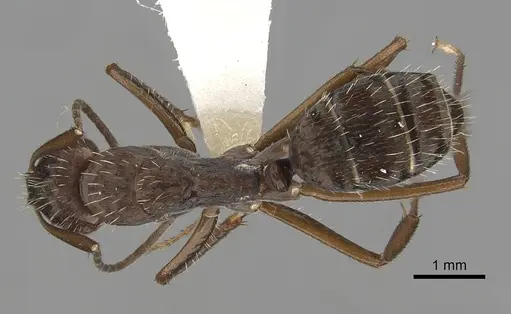
CASENT0886715
View on AntWeb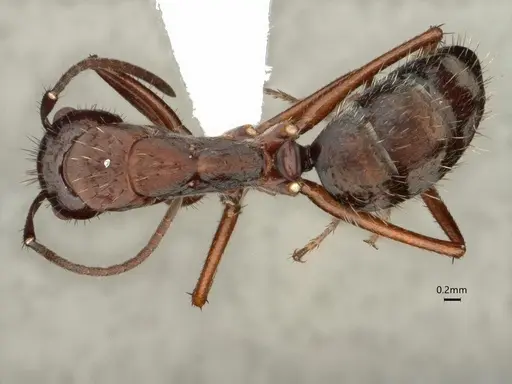
CASENT0903653
View on AntWeb
CASENT0909990
View on AntWeb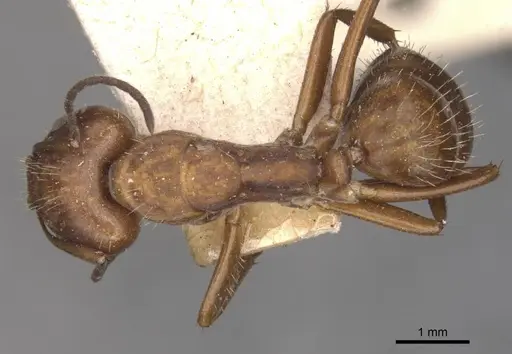
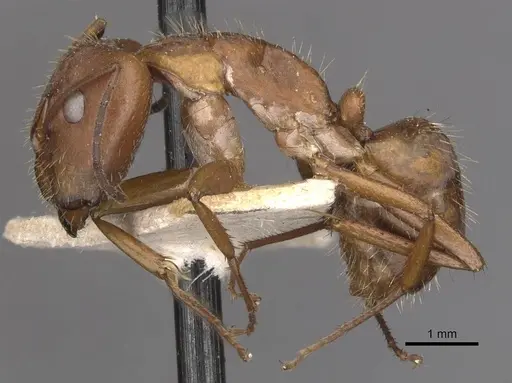
CASENT0909991
View on AntWeb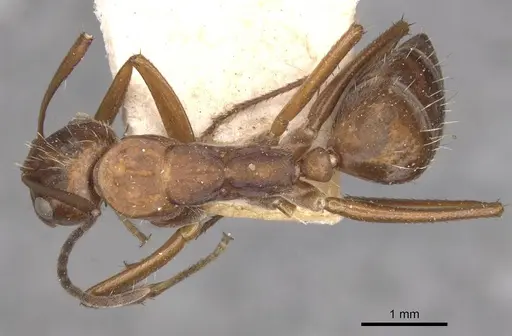
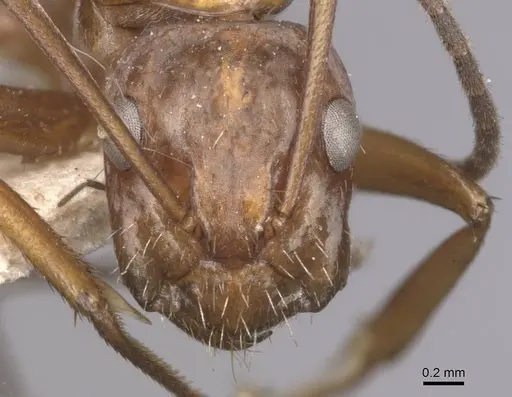
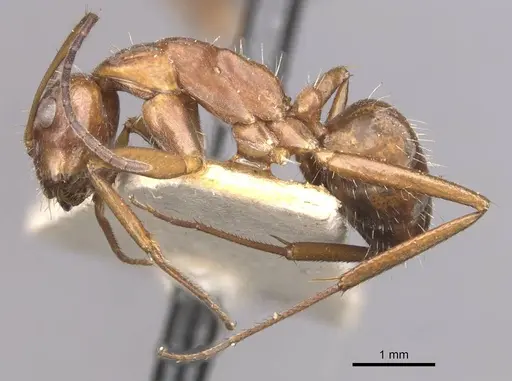
CASENT0923529
View on AntWeb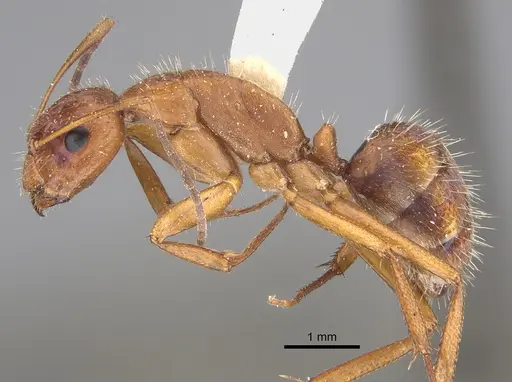
CBUMAGENT41781
View on AntWeb
ECOFOG-OI17-0218-08
View on AntWeb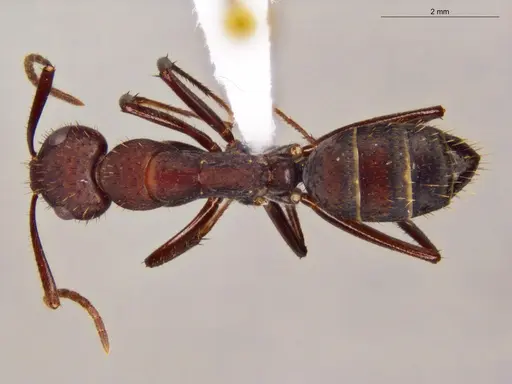
ECOFOG-SAV18-0440-06
View on AntWeb
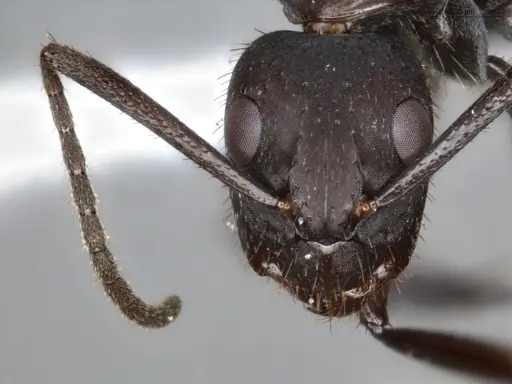
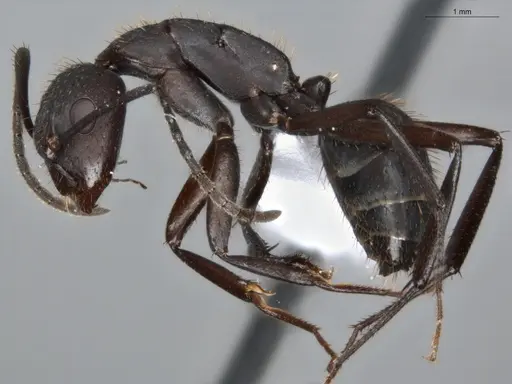
INBIOCRI002280607
View on AntWeb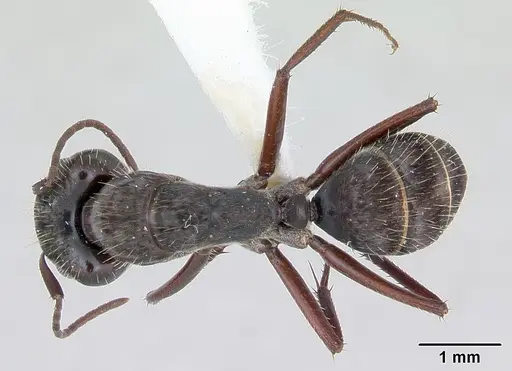
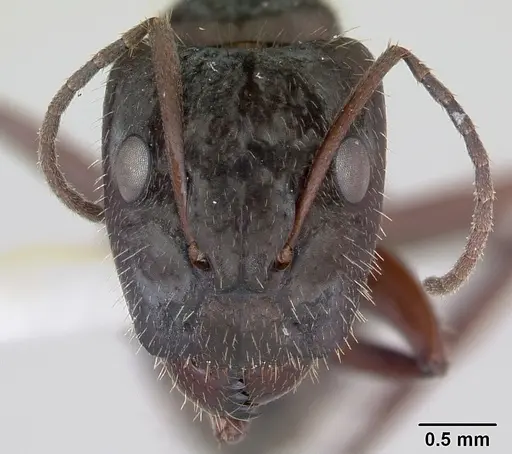
INBIOCRI002280762
View on AntWeb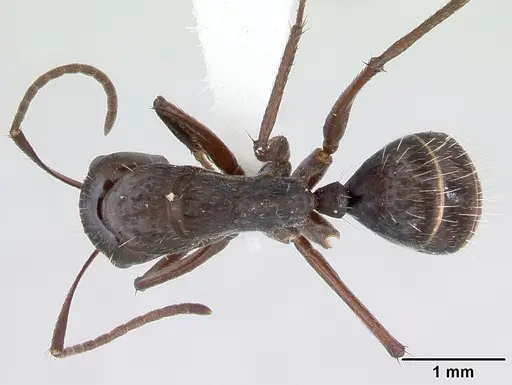
Literature
Loading distribution map...Loading products...