
Camponotus coriolanus
- Sci. Name
- Camponotus coriolanus
- Subgenus
- Hypercolobopsis
- Tribe
- Camponotini
- Subfamily
- Formicinae
- Author
- Forel, 1912
- Distribution
- Found in 2 countries
Introduction
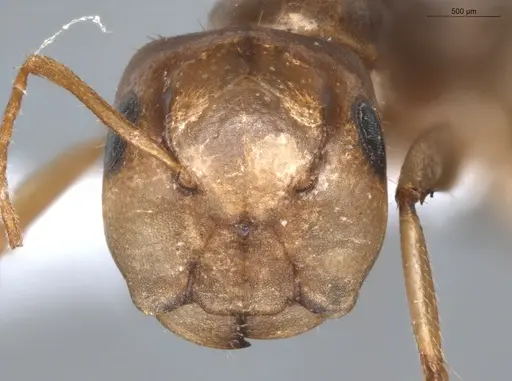
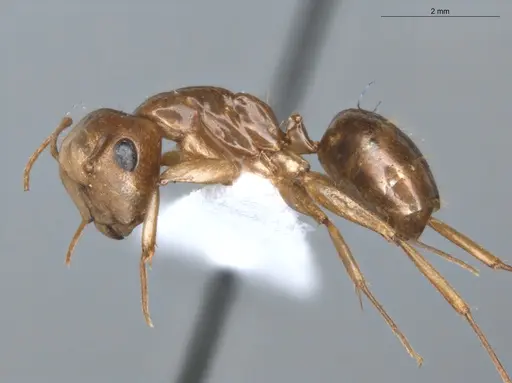
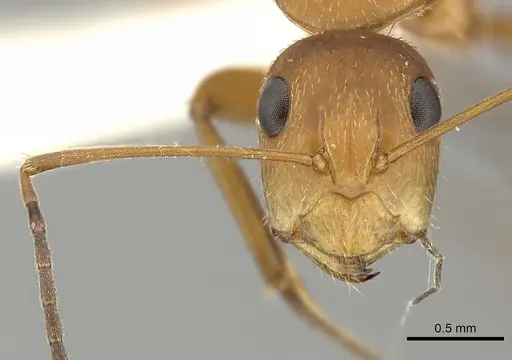
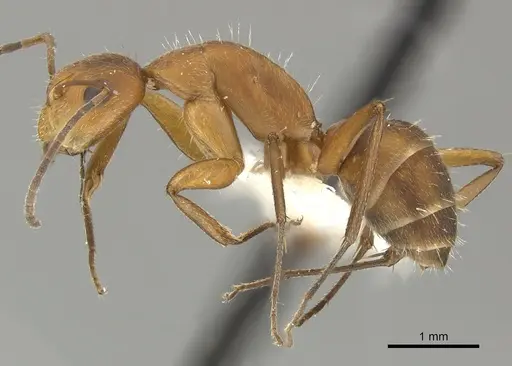
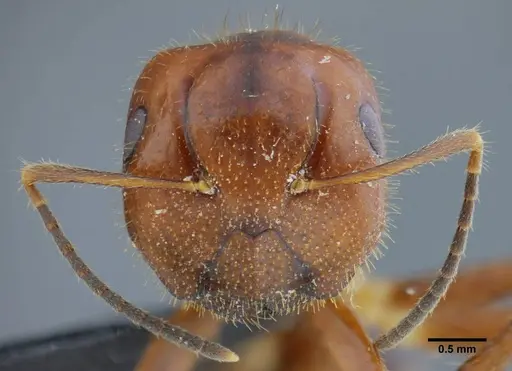
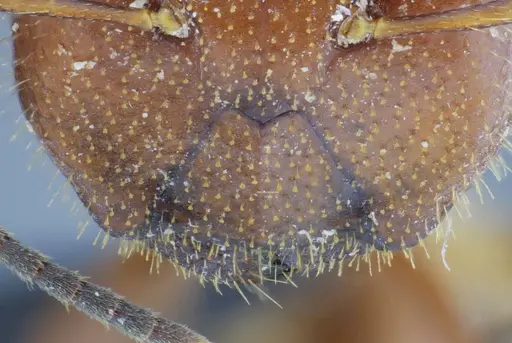
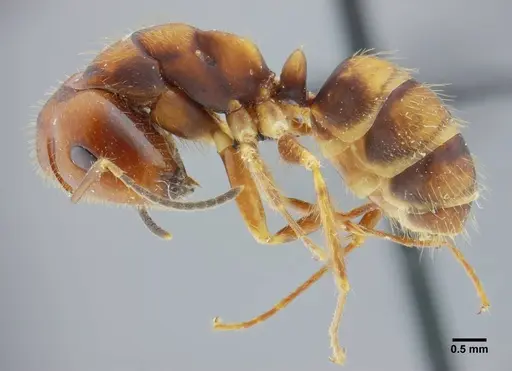
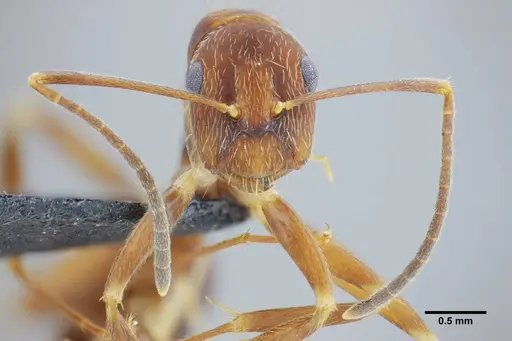
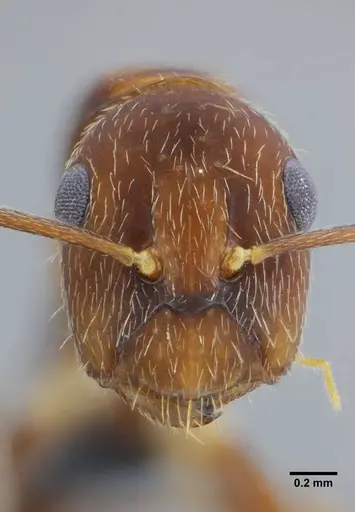
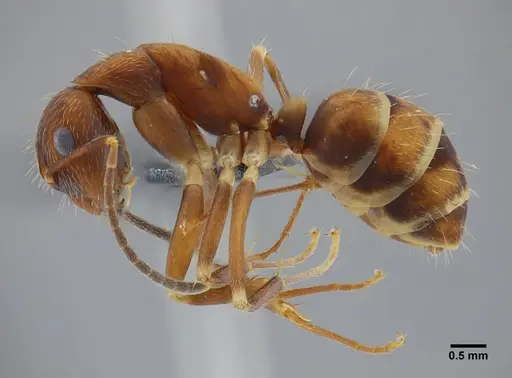
Camponotus coriolanus is a small reddish-brown ant found across northern South America, from Costa Rica south through Colombia to Bolivia and Brazil . Workers are small and reddish-ferruginous in color, with a distinctive truncated head shape in major workers - the front half of the head is cut off obliquely and covered with hairs . This species nests in twigs and tree stems, making it a typical cavity-nesting Camponotus . The minor workers are more slender and lack the dramatic head modification of the majors, making them harder to identify . As a member of the subgenus Hypercolobopsis, these ants are adapted to life in small wooden cavities rather than soil nests.
Quick Summary
- Difficulty: Medium
- Origin & Habitat: Found across the Neotropical region from Costa Rica south through Colombia (Valle del Cauca) to Bolivia and Brazil [1][2]. In Colombia, they have been recorded in Amazonian terra firme forest [3]. They nest in twigs and dead tree stems in forested areas [1].
- Colony Type: Colony structure is unconfirmed. The species likely forms single-queen colonies based on typical Camponotus patterns, but specific data is unavailable.
- Size & Growth:
- Queen: Size data unavailable, inferred from small Camponotus genus patterns (~10-12mm)
- Worker: Minor workers approximately 4-6mm, inferred from genus patterns [1]
- Colony: Likely up to several hundred workers based on twig-nesting Camponotus patterns
- Growth: Moderate, typical Camponotus development
- Development: Estimated 6-8 weeks at optimal temperature based on typical Camponotus development (Development time is typical for tropical Camponotus species, faster than temperate species due to warmer natural conditions)
- Antkeeping:
- Temperature: Keep at 24-28°C, they are a tropical species that prefers warm conditions. A gentle gradient allowing workers to self-regulate is ideal.
- Humidity: Moderate humidity around 60-70%. These forest-dwelling ants prefer stable conditions but not waterlogged nests. Provide a water tube for drinking access.
- Diapause: No true diapause required, being a tropical species, they do not need hibernation.
- Nesting: Provide nests in wood-based materials, cork nests, wood fragments, or acrylic nests with wooden chambers work well. They naturally nest in twigs and stems, so narrow cavities mimic their natural habitat [1].
- Behavior: Generally calm and non-aggressive for a Camponotus species. Workers are active foragers that search for honeydew and small prey. Major workers have the distinctive truncated head but are not particularly aggressive. Escape risk is moderate, use standard Camponotus escape prevention (fluon barriers work well).
- Common Issues: colonies may fail if kept too cold, maintain warm temperatures year-round, twig-nesting species needs appropriately sized cavities, too large can stress the colony, wild-caught colonies may have parasites that need treatment, slow founding phase can worry beginners, queens need patience, moderate humidity needs mean overwatering can cause mold problems
Housing and Nest Preferences
Camponotus coriolanus naturally nests in twigs and dead tree stems [1], so they do well in nests that mimic these conditions. Cork nests work excellently because they provide natural wood-like cavities that the ants can adapt. Acrylic nests with wooden inserts or carved chambers also work well. The key is providing appropriately sized chambers, not too large, as these ants prefer cozy spaces similar to what they would find in a natural twig. Test tubes can work for founding colonies but consider moving to a more permanent wood-based setup once the colony reaches 20-30 workers. Avoid overly humid conditions that could cause mold in wooden nests.
Feeding and Diet
Like most Camponotus, these ants are omnivorous with a preference for sugar sources. Offer sugar water, honey, or diluted maple syrup as a constant energy source. For protein, provide small insects like fruit flies, small mealworms, or cricket pieces. In the wild, they likely forage for honeydew from aphids and scale insects, plus small arthropods. Feed protein 2-3 times per week and keep sugar water available at all times. Remove uneaten prey after 24-48 hours to prevent mold.
Temperature and Seasonal Care
Being a tropical species from northern South America, Camponotus coriolanus needs warm conditions year-round. Keep the nest area at 24-28°C with a slight gradient so workers can choose their preferred temperature. Room temperature in most homes should work, but you may need a small heating cable or mat in cooler climates. Unlike temperate species, they do not require a winter diapause. [1]
Colony Development and Growth
Camponotus coriolanus follows typical Camponotus development patterns. The queen seals herself in a small chamber and raises the first brood alone using stored fat reserves. The first workers are typically smaller than mature workers but will begin foraging once they emerge. Growth is moderate, expect several weeks from egg to first worker at optimal temperature. Colonies develop gradually over several years, likely reaching several hundred workers in optimal conditions. Major workers develop as the colony grows and may become more common in mature colonies.
Behavior and Temperament
These ants are generally calm and manageable. Workers are active foragers that will readily explore outworlds for food. The species is not particularly aggressive, majors may defend the nest but rarely attack proactively. Workers communicate through chemical trails and can recruit nestmates to food discoveries. They do not have a functional sting but can spray formic acid as a defense [4]. Escape prevention is important, while not the smallest ants, they can still climb smooth surfaces, so use fluon or similar barriers.
Frequently Asked Questions
How long does it take for Camponotus coriolanus to produce first workers?
Expect several weeks from egg to first worker at optimal temperature (around 26°C). This is typical for tropical Camponotus species. The queen will seal herself in and raise the first brood alone.
What do Camponotus coriolanus ants eat?
They are omnivorous. Offer sugar water, honey, or maple syrup constantly for energy. For protein, feed small insects like fruit flies, pinhead crickets, or small mealworms 2-3 times per week.
Do Camponotus coriolanus ants need hibernation?
No, they do not require hibernation. Being a tropical species from northern South America, they prefer warm conditions year-round. Keep them at 24-28°C consistently.
What type of nest is best for Camponotus coriolanus?
They naturally nest in twigs and tree stems, so cork nests or acrylic nests with wooden chambers work best. Provide appropriately sized cavities, not too large, as they prefer cozy spaces.
Are Camponotus coriolanus good for beginners?
They are intermediate-level ants. The main challenges are maintaining warm temperatures year-round and providing appropriate twig-sized nesting cavities. They are calmer than many Camponotus but need more specific conditions than simple species.
How big do Camponotus coriolanus colonies get?
Based on their twig-nesting habit, colonies likely reach several hundred workers. This is modest compared to some Camponotus species that can reach thousands.
Can I keep multiple Camponotus coriolanus queens together?
Colony structure is unconfirmed for this species. Combining unrelated queens is not recommended as they typically fight. A single established queen will found a healthy colony.
When should I move Camponotus coriolanus to a formicarium?
Keep founding queens in a simple test tube setup. Once the colony reaches 20-30 workers and you see regular foraging activity, you can move them to a more elaborate setup like a cork nest or acrylic formicarium.
Why is my Camponotus coriolanus colony not growing?
Check three things: temperature (should be 24-28°C), feeding (protein 2-3x weekly, sugar constantly), and humidity (not too wet, not too dry). Also ensure the queen is still laying and the colony is not stressed by too-large nesting space.
Report an Issue
The current care sheet is based fully on literature. See inconsistencies, or something that's incorrect? Please , it will be resolved after review from an admin. Contributing to the blogs tab also helps providing information, to make us be able to further improve the caresheets. Thank you for your support!
References

This caresheet is licensed under CC BY-SA 4.0 .
Community Blogs
CASENT0910675
View on AntWeb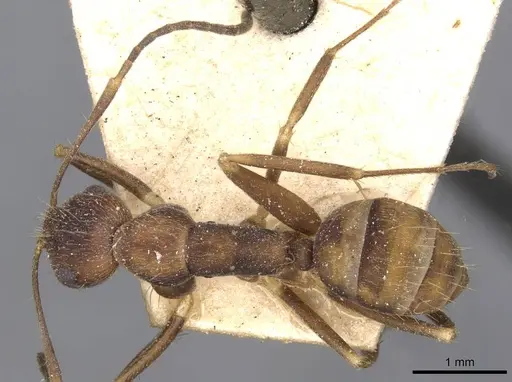
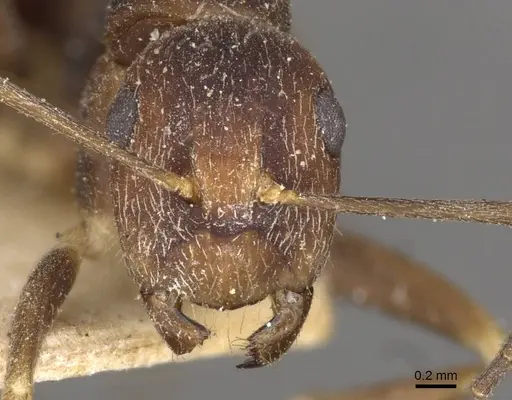
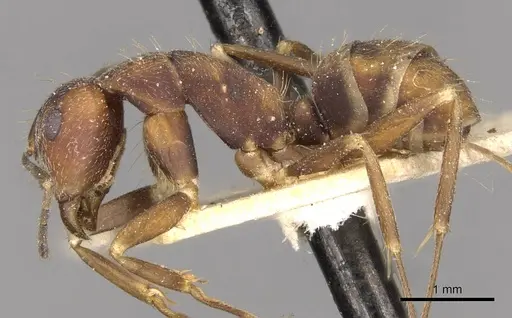
ECOFOG-TR17-0151-02
View on AntWeb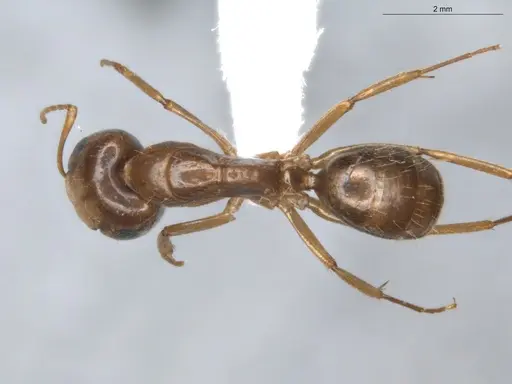
JTLC000000442
View on AntWeb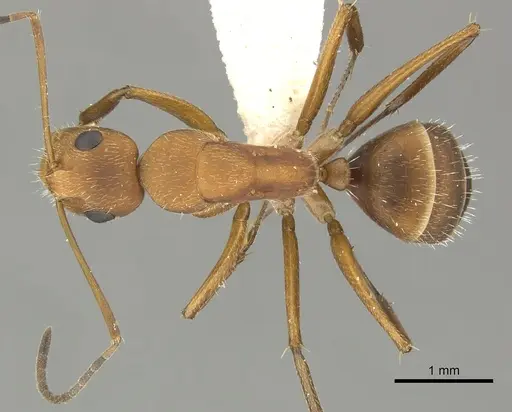
UFV-LABECOL-003797
View on AntWeb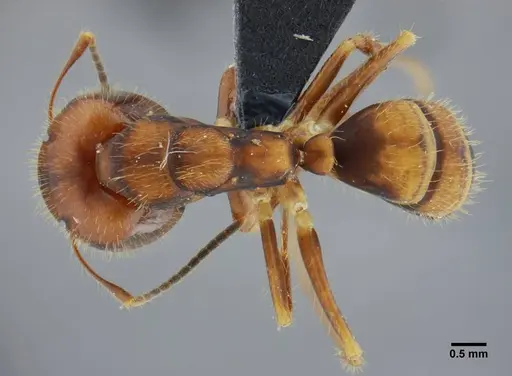
UFV-LABECOL-003800
View on AntWeb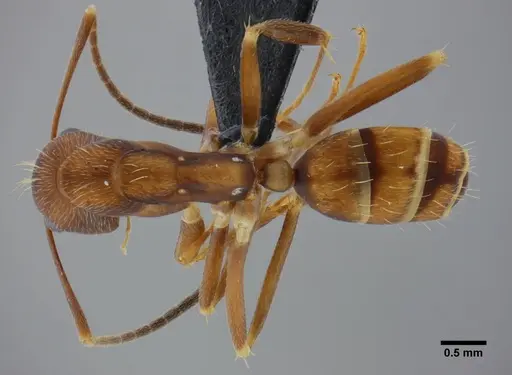
Literature
Loading distribution map...Loading products...