
Camponotus conspicuus
- Sci. Name
- Camponotus conspicuus
- Subgenus
- Tanaemyrmex
- Tribe
- Camponotini
- Subfamily
- Formicinae
- Author
- Smith, 1858
- Distribution
- Found in 10 countries
Introduction
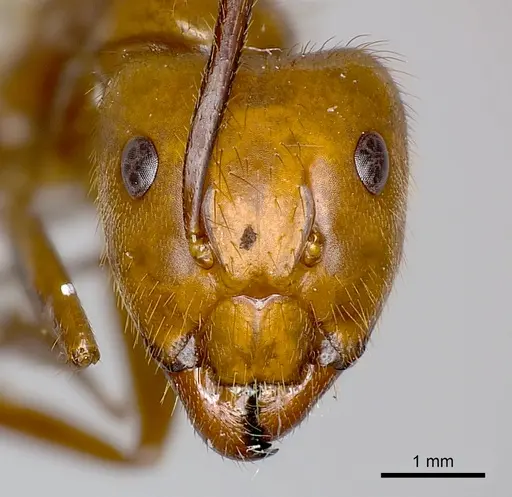
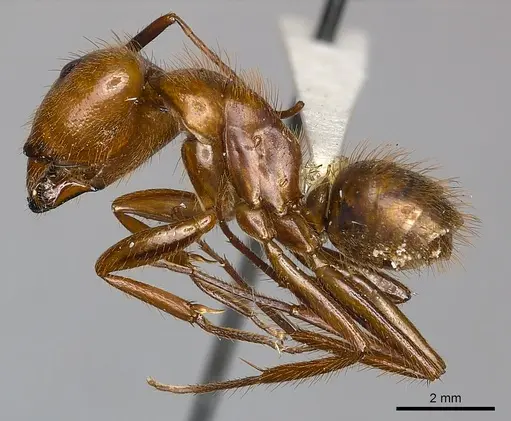
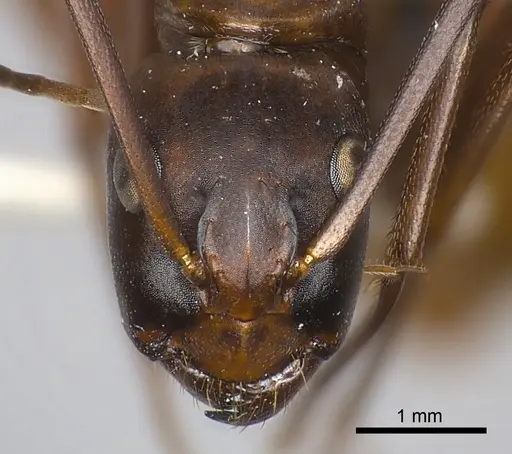
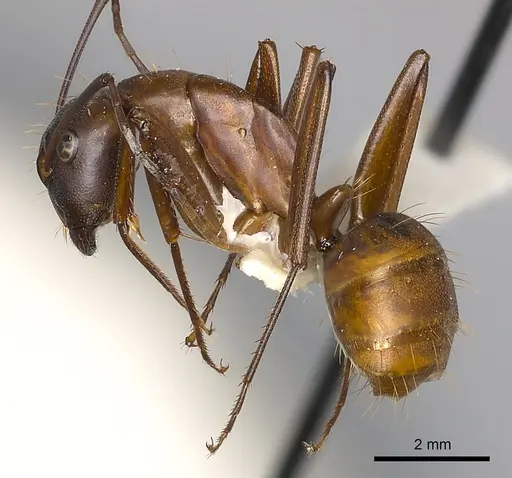
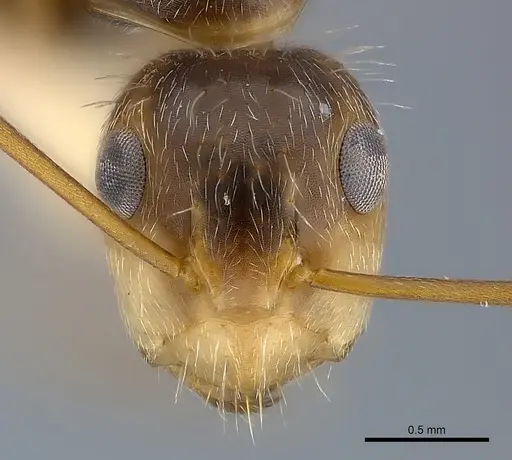
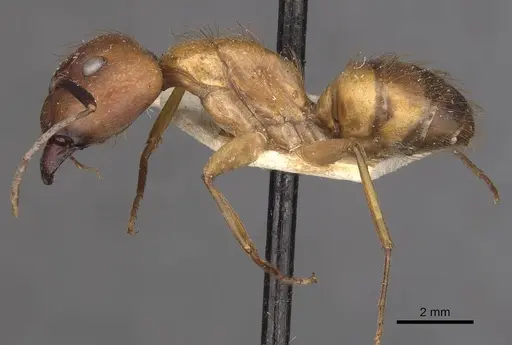
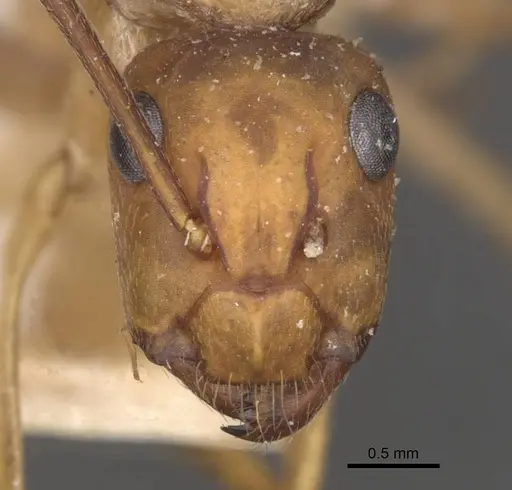
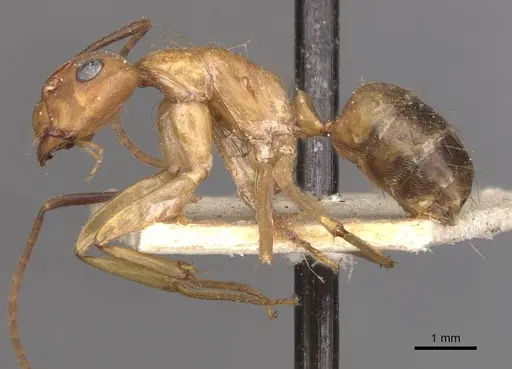
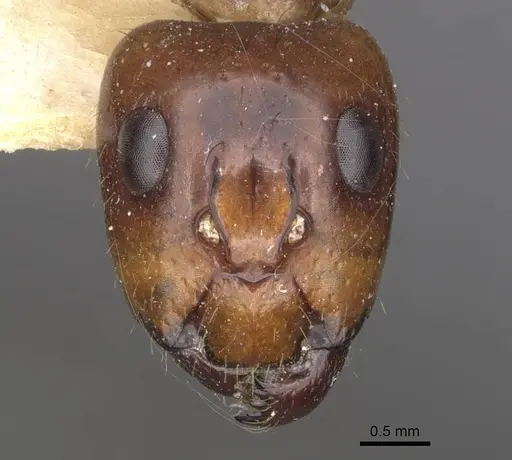
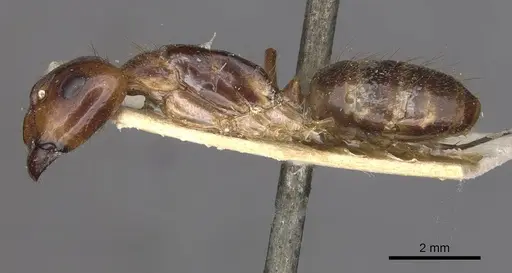
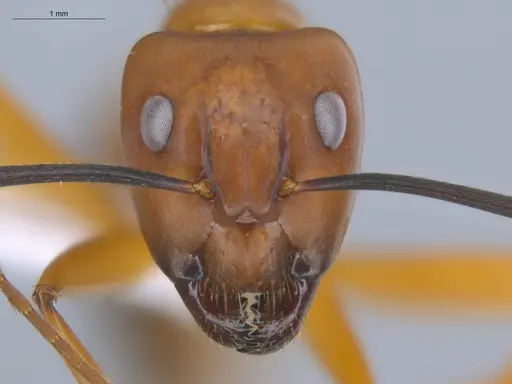
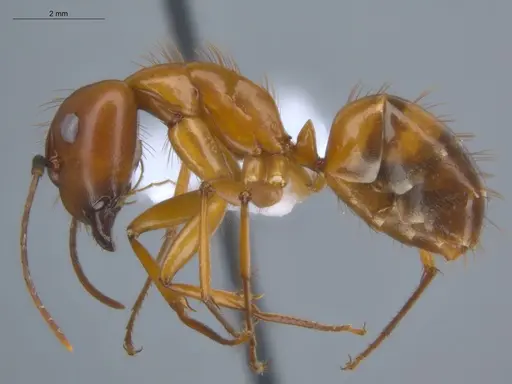
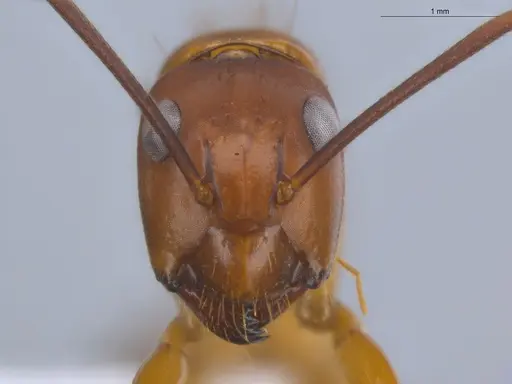
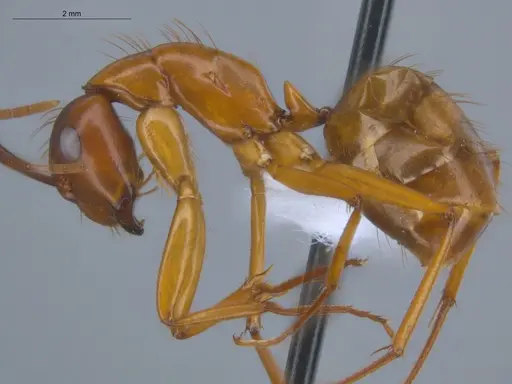
Camponotus conspicuus is a medium-sized carpenter ant, workers around 8 mm total length, queens about 12 mm . It's a member of the maculatus species complex and the subgenus Tanaemyrmex . The body is medium reddish-brown, often with darker transverse bands on the gaster, and the scape is flattened near the base. Erect and suberect hairs are abundant on the head, scape, and tibiae . Minor workers have a rectangular-shaped head; majors have enlarged, modified heads that can block the nest entrance . The species is native to the Caribbean and tropical Americas (Jamaica, Bahamas, Cuba, Mexico, Costa Rica, Colombia, Brazil, Argentina) and has been introduced to the Galápagos Islands, where it has spread to 24 islands . It nests in soil near tree bases, rotten wood, under rocks, and in buildings and is nocturnal with a generalist diet . Taxonomic uncertainty exists - it may be a synonym of Camponotus atriceps .
Quick Summary
- Difficulty: Expert (invasive, Galápagos)
- Origin & Habitat: Native to the Caribbean (Jamaica, Bahamas, Cuba, Greater and Lesser Antilles) and tropical Americas (Mexico, Costa Rica, Panama, Colombia, Brazil, Argentina). Also introduced to the Galápagos and possibly the continental US. Found in tropical dry forests, cloud forests, and disturbed areas. Nests in soil near tree bases, rotten wood, under rocks, and inside buildings, also arboreal in trees [1][5][4][6].
- Colony Type: Facultatively polygyne, polygyne colonies are common in the Galápagos, native colony structure is poorly documented but likely monogyne. Colonies can reach several thousand workers [5][1].
- Size & Growth:
- Queen: ~12 mm (10.6-11.7 mm from original description) [2]
- Worker: ~8 mm total length (minor workers), majors variable, up to ~10 mm [1][3]
- Colony: Up to several thousand workers (estimated based on polygyne Galápagos colonies) [5]
- Growth: Moderate, typical for large Camponotus
- Development: 6-10 weeks (inferred from related Camponotus at 24-28 °C, no direct data for this species) (First workers are smaller nanitics, full castes develop as the colony matures.)
- Antkeeping:
- Temperature: 24-28 °C (tropical species, no hibernation). Keep stable year‑round, avoid extended drops below 20 °C [5][1].
- Humidity: Moderate, provide a moist nest area but the species is adaptable, ranging from littoral to humid zones. Do not let the nest dry out completely [5].
- Diapause: No, tropical species, maintain warmth all year [5].
- Nesting: Y‑tong or plaster nests, or naturalistic setups with rotten wood. Use medium‑large chambers to accommodate majors. Provide a substrate of soil or sand for nesting [1][4].
- Behavior: Nocturnal and generally docile toward keepers. Workers are confident foragers that recruit nestmates to food sources via chemical trails. They tend hemipterans for honeydew [7]. Majors have modified heads to block the nest entrance [4]. Escape risk is moderate, standard fluon barriers on the outworld rim are sufficient. They are active on both ground and trees [8][5].
- Common Issues: Invasive in the Galápagos, never release in non‑native areas., Taxonomic uncertainty, may be a synonym of Camponotus atriceps [1]., Requires stable tropical temperatures, cold weakens or kills the colony., Nocturnal, peak activity is at night, daytime inactivity is normal., Castes (minors and majors) develop as the colony grows, majors with large heads are normal., Polygyne in Galápagos, multiple queens may be present in a colony.
Housing and Nest Setup
Use a test tube for the founding colony. Once the tube becomes too small (the queen is laying regularly and workers are numerous), move the colony to a Y-tong or plaster nest with medium‑sized chambers. Because majors develop as the colony grows, the chambers should be wide enough for them to turn around. C. conspicuus naturally nests in soil near tree bases, under rocks, and in rotten wood [1][4], so a naturalistic setup with a soil‑sand substrate and a piece of rotten wood works well. Always provide a spacious outworld for foraging and apply fluon or a similar barrier around the rim to prevent escapes. A water tube or test tube humidifier should be kept in the nest area.
Feeding and Diet
C. conspicuus is a generalist forager [4]. Provide a constant sugar source, sugar water, honey, or diluted maple syrup. For protein, offer small insects (mealworms, crickets, fruit flies) two to three times per week. In nature, they tend hemipterans for honeydew [7]. Because the species is nocturnal, most feeding activity occurs after dark, check food dishes in the morning. Remove any uneaten prey within 48 hours to prevent mold.
Temperature and Seasonal Care
This tropical species needs warmth all year. Keep the nest at 24-28 °C. A heating cable on one side of the nest provides a gradient the ants can choose from. Avoid letting the temperature drop below 20 °C for more than a few hours, cold stress weakens the colony and can kill it. No diapause or hibernation is needed, maintain consistent warmth year‑round. In a cool room, use a heat mat or ceramic heater to supplement [5][1].
Colony Development
The founding queen seals herself in a chamber and lives off stored fat (claustral founding, typical for Camponotus). The exact development time for this species is undocumented, based on related Camponotus, the first workers likely emerge after 6-10 weeks at 24-28 °C. The first batch of workers (nanitics) are smaller than normal, but the colony gradually produces larger minors and majors. Majors have enlarged heads and can block the nest entrance [4]. A mature colony may contain a few thousand workers and takes two to three years to reach that size under good conditions. Be patient, slow growth is normal for large Camponotus.
Behavior and Temperament
C. conspicuus is nocturnal, with peak foraging after dark. Workers are confident and recruit nestmates to food using chemical trails. They belong to the patrol camponotine guild [9] and forage both on the ground and in trees. Majors serve as nest defenders, plugging the entrance with their modified heads [4]. The species is not aggressive toward keepers but will spray formic acid if handled, avoid direct contact with eyes or skin. In Galápagos, they are common in urban and disturbed areas and have been observed tending scale insects [7][5].
Legal and Ethical Considerations
Camponotus conspicuus is invasive in the Galápagos Islands, where it has spread to 24 islands, displaced native Camponotus macilentus, and likely arrived via human transport [5]. Never release colonies in non‑native areas. Also be aware of ongoing taxonomic uncertainty: the species may be a synonym of Camponotus atriceps, so proper identification is important for research and conservation [1]. If you can no longer keep your colony, find another keeper or humanely euthanise it. Check local regulations before acquiring this species.
Frequently Asked Questions
Is Camponotus conspicuus a good species for beginners?
No. This species is recommended for experienced keepers because it is invasive in the Galápagos (expert difficulty), requires stable tropical temperatures year‑round, and has taxonomic uncertainty. Not suitable for beginners.
How long does it take for the first workers to appear?
No direct data for this species. Based on related Camponotus, expect 6-10 weeks at 24-28 °C. The queen is claustral and should be left completely undisturbed until the first workers emerge.
Can I keep multiple queens together?
It is possible. C. conspicuus is polygyne in the Galápagos, so multiple queens can coexist [5]. However, queens from different sources may not accept each other. The safest approach is to start with a single queen or obtain a colony already known to be polygyne.
What temperature do they need?
Keep at 24-28 °C (75-82 °F). This tropical species does not tolerate cold well, avoid temperatures below 20 °C. A heating cable on one part of the nest creates a useful temperature gradient [5].
Do they need hibernation or diapause?
No. C. conspicuus is a tropical species and does not require hibernation. Maintain warm temperatures year‑round [5].
What do they eat?
Provide a constant sugar source (sugar water, honey, diluted maple syrup) and protein (small insects like fruit flies, mealworms, crickets) two to three times per week. They also accept honeydew and are generalist foragers [4]. In nature they tend hemipterans [7].
When should I move them to a formicarium?
Start in a test tube. Move the colony to a proper formicarium once the test tube becomes crowded, when workers cover the entire tube and the queen is laying a steady batch of eggs. Use a Y‑tong or plaster nest with chambers sized for majors.
Are they invasive anywhere?
Yes. C. conspicuus has been introduced to the Galápagos Islands, where it is invasive and has displaced native Camponotus macilentus. Never release colonies in non‑native areas [5].
How big do colonies get?
Colonies can reach several thousand workers over two to three years under good conditions. The caste system includes distinct minors and majors, with majors developing as the colony matures [5][1].
Report an Issue
The current care sheet is based fully on literature. See inconsistencies, or something that's incorrect? Please , it will be resolved after review from an admin. Contributing to the blogs tab also helps providing information, to make us be able to further improve the caresheets. Thank you for your support!
References

This caresheet is licensed under CC BY-SA 4.0 .
Community Blogs
CASENT0217634
View on AntWeb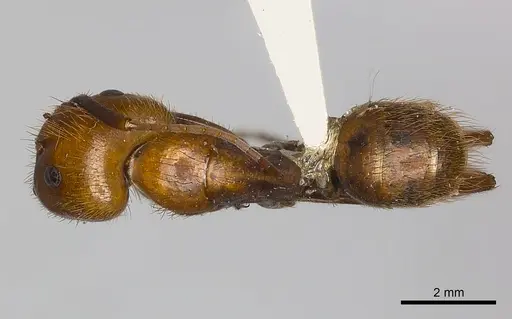
CASENT0217635
View on AntWeb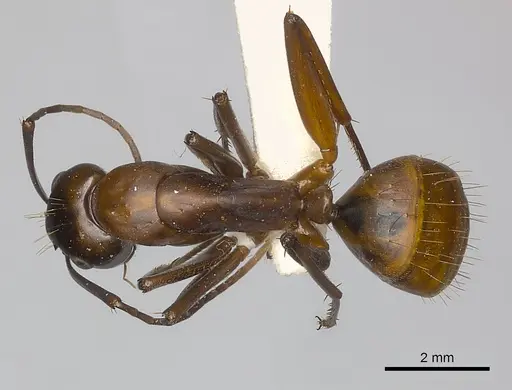
CASENT0217636
View on AntWeb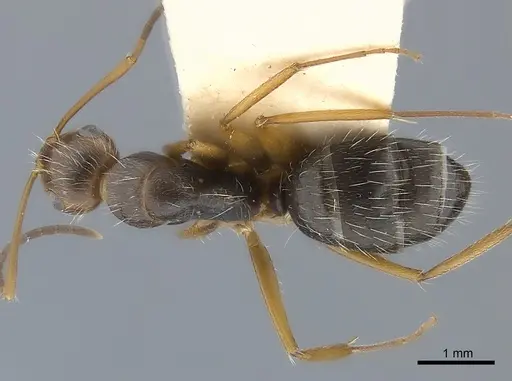
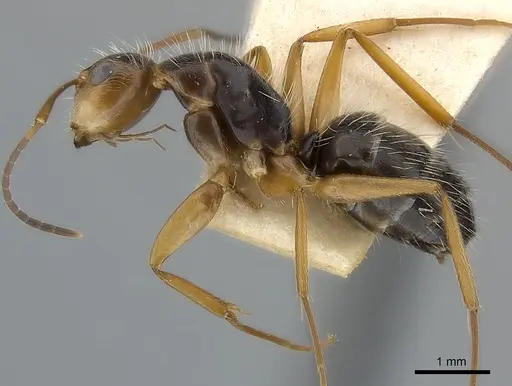
CASENT0903652
View on AntWeb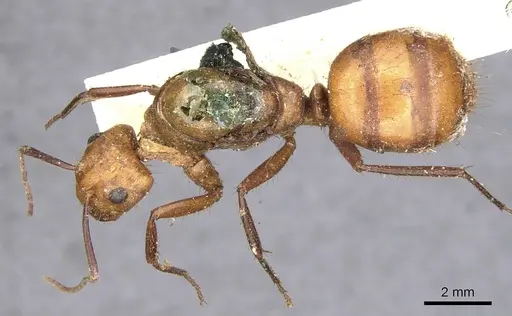
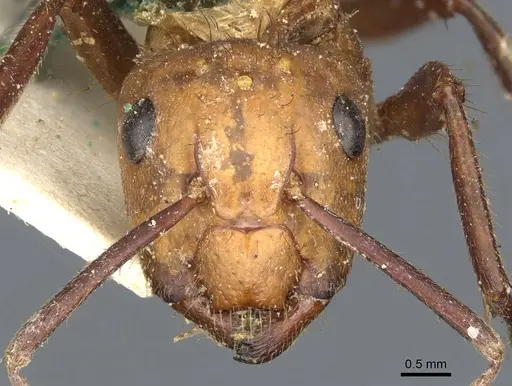
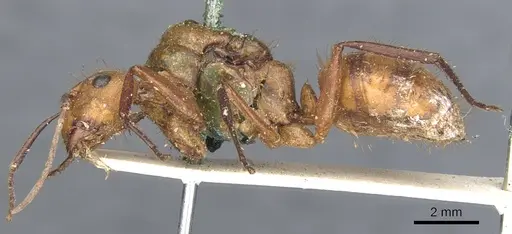
CASENT0909987
View on AntWeb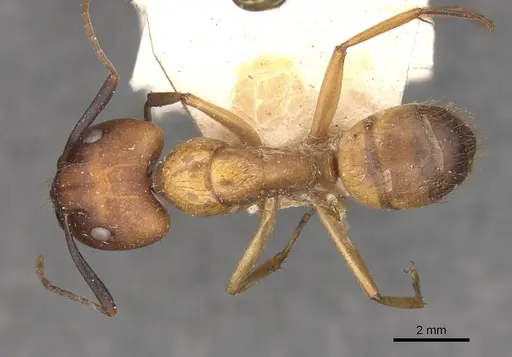
CASENT0909988
View on AntWeb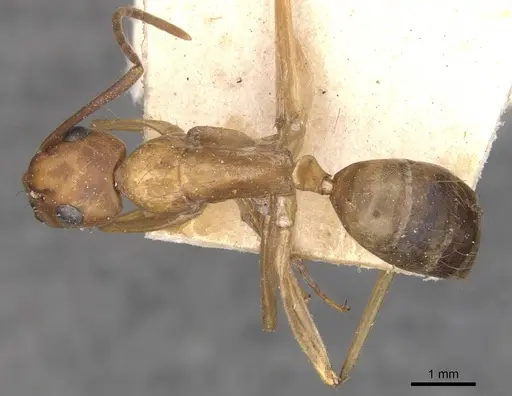
CASENT0909989
View on AntWeb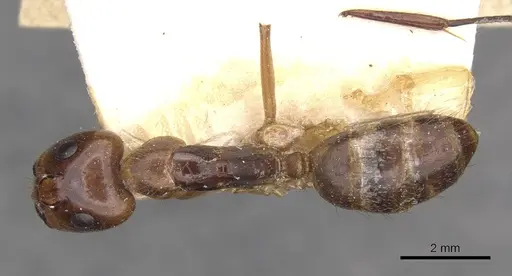
ECOFOG-BOUM-0069-03
View on AntWeb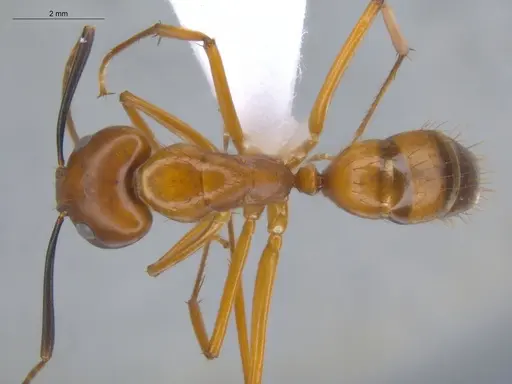
ECOFOG-BOUM-0166-01
View on AntWeb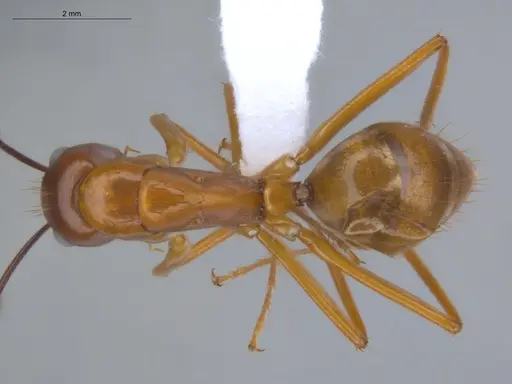
Literature
Loading distribution map...Loading products...