
Camponotus congolensis
- Sci. Name
- Camponotus congolensis
- Subgenus
- Tanaemyrmex
- Tribe
- Camponotini
- Subfamily
- Formicinae
- Author
- Emery, 1899
- Distribution
- Found in 4 countries
Introduction
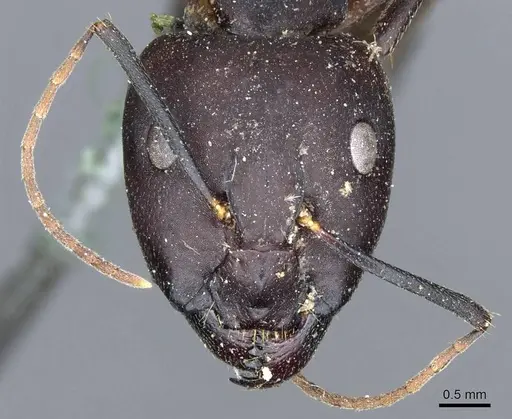
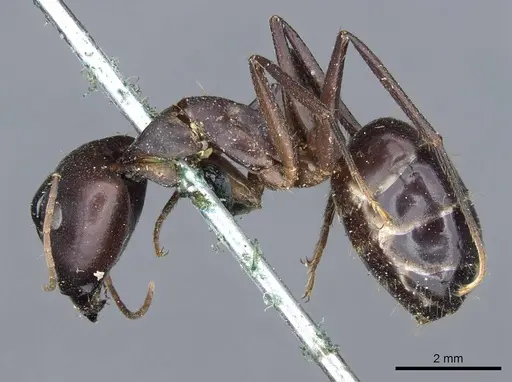
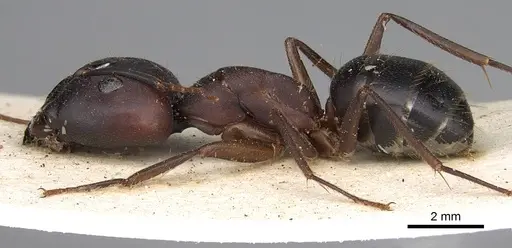
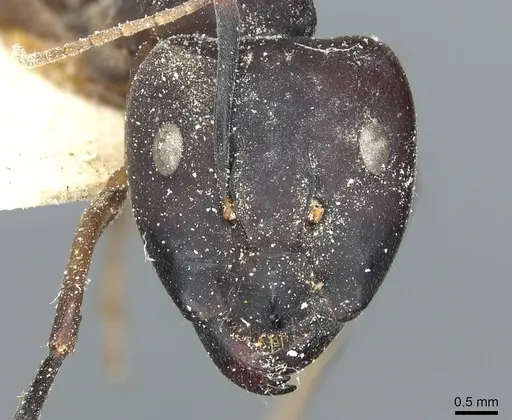
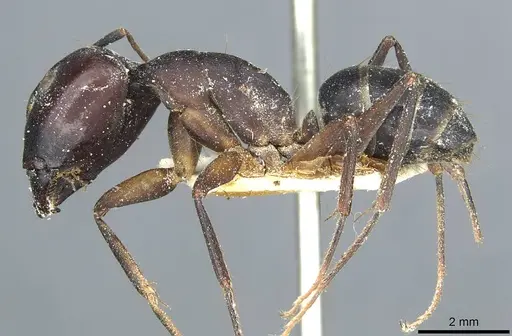
Camponotus congolensis is a medium-sized ant species native to tropical Africa, originally described as a subspecies of Camponotus maculatus before being elevated to full species status in 1920 [AntWiki]. Workers come in two size castes - major workers (larger soldiers) and minor workers - which is typical for the Camponotus genus. The species has been recorded across West and Central Africa, including the Democratic Republic of Congo, Guinea, Ivory Coast, Liberia, Nigeria, Sierra Leone, and Zimbabwe [AntWiki]. This is a relatively obscure species in the antkeeping hobby with limited documented biology. As a tropical African Camponotus, they likely share many care requirements with better-known related species like C. maculatus and other Tanaemyrmex group ants. They are expected to be moderate-sized ants with typical carpenter ant behavior - nesting in wood or cavities and tending honeydew-producing insects.
Quick Summary
- Difficulty: Medium
- Origin & Habitat: Tropical Africa, Democratic Republic of Congo, Guinea, Ivory Coast, Liberia, Nigeria, Sierra Leone, and Zimbabwe. They inhabit savanna and forest edge habitats typical of the Afrotropical region [1].
- Colony Type: Colony structure has not been directly studied for this species. Based on typical Camponotus patterns, they likely form single-queen colonies.
- Size & Growth:
- Queen: Size data unavailable for this specific species. Based on related Camponotus species in the Tanaemyrmex subgenus, queens likely measure around 12-16 mm.
- Worker: Size data unavailable. Minor workers are typically smaller while major workers are larger, exact measurements for this species have not been documented.
- Colony: Colony size at maturity is unconfirmed for this species. Based on typical Camponotus patterns, colonies likely reach several thousand workers.
- Growth: Growth rate is unconfirmed for this species.
- Development: Development time is unconfirmed for this specific species. (Direct observations for this species are not available.)
- Antkeeping:
- Temperature: Keep at 24-28°C. Tropical species require consistent warmth. A heating cable on one side of the nest can create a gentle gradient if room temperature is below this range.
- Humidity: Moderate to high humidity (60-80%). Keep the nest substrate slightly moist but not waterlogged. Provide a water tube for drinking access.
- Diapause: Not required. As a tropical species, they do not need hibernation. However, slightly cooler temperatures (around 20-22°C) during winter months may slow activity naturally.
- Nesting: In captivity, they do well in Y-tong (AAC) nests, plaster nests, or naturalistic setups. They prefer dark, enclosed spaces. Provide a foraging area with substrate they can dig into if they want to expand.
- Behavior: Generally calm and non-aggressive compared to some other ant species. They are primarily nocturnal foragers in the wild, searching for honeydew and small prey. As Formicinae ants, they lack a functional sting but can bite and spray formic acid from their acidopore if threatened. They have moderate escape prevention needs, not tiny enough to escape through standard mesh, but active enough to find gaps. Standard barrier methods (Fluon, olive oil barriers) work well.
- Common Issues: tropical species may struggle in cool or dry environments, keep them warm and humid, colonies may grow slowly in the first year, patience is required, queen mortality during founding is common, expect some loss during claustral founding period, wild-caught colonies may have parasites or diseases that affect survival in captivity, major workers are large but not aggressive, they may be bullied by more aggressive species if housed together
Nest Preferences
Camponotus congolensis will accept most standard captive nest setups. Y-tong (AAC) nests work particularly well because they provide the dark, enclosed environment these ants prefer. Plaster nests are also suitable and help maintain humidity. The nest should have chambers large enough for the colony to expand as it grows. In the wild, they likely nest in rotting wood, under bark, or in soil cavities, providing a naturalistic setup with dirt and small hiding spots can encourage natural behaviors. The foraging area should be spacious enough for the colony to forage and for you to provide food. A test tube setup works well for founding colonies, then transition to a proper nest once the colony reaches 20-30 workers. [1]
Feeding and Diet
Like other Camponotus species, C. congolensis is omnivorous with a preference for sugar sources. Offer sugar water, honey, or diluted maple syrup as a constant energy source. For protein, provide small insects like fruit flies, mealworms, or crickets. They will also accept protein-rich foods like boiled egg or cat food. Feed minor workers small prey items they can manage, major workers can tackle larger prey. A typical feeding schedule is sugar water constantly available and protein prey 2-3 times per week. Remove uneaten prey after 24-48 hours to prevent mold. [1]
Temperature and Care
As a tropical African species, Camponotus congolensis needs warm conditions. Keep the nest area at 24-28°C for optimal brood development. Temperatures below 22°C may slow activity and development significantly. A small heating cable placed on top or to one side of the nest can maintain warmth without drying out the nest too quickly. Monitor humidity, these ants prefer moderate to high humidity (60-80%). The nest substrate should feel slightly damp but never waterlogged. A water tube attached to the nest provides drinking water, which is important for larger colonies. Avoid placing the nest in direct sunlight or near air conditioning vents that create temperature fluctuations. [1]
Behavior and Temperament
Camponotus ants are known for their generally docile nature, and C. congolensis follows this pattern. They are not aggressive toward keepers and will only defend if their nest is directly threatened. As members of the Formicinae subfamily, they lack a functional sting but can bite and spray formic acid from their acidopore if threatened. They are primarily nocturnal foragers, so you may see more activity in the evening and at night. They communicate through chemical signals and will form foraging trails to food sources. Colonies establish well once the queen produces her first nanitic workers, and growth tends to be steady after that point. [1]
Colony Founding
The founding behavior of Camponotus congolensis has not been directly documented. Most Camponotus species are claustral, the queen seals herself in a small chamber and does not leave to forage during founding. She relies entirely on her stored fat reserves and metabolic energy to lay eggs and feed the first brood. This process typically takes several weeks, after which the first workers (nanitics) emerge. These initial workers are smaller than normal workers but immediately begin foraging for food to support the growing colony. During this critical period, the queen should not be disturbed as vibrations or light can cause her to abandon or eat her brood. [1]
Frequently Asked Questions
How long does it take for Camponotus congolensis to produce first workers?
Exact development time is unconfirmed for this species. Based on typical Camponotus patterns, expect first workers (nanitics) to emerge in 6-8 weeks after the queen lays eggs, assuming optimal temperature (24-28°C). The exact timeline can vary based on temperature and feeding.
Can I keep Camponotus congolensis in a test tube?
Yes, test tubes work well for founding colonies. Use a standard test tube setup with a water reservoir (cotton ball) and keep it in a warm, dark place. Once the colony reaches 20-30 workers, consider moving them to a larger nest like a Y-tong or plaster formicarium.
What temperature do Camponotus congolensis need?
Keep them at 24-28°C. This is a tropical species that needs consistent warmth. A heating cable can help maintain temperatures if your room is cooler. Avoid temperatures below 22°C for extended periods.
Are Camponotus congolensis good for beginners?
They are rated as medium difficulty. They are more forgiving than some species but require warm, humid conditions. Beginners should have some basic antkeeping experience before attempting this species.
How big do Camponotus congolensis colonies get?
Exact colony size at maturity is unconfirmed for this species. Based on related species, colonies likely reach several thousand workers. Growth is moderate, expect several hundred workers in the first year under good conditions.
Do Camponotus congolensis need hibernation?
No, they do not require hibernation. As a tropical African species, they do not have a winter dormancy period. However, slightly cooler winter temperatures (around 20-22°C) are natural and acceptable.
What do Camponotus congolensis eat?
They are omnivorous. Offer sugar water, honey, or maple syrup constantly for energy. For protein, feed small insects like fruit flies, mealworms, or crickets 2-3 times per week. They will also accept other protein sources.
When should I move my colony to a formicarium?
Move them when the test tube becomes crowded (20-30+ workers) or the water reservoir runs low. A Y-tong or plaster nest works well. Make sure the new nest has appropriate humidity and dark chambers.
Can I keep multiple queens together?
This is not recommended. Camponotus species are typically single-queen colonies. Combining unrelated queens has not been documented for this species and would likely result in fighting.
Report an Issue
The current care sheet is based fully on literature. See inconsistencies, or something that's incorrect? Please , it will be resolved after review from an admin. Contributing to the blogs tab also helps providing information, to make us be able to further improve the caresheets. Thank you for your support!
References

This caresheet is licensed under CC BY-SA 4.0 .
Community Blogs
CASENT0905310
View on AntWeb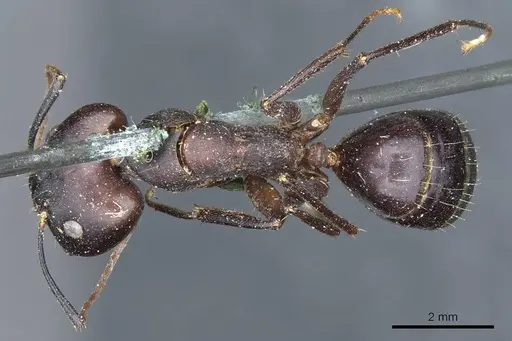
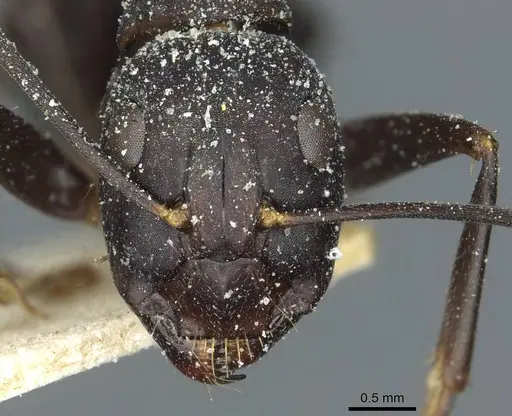
CASENT0905311
View on AntWeb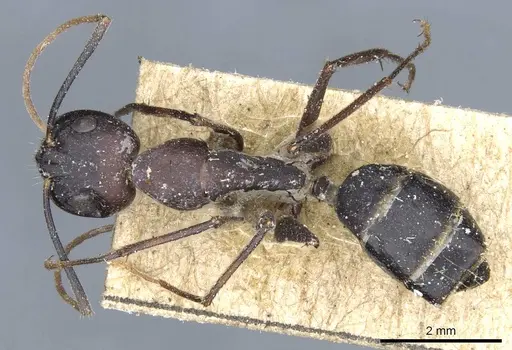
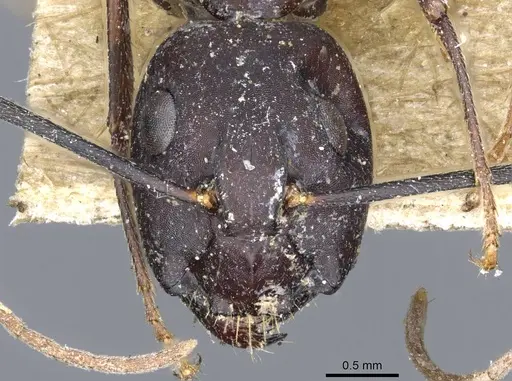
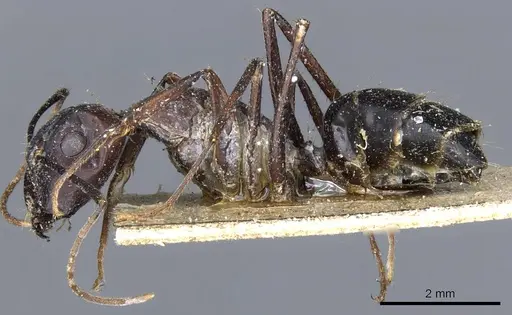
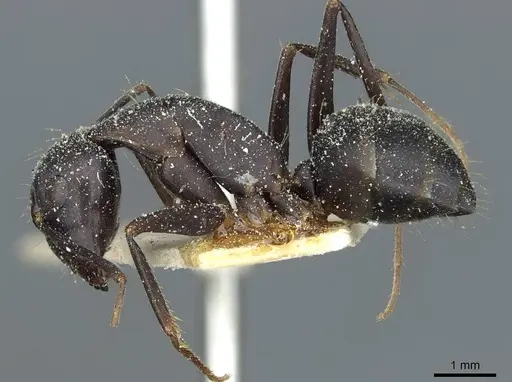
CASENT0906920
View on AntWeb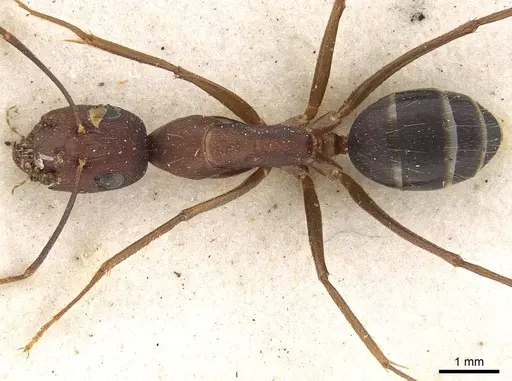
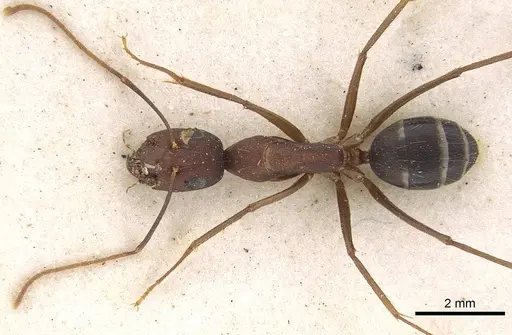
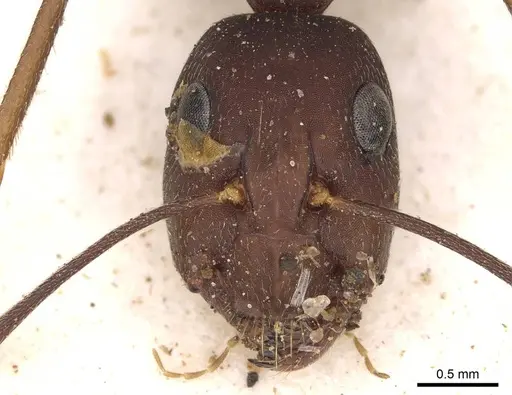
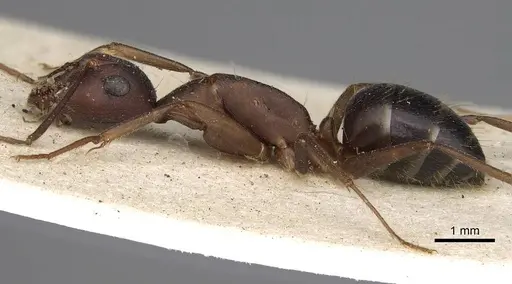
CASENT0906921
View on AntWeb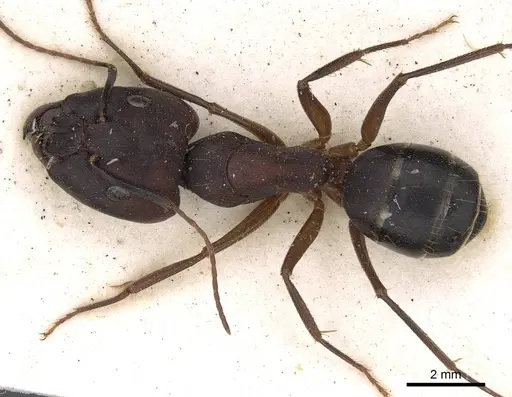
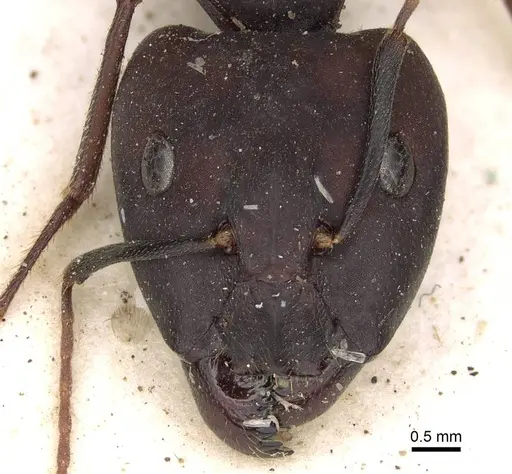
CASENT0911931
View on AntWeb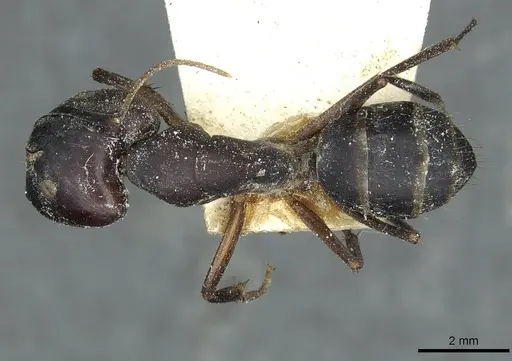
CASENT0911932
View on AntWeb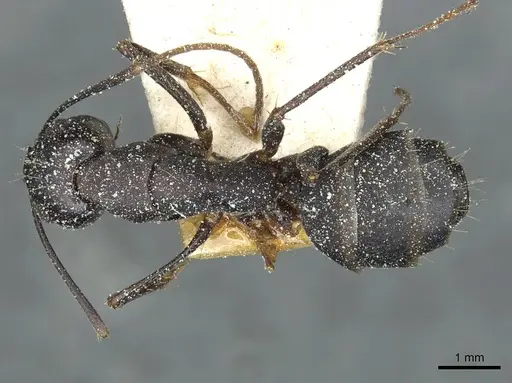
Literature
Loading distribution map...Loading products...