
Camponotus confluens
- Sci. Name
- Camponotus confluens
- Subgenus
- Myrmotrema
- Tribe
- Camponotini
- Subfamily
- Formicinae
- Author
- Forel, 1913
- Distribution
- Found in 1 countries
Introduction
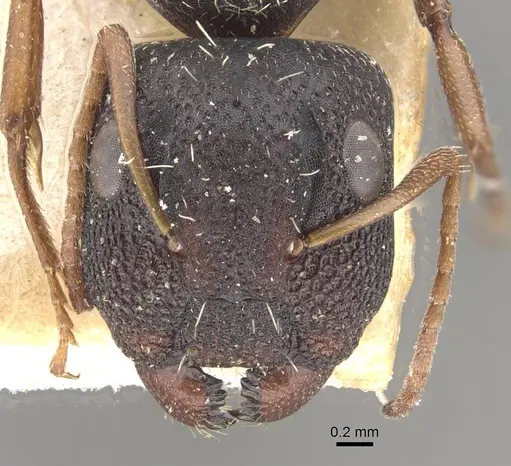
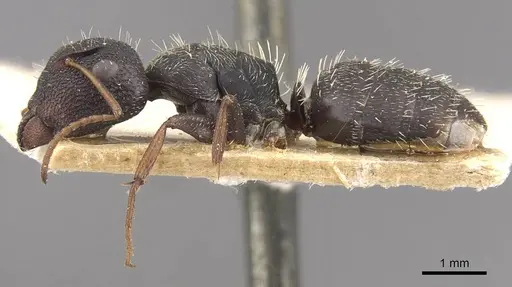
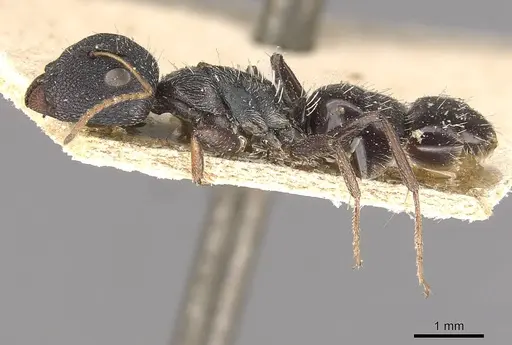
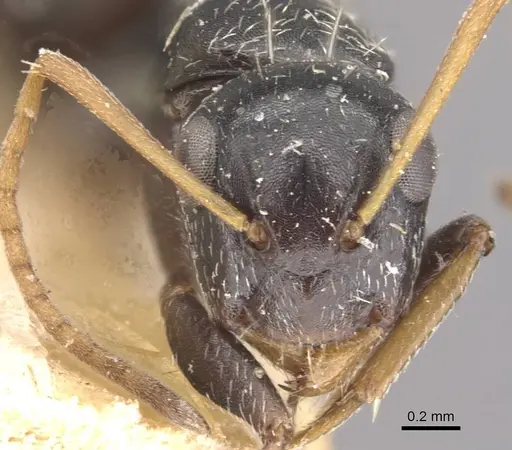
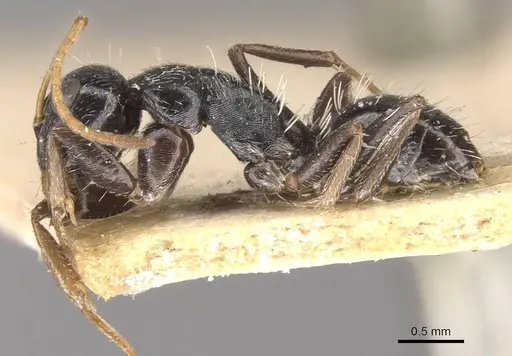
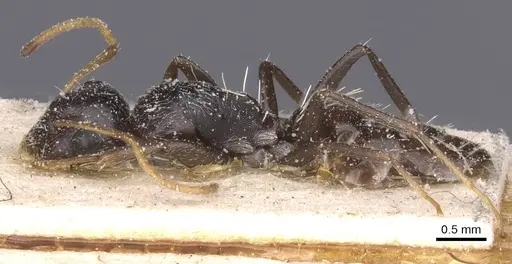
Camponotus confluens is a carpenter ant species documented in the Haut-Lomami province of the Democratic Republic of Congo in Central Africa . Workers are polymorphic, with major workers having larger, well-developed heads and minor workers being smaller. They have the characteristic smooth, rounded mesosoma of Camponotus ants and typically dark coloration. Specific size measurements are unavailable for this species, but based on typical African Camponotus patterns, queens are likely in the 12-15mm range and workers polymorphic. This is a tropical African species adapted to warm, humid conditions.
Quick Summary
- Difficulty: Medium
- Origin & Habitat: Democratic Republic of Congo (Haut-Lomami province) in Central Africa [1]. Based on typical Camponotus nesting preferences, they likely nest in rotting wood, under stones, or in soil cavities in forest environments.
- Colony Type: Colony structure is unconfirmed for this species. Based on typical Camponotus patterns, they are likely monogyne (single queen colonies).
- Size & Growth:
- Queen: size data unavailable, inferred from typical African Camponotus patterns (~12-15mm)
- Worker: size data unavailable, inferred from typical African Camponotus patterns (polymorphic, ~4-12mm)
- Colony: colony size data unavailable, likely several thousand workers based on genus patterns
- Growth: growth rate unconfirmed, likely moderate typical for larger Camponotus species
- Development: development timeline unconfirmed, likely 6-8 weeks at optimal temperature based on typical Camponotus development (Development time is temperature-dependent. First workers (nanitics) are typically smaller than normal workers.)
- Antkeeping:
- Temperature: temperature requirements unconfirmed, based on tropical African origin, likely need 24-28°C. Avoid temperatures above 32°C.
- Humidity: humidity requirements unconfirmed, based on tropical origin, likely need moderate to high humidity (60-80%). Keep nest substrate consistently moist but not waterlogged.
- Diapause: No, this is a tropical species from Central Africa and does not require hibernation.
- Nesting: Y-tong (AAC) nests or plaster nests work well. Provide narrow chambers scaled to their size. Test tube setups work for founding but will need migration to a proper formicarium as the colony grows. Avoid dry, airy nests.
- Behavior: Workers are likely nocturnal or crepuscular foragers, typical of Camponotus. They are not particularly aggressive but will defend the nest if threatened. This species belongs to the Formicinae subfamily which lacks a functional sting, instead, they bite the target and spray concentrated formic acid from their acidopore into the wound. Escape prevention should be moderate, they are moderate-sized ants but can squeeze through small gaps.
- Common Issues: colonies may stall in growth if temperatures drop below 22°C, keep them consistently warm, test tube setups work for founding but need transition to proper nests once colony reaches 20+ workers, tropical species are sensitive to low humidity, dry nests cause colony decline, overfeeding can lead to mold problems in enclosed nests, wild-caught colonies may carry parasites that cause issues in captivity
Nest Preferences
Camponotus confluens originates from the DRC where they likely nest in rotting wood, under stones, or in soil cavities in forest environments. In captivity, Y-tong (AAC) nests work well as they provide the dark, humid environment these ants prefer. Plaster nests are another good option as they hold moisture well. Test tube setups are fine for founding colonies but will need to be upgraded once the colony reaches 20-30 workers. Avoid overly dry environments or nests with excessive ventilation. The nest should have chambers narrow enough that workers can touch the ceiling with their bodies, this helps them feel secure. [1]
Feeding and Diet
Like other carpenter ants, Camponotus confluens is omnivorous. They readily accept sugar sources, offer sugar water, honey, or diluted maple syrup regularly. For protein, provide insects like mealworms, small crickets, or fruit flies. They are not specialized predators, so standard ant feeder insects work well. Feed minor workers more frequently as they do more foraging, while major workers may stay closer to the nest. Remove uneaten prey after 24-48 hours to prevent mold. A constant sugar source should be available, with protein offered 2-3 times per week depending on colony size.
Temperature and Care
This tropical species needs warmth to thrive. Based on their Central African origin, keep the nest area at 24-28°C consistently. A heating cable placed on top of the nest creates a gentle temperature gradient. Monitor with a thermometer, temperatures above 32°C can be harmful, while below 22°C can cause growth stalls. Since they come from equatorial Africa, no hibernation or diapause is needed. Maintain year-round activity with stable temperatures. Room temperature in most homes (20-24°C) may be slightly cool, consider supplemental heating for optimal growth. [1]
Behavior and Temperament
Camponotus confluens has typical carpenter ant behavior, workers are generally calm and not overly aggressive. They are nocturnal foragers, so activity is higher in the evening and at night. Major workers serve as soldiers and foragers, while minor workers tend to brood and work inside the nest. They communicate using chemical trails, they will follow paths to food sources. As Formicinae ants, they lack a functional sting but can bite and spray formic acid as a defense. Escape prevention should be moderate, they are not tiny ants but can fit through surprisingly small gaps when motivated. Apply fluon or use barrier tape on edges.
Colony Growth Timeline
After the queen lays her first eggs, expect several weeks for eggs to develop into first workers (nanitics) at optimal temperature. Based on typical Camponotus patterns, this may take 6-8 weeks. These first workers are typically smaller than normal workers. Once nanitics emerge, the queen stops foraging and the workers take over all colony tasks. Growth is moderate, a healthy colony might reach 50-100 workers in the first year. Larger Camponotus species tend to grow more slowly than smaller ants but can eventually produce impressive colonies. Patience is key with this species.
Frequently Asked Questions
How long does it take for Camponotus confluens to produce first workers?
Exact timeline is unconfirmed for this species. Based on typical Camponotus development, expect 6-8 weeks from egg to first worker at optimal temperature (24-28°C). First workers (nanitics) will be smaller than normal workers.
Do Camponotus confluens ants need hibernation?
No, this is a tropical African species from the DRC and does not require hibernation. Keep them warm year-round at 24-28°C.
What do Camponotus confluens eat?
They are omnivorous. Offer a constant sugar source (sugar water, honey, or maple syrup) and protein sources like mealworms, small crickets, or fruit flies 2-3 times per week.
Are Camponotus confluens good for beginners?
They are rated Medium difficulty. They are more forgiving than some species but need warmth and proper humidity. The main challenge is maintaining consistent tropical conditions.
When should I move Camponotus confluens to a formicarium?
Move them once the colony reaches 20-30 workers in a test tube setup. A Y-tong or plaster nest works well. Make sure the new nest is pre-humidified before introducing the colony.
How big do Camponotus confluens colonies get?
Colony size is unconfirmed for this species. Based on typical Camponotus patterns, colonies can potentially reach several thousand workers over several years with proper care.
What temperature is best for Camponotus confluens?
Based on their tropical African origin, keep nest temperatures at 24-28°C. Use a heating cable on top of the nest to maintain warmth, and avoid temperatures above 32°C or below 22°C.
Can I keep multiple Camponotus confluens queens together?
Colony type is unconfirmed for this species. Based on typical Camponotus patterns, they are likely monogyne (single queen). Combining unrelated queens is not recommended as they will likely fight.
Why is my Camponotus confluens colony not growing?
Check temperature first, they likely need 24-28°C for optimal growth. Also verify humidity is adequate and the queen is still laying eggs. Low temperatures are the most common cause of stalled growth in tropical species.
Report an Issue
The current care sheet is based fully on literature. See inconsistencies, or something that's incorrect? Please , it will be resolved after review from an admin. Contributing to the blogs tab also helps providing information, to make us be able to further improve the caresheets. Thank you for your support!
References

This caresheet is licensed under CC BY-SA 4.0 .
Community Blogs
CASENT0910551
View on AntWeb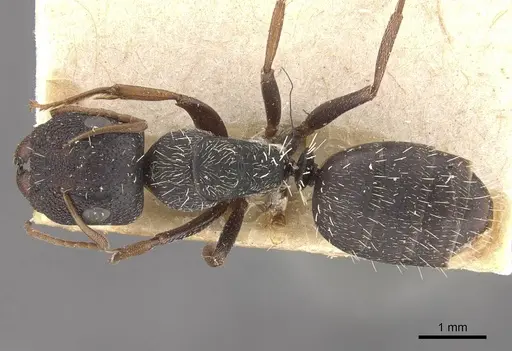
CASENT0910552
View on AntWeb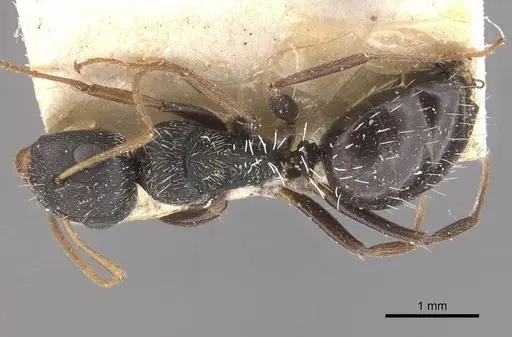
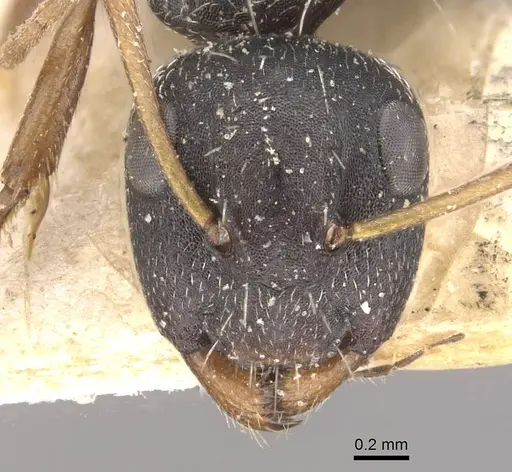
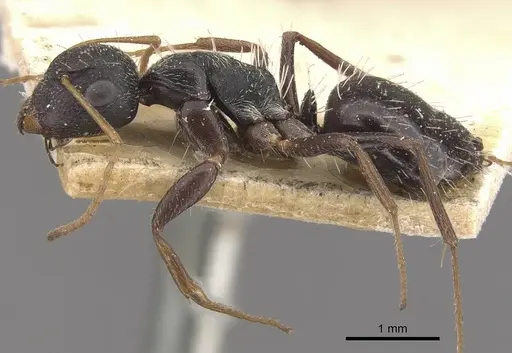
CASENT0910553
View on AntWeb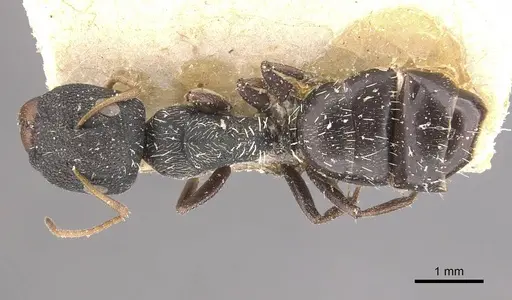
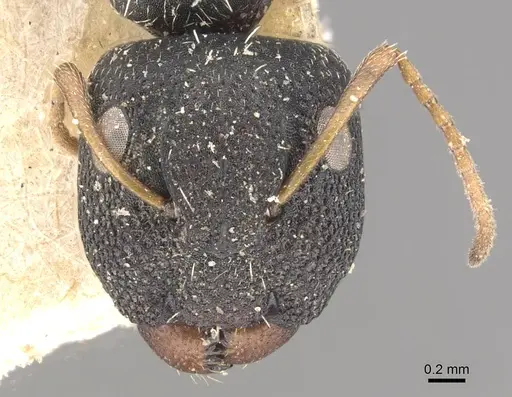
CASENT0910554
View on AntWeb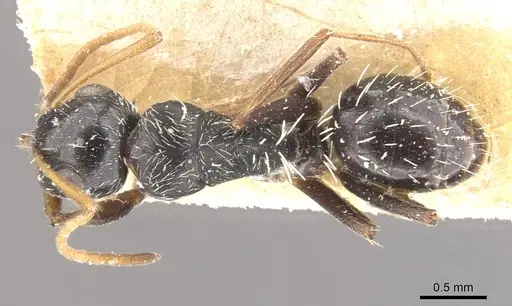
CASENT0911830
View on AntWeb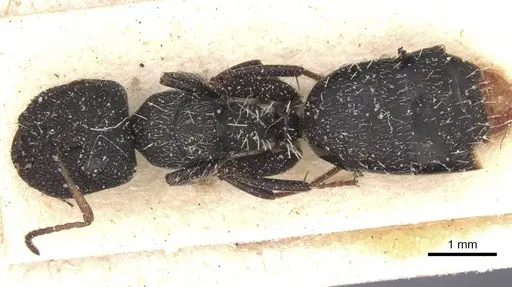
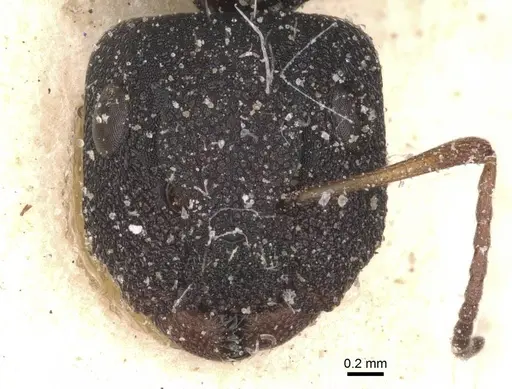
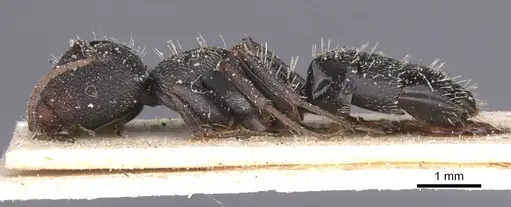
CASENT0911831
View on AntWeb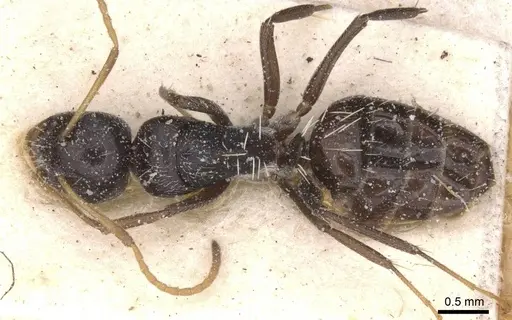
Literature
Loading distribution map...Loading products...