
Camponotus concolor
- Sci. Name
- Camponotus concolor
- Tribe
- Camponotini
- Subfamily
- Formicinae
- Author
- Forel, 1891
- Distribution
- Found in 1 countries
Introduction
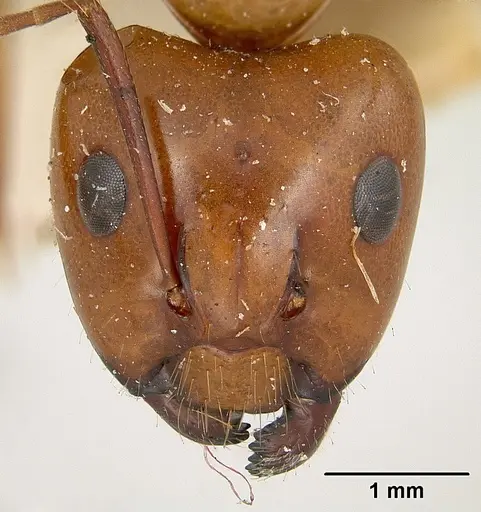
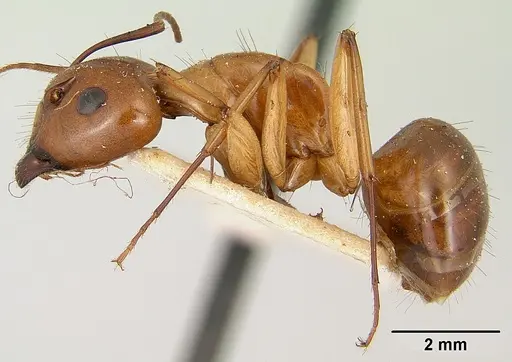
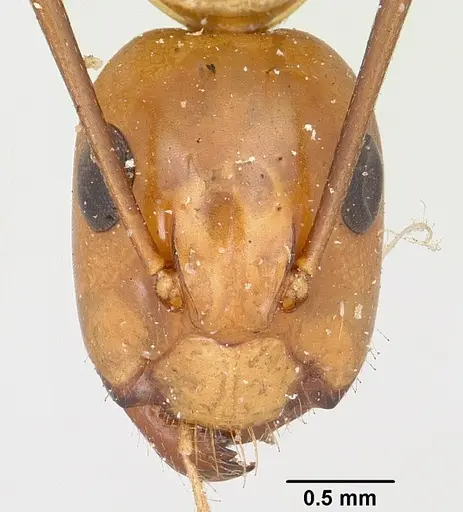
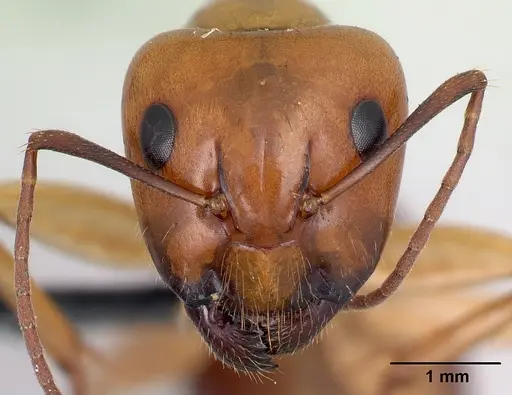
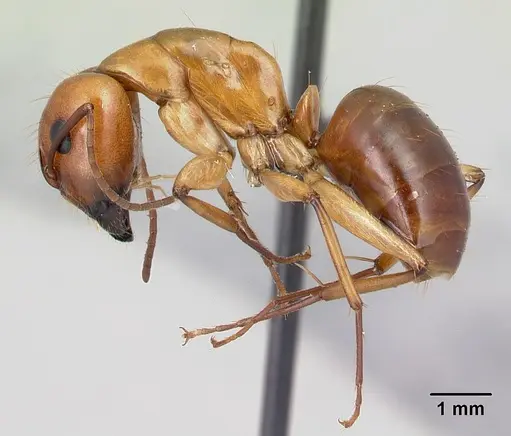
Camponotus concolor is a carpenter ant species endemic to Madagascar. Workers are polymorphic, with larger major workers and smaller minor workers typical of the genus. The species was first described by Forel in 1891 from specimens collected in the Forêt d'Andrangoloaka region of Madagascar. This is a relatively poorly studied species in the scientific literature. As a Camponotus species, they likely exhibit typical carpenter ant colony structure with a single founding queen.
Quick Summary
- Difficulty: Medium
- Origin & Habitat: Camponotus concolor is endemic to Madagascar, found exclusively in the Malagasy Region. The species was originally described from the forested highlands of Andrangoloaka. Based on collection data, they can nest both in arboreal locations and on the ground in humid forest environments [1]. This is a tropical species native to the island's diverse habitats.
- Colony Type: Likely monogyne (single queen) colonies based on typical Camponotus patterns. The founding queen seals herself in a chamber and raises the first brood alone using stored fat reserves.
- Size & Growth:
- Queen: Size data unavailable for this species, typical Camponotus queens are 12-16mm
- Worker: Variable: minor workers 4-7mm, major workers 7-12mm typical for genus
- Colony: Likely up to 2000+ workers at maturity, estimated from related species
- Growth: Moderate, typical Camponotus development takes several months to first workers
- Development: Estimated 6-10 weeks at optimal temperature based on typical Camponotus development (Development time depends on temperature, warmer conditions accelerate development. First workers (nanitics) are typically smaller than normal workers.)
- Antkeeping:
- Temperature: Keep at 24-28°C for optimal brood development. A slight temperature gradient allows workers to regulate their own conditions. Room temperature (22-25°C) is acceptable if within this range. Avoid temperatures below 20°C or above 32°C.
- Humidity: Maintain moderate to high humidity (60-80%). The species originates from humid Madagascan forests [1]. Keep nest substrate consistently moist but not waterlogged. Provide a water tube for drinking water.
- Diapause: Not required. As a tropical species from Madagascar, they do not naturally experience cold winters. However, slight temperature reductions during winter months (reducing to 20-22°C) may simulate seasonal patterns and promote colony health.
- Nesting: Camponotus concolor can be kept in standard formicarium setups. Y-tong (AAC) nests work well, or plaster/naturalistic setups. They can be arboreal or ground-nesting in the wild, so provide both vertical space and ground-level chambers. Use test tubes for founding colonies.
- Behavior: Generally calm and non-aggressive compared to some other ant species. Workers are moderately active and will forage for honeydew and insect prey. They are not particularly defensive and rarely sting. Escape risk is moderate, use standard Camponotus escape prevention (fluon barriers on smooth surfaces). Workers are polymorphic with distinct major and minor castes.
- Common Issues: colonies may develop slowly, patience is required during the founding phase, humidity must be balanced, too wet causes mold, too dry causes desiccation, wild-caught colonies may carry parasites that can devastate captive colonies, larger colonies need more space, monitor for escape attempts, queen mortality during founding is common, ensure stable conditions
Housing and Nest Setup
For founding colonies, a simple test tube setup works well. Fill a test tube one-third with water, plug with cotton, and place the queen inside. The queen will seal herself into a chamber and remain there until her first workers emerge. Once the colony reaches 15-20 workers, you can transition to a proper formicarium. Y-tong (AAC) nests are excellent for Camponotus as they provide proper humidity control and allow you to observe the colony easily. Plaster nests or naturalistic setups also work well. Ensure the nest has chambers scaled to the colony size, too large a space can stress smaller colonies. Always provide a water tube connected to the nest for drinking water.
Feeding and Diet
Camponotus concolor, like other carpenter ants, is omnivorous. They primarily consume honeydew from aphids and scale insects in the wild, along with small insects and other protein sources. In captivity, offer a consistent sugar source (honey water or sugar water at 1:1 ratio) at all times. For protein, provide small insects such as fruit flies, small crickets, mealworms, or other appropriately-sized prey twice weekly. Remove uneaten prey after 24-48 hours to prevent mold. Some colonies accept protein jelly or other prepared foods, but live insects are preferred for optimal nutrition. Fresh fruit occasionally may be accepted.
Temperature and Seasonal Care
Maintain temperatures between 24-28°C for optimal colony health and brood development. A heating cable or heating mat on one side of the nest can create a temperature gradient, allowing workers to self-regulate. Place the heating on top of the nest, not underneath, to prevent excessive drying. As a tropical species from Madagascar, they do not require true hibernation. However, slight seasonal temperature variations (reducing to 20-22°C during winter months) may benefit colony cycles. Avoid temperatures below 18°C for extended periods. Keep humidity in the 60-80% range and ensure good ventilation to prevent mold while maintaining moisture. [1]
Colony Growth and Development
The founding queen will remain sealed in her chamber for several weeks to months while she lays eggs and raises the first brood. During this time, she uses stored fat reserves and wing muscles, do not disturb or expose her to light. The first workers (nanitics) are typically smaller than normal workers and may appear paler. Once nanitics emerge, the colony enters a growth phase. Development from egg to worker takes approximately 6-10 weeks at optimal temperature, though this is estimated for this species. Growth rate is moderate, colonies typically reach 50 workers within 6-12 months under good conditions. Larger colonies can grow to several thousand workers over several years. Colonies are long-lived, with queens potentially living 15-25 years.
Behavior and Temperament
Camponotus concolor is generally a calm, non-aggressive species. Workers go about their foraging activities without excessive defensiveness. They are not known for stinging and pose no danger to keepers. Workers are polymorphic, smaller minor workers handle most foraging and brood care, while larger major workers defend the nest and process larger food items. They communicate through chemical trails and will recruit nestmates to good food sources. Escape prevention is important but not as critical as with tiny species, standard barriers like fluon on smooth surfaces work well. Observe your colony's activity patterns to learn their rhythms.
Frequently Asked Questions
How long does it take for Camponotus concolor to raise first workers?
From egg to first worker typically takes 6-10 weeks at optimal temperature (24-28°C). The exact timeline depends on temperature and colony health. The queen remains sealed in her chamber throughout this period, do not disturb her.
What do Camponotus concolor ants eat?
They are omnivorous. Offer constant access to sugar water or honey (1:1 ratio). For protein, feed small insects like fruit flies, pinhead crickets, or mealworms twice weekly. Remove uneaten prey after 24-48 hours.
Do Camponotus concolor ants need hibernation?
No. As a tropical species from Madagascar, they do not require true hibernation. You can maintain them at 24-28°C year-round. Some keepers reduce temperatures slightly (to 20-22°C) in winter, but this is not required.
Are Camponotus concolor good for beginners?
They are moderate difficulty, easier than many exotic species but require attention to temperature and humidity. They are more forgiving than some species but do require patience during the founding phase.
When should I move my Camponotus concolor colony to a formicarium?
Wait until the colony has 15-20 workers before moving from a test tube setup. Moving too early can stress the colony. Ensure the new setup has appropriate humidity and chamber sizes for the colony.
How big do Camponotus concolor colonies get?
Mature colonies likely reach up to 2000+ workers, based on typical Camponotus sizes. This is estimated as specific colony size data for this species is limited.
What temperature is best for Camponotus concolor?
Keep them at 24-28°C for optimal development. A slight gradient allowing workers to choose their preferred temperature is ideal. Avoid temperatures below 18°C or above 32°C.
Can I keep multiple Camponotus concolor queens together?
This species is likely monogyne (single queen). Combining unrelated queens is not recommended as they likely will fight. In the wild, only one queen typically heads each colony.
Why is my Camponotus concolor queen not laying eggs?
Several factors can affect egg-laying: temperatures below 20°C, stress from disturbance, insufficient nutrition, or the colony is still in early founding. Ensure optimal conditions (24-28°C, humidity 60-80%, sugar water available) and minimize disturbance.
Report an Issue
The current care sheet is based fully on literature. See inconsistencies, or something that's incorrect? Please , it will be resolved after review from an admin. Contributing to the blogs tab also helps providing information, to make us be able to further improve the caresheets. Thank you for your support!
References

This caresheet is licensed under CC BY-SA 4.0 .
Community Blogs
CASENT0101357
View on AntWeb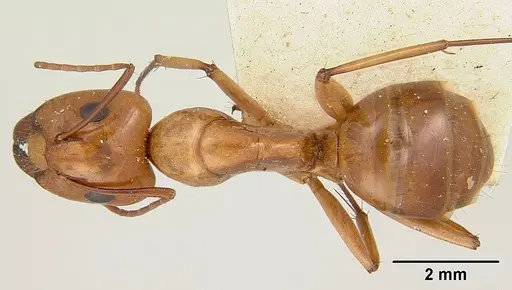
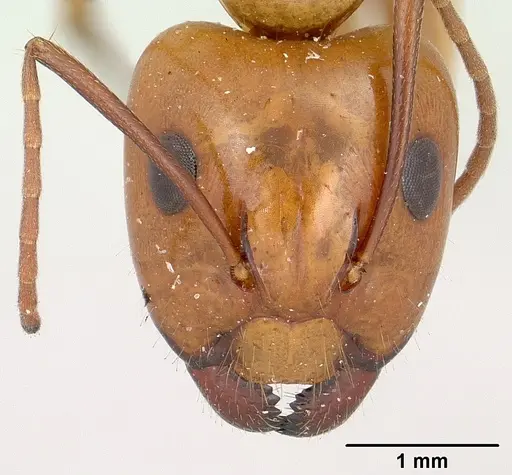
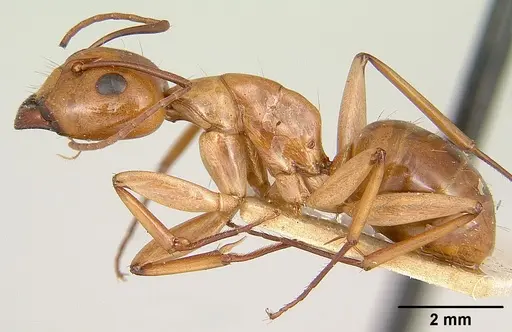
CASENT0101358
View on AntWeb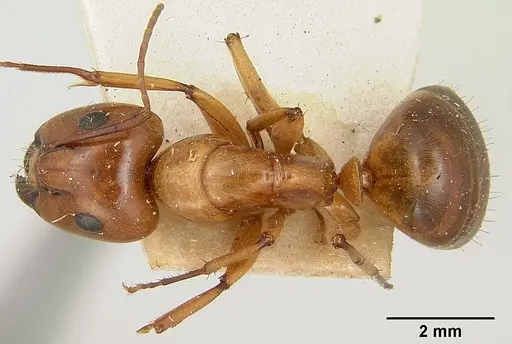
CASENT0101359
View on AntWeb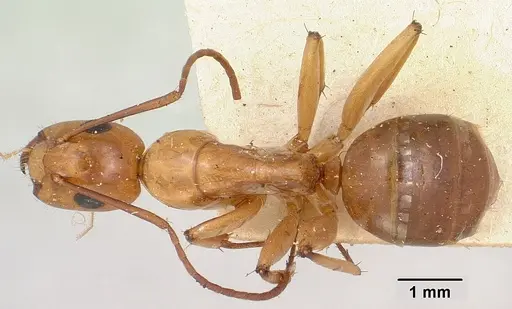
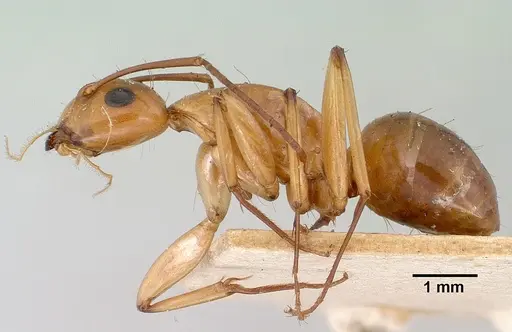
CASENT0406985
View on AntWeb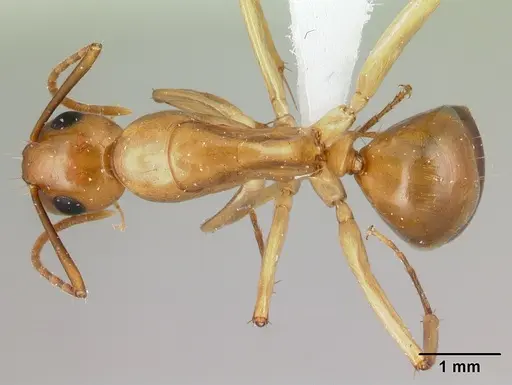
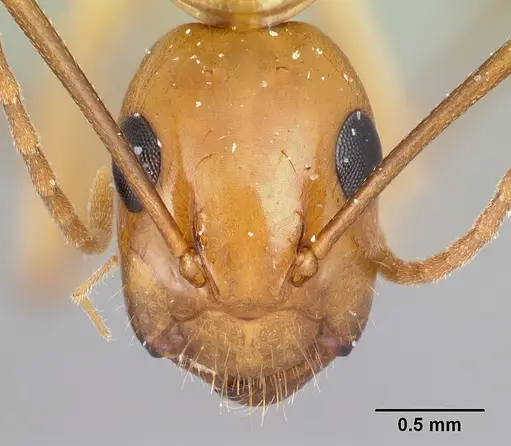
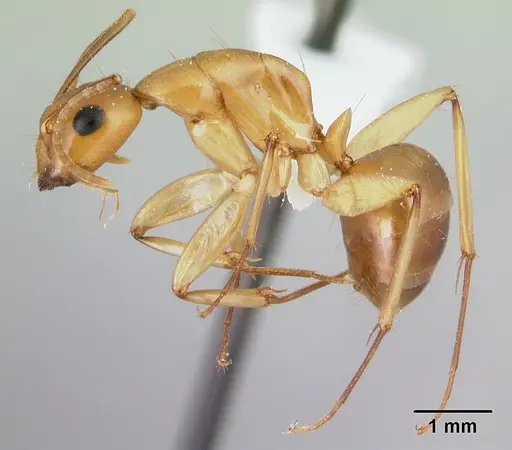
CASENT0406995
View on AntWeb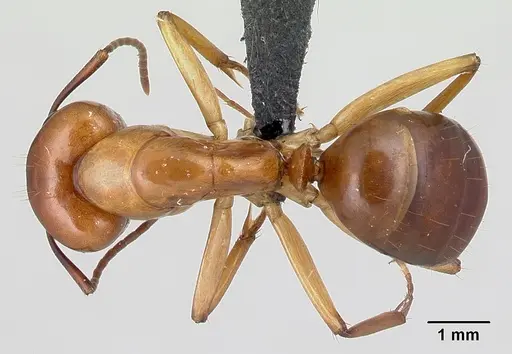
Literature
Loading distribution map...Loading products...