
Camponotus claviscapus
- Sci. Name
- Camponotus claviscapus
- Subgenus
- Pseudocolobopsis
- Tribe
- Camponotini
- Subfamily
- Formicinae
- Author
- Forel, 1899
- Distribution
- Found in 11 countries
Introduction
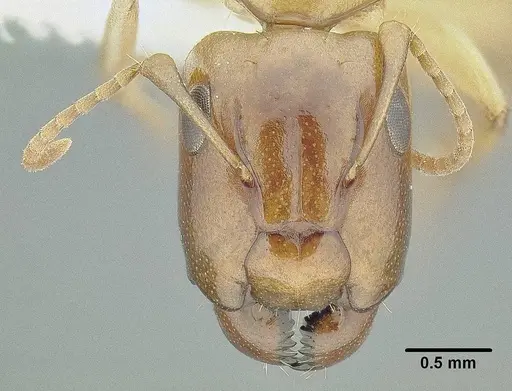
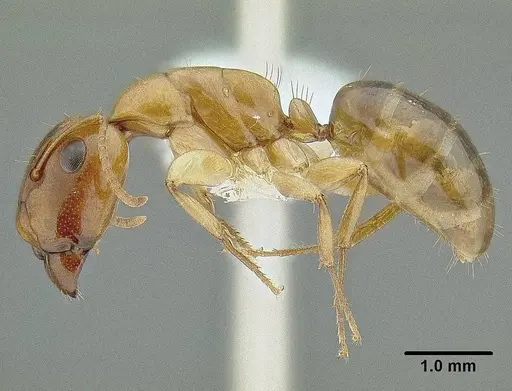
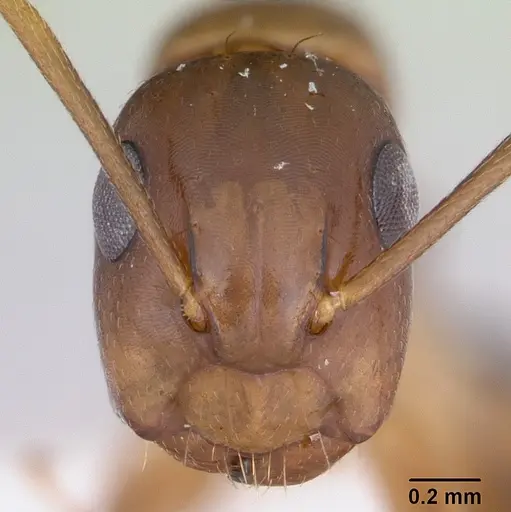
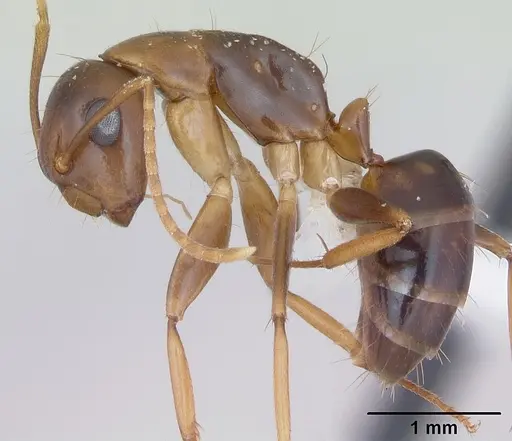
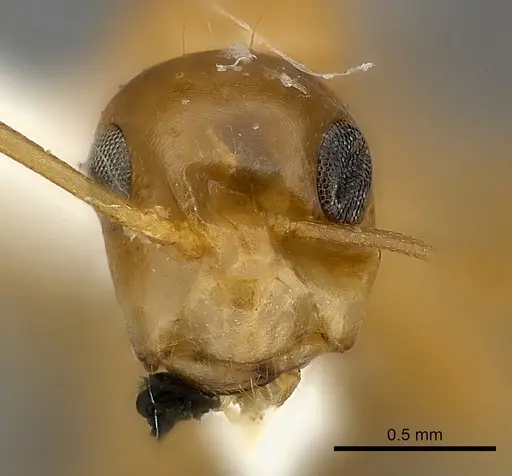
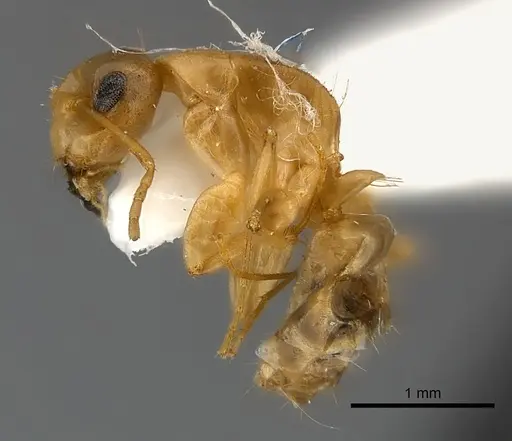
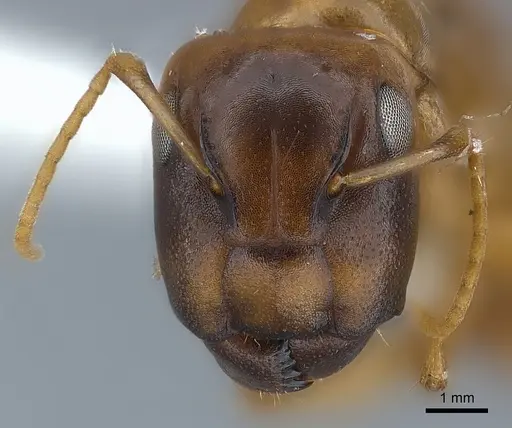
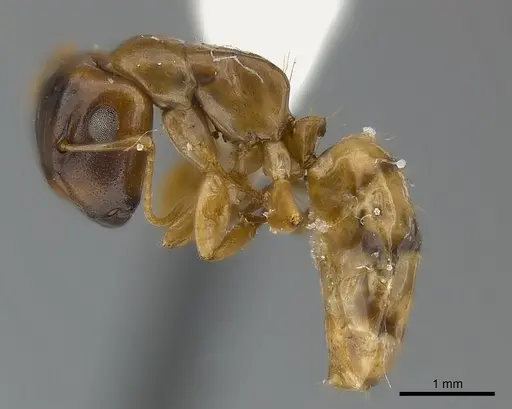
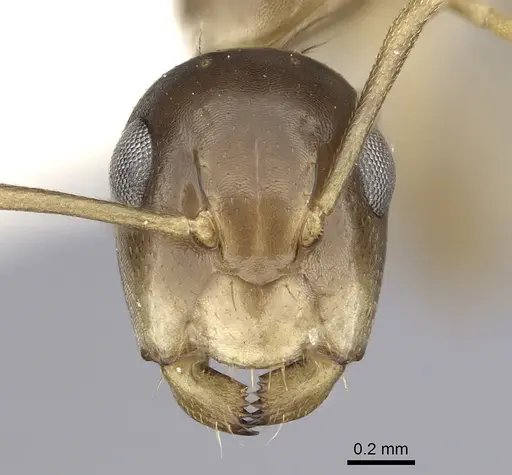
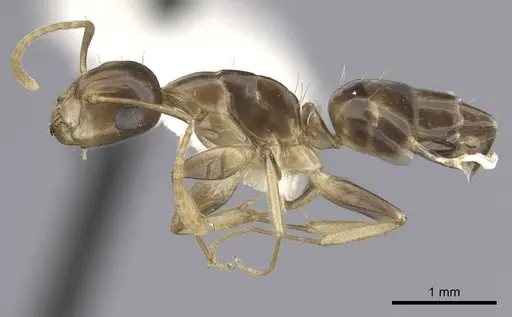
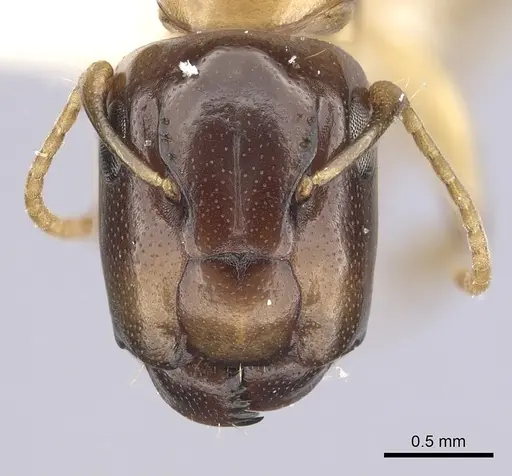
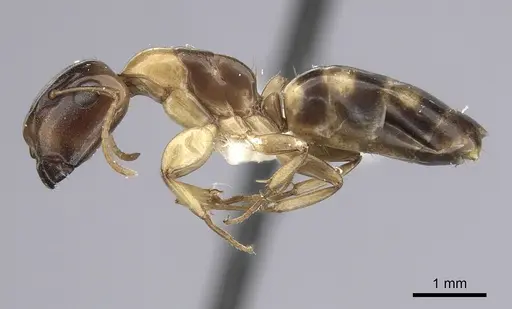
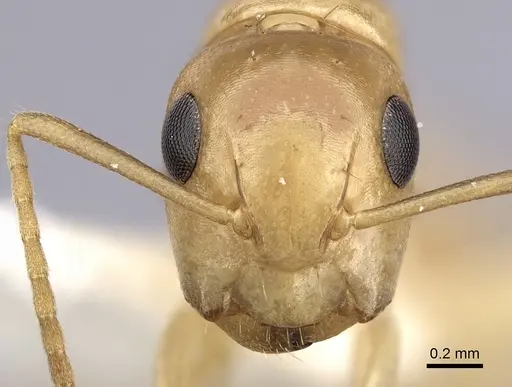
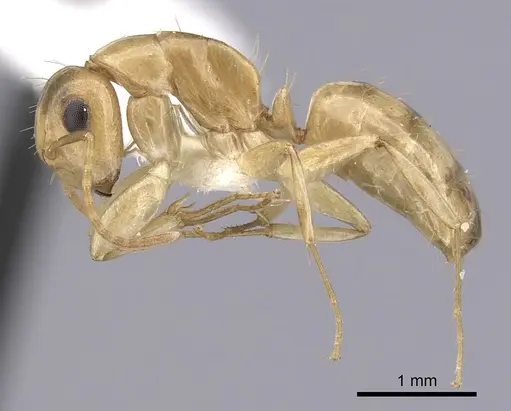
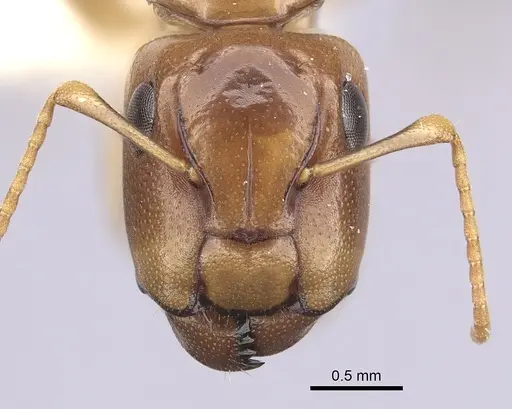
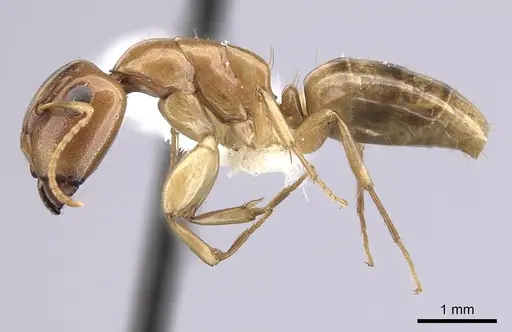
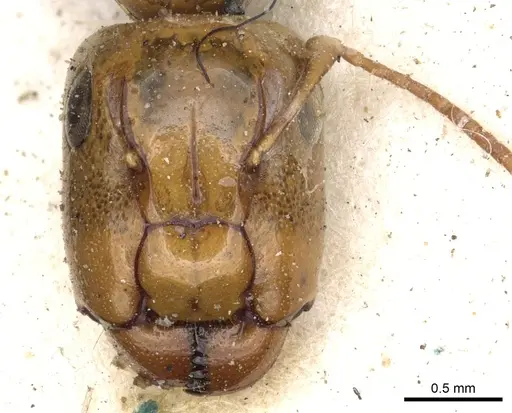
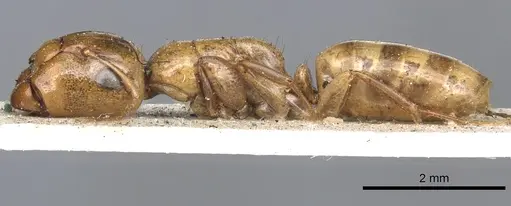
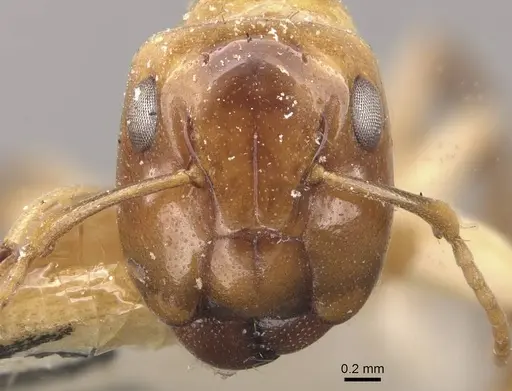
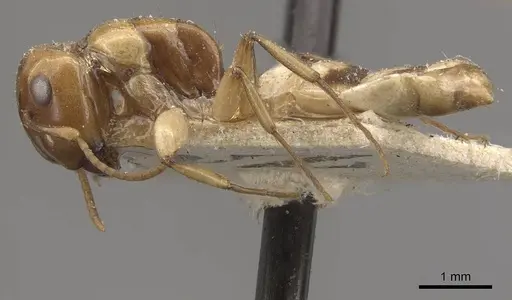
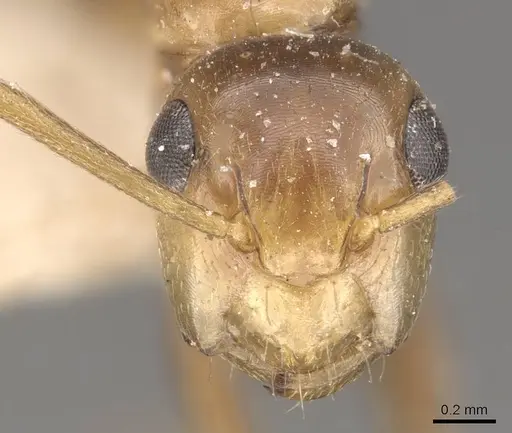
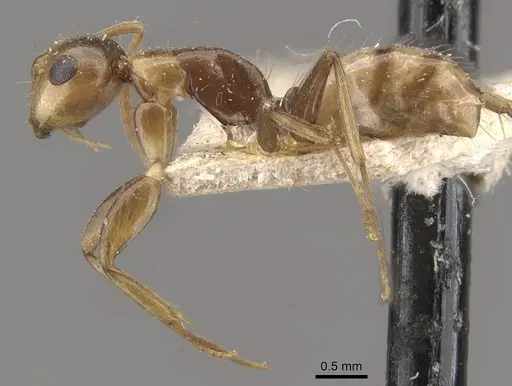
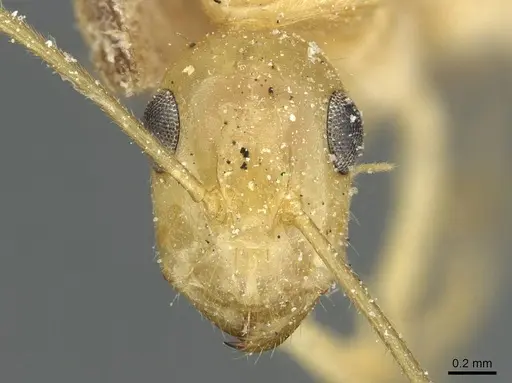
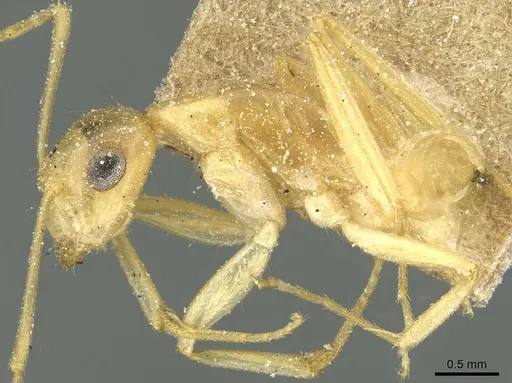
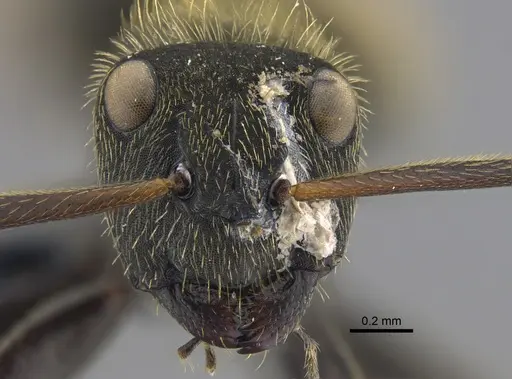
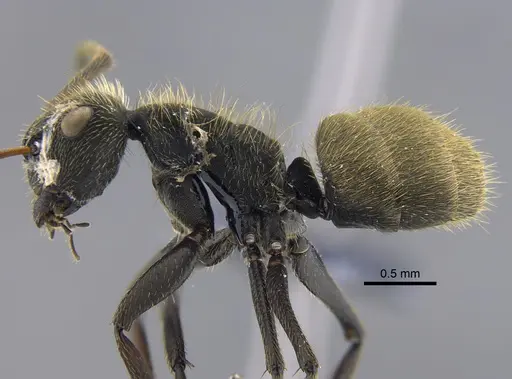
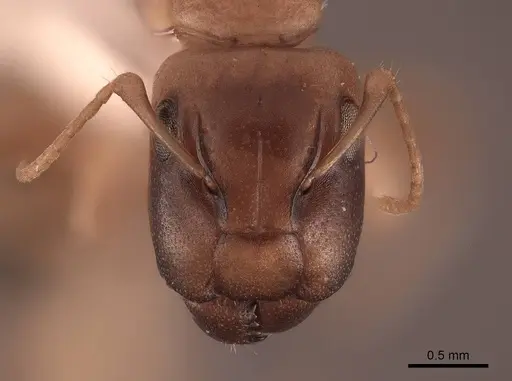
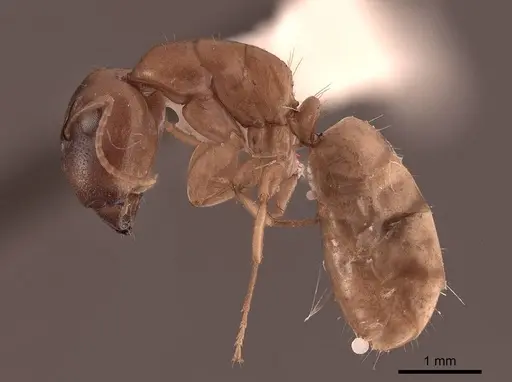
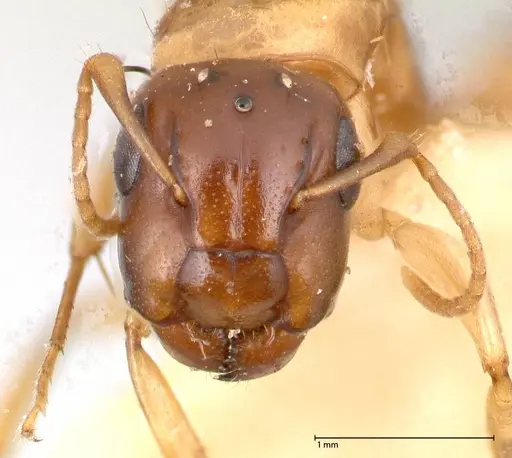
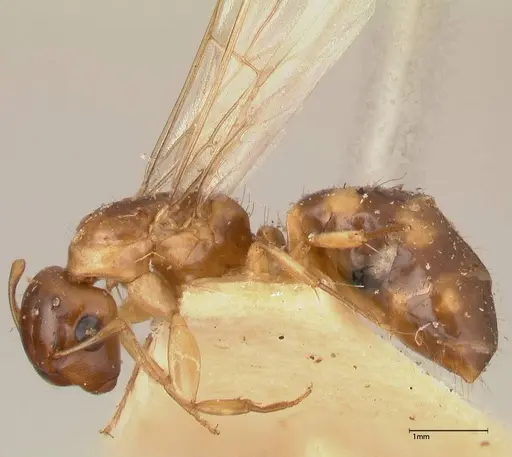
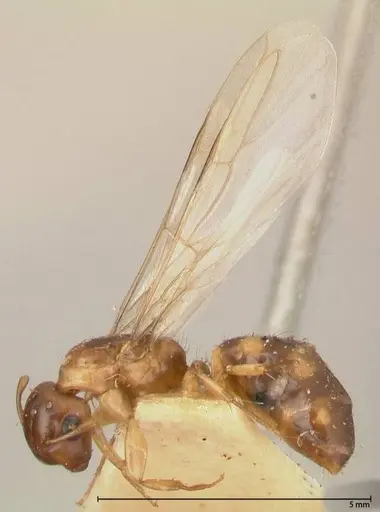
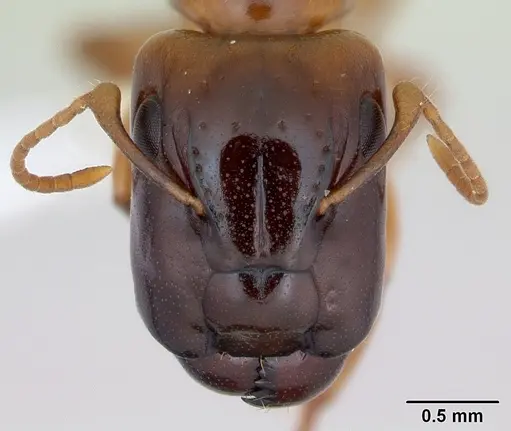
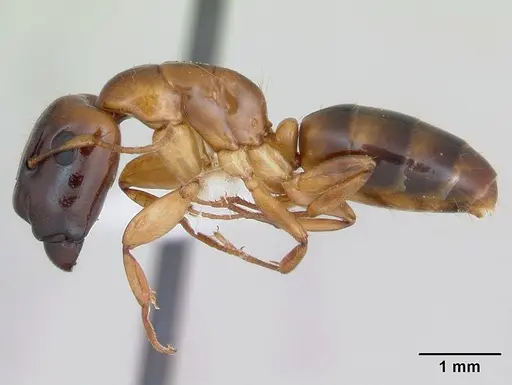
Camponotus claviscapus is a small arboreal ant found from Mexico down to Brazil and across many Caribbean islands . Queens measure 5.5-7 mm ; worker sizes are not directly documented but likely range from 4-7 mm based on caste variation. They are a distinctive yellow‑brown color, and major workers have an elongated head with the front half of the clypeus cut off (truncated), making them easy to identify . This species nests almost exclusively in hollow twigs, branches, and bamboo - it does not excavate wood but takes over existing cavities . They are very common in disturbed areas like coffee plantations, urban gardens, and forest edges .
Quick Summary
- Difficulty: Easy
- Origin & Habitat: Neotropical: from Mexico (Quintana Roo, Tabasco) through Central America to Brazil, plus many West Indian islands (Trinidad, St. Vincent, Grenada, Martinique, Hispaniola, etc.) [4][1][2][3]. Found in tropical forests and disturbed habitats at elevations from 190 to 800 m [3]. They nest in hollow twigs, mangrove trees, and bamboo within forest canopy [1][2][3].
- Colony Type: Unconfirmed, likely monogyne (single queen colony) based on typical Camponotus patterns, but no published data on colony structure.
- Size & Growth:
- Queen: 5.5-7 mm [4]
- Worker: Not directly documented, queen length is 5.5-7 mm [4], workers likely 4-7 mm (estimated from caste variation).
- Colony: Unknown, likely modest (under a few hundred workers) due to twig‑nesting constraints (estimated).
- Growth: Moderate to slow (estimated, typical for small Camponotus).
- Development: 6-10 weeks at 24-28 °C (estimated from typical Camponotus development, exact data unavailable). (First workers (nanitics) are smaller than mature workers.)
- Antkeeping:
- Temperature: 24-28 °C, use a heating cable on one side to create a gradient (inferred from Neotropical origin).
- Humidity: Moderate to high, keep nest substrate damp but not waterlogged. Good ventilation is essential because they nest in twigs, not soil (inferred).
- Diapause: No, as a Neotropical lowland species they do not need hibernation (inferred). A slight temperature drop in winter is harmless.
- Nesting: Provide narrow chambers that mimic hollow twigs (Y‑tong,3D‑printed, or plaster nests). A water test tube supplies humidity. Test tubes can work if positioned horizontally.
- Behavior: Calm and non‑aggressive. Arboreal, forages in vegetation. Defense is formic acid spray (typical of Formicinae). Escape risk is low to moderate, use standard barriers.
- Common Issues: colonies can decline if kept too cold, maintain stable warmth year‑round., dry conditions cause brood loss, ensure adequate but not stagnant humidity., wild‑caught queens may carry parasites, quarantine before introducing to other colonies., need snug nest chambers, avoid large open spaces that stress the colony., foraging workers may climb out of shallow outworlds, use a secure lid or fluon barrier.
Housing and Nest Setup
Camponotus claviscapus naturally nests in hollow twigs, branches, and bamboo [1][2]. In captivity, provide a nest with narrow chambers where workers can almost touch the ceiling, Y‑tong,3D‑printed, or plaster nests work well. You can also attach a hollow twig or bamboo segment to the outworld for a natural look, though it makes observation harder. A test tube positioned horizontally mimics a twig and can be used for small colonies. Keep the nest well‑ventilated (stagnant air promotes mold). Use a water test tube as a humidity source, placed so condensation can form in the nest area.
Feeding and Diet
This species is an arboreal omnivore [6]. Offer sugar water or honey constantly as an energy source. For protein, give small insects (fruit flies, pinhead crickets, mealworms) 2-3 times per week, removing leftovers after 24 hours. They also accept soft insect matter (e.g., crushed cockroach nymphs). Because they are arboreal, place food in the outworld near climbing structures.
Temperature and Humidity
As a Neotropical lowland species, C. claviscapus needs steady warmth. Aim for 24-28 °C (estimated). A heating cable on one side creates a gradient so ants can choose their spot. Do not place heat directly under water tubes, it causes excessive condensation. Humidity should be moderate to high, keep the nest substrate damp but not wet, and ensure good air flow. Their natural twig habitat is moist but well‑aerated (inferred from ecology).
Colony Development
Founding behavior is unconfirmed, based on typical Camponotus patterns, the queen likely seals herself in a cavity and raises the first brood on stored reserves (claustral founding), but this has not been documented for this species. First workers (nanitics) appear in 6-10 weeks under warm conditions (estimated). The colony then grows gradually, maximum size is unknown but probably under a few hundred workers (estimated from twig‑nesting habit).
Behavior and Temperament
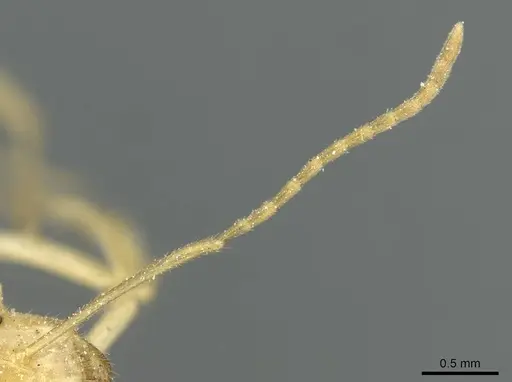
These ants are calm and rarely show aggression toward keepers. They forage in the outworld, climbing on vertical surfaces. Major workers have an elongated head with a truncated clypeus and a club‑shaped scape, a key identifying feature [5]. Like all Formicinae, they lack a sting, their main defense is to bite and spray formic acid at the wound. They are not known to be escape artists, but standard barriers (fluon, mineral oil) are recommended because they are small.
Frequently Asked Questions
How long does it take for Camponotus claviscapus to produce first workers?
Under optimal warmth (24-28 °C), first workers likely emerge in 6-10 weeks after the queen lays eggs. This is estimated from typical Camponotus development, no specific data exist for this species.
What size colony does Camponotus claviscapus reach?
Maximum colony size is unknown but probably modest (under a few hundred workers), based on their twig‑nesting ecology and typical patterns in related species.
What do Camponotus claviscapus eat?
They are omnivorous [6]. Provide constant access to sugar water or honey, and offer small insects (fruit flies, pinhead crickets) for protein 2-3 times per week.
Can I keep Camponotus claviscapus in a test tube?
Yes, but position it horizontally to mimic a natural hollow twig. A Y‑tong or 3D‑printed nest with narrow chambers is more suitable for long‑term colonies.
Do Camponotus claviscapus need hibernation?
No, as a Neotropical lowland species, they do not require a cold diapause. Keep them warm year‑round (24-28 °C).
Are Camponotus claviscapus good for beginners?
Yes, they are hardy, calm, and undemanding. Their arboreal nesting preference is easy to accommodate with a properly designed nest.
What temperature do Camponotus claviscapus need?
24-28 °C. A heating cable on one part of the nest creates a temperature gradient.
Why is my Camponotus claviscapus colony declining?
Most likely causes: temperature too low, humidity too dry or stagnant, or inadequate food. Also check for mold or parasites if the colony was wild‑caught.
When should I move my colony to a formicarium?
Move them when the test tube becomes crowded (20+ workers) or the nest no longer provides enough space. A narrow‑chamber Y‑tong nest works best.
Report an Issue
The current care sheet is based fully on literature. See inconsistencies, or something that's incorrect? Please , it will be resolved after review from an admin. Contributing to the blogs tab also helps providing information, to make us be able to further improve the caresheets. Thank you for your support!
References

This caresheet is licensed under CC BY-SA 4.0 .
Community Blogs
CASENT0106332
View on AntWeb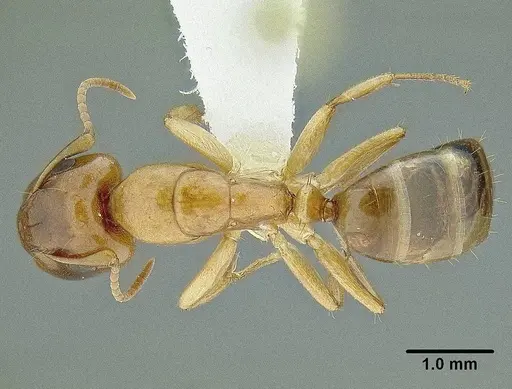
CASENT0173554
View on AntWeb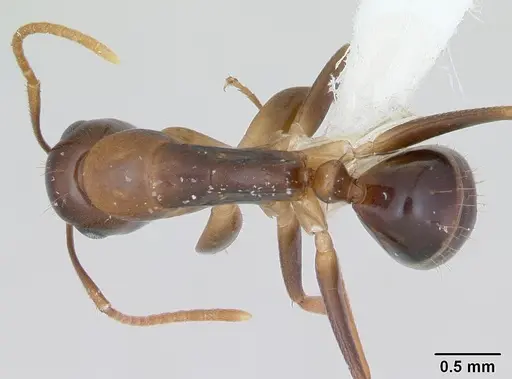
CASENT0217629
View on AntWeb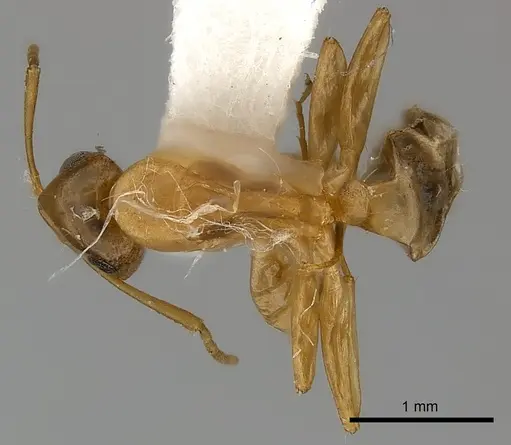
CASENT0217630
View on AntWeb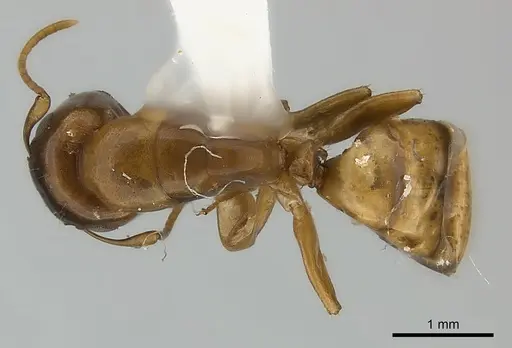
CASENT0249388
View on AntWeb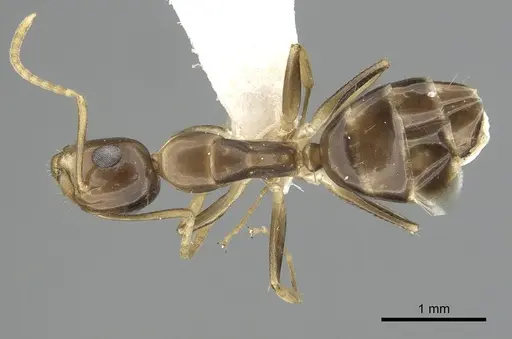
CASENT0249389
View on AntWeb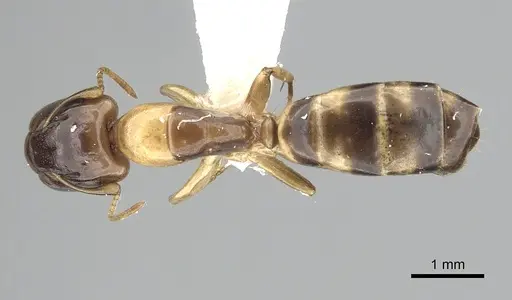
CASENT0249394
View on AntWeb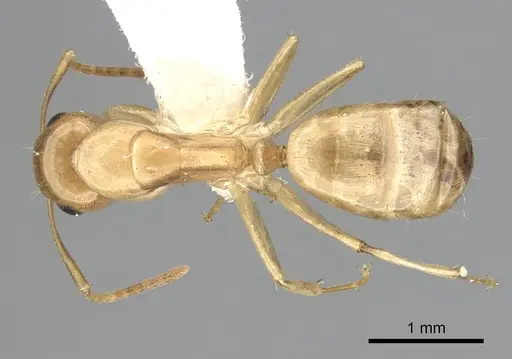
CASENT0249395
View on AntWeb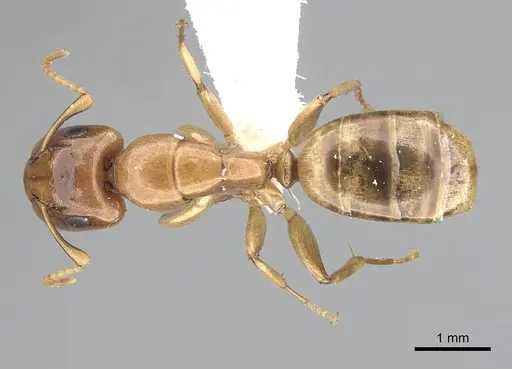
CASENT0903632
View on AntWeb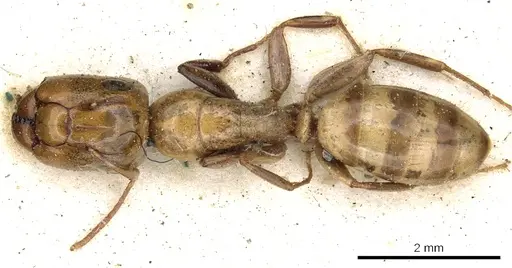
CASENT0910658
View on AntWeb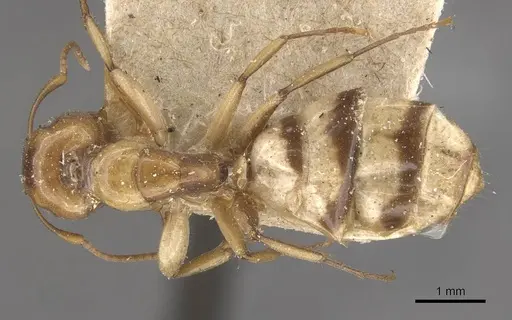
CASENT0910659
View on AntWeb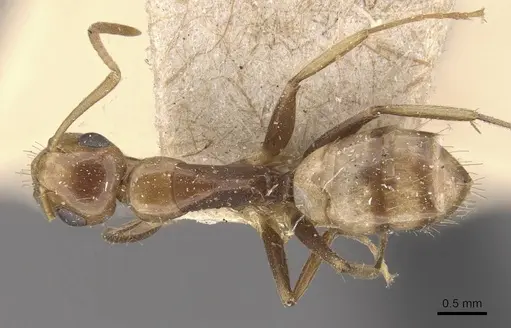
CASENT0911880
View on AntWeb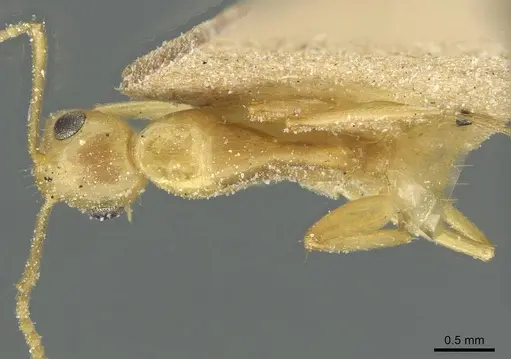
CBUMAGENT41817
View on AntWeb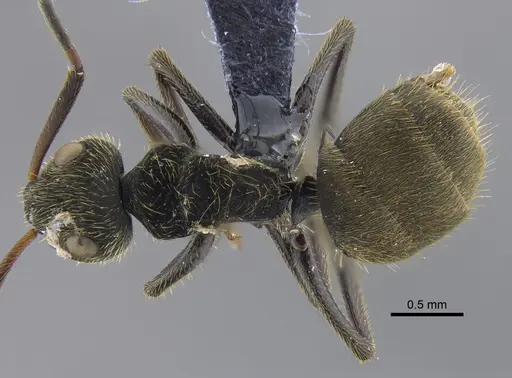
FMNHINS0000062970
View on AntWeb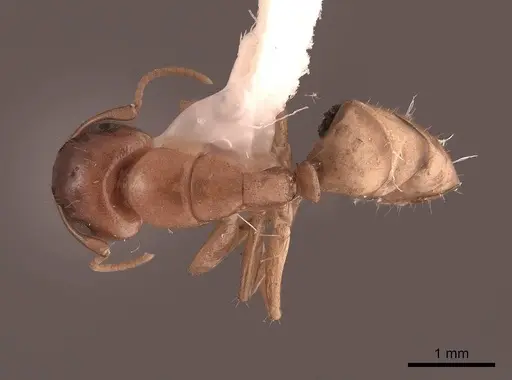
FOCOL0555
View on AntWeb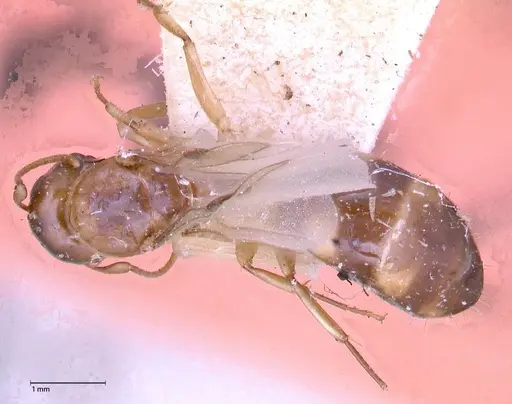
JTLC000004447
View on AntWeb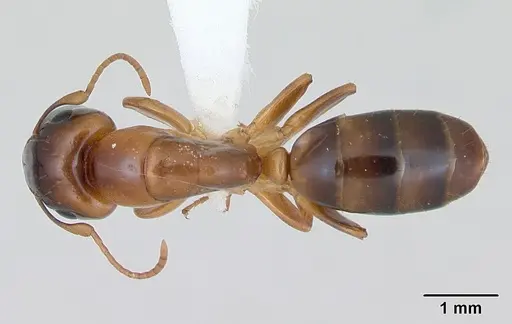
Literature
Loading distribution map...Loading products...