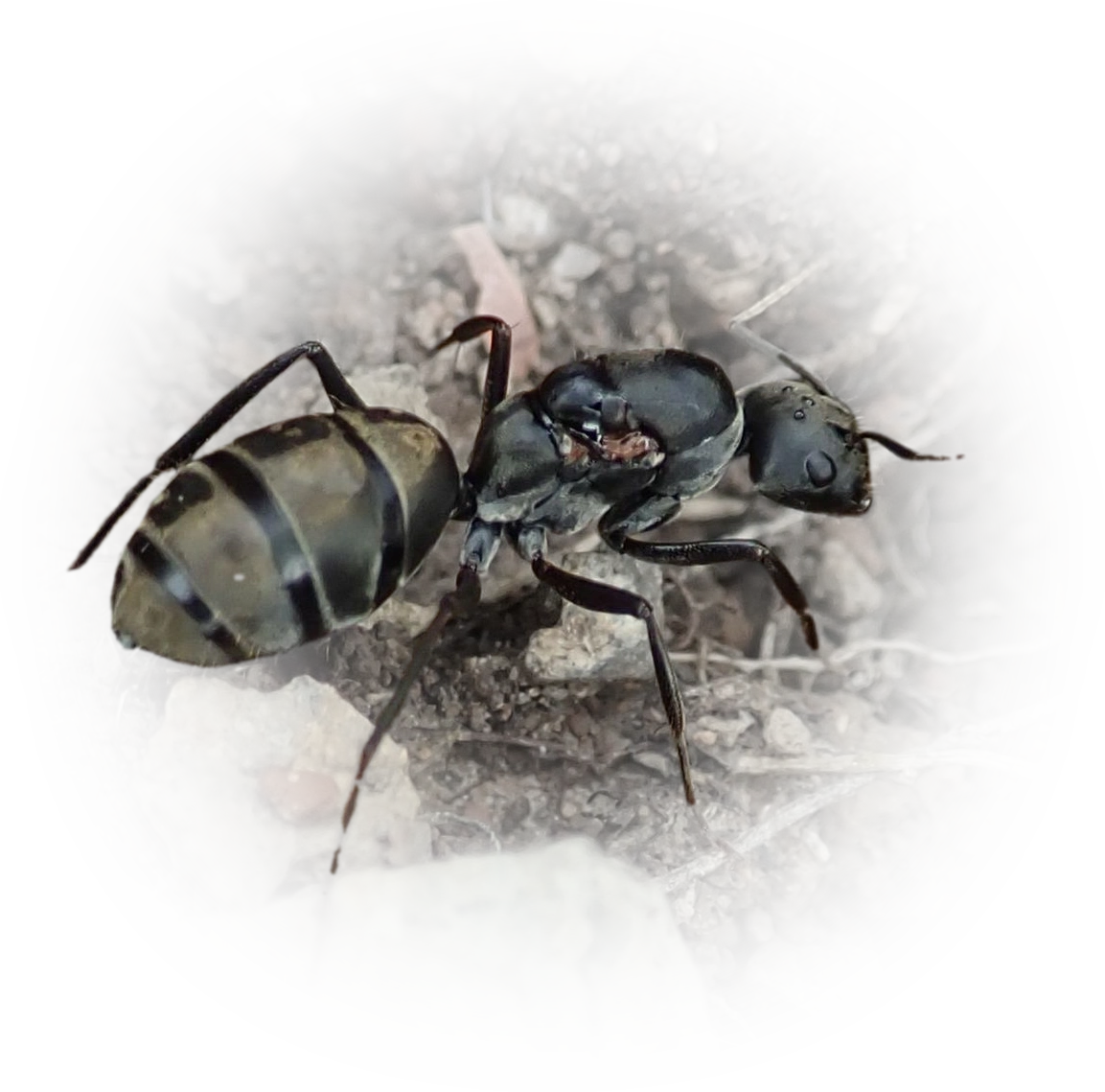
Shiny sugar ant
Camponotus cinctellus
- Sci. Name
- Camponotus cinctellus
- Subgenus
- Myrmosericus
- Tribe
- Camponotini
- Subfamily
- Formicinae
- Author
- Gerstäcker, 1859
- Common Name
- Shiny sugar ant
- Distribution
- Found in 7 countries
Introduction
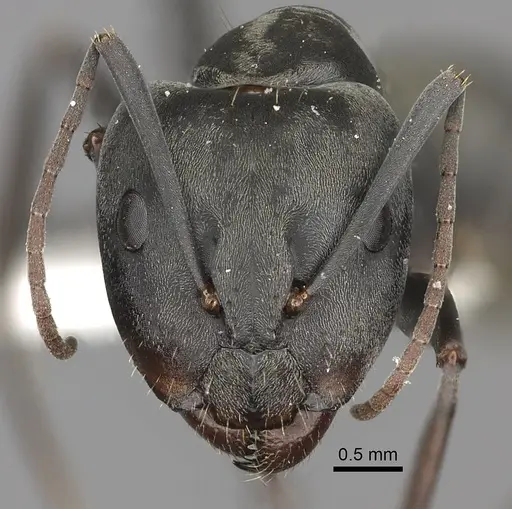
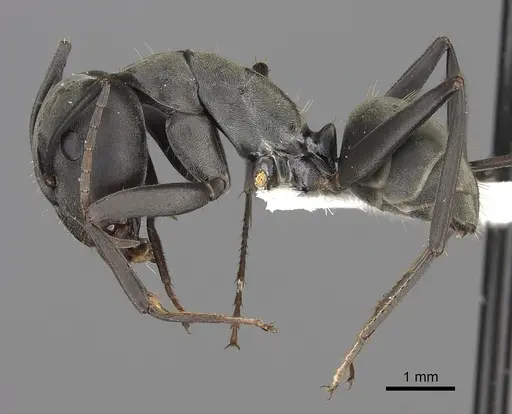
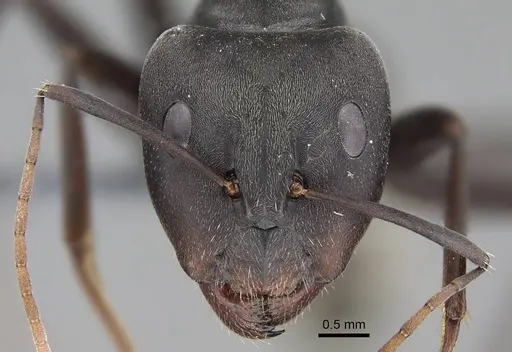
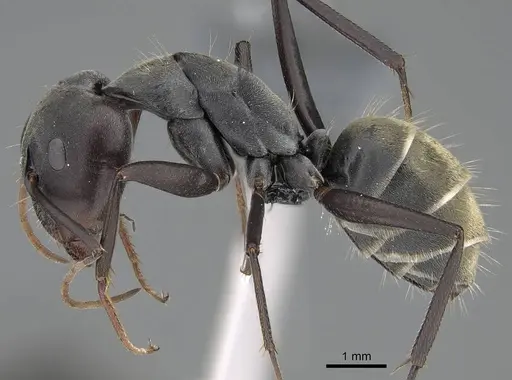
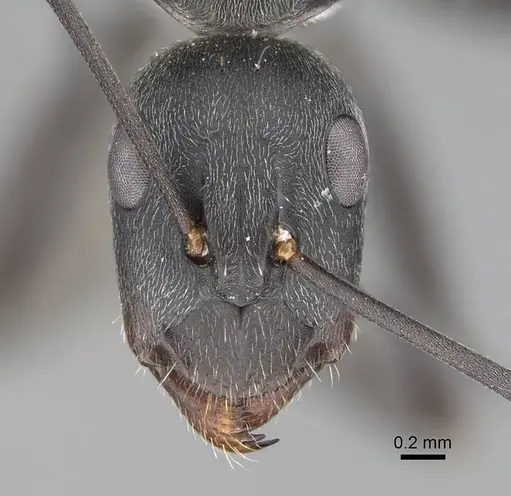
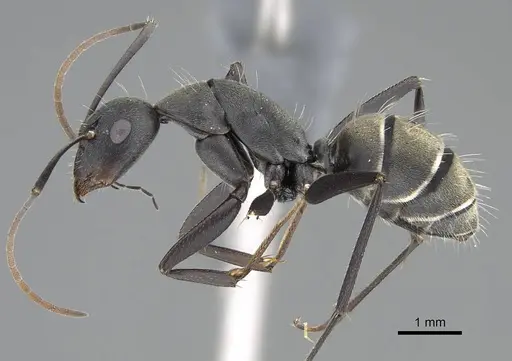
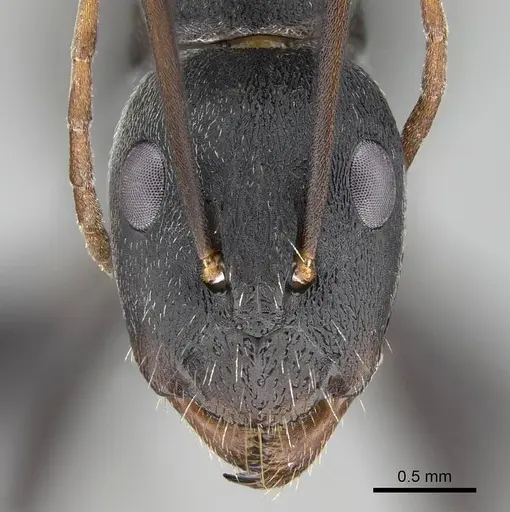
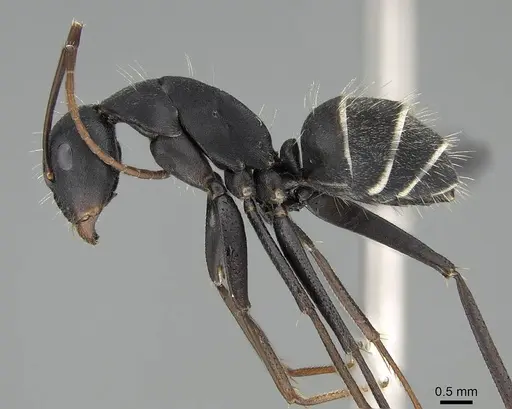
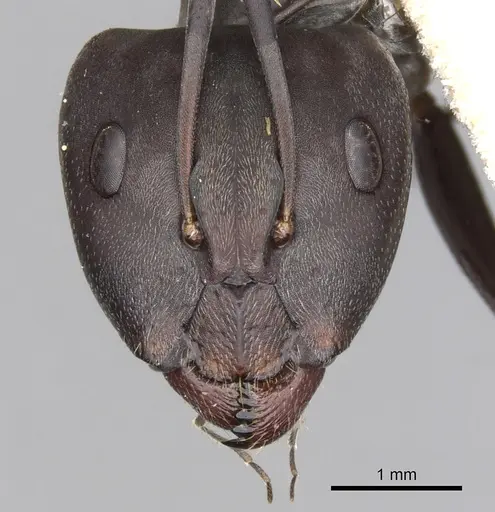
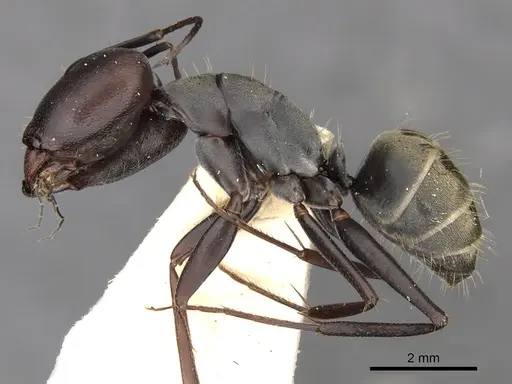
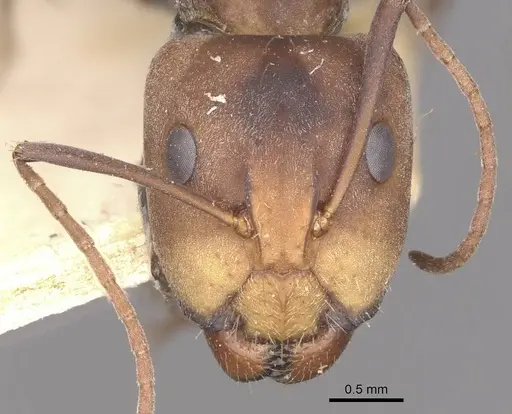
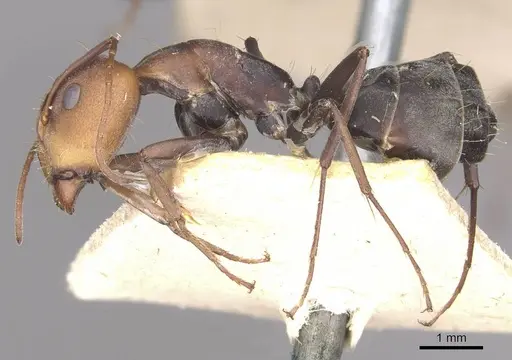
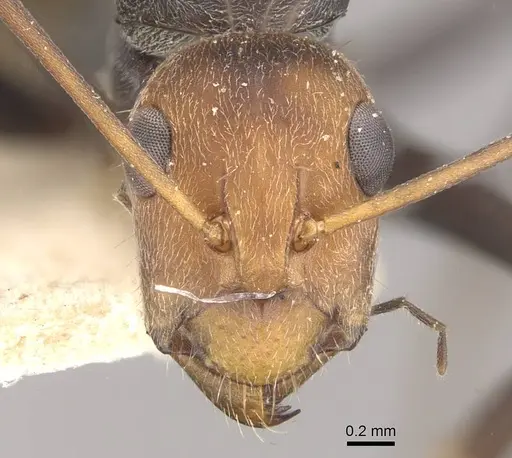
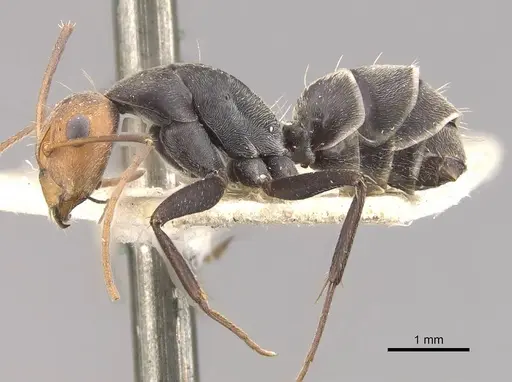
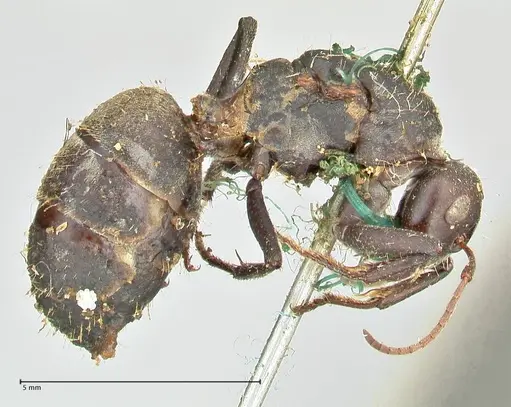
Camponotus cinctellus is a medium-sized African carpenter ant found across the Afrotropical region, from DR Congo and Kenya down to South Africa. Workers are matte black with a distinctive velvety gray-green to olive-colored coating on their abdomen that gives them a fuzzy, golden-shining appearance. The head is broad—nearly twice the width of the thorax in major workers—and the body is covered in fine, silky hairs. This species shows ecological flexibility, occurring in primary native forests at higher elevations (up to 1750m) but reaching highest numbers in modified landscapes like banana plantations and exotic tree stands .
Quick Summary
- Difficulty: Medium
- Origin & Habitat: Afrotropical region, found across eastern and central Africa including DR Congo, Eritrea, Kenya, Mozambique, Rwanda, Tanzania, and Zimbabwe. Occupies diverse habitats from sea level to over 1750m elevation, with highest abundances in modified landscapes like banana plantations and exotic tree stands, though also present in primary forests [3][4][5][6].
- Colony Type: Colony structure is unconfirmed. No specific literature data on queen number or colony type for this species.
- Size & Growth:
- Queen: ~10-12mm, inferred from original description (5 lines) and related Camponotus species
- Worker: ~8-10mm major workers, ~6-8mm minor workers, inferred from original description (5 lines for female, 3.75 lines for male) [1]
- Colony: Likely up to several thousand workers at maturity based on typical Camponotus patterns
- Growth: Moderate, typical for subtropical Camponotus species
- Development: Estimated 6-8 weeks at optimal temperature based on genus patterns (Development time inferred from typical Camponotus genus patterns. Founding behavior is unconfirmed.)
- Antkeeping:
- Temperature: Keep at 22-26°C. They come from warm African climates so moderate heating helps, but room temperature in most homes should suffice. A slight gradient allows workers to regulate their temperature.
- Humidity: Moderate humidity. These ants are adaptable and found in both drier and more humid African habitats. Provide a water tube but avoid overly damp conditions [3][4].
- Diapause: Likely minimal or no true diapause. As a subtropical/tropical species from eastern Africa, they probably don't require hibernation. Keep at stable temperatures year-round.
- Nesting: Use a standard formicarium or test tube setup. In the wild they nest in soil, under stones, and in rotting wood. Y-tong nests or plaster nests work well. Provide a dark nesting area and access to an outworld for foraging.
- Behavior: Generally calm and non-aggressive for a Camponotus species. Workers are moderate foragers that search for carbohydrates and protein. They lack a functional sting but can bite and spray formic acid as a defense mechanism typical of Formicinae. Escape prevention should be moderate, these are medium-sized ants but can climb well, so standard barriers work fine.
- Common Issues: queen mortality during founding can occur, ensure humidity stays stable during claustral founding if applicable, colonies may stagnate if temperatures are too cool, keep warm to maintain growth, wild-caught colonies may have parasites that can devastate captive populations, overfeeding can lead to mold problems in the nest, remove uneaten food promptly, their fuzzy, velvety appearance can be damaged by excessive handling
Natural History and Distribution
Camponotus cinctellus ranges across much of eastern and central Africa. The species was originally described from Mozambique (Tette) in 1859 and was later found across a wide area including Kenya, Tanzania, Rwanda, DR Congo, Eritrea, and South Africa [1][7]. It has been recorded at elevations from near sea level up to 1750m in Rwanda's highlands [5]. This ant shows ecological flexibility, it occurs in primary native forests but reaches highest abundances in modified landscapes like banana plantations, coffee plantations, and stands of exotic tree species [3][4]. Studies in Rwanda found it was among the most frequently collected species, indicating it tolerates a wide range of soil properties and land use changes [3]. The species was originally classified as a subspecies of C. rufoglaucus but was elevated to full species status [2].
Appearance and Identification
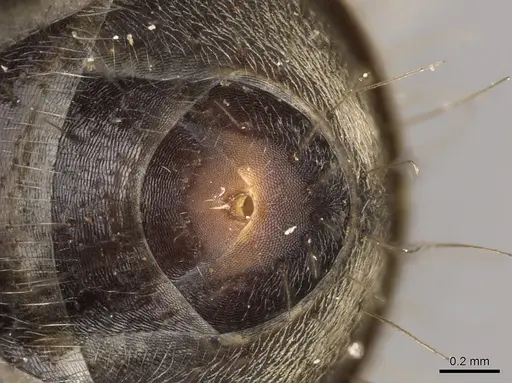
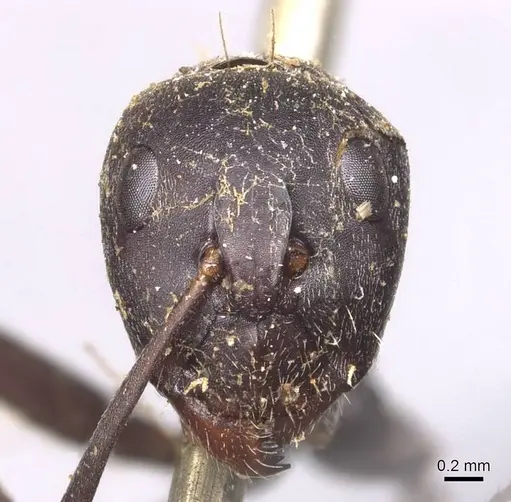
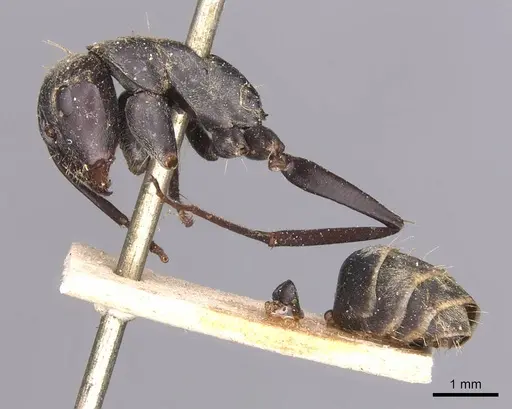
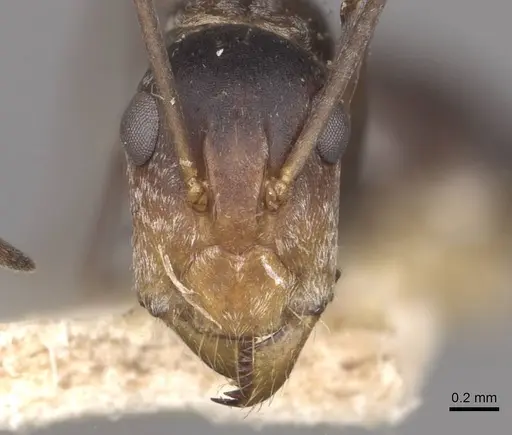
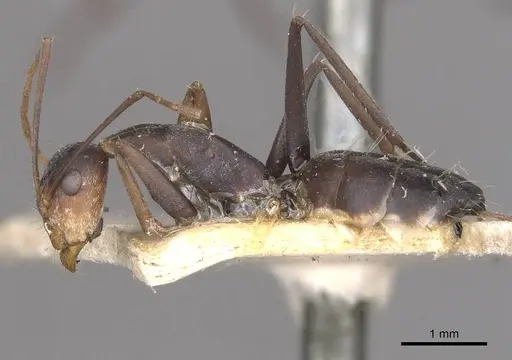
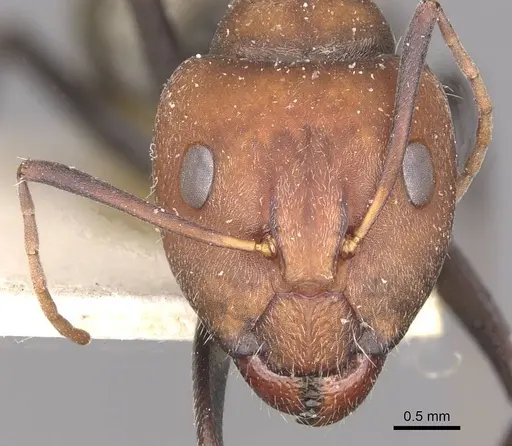
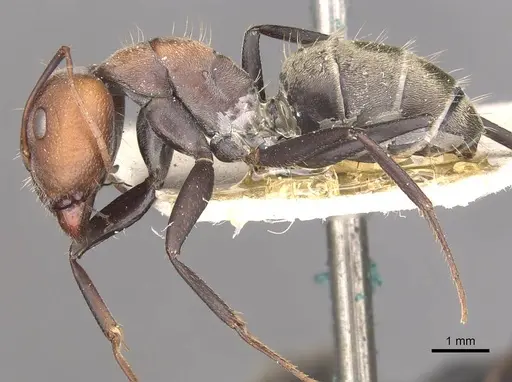
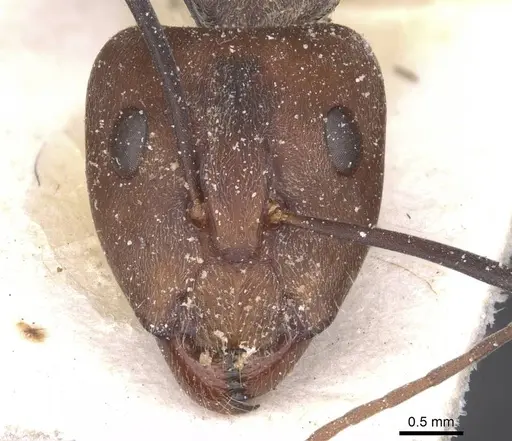
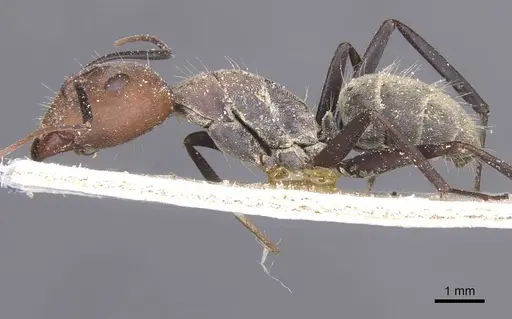
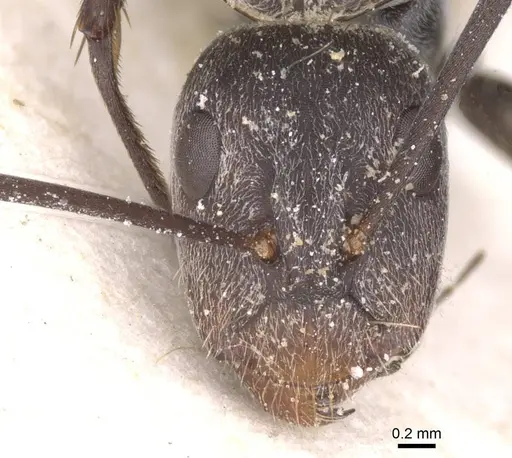
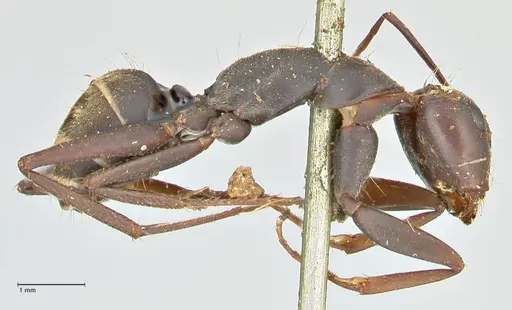
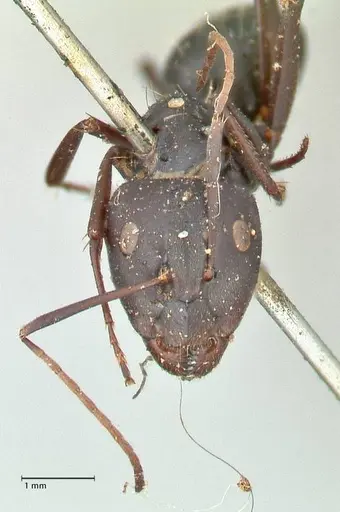
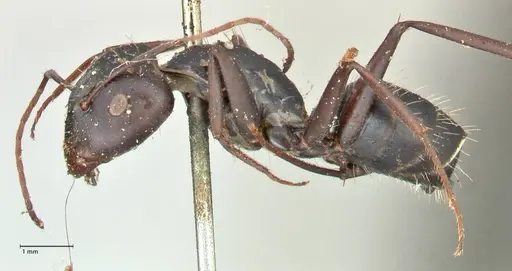
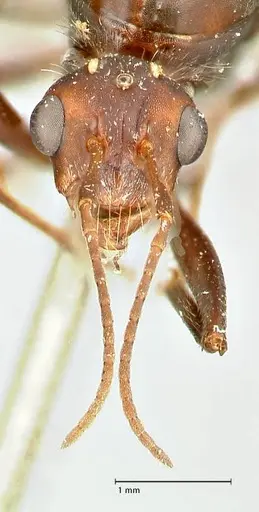
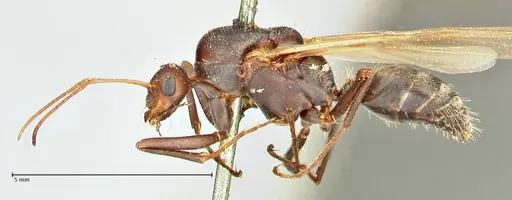
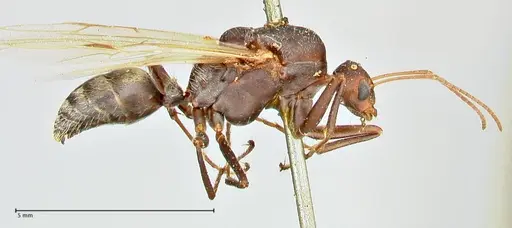
Camponotus cinctellus is a distinctive-looking ant. Workers are matte black with an unusual velvety coating on the abdomen that appears gray-green to olive in color, this comes from dense, fine hairs that give the gaster a fuzzy, golden-shining appearance [1][8]. The head is notably broad, especially in major workers where it can be nearly twice as wide as the thorax. The head is quadrangular, narrowing toward the front. The thorax is finely sculpted with a bell-shaped prothorax, and the body has sparse stiff bristles. Legs are pitch-black with red-brown tibiae and tarsi. The species is sometimes confused with C. rufoglaucus and C. natalensis, but the velvety gray-green abdominal coating is distinctive [1].
Defense Mechanism
Like all Formicinae ants, Camponotus cinctellus lacks a functional sting. The primary defense mechanism is to bite the target and spray a stream of concentrated formic acid from an acidopore into the wound. This is a standard defense strategy for the subfamily.
Feeding and Diet
Like other Camponotus species, C. cinctellus is omnivorous with a preference for carbohydrate sources. In the wild, they tend aphids and feed on honeydew, plus they scavenge protein from dead insects and other sources. For captive colonies, offer a constant supply of sugar water (1:1 ratio) or honey, supplemented with protein sources like mealworms, crickets, or other insects 2-3 times per week. Remove uneaten protein within 24 hours to prevent mold. These ants are moderate foragers, not as aggressive as some Camponotus but active enough to readily accept offered foods.
Temperature and Seasonal Care
Being an African species, Camponotus cinctellus prefers warm conditions. Keep nesting areas at 22-26°C for optimal brood development. Room temperature (around 20-24°C) in most homes should be suitable, but you may want to provide a slight heat gradient using a heating cable on one side of the nest so workers can choose their preferred temperature. Unlike temperate species, they likely don't require a true hibernation period, but may show slightly reduced activity in cooler months. Avoid temperatures below 18°C for extended periods. Stable temperatures produce the best growth rates.
Nesting and Housing
In the wild, C. cinctellus nests in soil, under stones, and in rotting wood, typical carpenter ant habitat. For captivity, standard formicarium setups work well. Y-tong nests, plaster nests, or naturalistic setups with soil all work. Provide a dark nesting chamber and access to an outworld for foraging. A water tube should be attached for humidity. Because they come from adaptable African habitats, they're not particularly demanding about humidity, just keep the nest moderately moist (not soggy) and provide a water source. Escape prevention: these are medium-sized ants (major workers around 8-10mm), so standard barriers like fluon on container rims work well.
Colony Development
Colony development details are unconfirmed for this species. Based on typical Camponotus patterns, the queen likely seals herself in a chamber and raises the first brood alone using stored fat reserves (claustral founding), though this is not specifically documented. After the first workers emerge, the colony grows gradually. Expect several months to reach 20-30 workers. Mature colonies likely reach several thousand workers over 2-3 years. Growth rate is moderate, not as fast as some tropical species but faster than cold-climate Camponotus. Queens can live for many years, with colonies becoming increasingly impressive over time.
Ecological Role
Camponotus cinctellus plays an important ecological role in its native habitat. Studies show this species is a frequent prey item for the ant-eating spider Mexcala elegans, the spider captures these ants more frequently than would be expected based on their availability in the environment [8]. The distinctive velvety appearance of C. cinctellus makes it a Batesian mimicry model, where the spider's juveniles resemble the ants to gain access to ant colonies as a food source [8]. This ant also shows high tolerance to different land use types and soil properties, making it a useful bioindicator species for monitoring environmental changes [3][4].
Frequently Asked Questions
How long does it take for Camponotus cinctellus to raise first workers?
Expect 6-8 weeks from egg to first worker at optimal temperature (22-26°C). This is typical for Camponotus species. The first workers will be smaller than mature workers.
What do Camponotus cinctellus ants eat?
They are omnivorous. Offer sugar water or honey constantly for carbohydrates, plus protein sources like mealworms, crickets, or other insects 2-3 times per week. Remove uneaten food within 24 hours.
What temperature do Camponotus cinctellus need?
Keep them at 22-26°C. They come from warm African climates and prefer these temperatures for optimal growth. Room temperature is usually suitable.
Are Camponotus cinctellus good for beginners?
They are rated as medium difficulty. They're more forgiving than some species but do need warm temperatures and proper feeding. They're a good choice after trying easier species like Lasius.
How big do Camponotus cinctellus colonies get?
Mature colonies likely reach several thousand workers over 2-3 years. This is typical for medium-sized Camponotus species.
Do Camponotus cinctellus need hibernation?
Probably not. As a subtropical African species, they don't require true hibernation. They may slow down slightly in cooler months but keeping them at stable warm temperatures year-round is best.
What type of nest should I use for Camponotus cinctellus?
Standard formicarium setups work well, Y-tong nests, plaster nests, or naturalistic soil setups all work. Provide a dark nesting area with access to an outworld for foraging.
Can I keep multiple Camponotus cinctellus queens together?
Not recommended. Colony structure is unconfirmed for this species, but most Camponotus are single-queen (monogyne). Combining unrelated queens would likely result in fighting.
Why is my Camponotus cinctellus colony not growing?
Check temperature first, they need warmth (22-26°C) for proper brood development. Also ensure they're getting enough protein and the queen is healthy. Low temperatures are the most common cause of stunted growth.
Report an Issue
The current care sheet is based fully on literature. See inconsistencies, or something that's incorrect? Please , it will be resolved after review from an admin. Contributing to the blogs tab also helps providing information, to make us be able to further improve the caresheets. Thank you for your support!
References

This caresheet is licensed under CC BY-SA 4.0 .
Community Blogs
CASENT0170557
View on AntWeb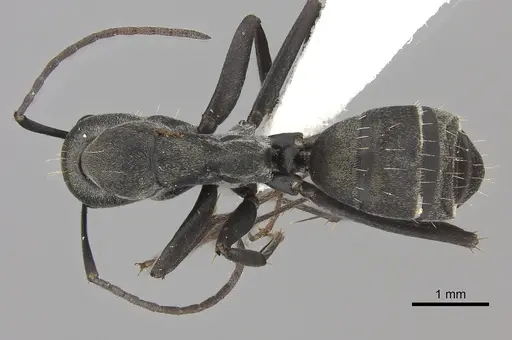
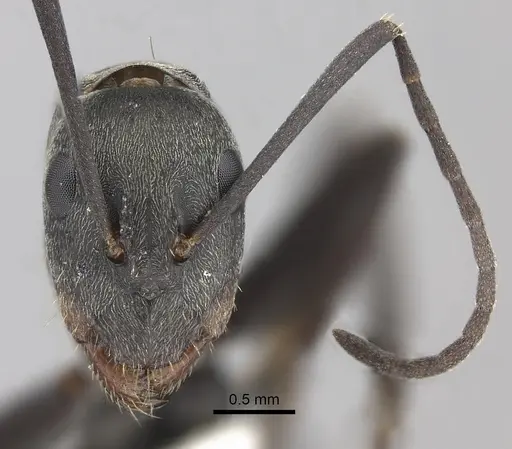
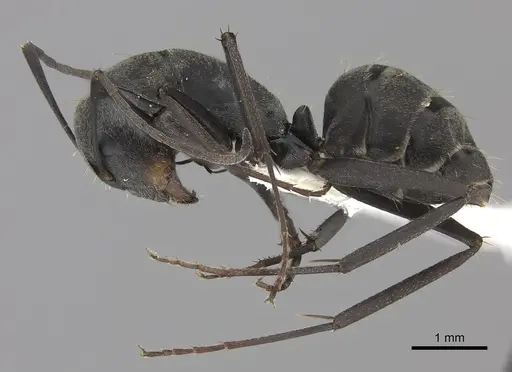
CASENT0235236
View on AntWeb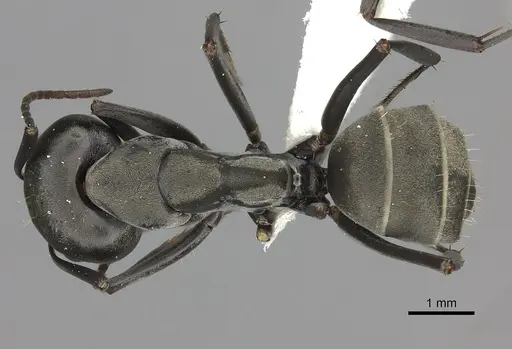
CASENT0785941
View on AntWeb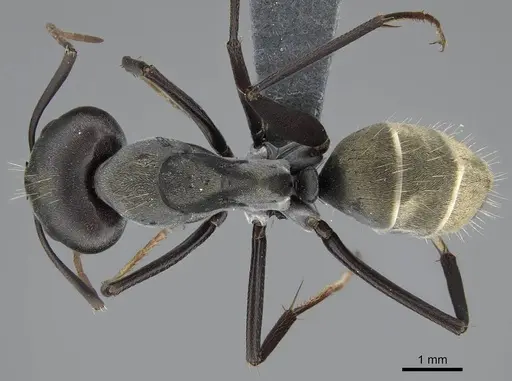
CASENT0785943
View on AntWeb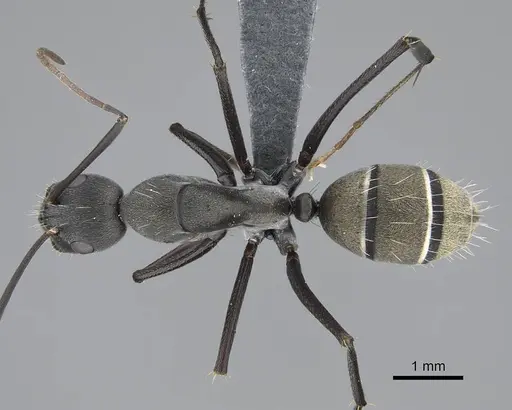
CASENT0822205
View on AntWeb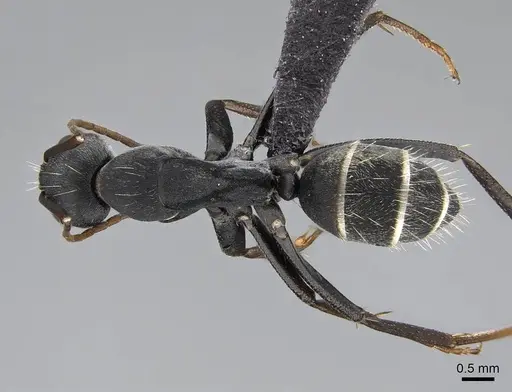
CASENT0900333
View on AntWeb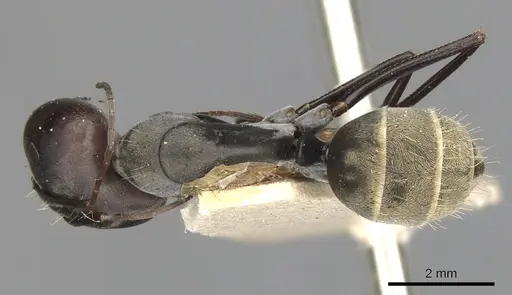
CASENT0905349
View on AntWeb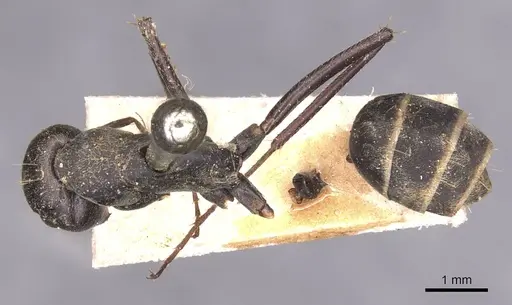
CASENT0910322
View on AntWeb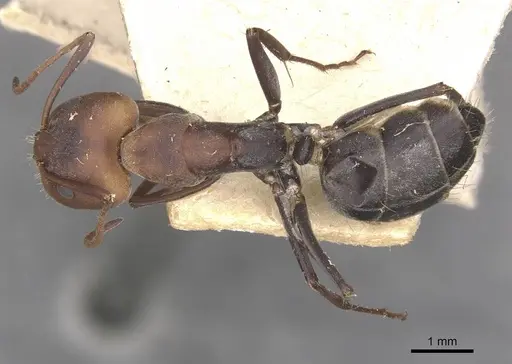
CASENT0910323
View on AntWeb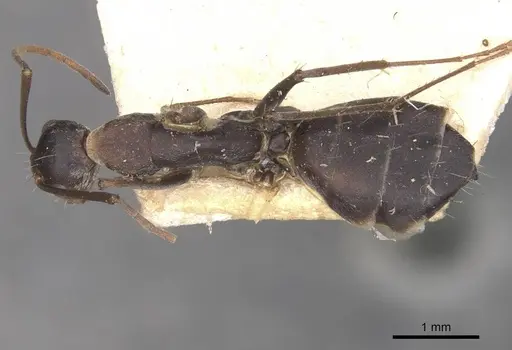
CASENT0910324
View on AntWeb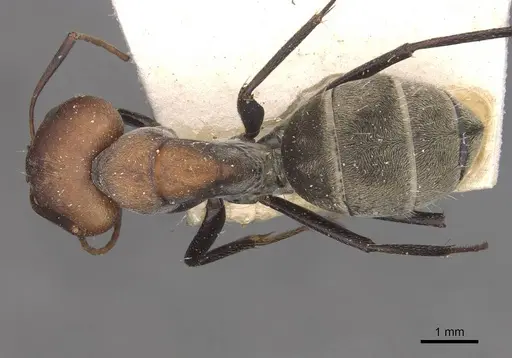
CASENT0910325
View on AntWeb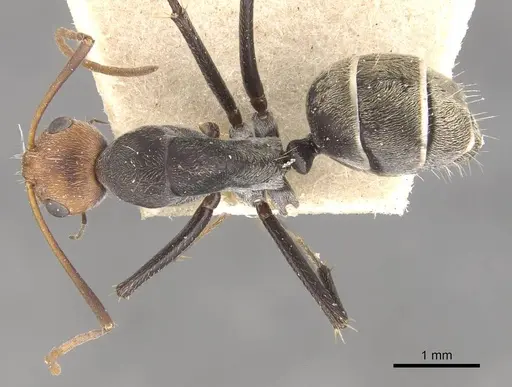
CASENT0911761
View on AntWeb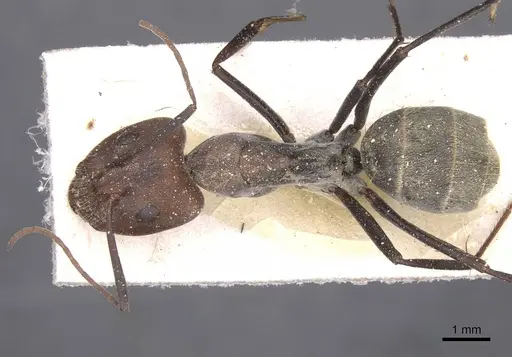
CASENT0911762
View on AntWeb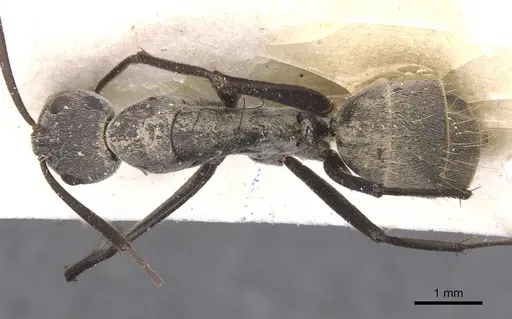
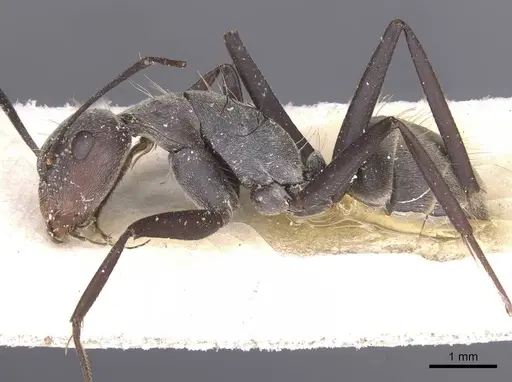
FOCOL2474
View on AntWeb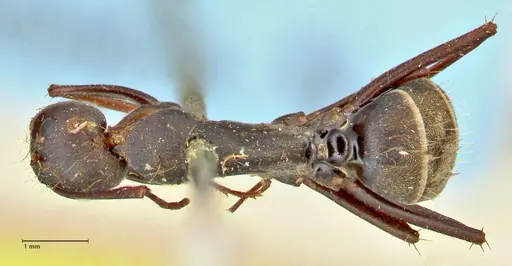
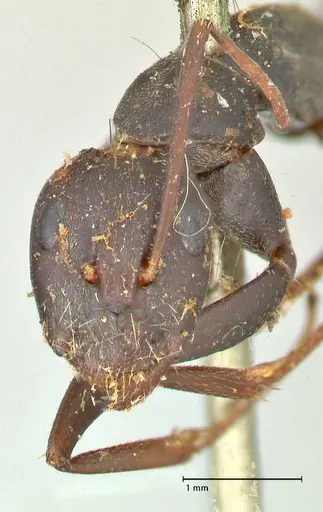
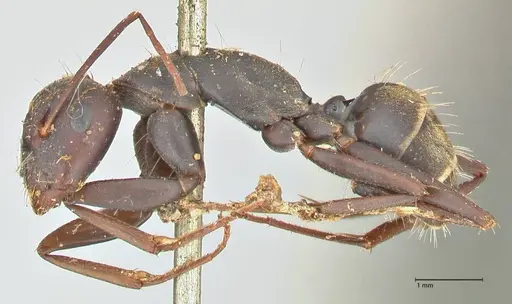
FOCOL2475
View on AntWeb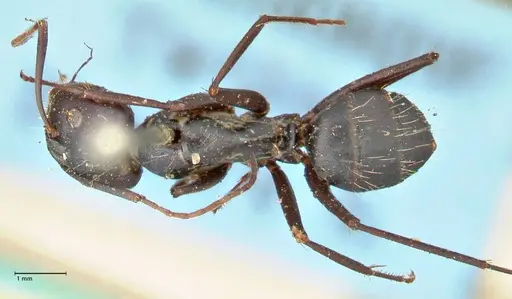
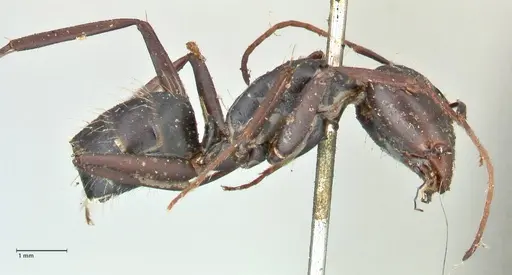
FOCOL2476
View on AntWeb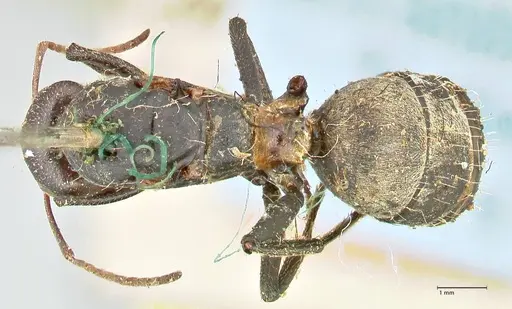
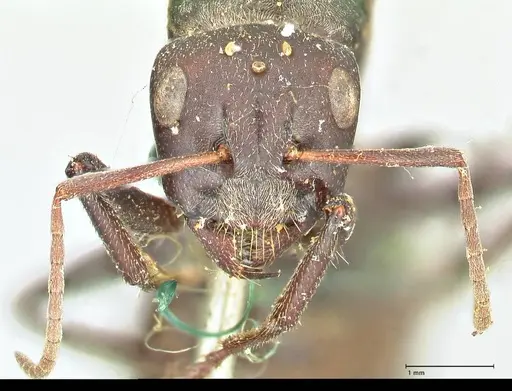
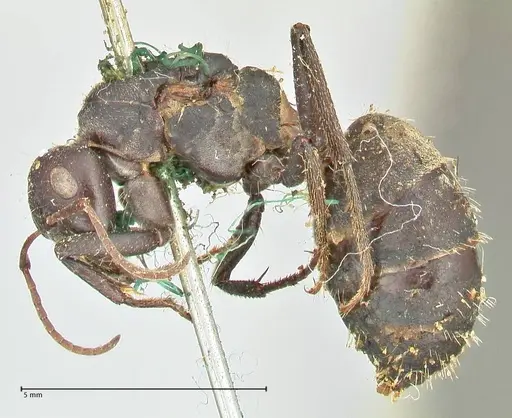
FOCOL2477
View on AntWeb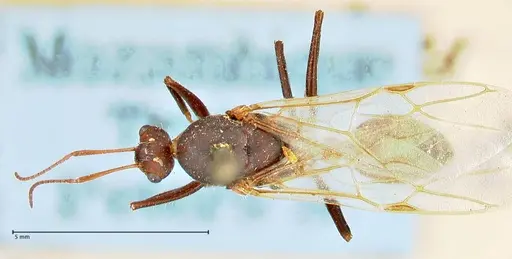
Literature
Loading distribution map...Loading products...