
Camponotus christi
- Sci. Name
- Camponotus christi
- Subgenus
- Myrmonesites
- Tribe
- Camponotini
- Subfamily
- Formicinae
- Author
- Forel, 1886
- Distribution
- Found in 1 countries
Introduction
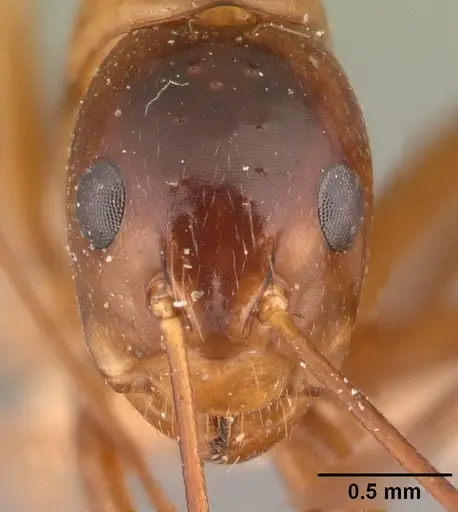
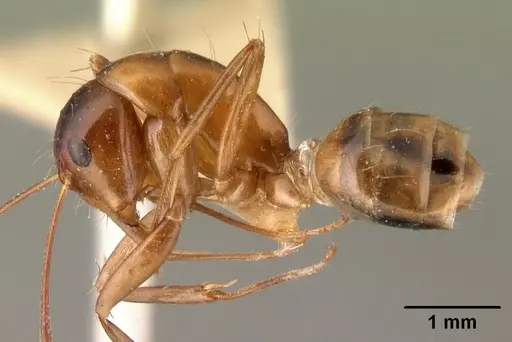
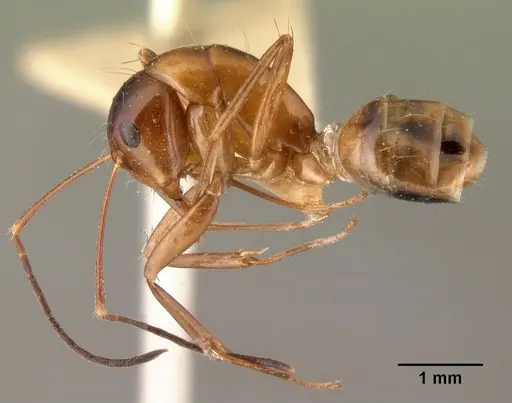
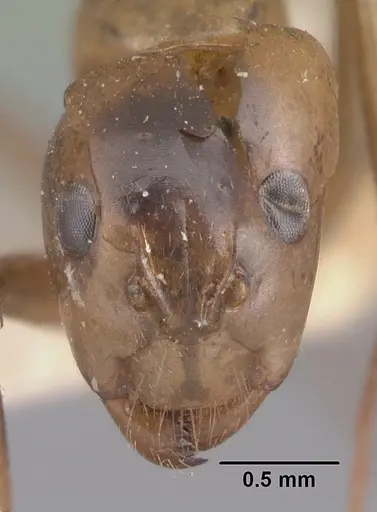
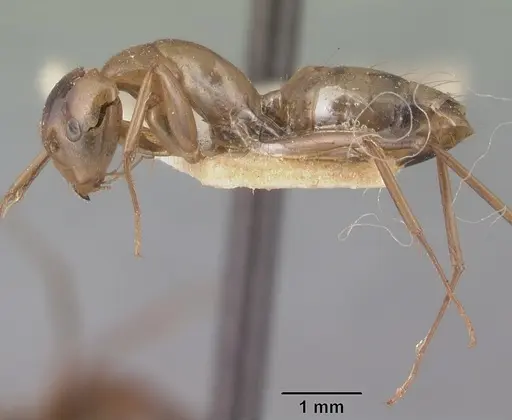
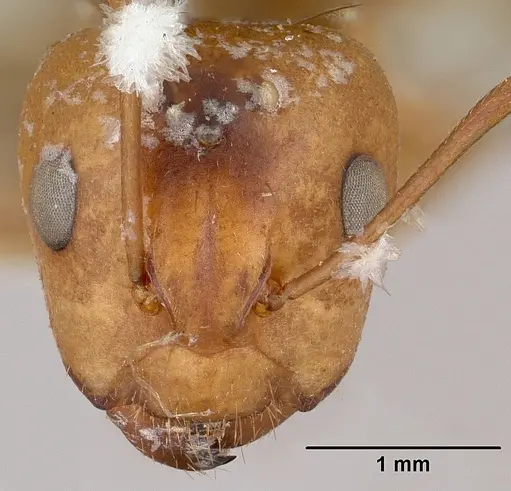
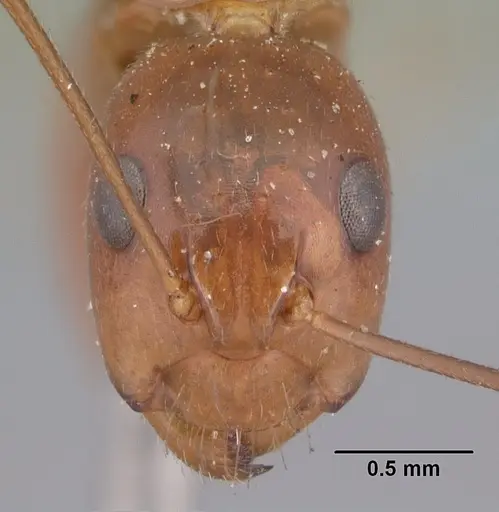
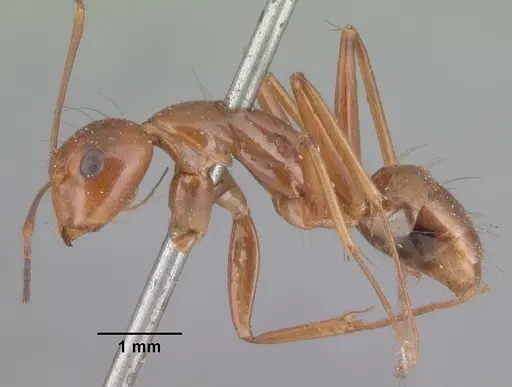
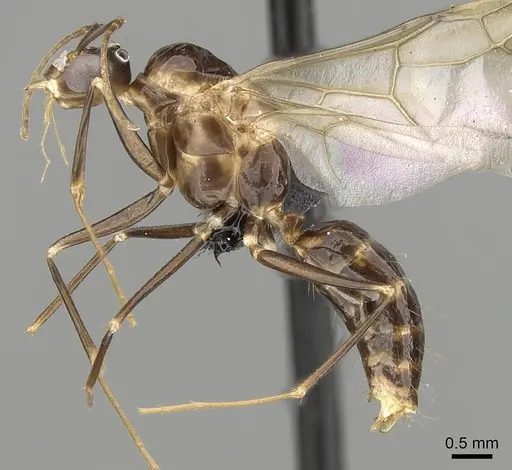
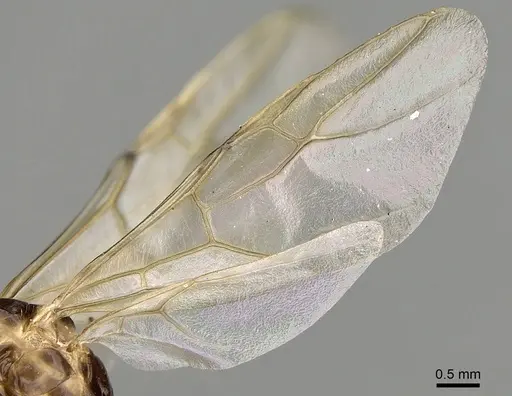
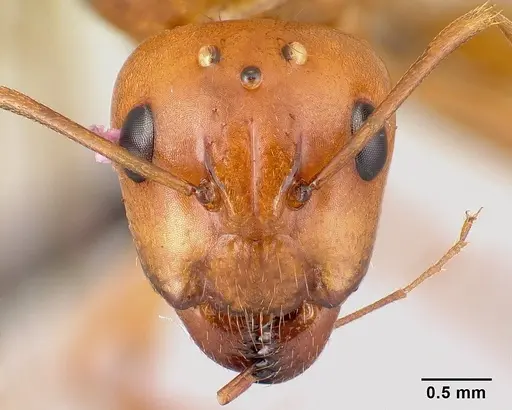
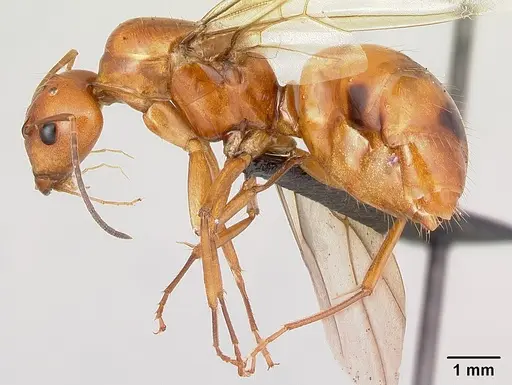
Camponotus christi is a yellow to light brown carpenter ant native to Madagascar. Workers come in two sizes: smaller minor workers and larger major workers with enlarged heads. This species belongs to the subgenus Mayria and is known for its entirely yellow to orange-brown coloration, including the legs, which helps distinguish it from similar species that have darker legs . These ants are found throughout Madagascar in diverse habitats ranging from sclerophyll forests in the central highlands to tropical dry forests, coastal scrub, and montane rainforests. They nest in various locations including rotting wood, root mats, dead branches, and even in canopy moss and leaf litter, showing flexibility in their nesting preferences . The type locality is Andrangoloaka Forest in central Madagascar .
Quick Summary
- Difficulty: Medium
- Origin & Habitat: Madagascar, widely distributed across the island in sclerophyll forests, tropical dry forests, coastal scrub, littoral rainforests, and montane rainforests [1]. They foraged on the forest floor and lower vegetation in humid, dark conditions [3].
- Colony Type: Unconfirmed, colony structure has not been specifically documented for this species.
- Size & Growth:
- Queen: Size data unavailable, no specific measurements exist for this species
- Worker: Minor workers are small, major workers are larger with enlarged heads [1]
- Colony: Unknown for this species
- Growth: Moderate, typical for Camponotus genus
- Development: 6-10 weeks estimated based on typical Camponotus development patterns (Development time inferred from related Camponotus species. Major workers take longer to develop than minors.)
- Antkeeping:
- Temperature: Keep at 24-27°C. They tolerate a range from 22-30°C but prefer warm, stable conditions. A heating cable on one side of the nest creates a gradient they can regulate themselves.
- Humidity: High humidity required, they naturally live in humid forest habitats. Keep nest substrate consistently moist but not waterlogged. Provide a water tube for drinking.
- Diapause: No true hibernation required, Madagascar stays warm year-round. However, a slight cooldown to 18-20°C during winter months may slow colony activity naturally.
- Nesting: They accept various nest types including Y-tong nests and naturalistic setups with rotting wood. They nest in both ground locations and above-ground sites in the wild, so captive colonies do well in formicariums with multiple chambers.
- Behavior: These ants are generally calm and not aggressive toward keepers. Workers forage primarily on the forest floor and lower vegetation, searching for honeydew, small insects, and plant matter. Major workers defend the colony with their larger mandibles. As Formicinae ants, they lack a functional sting and instead bite the target and spray formic acid from their acidopore into the wound. They are moderate escape artists, use standard barrier methods but they are not particularly small or agile. Workers have a distinct yellow-orange coloration that makes them easy to spot.
- Common Issues: high humidity needs can lead to mold if ventilation is poor, slow colony growth may frustrate beginners who overfeed and cause pest issues, wild-caught colonies may have parasites that kill them in captivity, test tube setups work for founding but colonies need more space as they grow, they prefer dark conditions, excessive light may cause stress
Housing and Nest Setup
Camponotus christi adapts well to various captive setups. For founding colonies, a standard test tube setup works well, fill one tube with water, plug with cotton, and place the queen in a dark area. Once the first workers (nanitics) emerge and the colony reaches 10-20 workers, you can move them to a proper formicarium.
Y-tong nests work excellently for this species. The chambers should be appropriately sized, not too large for small colonies, but with room to expand. Because they naturally nest in rotting wood and root mats, adding some soil or substrate to the outworld helps them feel at home. Keep the nest area dark by covering three sides of the formicarium.
The outworld should include a water source (test tube with cotton) and areas for foraging. These ants are not aggressive and will readily come out to investigate food. A layer of substrate on the outworld floor mimics their natural forest floor foraging habitat. [1]
Feeding and Diet
As with most Camponotus species, C. christi is omnivorous. They accept sugar sources readily, offer sugar water, honey, or diluted maple syrup 2-3 times per week. For protein, provide small insects like fruit flies, small crickets, or mealworms. In the wild, they forage for honeydew from aphids and scale insects, so they do well on sweet liquids.
Feed protein once or twice weekly, adjusting based on colony size. Remove uneaten prey after 24-48 hours to prevent mold. A varied diet helps, you can occasionally offer small pieces of fruit or seeds, though these ants are not primarily seed-eaters. Major workers can tackle larger prey items thanks to their powerful mandibles. [1]
Temperature and Humidity
Maintain temperatures between 24-27°C for optimal colony development. These ants come from Madagascar's warm environments and do best with consistent warmth. A small heating cable placed on top of the nest (never underneath where it could dry out the substrate) creates a gentle gradient.
Humidity is important, aim for 60-80% relative humidity in the nest area. The substrate should feel damp but not soggy. Mist the nest occasionally, but avoid constant dampness which promotes mold. Since they naturally inhabit humid forests, providing a water tube ensures they always have access to drinking water. [3][1]
Colony Development and Growth
Camponotus colonies grow progressively rather than explosively. After the queen lays her first eggs, expect 6-10 weeks for nanitics (first workers) to emerge at warm temperatures. These first workers are smaller than mature workers but immediately begin foraging for food.
Growth rate depends on feeding and temperature. Well-fed colonies at optimal temperatures can reach 50-100 workers within the first year. Major workers typically appear once the colony reaches a certain size, these are the soldiers with enlarged heads who defend the nest and help process larger food items. Be patient with Camponotus, they are marathon growers, not sprinters. [1]
Seasonal Care
Unlike temperate ant species, C. christi does not require a true hibernation period. Madagascar maintains relatively warm temperatures year-round. However, you may notice reduced activity during winter months if your room temperature drops.
During cooler periods (winter or air-conditioned rooms), you can reduce feeding frequency. The colony will naturally slow down. If you want to simulate natural cycles, you might allow temperatures to drop to 18-20°C for 2-3 months in winter, but this is not strictly necessary. The most important factor is avoiding sudden temperature swings or cold drafts. [1]
Frequently Asked Questions
How long does it take for Camponotus christi to produce first workers?
Expect 6-10 weeks from egg to worker emergence at optimal temperatures (24-27°C). This timeline is estimated from typical Camponotus development patterns since specific data for this species is not available. The first workers (nanitics) will be smaller than mature workers.
Can I keep Camponotus christi in a test tube setup?
Yes, test tubes work well for founding colonies. Keep the cotton end moist (not soaked) and place the setup in a dark location. Once the colony grows beyond 20-30 workers, transfer to a proper formicarium with more space.
What do Camponotus christi eat?
They are omnivorous. Offer sugar water, honey, or diluted syrup as a constant carbohydrate source. Feed protein (small insects like fruit flies, crickets, or mealworms) 1-2 times weekly. They will also eat small pieces of fruit.
Are Camponotus christi good for beginners?
They are intermediate in difficulty. They require higher humidity and warm temperatures than some beginner species, but they are not aggressive and adapt well to captivity. Their slower growth requires patience.
How big do Camponotus christi colonies get?
Colony size is not specifically documented for this species. Growth is moderate, expect several years to reach maximum size with proper care.
Do Camponotus christi need hibernation?
No true hibernation is required since they come from Madagascar's warm climate. A slight cooldown during winter months may naturally slow their activity, but this is optional.
When should I move Camponotus christi to a formicarium?
Move from test tube to formicarium once the colony reaches 20-30 workers and you see nanitics actively foraging. The outworld should have a water source and space for hunting prey.
Why is my Camponotus christi colony growing slowly?
Slow growth is normal for Camponotus, they are not fast growers. Ensure temperatures are warm (24-27°C), humidity is adequate, and protein is offered regularly. Check that the queen is still laying eggs.
Report an Issue
The current care sheet is based fully on literature. See inconsistencies, or something that's incorrect? Please , it will be resolved after review from an admin. Contributing to the blogs tab also helps providing information, to make us be able to further improve the caresheets. Thank you for your support!
References

This caresheet is licensed under CC BY-SA 4.0 .
Community Blogs
CASENT0101435
View on AntWeb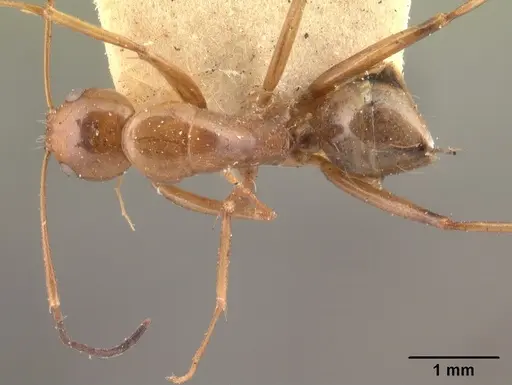
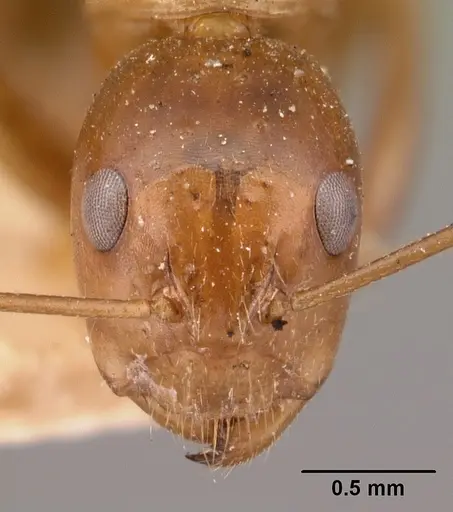
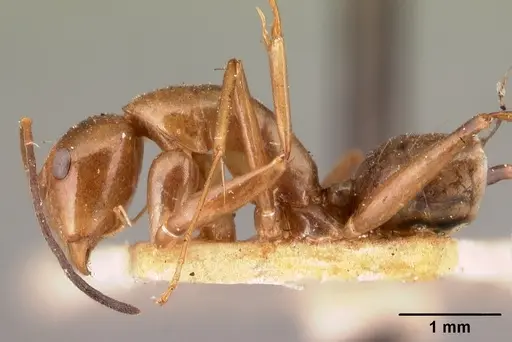
CASENT0101436
View on AntWeb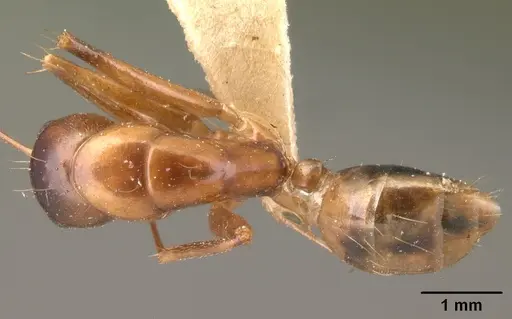
CASENT0101521
View on AntWeb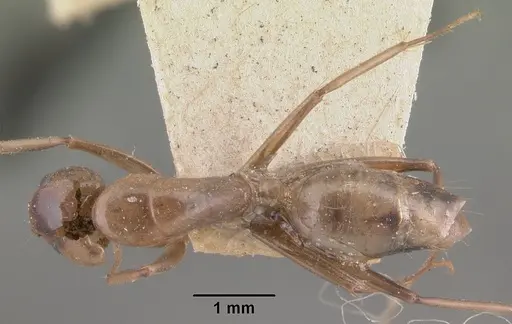
CASENT0101522
View on AntWeb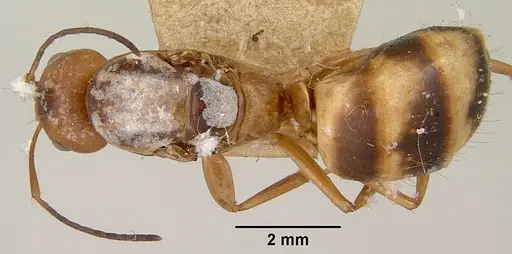
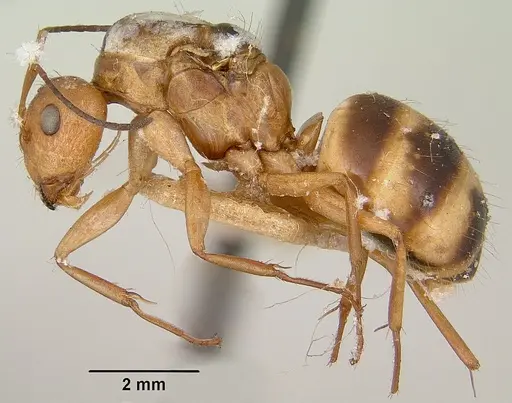
CASENT0101542
View on AntWeb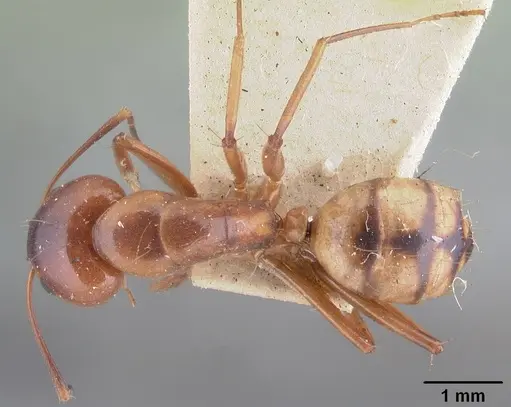
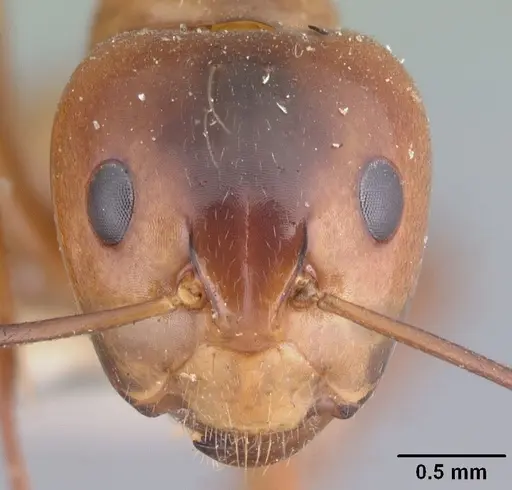
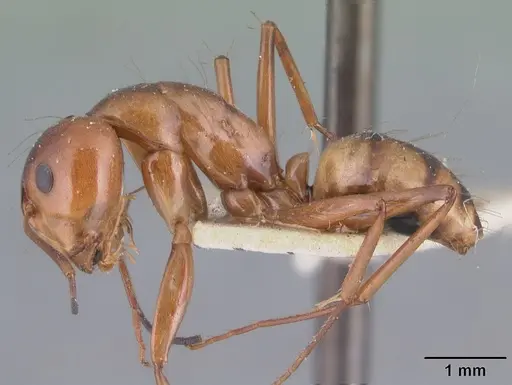
CASENT0101544
View on AntWeb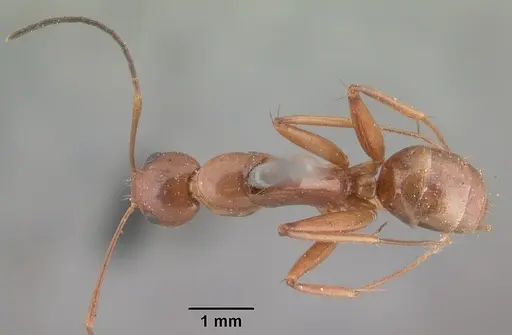
CASENT0129791
View on AntWeb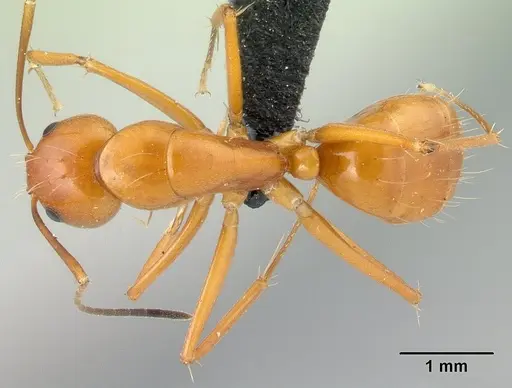
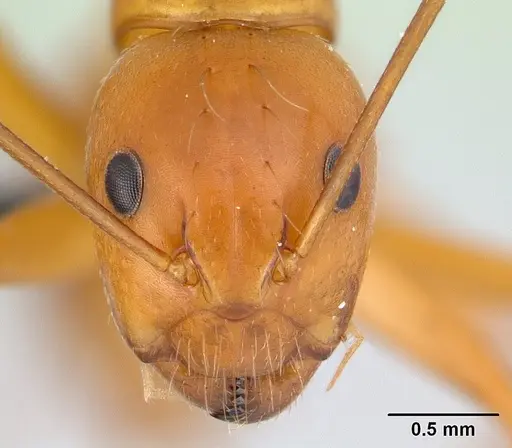
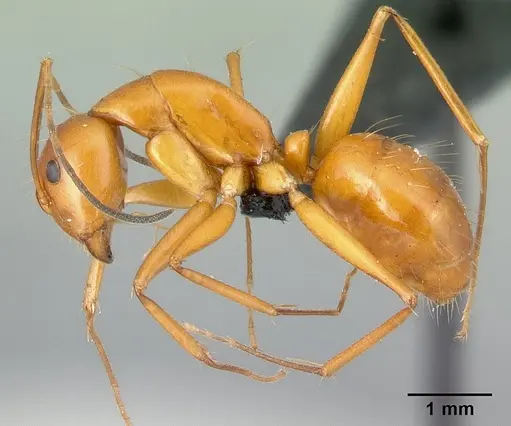
CASENT0162763
View on AntWeb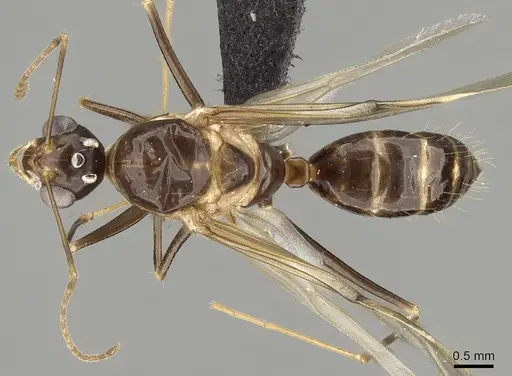
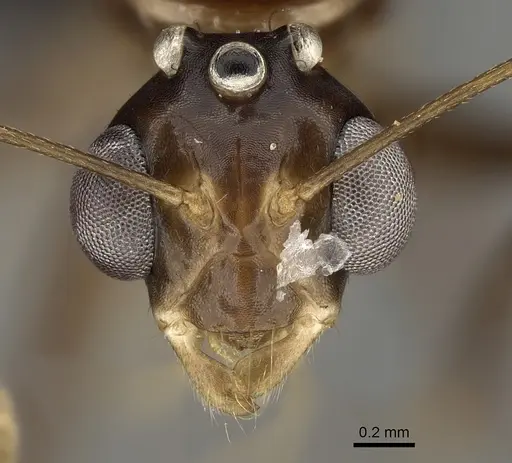
CASENT0496168
View on AntWeb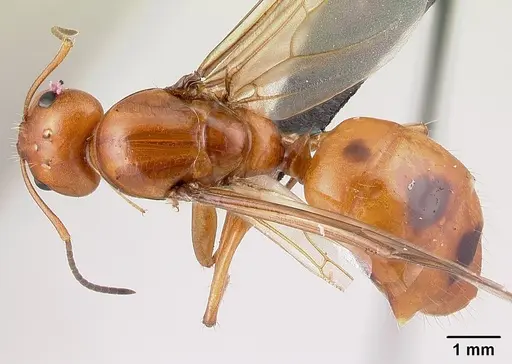
Literature
Loading distribution map...Loading products...