
Camponotus chloroticus
- Sci. Name
- Camponotus chloroticus
- Subgenus
- Tanaemyrmex
- Tribe
- Camponotini
- Subfamily
- Formicinae
- Author
- Emery, 1897
- Distribution
- Found in 12 countries
Introduction
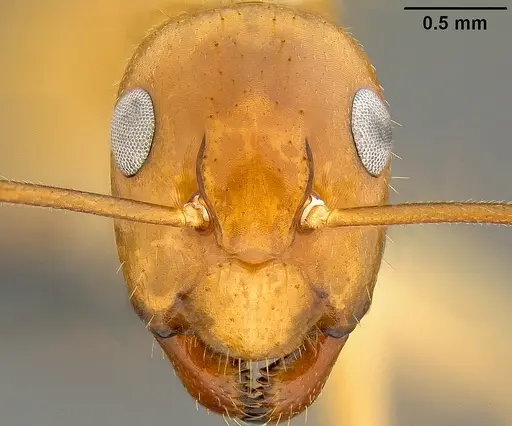
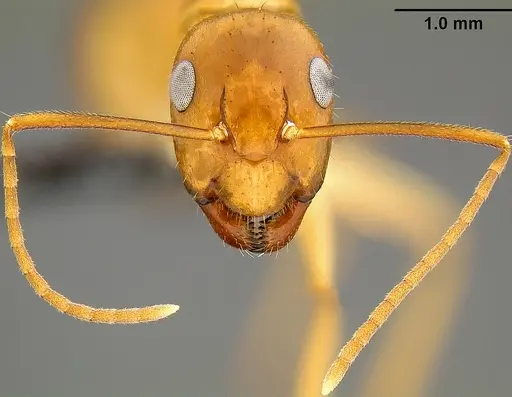
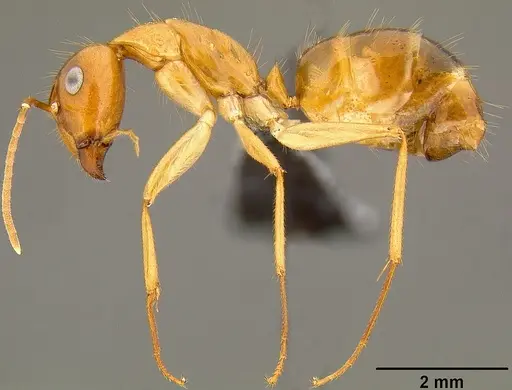
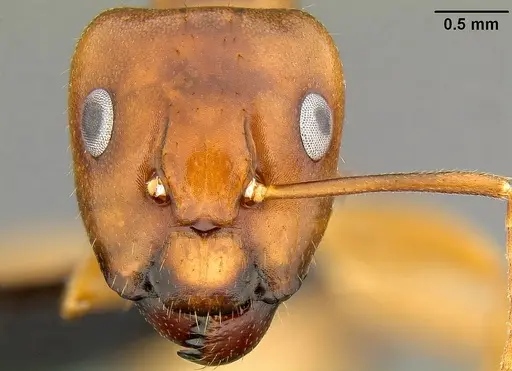
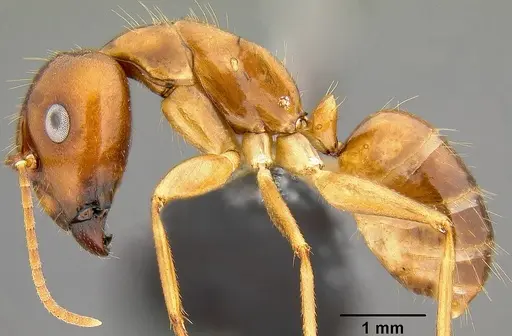
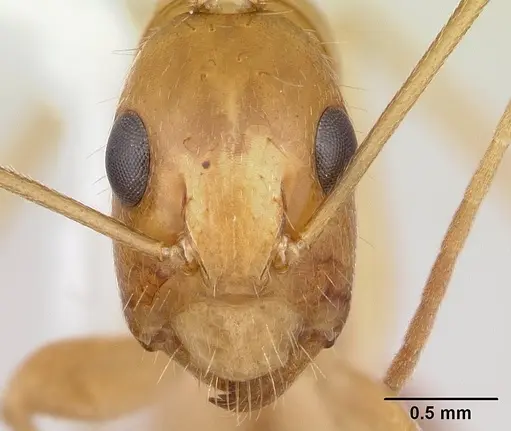
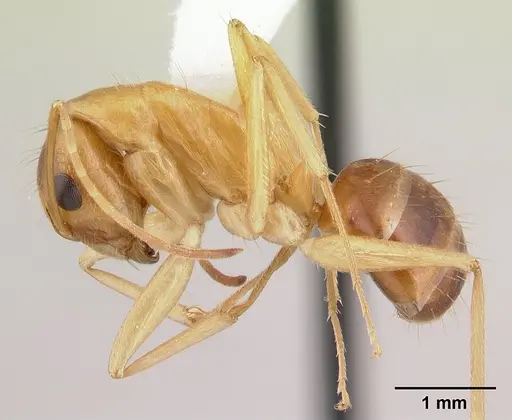
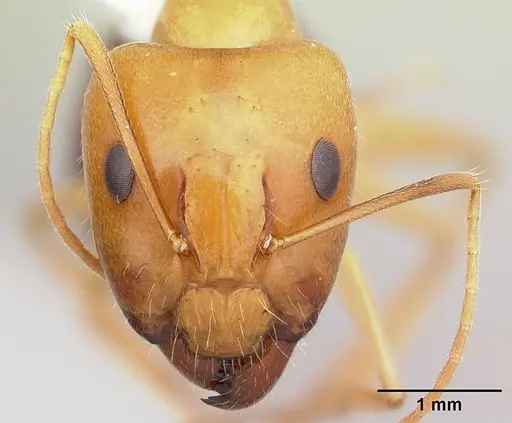
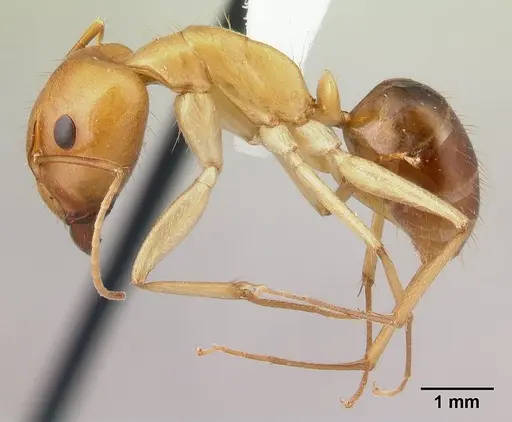
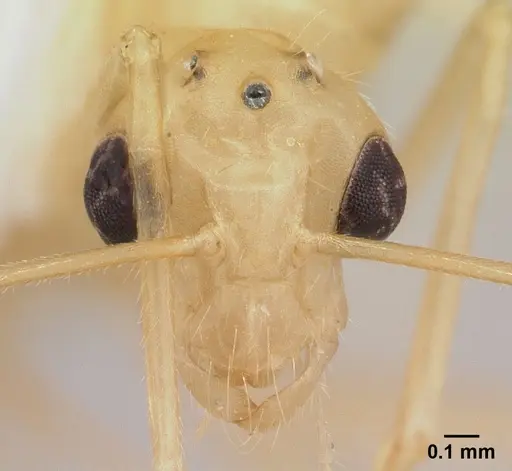
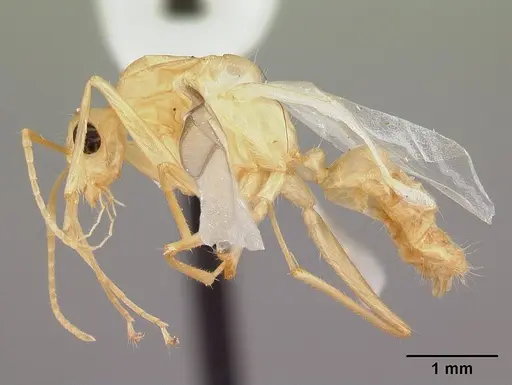
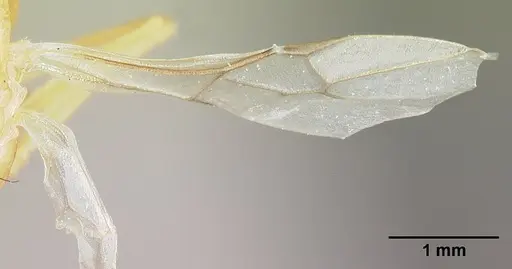
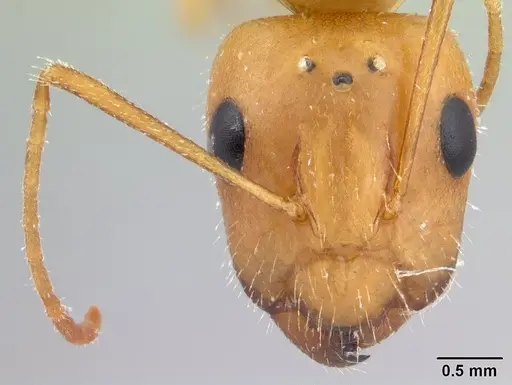
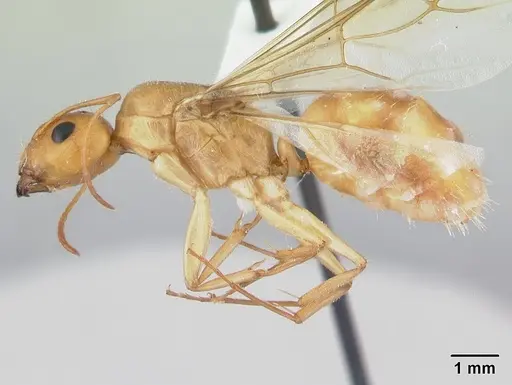
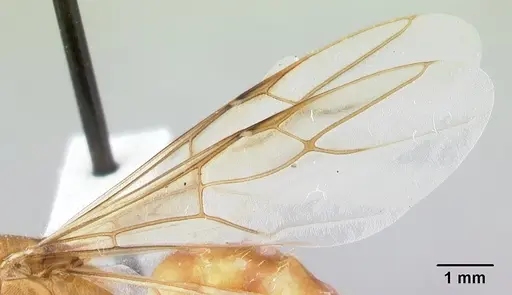
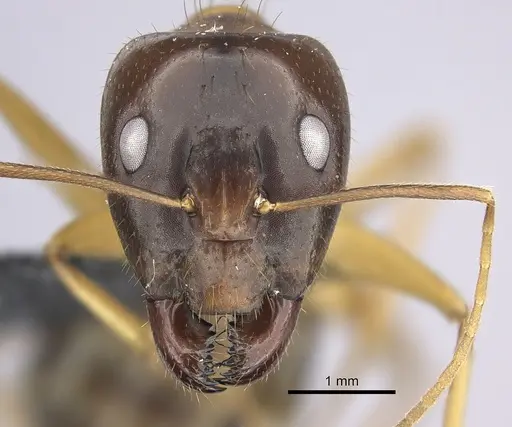
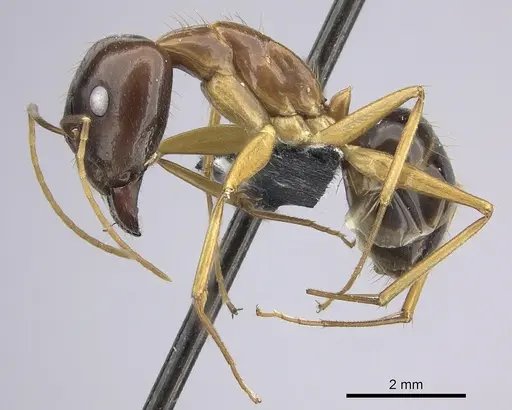
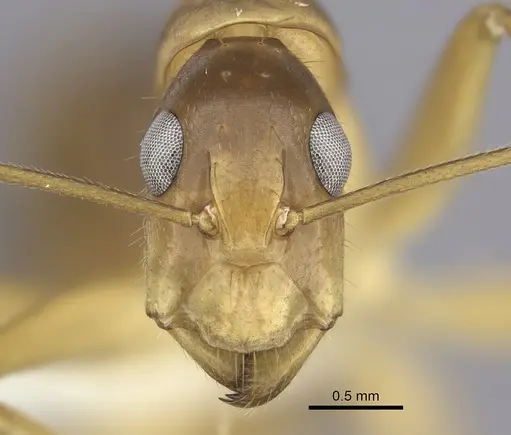
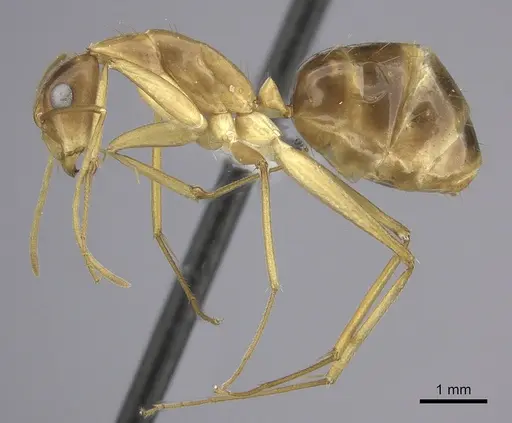
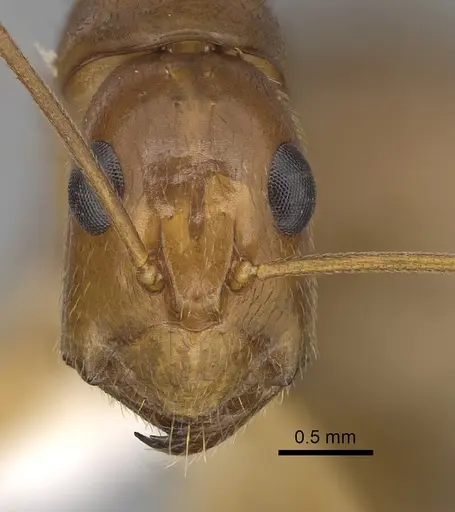
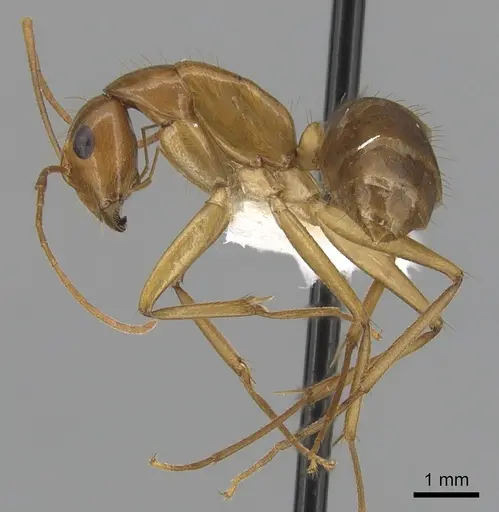
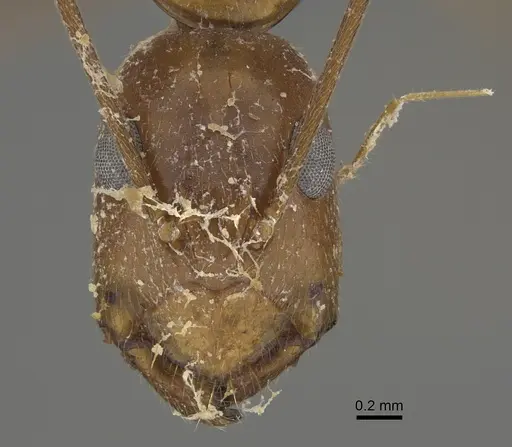
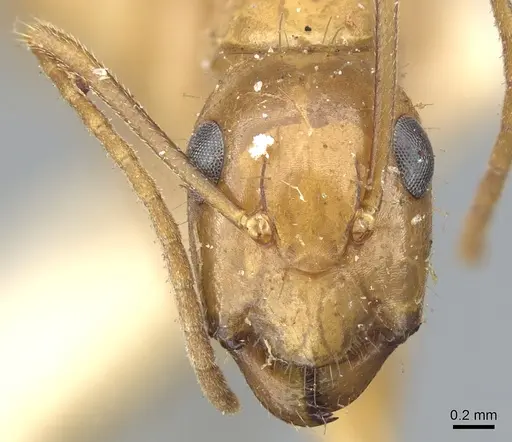
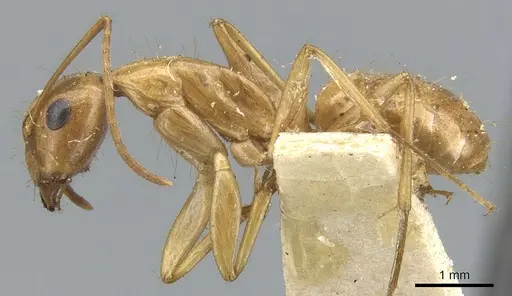
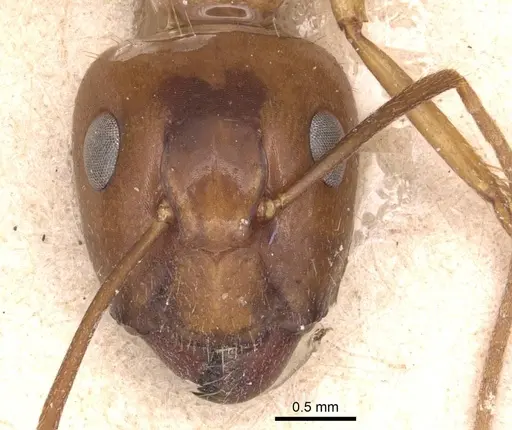
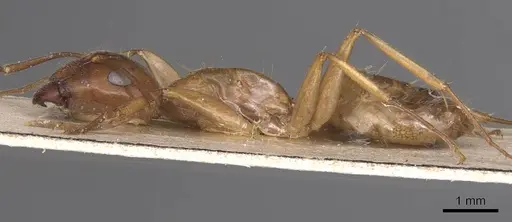
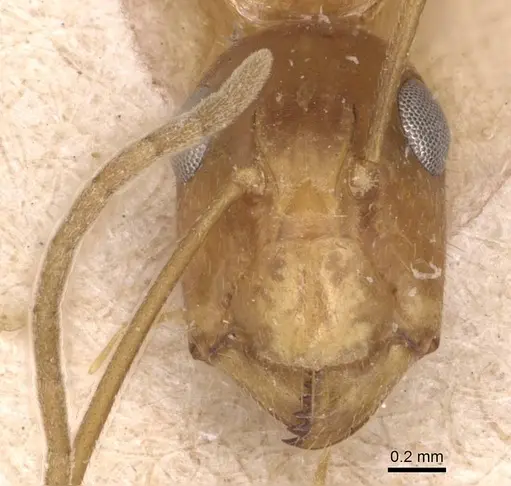
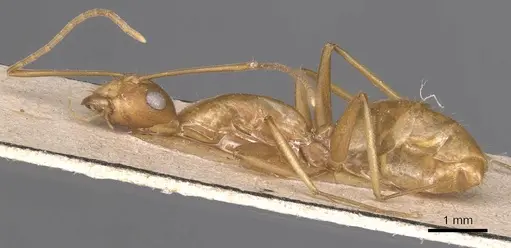
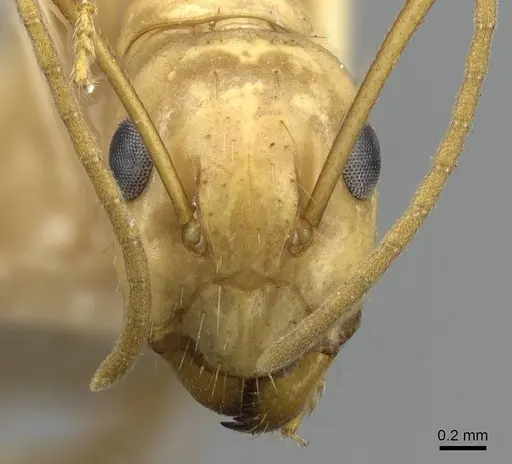
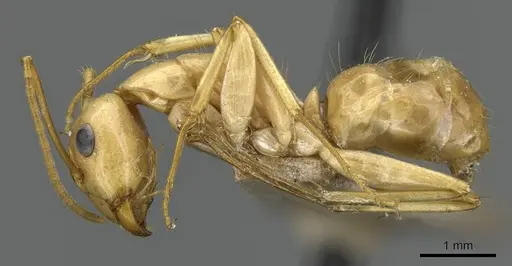
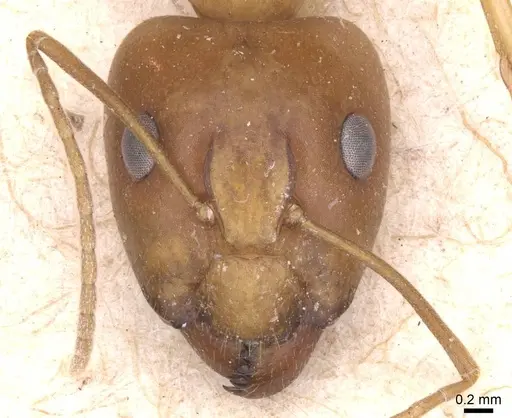
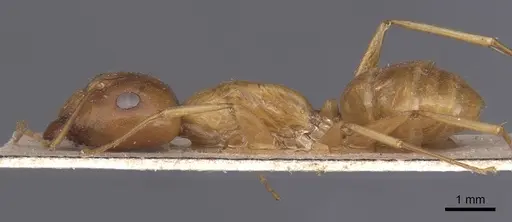
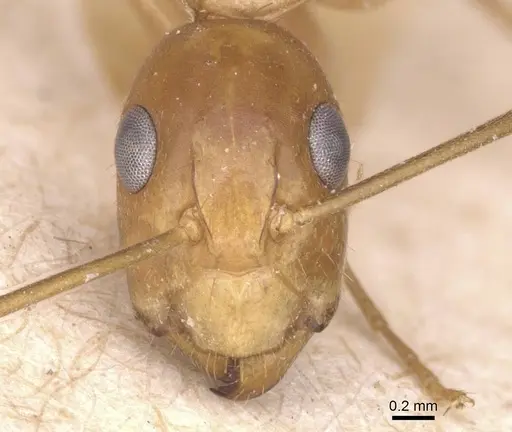
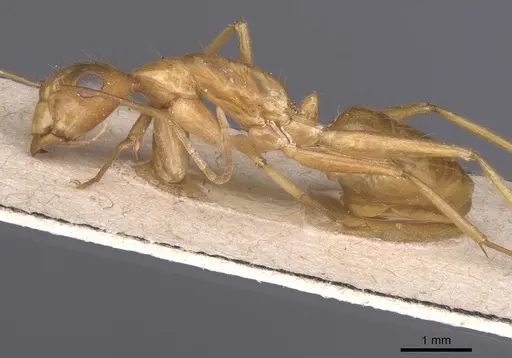
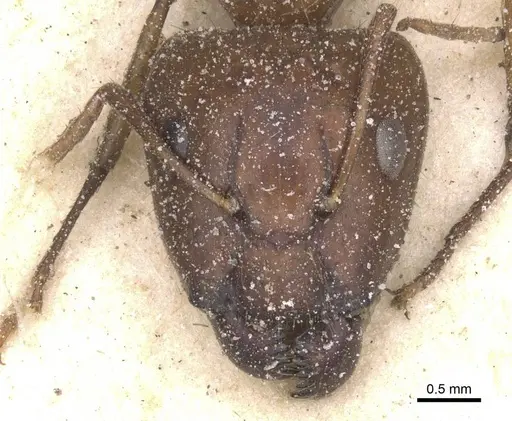
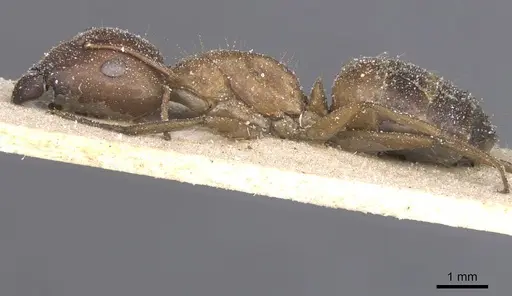
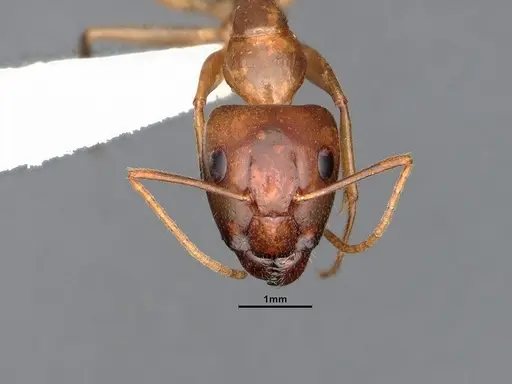
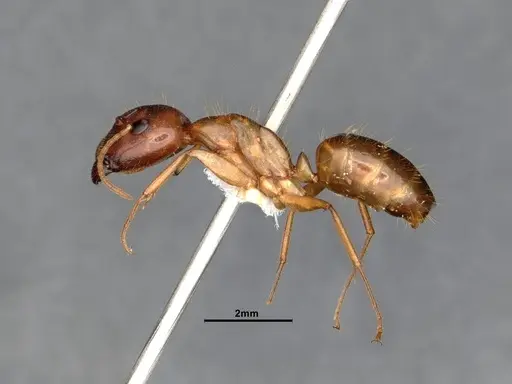
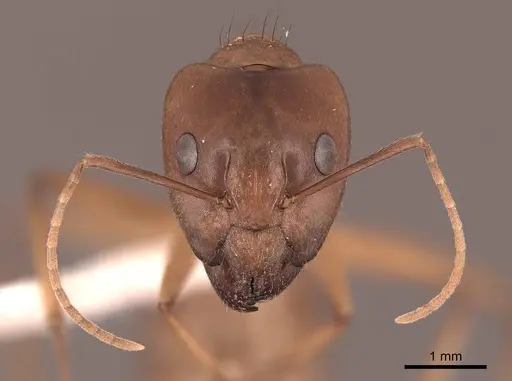
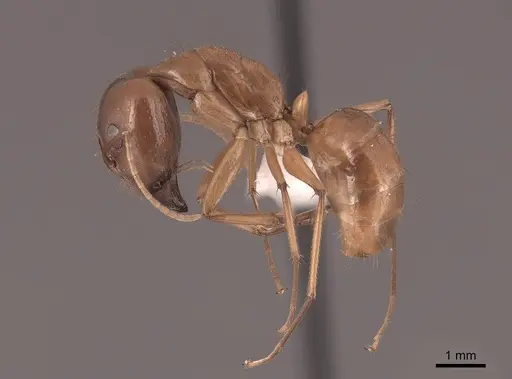
Camponotus chloroticus is a polymorphic carpenter ant native to tropical Pacific islands, ranging from Fiji and Tonga through Micronesia to New Guinea and northern Australia. Workers come in two distinct sizes: majors have larger heads with a slightly concave vertex, while minors have smaller heads with a convex head. The species is recognizable by its pale yellow to light brown coloration - the mesosoma is light yellow, the gaster matches or is slightly darker, and the head is usually darker than the body. A key diagnostic feature is the presence of standing hairs on the hind femur and propleuron. This ant is a member of the Camponotus maculatus group and nests in dead branches, under tree bark, and in rotting wood across island coastal habitats . This species has a fascinating story: molecular studies revealed it is actually two different species hidden under one name. The Polynesian lineage (chloroticus-P) and Micronesian lineage (chloroticus-M) are distantly related and likely colonized the Pacific independently from different source areas - the Polynesian lineage from New Guinea and the Micronesian one from Australia . Both lineages thrive in coastal, human-disturbed areas and represent relatively recent arrivals to the Pacific islands.
Quick Summary
- Difficulty: Medium
- Origin & Habitat: Native to tropical Pacific islands including Fiji, Tonga, Samoa, Vanuatu, Solomon Islands, New Caledonia, New Guinea, and northern Australia. Found in coastal habitats, coconut forests, human-disturbed areas, and mid-elevation forests. Nests in dead branches, under tree bark, and in rotting wood [1][2][5].
- Colony Type: Colony structure is unconfirmed for this species. Based on typical Camponotus patterns, likely single-queen colonies.
- Size & Growth:
- Queen: ~9-12mm, inferred from Camponotus genus patterns [6]
- Worker: ~8mm total length, inferred from AntWiki description noting maximum size of 8mm [6]
- Colony: Estimated up to several hundred workers based on related Pacific Camponotus species
- Growth: Moderate, typical for tropical carpenter ants
- Development: Estimated 6-8 weeks at optimal tropical temperatures based on typical Camponotus development [6] (Development time is temperature-dependent, warmer conditions within the safe range will speed development. Nanitics (first workers) are typically smaller than normal workers.)
- Antkeeping:
- Temperature: Keep at 24-28°C (warm tropical conditions). A heating cable on one side of the nest creates a temperature gradient allowing ants to self-regulate. This species comes from warm Pacific islands so consistent warmth is important for brood development [1].
- Humidity: Moderate to high humidity (60-80%). These island ants naturally experience humid coastal conditions. Keep the nest substrate slightly moist but allow some drying areas. Mist occasionally and provide a water tube.
- Diapause: No true diapause required, this is a tropical species that does not experience cold winters. However, a slight reduction in temperature during cooler months (simulating seasonal variation in their native range) may be beneficial. Do not hibernate like temperate species.
- Nesting: Arboreal nester in the wild, they nest in dead branches, under bark, and in rotting wood. In captivity, a Y-tong (AAC) nest or plaster nest works well. Provide some wood fragments or bark pieces in the outworld to simulate their natural arboreal nesting preferences. They also do well in naturalistic setups with cork or wood pieces [2].
- Behavior: Typical carpenter ant behavior, workers are active foragers that can be aggressive when defending the colony. They are polymorphic with major workers serving as defenders and food processors, while minor workers handle brood care and foraging. Workers have the ability to bite, though they are not particularly aggressive toward keepers. Escape risk is moderate, use standard barrier methods (fluon on test tube rims, secure lids). Their small to medium size means standard antkeeping escape prevention is sufficient.
- Common Issues: tropical species may struggle in cool rooms, monitor temperatures closely, arboreal nesting preferences mean they need appropriate nest structures with wood or cork materials, colonies may be slow to establish initially, patience is key during founding, wild-caught colonies may carry parasites from their native range, polymorphic colonies need space for both major and minor workers
Housing and Nest Setup
Camponotus chloroticus is an arboreal nester, meaning they naturally live in wood and branches. In captivity, they do well in Y-tong (AAC) nests or plaster nests with added wood or cork pieces. The chambers should be appropriately sized for their medium size, not too large, as they prefer snugger spaces. A test tube setup works well for founding colonies, then transition to a proper nest once the colony reaches 20-30 workers. Include a water tube for humidity and a foraging area (outworld) where you can offer food. Because they nest in wood in the wild, adding small pieces of cork or decaying wood to the setup helps them feel at home. These ants do not require very large spaces even when established, a well-designed formicarium with moderate chambers is ideal. [2][1]
Feeding and Diet
Like most carpenter ants, Camponotus chloroticus is omnivorous. They accept sugar sources (honey water, sugar water, ripe fruit) and protein (insects, small arthropods). In their native Pacific island habitat, they tend honeydew from sap-sucking insects and hunt small invertebrates. For captivity, offer a mix of protein and sugar. Feed small insects like fruit flies, small crickets, or mealworms twice weekly. Keep a constant supply of sugar water or honey available. Remove uneaten food after 24-48 hours to prevent mold. These ants are foragers and will send workers out to discover and retrieve food, so place food in the outworld where they can easily access it. [6]
Temperature and Heating
As a tropical Pacific species, Camponotus chloroticus requires warm conditions. Keep the nest area at 24-28°C consistently. Temperatures below 22°C can slow brood development and reduce colony activity. Use a heating cable or heating mat on one side of the nest to create a gentle temperature gradient, this allows the ants to move between warmer and cooler areas as needed. Place the heating on top of the nest, not underneath, to avoid drying out the substrate too quickly. Room temperature may be sufficient in warm climates, but most keepers need supplemental heating. Monitor with a thermometer placed near the nest. Consistent warmth is more important than extreme heat, avoid temperatures above 32°C. [1][5]
Humidity and Water
These island ants prefer moderate to high humidity (60-80%). Their native coastal habitats are naturally humid. Keep the nest substrate slightly moist, check that it does not dry out completely. A water tube attached to the nest provides a constant water source and helps maintain humidity through evaporation. Mist the outworld occasionally, especially in drier climates. However, avoid waterlogging the substrate, aim for damp, not soggy. The nest should have both moist areas and slightly drier spots so ants can self-regulate. Good ventilation helps prevent mold while maintaining appropriate humidity. [5][2]
Colony Founding
Queens are likely claustral, they seal themselves in a small chamber and raise the first brood alone without foraging. After mating, the queen finds a suitable nesting site, seals herself in, and lays eggs. She feeds the larvae from her stored fat reserves and muscle tissue until the first workers (nanitics) emerge. This process typically takes 6-8 weeks in warm conditions. The founding chamber should be small and dark. Do not disturb the queen during this critical period, vibrations and light can cause her to abandon or eat her brood. Once nanitics appear, the colony can begin foraging for food, but the queen continues laying eggs. Founding colonies are fragile and need stable conditions. [6]
Growth and Development
Camponotus chloroticus is polymorphic, colonies produce both major and minor workers. Majors develop from larger larvae and have distinct larger heads for defense and food processing. The development from egg to worker takes approximately 6-8 weeks at optimal temperatures (24-28°C). Cooler temperatures significantly slow development. The first workers (nanitics) are smaller than normal workers but quickly begin foraging to support the growing colony. Growth rate is moderate, expect several months to reach 50 workers, and a year or more to reach several hundred. Colonies can live for many years with a healthy queen producing workers continuously. [1]
Seasonal Care
Unlike temperate ant species, Camponotus chloroticus does not require a true hibernation period. In their native tropical island habitats, temperatures remain warm year-round with only minor seasonal variation. You can slightly reduce temperatures during winter months (by a few degrees) to simulate natural seasonal changes, but do not cool them significantly or attempt full hibernation. Maintain temperatures above 20°C year-round. The colony will naturally reduce activity somewhat during cooler periods but remains active. Continue feeding throughout the year, though you may notice reduced consumption during cooler months. Keep humidity consistent regardless of season.
Handling and Temperament
Camponotus chloroticus workers can bite if threatened, but they are not particularly aggressive toward keepers. They are more likely to flee than attack when disturbed. The major workers have stronger mandibles and can deliver a more noticeable bite, but these ants pose no real danger to humans. They are active foragers and interesting to watch as they send workers out to discover food. When keeping this species, use standard escape prevention (fluon on rims, tight-fitting lids) and avoid disturbing the nest too frequently. Allow the colony to establish before regular observation. They are suitable for antkeepers who want an active, visually interesting species without aggressive tendencies. [6]
Frequently Asked Questions
How long does it take for Camponotus chloroticus to produce first workers?
Expect first workers (nanitics) to appear in about 6-8 weeks after the queen lays eggs, provided temperatures are kept at 24-28°C. Cooler temperatures will significantly slow development. The queen is claustral, she seals herself in and raises the first brood alone without foraging.
What size colony do Camponotus chloroticus colonies reach?
Based on related Pacific Camponotus species, colonies likely reach several hundred workers over several years. They are not among the largest carpenter ants but can still become substantial colonies with both major and minor workers.
What temperature do Camponotus chloroticus need?
Keep them at 24-28°C consistently. This tropical Pacific species needs warm conditions, temperatures below 22°C can slow brood development and reduce activity. Use a heating cable on one side of the nest to maintain warmth.
Are Camponotus chloroticus good for beginners?
This is a medium-difficulty species. They are more demanding than common temperate ants like Lasius because they require warm, humid tropical conditions year-round. If you can provide consistent warmth and have experience with basic antkeeping, they are a rewarding species to keep.
What do Camponotus chloroticus eat?
They are omnivorous. Offer sugar sources (honey water, sugar water) constantly and protein (small insects like fruit flies, mealworms, small crickets) twice weekly. They naturally tend honeydew and hunt small invertebrates in the wild.
Do Camponotus chloroticus need hibernation?
No, this is a tropical species from Pacific islands with year-round warm temperatures. Do not hibernate them. You can slightly reduce temperatures in winter (by a few degrees) but keep them above 20°C and maintain normal feeding.
What nest type is best for Camponotus chloroticus?
They are arboreal nesters in the wild (nesting in dead branches and under bark). A Y-tong (AAC) nest or plaster nest works well. Adding cork or wood pieces helps simulate their natural preferences. Test tubes work for founding colonies.
Can I keep multiple Camponotus chloroticus queens together?
This species is likely monogyne (single-queen) based on typical Camponotus patterns. Combining unrelated queens is not recommended as they would likely fight. Only keep one queen per colony.
Why are my Camponotus chloroticus dying?
Common causes include: temperatures too cool (below 22°C), humidity too low or too high, disturbance during founding, mold from uneaten food, or parasites from wild-caught colonies. Check that your setup provides consistent warmth, moderate humidity, and minimal disturbance. Remove uneaten food promptly.
Where is Camponotus chloroticus native to?
This species is native to tropical Pacific islands including Fiji, Tonga, Samoa, Vanuatu, Solomon Islands, New Caledonia, New Guinea, and northern Australia. It is a widespread Pacific native, not an invasive species.
How big are Camponotus chloroticus workers?
They are polymorphic, minor workers are smaller with convex heads, while major workers reach larger sizes with distinctive larger heads and a slightly concave vertex. Maximum size is approximately 8mm total length.
Report an Issue
The current care sheet is based fully on literature. See inconsistencies, or something that's incorrect? Please , it will be resolved after review from an admin. Contributing to the blogs tab also helps providing information, to make us be able to further improve the caresheets. Thank you for your support!
References

This caresheet is licensed under CC BY-SA 4.0 .
Community Blogs
CASENT0171139
View on AntWeb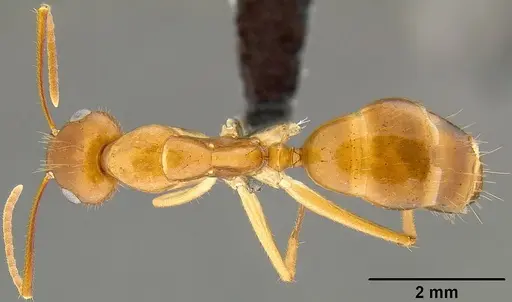
CASENT0171140
View on AntWeb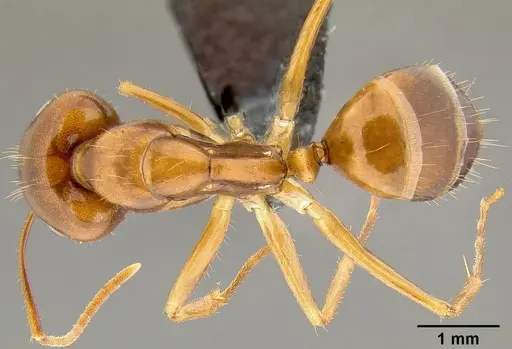
CASENT0178353
View on AntWeb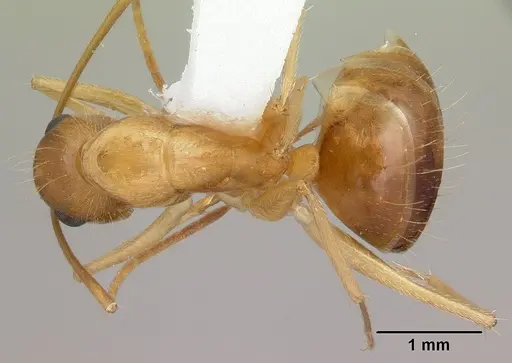
CASENT0178354
View on AntWeb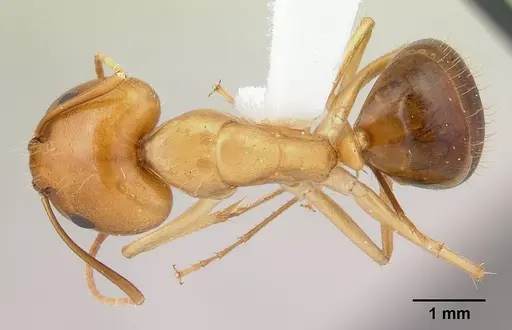
CASENT0178355
View on AntWeb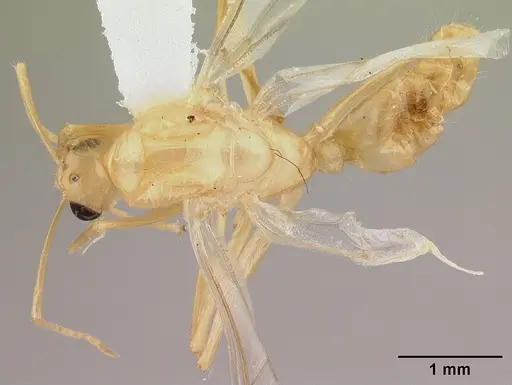
CASENT0178356
View on AntWeb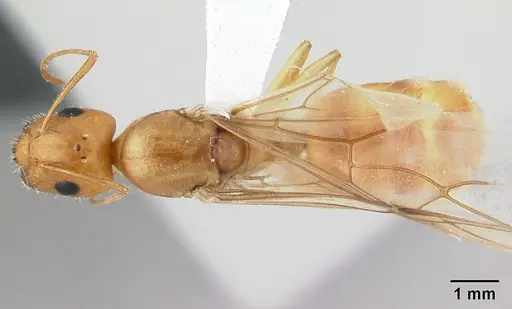
CASENT0219814
View on AntWeb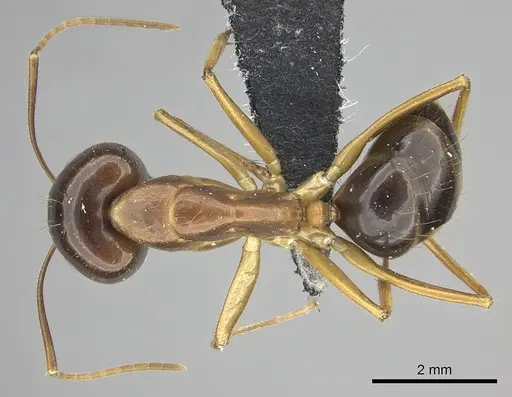
CASENT0219831
View on AntWeb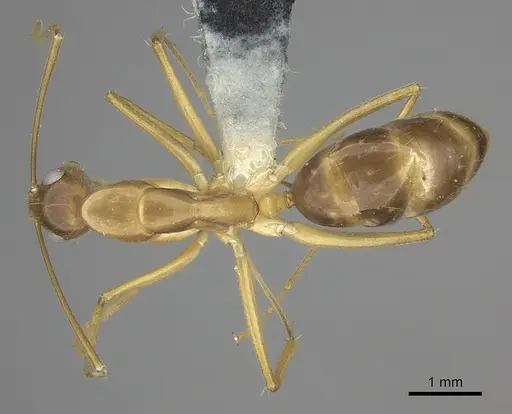
CASENT0280234
View on AntWeb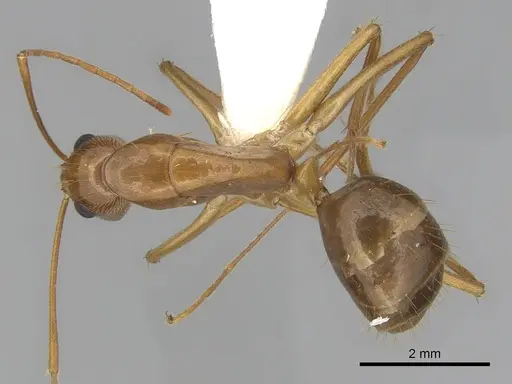
CASENT0887744
View on AntWeb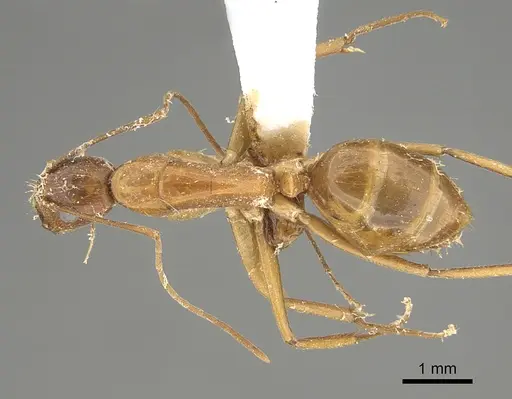
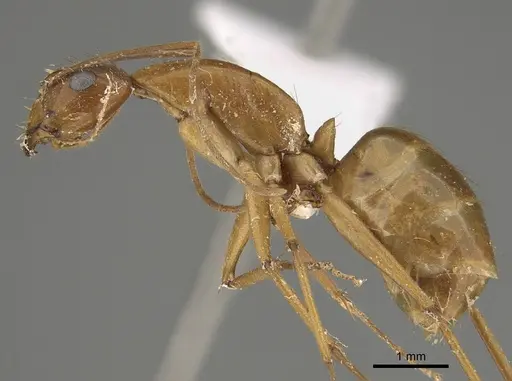
CASENT0903571
View on AntWeb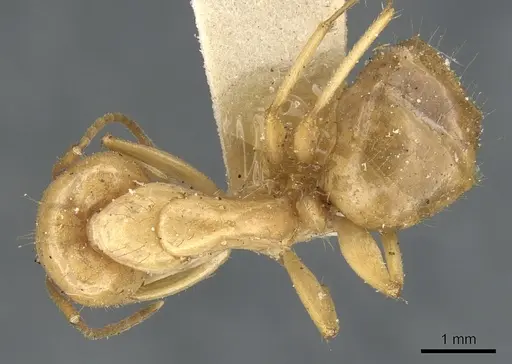
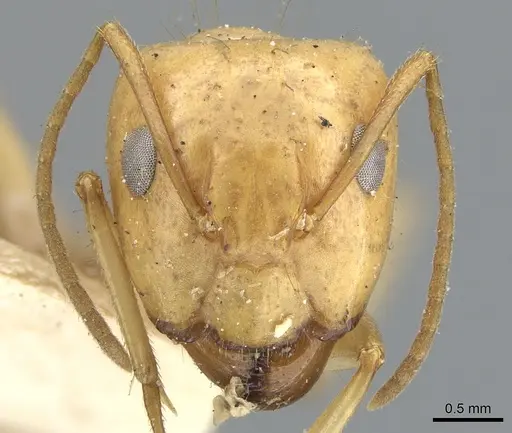
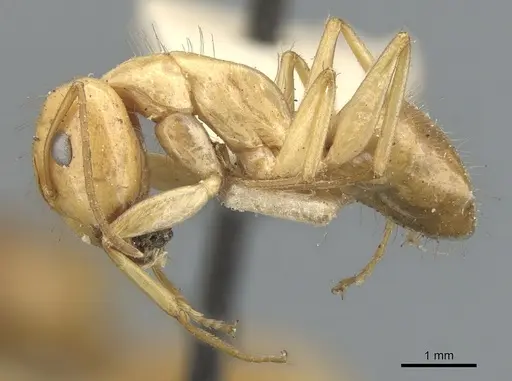
CASENT0903572
View on AntWeb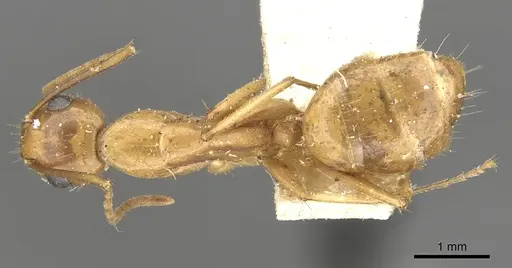
CASENT0905334
View on AntWeb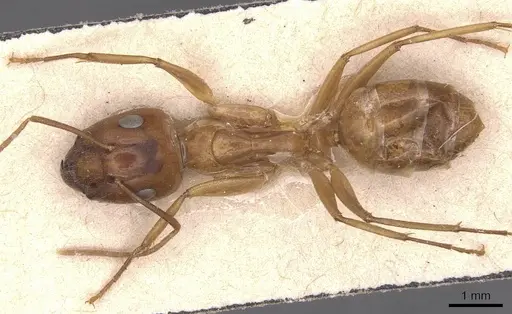
CASENT0905337
View on AntWeb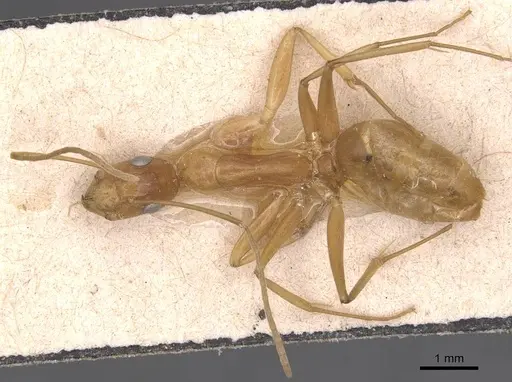
CASENT0905843
View on AntWeb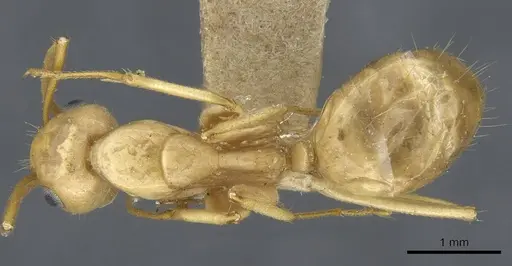
CASENT0911924
View on AntWeb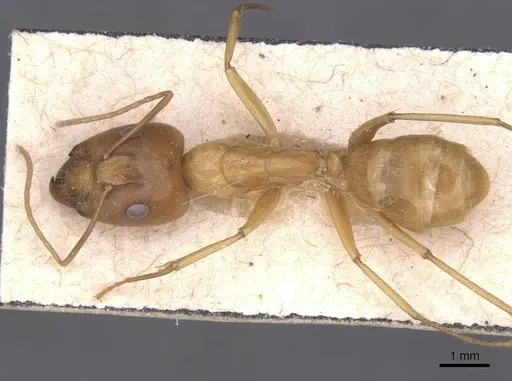
CASENT0911925
View on AntWeb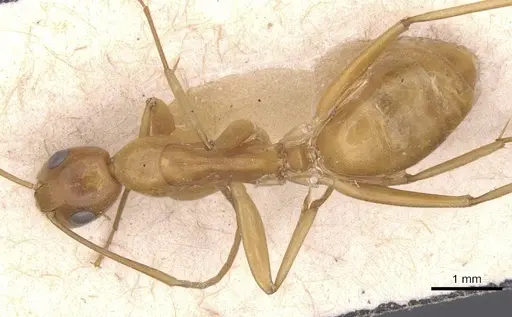
CASENT0911926
View on AntWeb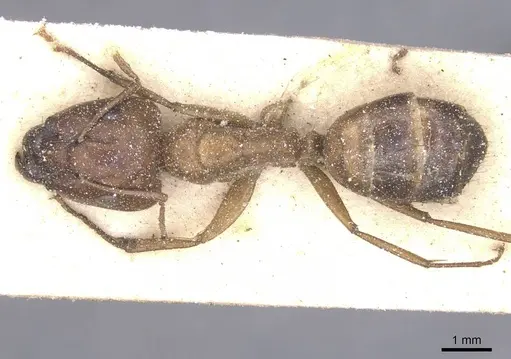
CASENT4031301
View on AntWeb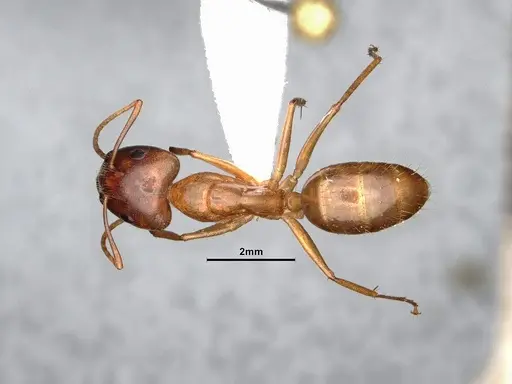
FMNHINS0000051005
View on AntWeb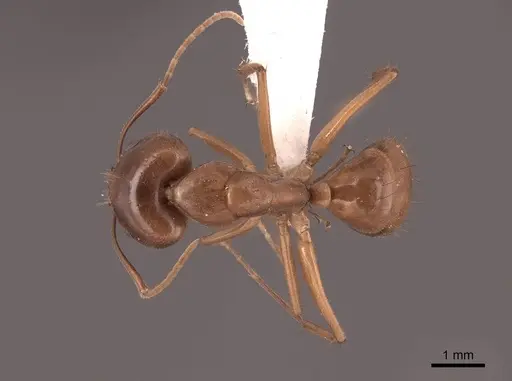
Literature
Loading distribution map...Loading products...