
Camponotus cecconii
- Sci. Name
- Camponotus cecconii
- Subgenus
- Tanaemyrmex
- Tribe
- Camponotini
- Subfamily
- Formicinae
- Author
- Emery, 1908
- Distribution
- Found in 1 countries
Introduction
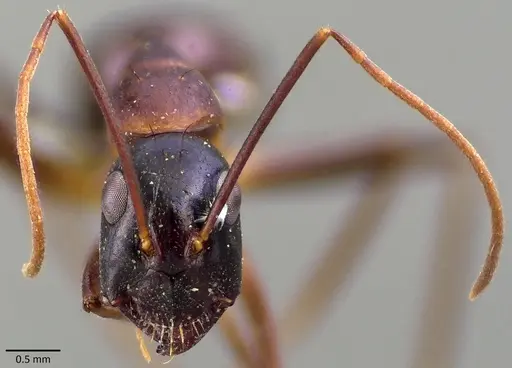
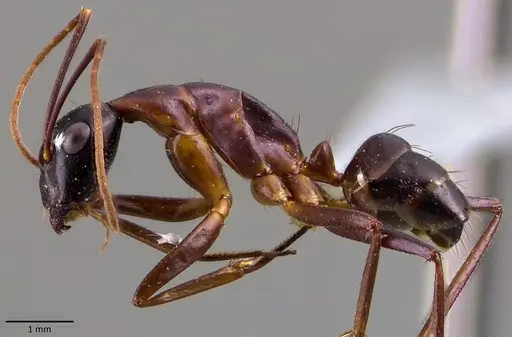
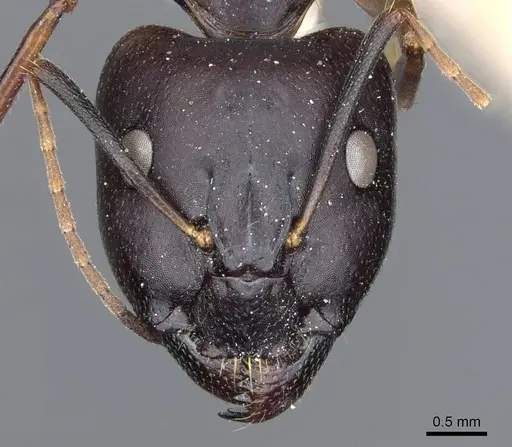
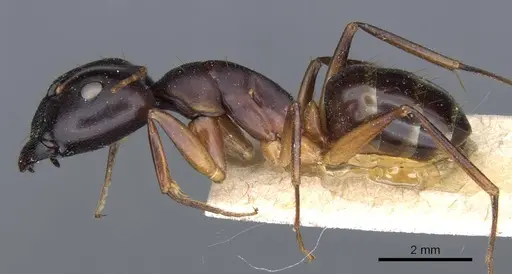
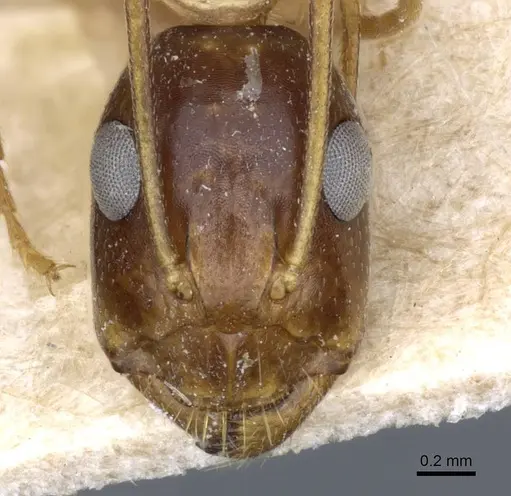
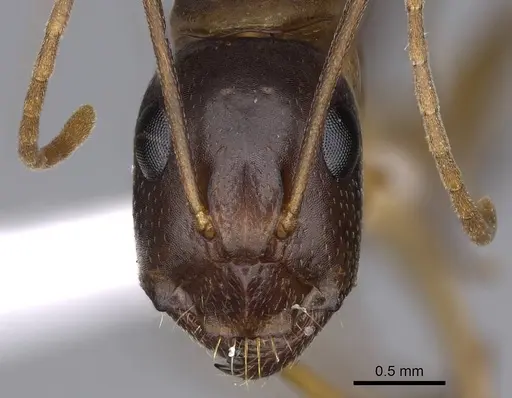
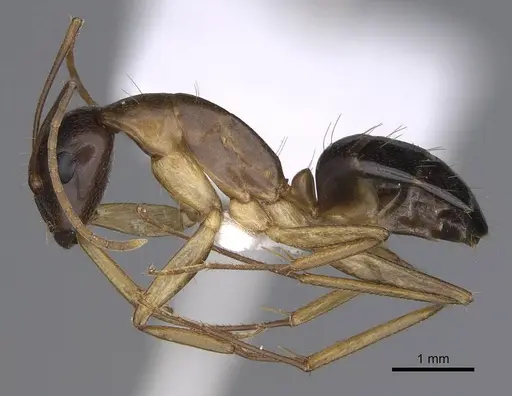
Camponotus cecconii is a polymorphic carpenter ant native to the eastern Mediterranean region. This species belongs to the subfamily Formicinae and is part of the Camponotus maculatus group. Minor workers have a distinctive yellow-orange coloration - the head is yellow anteriorly and rusty yellow posteriorly, while the mesosoma and petiolar scale are yellow, and the gaster has brown to black tergites with yellow sternites. Major workers are significantly larger and feature a dark rusty brown to black head, creating a striking size difference between castes [AntWiki]. This ant has a complicated taxonomic history - it was previously misidentified as both Camponotus baldaccii and Camponotus sanctus in museum collections, with recent research correcting these identifications . The species shows remarkable habitat flexibility in Cyprus, being found in everything from shaded forest and gorge habitats to open dry areas like seashores and phrygana, as well as urban environments including hotel gardens and parking lots [AntWiki].
Quick Summary
- Difficulty: Medium
- Origin & Habitat: Eastern Mediterranean, Cyprus, Greece (Aegean Islands, Crete, Dodecanese), and northern Iran. In Cyprus, they nest under stones in diverse habitats including forests, gorges, pine forests, riverbanks, seashores, xerothermic meadows, phrygana, and urban areas [1][3][4][5].
- Colony Type: Likely monogyne (single queen colonies) based on typical Camponotus patterns. No specific study on colony structure for this species.
- Size & Growth:
- Queen: Size data unavailable, queen measurements have not been documented for this species.
- Worker: Size data unavailable, the context provides head length measurements only, not total body length. Based on Camponotus genus patterns, minor workers are likely 4-6mm and major workers 8-12mm total length [1].
- Colony: Unknown, no colony size data available for this species.
- Growth: Moderate, typical for Camponotus species.
- Development: Estimated 6-10 weeks based on typical Camponotus development patterns at 20-25°C. (Development time is inferred from genus-level data since species-specific development has not been studied.)
- Antkeeping:
- Temperature: Keep at 20-25°C. Provide a temperature gradient so ants can self-regulate. This Mediterranean species likely tolerates warmer conditions but avoid overheating.
- Humidity: Moderate humidity requirements. Provide a water tube for drinking water. The species shows habitat flexibility, suggesting tolerance to varying moisture levels, but avoid overly dry conditions.
- Diapause: Likely requires a winter rest period (diapause) given Mediterranean distribution. Reduce temperature to 10-15°C for 2-3 months during winter months, typically November-February in the Northern Hemisphere.
- Nesting: In nature, colonies nest under stones. In captivity, Y-tong (AAC) nests, plaster nests, or soil nests work well. Provide a dark nesting area and ensure proper humidity control. The polymorphic worker caste means they need appropriately sized chambers for both minor and major workers. Avoid acrylic nests as they can be too dry.
- Behavior: Generally calm temperament typical of larger carpenter ants. This species lacks a functional sting, instead, it bites and sprays formic acid from an acidopore into the wound, which is the typical defense mechanism for Formicinae ants. Workers are polymorphic, majors handle defense and seed processing while minors handle most foraging and brood care. They are moderate foragers and likely forage for honeydew, nectar, and small insects. Escape prevention is important, while not tiny, they are active and can escape through small gaps if not properly secured.
- Common Issues: colonies may be slow to establish initially, patience is required during the founding period, major workers can be defensive if the nest is disturbed, handle gently during colony inspections, winter diapause is important for this Mediterranean species, skipping it may harm colony health over time, test tube setups must have proper water reservoirs, these ants need constant access to water, urban-origin specimens may have been exposed to pesticides, wild-caught colonies can fail unexpectedly
Housing and Nest Setup
Camponotus cecconii adapts well to various captive setups. For founding colonies, a standard test tube setup works well, use a test tube with a water reservoir sealed with a cotton plug, providing humidity without flooding. Once the colony reaches 20-30 workers, you can transition to a proper formicarium. Y-tong (AAC) nests and plaster nests are popular choices because they allow you to observe the colony while maintaining proper humidity. Regardless of nest type, ensure there are chambers appropriately sized for both minor and major workers, the size difference between castes is significant. Provide an outworld area for foraging and place the nest in a dark location or cover it to simulate underground conditions. [1]
Feeding and Diet
Like most Camponotus species, C. cecconii is omnivorous with a preference for sugary foods. Offer sugar water (1:3 sugar to water ratio) or honey water regularly, this should be available at all times once workers emerge. For protein, provide small insects like fruit flies, small crickets, or mealworms. Given the polymorphic worker caste, majors may also process seeds and other hard foods. In the wild, these ants likely tend aphids and collect honeydew, so you might observe interest in sweet substances. Feed protein sources 2-3 times per week, adjusting based on colony size and consumption. Always remove uneaten prey after 24 hours to prevent mold issues.
Temperature and Seasonal Care
Maintain temperatures between 20-25°C for optimal colony development. A slight temperature gradient is beneficial, place a heating cable or mat on one side of the nest (on top of the nest, not underneath, to prevent excessive drying) allowing workers to move between warmer and cooler areas. As a Mediterranean species, C. cecconii experiences seasonal temperature variations in the wild and benefits from a winter rest period. From approximately November through February, reduce temperatures to 10-15°C to simulate hibernation conditions. During this period, reduce feeding significantly and minimize disturbance. Do not feed during deep diapause. This winter rest is important for colony health and may trigger reproductive behavior in mature colonies.
Defense Mechanism
This species belongs to the subfamily Formicinae, which lacks a functional sting. Instead, C. cecconii defends by biting the target and spraying a stream of concentrated formic acid from an acidopore into the wound. The formic acid causes irritation but is not considered dangerous to healthy humans. Most defensive behavior occurs when ants are handled roughly or when the nest is severely disturbed.
Behavior and Colony Dynamics
This species displays typical Camponotus polymorphism with distinct minor and major worker castes. Minor workers handle most day-to-day tasks including foraging, brood care, and tending larvae. Major workers (soldiers) specialize in defense and can crack larger food items with their powerful mandibles. The colony will likely grow slowly at first during the founding phase, the queen seals herself in and raises the first brood alone without foraging. After that, growth accelerates. Major workers become more prominent as the colony matures. These ants are generally not aggressive toward keepers but will defend their nest vigorously if threatened.
Frequently Asked Questions
How long does it take for Camponotus cecconii to produce first workers?
Expect 6-10 weeks from egg to first worker at optimal temperature (20-25°C). This is typical for Camponotus species. The founding behavior is unconfirmed for this species, but most Camponotus queens seal themselves in and raise the first brood alone. Patience is essential during this founding phase.
What is the best nest type for Camponotus cecconii?
Y-tong (AAC) nests, plaster nests, or soil nests are all suitable. The key is providing appropriately sized chambers for polymorphic workers and maintaining proper humidity. A test tube setup is ideal for founding colonies.
Do Camponotus cecconii need hibernation?
Yes, a winter rest period is recommended. Reduce temperatures to 10-15°C for 2-3 months during winter (typically November-February). This diapause is important for the health of Mediterranean ant species and may trigger reproductive behavior in mature colonies.
How big do Camponotus cecconii colonies get?
Colony size is not well documented for this species. Based on typical Camponotus patterns, colonies likely reach several hundred to a few thousand workers at maturity. Growth is moderate, expect several years to reach maximum size.
What do Camponotus cecconii eat?
They are omnivorous with a preference for sugary foods. Offer sugar water or honey water constantly once workers emerge. Feed protein sources like small insects (fruit flies, small crickets, mealworms) 2-3 times per week. They likely also collect honeydew and nectar in the wild.
Are Camponotus cecconii good for beginners?
They are rated as medium difficulty. The main challenges are the slow initial colony growth and the need for winter diapause. They are more forgiving than some species but require patience during the founding phase and proper seasonal care.
Can I keep multiple Camponotus cecconii queens together?
This species is likely monogyne (single queen). Combining unrelated queens is not recommended as they would likely fight. In the wild, colonies establish with a single founding queen.
When should I move my colony to a formicarium?
Move from test tube to formicarium once the colony reaches 20-30 workers and the test tube humidity is difficult to maintain. Make sure the formicarium chambers are appropriately sized for the polymorphic workers.
Why is my Camponotus cecconii colony not growing?
Check that temperatures are in the optimal range (20-25°C), ensure the queen is still alive and laying eggs, verify humidity is adequate but not excessive, and confirm the colony is receiving proper nutrition. Colonies can be slow to establish, if the queen is healthy and conditions are good, give it more time.
Report an Issue
The current care sheet is based fully on literature. See inconsistencies, or something that's incorrect? Please , it will be resolved after review from an admin. Contributing to the blogs tab also helps providing information, to make us be able to further improve the caresheets. Thank you for your support!
References

This caresheet is licensed under CC BY-SA 4.0 .
Community Blogs
ANTWEB1041836
View on AntWeb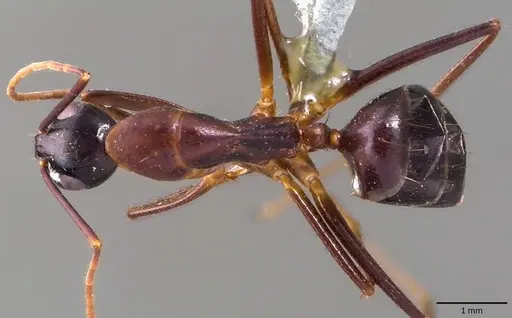
CASENT0905302
View on AntWeb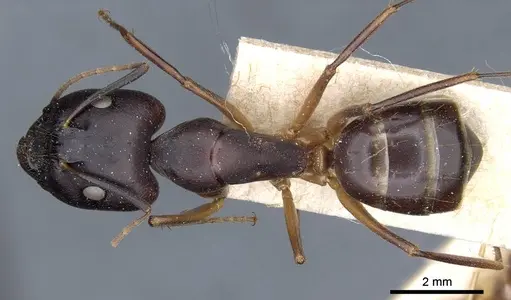
CASENT0905303
View on AntWeb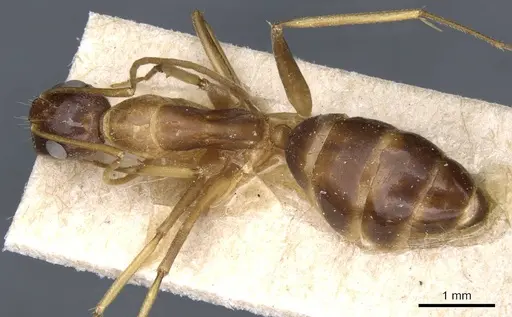
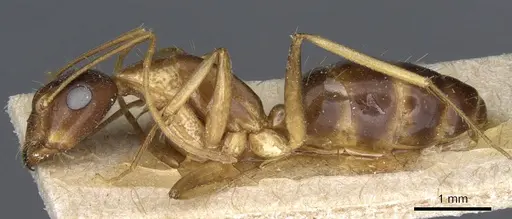
CASENT0914272
View on AntWeb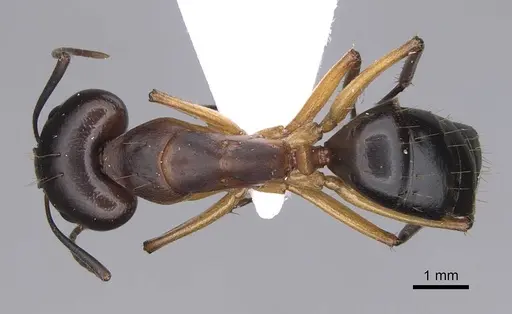
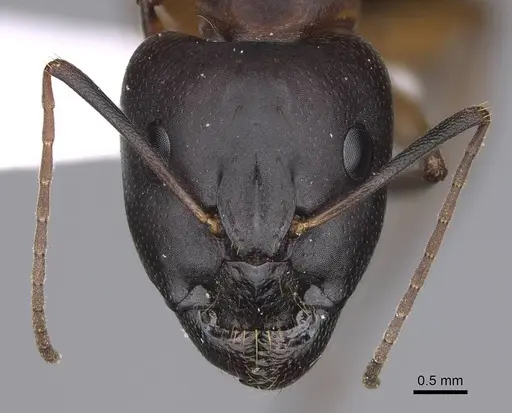
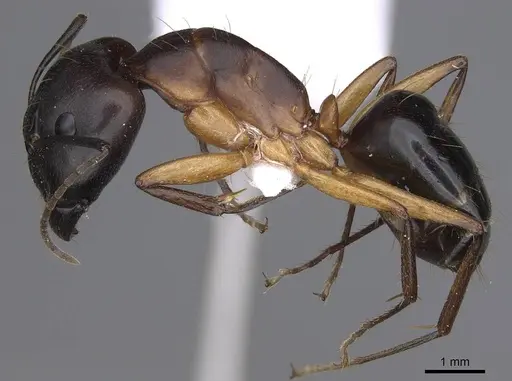
CASENT0914273
View on AntWeb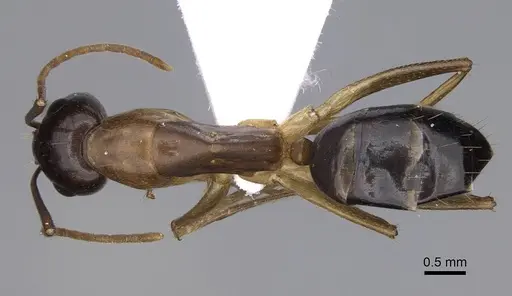
Literature
Loading distribution map...Loading products...