
Camponotus carin
- Sci. Name
- Camponotus carin
- Subgenus
- Tanaemyrmex
- Tribe
- Camponotini
- Subfamily
- Formicinae
- Author
- Emery, 1889
- Distribution
- Found in 7 countries
Introduction
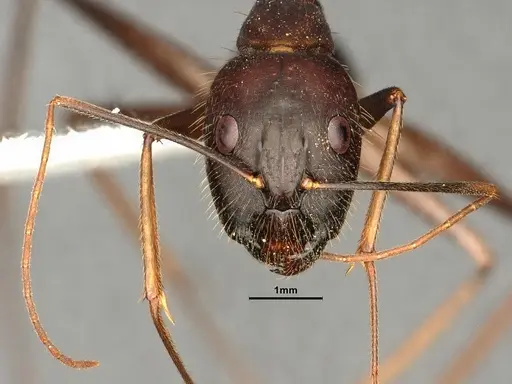
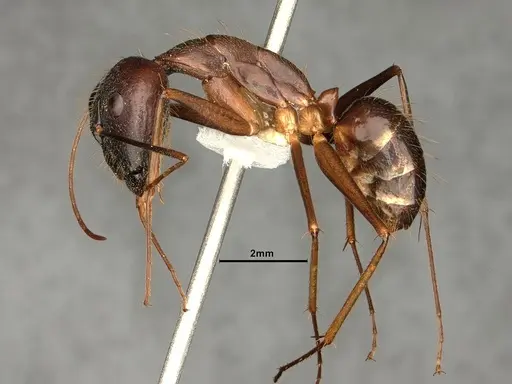
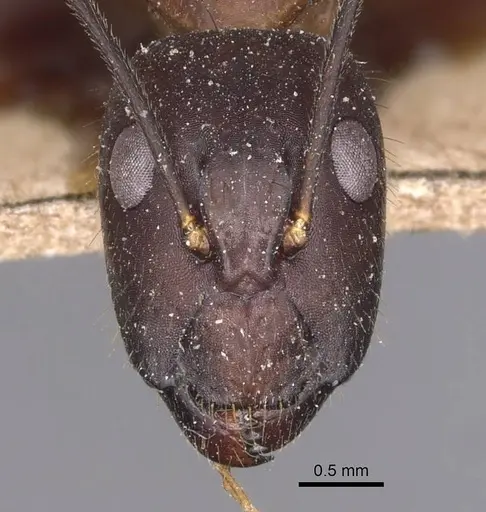
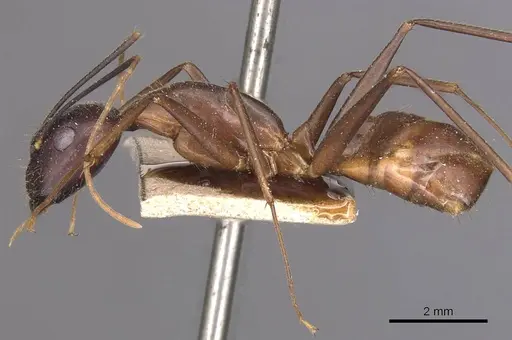
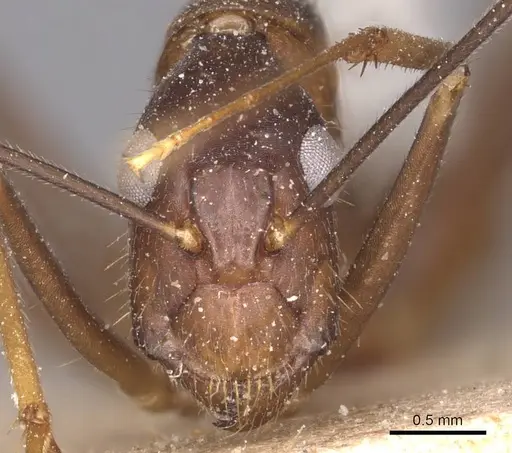
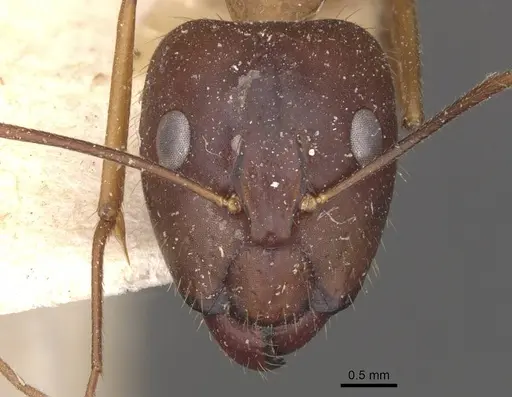
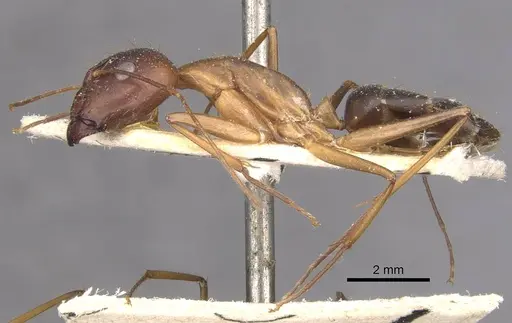
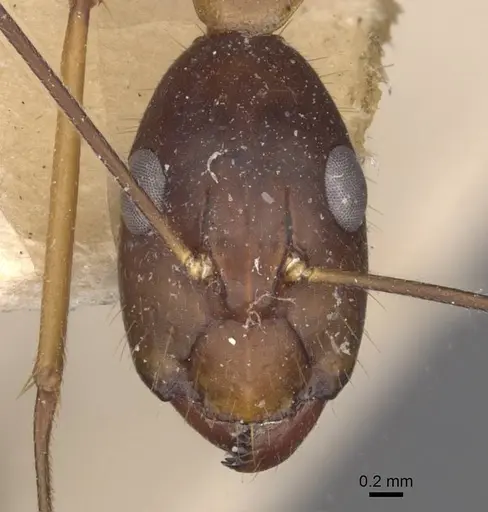
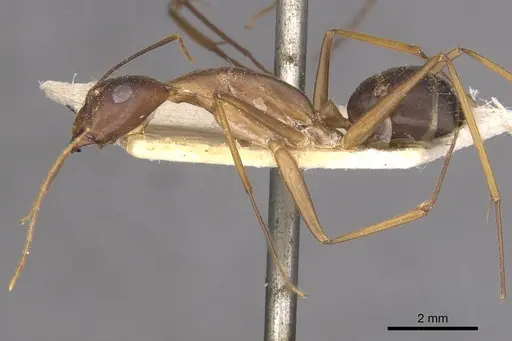
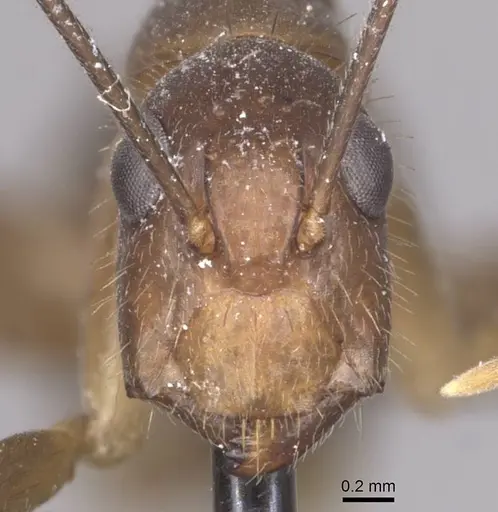
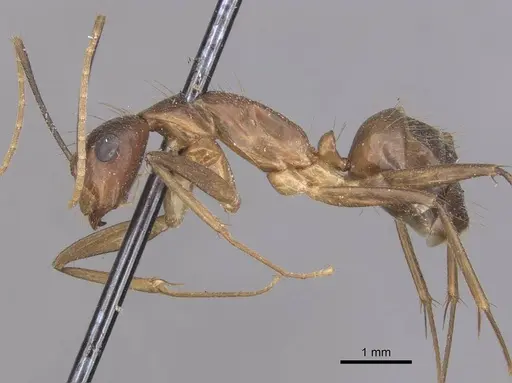
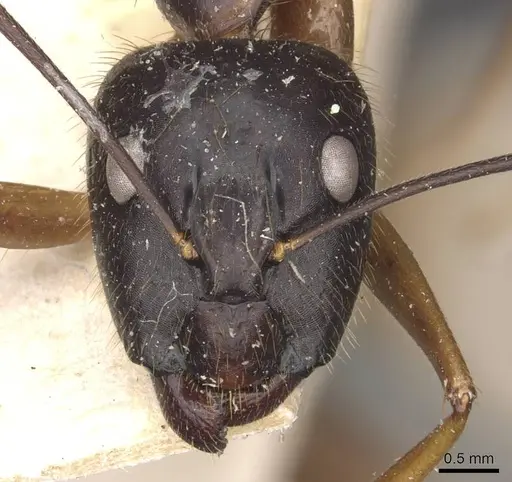
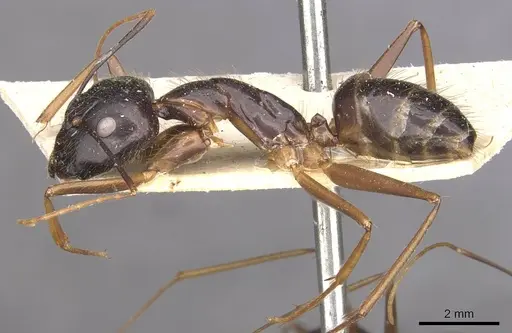
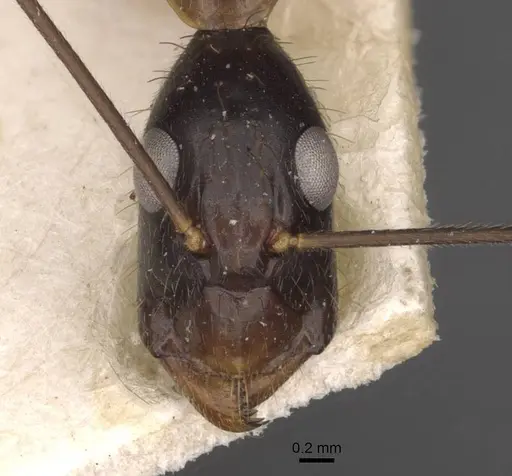
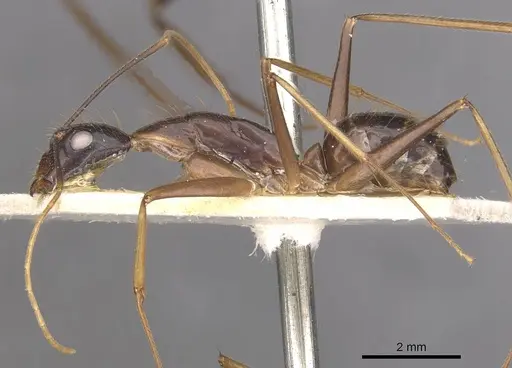
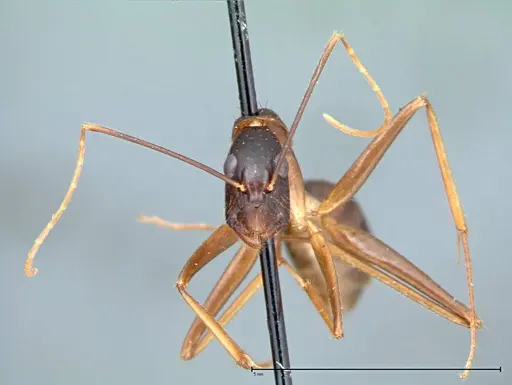
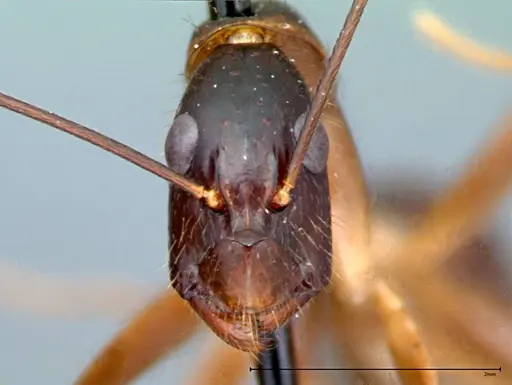
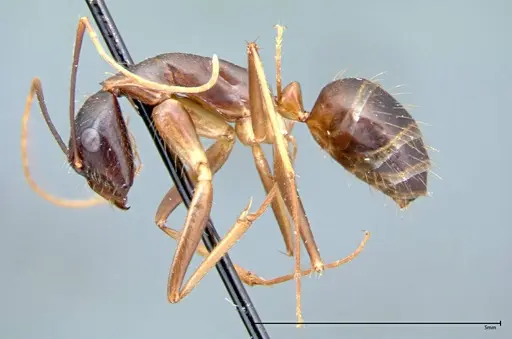
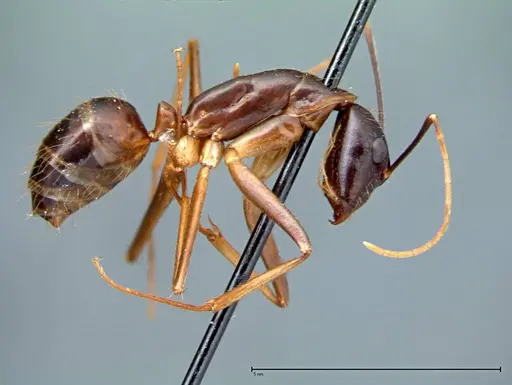
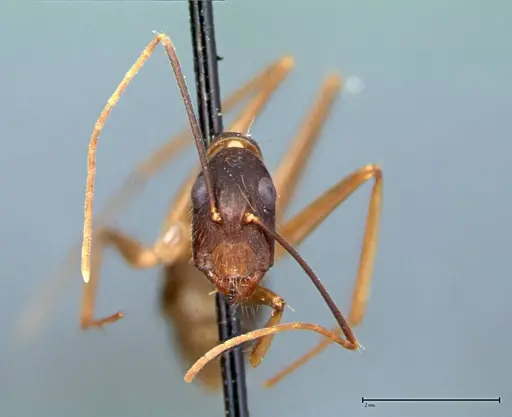
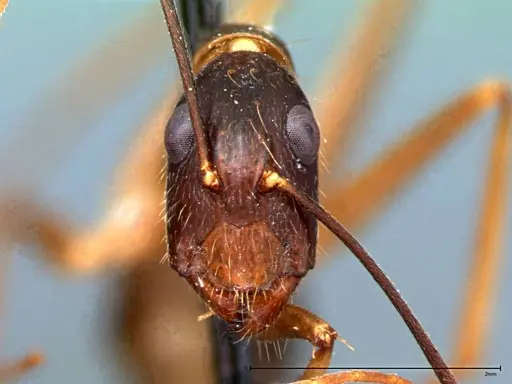
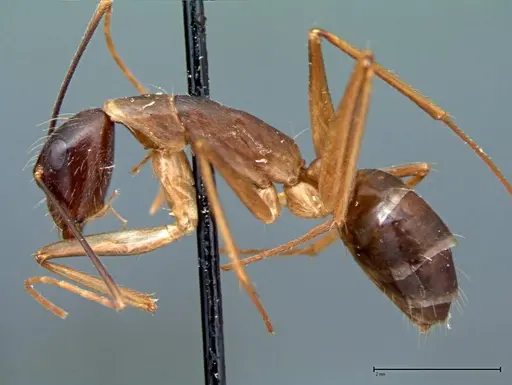
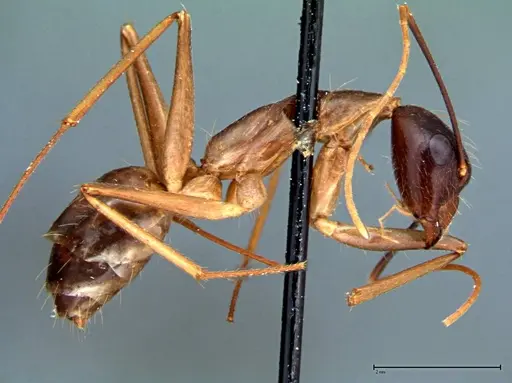
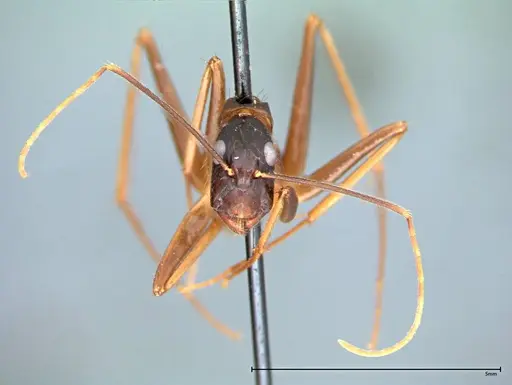
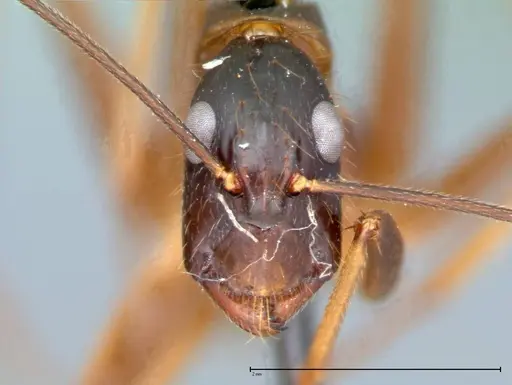
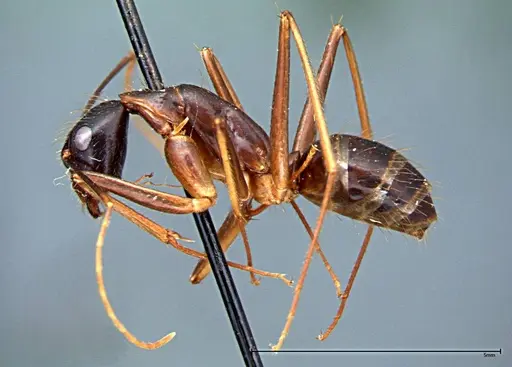
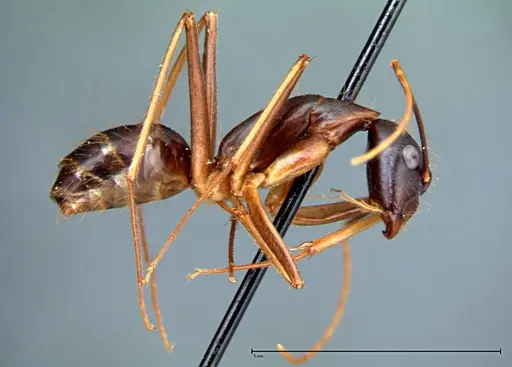
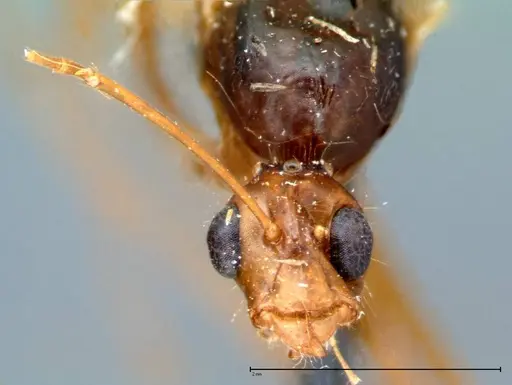
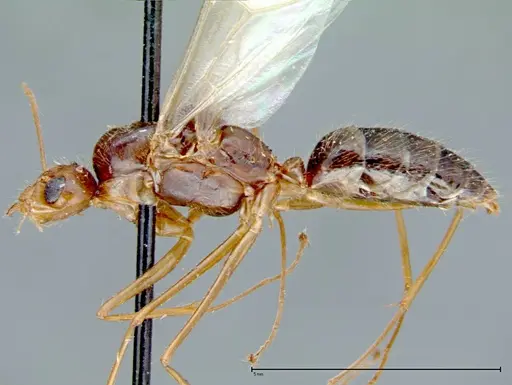
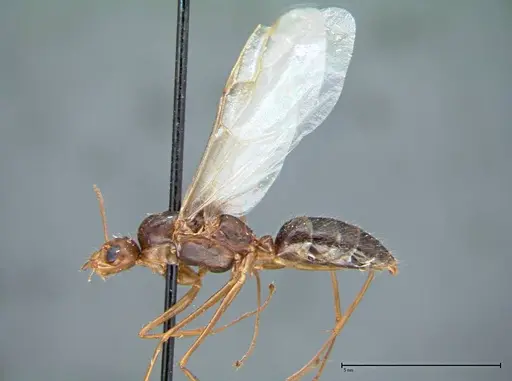
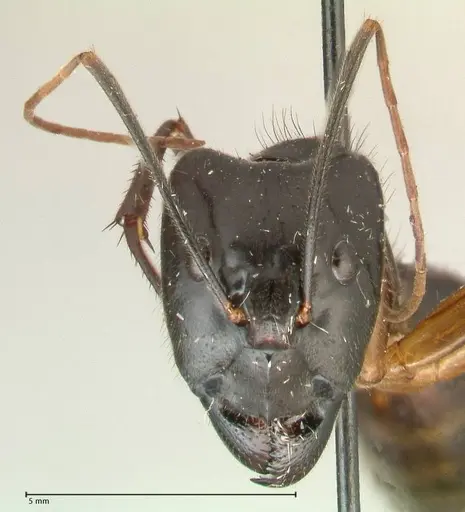
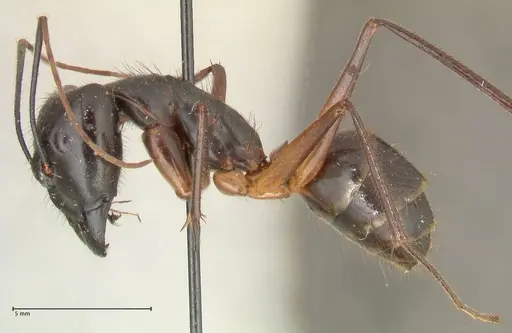
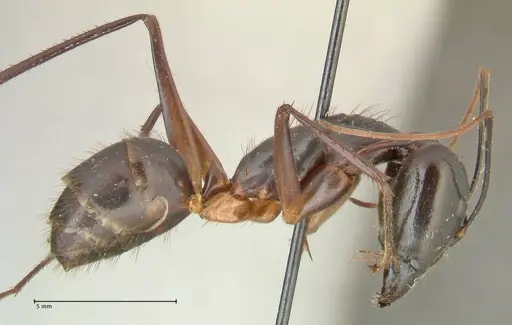
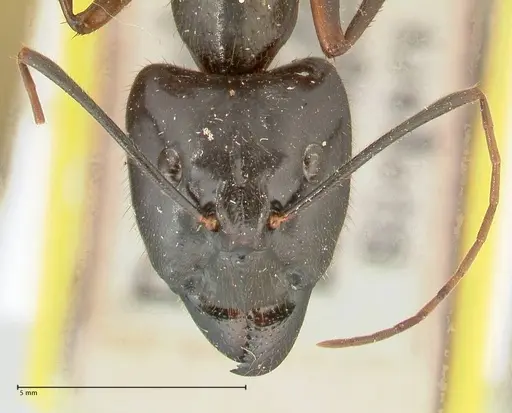
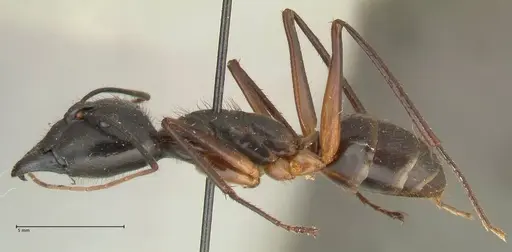
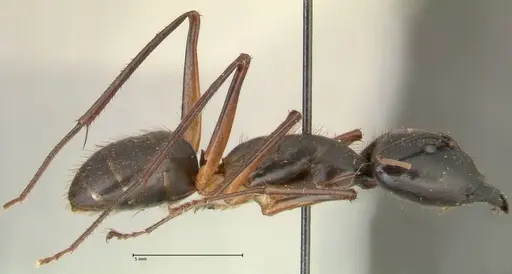
Camponotus carin is a carpenter ant native to South and Southeast Asia. Major workers have a pronotum about twice as long as wide, sculptured leg tibiae, short clypeal median lobe, and mandibles with six teeth . They are recorded from India (Assam, Kerala, Maharashtra, Rajasthan), Sri Lanka, Myanmar, Laos, Malaysia, Indonesia, the Philippines, and southern China including Hainan and Hong Kong . Their typical habitat ranges from lowlands to mid‑elevations, and they nest in soil and sometimes in termite mounds - a habit somewhat unusual for a Camponotus species, which often prefer wood. No specific body size measurements are published, but typical Camponotus workers vary from 5 to 15 mm depending on caste. The species belongs to the subgenus Tanaemyrmex .
Quick Summary
- Difficulty: Medium
- Origin & Habitat: Tropical and subtropical regions of South and Southeast Asia, India (Assam, Kerala, Maharashtra, Rajasthan), Sri Lanka, Myanmar, Laos, Malaysia, Indonesia, the Philippines, and southern China (incl. Hainan, Hong Kong) [2][3][4][1]. Found in lowland to mid‑elevation areas, nests in soil and termite mounds [5][6].
- Colony Type: Likely monogyne (single queen), typical for most Camponotus species, but direct evidence is lacking.
- Size & Growth:
- Queen: Size data unavailable. Inferred from Camponotus genus: queens typically 12-16 mm.
- Worker: Size data unavailable. Inferred from Camponotus genus: workers range from ~5 to 15 mm depending on caste.
- Colony: Unknown, based on typical Camponotus, likely up to several thousand workers at maturity.
- Growth: Moderate, inferred from genus patterns for tropical Camponotus species.
- Development: 6-8 weeks at optimal temperatures (inferred from Camponotus genus). (Temperatures around 25-28°C likely speed development, cooler conditions slow it.)
- Antkeeping:
- Temperature: Likely prefers warm conditions (~25-28°C) as a tropical species. Provide a gradient using a heat mat on one side. Avoid temperatures below 20°C. Specific requirements are undetermined, start at 25°C and adjust based on colony behavior.
- Humidity: Moderate to high, as a soil‑nester, keep the nest substrate consistently moist but not waterlogged. Provide a drinking water source. Specific values are unknown.
- Diapause: Not required. As a tropical species, it stays active year‑round. Minor reduction to ~22°C in winter may be tolerated but is not necessary.
- Nesting: Y-tong (AAC), plaster, or soil nests work well. Provide multiple chambers for colony expansion. Given their natural soil nesting, a setup with a moist soil section is ideal. Avoid completely dry environments.
- Behavior: Based on subfamily (Formicinae/Camponotini), workers lack a sting and defend by spraying formic acid from the acidopore. They are generally non‑aggressive and prefer to flee when disturbed. Nocturnal foraging is possible but undocumented. Escape risk is moderate for a Camponotus of typical size, use Fluon barriers.
- Common Issues: colony growth is slow during the founding year, patience required., humidity must be balanced: too dry harms brood, too wet causes mold., major workers need larger chambers as the colony matures., wild‑caught colonies may carry mites or parasites, quarantine before adding to a clean setup., queen longevity is unknown but Camponotus queens can live many years.
Nest Preferences and Housing
Camponotus carin naturally nests in soil and termite mounds [5][6]. In captivity, Y‑tong (AAC) or plaster nests work well, especially if they include a moist soil section to mimic natural conditions. Provide multiple chambers of varying size to accommodate major workers. An outworld should be connected via tubing. Keep the nest substrate consistently moist but not waterlogged. A drinking water source is essential.
Feeding and Diet
Like most Camponotus, Camponotus carin is omnivorous. Offer protein sources (small insects such as mealworms, crickets, or fruit flies) two to three times per week, and provide constant access to a sugar source (sugar water, honey, or diluted maple syrup). Remove any uneaten protein after 24 hours to prevent mold. No specific dietary preferences are recorded for this species.
Temperature and Seasonal Care
As a tropical species, Camponotus carin likely thrives at 25-28°C. Provide a heat mat on one side of the nest to create a thermal gradient. Avoid temperatures below 20°C. Since they originate from regions without true winter, they do not require hibernation. A slight reduction to ~22°C during the coolest months may be tolerated but is not necessary. Monitor colony behavior: if they cluster on the warm side, increase heat, if they avoid it, reduce.
Behavior and Colony Dynamics
Workers lack a functional sting and instead spray formic acid when threatened (subfamily Formicinae defense). They are generally docile and will retreat rather than attack. Foraging activity has not been studied but may be crepuscular or nocturnal. Colony growth follows the typical Camponotus pattern: the queen raises the first brood alone, then worker numbers increase gradually over several years. Major workers (soldiers) appear as the colony matures.
Frequently Asked Questions
How long does it take for Camponotus carin to produce first workers?
Exact timing is unknown, but based on typical Camponotus species, you can expect the first workers (nanitics) to emerge 6-8 weeks after egg‑laying at around 25-28°C. Be patient during the founding phase.
Can I keep multiple Camponotus carin queens together?
Not recommended. Most Camponotus species are monogyne, and co‑founding usually leads to fighting. House queens separately unless future research proves otherwise.
What do Camponotus carin ants eat?
They are omnivorous. Provide protein (small insects) twice weekly and constant access to a sugar source (e.g., honey water). Remove uneaten protein to prevent mold.
What temperature do Camponotus carin colonies need?
They prefer warm conditions around 25-28°C. Use a heat mat to create a gradient. Avoid temperatures below 20°C.
Do Camponotus carin need hibernation?
No. Being a tropical species, they are active year‑round and do not require a hibernation period. A slight temperature reduction in winter is optional but unnecessary.
How big do Camponotus carin colonies get?
Exact colony size is unknown, but mature Camponotus colonies often reach a few thousand workers over several years.
Are Camponotus carin good for beginners?
They are intermediate in difficulty. The main challenges are maintaining consistent warmth and humidity and patience during the founding phase. Not ideal for absolute beginners.
When should I move Camponotus carin to a formicarium?
Wait until the colony has at least 20-30 workers before moving to a small Y‑tong or plaster nest. Test tubes work well for founding and early growth.
Why is my Camponotus carin colony not growing?
Check temperature (must be warm), humidity (keep substrate moist but not wet), and protein feeding frequency. If the queen dies during founding, the colony cannot recover. Stagnation may also be natural during the first year.
Report an Issue
The current care sheet is based fully on literature. See inconsistencies, or something that's incorrect? Please , it will be resolved after review from an admin. Contributing to the blogs tab also helps providing information, to make us be able to further improve the caresheets. Thank you for your support!
References

This caresheet is licensed under CC BY-SA 4.0 .
Community Blogs
CASENT0884057
View on AntWeb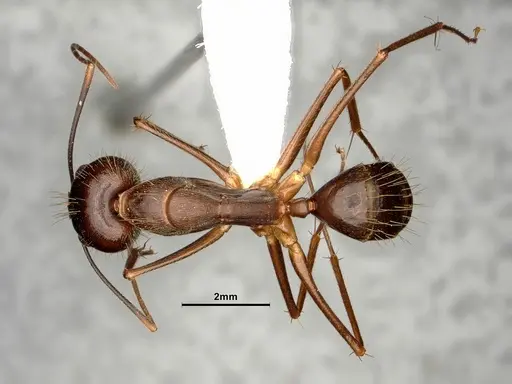
CASENT0905251
View on AntWeb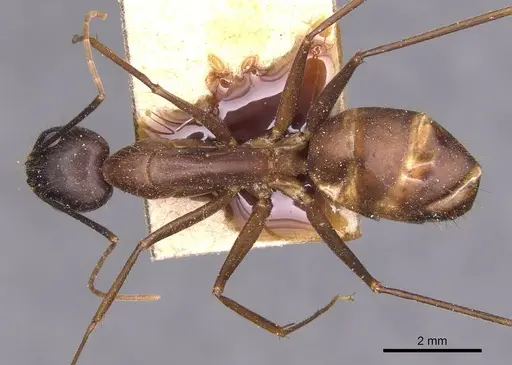
CASENT0905252
View on AntWeb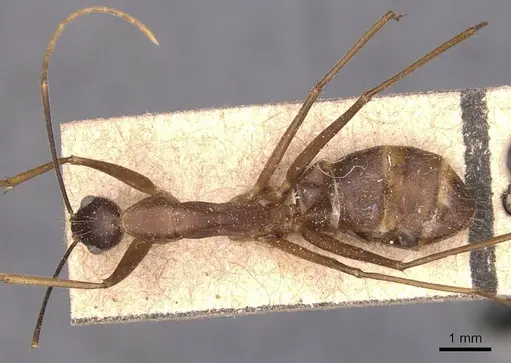
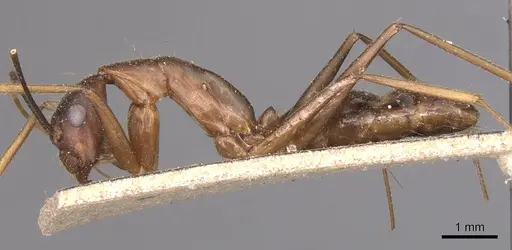
CASENT0906950
View on AntWeb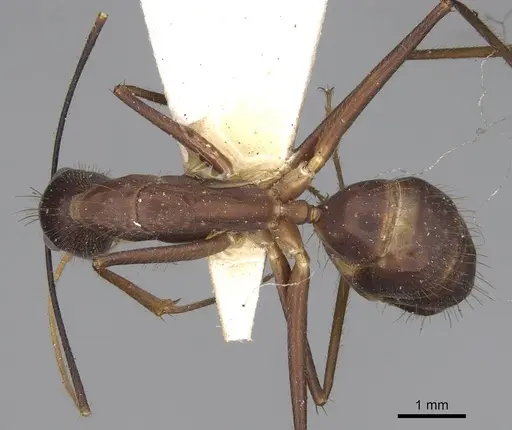
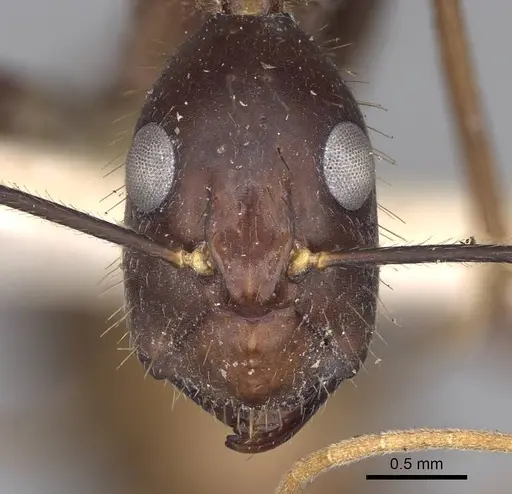
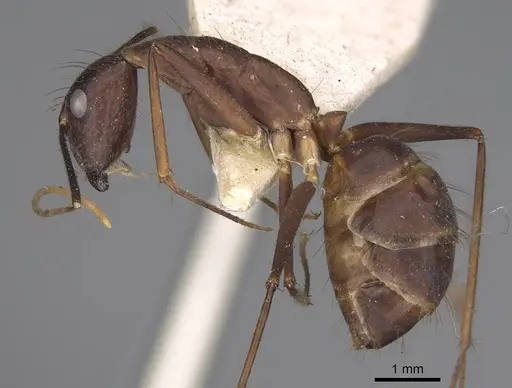
CASENT0910086
View on AntWeb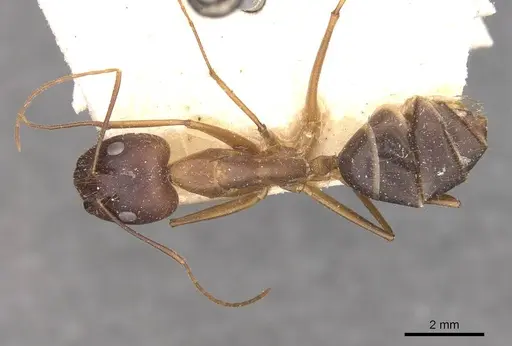
CASENT0910087
View on AntWeb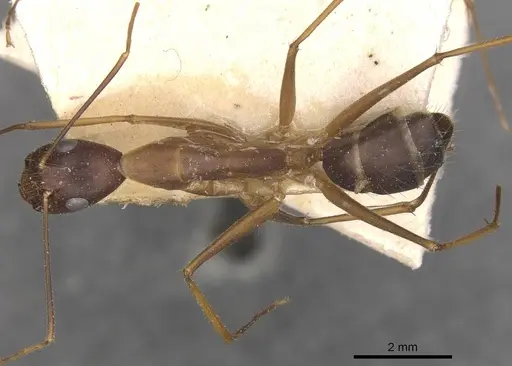
CASENT0910088
View on AntWeb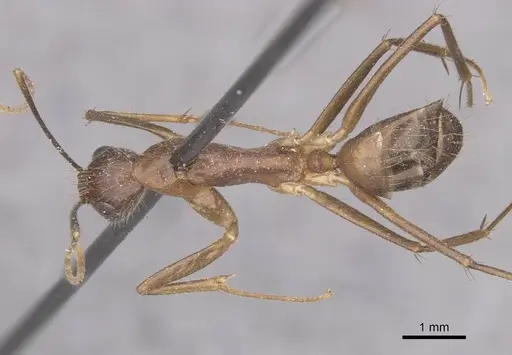
CASENT0910089
View on AntWeb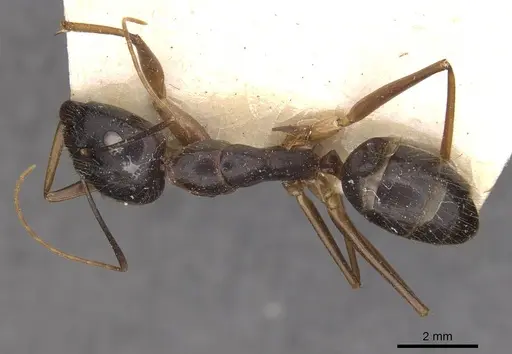
CASENT0910090
View on AntWeb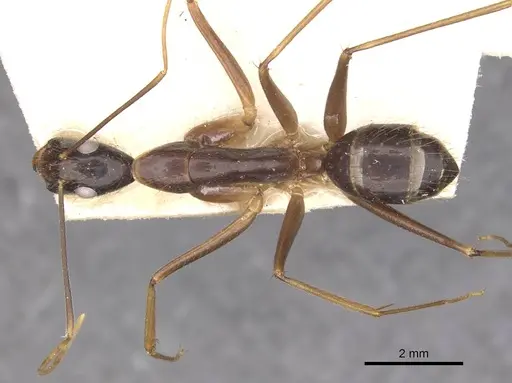
FOCOL0102
View on AntWeb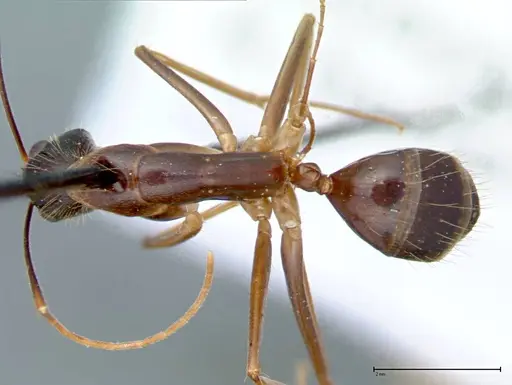
FOCOL0103
View on AntWeb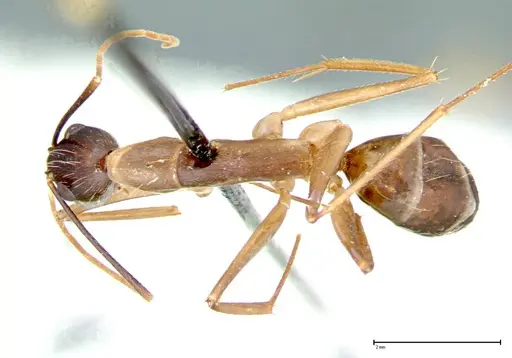
FOCOL0104
View on AntWeb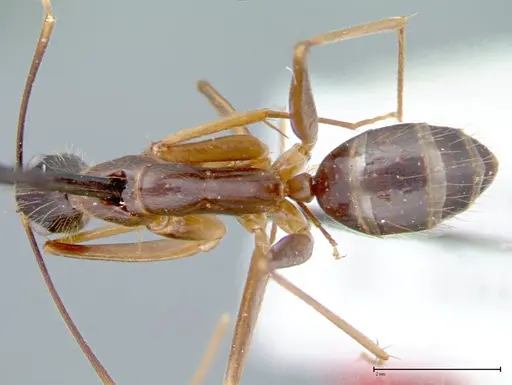
FOCOL0105
View on AntWeb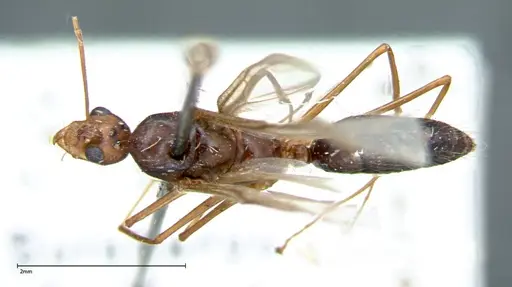
FOCOL2359
View on AntWeb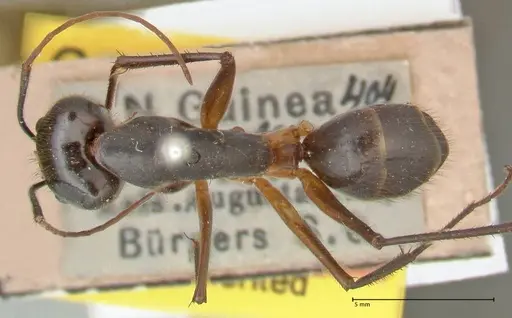
FOCOL2360
View on AntWeb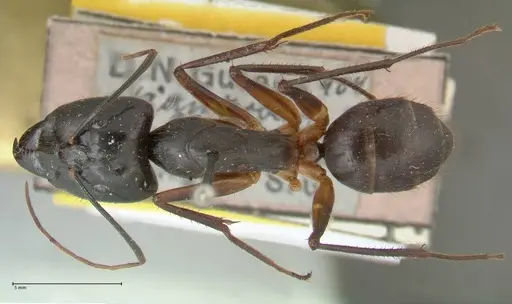
Literature
Loading distribution map...Loading products...