
Camponotus carbo
- Sci. Name
- Camponotus carbo
- Subgenus
- Myrmotrema
- Tribe
- Camponotini
- Subfamily
- Formicinae
- Author
- Emery, 1877
- Distribution
- Found in 1 countries
Introduction
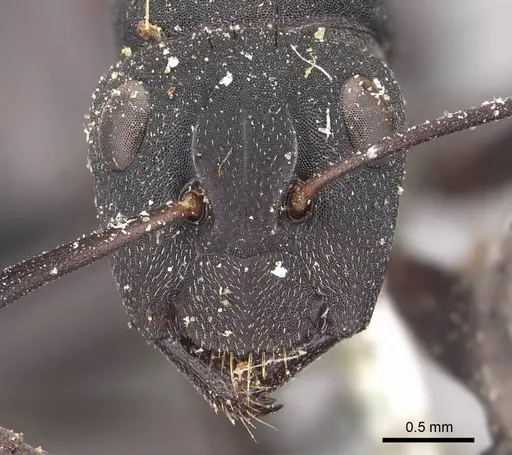
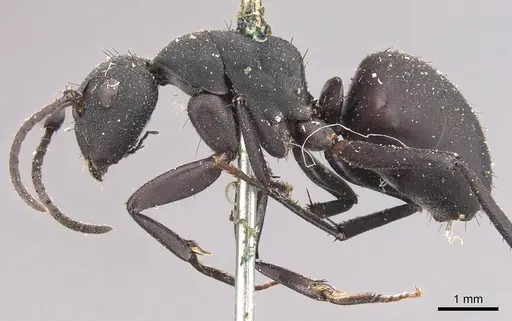
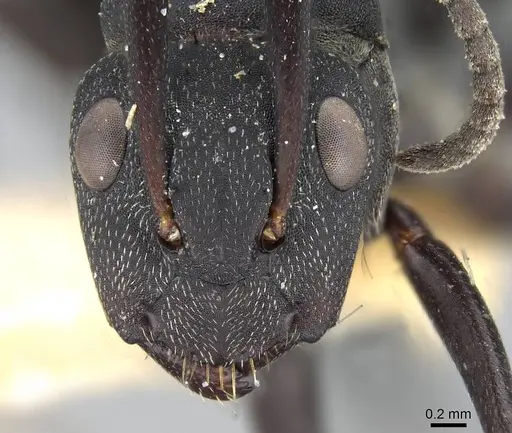
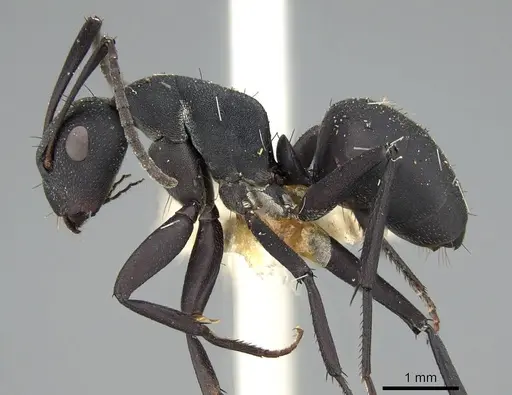
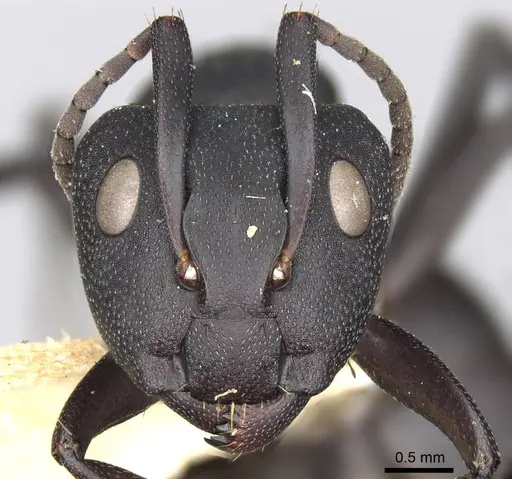
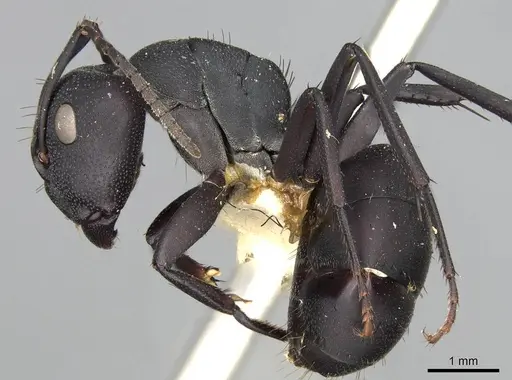
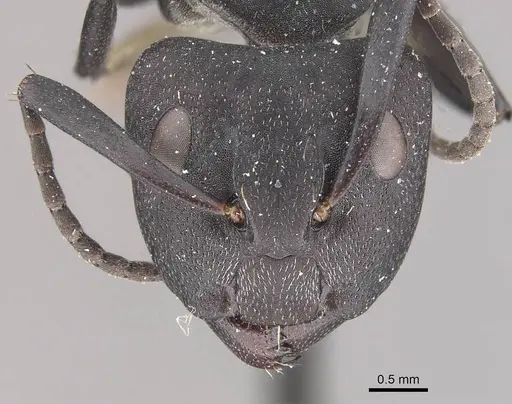
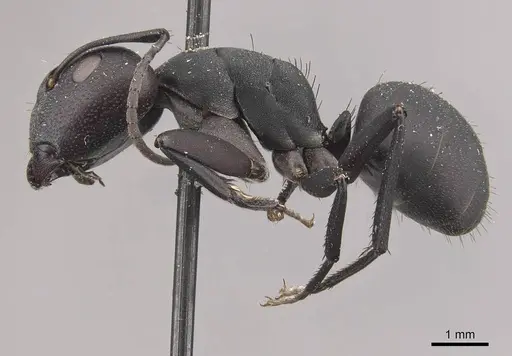
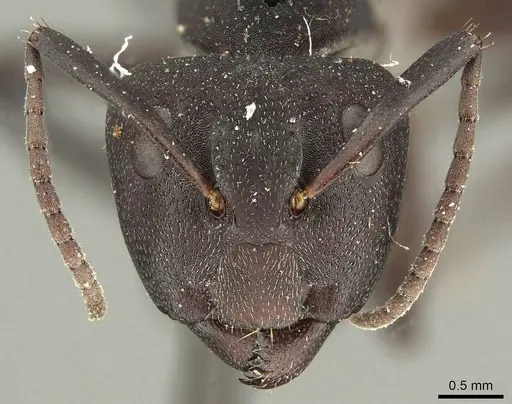
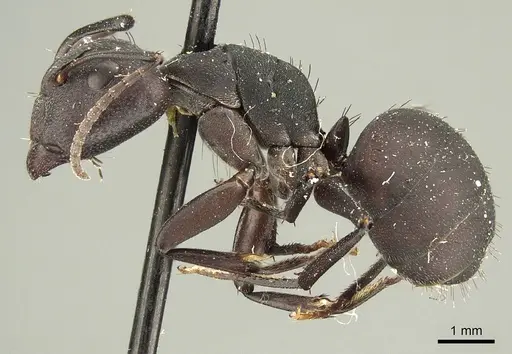
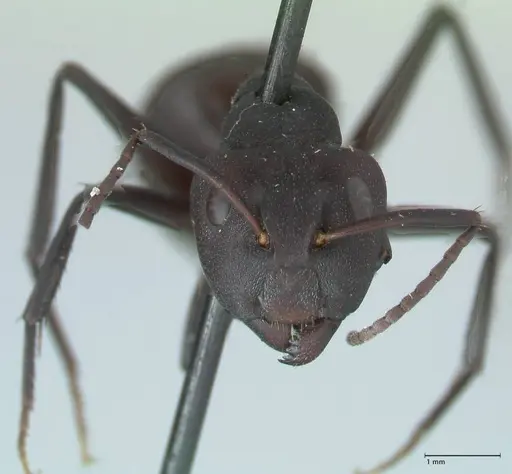
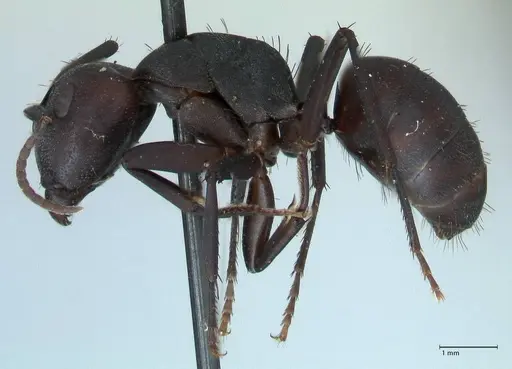
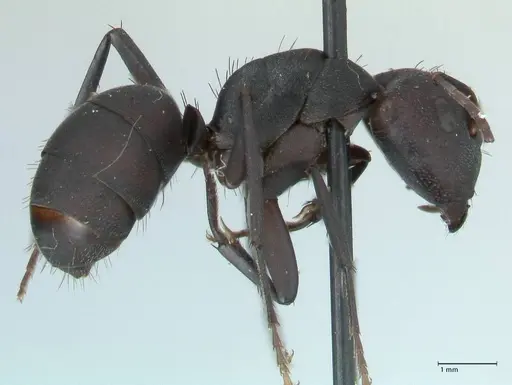
Camponotus carbo is a small carpenter ant species native to the Afrotropical region, with additional records from Oman. Workers have a distinctive dense, microreticulate sculpture that gives them a dull, matte appearance. The clypeus has a broken, bluntly serrated edge, and the body bears numerous long hairs on the pronotum, posterior propodeum, and gastral dorsum. This ant is a savannah species that nests both in hollow tree branches and in soil, and it forages actively on various trees including mango, cashew, and acacia species. The species has been documented as both prey and antagonist of the weaver ant Oecophylla longinoda in Benin mango orchards.
Quick Summary
- Difficulty: Medium
- Origin & Habitat: Afrotropical region, documented in Eritrea, Ethiopia, Democratic Republic of Congo, Benin, and Oman. This is a savannah species that nests in hollow tree branches and in soil, forages on trees in agricultural ecosystems [1]
- Colony Type: Colony structure is unconfirmed. Based on typical Camponotus patterns, likely single-queen colonies.
- Size & Growth:
- Queen: Size data unavailable, no documented measurements for queens
- Worker: Size data unavailable, only head measurements (HL 3.0mm) are documented, not total body length [2]
- Colony: Unknown, no colony size data available for this species
- Growth: Moderate, based on typical Camponotus development patterns
- Development: Estimated 6-8 weeks at optimal temperature based on typical Camponotus genus development (Development time is inferred from genus-level data since species-specific development has not been documented)
- Antkeeping:
- Temperature: Keep at 24-28°C. As a savannah species from tropical Africa, they prefer warm conditions.
- Humidity: Moderate humidity. Provide a moist nest chamber but allow some drier areas for workers to self-regulate.
- Diapause: No true diapause required, being a tropical species, they remain active year-round.
- Nesting: Arboreal nester in nature, provide nests with chambers scaled to their small worker size. Y-tong (AAC) nests, plaster nests with narrow chambers, or naturalistic setups with cork or wooden branches work well.
- Behavior: Generally calm and non-aggressive for a Camponotus species. Workers are active foragers, documented climbing trees to forage on foliage and trunks. They likely recruit nestmates to food sources through chemical trails. Escape prevention should be moderate since workers are small enough to exploit small gaps.
- Common Issues: tropical species may be sensitive to temperature drops below 20°C, no documented colony size means growth expectations are uncertain, arboreal nesting preference may require specific humidity management, limited availability as a species, may be difficult to acquire
Housing and Nest Preferences
Camponotus carbo is an arboreal nester in the wild, meaning they naturally live in hollow branches and twigs in trees. In captivity, Y-tong (AAC) nests work well because they provide smooth, enclosed chambers that mimic tree hollows. Plaster nests are also suitable, just ensure the chambers are sized appropriately for their small workers. Avoid large, open spaces in the nest, these ants prefer tight, cozy chambers. Since they also nest in soil in nature, you could offer a naturalistic setup with a mix of soil and wooden elements. The outworld should include climbing structures like branches or mesh since they naturally forage on trees. Test tubes can work for founding colonies but plan to move them to a proper nest once the colony reaches 15-20 workers. [1]
Feeding and Diet
Like most Camponotus species, C. carbo is likely omnivorous with a preference for sugary liquids and protein. In their natural habitat in Benin, they foraged on mango trees and other tropical plants, so they probably collect honeydew from aphids and scale insects in addition to hunting small prey. Feed them sugar water or honey regularly, especially for established colonies. For protein, offer small insects like fruit flies, small mealworms, or cricket pieces. Since they are small ants, prey items should be appropriately sized. Based on related savannah Camponotus species, they likely accept a wide variety of foods. [1]
Temperature and Seasonal Care
Being a tropical savannah species from equatorial Africa, Camponotus carbo prefers warm conditions. Keep the nest area at 24-28°C for optimal colony development. A heating cable on one side of the nest creates a temperature gradient that lets workers choose their comfort zone. Room temperature may be sufficient if your home stays above 22°C, but additional warmth speeds up brood development. Unlike temperate species, they do not require a true hibernation period. However, they may show reduced activity during cooler months, this is normal, not diapause. Avoid temperatures below 20°C as prolonged cold can weaken or kill colonies.
Colony Development and Growth
Camponotus carbo is a relatively small Camponotus species. Full body size measurements are not documented in scientific literature, only head measurements (HL 3.0mm) are available. Queens are estimated at similar size to other small Camponotus species. Development from egg to first worker likely takes 6-8 weeks at optimal temperature, similar to other Camponotus species. The first workers (nanitics) will be smaller than normal workers, this is normal. Growth rate is moderate, and colonies probably reach several hundred workers over several years. [2]
Behavior and Temperament
This is a relatively calm carpenter ant species. Workers are active foragers, documented climbing trees in agricultural settings in Benin. They likely use chemical pheromone trails to recruit nestmates to food sources, similar to other Camponotus species. The colony is not particularly aggressive. Workers are small enough that escape prevention matters, though they are not as prolific escape artists as tiny species. Use standard barrier methods like fluon on test tube rims. They are primarily nocturnal or crepuscular foragers in the wild, so they may be more active in evening hours under captive conditions. [1]
Frequently Asked Questions
How long does it take for Camponotus carbo to produce first workers?
Based on typical Camponotus development patterns, expect first workers (nanitics) in approximately 6-8 weeks after the queen lays eggs at optimal temperature (24-28°C). The exact timeline for this species has not been documented, so this is an estimate.
What do Camponotus carbo ants eat?
They are omnivorous like most carpenter ants. Feed them sugar water or honey for energy, and small protein sources like fruit flies, small mealworms, or cricket pieces.
What temperature do Camponotus carbo ants need?
Keep them warm at 24-28°C. This tropical savannah species prefers warm conditions and may struggle below 20°C. A heating cable on part of the nest creates a beneficial gradient.
Are Camponotus carbo good for beginners?
They are rated as medium difficulty. They have specific temperature requirements (tropical warmth) and limited availability, but their care is otherwise straightforward once established. Not the best choice for complete beginners, but manageable for those with some antkeeping experience.
Do Camponotus carbo need hibernation?
Probably not. Being a tropical species from equatorial Africa, they likely remain active year-round with no true diapause requirement. They may reduce activity in cooler months, which is normal.
What size colony do Camponotus carbo reach?
The maximum colony size is not documented in scientific literature. Based on typical Camponotus patterns, they likely reach several hundred workers over several years of growth.
Can I keep multiple Camponotus carbo queens together?
This has not been documented for this species. Based on typical Camponotus behavior, they are likely single-queen colonies. Combining unrelated queens is not recommended.
When should I move Camponotus carbo to a formicarium?
Move them once the colony reaches 15-20 workers or when the test tube becomes cramped. Ensure the new nest has appropriately sized chambers for their small workers.
Where is Camponotus carbo found in the wild?
They are native to the Afrotropical region, documented in Eritrea, Ethiopia, Democratic Republic of Congo, Benin, and also recorded in Oman. They live in savannah habitats and nest in hollow tree branches and in soil.
Report an Issue
The current care sheet is based fully on literature. See inconsistencies, or something that's incorrect? Please , it will be resolved after review from an admin. Contributing to the blogs tab also helps providing information, to make us be able to further improve the caresheets. Thank you for your support!
References

This caresheet is licensed under CC BY-SA 4.0 .
Community Blogs
CASENT0905432
View on AntWeb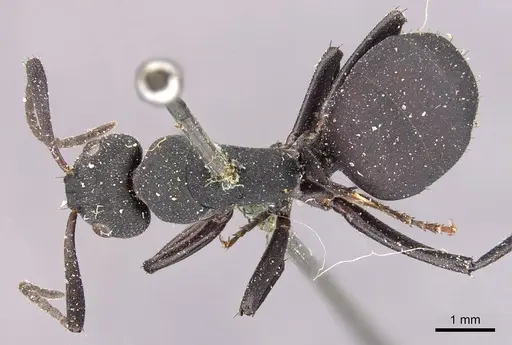
CASENT0906869
View on AntWeb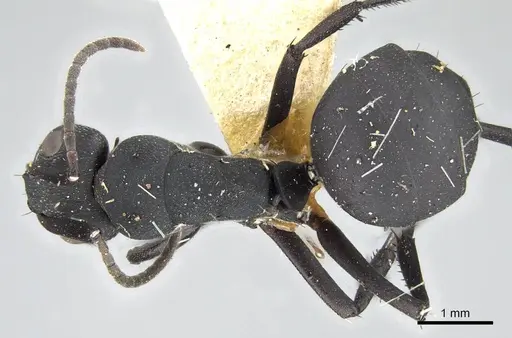
CASENT0906870
View on AntWeb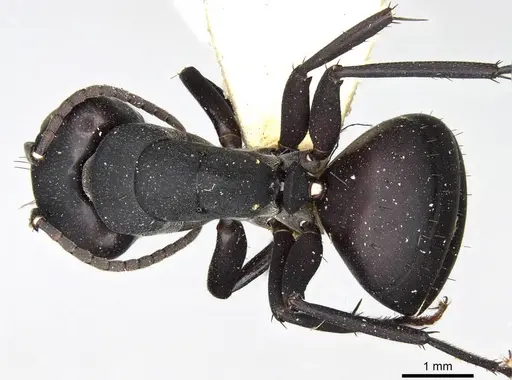
CASENT0910466
View on AntWeb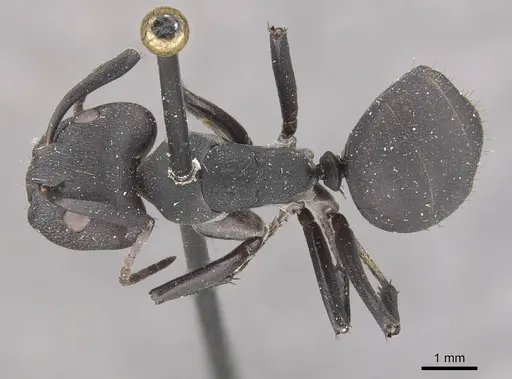
CASENT0910467
View on AntWeb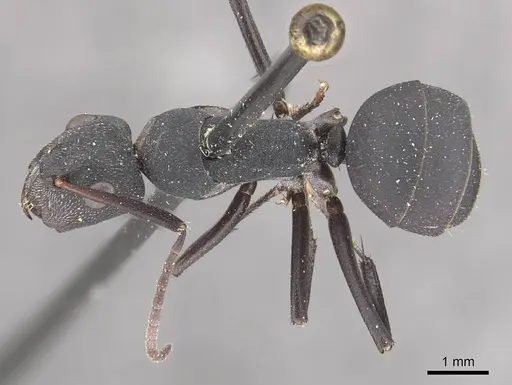
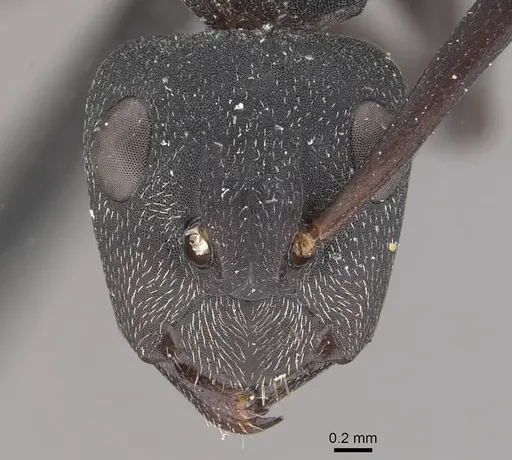
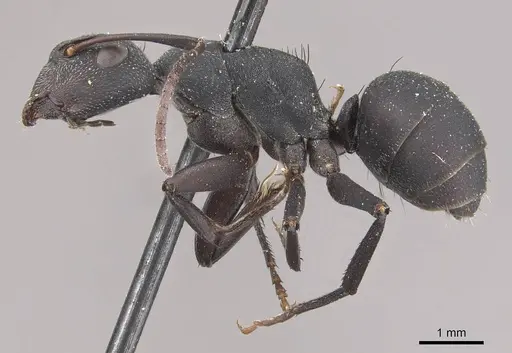
CASENT0915682
View on AntWeb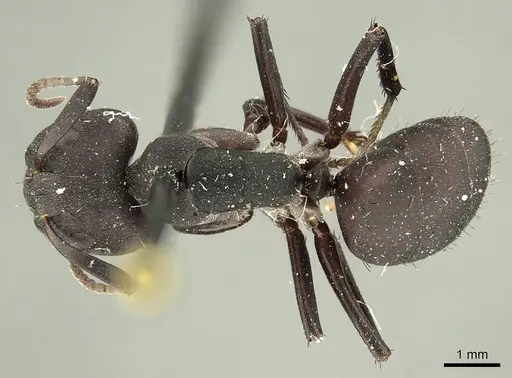
FOCOL1778
View on AntWeb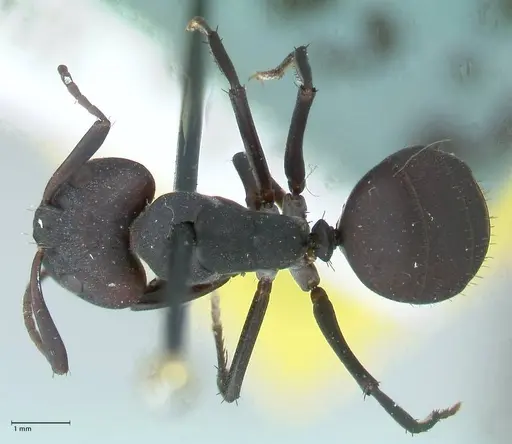
Literature
Loading distribution map...Loading products...