
Camponotus cameranoi
- Sci. Name
- Camponotus cameranoi
- Subgenus
- Myrmobrachys
- Tribe
- Camponotini
- Subfamily
- Formicinae
- Author
- Emery, 1894
- Distribution
- Found in 2 countries
Introduction
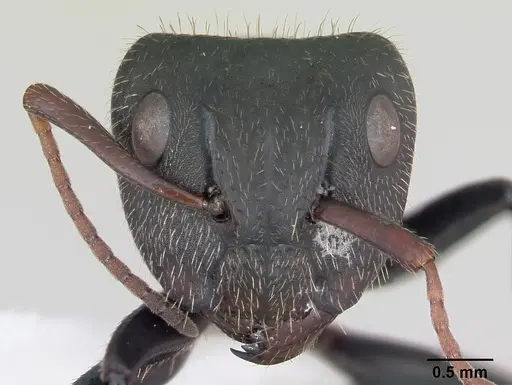
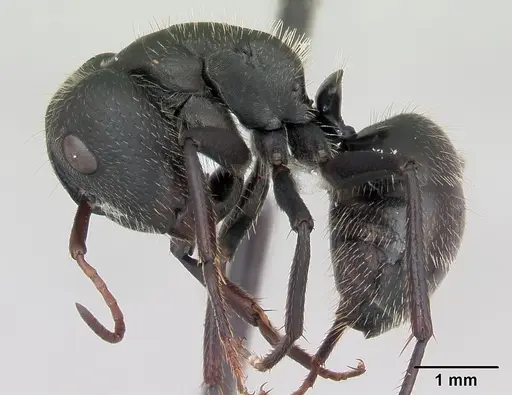
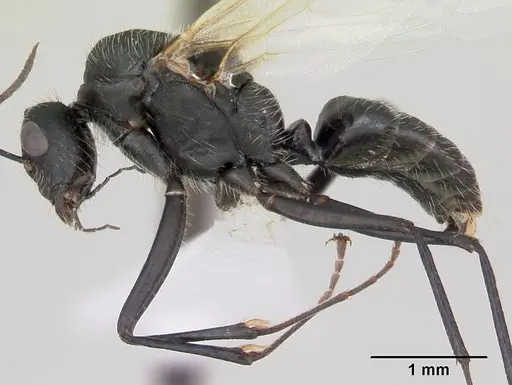
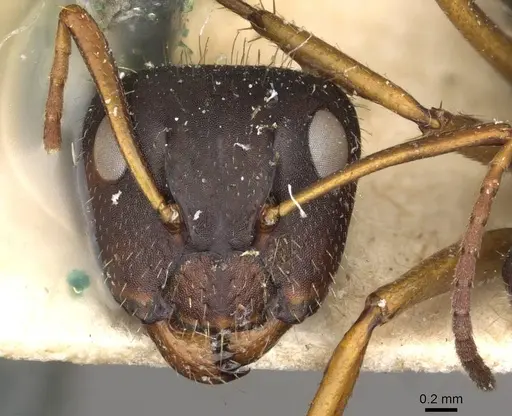
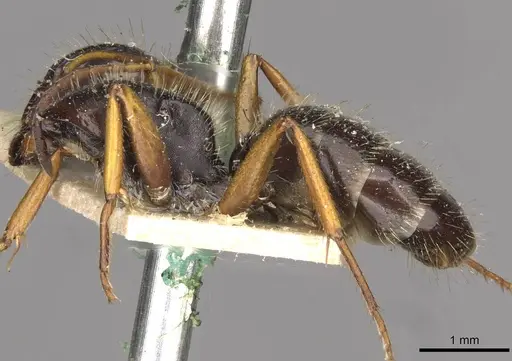
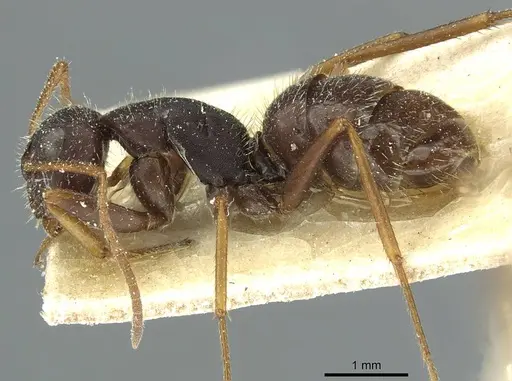
Camponotus cameranoi is a Neotropical carpenter ant belonging to the subgenus Myrmobrachys. This species ranges across South America, from Argentina and Paraguay through Brazil to Peru, inhabiting diverse environments including Amazon floodplain forests, seasonally dry Caatinga woodlands, and agricultural areas . The species was originally described as a subspecies of Camponotus senex but was later elevated to full species status [AntWiki]. As a member of the Camponotini tribe, these ants are part of the 'Subordinate Camponotini' functional group, meaning they are generally less aggressive and more tolerant of other ant species in their ecosystem . Worker size is approximately 5-8mm - inferred from Camponotus genus patterns for the Myrmobrachys subgenus.
Quick Summary
- Difficulty: Easy
- Origin & Habitat: Native to the Neotropical region, Argentina, Brazil, Paraguay, and Peru. Found across diverse habitats from Amazon floodplain forests to seasonally dry Caatinga biomes, and even agricultural areas with eucalyptus plantations and soybean crops [1][2][6].
- Colony Type: Colony structure is unconfirmed. Based on typical Camponotus patterns, likely single-queen colonies.
- Size & Growth:
- Queen: Approximately 10-12mm, inferred from Camponotus genus patterns for Myrmobrachys subgenus
- Worker: Approximately 5-8mm, inferred from Camponotus genus patterns for Myrmobrachys subgenus
- Colony: Maximum colony size is unconfirmed for this species
- Growth: Moderate, typical for Camponotus species
- Development: Development time is unconfirmed for this species. Based on typical Camponotus patterns, expect several months for first workers. (Development time varies with temperature, warmer conditions within range accelerate development)
- Antkeeping:
- Temperature: Keep at 22-26°C. As a Neotropical species from Brazil and northern Argentina, they prefer warm conditions but can tolerate moderate temperatures. A heating cable on one side of the nest creates a gradient allowing workers to self-regulate.
- Humidity: Moderate to high humidity preferred. In their natural range, they inhabit both seasonally dry and humid forests. Keep nest substrate slightly moist but not waterlogged, with some drier areas available.
- Diapause: No true diapause required given their tropical/subtropical origin. However, activity may slow during cooler winter months in temperate captive settings.
- Nesting: In nature, they nest in rotting wood, under stones, and in soil cavities, typical for Myrmobrachys subgenus. Y-tong (AAC) nests, plaster nests, or naturalistic setups with rotting wood work well. They adapt readily to test tube setups for founding colonies.
- Behavior: Generally calm and non-aggressive temperament, consistent with their classification as Subordinate Camponotini [5]. Workers are moderately active foragers, typical of carpenter ants. They are not known for being particularly aggressive. As a Formicinae species, they can spray formic acid as defense but rarely use it against keepers. Escape risk is moderate, use standard barrier methods but no special escape prevention required beyond typical Camponotus care.
- Common Issues: colonies may slow significantly if temperatures drop below 20°C, monitor activity levels, foundating queens can be sensitive to disturbance, minimize vibrations and light exposure during claustral founding, as a Neotropical species, they may struggle in dry environments, maintain adequate humidity, wild-caught colonies may carry parasites, quarantine and observe new colonies before introducing to established setups, moderate growth rate means beginners may lose patience, consistent feeding schedules help maintain colony momentum
Housing and Nest Setup
Camponotus cameranoi adapts well to various captive setups. For founding colonies, a standard test tube setup works excellently, fill a test tube with water, plug with cotton, and place the queen in the tube. The water reservoir provides humidity while the queen seals herself in to raise her first workers. Once the colony reaches 20-30 workers, you can transition to a Y-tong (AAC) nest, plaster nest, or naturalistic setup. For naturalistic setups, use a mix of soil and rotting wood pieces to mimic their natural nesting in decaying wood and soil cavities. Ensure the nest has chambers scaled appropriately for their size, workers around 5-8mm need moderate-sized chambers, not the tiny passages needed for tiny ants. Escape prevention is straightforward, standard barriers work well as they are not particularly small or agile escape artists. [1][2]
Feeding and Diet
Like most Camponotus species, C. cameranoi is omnivorous with a preference for sugar sources and protein. Offer sugar water (1:1 ratio) or honey as a constant energy source, carpenter ants have high sugar demands for their workers. For protein, offer small insects like fruit flies, mealworms, or crickets. Feed protein 2-3 times per week depending on colony size. They will also accept honeydew if you have access to aphid colonies. Remove uneaten prey after 24-48 hours to prevent mold. During founding, the queen typically does not need food, she relies on stored fat reserves until her first workers emerge. Once workers are present, begin offering sugar water immediately as they need the energy for brood-rearing activities. [4]
Temperature and Seasonal Care
As a Neotropical species from Brazil, Paraguay, and northern Argentina, C. cameranoi prefers warm conditions. Keep the nest area at 22-26°C for optimal brood development. A heating cable placed on one side of the nest creates a temperature gradient, allowing ants to move to their preferred temperature zone. Avoid temperatures below 18°C for extended periods as this can slow colony development significantly. They do not require a true diapause like temperate species, but activity may naturally decrease during winter months in cooler climates. If you live in a temperate region, room temperature within their range is usually sufficient. Monitor colony behavior, if workers consistently cluster near the warm side, slightly increase heating, if they avoid it, reduce heat. Avoid sudden temperature fluctuations. [1][5]
Humidity and Water
Maintain moderate humidity in the nest, aim for substrate that feels slightly moist but never waterlogged. A humidity range of 50-70% is appropriate for this species. In their natural habitat across Amazon and seasonally dry forests, they experience both humid and drier conditions, so they are adaptable. For test tube setups, the water reservoir naturally maintains humidity. For formicarium setups, mist the substrate periodically and allow it to dry slightly between waterings. Always provide a water source, a shallow dish with fresh water or moist cotton balls works well. Workers will drink directly from water droplets. Monitor for condensation buildup in test tubes as excessive moisture can lead to mold problems. [2][6]
Colony Development and Growth
Colony growth follows typical Camponotus patterns. The queen seals herself in a small chamber and lays eggs within 1-2 weeks of mating. She tends the eggs and larvae alone, using stored fat reserves for energy. First workers (nanitics) emerge several months later and are typically smaller than mature workers. Once nanitics arrive, the queen stops caring for brood directly, workers take over all colony tasks. Growth rate is moderate, expect the colony to reach 50 workers within several months under good conditions. The colony will continue growing for several years. Mature colonies produce winged reproductive ants (alates) for nuptial flights, typically during warmer months. [4]
Frequently Asked Questions
How long does it take for Camponotus cameranoi to get their first workers?
Development time is unconfirmed for this species. Based on typical Camponotus patterns, expect first workers to emerge several months after the queen lays eggs, assuming temperatures are maintained at 22-26°C.
What temperature do Camponotus cameranoi ants need?
Keep them warm at 22-26°C. As a Neotropical species from Brazil and Argentina, they prefer warmer conditions. A heating cable on one side of the nest creates a gradient they can self-regulate by moving between warmer and cooler areas.
Are Camponotus cameranoi good for beginners?
Yes, they are considered an easy species to keep. They are relatively calm, not aggressive, and adapt well to various nest setups. They don't require special escape prevention like tiny ants do, and their temperature and humidity requirements are straightforward.
What do Camponotus cameranoi eat?
They are omnivorous like most carpenter ants. Offer sugar water or honey as a constant energy source, and protein (small insects like fruit flies, mealworms, or crickets) 2-3 times per week. They will also consume honeydew if available.
How big do Camponotus cameranoi colonies get?
Maximum colony size is unconfirmed for this species. Based on typical Camponotus patterns and their abundance in field studies, colonies likely reach several hundred workers in mature colonies. Growth is moderate, taking several years to reach maximum size.
Can I keep multiple Camponotus cameranoi queens together?
Colony structure is unconfirmed for this species. Based on typical Camponotus patterns, single-queen colonies are most common. Combining unrelated queens is not recommended as they likely will fight.
Do Camponotus cameranoi need hibernation?
No true hibernation is required as they are from tropical/subtropical regions. However, in temperate climates, activity may slow during winter months when room temperatures drop. Simply maintain their normal temperature range year-round and they will remain active.
When should I move my Camponotus cameranoi to a formicarium?
Move from test tube to a larger nest (Y-tong, plaster, or naturalistic) once the colony reaches 20-30 workers. At this size, the test tube becomes cramped and humidity management becomes difficult. Choose a nest with appropriately sized chambers for their worker size of approximately 5-8mm.
Why is my Camponotus cameranoi colony not growing?
Check temperature first, they need 22-26°C for optimal development. Also verify humidity is adequate (substrate should be slightly moist) and that you are feeding enough protein and sugar. Slow growth can also result from disturbing the queen during founding too frequently. Ensure the setup is in a quiet, dark location.
Report an Issue
The current care sheet is based fully on literature. See inconsistencies, or something that's incorrect? Please , it will be resolved after review from an admin. Contributing to the blogs tab also helps providing information, to make us be able to further improve the caresheets. Thank you for your support!
References

This caresheet is licensed under CC BY-SA 4.0 .
Community Blogs
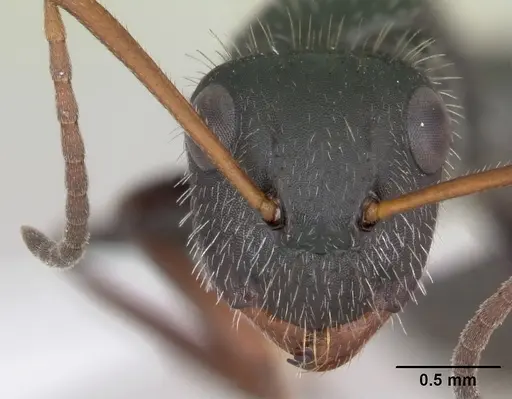
CASENT0173399
View on AntWeb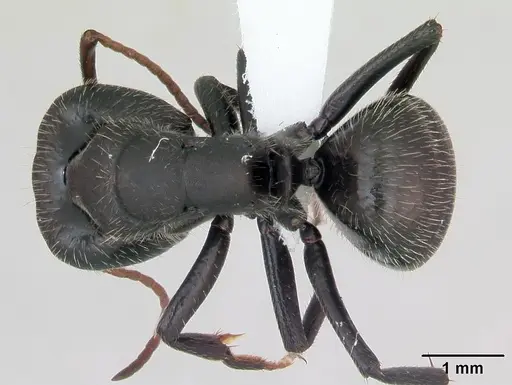
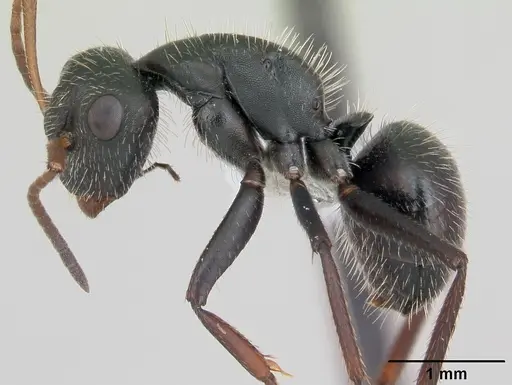
CASENT0173400
View on AntWeb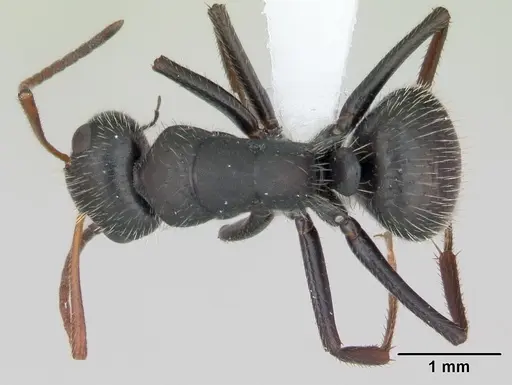
CASENT0173401
View on AntWeb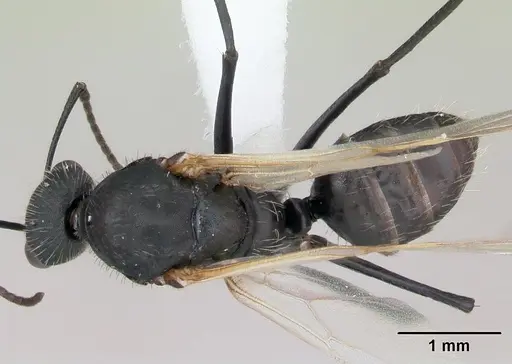
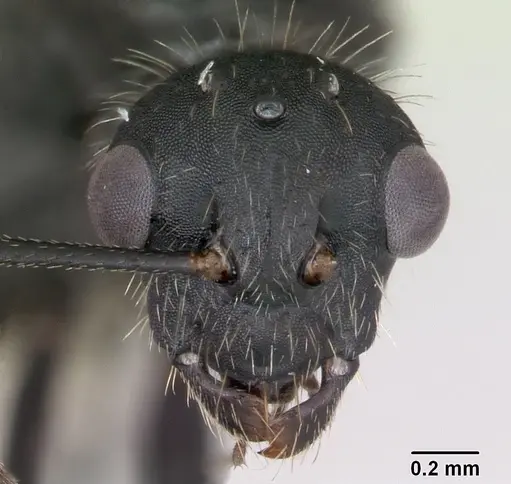
CASENT0905512
View on AntWeb
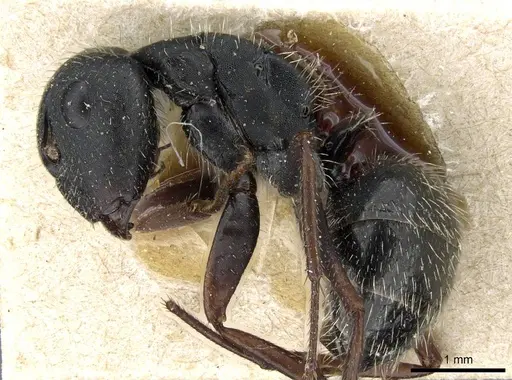
CASENT0905513
View on AntWeb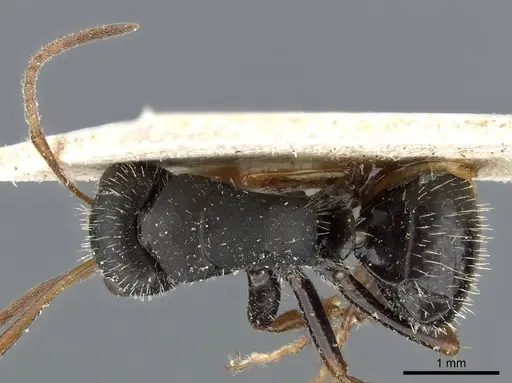
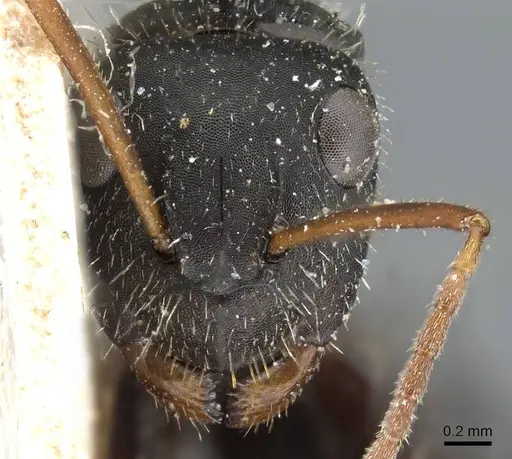
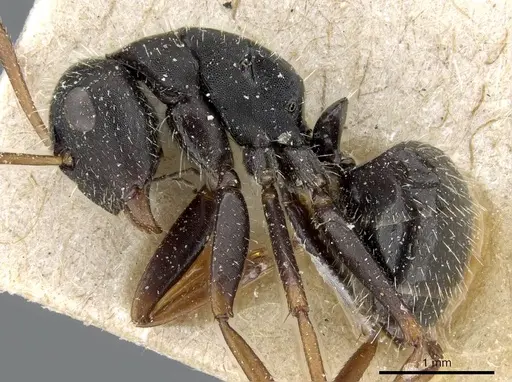
CASENT0910692
View on AntWeb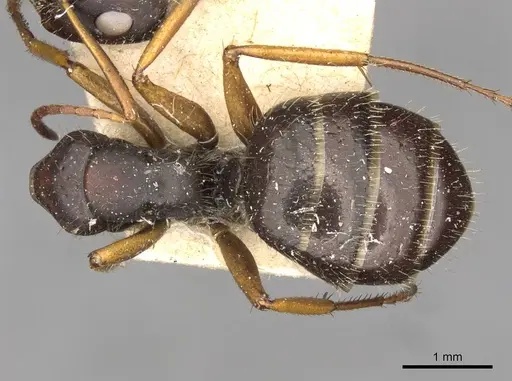
CASENT0911726
View on AntWeb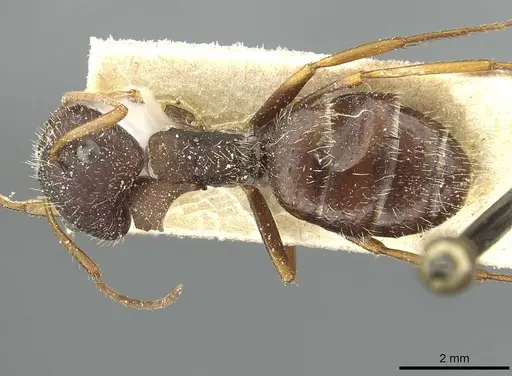
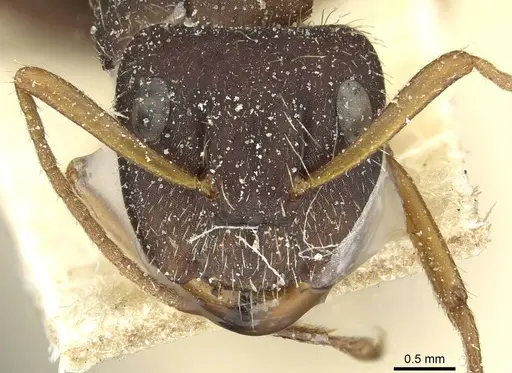
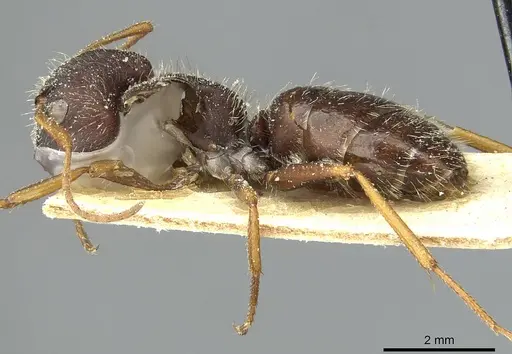
CASENT0911727
View on AntWeb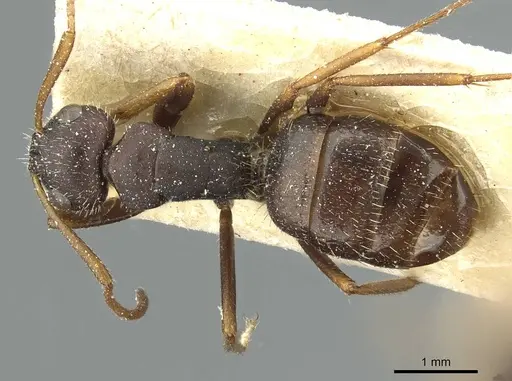
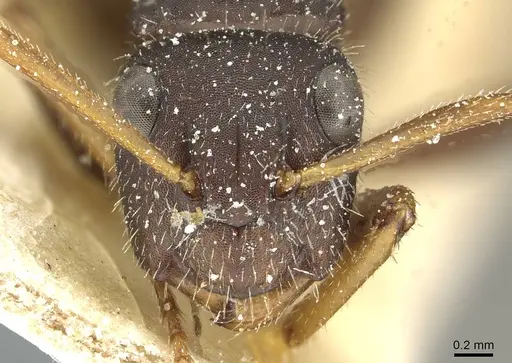
Literature
Loading distribution map...Loading products...