
Camponotus butteli
- Sci. Name
- Camponotus butteli
- Subgenus
- Tanaemyrmex
- Tribe
- Camponotini
- Subfamily
- Formicinae
- Author
- Forel, 1905
- Distribution
- Found in 1 countries
Introduction
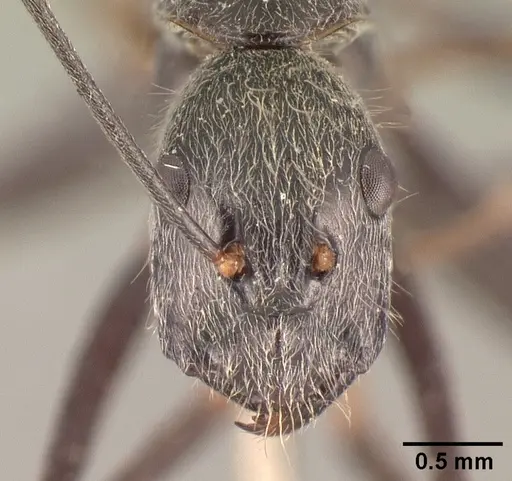
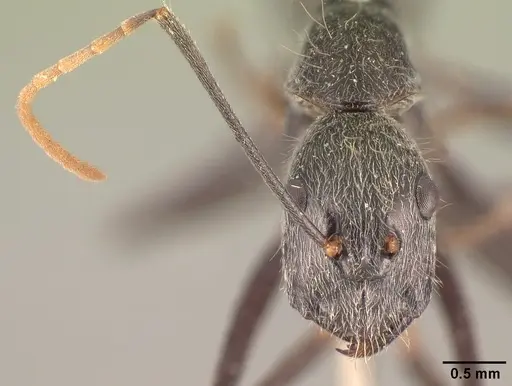
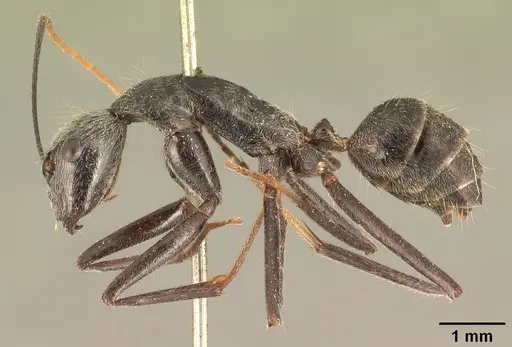
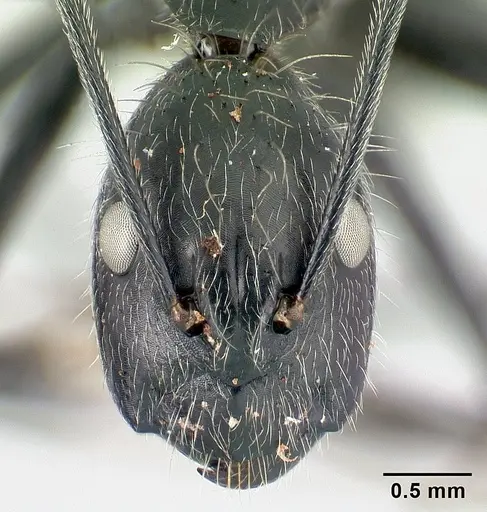
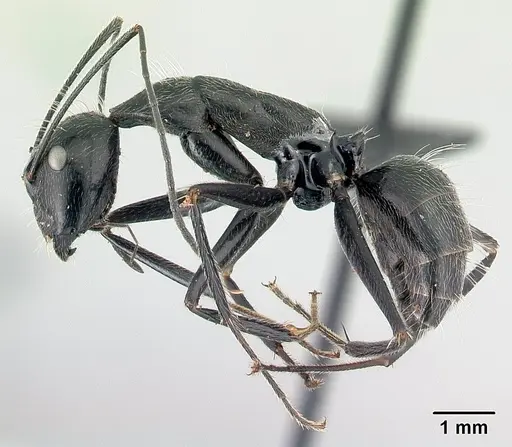
Camponotus butteli is a carpenter ant species endemic to Madagascar, described by Forel in 1905 from a minor worker specimen. It belongs to the subgenus Tanaemyrmex and is closely related to Camponotus nasicus . Workers are dark in color with the characteristic Camponotus body shape - a rounded thorax and distinct pedicel connecting the thorax to the abdomen. This species remains poorly studied, with limited biological data available in scientific literature.
Quick Summary
- Difficulty: Unknown, limited data available
- Origin & Habitat: Endemic to Madagascar, found only in this geographic region [1]. The natural habitat consists of tropical forest environments.
- Colony Type: Unconfirmed, colony structure has not been documented for this species.
- Size & Growth:
- Queen: Size data unavailable, no measurements exist for this species
- Worker: Size data unavailable, only the minor worker holotype was described, with no measurements recorded [1]
- Colony: Unknown, no colony size data available for this species
- Growth: Unknown, development patterns unstudied
- Development: Unknown, no species-specific development data available (Development time unconfirmed for this species)
- Antkeeping:
- Temperature: Keep at 24-28°C, Madagascar is tropical, so they likely prefer warm conditions. A heating cable on one side of the nest creates a suitable gradient.
- Humidity: Moderate to high humidity (60-80%). Keep the nest substrate moist but not waterlogged. Mist occasionally and provide a water source.
- Diapause: No, being a tropical species from Madagascar, they do not require hibernation. Maintain consistent temperatures year-round.
- Nesting: In captivity, standard formicariums work well. They likely prefer nesting in wood or cork in the wild, so a Y-tong or wooden formicarium mimics their natural preferences. Provide dark, secure chambers.
- Behavior: Behavior is unconfirmed for this specific species. As a Camponotus species in the Formicinae subfamily, they lack a functional sting and instead defend by biting and spraying formic acid from their acidopore. Typical Camponotus traits include moderate aggression when defending the nest, nocturnal foraging patterns, and the ability to chew through soft wood to create galleries. They are not aggressive toward keepers but will bite if threatened. Escape risk is moderate, they are not tiny ants but can squeeze through small gaps if determined. Use standard escape prevention measures.
- Common Issues: Limited availability, this species is rarely available in the antkeeping hobby due to its restricted Madagascar distribution, Lack of specific care data means keepers must rely on genus-level guidance rather than species-specific research, Wild-caught colonies may harbor parasites or diseases not yet documented, Temperature sensitivity, being tropical, they may be sensitive to temperature drops, No colony size or development data exists, growth expectations are uncertain
Housing and Nest Preferences
Camponotus butteli can be kept in standard ant housing setups. A test tube setup works well for founding colonies, while established colonies do well in Y-tong nests or wooden formicariums. In the wild, this species likely nests in rotting wood or under bark, so providing wooden or cork nest materials helps them feel at home. Ensure the nest has dark chambers and avoid excessive light exposure, as these ants prefer dim, secure spaces. A small outworld for foraging allows them to search for food and explore.
Feeding and Diet
Like other Camponotus species, C. butteli is omnivorous. They accept sugar sources (honey water, sugar water, ripe fruit) and protein foods (insects, mealworms, small crickets). Carpenter ants are typically nocturnal foragers, so offering food in the evening may improve acceptance. Feed protein 2-3 times per week and keep a constant sugar source available. Remove uneaten food promptly to prevent mold. Since specific dietary preferences are unconfirmed for this species, observe your colony's preferences and adjust accordingly.
Temperature and Seasonal Care
Maintain temperatures between 24-28°C for optimal colony health and development. Being from tropical Madagascar, this species does not tolerate cold well. Use a heating cable or mat on one side of the nest to create a temperature gradient, allowing ants to regulate their own exposure. No hibernation or diapause is required, keep temperatures consistent year-round. Avoid temperatures below 20°C for extended periods, as this can weaken the colony and slow brood development.
Defense Mechanism
As a member of the subfamily Formicinae, Camponotus butteli lacks a functional sting. Their primary defense involves biting the target and spraying a stream of concentrated formic acid from their acidopore into the wound. This is a common defense mechanism across the Camponotini tribe.
Colony Establishment and Growth
Founding colonies should be given time to establish. The queen will seal herself in a claustral chamber and raise the first brood alone. Do not disturb the founding chamber during this period. Once workers are active, you can begin regular feeding. Growth rate is unknown for this species, expect slower development than some faster-growing ant species. Patience is key, as this species may grow more slowly than other Camponotus relatives.
Frequently Asked Questions
How long does it take for Camponotus butteli to produce first workers?
This is unknown, no species-specific development data exists. Based on typical Camponotus patterns, expect first workers approximately 6-10 weeks after the queen lays eggs, assuming optimal temperatures around 24-28°C. However, this is an estimate and may not be accurate for this species.
What temperature should I keep Camponotus butteli at?
Keep them at 24-28°C. Being from tropical Madagascar, they prefer warm conditions. A heating cable on part of the nest creates a gradient that allows the ants to self-regulate their temperature preferences.
Can I keep multiple Camponotus butteli queens together?
This is not recommended. While specific data is lacking, Camponotus species are typically monogyne (single-queen colonies). Combining unrelated queens often leads to fighting and colony failure.
What do Camponotus butteli eat?
They are omnivorous like other carpenter ants. Offer sugar water or honey regularly as an energy source, and provide protein such as small insects (mealworms, fruit flies, small crickets) 2-3 times per week. Observe your colony's preferences and adjust feeding accordingly.
Does Camponotus butteli need hibernation?
No. As a tropical species from Madagascar, they do not require hibernation or a winter rest period. Maintain consistent warm temperatures year-round (24-28°C) for optimal colony health.
Are Camponotus butteli good for beginners?
This species is not commonly available in the antkeeping hobby due to its restricted Madagascar distribution. Care is similar to other Camponotus species, but the lack of species-specific data means keepers must rely on genus-level guidance.
How big do Camponotus butteli colonies get?
Colony size is unknown for this specific species. No data exists on maximum colony size. Their growth rate is unconfirmed, so large colonies may take several years to develop with proper care.
What size formicarium should I use for Camponotus butteli?
Start with a test tube setup for founding colonies. Once the colony reaches 20-30 workers, you can move them to a small Y-tong or wooden formicarium. Provide appropriately sized chambers, too large a space can stress the colony. Expand to larger housing as the colony grows.
Why is my Camponotus butteli colony not growing?
Common causes include: temperatures below optimal range (below 24°C), insufficient protein in diet, too much disturbance to the nest, low humidity, or the queen may have died. Review your care conditions and make adjustments. Since no species-specific development data exists, be patient, some colonies simply take time to establish.
Report an Issue
The current care sheet is based fully on literature. See inconsistencies, or something that's incorrect? Please , it will be resolved after review from an admin. Contributing to the blogs tab also helps providing information, to make us be able to further improve the caresheets. Thank you for your support!
References

This caresheet is licensed under CC BY-SA 4.0 .
Community Blogs
CASENT0101854
View on AntWeb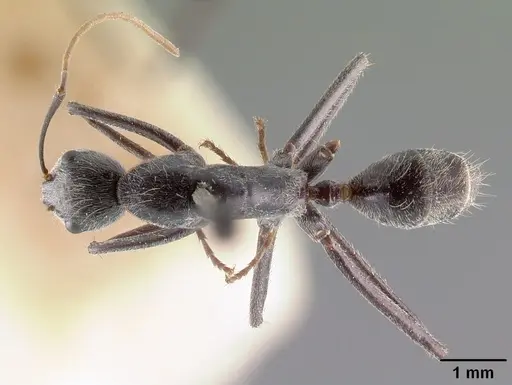
CASENT0486980
View on AntWeb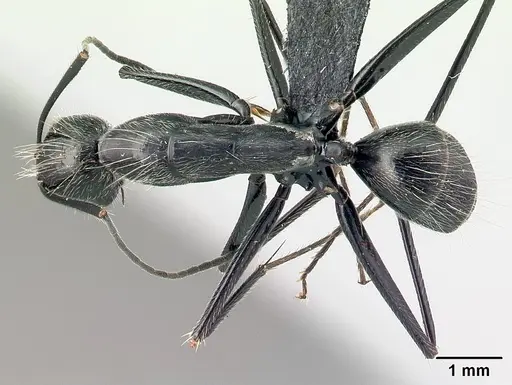
Literature
Loading distribution map...Loading products...