
Camponotus buchneri
- Sci. Name
- Camponotus buchneri
- Subgenus
- Phasmomyrmex
- Tribe
- Camponotini
- Subfamily
- Formicinae
- Author
- Forel, 1886
- Distribution
- Found in 5 countries
Introduction
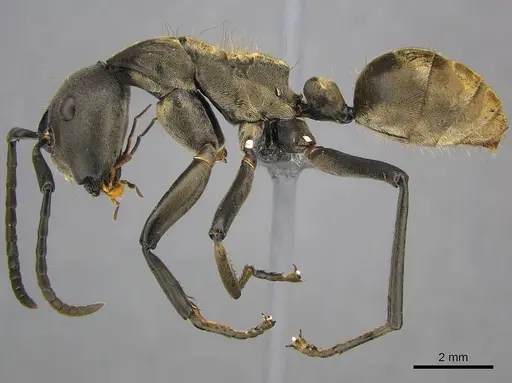
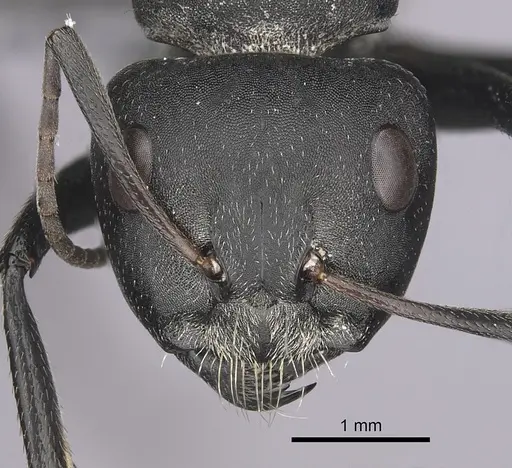
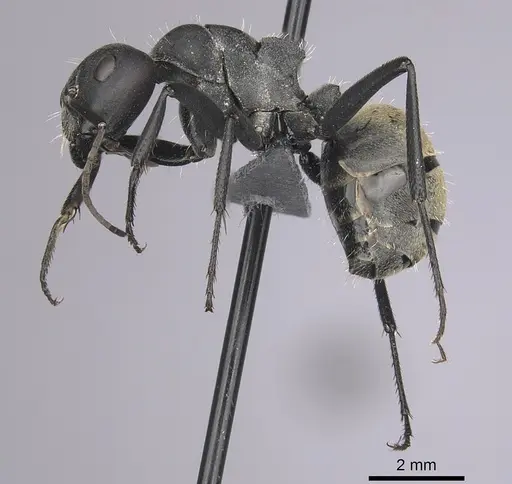
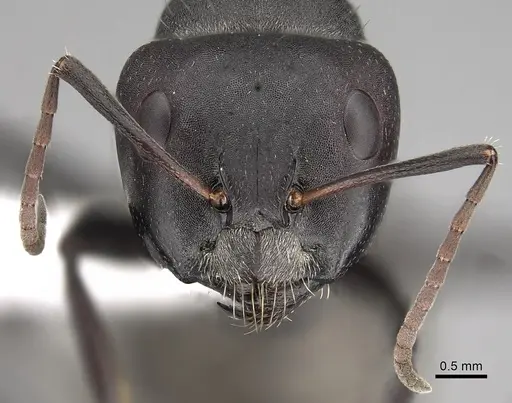
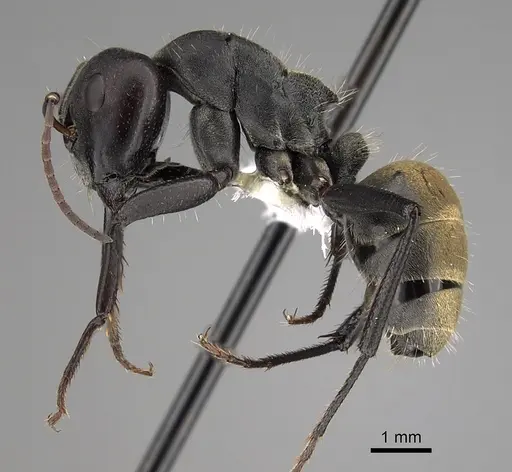
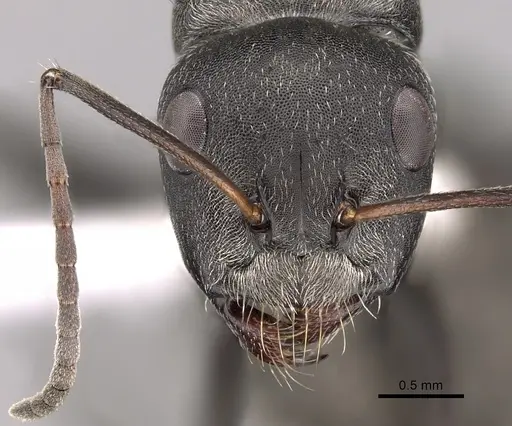
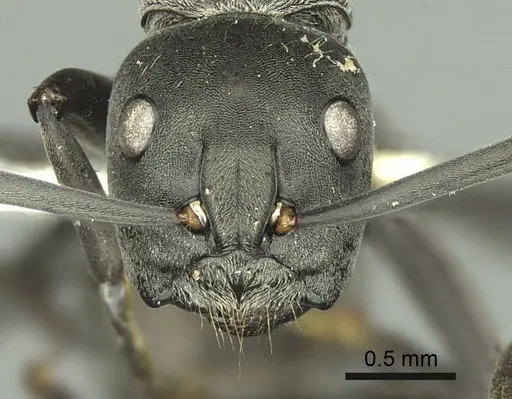
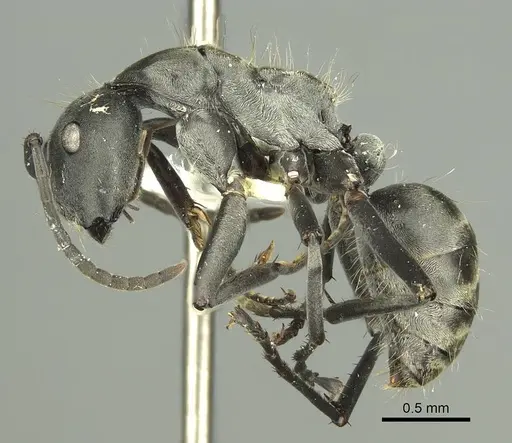
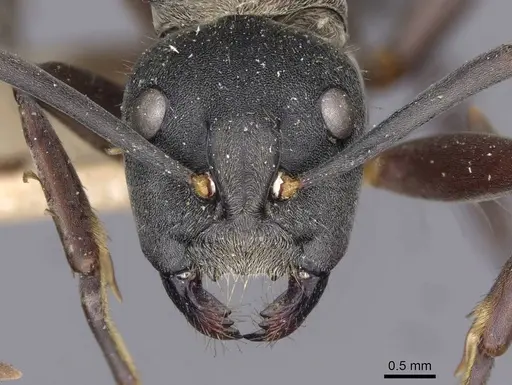
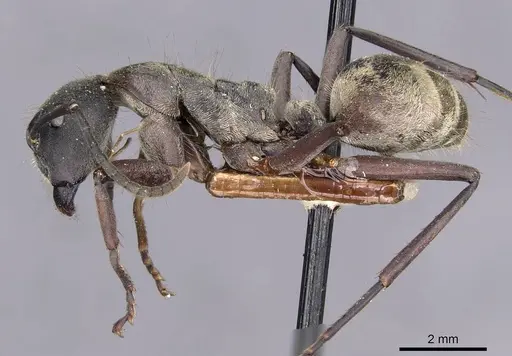
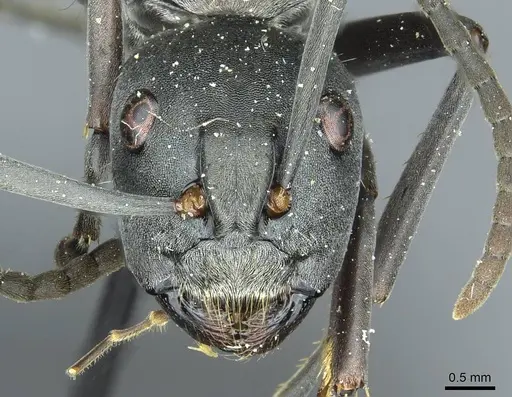
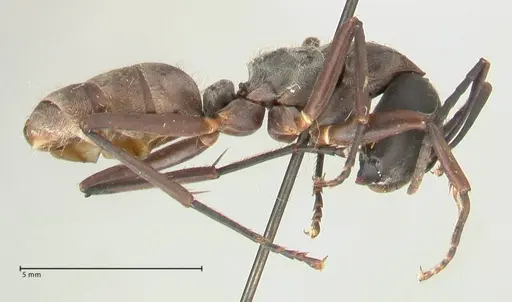
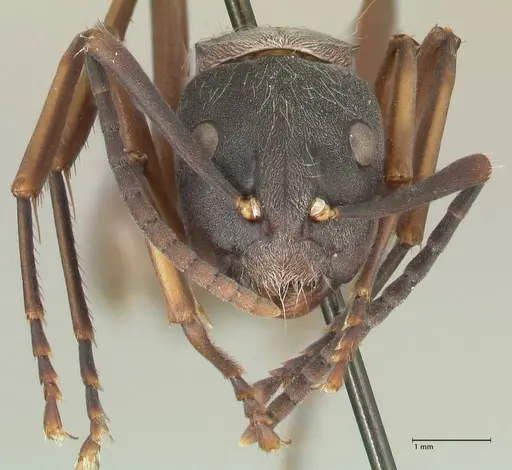
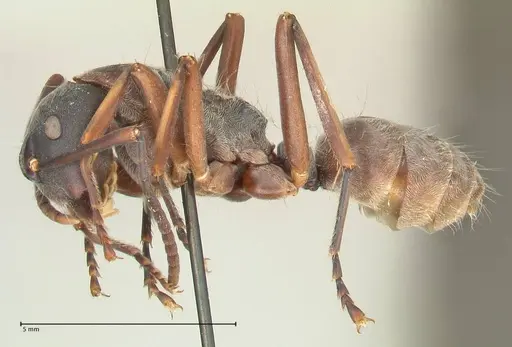
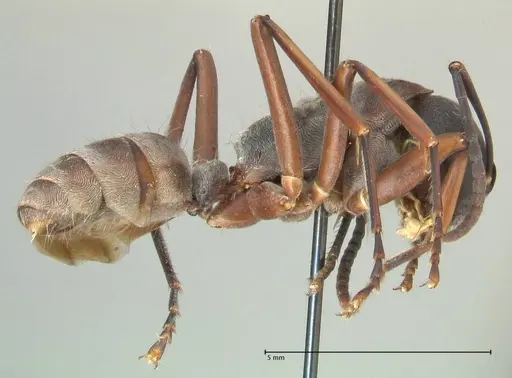
Camponotus buchneri is an African carpenter ant species native to the Democratic Republic of Congo. It has been recorded in multiple provinces including Equatorial (EQ), Haut-Lomami (HU), Kasaï (KS), Maniema (MA), and Tshopo (TO) . Originally classified under Phasmomyrmex, taxonomic revisions have placed it within the genus Camponotus under the subgenus Phasmomyrmex . This is a tropical species from central Africa. Workers display the typical Carpenter Ant body plan with a distinct mesosoma and smooth gaster. As a Formicine ant, they lack a functional sting and instead bite and spray formic acid as defense.
Quick Summary
- Difficulty: Medium
- Origin & Habitat: Democratic Republic of Congo, tropical central Africa. Found in multiple provinces across the country [1].
- Colony Type: Colony structure is unconfirmed.
- Size & Growth:
- Queen: Size data unavailable for this species, inferred from typical Camponotus queen size range
- Worker: Size data unavailable for this species, inferred from typical Camponotus worker size range
- Colony: Unknown for this species
- Growth: Growth rate is unconfirmed
- Development: Development timeline is unconfirmed for this species (No species-specific development data available)
- Antkeeping:
- Temperature: Keep nest area warm. As a tropical species from central Africa, they prefer warm conditions. A temperature gradient around 22-26°C is recommended based on typical tropical ant requirements
- Humidity: Maintain moderate to high humidity. Tropical forest species typically require more humidity than temperate species. Keep nest substrate consistently moist but not waterlogged
- Diapause: Unlikely to require hibernation. As a tropical species from central Africa, they should be kept at stable warm temperatures year-round
- Nesting: In captivity, standard Camponotus setups work well. Y-tong (AAC) nests, plaster nests, or test tube setups with multiple chambers suit their needs. Provide a dark nesting area with stable humidity
- Behavior: Typical Carpenter Ant temperament, generally docile. Workers will recruit nestmates to food sources. As a tropical species, they are active year-round. Escape risk is moderate, use standard escape prevention (fluon barriers on smooth surfaces).
- Common Issues: tropical species can be sensitive to temperature drops, sudden cooling can stress colonies, humidity management is important, too dry may cause brood issues, too wet risks mold, lack of species-specific care data means keepers must adapt from genus-level knowledge, wild-caught colonies may carry parasites, this species has been documented as host to Ophiocordyceps unilateralis fungus in Africa [4]
Natural History and Distribution
Camponotus buchneri is endemic to the Democratic Republic of Congo in central Africa. The species has been recorded across multiple provinces including Equatorial, Haut-Lomami, Kasaï, Maniema, and Tshopo [1]. Originally described under the genus Phasmomyrmex, taxonomic revisions have placed it within Camponotus under the subgenus Phasmomyrmex [2][3]. In its natural habitat, this species likely nests in rotting wood or within soil cavities, typical of Carpenter Ant nesting preferences. The tropical climate of its range (consistent warmth and humidity year-round) shapes its care requirements in captivity.
Temperature Requirements
As a tropical species from central Africa, Camponotus buchneri requires warm temperatures to thrive. Keep the nest area between 22-26°C consistently. Temperature drops below 20°C can stress the colony and slow or halt brood development. Use a heating cable or heating mat placed on top of the nest to maintain warmth. Create a temperature gradient so workers can move between warmer and cooler areas. Monitor with a digital thermometer placed near the nest.
Humidity Management
This species requires moderate to high humidity levels, reflecting its origins in tropical African forests. Keep the nest substrate consistently moist but avoid waterlogging. Some variation is acceptable, slightly drier areas allow ants to regulate their own moisture exposure. Condensation on nest walls is often beneficial. However, excessive moisture leads to mold problems. Use ventilation to prevent stagnant air while maintaining humidity.
Feeding and Nutrition
Camponotus buchneri is an omnivorous Carpenter Ant that accepts both sugar and protein sources. Provide a constant sugar water or honey water source. For protein, offer insects such as mealworms, crickets, or other small arthropods. Feed protein prey several times per week, adjusting based on colony size and consumption. Remove uneaten prey after 24-48 hours to prevent mold. Fresh water should always be available.
Colony Development
Colony growth follows typical Camponotus patterns. The claustral queen seals herself in a chamber and raises her first brood using stored fat reserves. The first workers are typically smaller than mature workers and emerge after several months. Growth is slow initially. Full maturity with thousands of workers takes several years. Patience is essential during the founding phase.
Nesting Preferences
In captivity, Camponotus buchneri does well in standard formicarium setups suited to their size. Y-tong (AAC) nests work well, providing dark chambers with stable humidity. Plaster nests with water reservoirs maintain moisture levels. Test tube setups with multiple connected tubes can work for smaller colonies. The nest should be dark and provide chambers sized appropriately for the colony size. Include an outworld area for foraging and feeding.
Defense Mechanism
As a member of the subfamily Formicinae, Camponotus buchneri lacks a functional sting. The primary defense mechanism is biting the target and spraying a stream of concentrated formic acid from an acidopore into the wound. This species is generally docile and not aggressive toward keepers.
Frequently Asked Questions
How long does it take for Camponotus buchneri to produce first workers?
Development timeline is unconfirmed for this species. Based on typical Camponotus patterns, first workers may emerge after several months, but no specific data is available.
What temperature do Camponotus buchneri ants need?
Keep them at 22-26°C consistently. This tropical African species requires warm conditions year-round.
Do Camponotus buchneri ants need hibernation?
No. As a tropical species from central Africa, they do not require hibernation. Keep them at warm temperatures year-round.
What do Camponotus buchneri ants eat?
They are omnivores. Provide constant sugar water or honey water, and offer protein sources like mealworms, crickets, or other insects several times per week.
How big do Camponotus buchneri colonies get?
Colony size is not documented for this species. Based on typical Camponotus patterns, colonies may reach several thousand workers over several years.
Is Camponotus buchneri a good species for beginners?
This species is rated Medium difficulty. The lack of species-specific care data means keepers should have some experience with Carpenter Ants before attempting this species.
Can I keep multiple Camponotus buchneri queens together?
Colony structure is unconfirmed for this species. Based on typical Camponotus behavior, single-queen colonies are most likely. Combining unrelated queens is not recommended without documented evidence of pleometrosis in this species.
When should I move Camponotus buchneri to a formicarium?
Keep newly caught or purchased colonies in a test tube setup until they reach 30-50 workers. At this point, they typically benefit from moving to a proper formicarium with more space.
Why is my Camponotus buchneri colony not growing?
Common causes include: temperature too low, humidity too low or too high, insufficient protein, or disturbance during founding. Check all parameters and ensure the queen is healthy and laying eggs.
Report an Issue
The current care sheet is based fully on literature. See inconsistencies, or something that's incorrect? Please , it will be resolved after review from an admin. Contributing to the blogs tab also helps providing information, to make us be able to further improve the caresheets. Thank you for your support!
References

This caresheet is licensed under CC BY-SA 4.0 .
Community Blogs
CASENT0250083
View on AntWeb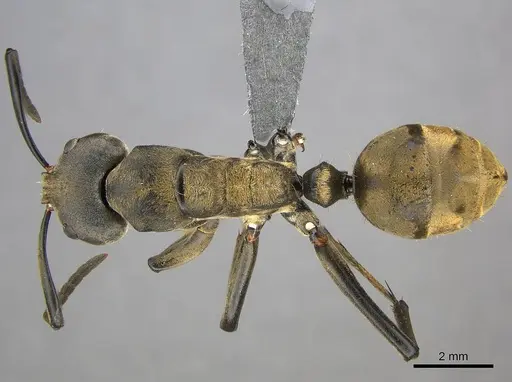
CASENT0264324
View on AntWeb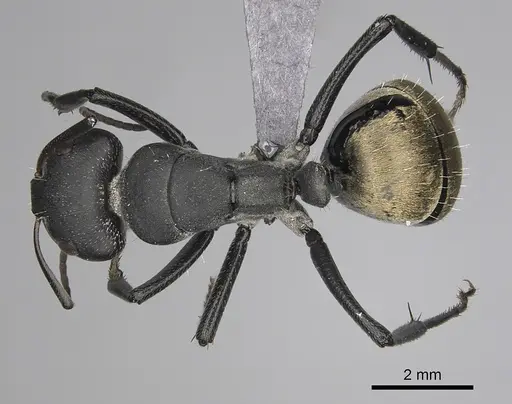
CASENT0280275
View on AntWeb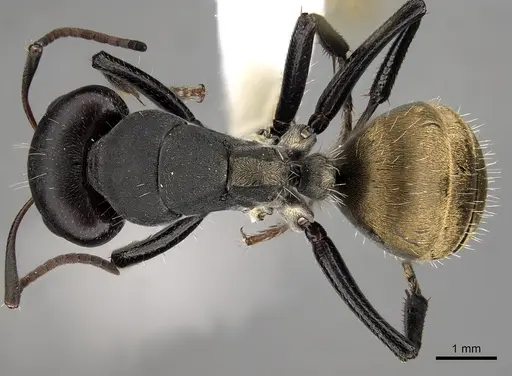
CASENT0280276
View on AntWeb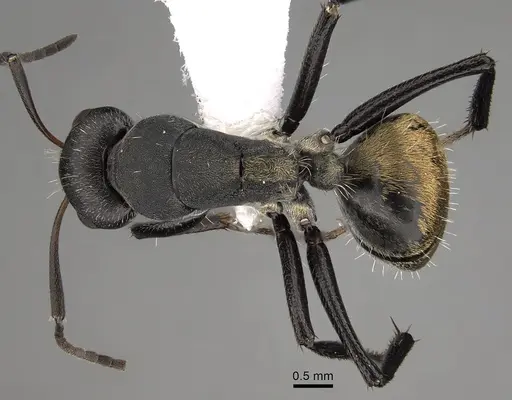
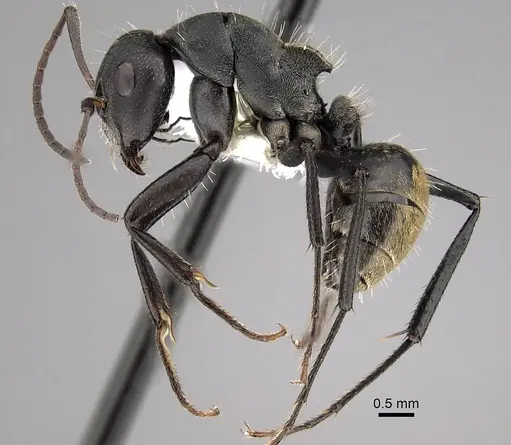
CASENT0317022
View on AntWeb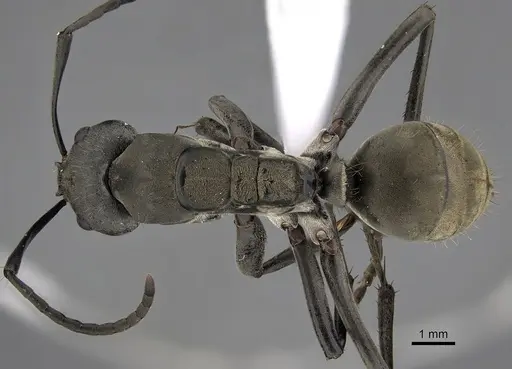
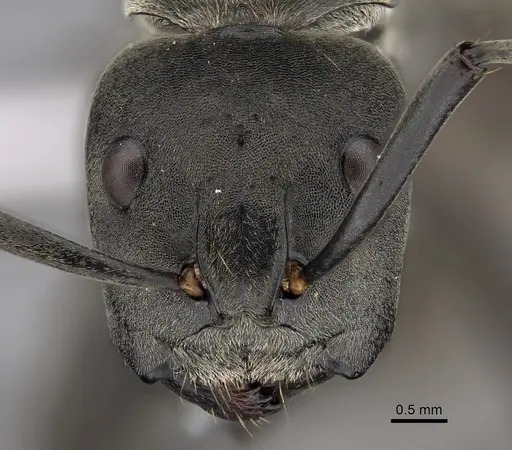
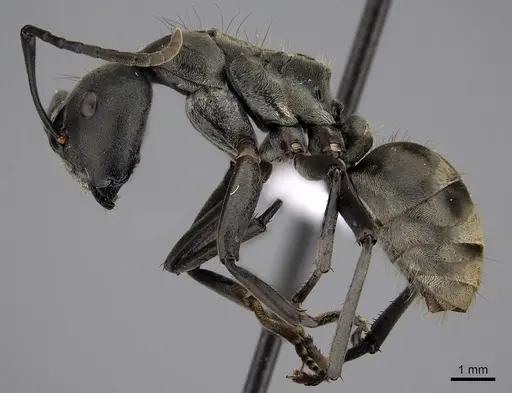
CASENT0317023
View on AntWeb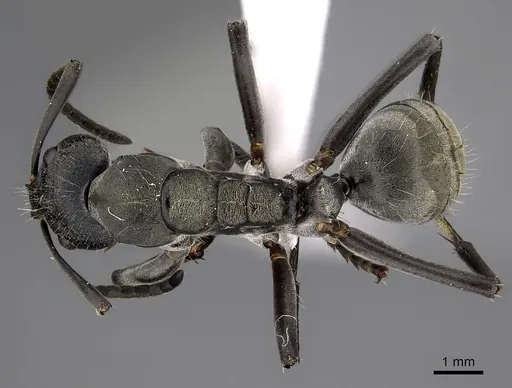
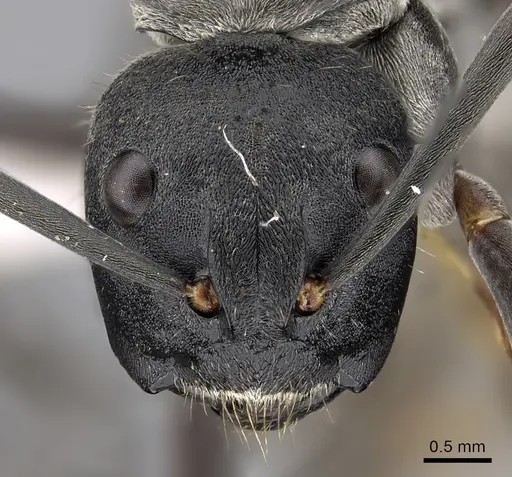
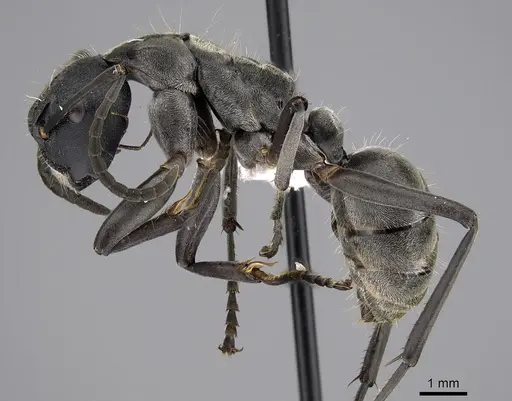
CASENT0900320
View on AntWeb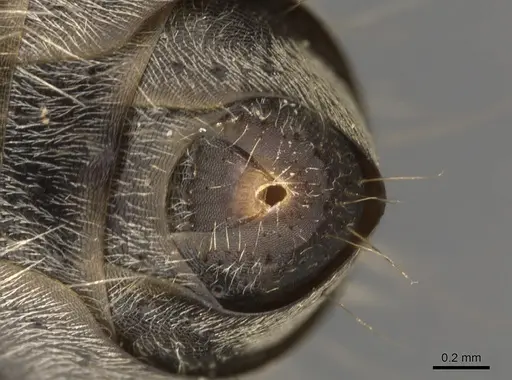
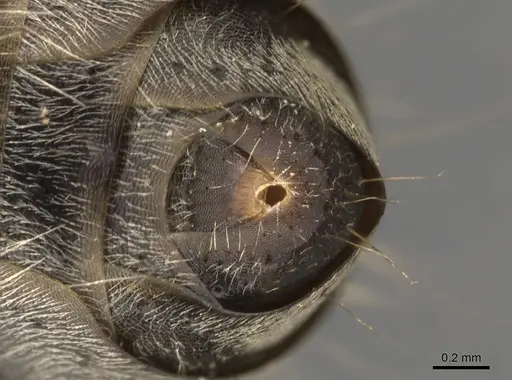
CASENT0900950
View on AntWeb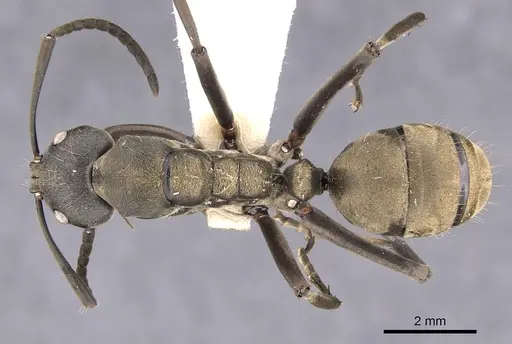
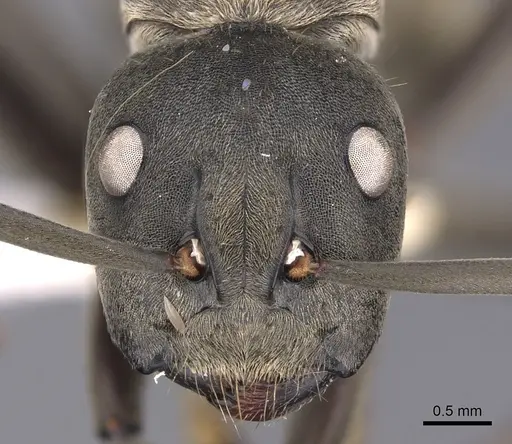
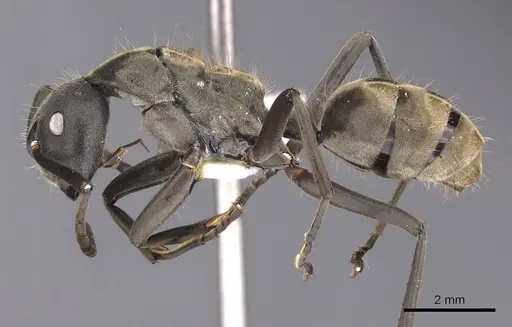
CASENT0905181
View on AntWeb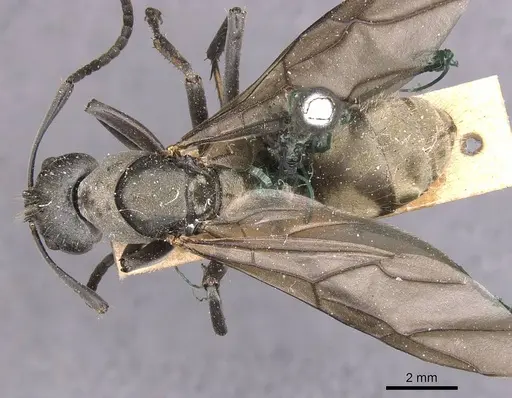
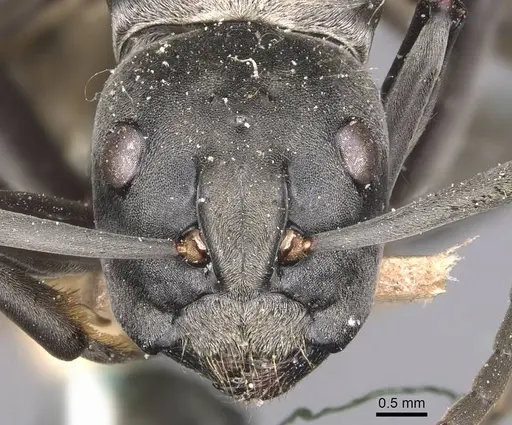
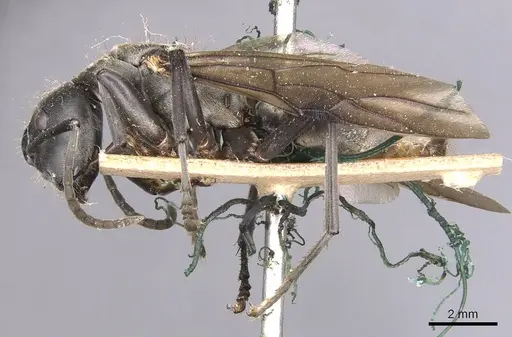
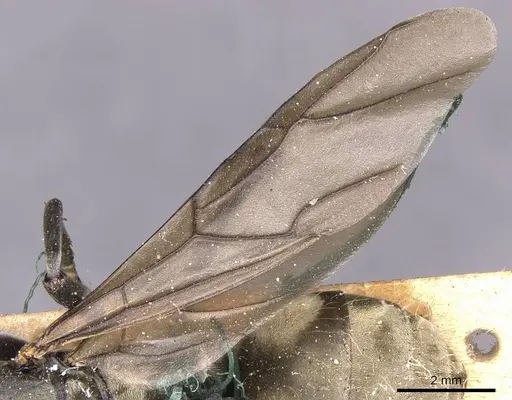
CASENT0906848
View on AntWeb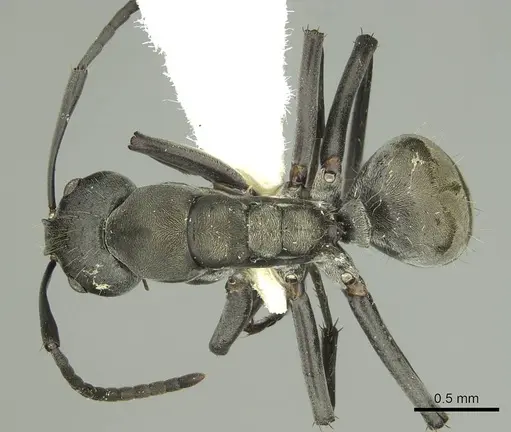
CASENT0909946
View on AntWeb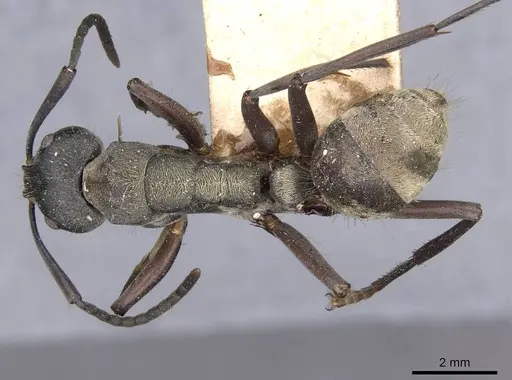
CASENT0912090
View on AntWeb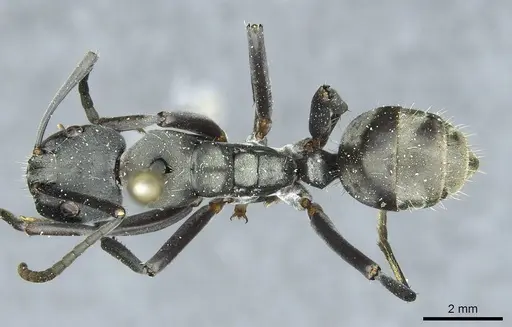
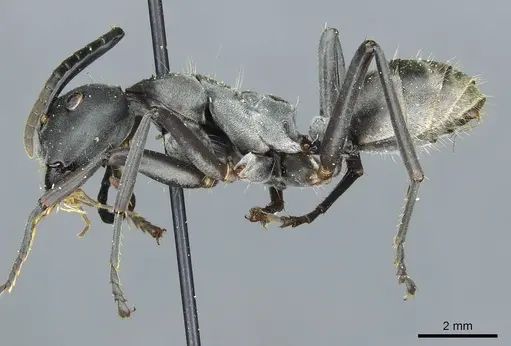
FOCOL2314
View on AntWeb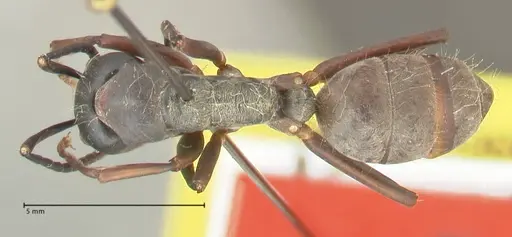
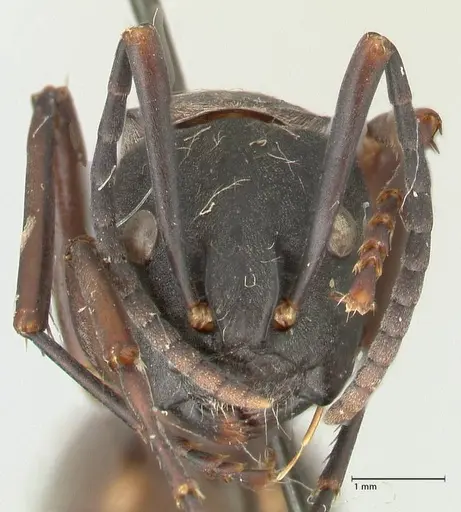
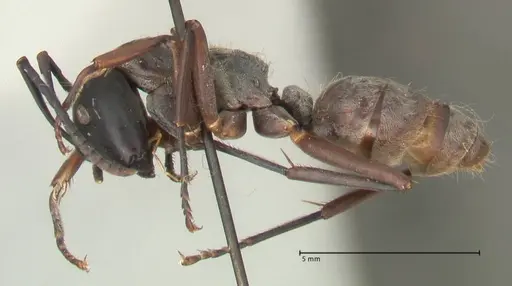
FOCOL2315
View on AntWeb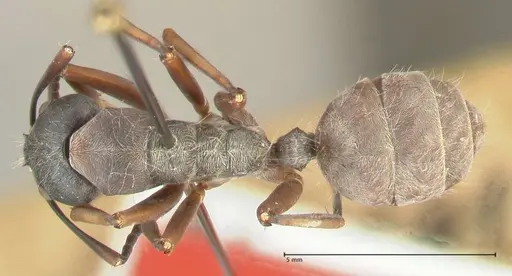
Literature
Loading distribution map...Loading products...