
Camponotus branneri
- Sci. Name
- Camponotus branneri
- Tribe
- Camponotini
- Subfamily
- Formicinae
- Author
- Mann, 1916
- Distribution
- Found in 1 countries
Introduction
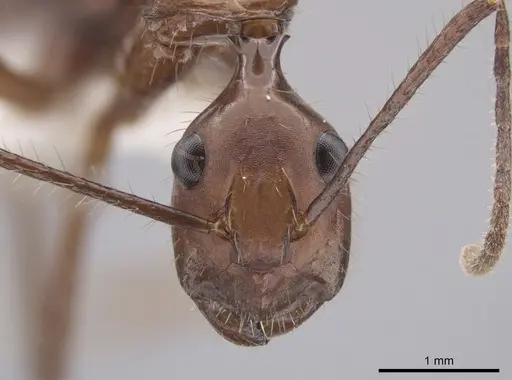
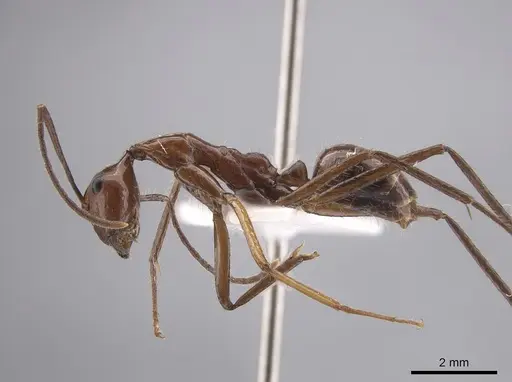
Camponotus branneri is a Neotropical ant species originally described from the Brazilian Amazon (Mato Grosso, now Rondônia) and also found in Peru and Ecuador. Workers are polymorphic - minor workers are smaller while major workers (soldiers) have larger heads for defense and food processing. The species was originally classified as Dendromyrmex branneri before being reclassified to Camponotus in 1976. This is a poorly documented species with limited scientific study, so much of what we know comes from genus-level patterns rather than direct research on this specific species [AntWiki].
Quick Summary
- Difficulty: Medium
- Origin & Habitat: Native to the Amazon basin in South America, found in Brazil, Peru, and Ecuador. In the wild, they likely nest in rotting wood or under bark in the humid tropical forest [1][3].
- Colony Type: Colony structure is unconfirmed. Based on typical Camponotus patterns, likely monogyne (single queen colonies). Colonies have polymorphic workers with distinct minor and major castes [1].
- Size & Growth:
- Queen: size data unavailable
- Worker: size data unavailable, no specific measurements in scientific literature
- Colony: Unknown, no colony size studies exist for this species
- Growth: Moderate, based on typical Camponotus development patterns
- Development: Estimated 6-10 weeks based on genus-level Camponotus data (Direct development data unavailable, estimate based on related Amazonian Camponotus species at optimal tropical temperatures (25-28°C))
- Antkeeping:
- Temperature: Keep at 24-28°C, these are tropical ants from the Amazon basin that prefer warm, stable conditions
- Humidity: High humidity (70-80%), mimic the humid tropical forest environment. Keep nest substrate moist but not waterlogged
- Diapause: No, as a tropical species, they do not require hibernation. Maintain warm conditions year-round
- Nesting: Provide a nest in rotting wood or a well-humidified formicarium. Y-tong nests or plaster nests with good moisture retention work well. They prefer dark, humid chambers
- Behavior: Polymorphic workers, majors defend the colony and help process seeds while minors forage. They are moderate foragers that search for honeydew and protein. Escape prevention should be good as they are medium-sized ants, but always use barrier tape as a precaution. Temperament is typical of Camponotus, generally calm but will defend the nest if threatened. As Formicinae, they lack a functional sting and instead spray formic acid from their acidopore after biting.
- Common Issues: limited scientific data means care recommendations are based on genus patterns rather than species-specific research, tropical humidity requirements can lead to mold issues if ventilation is poor, warm temperature needs year-round can increase costs for keepers in temperate climates, establishing a colony from a single queen may take longer due to unknown founding behavior
Housing and Nest Preferences
Camponotus branneri is a tropical species that thrives in humid, warm conditions. In captivity, they do well in Y-tong nests or plaster nests that can hold moisture. The nest should have multiple chambers of varying sizes to accommodate the polymorphic worker castes, majors need larger spaces. Keep the nest dark as these are forest-dwelling ants that prefer dim conditions. An outworld for foraging allows workers to search for food away from the nest chambers. Ensure the formicarium has good humidity retention while still allowing some ventilation to prevent mold. [1]
Feeding and Diet
Based on typical Camponotus behavior, these ants are omnivorous. They will readily accept sugar sources like honey water or sugar water as their primary energy source. For protein, offer small insects like fruit flies, mealworms, or crickets. Major workers may help process harder foods. Feed sugar water constantly (every 2-3 days) and protein 2-3 times per week. Remove uneaten food promptly to prevent mold. Some Amazonian Camponotus species also collect honeydew from aphids, so offering a sugar source is important.
Temperature and Humidity Requirements
As a species from the Amazon basin, C. branneri needs warm, humid conditions. Maintain temperatures between 24-28°C year-round, they do not tolerate cool conditions. Use a heating cable on one side of the nest if your room temperature is below this range. Humidity should stay around 70-80%. Keep the nest substrate consistently moist but not flooded. A water reservoir connected to the nest helps maintain stable humidity. Do not let the nest dry out, these tropical ants are not drought tolerant.
Colony Development and Growth
Direct development data for this species does not exist in scientific literature. Based on typical Camponotus patterns, expect 6-10 weeks from egg to first worker (nanitics) at optimal temperatures. Colonies grow moderately fast once established, with major workers appearing as the colony reaches several dozen workers. The queen will lay eggs continuously in warm conditions. Growth rate depends heavily on feeding consistency and temperature stability.
Behavior and Defense
This species has polymorphic workers, minor workers handle most foraging and brood care while major workers defend the colony and help process larger food items. As members of the subfamily Formicinae, they lack a functional sting. Instead, they defend by biting and spraying concentrated formic acid from their acidopore into the wound. Workers are moderately active and will search the outworld for food. They are not aggressive toward the keeper but will defend their nest if disturbed. Use standard escape prevention (Fluon or barrier tape) though they are not particularly prone to escaping.
Frequently Asked Questions
How long does it take for Camponotus branneri to have first workers?
Based on typical Camponotus development, expect first workers (nanitics) in 6-10 weeks at optimal temperatures of 25-28°C. Direct data for this species does not exist.
What do Camponotus branneri ants eat?
They are omnivorous. Feed them sugar water or honey as a constant energy source, and protein like small insects (fruit flies, mealworms, crickets) 2-3 times per week.
What temperature do Camponotus branneri need?
Keep them warm at 24-28°C year-round. These tropical Amazon ants do not tolerate cool temperatures and do not need hibernation.
Are Camponotus branneri good for beginners?
This species is rated Medium difficulty. While they are not difficult to keep, limited species-specific information means keepers should have some experience with tropical ant species.
How big do Camponotus branneri colonies get?
Colony size is unknown as no scientific studies exist. Based on genus patterns, expect colonies of several hundred workers over time.
Do Camponotus branneri need hibernation?
No, as a tropical species from the Amazon basin, they do not require hibernation. Keep them warm year-round.
What humidity level do Camponotus branneri need?
High humidity around 70-80%. Keep the nest substrate consistently moist but not waterlogged. These are forest-dwelling ants that need humid conditions.
Can I keep multiple Camponotus branneri queens together?
Not recommended. Based on typical Camponotus behavior, they are likely monogyne (single queen) species. Combining unrelated queens has not been studied for this species.
When to move Camponotus branneri to a formicarium?
Move from test tube to a proper nest once the colony reaches 20-30 workers and the test tube shows signs of drying or crowding.
Report an Issue
The current care sheet is based fully on literature. See inconsistencies, or something that's incorrect? Please , it will be resolved after review from an admin. Contributing to the blogs tab also helps providing information, to make us be able to further improve the caresheets. Thank you for your support!
References

This caresheet is licensed under CC BY-SA 4.0 .
Community Blogs
CASENT0658005
View on AntWeb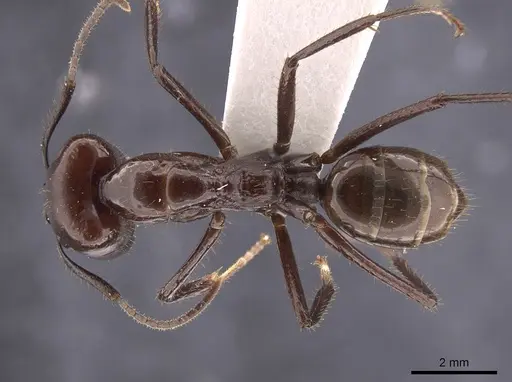
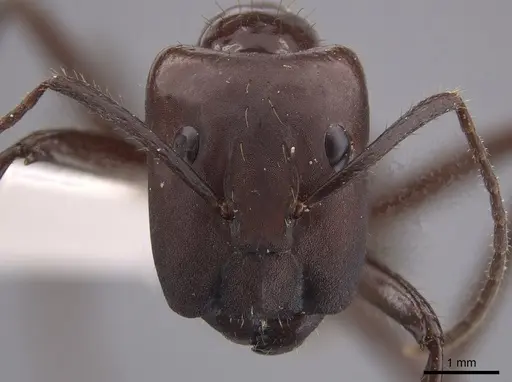
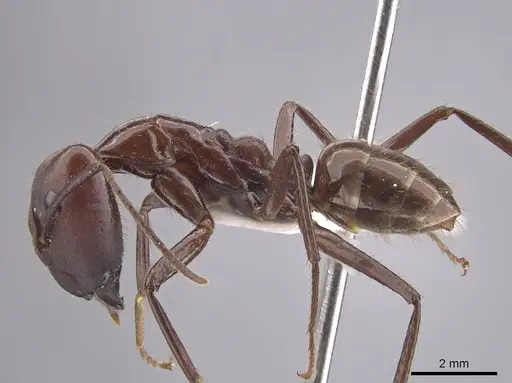
CASENT0658977
View on AntWeb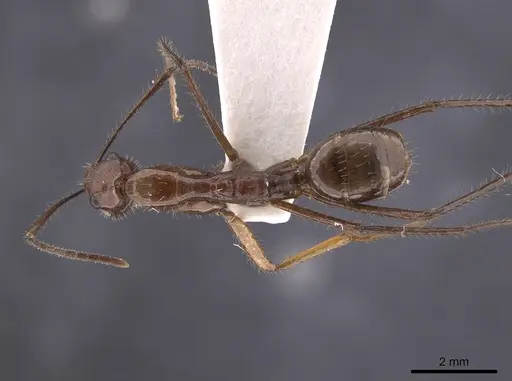
Literature
Loading distribution map...Loading products...