
Camponotus borellii
- Sci. Name
- Camponotus borellii
- Subgenus
- Tanaemyrmex
- Tribe
- Camponotini
- Subfamily
- Formicinae
- Author
- Emery, 1894
- Distribution
- Found in 1 countries
Introduction
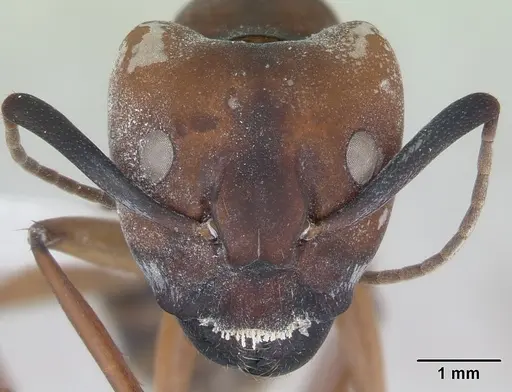
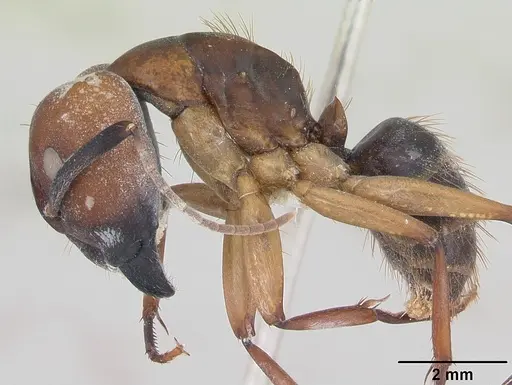
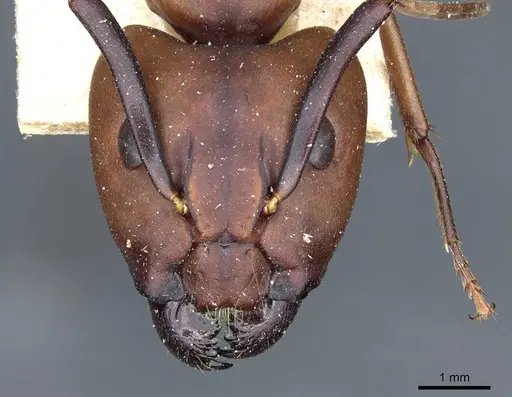
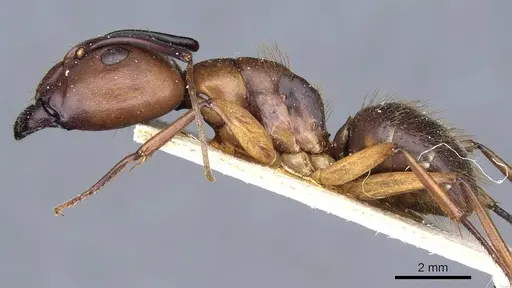
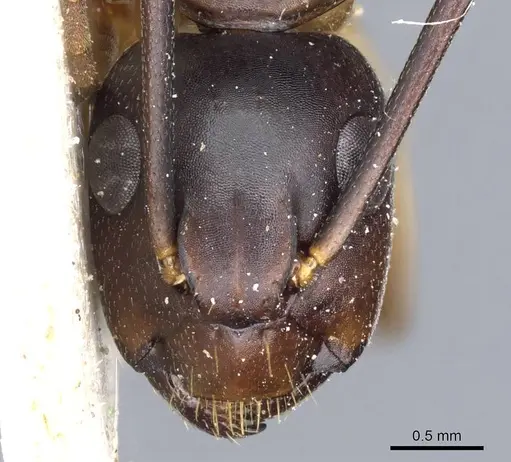
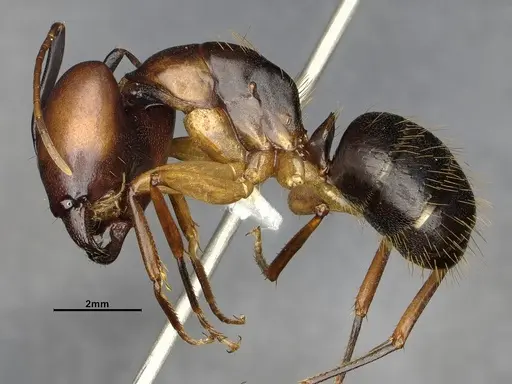
Camponotus borellii is a Neotropical ant species native to Argentina and Paraguay, belonging to the Formicinae subfamily. Workers are variable in size, with major workers significantly larger than minors - a typical trait of Camponotus. The species was originally described as a subspecies of Camponotus maculatus but was later elevated to full species status. They belong to the subgenus Tanaemyrmex, which includes many large, robust carpenter ants known for their omnivorous diet and tendency to nest in wood. This species has been documented in the Caldenal district of Argentina and the La Pampa region, indicating preference for grassland ecosystems in the Neotropical region .
Quick Summary
- Difficulty: Easy
- Origin & Habitat: Native to Argentina and Paraguay, found in the Caldenal district and La Pampa region. They inhabit grassland and savanna ecosystems in the Neotropical region [1][2].
- Colony Type: Colony type is unconfirmed. Based on typical Camponotus patterns, likely single-queen colonies, but this has not been specifically documented for this species.
- Size & Growth:
- Queen: Size data unavailable, inferred from Camponotus genus patterns to be approximately 12-16mm
- Worker: Major workers approximately 8-12mm, minor workers approximately 5-7mm, typical for Camponotus species in the C. maculatus group
- Colony: Likely reaches several thousand workers at maturity based on genus patterns
- Growth: Moderate
- Development: Estimated 6-10 weeks at optimal temperature based on typical Camponotus development (Development time depends on temperature, warmer conditions within safe range accelerate development)
- Antkeeping:
- Temperature: Keep at room temperature, ideally 20-26°C. A heating cable on one side of the nest creates a gradient allowing ants to self-regulate.
- Humidity: Moderate humidity is sufficient. Keep nest substrate slightly moist but allow portions to dry between waterings. These ants come from regions with seasonal rainfall patterns.
- Diapause: May benefit from a mild winter rest period (reduced temperatures to 15-18°C for 2-3 months) but this is not strictly required for survival. Specimens were collected during April, May, and June 2008, suggesting some seasonal activity reduction [2].
- Nesting: In captivity, they do well in Y-tong (AAC), plaster, or soil nests. Provide narrow chambers suitable for their size. They are not arboreal, they will use ground-level nests readily.
- Behavior: Generally calm and non-aggressive toward keepers. Like most Camponotus, they are primarily nocturnal foragers. Workers are robust and can bite if provoked, then spray formic acid from their acidopore into the wound, this is the typical defense mechanism for Formicinae ants. They are moderate escape artists, ensure your formicarium has tight-fitting lids and consider barrier methods like fluon on edges. They forage for honeydew, nectar, and insect prey.
- Common Issues: colonies can stall if temperatures drop too low for extended periods, test tube setups work well for founding but need upgrading to formicarium as colony grows, overfeeding can lead to mold in nest chambers, remove uneaten prey promptly, wild-caught colonies may contain parasites, quarantine and observe new colonies, major workers are impressive but smaller minors do most of the day-to-day work
Housing and Nest Setup
Camponotus borellii adapts well to various captive setups. For founding colonies, a standard test tube setup works perfectly, the queen seals herself in and raises her first brood in a simple chamber. Once the colony reaches 20-30 workers, consider upgrading to a proper formicarium. Y-tong (AAC) nests are excellent for this species because they provide appropriate chamber sizes and allow you to observe the colony easily. Plaster nests also work well, providing natural moisture regulation. Whatever setup you choose, ensure there is a water chamber or moisture source that allows the ants to control their own humidity. These ants are not climbers like some arboreal species, they do fine in horizontal or low-profile nests. [1]
Feeding and Diet
As omnivorous carpenter ants, Camponotus borellii accepts a wide variety of foods. Their diet should include both carbohydrates and protein. For carbohydrates, offer sugar water, honey, or diluted maple syrup, these ants readily accept sweet liquids and will form a feeding frenzy around a drop of honey. For protein, provide insects like mealworms, small crickets, or fruit flies. In the wild, they likely tend aphids or collect honeydew from sap-sucking insects, so replicating this with sugar sources keeps them healthy. Feed protein prey 2-3 times per week, and keep a constant sugar source available. Remove uneaten prey after 24 hours to prevent mold issues.
Temperature and Seasonal Care
These Argentine ants prefer moderate temperatures in the low-to-mid 20s Celsius. Room temperature (around 20-24°C) is usually sufficient for healthy colony development. If your home runs cool, a heating cable placed on one side of the nest can create a beneficial temperature gradient, the ants will move to their preferred warmth. Avoid temperatures above 30°C as this can stress the colony. Regarding seasonal care, while not strictly required to hibernate, a slight reduction in temperature during winter months (dropping to 15-18°C for 2-3 months) may support natural colony cycles and promote healthier brood development in spring. This aligns with observations of reduced activity in cooler months, specimens were collected during April, May, and June 2008 [2].
Colony Development and Growth
A newly mated queen will seal herself into a chamber and lay her first batch of eggs. She feeds these eggs and larvae from her own body reserves, this is typical claustral founding behavior for Camponotus species. The first workers, called nanitics, are typically smaller than normal workers but they immediately begin caring for the queen and subsequent brood. After the nanitics emerge, the colony enters a growth phase where worker population increases steadily. Camponotus colonies can live for many years, with queens potentially surviving 15-20 years in captivity. Growth rate is moderate, expect 6-10 weeks from egg to first worker, then several months to reach 50+ workers. Patience is key with carpenter ants, they are long-lived and the colony will grow substantially given time.
Behavior and Handling
Camponotus borellii workers are relatively calm compared to some more aggressive ant species. They go about their business methodically and will retreat rather than attack when disturbed. Major workers, with their enlarged heads and powerful mandibles, are primarily for defense and seed processing rather than routine foraging. The smaller minor workers handle most tasks including foraging, brood care, and nest maintenance. They possess the typical Formicinae defense mechanism, they will bite and spray formic acid from their acidopore into the wound if threatened. This species is not considered dangerous to humans. They are primarily nocturnal, so you will see more activity in the evening and morning hours.
Frequently Asked Questions
How long does it take for Camponotus borellii to produce first workers?
Expect 6-10 weeks from egg to first worker at optimal temperature (around 24°C). This varies based on temperature, warmer conditions speed development slightly. The queen likely uses claustral founding, meaning she seals herself in and raises the first brood alone using stored fat reserves.
Can I keep multiple Camponotus borellii queens together?
Colony type is unconfirmed for this species. Based on typical Camponotus patterns, they likely form single-queen colonies. Combining unrelated queens is not recommended as they will likely fight.
What do Camponotus borellii ants eat?
They are omnivorous. Offer sugar water, honey, or maple syrup for carbohydrates, and protein sources like mealworms, small crickets, or fruit flies. They will also accept fruit occasionally. Keep a constant sugar source available and feed protein prey 2-3 times per week.
What temperature do Camponotus borellii need?
Keep them at room temperature, ideally 20-26°C. A slight temperature gradient in the nest is beneficial, around 24°C in the brood area is ideal. They can tolerate brief periods outside this range but avoid extremes.
Are Camponotus borellii good for beginners?
Yes, this is a good species for beginners. They are relatively hardy, adapt well to captive conditions, and are not aggressive. Their moderate size and calm temperament make them easy to care for.
Do Camponotus borellii need hibernation?
Not strictly required, but a mild winter rest period (2-3 months at 15-18°C) can support natural colony cycles. This is optional but may promote healthier brood development in spring. Specimens were collected during April-June, suggesting some seasonal activity reduction [2].
When should I move my colony to a formicarium?
Move from test tube to formicarium once the colony reaches 20-30 workers. At this size, they need more space and a proper nest environment. Y-tong or plaster nests work well for this species.
How big do Camponotus borellii colonies get?
At full maturity, colonies likely reach several thousand workers based on typical Camponotus patterns. This takes several years of growth. The queen can live 15-20 years, making these long-lived colonies.
Why is my colony not growing?
Common causes include temperatures that are too low, insufficient protein in diet, or stress from disturbance. Ensure temperatures are in the 20-26°C range, offer regular protein prey, and minimize nest vibrations and light exposure during founding.
Report an Issue
The current care sheet is based fully on literature. See inconsistencies, or something that's incorrect? Please , it will be resolved after review from an admin. Contributing to the blogs tab also helps providing information, to make us be able to further improve the caresheets. Thank you for your support!
References

This caresheet is licensed under CC BY-SA 4.0 .
Community Blogs
CASENT0173397
View on AntWeb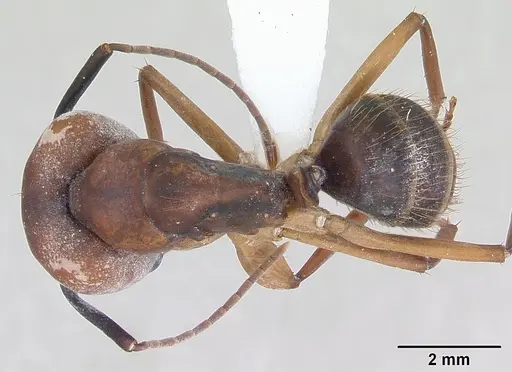
CASENT0905218
View on AntWeb
CASENT0905219
View on AntWeb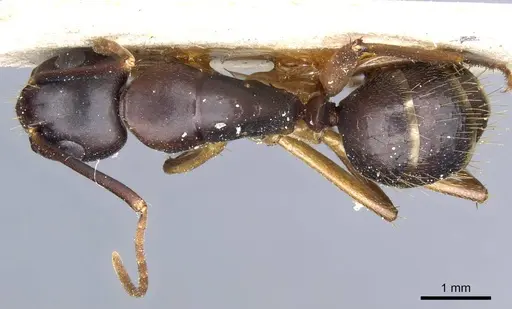
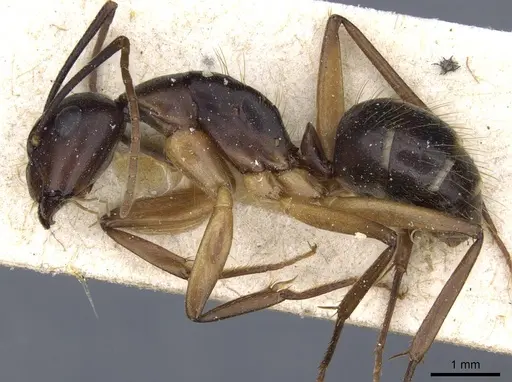
CASENT0909984
View on AntWeb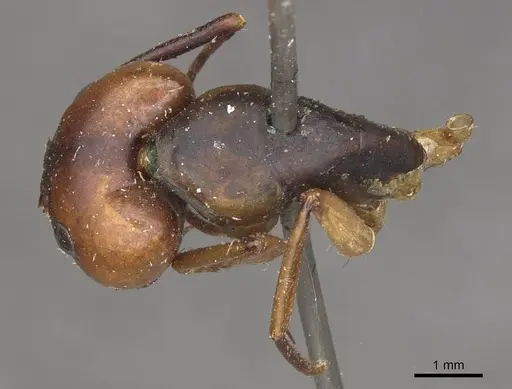
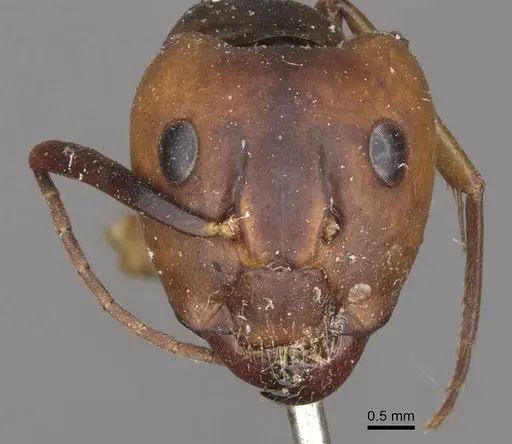
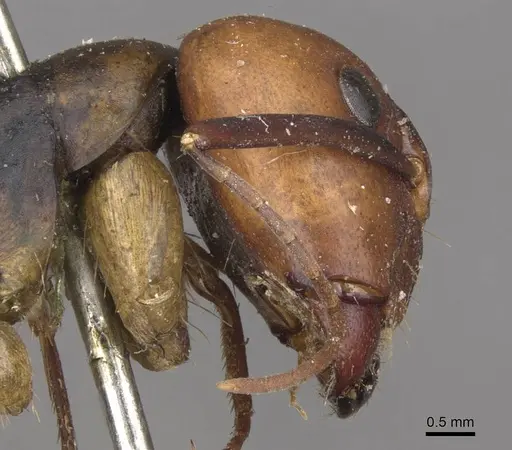
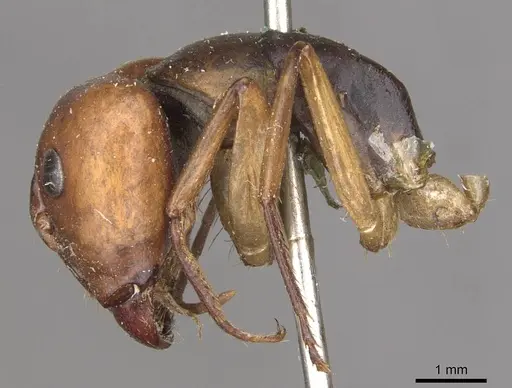
CASENT0923523
View on AntWeb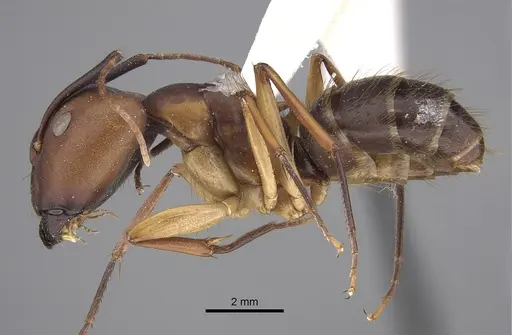
CASENT4032224
View on AntWeb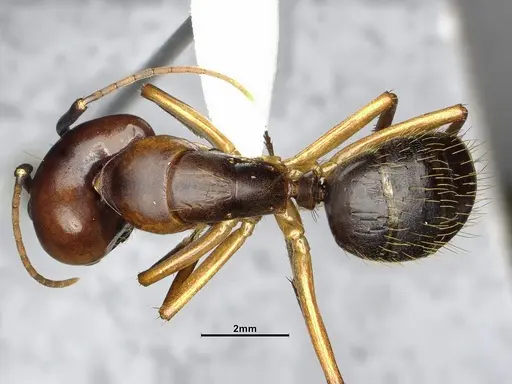
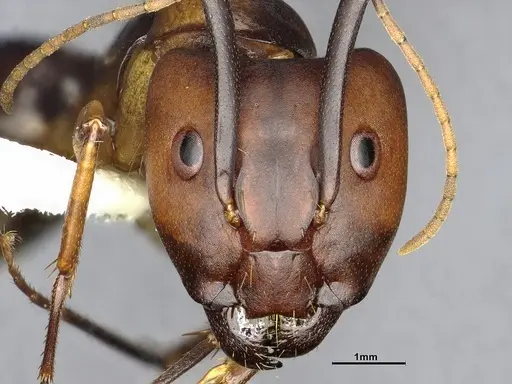
Literature
Loading distribution map...Loading products...