
Camponotus bonariensis
- Sci. Name
- Camponotus bonariensis
- Subgenus
- Tanaemyrmex
- Tribe
- Camponotini
- Subfamily
- Formicinae
- Author
- Mayr, 1868
- Distribution
- Found in 4 countries
Introduction
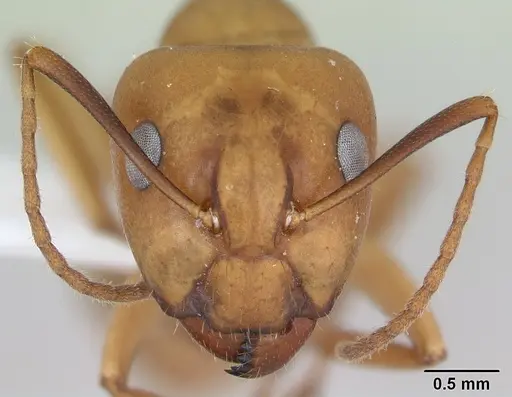
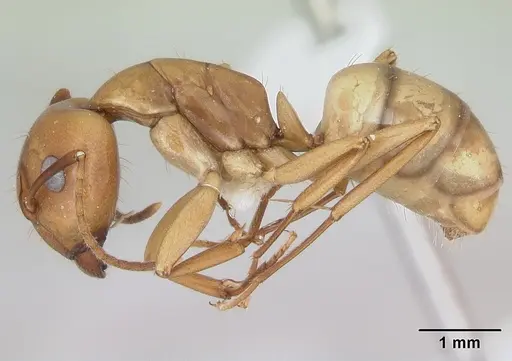
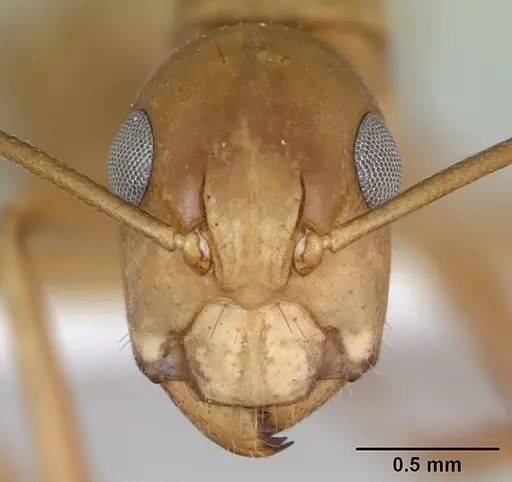
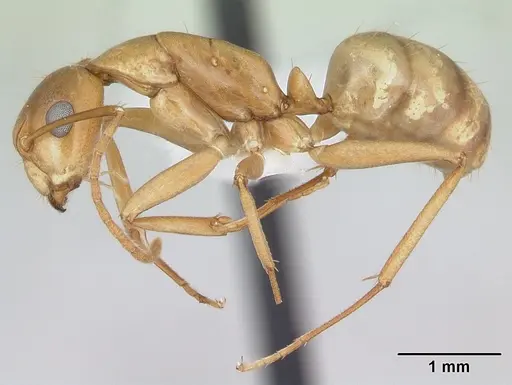
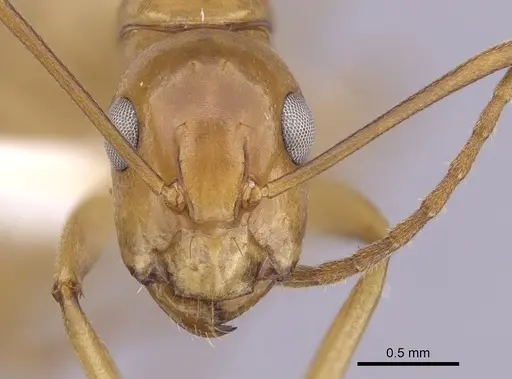
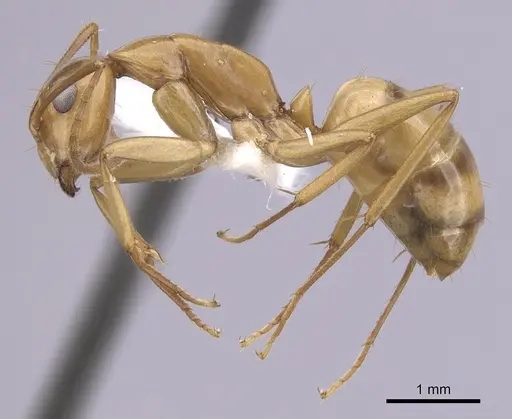
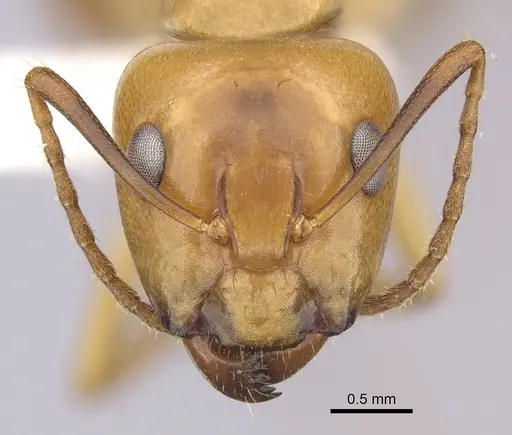
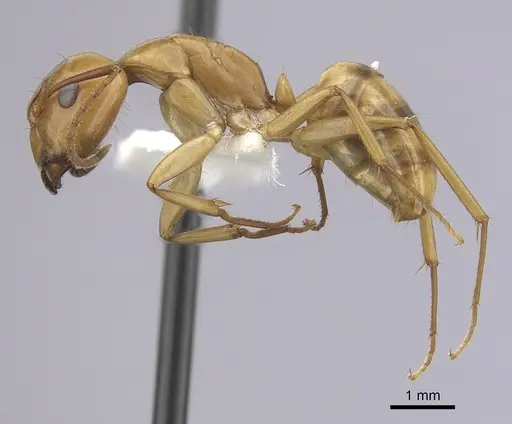
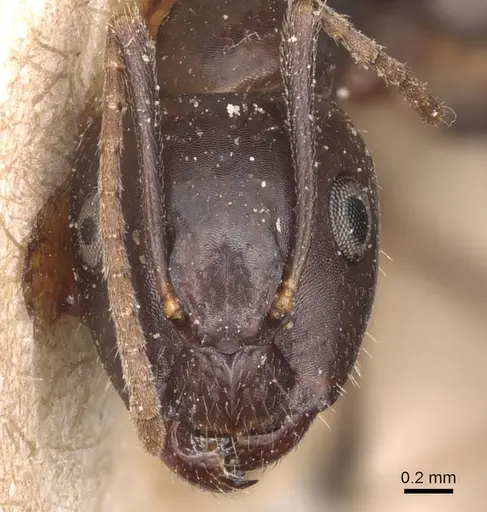
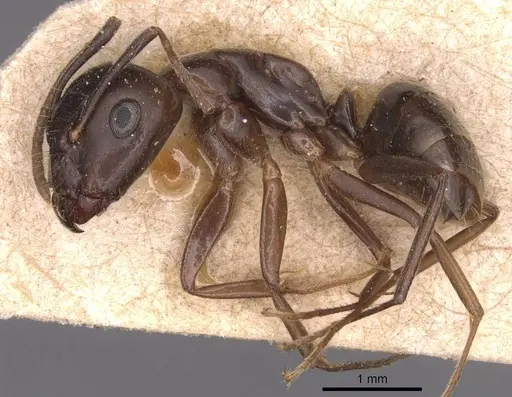
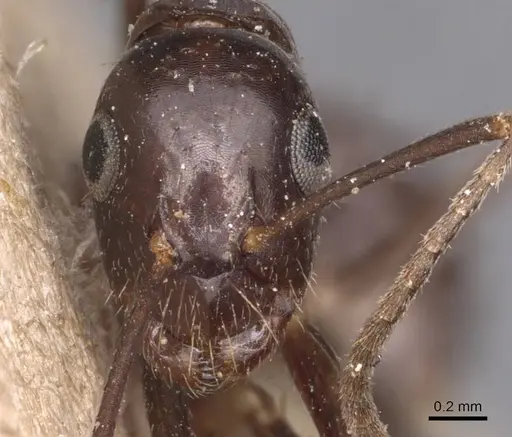
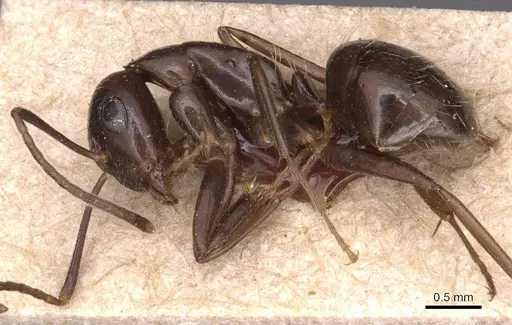
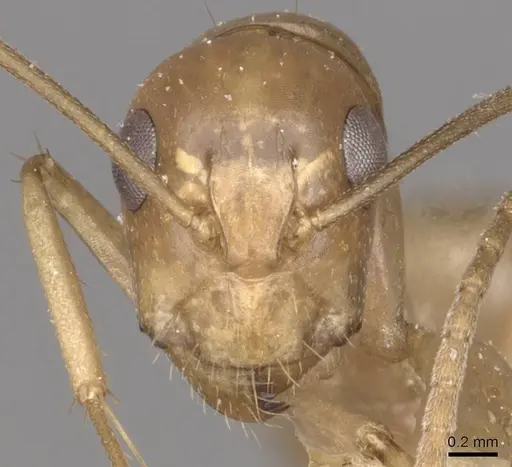
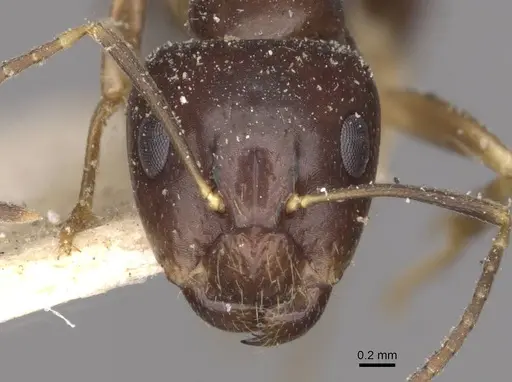
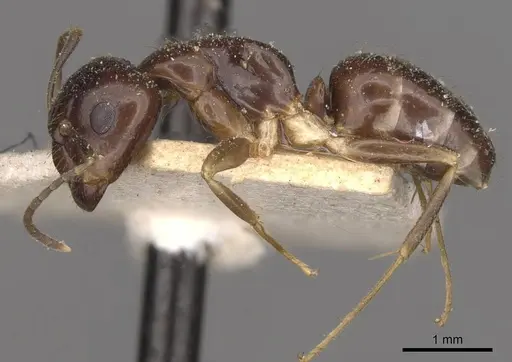
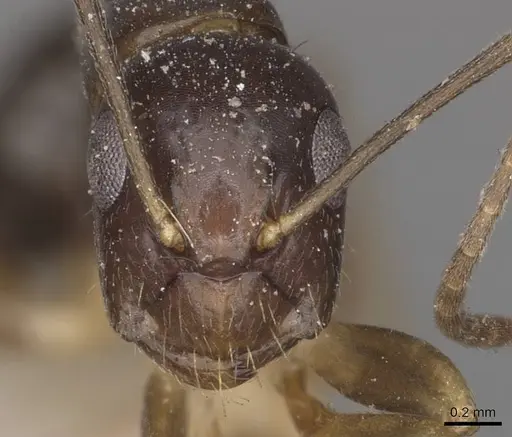
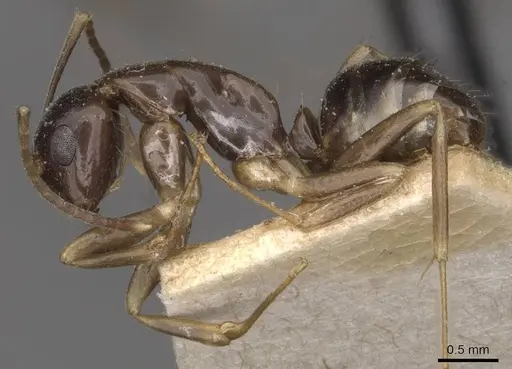
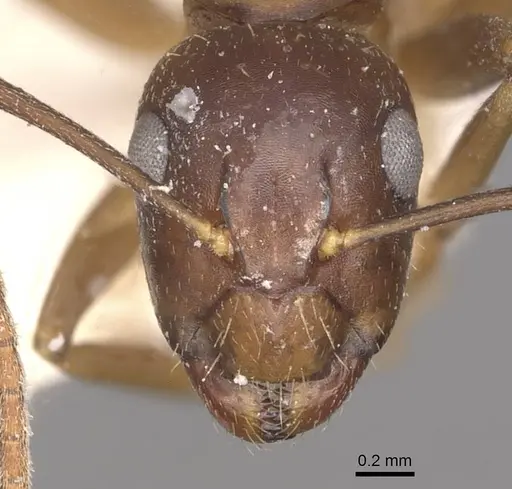
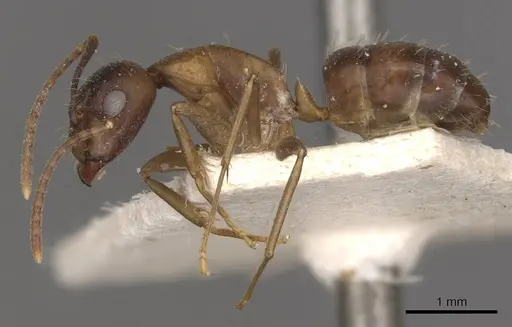
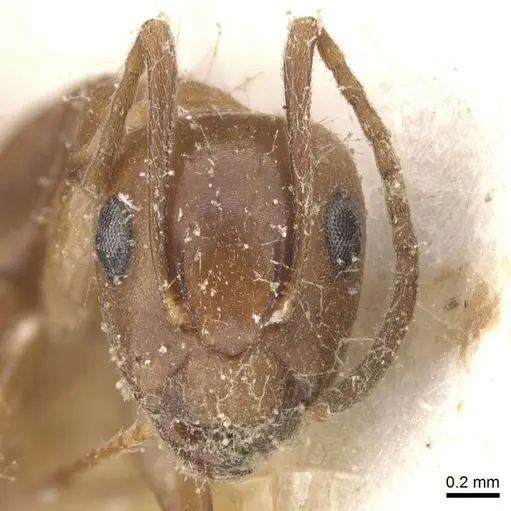
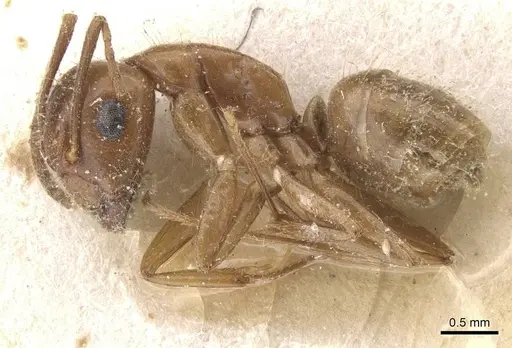
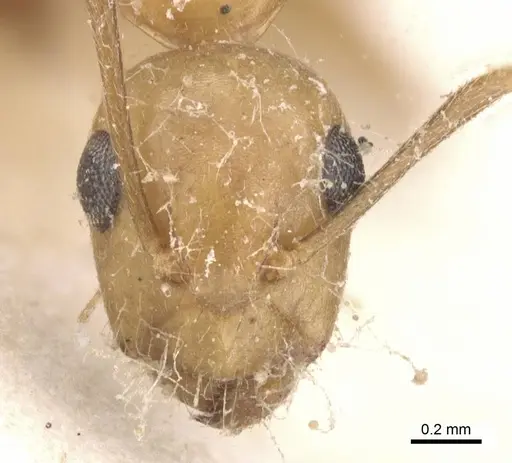
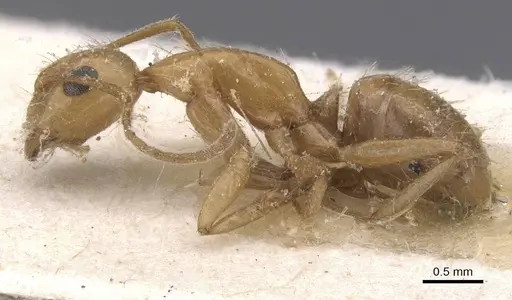
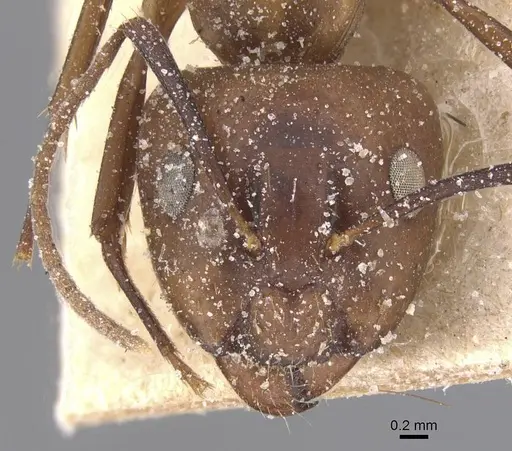
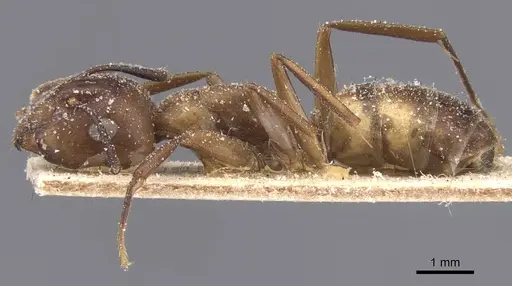
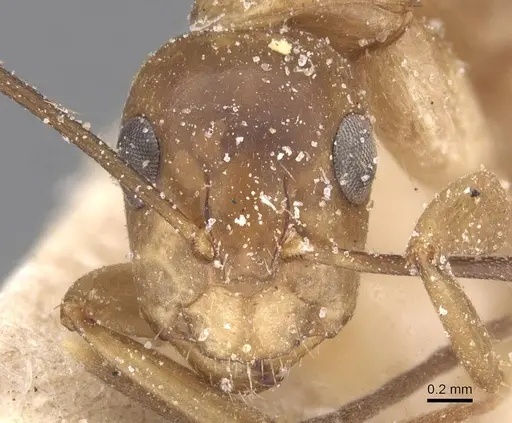
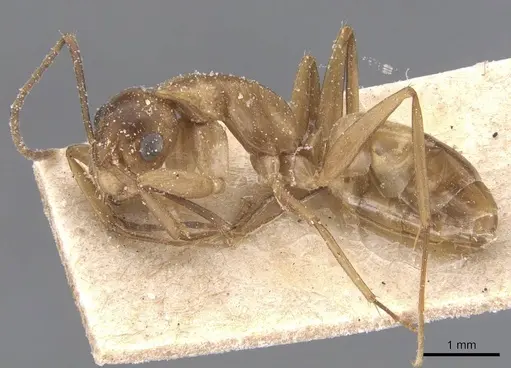
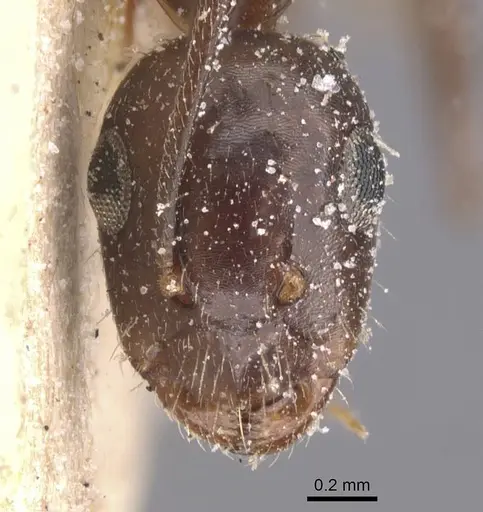
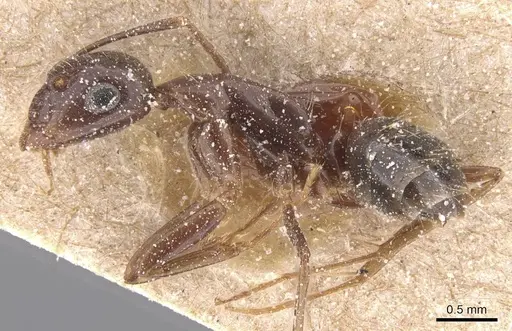
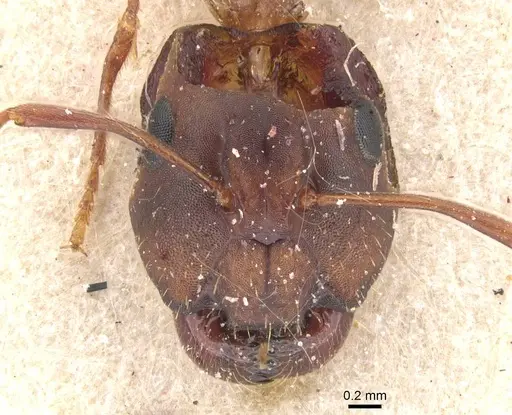
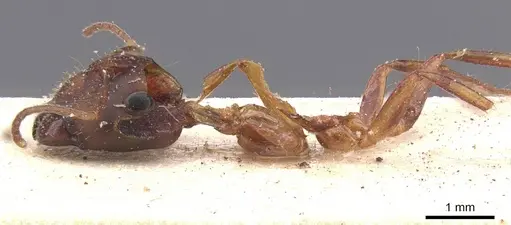
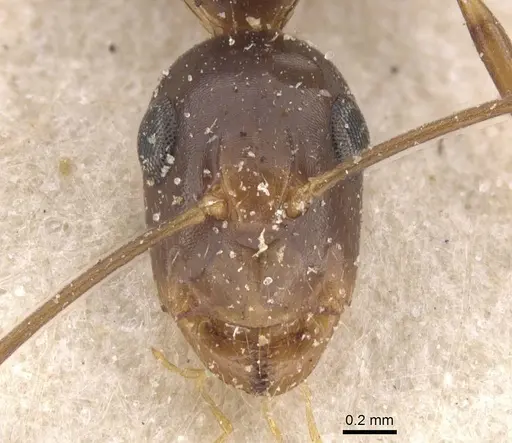
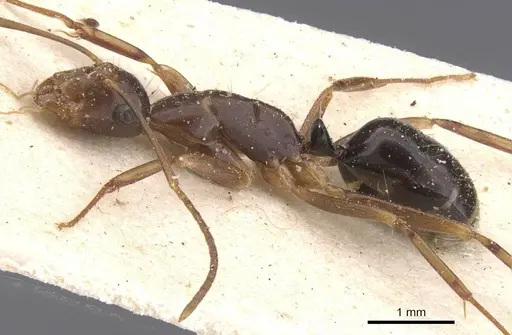
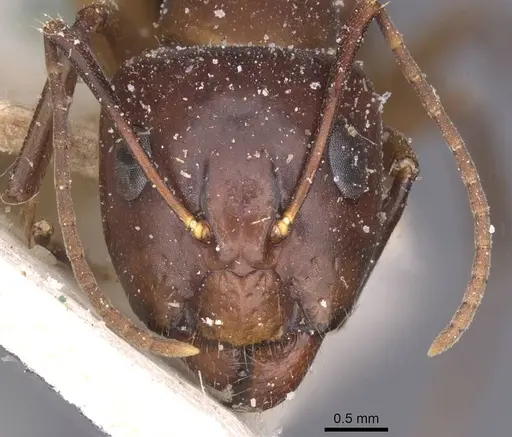
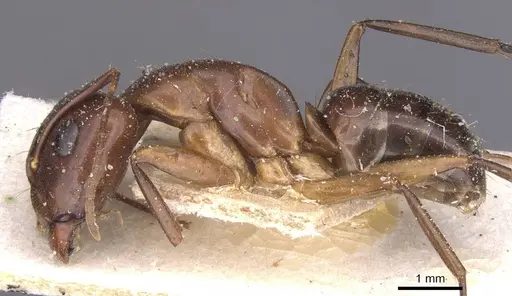
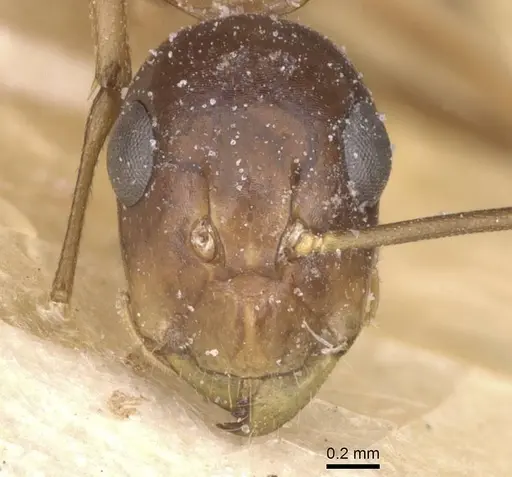
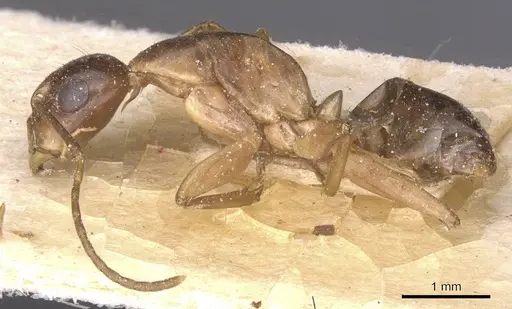
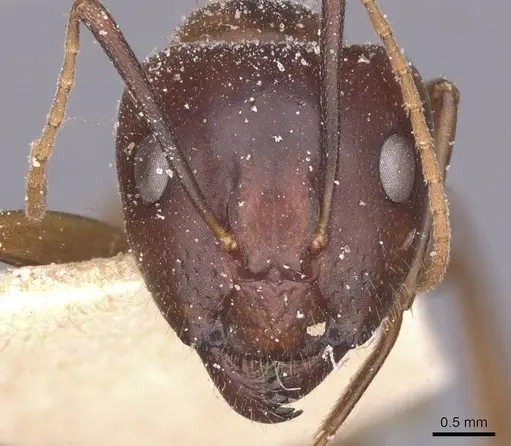
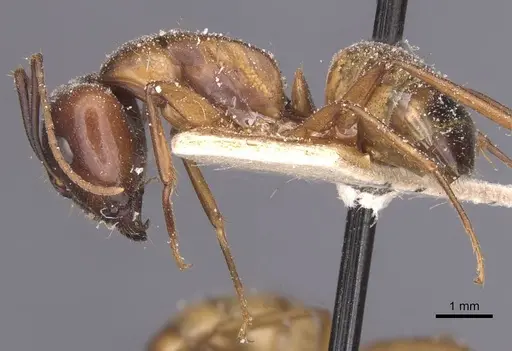
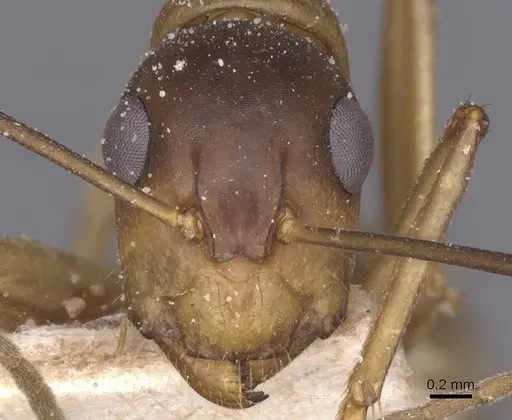
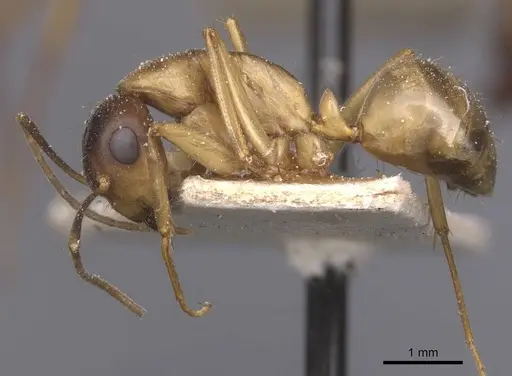
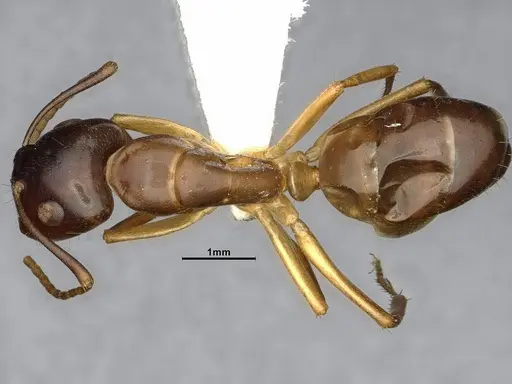
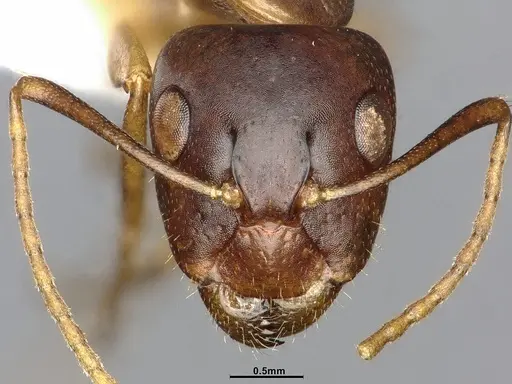
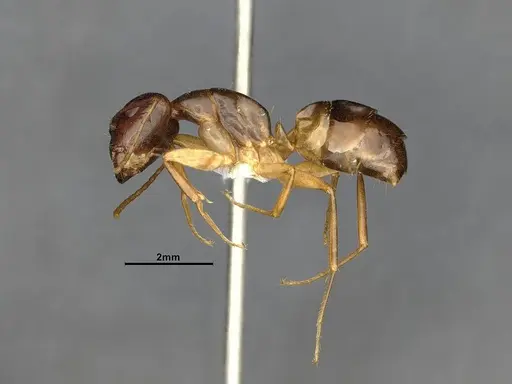
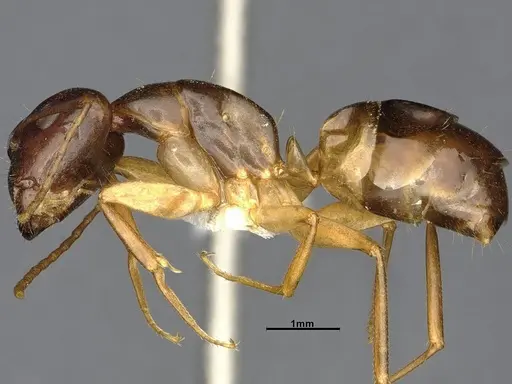
Camponotus bonariensis is a medium-sized ant native to the Neotropical region, found across Argentina, Brazil, Colombia, Paraguay, and Uruguay . Workers reach about 1 cm in total length and have a medium brown coloration with the head, mesosoma, or gaster typically darker than the rest of the ant. The head is heart-shaped with several erect hairs on the cheeks and malar area, while the scape lacks these hairs. Most body surfaces are smooth and shiny, especially the gaster dorsum . This species belongs to the Formicinae subfamily and is assigned to the functional group of Subordinate Camponotini, meaning they are relatively peaceful foragers . They are known to nest in unusual locations, including the infructescences of bromeliads like Vriesea friburgensis, where they can nest and forage for food resources .
Quick Summary
- Difficulty: Easy
- Origin & Habitat: Native to the Neotropical region: Argentina, Brazil, Colombia, Paraguay, and Uruguay. Found in habitats including Cerrado grasslands, Mata Atlântica (Atlantic Forest), and agricultural areas. Nests in rotten wood, hollow stems, and bromeliad structures [1][2][4].
- Colony Type: Likely monogyne based on typical Camponotus patterns, inferred from genus.
- Size & Growth:
- Queen: size data unavailable, inferred from Camponotus genus to be roughly 12-15mm
- Worker: Approximately 1 cm total length [2]
- Colony: up to several thousand workers, estimated from genus patterns
- Growth: Moderate
- Development: approximately 6-8 weeks at warm temperatures, inferred from Camponotus genus (Development time varies with temperature, Neotropical species may develop faster in warm conditions)
- Antkeeping:
- Temperature: Keep at 22-26°C. As a Neotropical species, they prefer warm conditions but can tolerate typical room temperature. A heating cable on one side of the nest creates a gradient allowing ants to self-regulate.
- Humidity: Moderate humidity around 50-60%. They nest in rotting wood and bromeliads, so they prefer slightly moist nest materials but not waterlogged conditions. Provide a water tube for drinking.
- Diapause: No true diapause required. Neotropical species from temperate Argentina may have reduced activity during cooler months, but they do not hibernate like temperate species. Keep temperatures stable year-round.
- Nesting: Y-tong (AAC) nests work well, or plaster nests with chambers scaled to their size. They naturally nest in rotten wood and hollow stems, so a naturalistic setup with wood pieces or cork bark is also suitable. Avoid overly dry conditions [2].
- Behavior: These ants are relatively peaceful and not aggressive, part of the Subordinate Camponotini functional group [3]. Workers are moderate foragers that search for nectar, honeydew, and small prey. They do not have a functional sting and pose no danger to keepers. Escape risk is moderate, while not tiny, they can climb smooth surfaces, so standard barrier methods work well.
- Common Issues: colonies may slow growth if kept too cold, maintain warm temperatures, wild-caught colonies may have parasites that need treatment, test tube setups work for founding but need monitoring for flooding, moderate humidity needs, too dry causes brood loss, too wet causes mold, queens can be claustral but should be left alone during founding to prevent abandonment
Housing and Nest Setup
Camponotus bonariensis adapts well to various nest types. For founding colonies, a simple test tube setup works fine, fill a test tube with water, plug with cotton, and place the queen in a dark area. For established colonies, Y-tong (AAC) nests provide good visibility and humidity control. Plaster nests or naturalistic setups with rotting wood pieces also work well since this species naturally nests in decaying wood and plant structures [2]. The nest should have chambers scaled to colony size, start small and upgrade as the colony grows. Provide an outworld for foraging with a sugar water feeder and protein food dish.
Feeding and Diet
Like most Camponotus species, C. bonariensis is omnivorous. Workers forage for nectar, honeydew from aphids, and small insects. In captivity, offer sugar water or honey constantly, they readily accept sweet liquids. For protein, provide small insects like fruit flies, small crickets, or mealworms. They are moderate foragers rather than aggressive hunters. Feed protein 2-3 times per week depending on colony size, and keep sugar water available at all times. Remove uneaten protein after 24 hours to prevent mold.
Temperature and Seasonal Care
As a Neotropical species from Argentina to Brazil, these ants prefer warm conditions around 22-26°C. They can tolerate typical room temperature (20-22°C) but will be more active and develop faster in warmer conditions. A small heating cable placed on part of the nest creates a thermal gradient, this is optional but promotes faster growth. Unlike temperate species, they do not require hibernation or diapause. Keep temperatures stable year-round, avoid sudden drops or drafts. The species from more temperate Argentina (southern range) may have some seasonal slowdown in winter but nothing like true hibernation.
Behavior and Colony Dynamics
Camponotus bonariensis belongs to the Subordinate Camponotini functional group, meaning they are relatively peaceful and not aggressive [3]. Workers are moderate-sized and actively forage for food. They do not have a functional sting and pose no danger to keepers. Colonies grow at a moderate pace, expect the first workers (nanitics) 6-8 weeks after founding, then steady growth over several months to years. Major workers may appear as the colony matures. The queen is long-lived and can produce workers for many years. These ants are not territorial or aggressive toward keepers, making them good for observation.
Growth and Development
After the queen lays her first eggs, development follows the typical Camponotus timeline. Eggs hatch into larvae which then pupate before emerging as workers. This process takes approximately 6-8 weeks at optimal warm temperatures (around 24-26°C). The first workers (nanitics) are typically smaller than future workers but will immediately begin helping with colony tasks. Growth rate is moderate, a healthy colony may reach several hundred workers in the first year and potentially thousands over several years. Providing consistent warmth, good nutrition, and proper humidity supports healthy development.
Frequently Asked Questions
How long does it take for Camponotus bonariensis to have first workers?
First workers typically appear 6-8 weeks after the queen lays eggs, assuming warm temperatures around 24-26°C. This is typical for Camponotus species. The first workers (nanitics) are usually smaller but will immediately help with colony tasks.
What do Camponotus bonariensis ants eat?
They are omnivorous. Offer sugar water or honey constantly for energy, and protein sources like small insects (fruit flies, small crickets, mealworms) 2-3 times per week. They readily accept sweet liquids and will forage for small prey.
What temperature do Camponotus bonariensis need?
Keep them warm at 22-26°C. They are Neotropical and prefer warm conditions. A heating cable on part of the nest can help, but they can also tolerate typical room temperature (20-22°C) with slightly slower development.
Are Camponotus bonariensis good for beginners?
Yes, they are considered easy to keep. They are relatively peaceful, do not require hibernation, and adapt well to various nest types. Their moderate size and calm temperament make them suitable for new antkeepers.
Do Camponotus bonariensis need hibernation?
No, they do not require true hibernation. As a Neotropical species, they do not enter diapause. Keep temperatures stable year-round. Some seasonal slowdown may occur in cooler months but nothing like temperate species.
How big do Camponotus bonariensis colonies get?
Based on typical Camponotus patterns, colonies can reach several thousand workers over several years. Growth is moderate, expect steady expansion rather than rapid explosion.
Can I keep multiple Camponotus bonariensis queens together?
This species is likely monogyne (single queen colonies). Combining unrelated queens is not recommended as they would likely fight. If you capture a founding queen, house her alone until workers develop.
What type of nest is best for Camponotus bonariensis?
Y-tong (AAC) nests work well for established colonies. For founding, a simple test tube setup is sufficient. They naturally nest in rotting wood and hollow stems, so naturalistic setups with wood pieces are also suitable.
Why is my Camponotus bonariensis colony not growing?
Check temperature first, they need warmth (22-26°C) for proper development. Also verify humidity is adequate (not too dry) and the queen is healthy and laying eggs. Poor nutrition can also slow growth. Ensure sugar water is always available and protein is offered regularly.
Report an Issue
The current care sheet is based fully on literature. See inconsistencies, or something that's incorrect? Please , it will be resolved after review from an admin. Contributing to the blogs tab also helps providing information, to make us be able to further improve the caresheets. Thank you for your support!
References

This caresheet is licensed under CC BY-SA 4.0 .
Community Blogs
CASENT0173395
View on AntWeb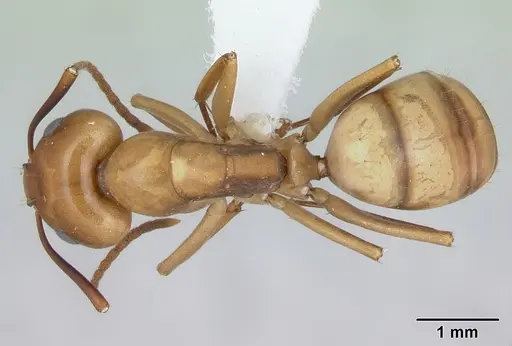
CASENT0173396
View on AntWeb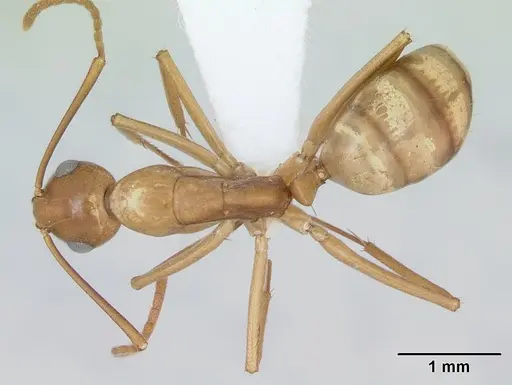
CASENT0249345
View on AntWeb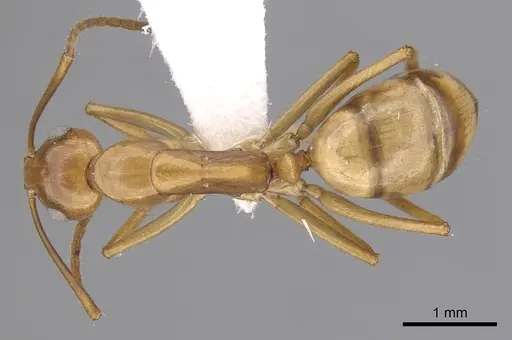
CASENT0249346
View on AntWeb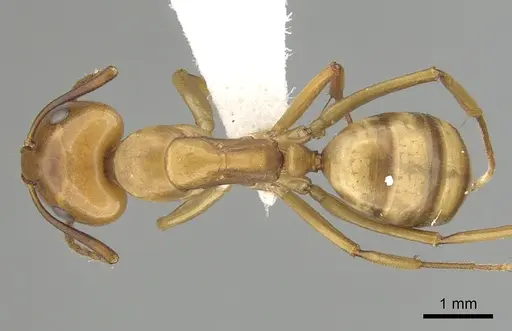
CASENT0905220
View on AntWeb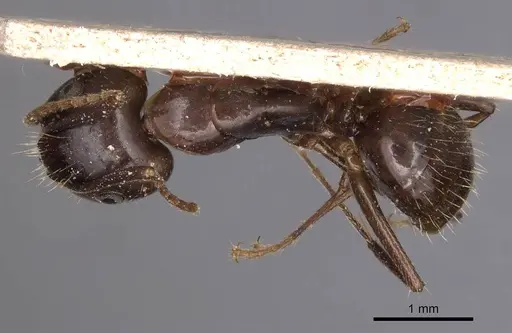
CASENT0905221
View on AntWeb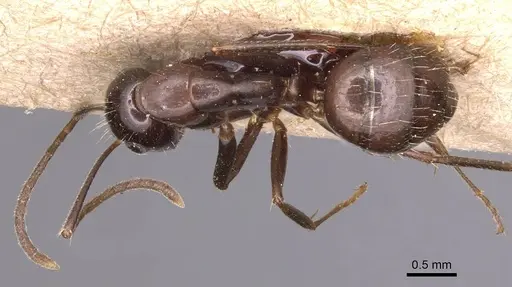
CASENT0909979
View on AntWeb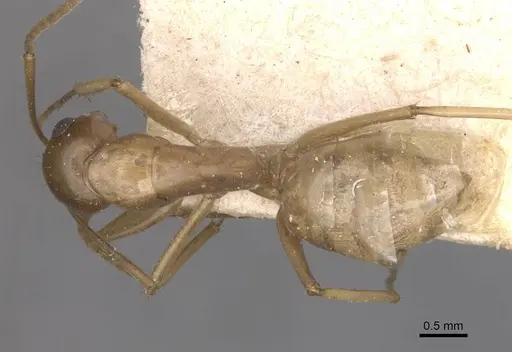
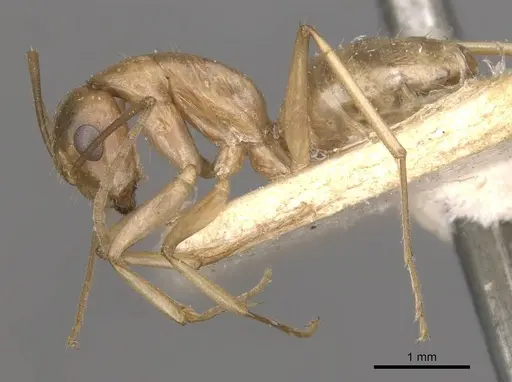
CASENT0909980
View on AntWeb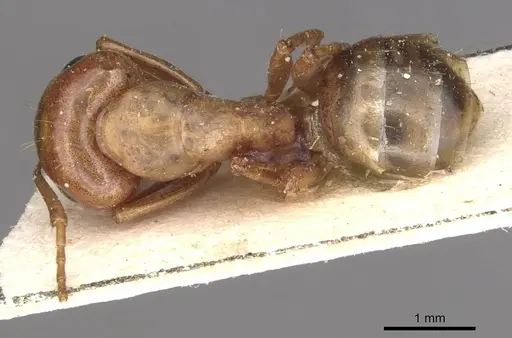
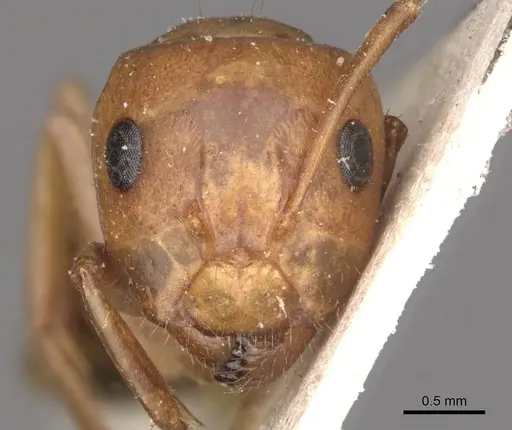
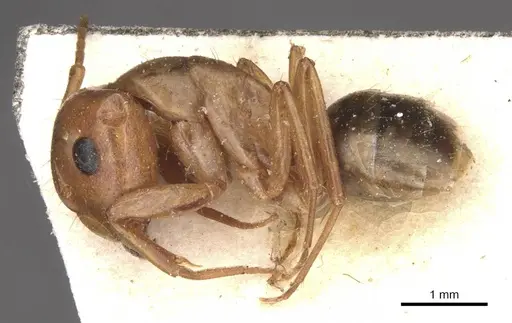
CASENT0909981
View on AntWeb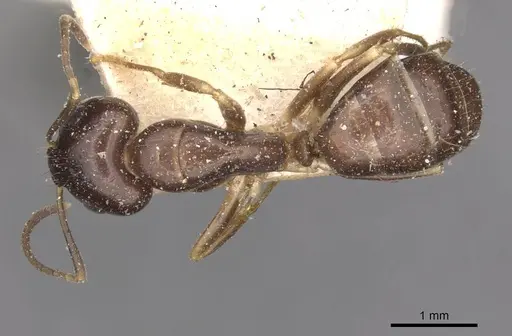
CASENT0909982
View on AntWeb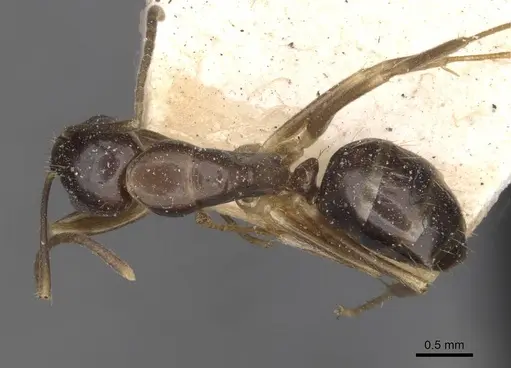
CASENT0909983
View on AntWeb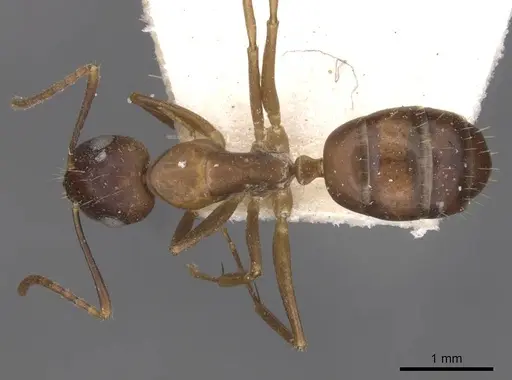
CASENT0911910
View on AntWeb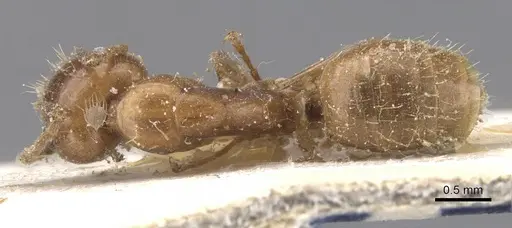
CASENT0911911
View on AntWeb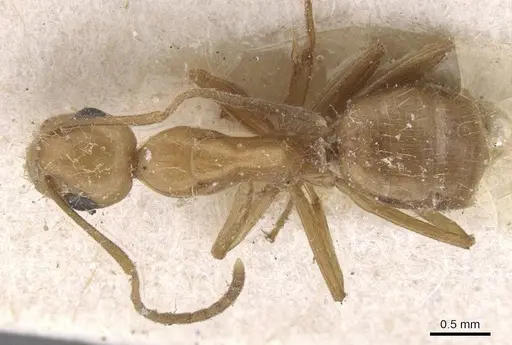
CASENT0911912
View on AntWeb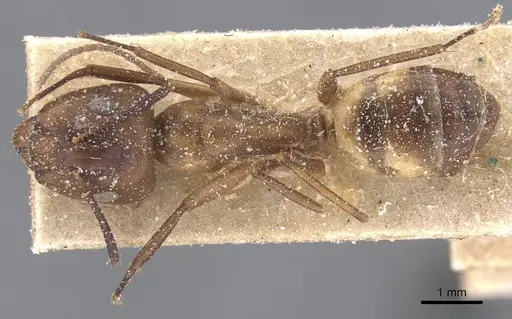
CASENT0911913
View on AntWeb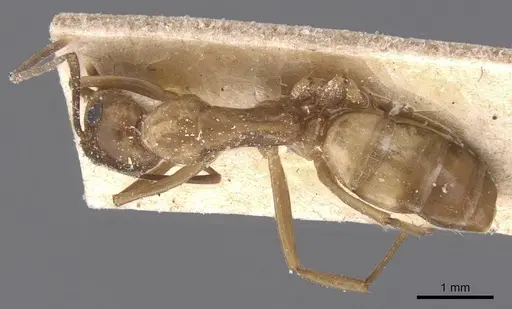
CASENT0911914
View on AntWeb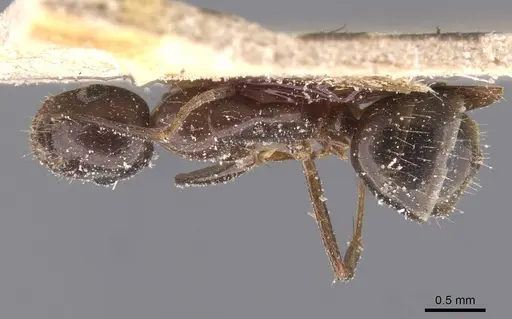
CASENT0911915
View on AntWeb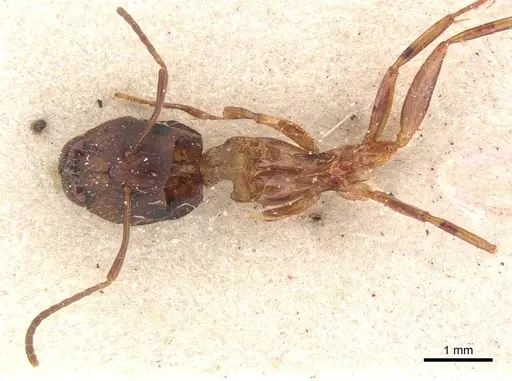
CASENT0911916
View on AntWeb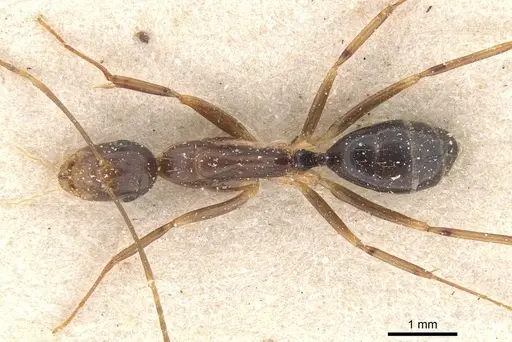
CASENT0911917
View on AntWeb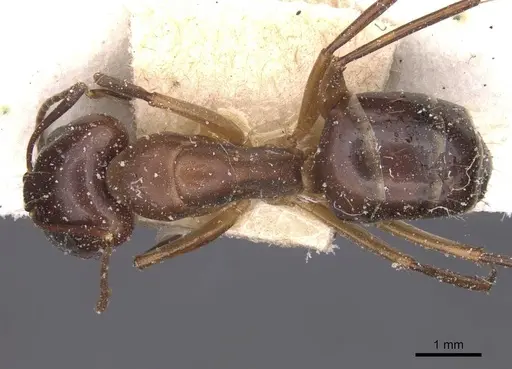
CASENT0911918
View on AntWeb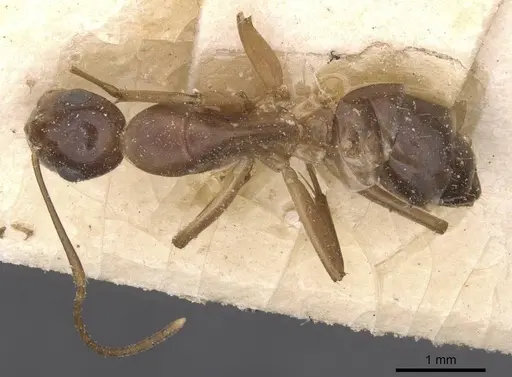
CASENT0911919
View on AntWeb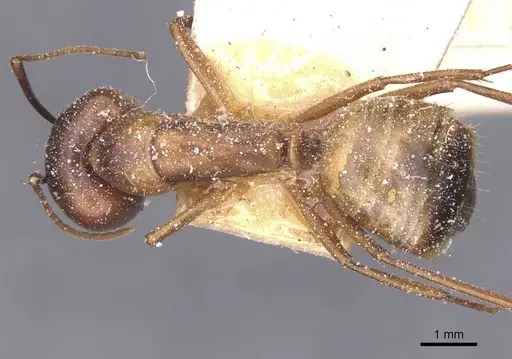
CASENT0911920
View on AntWeb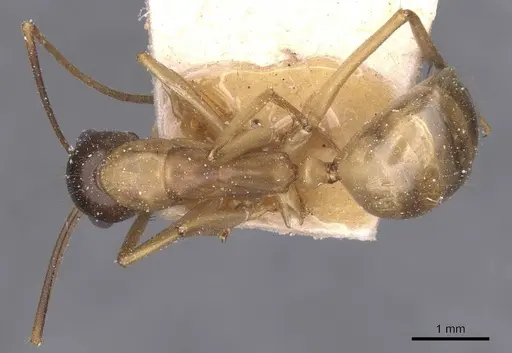
CASENT0923522
View on AntWeb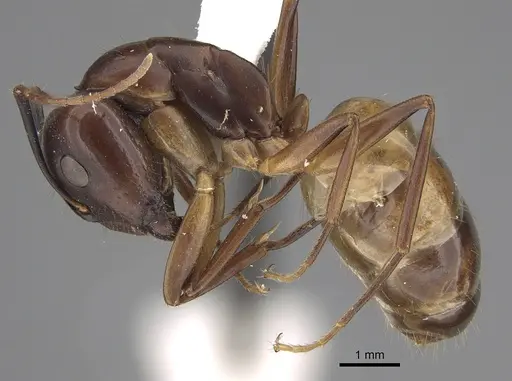
CASENT4032252
View on AntWeb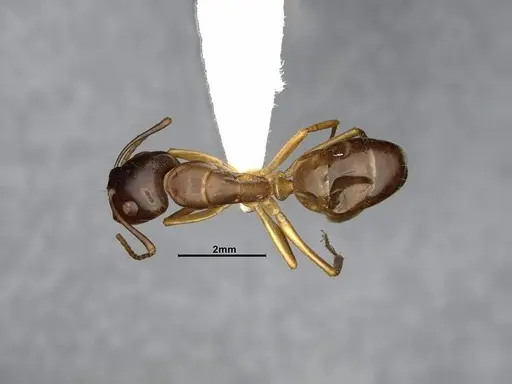
Literature
Loading distribution map...Loading products...