
Camponotus boghossiani
- Sci. Name
- Camponotus boghossiani
- Subgenus
- Myrmentoma
- Tribe
- Camponotini
- Subfamily
- Formicinae
- Author
- Forel, 1911
- Distribution
- Found in 2 countries
Introduction
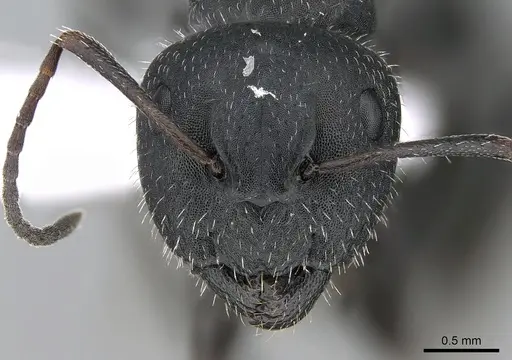
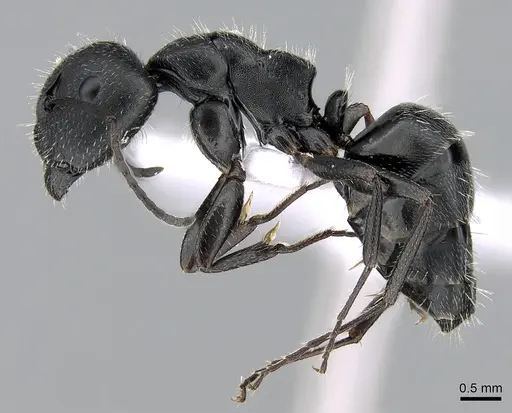
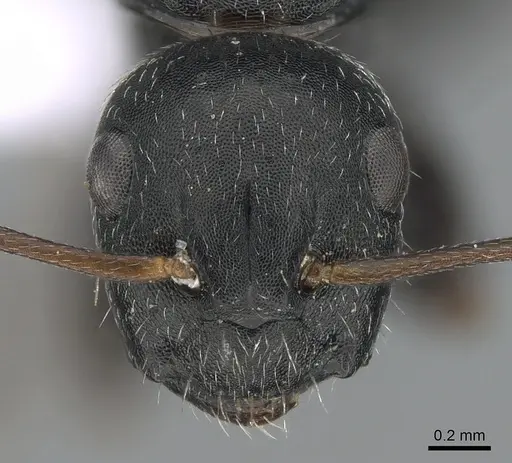
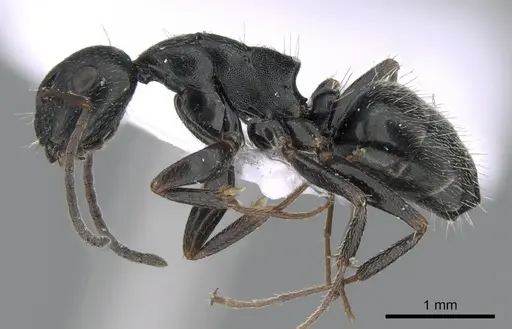
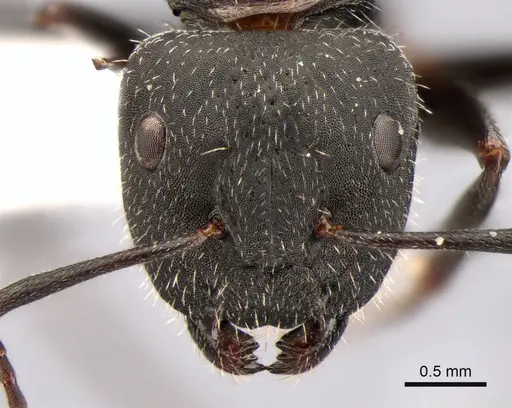
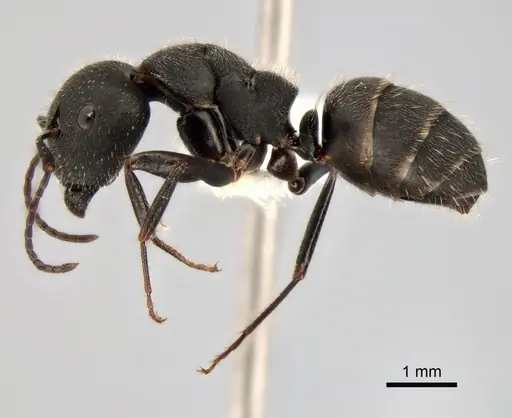
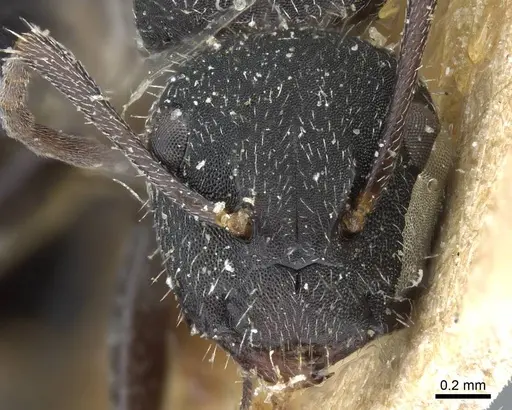
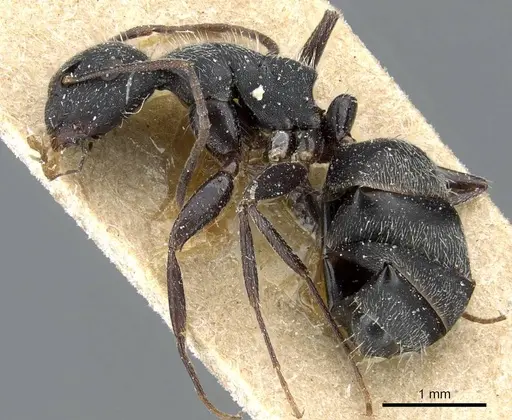
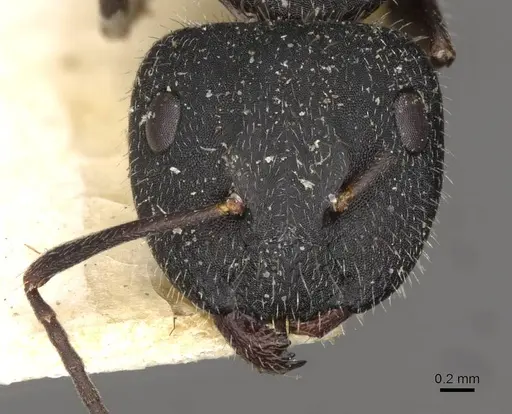
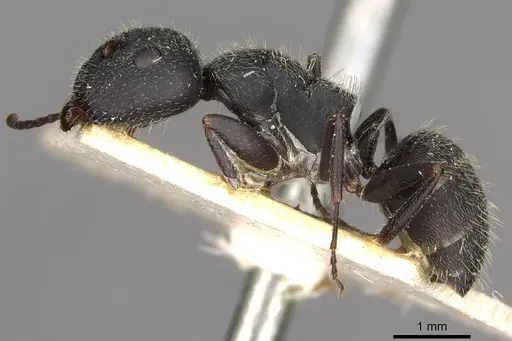
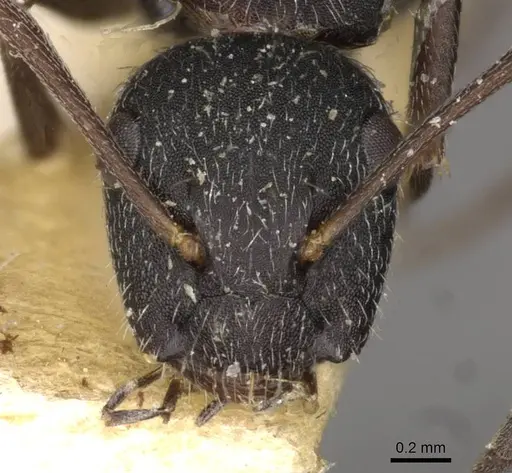
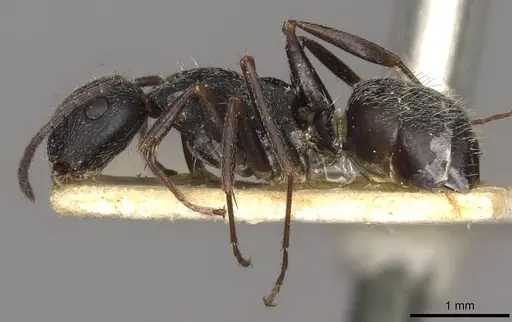
Camponotus boghossiani is a moderately large, polymorphic ant species belonging to the Camponotus kiesenwetteri species group. Workers are uniformly black with a distinctive dull, densely punctate appearance caused by strong microsculpture. The body is covered in long, thick, pale, erect setae. This is a ground-nesting species native to the eastern Mediterranean, found throughout the Aegean Islands, Crete, Dodecanese, parts of mainland Greece, and western Turkey. They prefer warm, luminous Mediterranean habitats, particularly coniferous forests and their sunny edges, where they nest in sandy soil under stones or tree roots .
Quick Summary
- Difficulty: Medium
- Origin & Habitat: Eastern Mediterranean species native to Greece (Aegean Islands, Crete, Cyclades, Dodecanese, Peloponnese) and Turkey. Found in warm, luminous forests, both coniferous (especially pine) and deciduous. Nests in sandy soil under trees, between roots, under small stones. Most records below 700m elevation, though found up to 1700m in Parnon Mountains [1][2][3].
- Colony Type: Colony structure unconfirmed. Camponotus species typically form single-queen colonies, but specific data for this species is unavailable.
- Size & Growth:
- Queen: size data unavailable, inferred from Camponotus genus (~12-15mm)
- Worker: Minor: ~4-5mm, Major: ~8-10mm, inferred from Camponotus genus patterns [1]
- Colony: size data unavailable
- Growth: Moderate
- Development: 6-10 weeks estimated based on typical Camponotus genus development at warm temperatures (Development time varies with temperature, warmer conditions accelerate development. First workers (nanitics) are typically smaller than normal workers.)
- Antkeeping:
- Temperature: Keep nest area at 24-28°C. This is a warmth-loving Mediterranean species that thrives in warm conditions. A heating cable on one side of the nest creates a gradient allowing workers to self-regulate. Avoid temperatures below 20°C for extended periods [1][2].
- Humidity: Moderate humidity. Keep nest substrate lightly moist but not waterlogged. These ants prefer relatively dry conditions compared to many ants, their natural habitat is warm and arid Mediterranean. Provide a water tube for drinking access [1].
- Diapause: Yes, this species experiences winter dormancy in its native range. Reduce temperature to 10-15°C for 2-3 months during winter (November-February in Northern Hemisphere). Do not feed during diapause but keep a water source available [1][2].
- Nesting: Y-tong (AAC) nests work well for this species. The subgenus Myrmentoma typically prefers tighter chambers. A naturalistic setup with sandy substrate and flat stones can also work. Ensure the nest has some dry areas as they prefer relatively drier conditions. Test tubes with cotton-stoppered water reservoirs are suitable for founding colonies [1][2].
- Behavior: Workers are active throughout the day with peak activity at dusk. They are typically moderate in temperament, not particularly aggressive but will defend the colony if threatened. Workers forage both on the ground and on tree trunks, particularly coniferous trees. They are moderate escape artists, use standard barrier methods (Fluon) to prevent escapes. This species lacks a functional sting, instead, major workers bite and spray formic acid from their acidopore as defense [1][2].
- Common Issues: colonies may struggle if kept too cold, maintain warm temperatures year-round except during diapause, overwatering can be fatal, these ants prefer drier conditions than many species, slow growth compared to faster-developing species may frustrate beginners, wild-caught colonies may harbor parasites that can devastate captive colonies, foundating queens are vulnerable to disturbance, minimize nest vibrations during founding
Nest Preferences and Housing
Camponotus boghossiani is a ground-nesting species that in nature builds nests in sandy soil, typically under trees, between roots, or under stones. For captive care, Y-tong (AAC) nests work well because they provide the dark, tight chambers this species prefers. The subgenus Myrmentoma typically does well in acrylic nests with appropriately scaled chambers. You can also use a naturalistic setup with sandy substrate and flat stones on top to simulate their natural nesting conditions. For founding colonies, a standard test tube setup with a cotton-stoppered water reservoir works fine, just ensure the queen has a dark, quiet space to lay her eggs. Avoid overly moist conditions, these are Mediterranean ants that prefer relatively dry nest environments. Provide a gradient so workers can choose their preferred humidity zone [1][2].
Feeding and Diet
Like most Camponotus species, C. boghossiani is omnivorous with a preference for protein-rich foods. Workers forage for honeydew and small insects in nature. In captivity, offer sugar water or honey as a constant energy source. For protein, provide small insects like fruit flies, small crickets, or mealworms. Feed protein roughly twice weekly, removing any uneaten prey after 24 hours. Major workers can tackle larger prey items than minors. Avoid overfeeding, excess food mold can be deadly to ant colonies. Fresh water should always be available. These ants are moderate foragers and will typically accept most standard ant foods [1].
Temperature and Seasonal Care
This is a warmth-loving Mediterranean species that requires warm temperatures for optimal colony development. Keep the nest area at 24-28°C during the active season (spring through fall). A heating cable placed on top of the nest (never under it, as this can cause excessive drying) helps maintain stable warmth. During winter, this species requires a diapause period, reduce temperatures to 10-15°C for 2-3 months. This mimics their natural seasonal cycle in the Mediterranean. Do not feed during diapause but ensure water is available. In summer, normal room temperatures in the mid-20s°C are ideal. Avoid keeping them in rooms that stay below 20°C for extended periods, as this will slow development significantly and may stress the colony [1][2].
Behavior and Colony Dynamics
Workers of C. boghossiani are polymorphic, meaning you get both minor workers (smaller, more numerous) and major workers (larger, with bigger heads). In the wild, both castes are often found foraging on tree trunks and branches, particularly coniferous trees like pines. Workers are most active at dusk, though they forage throughout the day. The colony will establish a foraging pattern that you can observe. These ants are not particularly aggressive but will defend their nest if disturbed. This species belongs to the Formicinae subfamily and lacks a functional sting, instead, they defend by biting and spraying concentrated formic acid from their acidopore into the wound. The colony will grow from a single founding queen over time under good conditions. Expect the first workers (nanitics) to emerge smaller than normal workers, this is typical for Camponotus species [1][2].
Frequently Asked Questions
How long does it take for Camponotus boghossiani to produce first workers?
At optimal temperatures (24-28°C), expect first workers (nanitics) in about 6-10 weeks after the queen lays eggs. This is typical for Camponotus species. Lower temperatures will slow development significantly.
What temperature do Camponotus boghossiani ants need?
Keep nest temperatures between 24-28°C during the active season. This Mediterranean species thrives in warmth. A slight gradient allowing cooler areas is beneficial so workers can self-regulate.
Do Camponotus boghossiani ants need hibernation?
Yes, they require a winter diapause period. Reduce temperatures to 10-15°C for 2-3 months during winter (typically November-February). Do not feed during this period but ensure water is available.
What do Camponotus boghossiani ants eat?
They are omnivorous. Offer sugar water or honey as a constant energy source. For protein, provide small insects like fruit flies, small crickets, or mealworms twice weekly. Remove uneaten food promptly to prevent mold.
Are Camponotus boghossiani good for beginners?
This species is rated as medium difficulty. They are not the easiest species for complete beginners due to their temperature requirements and slower growth compared to some tropical species, but they are not difficult either. Experienced antkeepers should have no trouble.
How big do Camponotus boghossiani colonies get?
Colony size data is unavailable for this species. Based on typical Camponotus patterns, colonies may reach several hundred workers over 1-3 years under good conditions.
Can I keep multiple Camponotus boghossiani queens together?
Colony type is unconfirmed for this species. Combining unrelated queens is not recommended as they would likely fight. In nature, most Camponotus species establish with a single founding queen.
What type of nest is best for Camponotus boghossiani?
Y-tong (AAC) nests work well for this species. They prefer tight, dark chambers. A naturalistic setup with sandy substrate and stones can also work. Test tubes are suitable for founding colonies.
Where is Camponotus boghossiani found in the wild?
This species is native to the eastern Mediterranean, found throughout the Greek Aegean Islands, Crete, Cyclades, Dodecanese, parts of mainland Greece (Peloponnese), and western Turkey. They prefer warm, luminous Mediterranean habitats, especially coniferous forests.
Report an Issue
The current care sheet is based fully on literature. See inconsistencies, or something that's incorrect? Please , it will be resolved after review from an admin. Contributing to the blogs tab also helps providing information, to make us be able to further improve the caresheets. Thank you for your support!
References

This caresheet is licensed under CC BY-SA 4.0 .
Community Blogs
CASENT0281575
View on AntWeb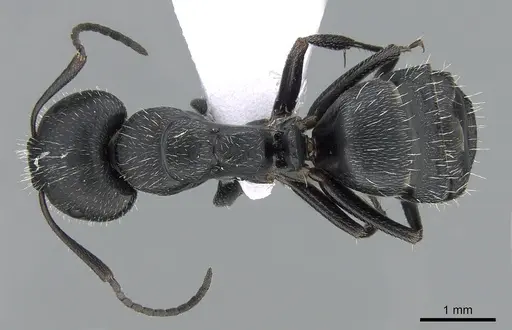
CASENT0281576
View on AntWeb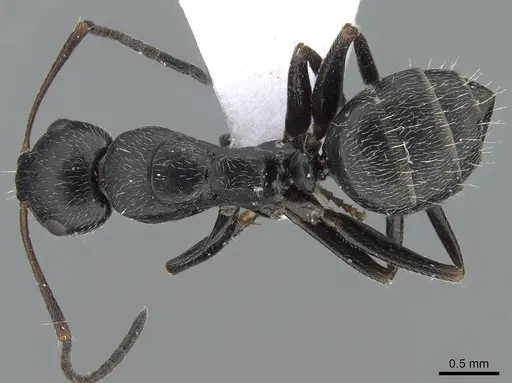
CASENT0882036
View on AntWeb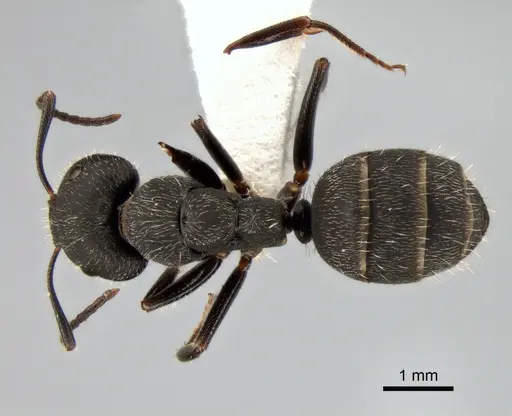
CASENT0905396
View on AntWeb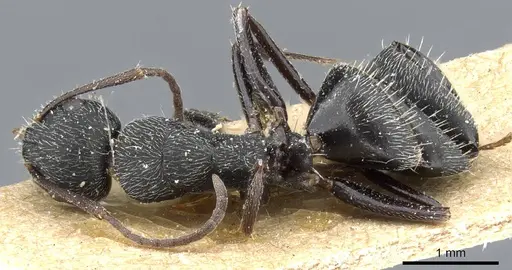
CASENT0910435
View on AntWeb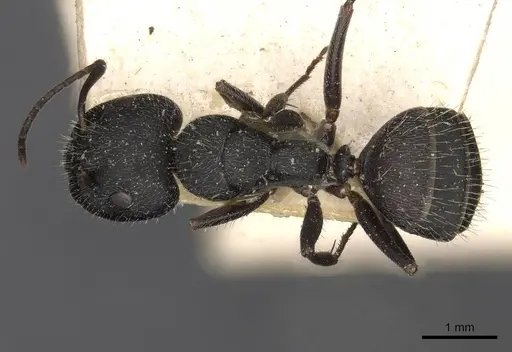
CASENT0910436
View on AntWeb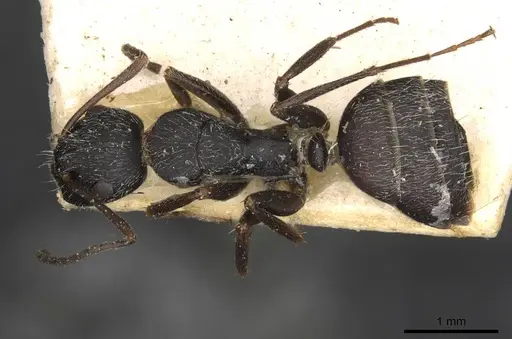
Literature
Loading distribution map...Loading products...