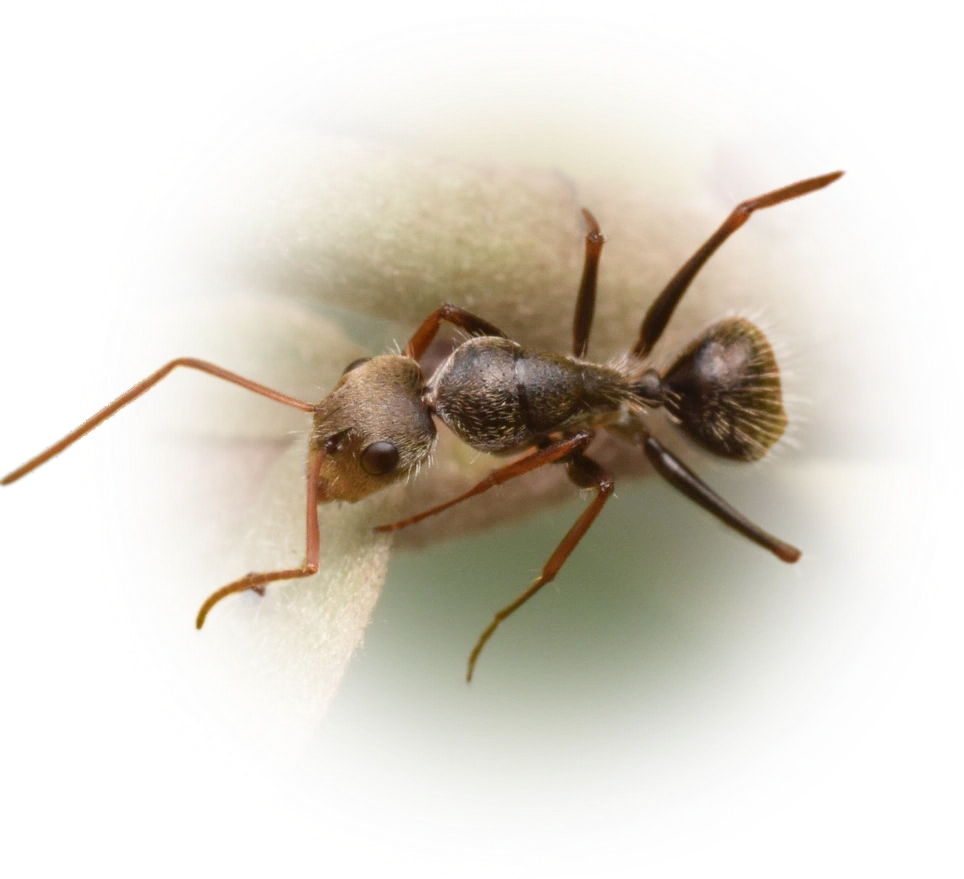
Camponotus blandus
- Sci. Name
- Camponotus blandus
- Subgenus
- Myrmaphaenus
- Tribe
- Camponotini
- Subfamily
- Formicinae
- Author
- Smith, 1858
- Distribution
- Found in 6 countries
Introduction
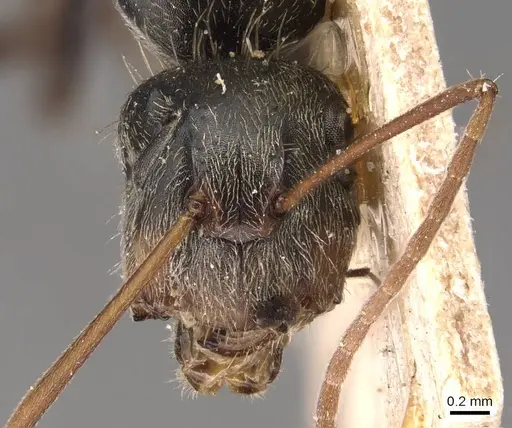
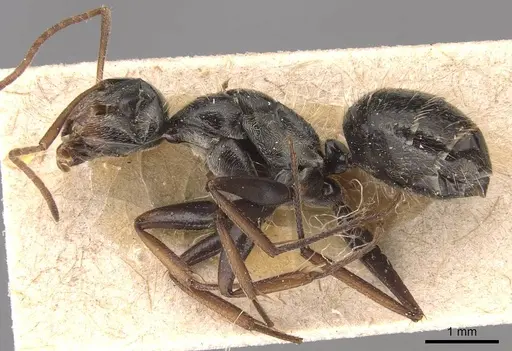
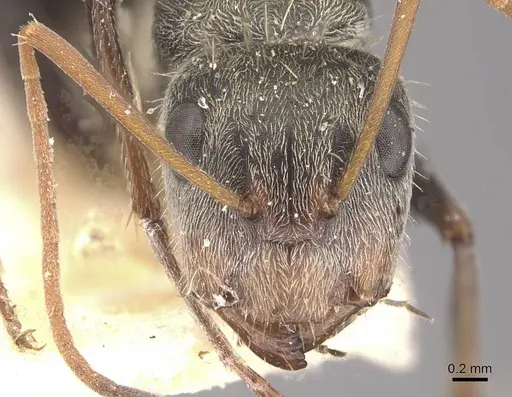
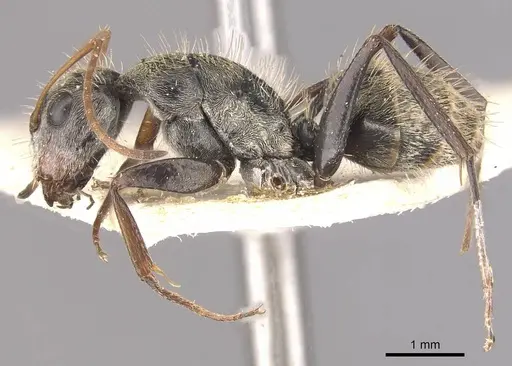
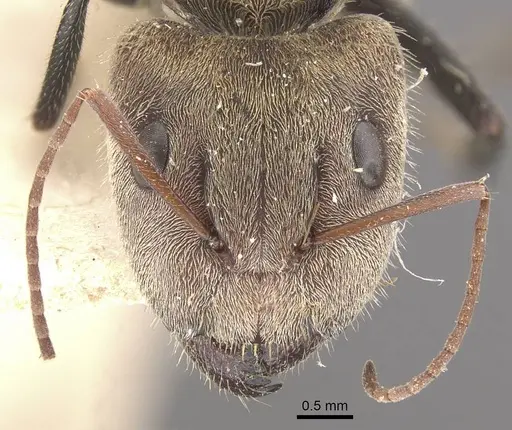
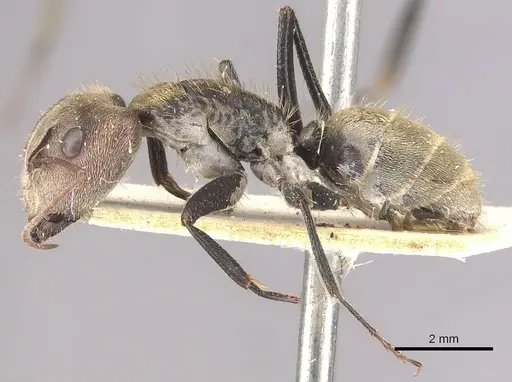
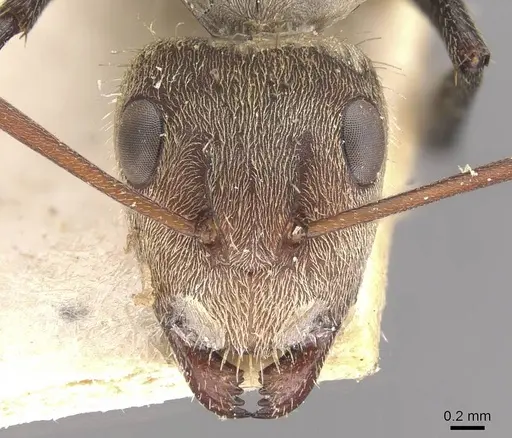
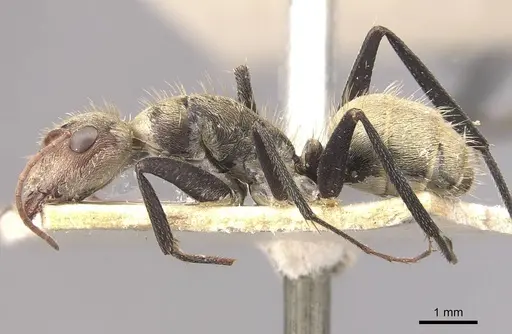
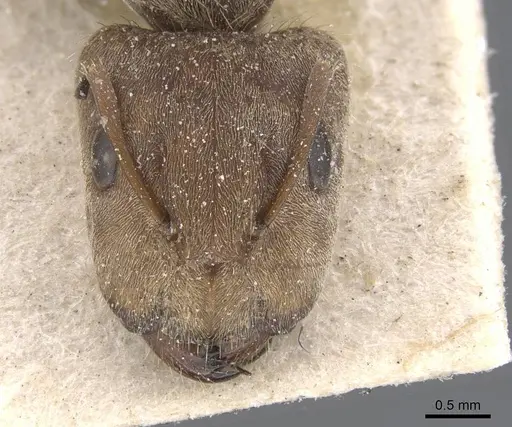
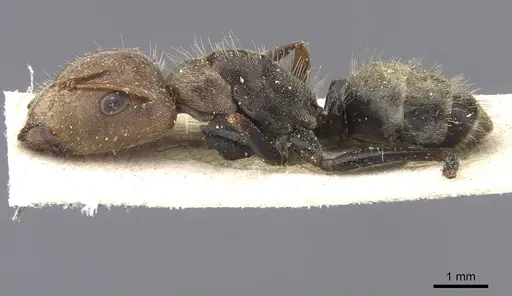
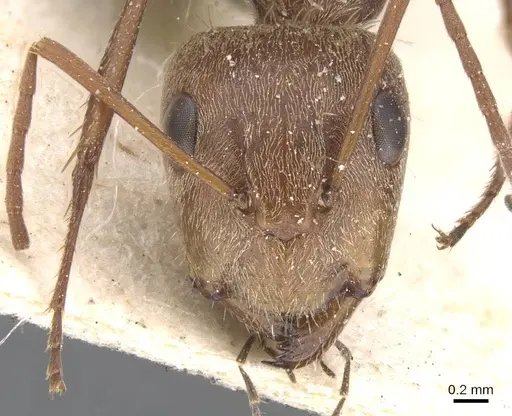
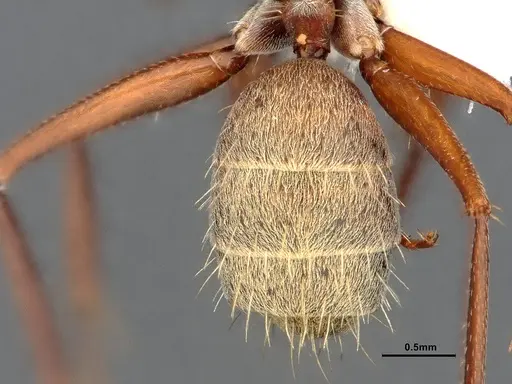
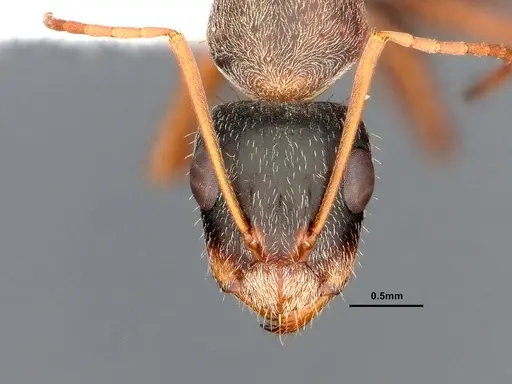
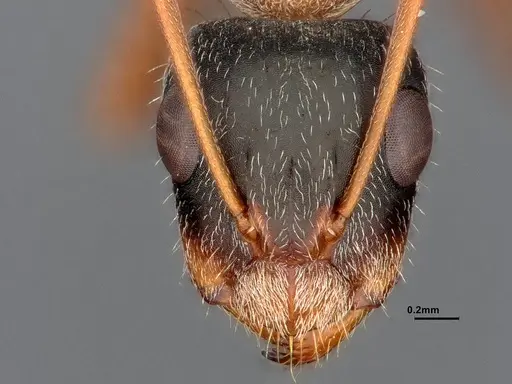
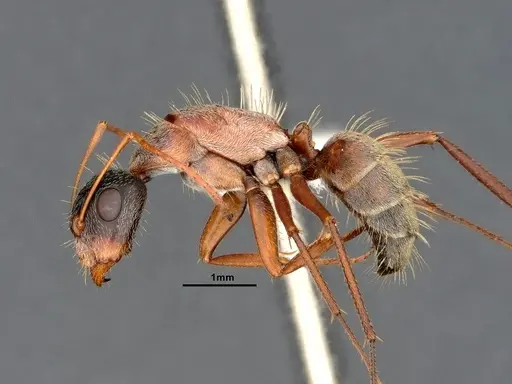
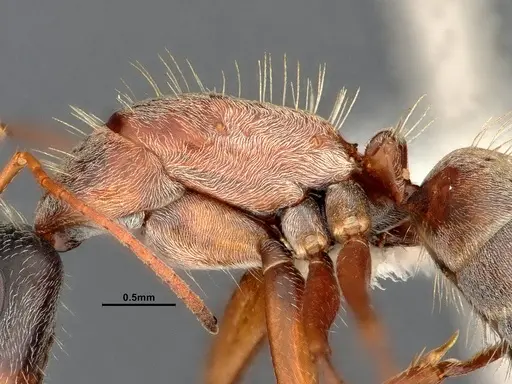
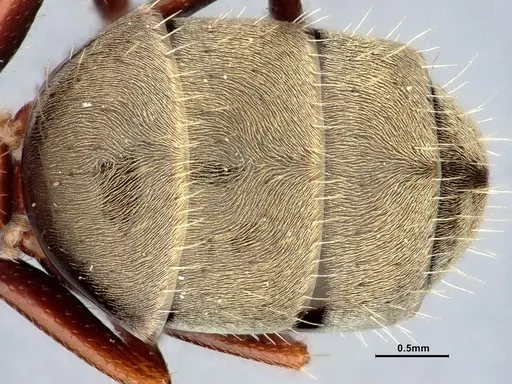
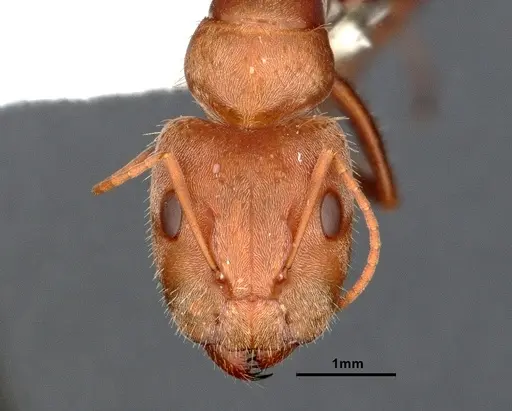
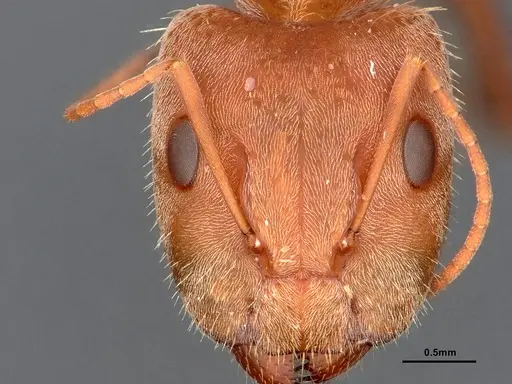
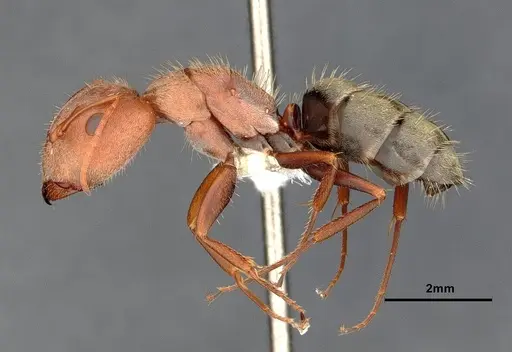
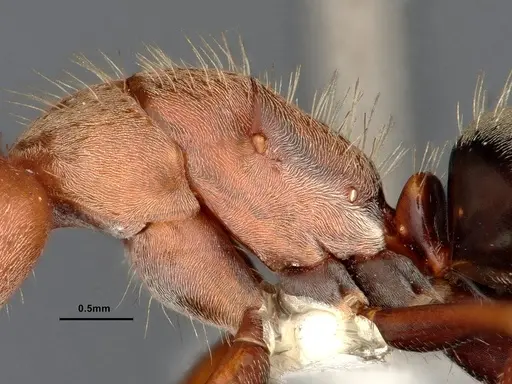
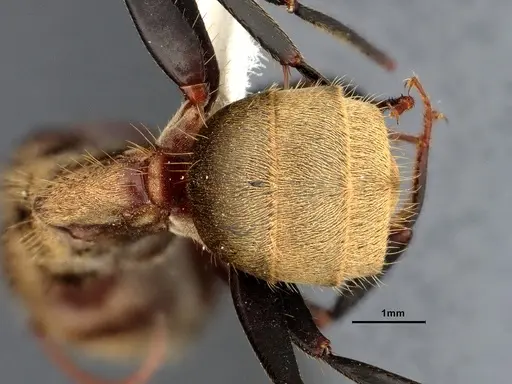
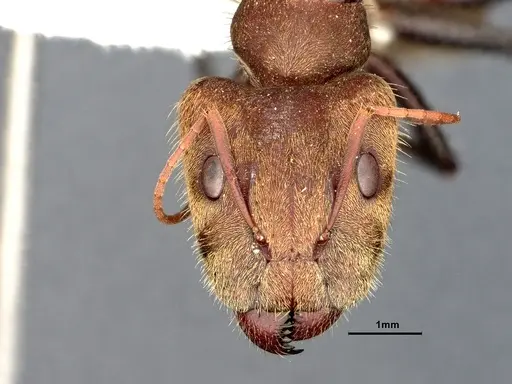
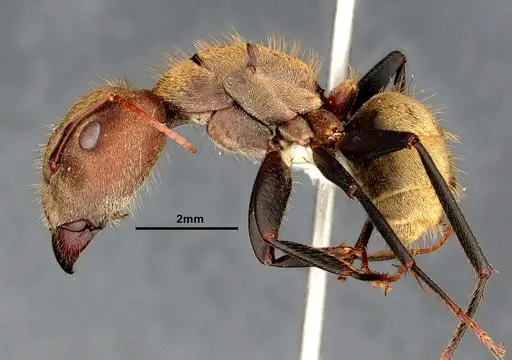
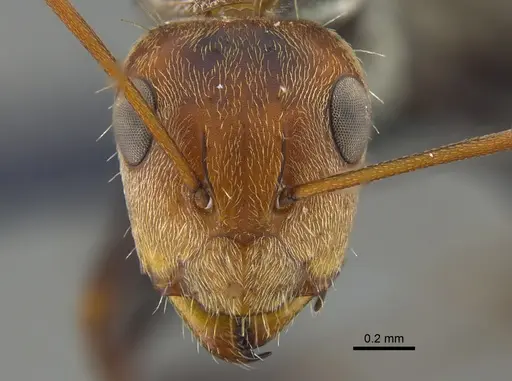
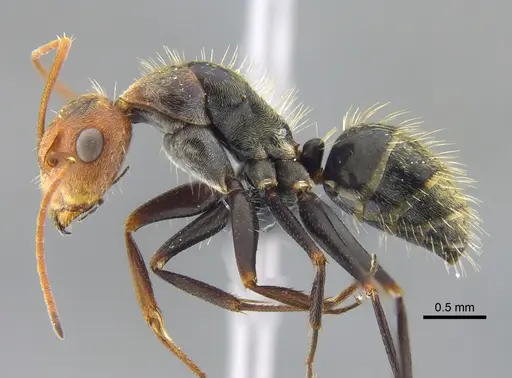
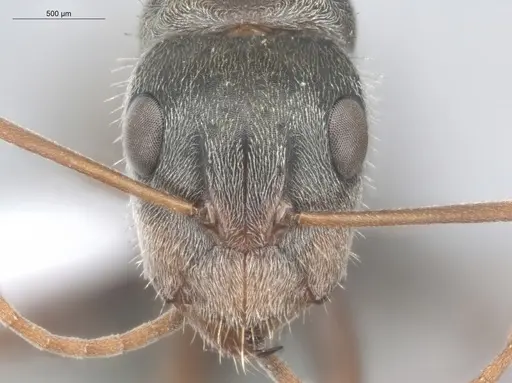
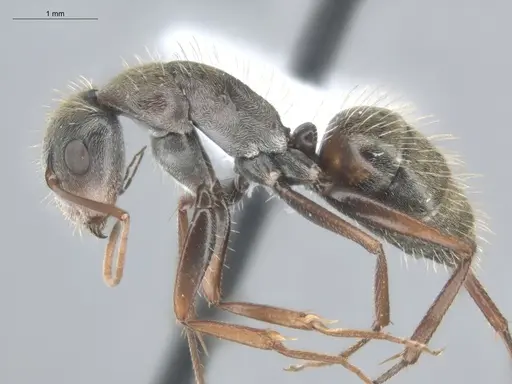
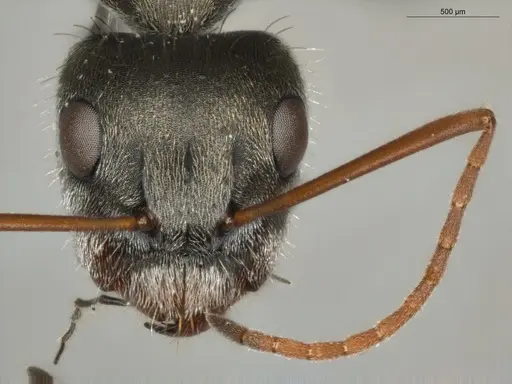
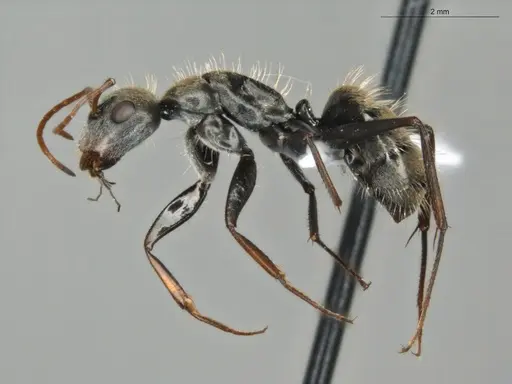
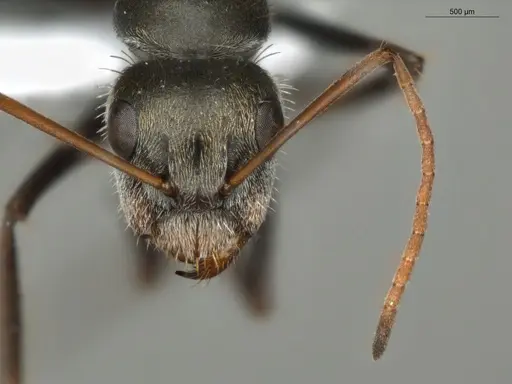
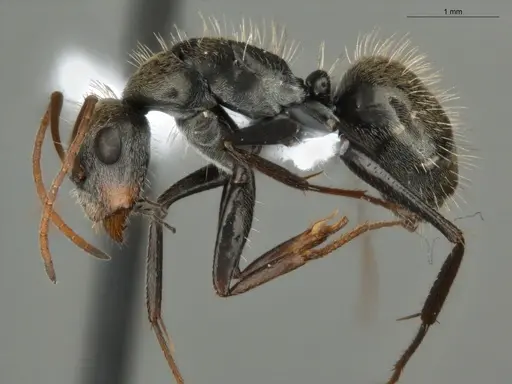
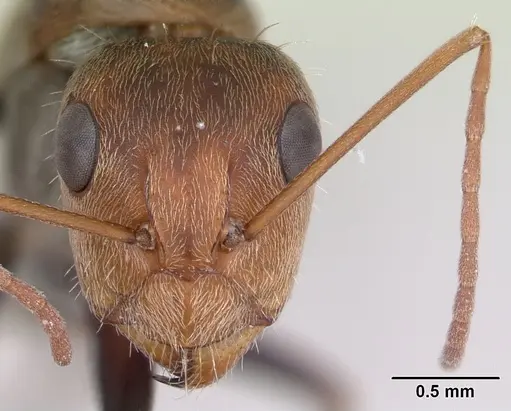
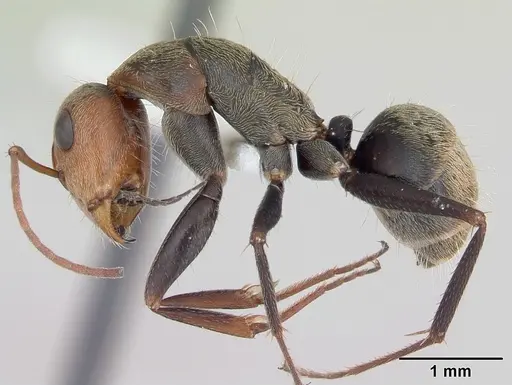
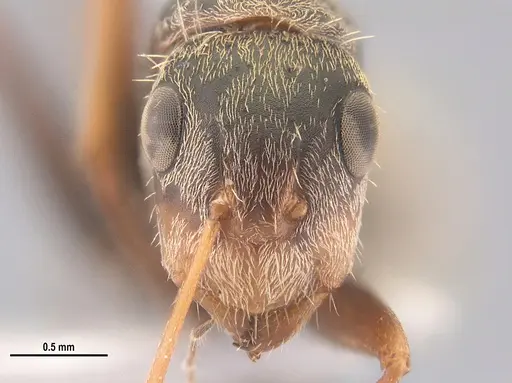
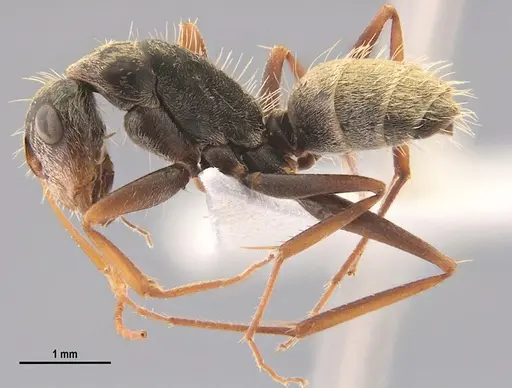
Camponotus blandus is a medium-sized ant native throughout the Neotropical region, from Mexico down to Argentina. Workers measure 8-13mm and display variable coloration—typically a combination of red and black, though some populations appear almost entirely black. Their entire body is covered with fine golden hairs, giving them a somewhat velvety appearance. This species belongs to the subgenus Myrmaphaenus and is classified as a subordinate Camponotini species, meaning it plays a non-aggressive role in ant communities and avoids direct competition with more dominant species . What makes C. blandus particularly interesting is its visual system—researchers discovered these ants have dichromatic color vision, meaning they can distinguish ultraviolet from blue and green wavelengths but cannot tell blue from green apart. They also show strong innate preferences for ultraviolet light, which likely helps them navigate in open habitats like the savanna. Additionally, this species is known for its aggressive termite-hunting behavior, raiding termite galleries and carrying off entire prey items .
Quick Summary
- Difficulty: Medium
- Origin & Habitat: Native to the Neotropical region: Argentina, Bolivia, Brazil, Colombia, Costa Rica, Guyana, Mexico, Paraguay, Peru, Uruguay, and Venezuela. Found in diverse habitats including cerrado savanna, Atlantic forest, Caatinga dry forest, and pastureland. Nests in soil under rocks, in decaying logs, or in termite mounds [2][5][1].
- Colony Type: Small colonies with a single queen. Research shows average colony sizes of about 23 individuals including brood and sexuals in natural populations [2].
- Size & Growth:
- Queen: Size data unavailable, inferred from genus patterns to be around 12-15mm
- Worker: 8-13mm [6]
- Colony: Small, typically under 50 workers in mature colonies, with natural averages around 23 individuals [2]
- Growth: Moderate
- Development: Approximately 6-8 weeks at optimal temperatures (inferred from typical Camponotus development) (Laboratory colonies thrive at 25°C with 50% relative humidity. Development follows typical Camponotus patterns.)
- Antkeeping:
- Temperature: Keep at 24-28°C. This is a diurnal, xerotherm (heat-loving) species that forages during the hottest hours of the day, typically between 08:30 and 13:00. A heating cable on one side of the nest creates a suitable gradient [7][3].
- Humidity: Moderate humidity around 50-60%. They nest in soil and wood, so provide some moisture but avoid waterlogging. The substrate should feel slightly damp, not wet [3].
- Diapause: No, as a tropical/subtropical species, they do not require hibernation. However, slight temperature reductions during winter months may slow activity naturally.
- Nesting: Use a naturalistic setup with soil or a Y-tong/plaster nest. They prefer preexisting cavities, soil chambers, decaying wood, or under stones. A nest with chambers scaled to their medium-large size works well. Avoid very compact test tube setups as they prefer more spacious quarters [2][1].
- Behavior: C. blandus is a diurnal, generalist forager with moderate aggression. Workers actively hunt termites and other small arthropods, using formic acid spray as their primary defense (they lack a functional sting). They forage both in trees and on the ground, with peak activity between 8:30 AM and 1:00 PM. They are subordinate in ant communities and tend to avoid direct conflict with more dominant species like fire ants, often behaving submissively. However, they can be territorial toward other C. blandus colonies. Escape risk is moderate, use standard barriers but they are not particularly adept climbers [2][7][3].
- Common Issues: small colony size means slower population growth than faster-breeding species, dominated by fire ants in competitive interactions, keep away from aggressive species, formic acid spray is their only defense, they cannot sting, so rely on chemical deterrence, diurnal activity means they are less active at night, adjust feeding schedules accordingly, requires warm conditions, cool temperatures will reduce foraging and growth, colonies stay small, expect under 50 workers even in mature colonies
Housing and Nest Setup
Camponotus blandus does well in naturalistic setups that mimic their natural nesting preferences. In the wild, they nest in soil, typically under rocks, in decaying logs, or even in termite mounds. For captivity, a Y-tong (AAC) nest or a plaster formicarium with soil chambers works well. They prefer preexisting cavities rather than excavating, so providing ready-made chambers scaled to their medium-large size (8-13mm workers) is ideal. A small outworld allows workers to forage and hunt for prey. Because they are diurnal and warmth-loving, place the nest in a warm area of your setup, but ensure they can retreat to cooler zones if needed. A water test tube connected to the nest helps maintain humidity without over-wetting the nesting area. [2][1][3]
Feeding and Diet
This species is omnivorous but leans toward predatory behavior. In the wild, they are aggressive termite hunters, workers raid termite galleries and carry away entire prey items rather than pieces. They supplement their diet with extrafloral nectar from plants, honeydew from aphids and scale insects, and scavenged protein. In captivity, offer a varied diet: protein sources like small crickets, mealworms, or other feeder insects (especially termites if you can obtain them) work well. They also readily accept sugar water, honey, or nectar substitutes. Feed protein 2-3 times per week and keep a sugar source available constantly. Their small colony size means they won't consume huge quantities, adjust food amounts accordingly and remove uneaten prey after 24 hours to prevent mold. [4][2]
Temperature and Seasonal Care
As a Neotropical species, C. blandus prefers warm conditions. Keep the nest area at 24-28°C, they are diurnal xerotherm species that actively forage during the hottest hours of the day. In their native range, peak foraging occurs between 8:30 AM and 1:00 PM. A heating cable on one side of the nest creates a thermal gradient, allowing ants to self-regulate. Unlike temperate species, they do not require true hibernation or diapause. However, slight seasonal temperature fluctuations in your room may naturally slow them during winter months, which is acceptable. Avoid temperatures below 20°C for extended periods as this can suppress activity and brood development. Laboratory colonies thrive at 25°C with 50% relative humidity under a 12:12 light:dark cycle. [7][3]
Behavior and Defense
Workers are diurnal and highly active foragers, patrolling both vegetation and ground in search of prey and nectar. Their primary defense mechanism is spraying formic acid from their acidopore, they lack a functional sting. When threatened, they may also use their mandibles. Interestingly, research shows they have dichromatic color vision, with peak sensitivity to ultraviolet (360nm) and green-to-blue wavelengths (470-560nm). This likely helps them navigate open habitats. They are subordinate in ant communities and tend to avoid direct competition with dominant species like fire ants, often behaving submissively. However, they can be aggressive toward neighboring C. blandus colonies. They attend extrafloral nectaries and tend to hemipteran insects like scale bugs for honeydew. [2][3][7]
Colony Development
Colonies remain relatively small compared to many Camponotus species. Research in the Brazilian cerrado found average colony sizes of only about 23 individuals including brood and sexuals. This is a slow-growing species, the queen lays eggs sequentially, and the claustral founding process takes several weeks before the first workers (nanitics) emerge. Expect 6-8 weeks from egg to first worker at optimal temperatures. Growth is moderate, established colonies may eventually reach 40-50 workers. Because colonies stay small, they are less impressive visually than some larger Camponotus species, but their active foraging and interesting behaviors make them engaging to watch. [2]
Frequently Asked Questions
How long does it take for Camponotus blandus to produce first workers?
Expect 6-8 weeks from egg to first worker at optimal temperatures around 25°C. This follows typical Camponotus development patterns. The queen is claustral, she seals herself in and raises the first brood alone using stored fat reserves.
What do Camponotus blandus eat?
They are omnivorous but prefer protein. Feed small insects like crickets, mealworms, or termites. They also accept sugar water, honey, or nectar. Protein 2-3 times weekly with constant sugar availability works well.
Are Camponotus blandus good for beginners?
They are moderate difficulty. They require warm temperatures and specific diurnal foraging schedules, but their colony care is straightforward. Their small colony size and moderate growth may test patience, but they are rewarding for keepers interested in observing natural behaviors.
What temperature do Camponotus blandus need?
Keep them warm at 24-28°C. This is a diurnal, warmth-loving species that forages during the hottest part of the day. A heating cable on part of the nest creates a suitable gradient.
How big do Camponotus blandus colonies get?
Relatively small, typically under 50 workers in mature colonies. Research shows average natural colonies contain only about 23 individuals including brood and sexuals.
Can I keep multiple Camponotus blandus queens together?
No. This species is monogyne, single queen colonies. Multiple queens will fight. Only one queen per colony is recommended.
Do Camponotus blandus need hibernation?
No. As a tropical/subtropical Neotropical species, they do not require hibernation. They remain active year-round with appropriate warmth.
What type of nest is best for Camponotus blandus?
A naturalistic setup with soil or a Y-tong/plaster nest works well. They prefer preexisting cavities in soil, decaying wood, or under stones. Avoid cramped test tubes, provide appropriately sized chambers for their medium-large workers.
Why is my Camponotus blandus colony not growing?
Check temperature (they need 24-28°C), feeding frequency (protein 2-3x weekly), and colony stress. Small colonies grow slowly naturally. Also ensure they are not being outcompeted by other ant species if housed in a shared space.
Report an Issue
The current care sheet is based fully on literature. See inconsistencies, or something that's incorrect? Please , it will be resolved after review from an admin. Contributing to the blogs tab also helps providing information, to make us be able to further improve the caresheets. Thank you for your support!
References

This caresheet is licensed under CC BY-SA 4.0 .
Community Blogs
CASENT0615506
View on AntWeb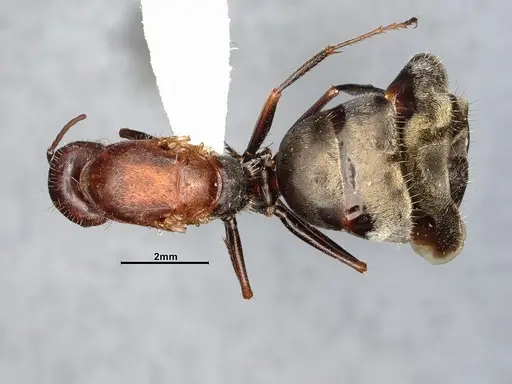
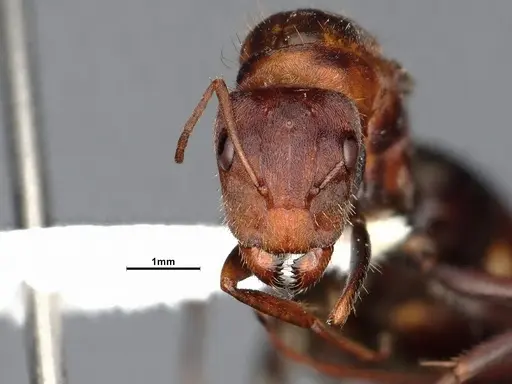
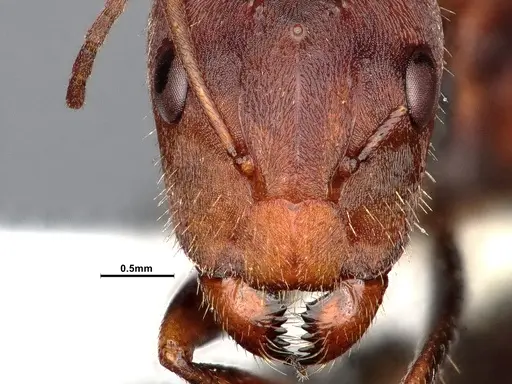
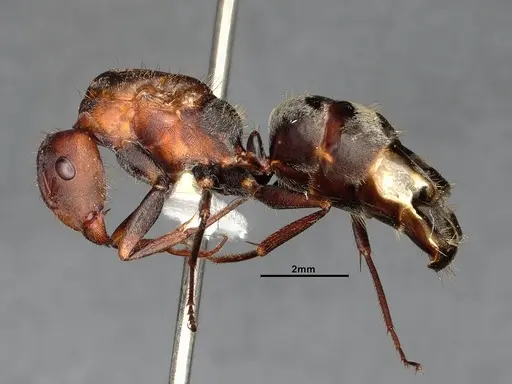
CASENT0903612
View on AntWeb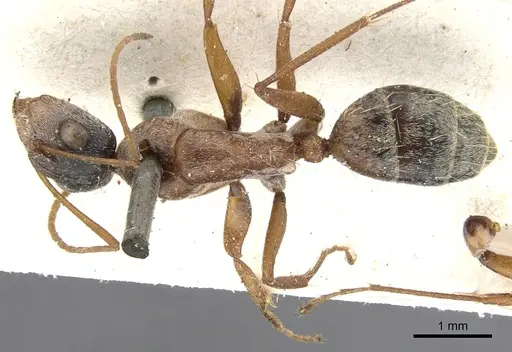
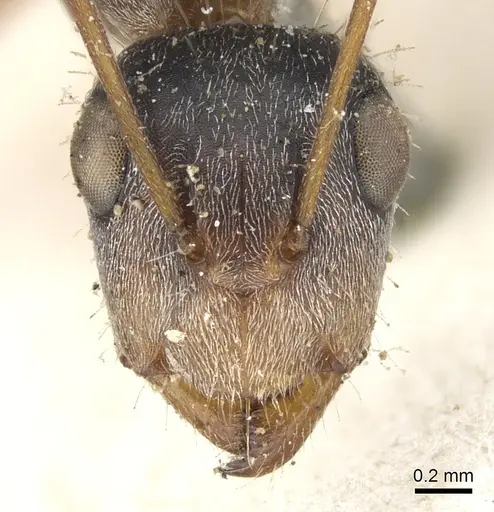
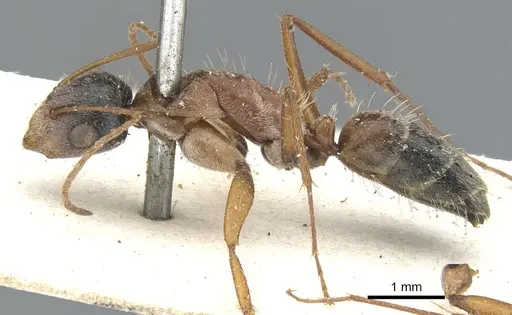
CASENT0905478
View on AntWeb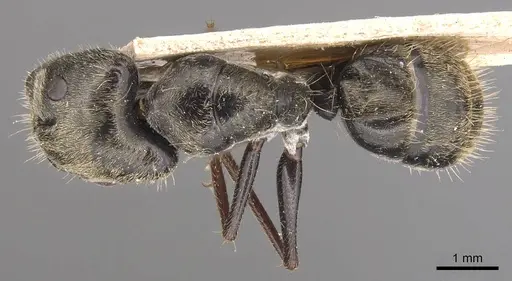
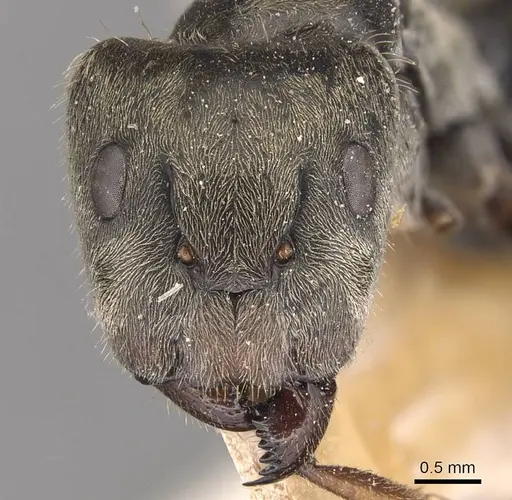
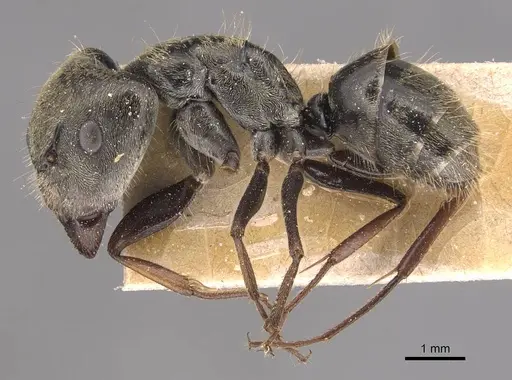
CASENT0905479
View on AntWeb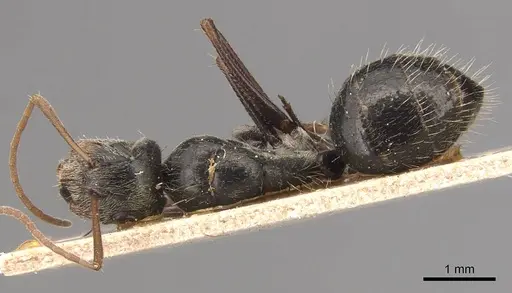
CASENT0910626
View on AntWeb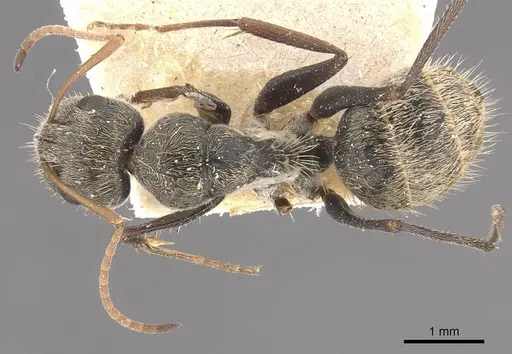
CASENT0910629
View on AntWeb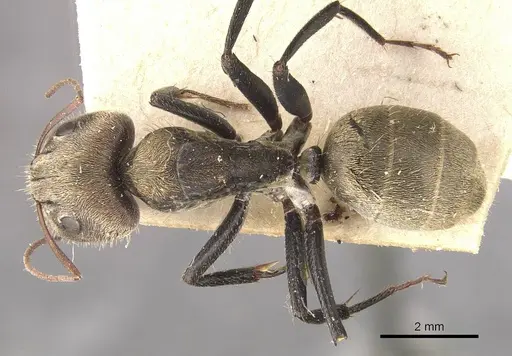
CASENT0910630
View on AntWeb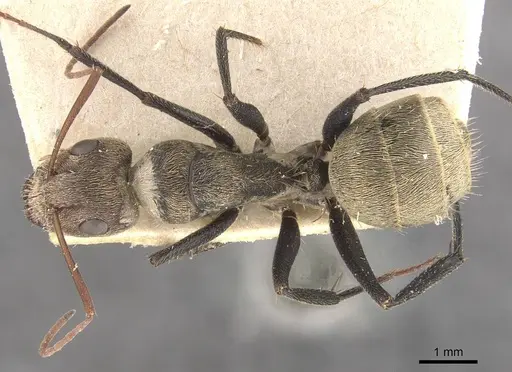
CASENT0911677
View on AntWeb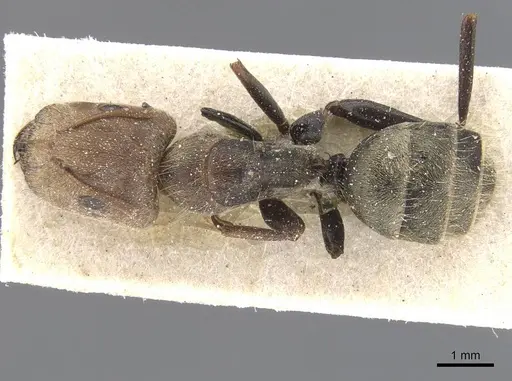
CASENT0911678
View on AntWeb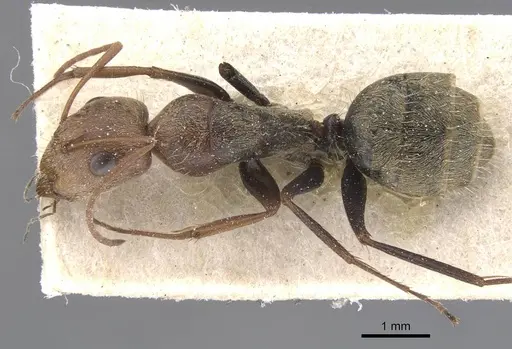
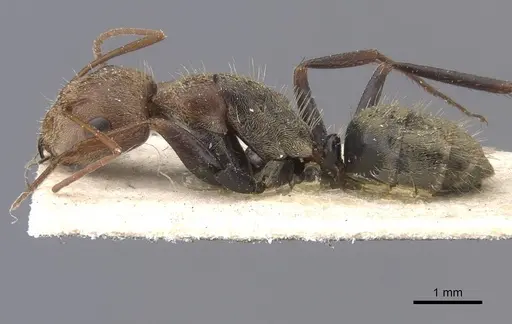
CASENT0923521
View on AntWeb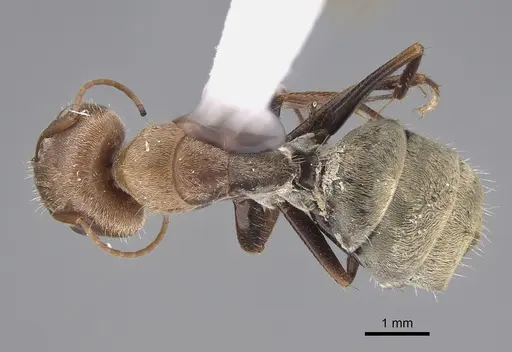
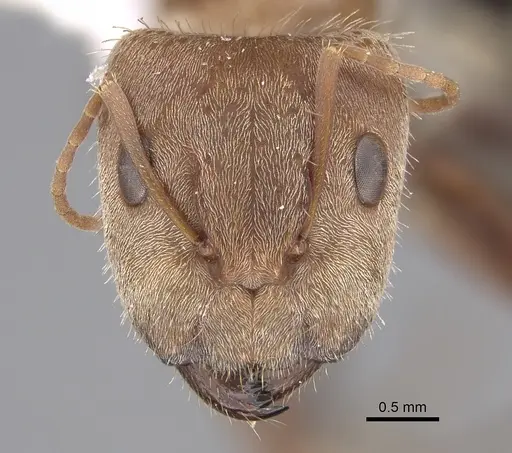
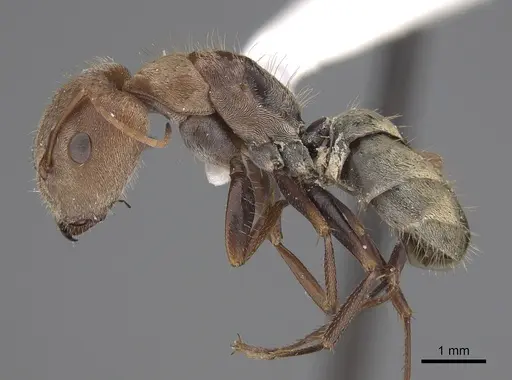
CASENT4032278
View on AntWeb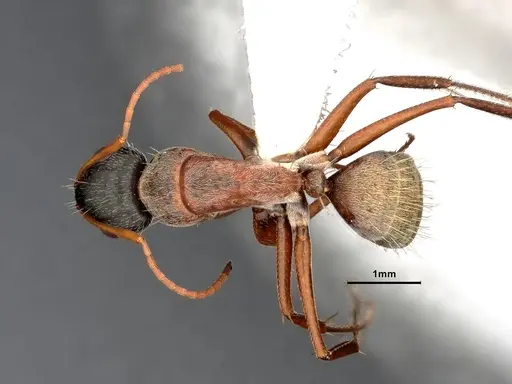
CASENT4032279
View on AntWeb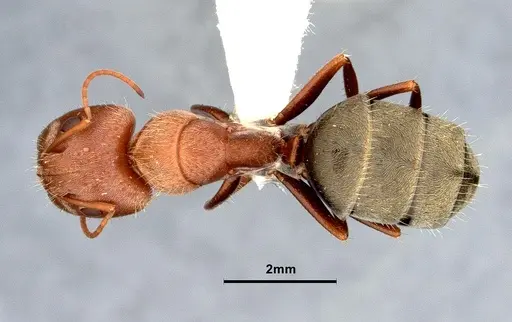
CASENT4032280
View on AntWeb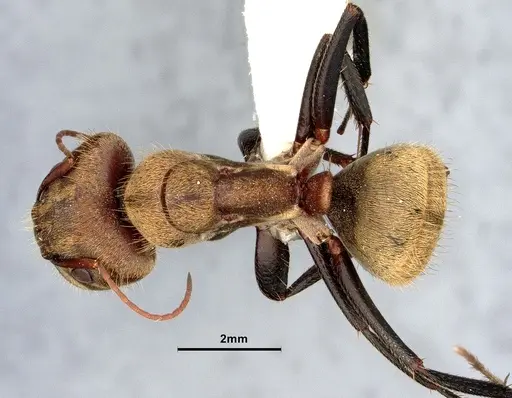
CBUMAGENT42008
View on AntWeb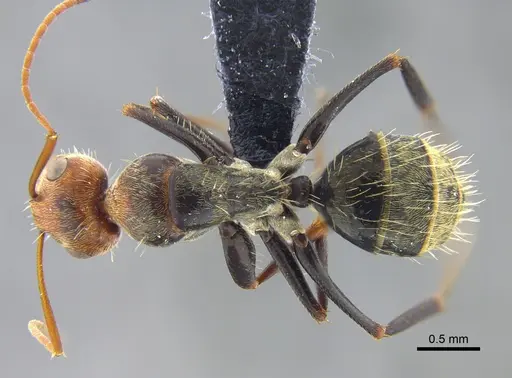
ECOFOG-OI17-0224-01
View on AntWeb
ECOFOG-PAT19-0101-04
View on AntWeb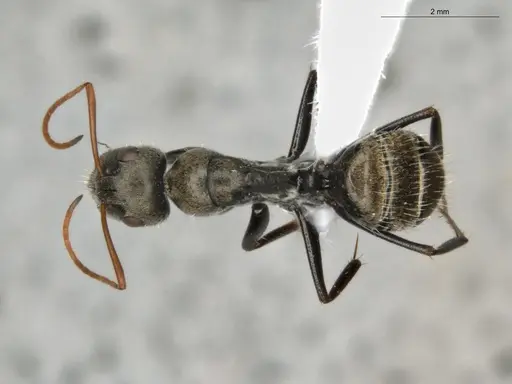
ECOFOG-PAT19-0103-05
View on AntWeb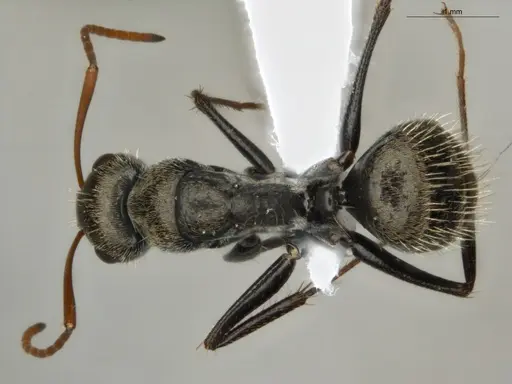
INBIOCRI002280809
View on AntWeb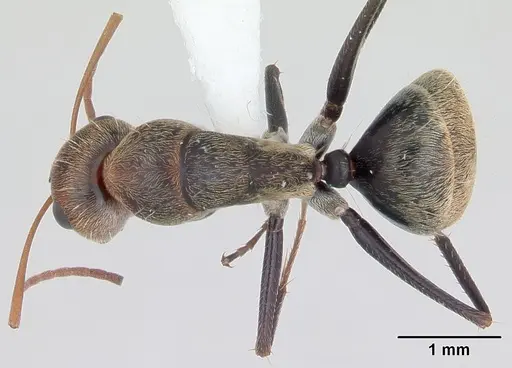
LABSEI
View on AntWeb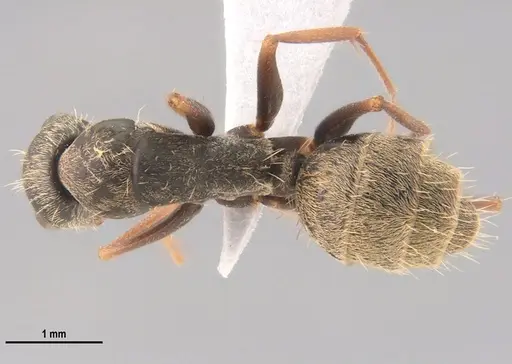
Literature
Loading distribution map...Loading products...