
Camponotus binghamii
- Sci. Name
- Camponotus binghamii
- Subgenus
- Myrmamblys
- Tribe
- Camponotini
- Subfamily
- Formicinae
- Author
- Forel, 1894
- Distribution
- Found in 0 countries
Introduction
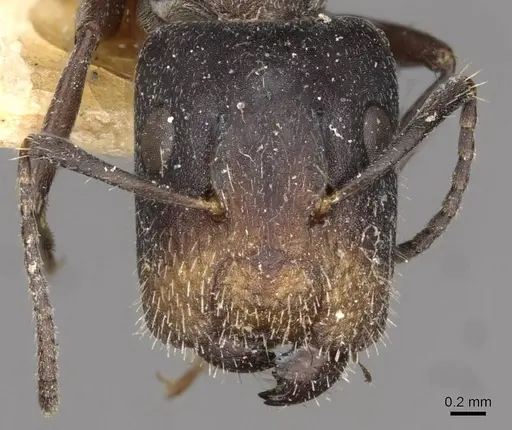
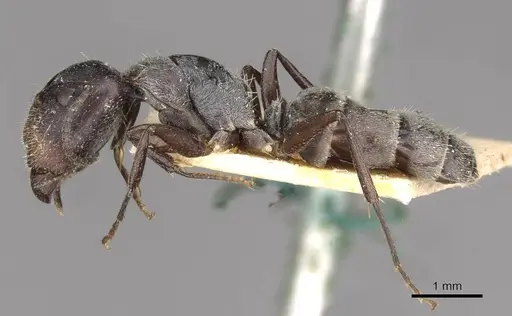
Camponotus binghamii is a medium-sized carpenter ant native to the Indomalaya region, found throughout India and Myanmar. Workers have the characteristic Camponotus body shape - a compact mesosoma and a smooth, rounded gaster. The species was first described by Forel in 1894 from specimens collected in Myanmar's Ataran Valley. This ant forms a facultative mutualistic relationship with the butterfly Neopithecops zalmora - the butterfly larvae produce honeydew that the ants feed on, while the ants provide protection . In its native range, it is one of the most common ant species in primary forest habitats.
Quick Summary
- Difficulty: Medium
- Origin & Habitat: Tropical and subtropical forests of India and Myanmar. Found across the Indomalaya region, with documented populations in Kerala, India and throughout Myanmar [2].
- Colony Type: Likely monogyne, single queen colonies. Based on typical Camponotus patterns, colonies typically have one founding queen.
- Size & Growth:
- Queen: ~12-20mm, inferred from Camponotus genus
- Worker: ~6-15mm, inferred from Camponotus genus
- Colony: Estimated up to 500-1000 workers
- Growth: Moderate
- Development: Estimated 6-8 weeks at optimal temperature (Development time is temperature-dependent. First workers (nanitics) are typically smaller than mature workers.)
- Antkeeping:
- Temperature: Keep at 24-28°C. Being a tropical species from India and Myanmar, it prefers warm conditions. A heating cable on one side of the nest creates a gradient allowing workers to self-regulate.
- Humidity: Moderate to high humidity (60-80%). These forest-dwelling ants need moisture but not waterlogged conditions. Keep the nest substrate consistently moist but allow some drying between water additions.
- Diapause: No true diapause required. Being from tropical latitudes, this species does not experience harsh winters. However, slight seasonal slowdowns may occur during cooler months, reduce feeding and keep at room temperature (around 20-22°C) during winter if colony shows reduced activity.
- Nesting: In nature, they nest in rotting wood and under bark. In captivity, a Y-tong (AAC) nest or plaster formicarium works well. The chambers should be appropriately sized, not too large for small colonies, with narrow passages that allow workers to move comfortably.
- Behavior: Typical Camponotus temperament, generally calm and not aggressive toward keepers. Workers are active foragers, primarily nocturnal or crepuscular. They are not true carpenter ants in the destructive sense, they nest in pre-existing cavities rather than excavating sound wood. Escape risk is moderate, use standard barrier methods (Fluon on container edges). They readily accept sugar water and protein prey.
- Common Issues: colonies can stall if temperatures drop below 20°C for extended periods, overfeeding leads to mold problems in nest chambers, small colonies are vulnerable to stress from excessive disturbance, wild-caught colonies may carry parasites that affect captive survival, queen mortality during founding is common, expect some loss
Nest Preferences and Setup
Camponotus binghamii naturally nests in rotting wood and under loose bark in forest environments. In captivity, they adapt well to various nest types. Y-tong (acrylic alloy container) nests are excellent for this species, the material mimics the damp, woody environment they prefer while allowing you to observe colony activity. Plaster or earth nests also work well and help maintain appropriate humidity. For founding colonies, a simple test tube setup with a water reservoir works perfectly, the queen seals herself in a chamber and raises her first brood in isolation. As the colony grows (reaching 20+ workers), consider transitioning to a larger formicarium. The key is matching chamber size to colony size, too-large chambers stress small colonies, while cramped conditions limit growth.
Feeding and Diet
Like all Camponotus ants, C. binghamii is omnivorous with a strong preference for sugar sources. Offer sugar water (1:3 ratio sugar to water) or honey as a constant energy source. For protein, they readily accept common feeder insects like mealworms, small crickets, and fruit flies. In the wild, they also consume honeydew from aphids and scale insects, the facultative mutualism with Neopithecops zalmora butterflies demonstrates this sugar-seeking behavior [1]. Feed protein prey 2-3 times per week, removing any uneaten prey after 24 hours to prevent mold. Small colonies do well with just a few prey items at a time, larger colonies can handle more. Always ensure fresh water is available, especially when feeding dry sugar sources.
Temperature and Seasonal Care
Being native to tropical India and Myanmar, this species thrives at warm temperatures between 24-28°C. This aligns with their natural habitat in the Indomalaya region where temperatures remain consistently warm year-round [2]. During summer months or in heated rooms, room temperature alone may suffice. In cooler environments, use a heating cable placed on top or to one side of the nest to create a gentle temperature gradient. Never exceed 32°C as excessive heat can kill brood and stress the colony. Unlike temperate species, they do not require a true hibernation diapause. However, you may notice reduced activity during winter months in cooler climates, this is natural and the colony will resume normal activity when temperatures rise. Simply maintain stable conditions around 20-22°C during this rest period and reduce feeding frequency.
Behavior and Colony Dynamics
Camponotus binghamii exhibits typical carpenter ant behavior, relatively docile with workers that are active foragers, particularly during evening and night hours. Colonies are likely monogyne, meaning they function with a single queen throughout their lifecycle. The queen is claustral, she seals herself in during founding and relies entirely on her stored fat reserves to survive until the first workers (nanitics) emerge. Workers are polymorphic, meaning you will see both smaller minor workers and larger major workers that can help with defense and processing larger prey items. The species shows no significant aggression toward keepers and poses no stinging threat to humans. As a Formicinae ant, they lack a functional stinger but may bite if handled roughly. They communicate through chemical trails and can be fed using standard ant-keeping techniques. Escape prevention is important, while not the smallest ants, they can still climb smooth surfaces, so apply Fluon or similar barriers to container edges.
Growth and Development
Colony development follows typical Camponotus patterns. After the claustral founding phase (queen sealed in, living off reserves), eggs hatch into larvae that the queen tends. These larvae develop through several instars before pupating and emerging as adult workers. The first generation, nanitics, are typically smaller than mature workers but immediately begin foraging to support the growing colony. From there, colony growth is moderate rather than explosive, expect the colony to reach 50 workers within the first year under good conditions, with larger colonies (several hundred workers) developing over 2-3 years. Growth rate depends heavily on temperature, feeding consistency, and colony stress levels. Maintaining optimal temperature (24-28°C) and providing regular protein feedings will maximize growth. Once the colony reaches 100+ workers, you may notice major workers appearing with increasing frequency.
Frequently Asked Questions
How long does it take for Camponotus binghamii to produce first workers?
Expect first workers (nanitics) to emerge around 6-8 weeks after the queen lays eggs, assuming optimal temperatures of 24-28°C. This timeline is typical for Camponotus species and depends heavily on temperature, cooler conditions will slow development significantly.
What do I feed Camponotus binghamii?
Offer sugar water or honey as a constant energy source. For protein, provide small insects like mealworms, fruit flies, or small crickets 2-3 times per week. Remove uneaten prey after 24 hours to prevent mold.
Can I keep multiple Camponotus binghamii queens together?
No, this species is likely monogyne, colonies function with a single queen. Unlike some facultatively polygynous species, combining unrelated queens will typically result in fighting. Only keep one queen per colony.
Do Camponotus binghamii need hibernation?
No, being a tropical species from India and Myanmar, they do not require a true hibernation diapause. However, slight seasonal slowdowns may occur in cooler months, you can reduce feeding and maintain temperatures around 20-22°C during this rest period.
What temperature is ideal for Camponotus binghamii?
Keep the nest at 24-28°C. This tropical species prefers warm conditions. A heating cable on one side of the nest creates a gradient that allows workers to self-regulate their temperature preference.
Is Camponotus binghamii good for beginners?
This species is rated as medium difficulty. While not the most challenging ant species, it does require attention to temperature and humidity. Beginners should have some basic ant-keeping experience before attempting this species.
When should I move my colony to a formicarium?
Move to a larger nest (formicarium) when the colony reaches 20-30 workers and the test tube setup becomes cramped. Y-tong nests work excellently for this species. Ensure the new nest has appropriately sized chambers, not too large for the colony size.
How big do Camponotus binghamii colonies get?
Mature colonies can reach 500-1000 workers over 2-3 years under good conditions. Growth is moderate, not as fast as some species but steady with proper care.
Why is my colony not growing?
Common causes include temperatures below 20°C, insufficient protein feeding, or stress from excessive disturbance. Check that temperatures are in the 24-28°C range and that you are feeding protein regularly. Also ensure the queen is still alive and laying eggs.
Report an Issue
The current care sheet is based fully on literature. See inconsistencies, or something that's incorrect? Please , it will be resolved after review from an admin. Contributing to the blogs tab also helps providing information, to make us be able to further improve the caresheets. Thank you for your support!
References

This caresheet is licensed under CC BY-SA 4.0 .
Community Blogs
CASENT0910514
View on AntWeb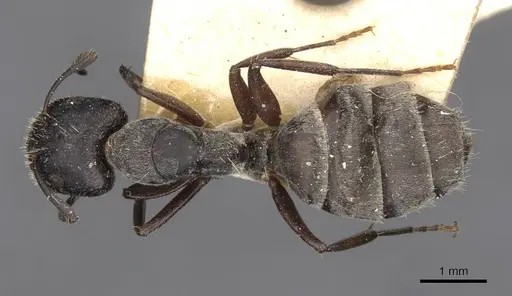
Literature
Loading distribution map...Loading products...