
Camponotus bidens
- Sci. Name
- Camponotus bidens
- Subgenus
- Myrmocladoecus
- Tribe
- Camponotini
- Subfamily
- Formicinae
- Author
- Mayr, 1870
- Distribution
- Found in 5 countries
Introduction
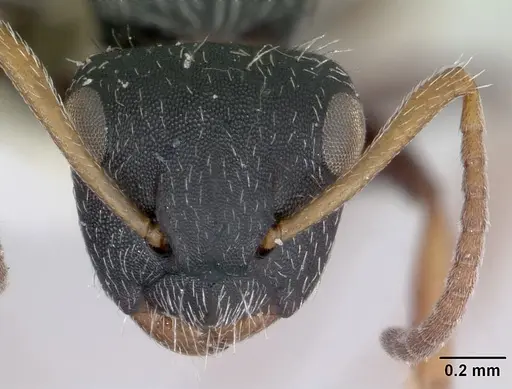
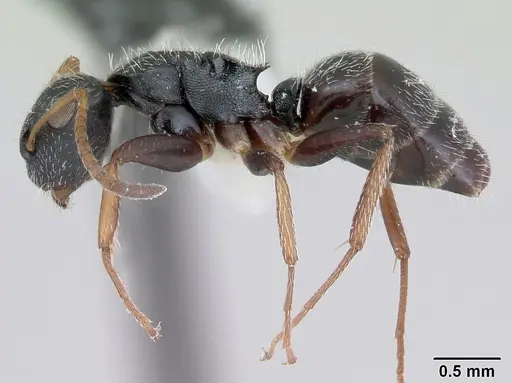
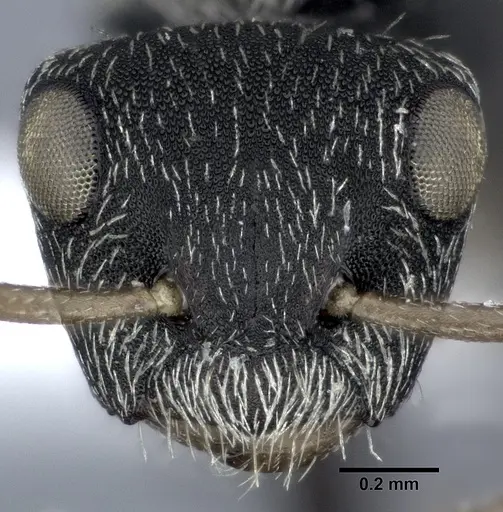
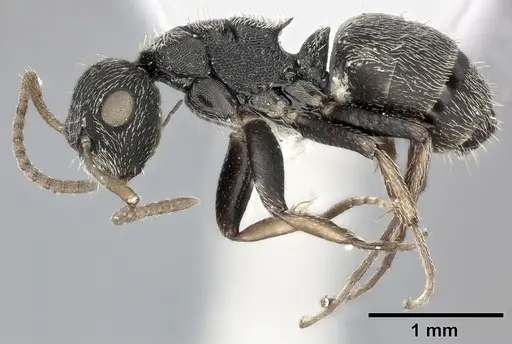
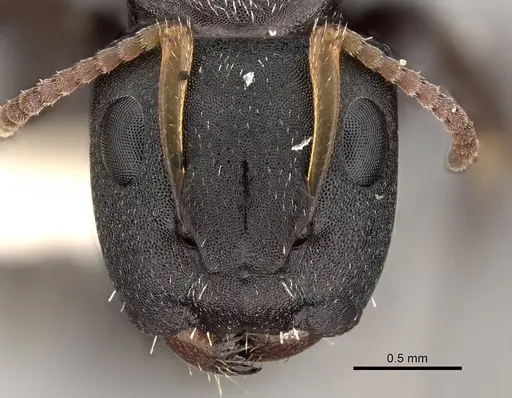
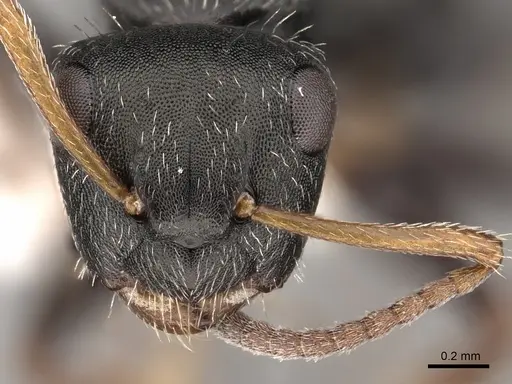
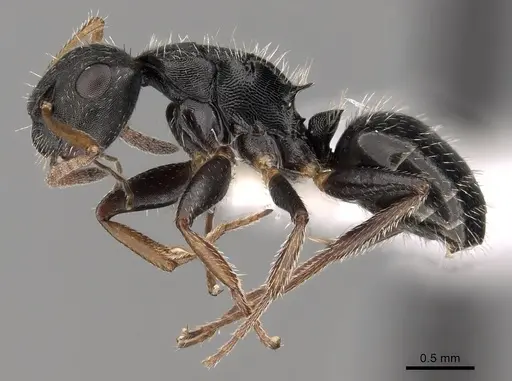
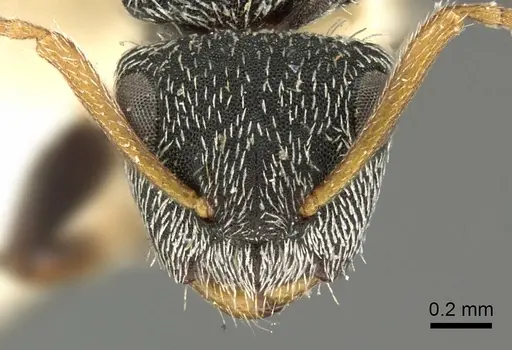
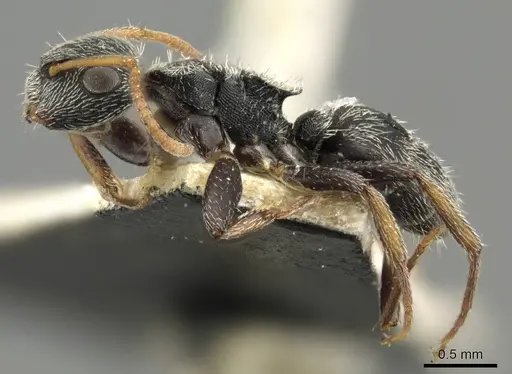
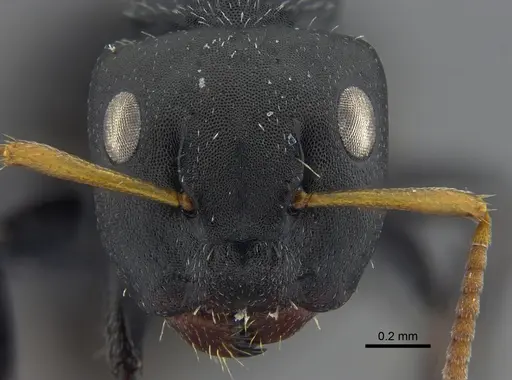
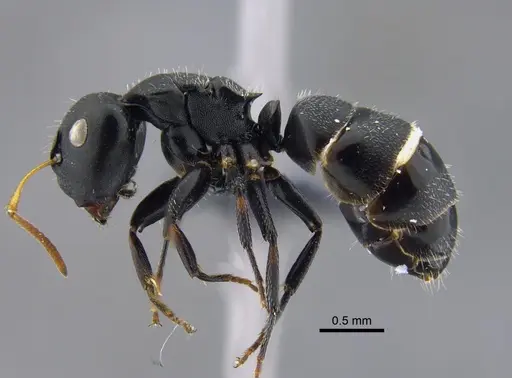
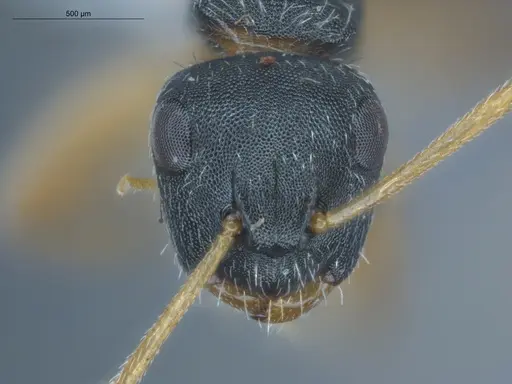
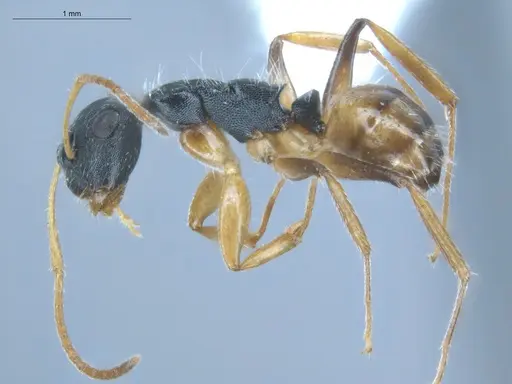
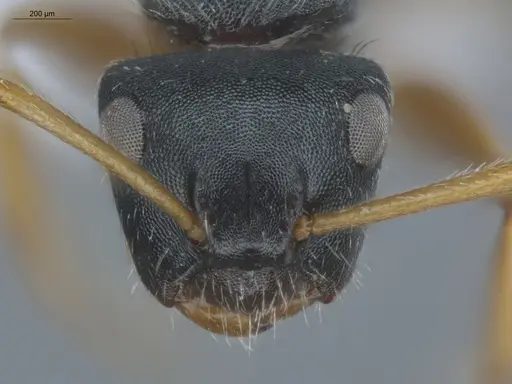
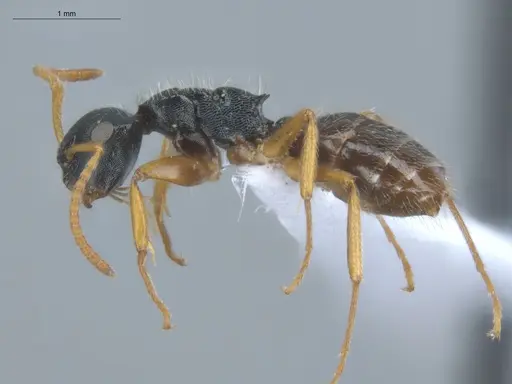
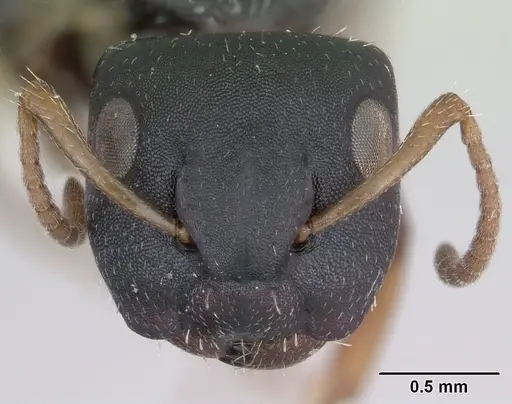
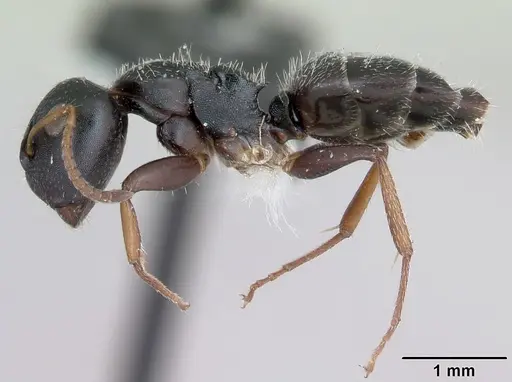
Camponotus bidens is a small carpenter ant found throughout the Neotropical region, from Costa Rica through Colombia, Venezuela, Brazil, and into Peru. Workers measure 3.1-4.7mm and are black with lighter-colored legs, while queens reach nearly 7mm in length . This species belongs to the subgenus Myrmobrachys and is characterized by small spines or teeth on the propodeum and a wide petiole with rounded apex . They are very common in Colombia and nest exclusively in hollow dead twigs and empty branches of various trees in dry forest environments [AntWiki].
Quick Summary
- Difficulty: Easy
- Origin & Habitat: Neotropical region, Costa Rica to Venezuela and Brazil, including Panama, Colombia, Peru, Ecuador, French Guiana, Guyana, Suriname, and Trinidad. They nest in hollow dead twigs and empty branches in dry forests and forest edges [3][4].
- Colony Type: Colony structure is unconfirmed. While most Camponotus species are typically monogyne, specific literature confirming single-queen colonies for C. bidens is lacking.
- Size & Growth:
- Queen: nearly 7mm [4]
- Worker: 3.1-4.7mm [1][2]
- Colony: Maximum colony size is unknown. As small arboreal ants, colonies likely reach several hundred workers.
- Growth: Moderate
- Development: Development time is unconfirmed for this species. Small Camponotus species typically develop from egg to worker in 6-8 weeks under warm conditions. (Queens are likely claustral based on genus patterns, they seal themselves in and raise first workers alone using stored fat reserves.)
- Antkeeping:
- Temperature: Keep at 22-26°C. As a tropical species, they prefer warm conditions but can tolerate typical room temperatures. Avoid temperatures below 20°C.
- Humidity: Moderate humidity around 50-70%. Being an arboreal nester in twigs, they prefer drier conditions than ground-nesting ants. Allow the nest to dry out somewhat between water additions.
- Diapause: No, being a tropical species, they do not require hibernation. Keep temperatures stable year-round.
- Nesting: Best kept in Y-tong (AAC) nests or test tube setups with narrow chambers. They naturally nest in hollow twigs and small cavities, so tight-fitting chambers scaled to their small size work well. Avoid large, open spaces.
- Behavior: Timid and non-aggressive by nature. Workers are small and typically slow-moving. They are arboreal foragers and show Small Arboreals of Massive Recruitment behavior, when food is found, they recruit many nestmates quickly [5]. They are not known to be particularly defensive and rarely sting. Escape prevention should be adequate since they are small but not extremely tiny, standard barriers work well.
- Common Issues: colonies can be slow to establish, patience is needed during the founding stage, being timid, they may be outcompeted by more aggressive ant species if housed in shared spaces, tropical species are sensitive to temperature drops, keep above 20°C, small colony size means they produce fewer workers initially, do not overfeed which can lead to mold, wild-caught colonies may carry parasites including the Ophiocordyceps fungus that infects this species in the wild [3104]
Nest Preferences
In the wild, Camponotus bidens nests exclusively in hollow dead twigs and empty branches of various trees [3][4]. This arboreal nesting habit means they prefer tight, enclosed spaces rather than open chambers. For captive care, Y-tong (AAC) nests work well because they provide the narrow, enclosed chambers these ants prefer. Test tube setups are also suitable, especially for founding colonies. Avoid large, open formicarium spaces, these ants feel safest in snug chambers that mimic their natural twig homes. The nest should have multiple small chambers connected by narrow passages. Because they nest in dead wood in nature, they can tolerate drier conditions than many ants, so ensure good ventilation to prevent mold buildup.
Feeding and Diet
As a typical Camponotus species, these ants are omnivorous. They will accept sugar sources like honey or sugar water, and protein sources like small insects. In the wild, they forage for honeydew from aphids and scale insects, plus small arthropods. Feed them a varied diet: offer sugar water or honey once or twice a week, and protein 2-3 times per week. Remove uneaten protein after 24 hours to prevent mold. Because they are small workers, keep prey items appropriately sized. They show massive recruitment behavior [5], so when you place food, expect many workers to emerge quickly to transport it back to the nest.
Temperature and Care
Being a tropical to subtropical species, Camponotus bidens prefers warm temperatures in the 22-26°C range. They can tolerate typical room temperatures without issues, but avoid temperatures below 20°C as this can slow their metabolism and colony development. A heating cable or heating mat on one side of the nest creates a temperature gradient, allowing ants to self-regulate. Place the heating on top of the nest, not underneath, to prevent excessive moisture evaporation. Since they come from regions with no winter dormancy, they do not require a diapause period, maintain consistent temperatures year-round. Sudden temperature drops should be avoided.
Behavior and Temperament
These ants are described as timid and are not aggressive [4]. Workers are small and relatively slow-moving compared to larger carpenter ant species. They exhibit Small Arboreals of Massive Recruitment behavior, meaning when foragers discover food, they quickly recruit many nestmates to help transport it back to the nest [5]. This makes them entertaining to watch during feeding times. They are not known for painful stings, their small size and docile nature make them handling-safe, though they may bite if provoked. Escape risk is moderate, they are small but not among the tiniest ants, so standard escape prevention measures are sufficient. Colonies tend to be quiet and unobtrusive, making them good observation subjects.
Colony Founding
Like most Camponotus species, C. bidens is likely claustral, the queen seals herself inside a small chamber and does not leave to forage during the founding stage. She relies on her stored fat reserves to survive while laying eggs and raising the first workers. This process typically takes 6-8 weeks for small Camponotus species, after which the first tiny workers emerge and begin foraging for food to feed the growing colony. During founding, keep the queen in a dark, quiet location with stable temperature around 24-26°C and moderate humidity. Do not disturb her or check too frequently, excessive vibration and light can cause her to abandon or eat her eggs. Once workers emerge, you can begin offering tiny amounts of sugar water and small protein items.
Frequently Asked Questions
How long does it take for Camponotus bidens to produce first workers?
Exact development time is unconfirmed for this species. For small Camponotus species, expect first workers in about 6-8 weeks at warm temperatures. Be patient during founding, queens need time to raise their first brood alone.
Can I keep Camponotus bidens in a test tube?
Yes, test tubes work well for this species, especially during colony founding. They naturally nest in hollow twigs, so a test tube with a cotton water reservoir provides the tight, enclosed space they prefer. As the colony grows, you can connect additional test tubes or move to a small Y-tong nest.
What temperature do Camponotus bidens need?
Keep them at 22-26°C. As a tropical species, they prefer warmth but can tolerate typical room temperatures. Avoid temperatures below 20°C.
Are Camponotus bidens good for beginners?
Yes, they are considered an easy species to keep. They are docile, do not require hibernation, and accept a wide variety of foods. Their main drawback is slow founding stage patience required, and they are timid so will not provide dramatic defensive displays.
How big do Camponotus bidens colonies get?
Exact maximum colony size is unknown. Being small arboreal ants, colonies likely reach several hundred workers. They are not among the largest Camponotus species.
Do Camponotus bidens need hibernation?
No, they do not require hibernation. Being a tropical species from Central and South America, they remain active year-round at warm temperatures. Simply maintain consistent warmth throughout the year.
What do Camponotus bidens eat?
They are omnivorous. Offer sugar water or honey as a constant energy source, and protein 2-3 times per week. They show massive recruitment behavior, so many workers will quickly gather around food sources.
When should I move my Camponotus bidens colony to a formicarium?
Move them when the test tube becomes crowded, typically when you see 20-30 workers and the water reservoir is running low. A small Y-tong nest with narrow chambers works well. They prefer snug spaces, so do not give them an oversized nest.
Can I keep multiple Camponotus bidens queens together?
Colony structure is unconfirmed for this species. While most Camponotus are monogyne, specific data for C. bidens is lacking. Combining unrelated foundress queens is not recommended as they would likely fight.
Report an Issue
The current care sheet is based fully on literature. See inconsistencies, or something that's incorrect? Please , it will be resolved after review from an admin. Contributing to the blogs tab also helps providing information, to make us be able to further improve the caresheets. Thank you for your support!
References

This caresheet is licensed under CC BY-SA 4.0 .
Community Blogs
CASENT0173549
View on AntWeb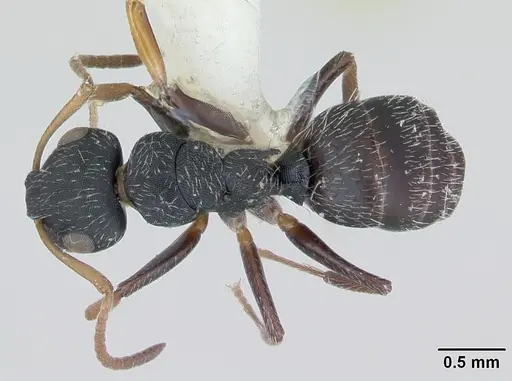
CASENT0246655
View on AntWeb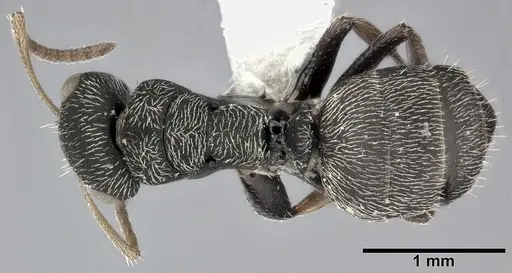
CASENT0280149
View on AntWeb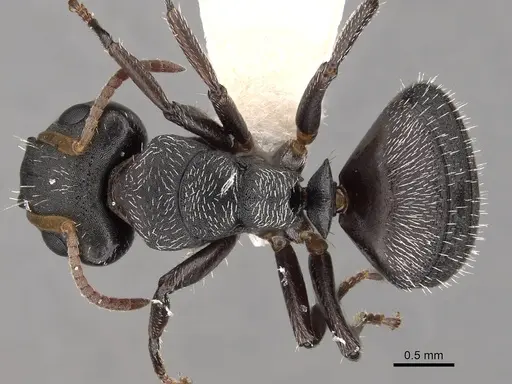
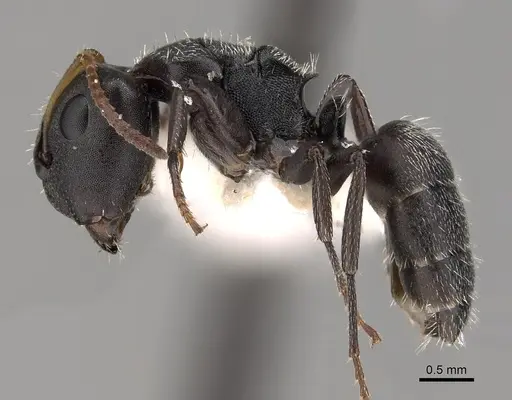
CASENT0280150
View on AntWeb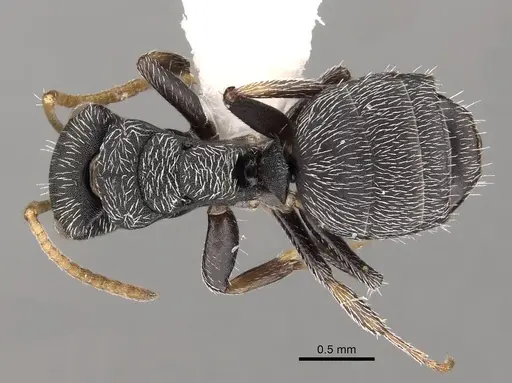
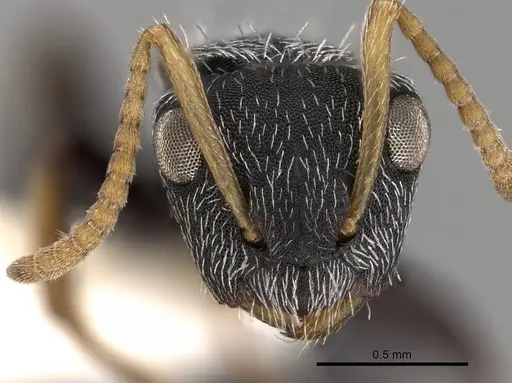
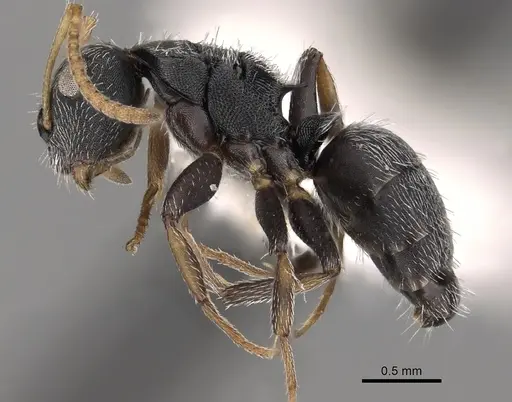
CASENT0280151
View on AntWeb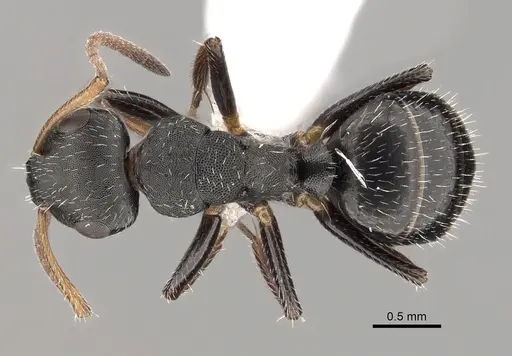
CASENT0280152
View on AntWeb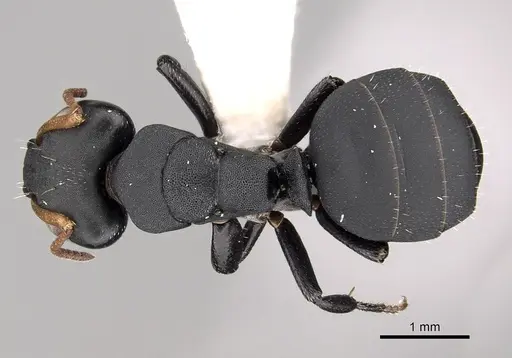
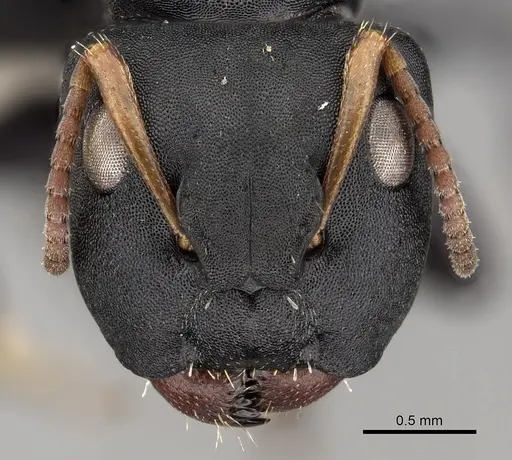
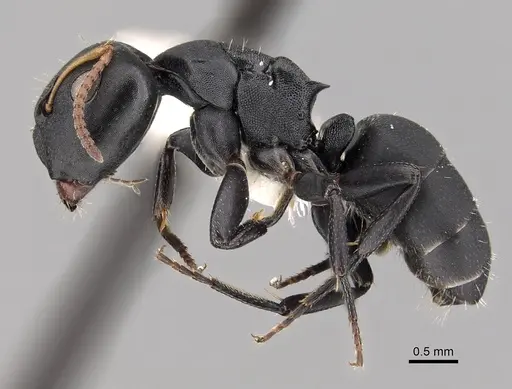
CASENT0280153
View on AntWeb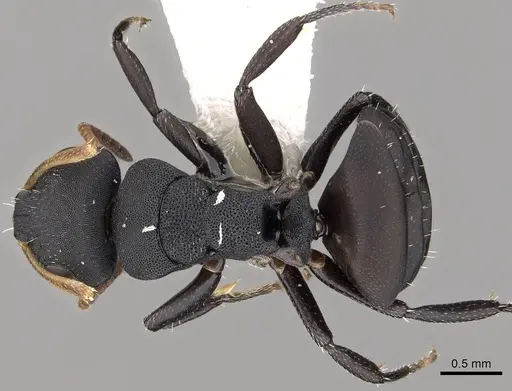
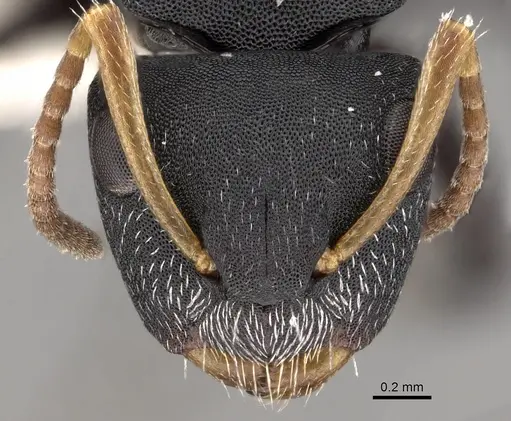
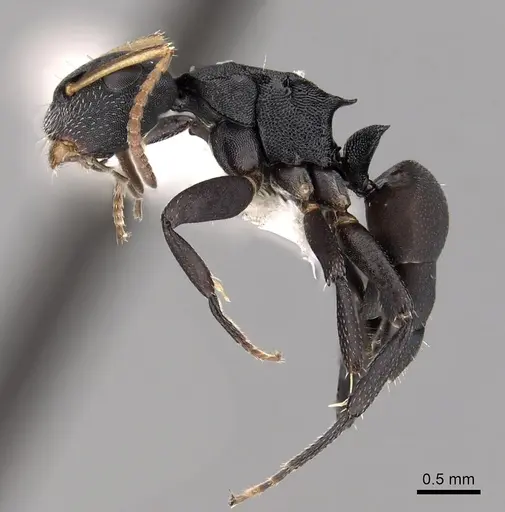
CASENT0882312
View on AntWeb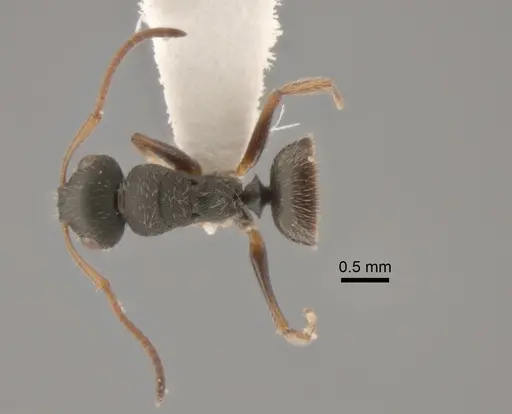
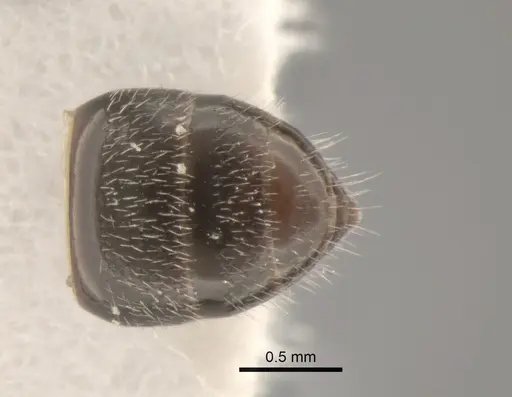
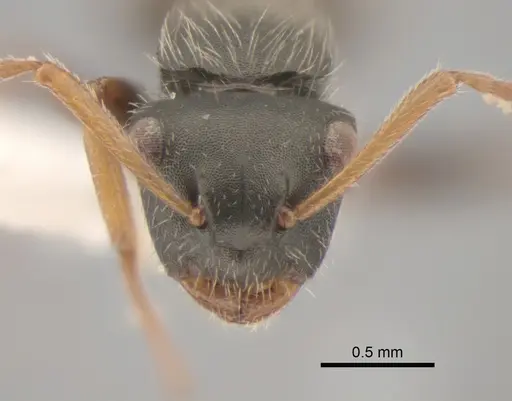
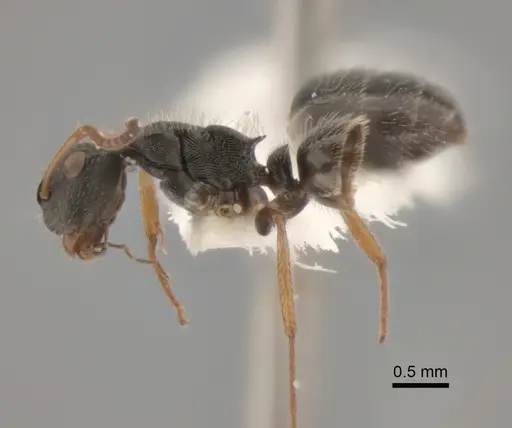
CASENT0910735
View on AntWeb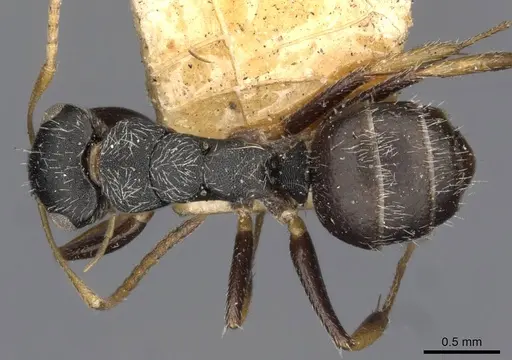
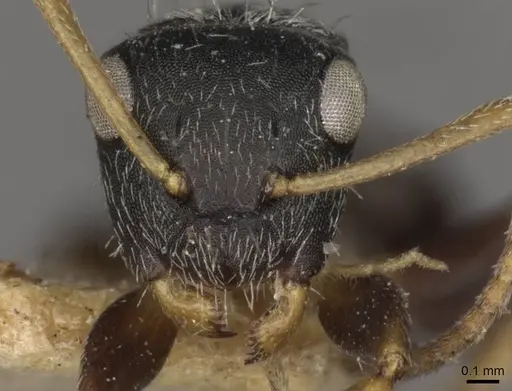
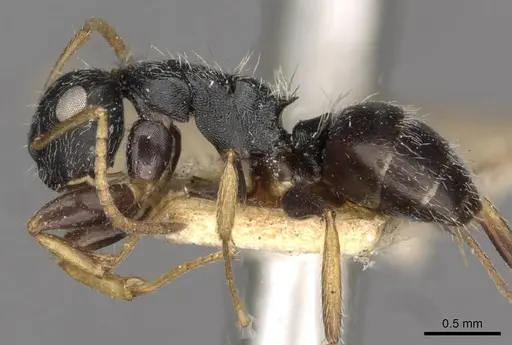
CASENT0915780
View on AntWeb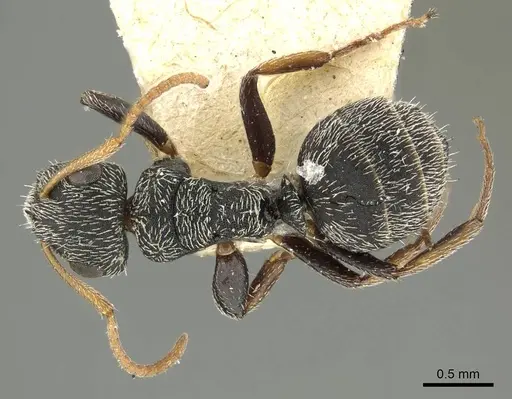
CASENT0923520
View on AntWeb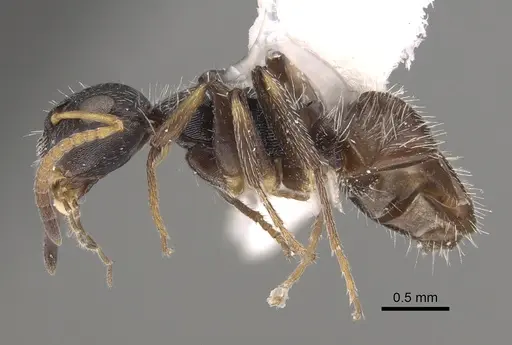
CBUMAGENT41784
View on AntWeb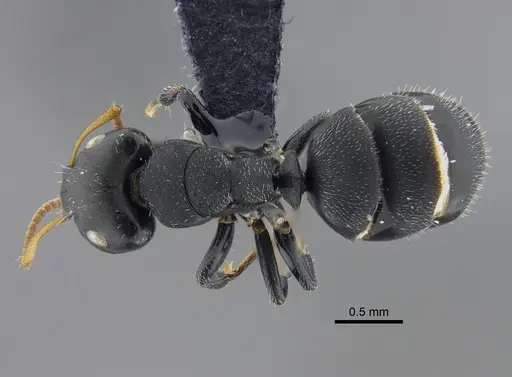
ECOFOG-KW14-0041-37
View on AntWeb
ECOFOG-MI15-0351-13
View on AntWeb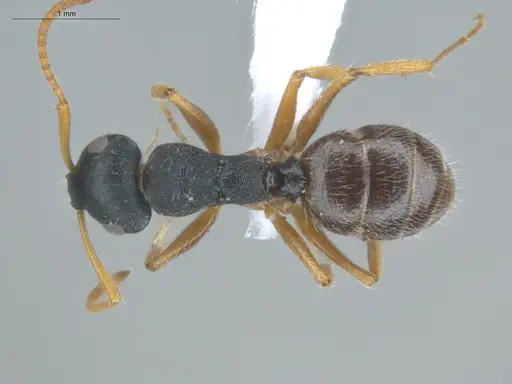
JTLC000000474
View on AntWeb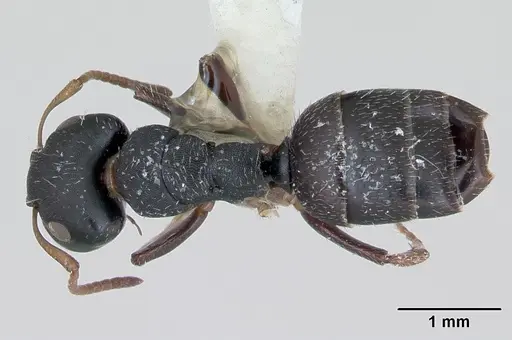
Literature
Loading distribution map...Loading products...