
Bianconi's Brown Sugar ant
Camponotus bianconii
- Sci. Name
- Camponotus bianconii
- Subgenus
- Tanaemyrmex
- Tribe
- Camponotini
- Subfamily
- Formicinae
- Author
- Emery, 1895
- Common Name
- Bianconi's Brown Sugar ant
- Distribution
- Found in 1 countries
Introduction
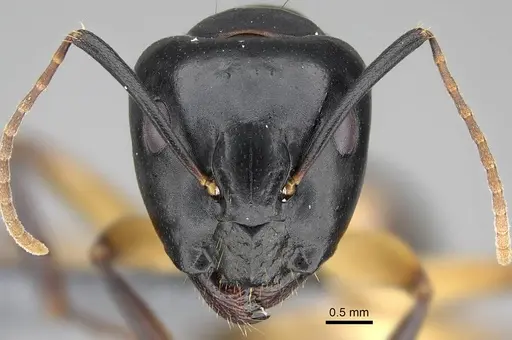
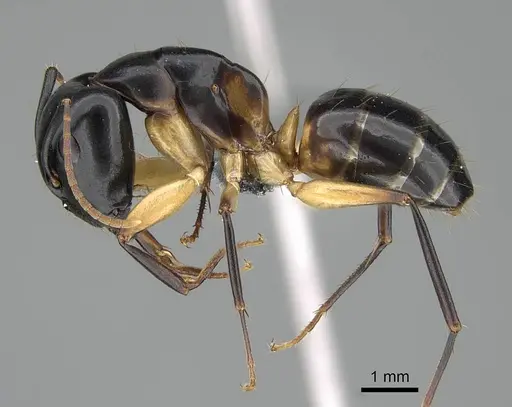
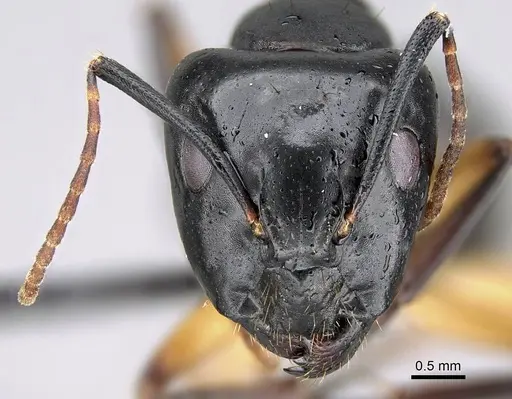
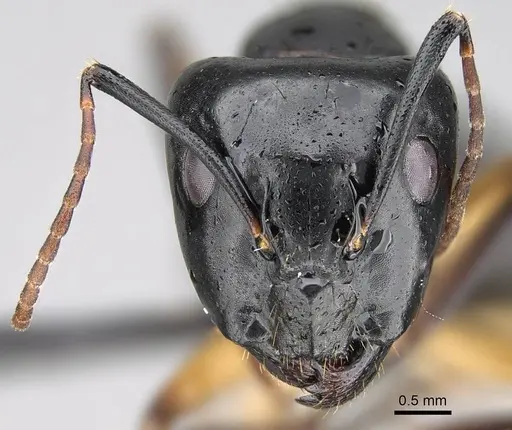
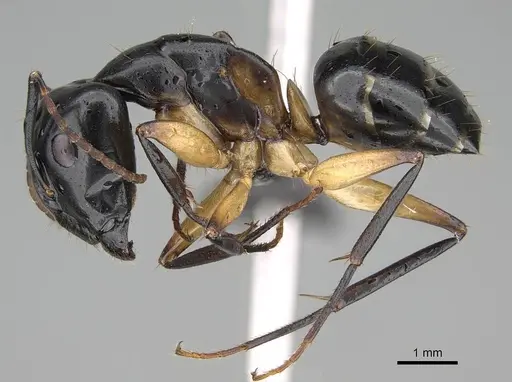
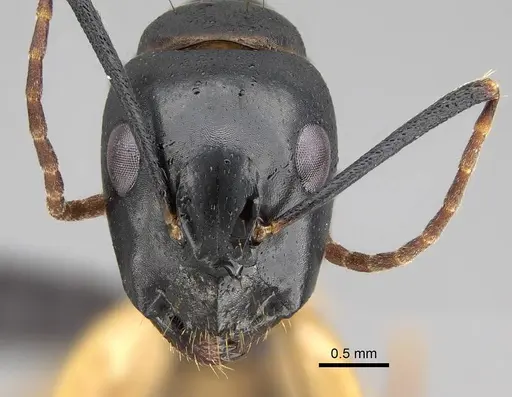
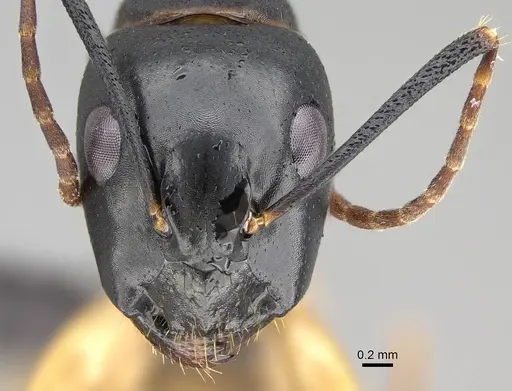
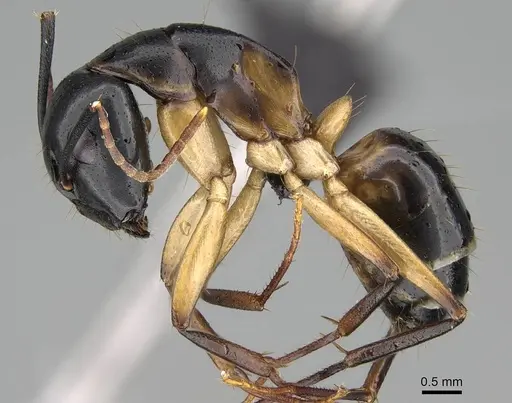
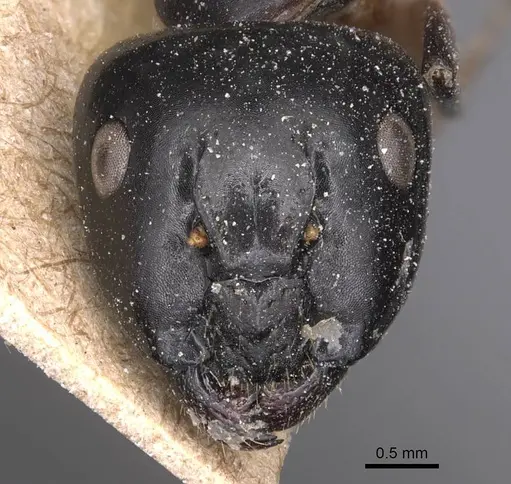
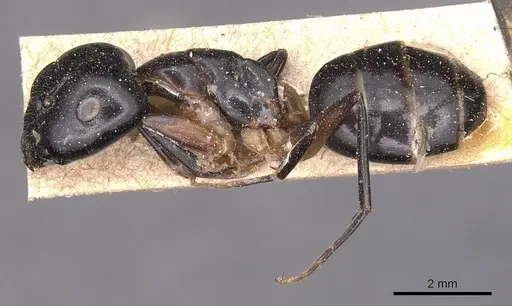
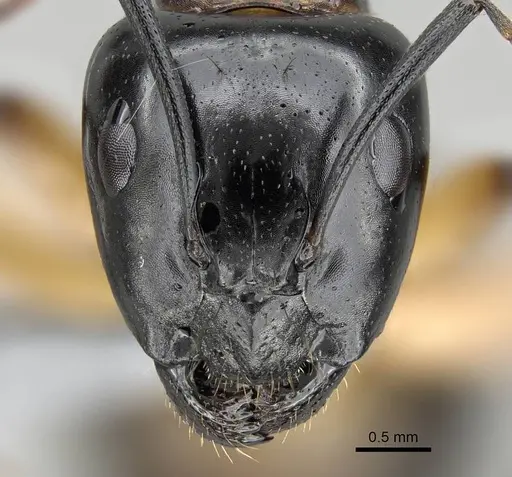
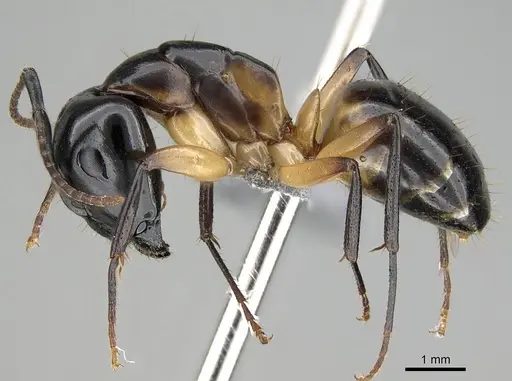
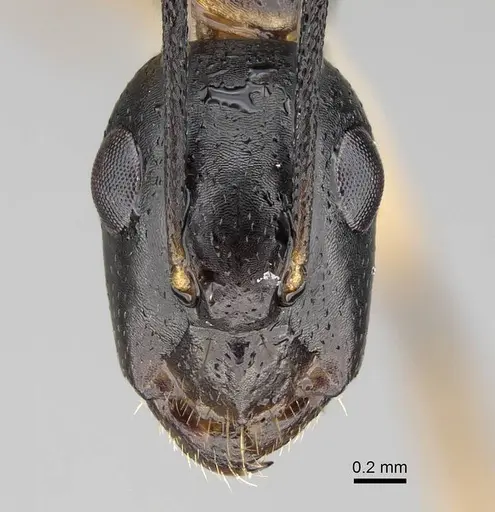
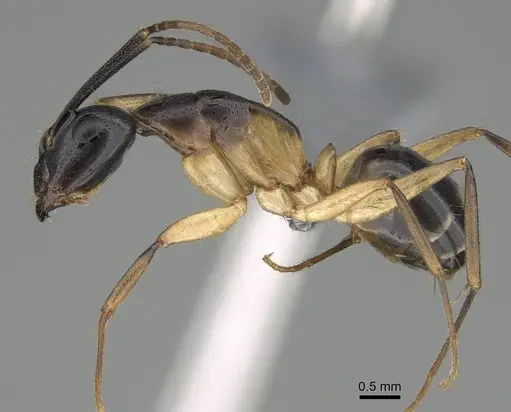
Camponotus bianconii is a medium-sized carpenter ant species endemic to Madagascar . Workers measure approximately 5-10mm, with major workers significantly larger than minors - typical of the genus polymorphism. The species has the standard carpenter ant body plan: a rounded head, long legs, and a smooth mesosoma. Coloration is dark brown to blackish with lighter appendages. This species nests in wood and is a generalist forager that tends honeydew and hunts small insects.
Quick Summary
- Difficulty: Medium
- Origin & Habitat: Madagascar, endemic to the island with no confirmed specific habitat data
- Colony Type: Likely monogyne (single queen colonies) based on typical Camponotus patterns. Colony structure has not been specifically documented for this species.
- Size & Growth:
- Queen: Approximately 12-15mm, inferred from Camponotus genus patterns [1]
- Worker: Approximately 5-10mm, polymorphic majors and minors, inferred from genus patterns [1]
- Colony: Likely reaches several thousand workers at maturity based on genus patterns
- Growth: Moderate
- Development: Estimated 6-10 weeks based on typical Camponotus development at optimal temperature (Development time inferred from genus-level data, specific timing for this species unconfirmed)
- Antkeeping:
- Temperature: Keep around 22-26°C. A temperature gradient allows ants to self-regulate. Madagascar species generally prefer warm conditions.
- Humidity: Moderate humidity around 50-70%. Keep nest substrate slightly moist but allow some drying areas.
- Diapause: Likely requires a slight winter reduction in temperature (diapause) based on Madagascar seasonal patterns, though this is unconfirmed for this specific species.
- Nesting: Y-tong (AAC) nests, plaster nests, or naturalistic setups with wood pieces work well. They naturally nest in wood, so providing wood or wood-mimicking surfaces is ideal.
- Behavior: Typical carpenter ant temperament, generally calm and not overly aggressive. Workers are moderately active foragers. Escape prevention should be good since they're a medium-sized species, but they can climb smooth surfaces. They accept sugar water and protein prey readily based on genus feeding patterns. Defense mechanism: lacks a functional sting, bites the target and sprays concentrated formic acid from an acidopore into the wound.
- Common Issues: limited species-specific information means care is based on genus inference rather than direct study, growth rate is moderate which may test beginner patience, winter diapause requirements are not well documented for this species, wild-caught colonies may carry parasites or diseases not yet characterized, specific humidity and temperature preferences require keeper observation and adjustment
Nest Preferences and Housing
Camponotus bianconii naturally nests in wood, making Y-tong (AAC) nests or plaster nests excellent choices for captivity. The chambers should be appropriately sized for their medium-large workers, not too cramped but not excessively large either. A naturalistic setup with pieces of rotting wood or cork bark can also work well, mimicking their natural nesting preferences. Ensure the nest has a water reservoir or moisture source to maintain appropriate humidity. Like other carpenter ants, they prefer dark, secure spaces for their brood chambers.
Feeding and Diet
As a typical Camponotus species, C. bianconii is a generalist feeder. Offer sugar water or honey regularly, they will readily accept these carbohydrate sources. For protein, provide small insects like fruit flies, small crickets, mealworms, or other appropriately sized prey. In nature, they likely forage for honeydew from aphids or scale insects, plus hunt small invertebrates. Feed protein prey 2-3 times per week and keep a constant sugar water source available. Remove uneaten prey after 24-48 hours to prevent mold.
Temperature and Seasonal Care
Maintain temperatures in the 22-26°C range for optimal colony activity and brood development. A slight temperature gradient allows ants to self-regulate. Madagascar does experience seasonal changes, so a winter period with reduced temperatures (around 15-18°C) for 2-3 months is likely beneficial, though specific diapause requirements for this species are unconfirmed. Reduce feeding during any cool period and expect somewhat reduced activity. Avoid temperatures below 15°C or above 30°C.
Behavior and Colony Dynamics
This species displays typical carpenter ant behavior, workers are generally calm and not prone to excessive biting or stinging. They are moderately active foragers and will send workers out to collect food. The colony will have polymorphic workers with major workers (soldiers) significantly larger than minor workers. Majors typically handle defense and seed/crumb processing while minors handle forager and nursing duties. Workers communicate through chemical trails and will recruit nestmates to good food sources.
Frequently Asked Questions
How long does it take for Camponotus bianconii to produce first workers?
Based on typical Camponotus development, expect first workers (nanitics) approximately 6-10 weeks after the queen lays eggs, assuming temperatures around 24-26°C. This is an estimate since specific development timing for this species has not been documented.
Can I keep multiple Camponotus bianconii queens together?
This is not recommended. While specific behavior is unconfirmed for this species, Camponotus are typically monogyne (single queen) and queens will likely fight if housed together. Only attempt pleometrosis (multiple queen founding) if you have specific documentation for this species.
What do Camponotus bianconii eat?
They accept sugar water, honey, or syrup as carbohydrate sources. For protein, offer small insects like fruit flies, pinhead crickets, or small mealworms. They are generalist feeders similar to other carpenter ants.
Is Camponotus bianconii good for beginners?
This species is rated Medium difficulty. They are more forgiving than some tropical species but require more attention than common temperate ants. The main challenge is the limited species-specific information available, requiring keepers to rely on genus-level care guidelines.
Do Camponotus bianconii need hibernation?
A winter rest period is likely beneficial given their Madagascar origin, though specific requirements are unconfirmed. A reduction to 15-18°C for 2-3 months during winter months is recommended based on typical seasonal patterns for this geographic region.
When should I move Camponotus bianconii to a formicarium?
Move from a founding setup (test tube) to a formicarium once the colony reaches 30-50 workers and the queen has established a stable brood chamber. Ensure the formicarium has appropriate humidity and nesting space before transferring.
How big do Camponotus bianconii colonies get?
Based on typical Camponotus patterns, colonies likely reach several thousand workers at maturity. This is an estimate since specific colony size data for this species is not documented.
Why are my Camponotus bianconii dying?
Common causes include: temperature extremes (too hot or too cold), improper humidity (too dry or waterlogged), mold from overfeeding or poor ventilation, stress from excessive disturbance, or disease/parasites from wild-caught colonies. Review each parameter and ensure the colony has adequate darkness and security.
Report an Issue
The current care sheet is based fully on literature. See inconsistencies, or something that's incorrect? Please , it will be resolved after review from an admin. Contributing to the blogs tab also helps providing information, to make us be able to further improve the caresheets. Thank you for your support!
References

This caresheet is licensed under CC BY-SA 4.0 .
Community Blogs
CASENT0785966
View on AntWeb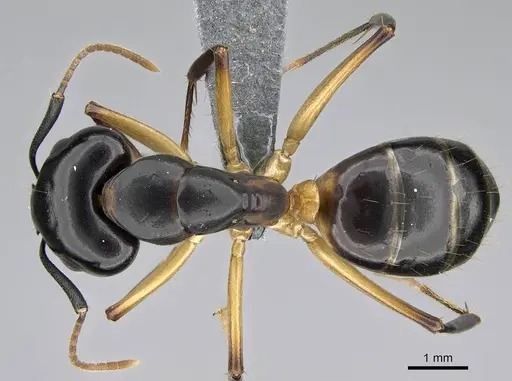
CASENT0822211
View on AntWeb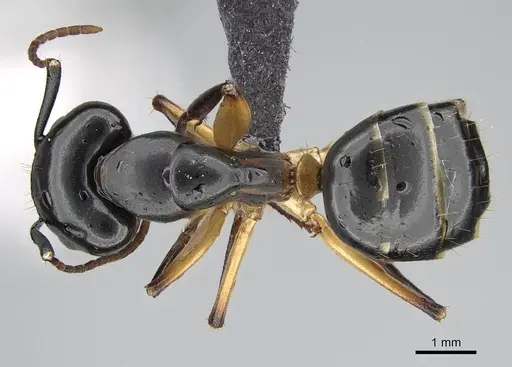
CASENT0822212
View on AntWeb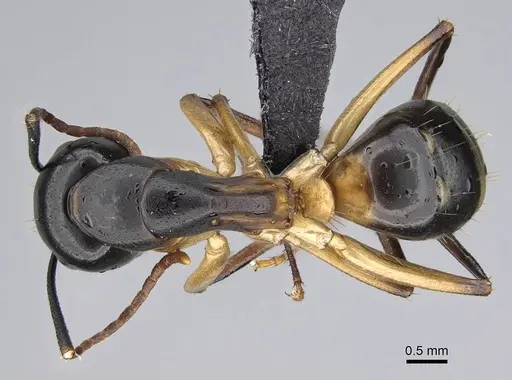
CASENT0905231
View on AntWeb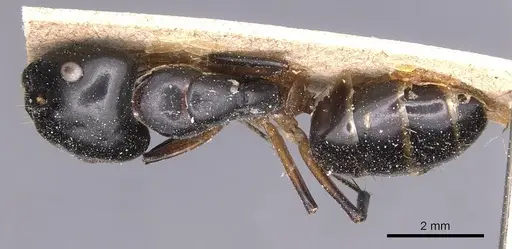
CASENT0915993
View on AntWeb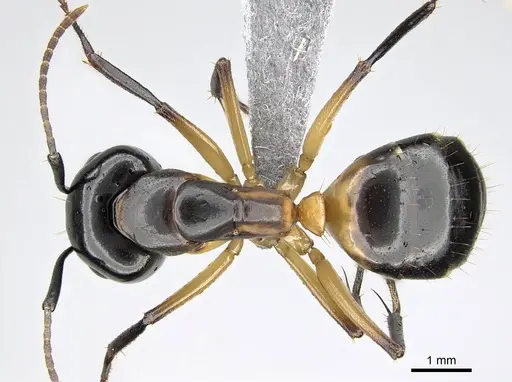
CASENT0915994
View on AntWeb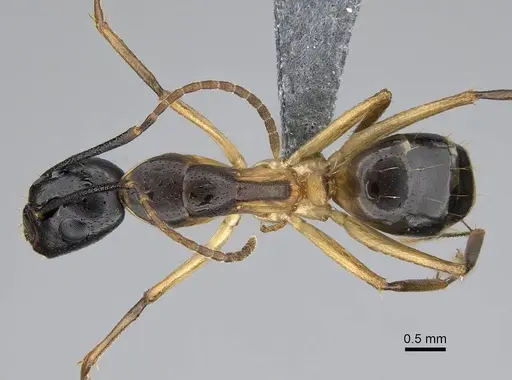
Literature
Loading distribution map...Loading products...