
Brown Sugar Ant
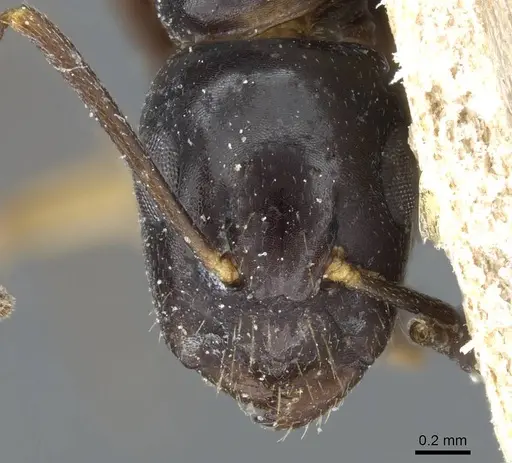
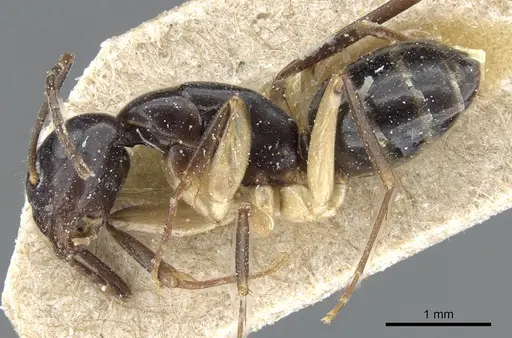
Camponotus bertolonii
- Sci. Name
- Camponotus bertolonii
- Subgenus
- Paramyrmamblys
- Tribe
- Camponotini
- Subfamily
- Formicinae
- Author
- Emery, 1895
- Common Name
- Brown Sugar Ant
- Distribution
- Found in 1 countries
Introduction
Camponotus bertolonii is a carpenter ant species native to Madagascar, first described by Carlo Emery in 1896 . Workers are polymorphic, meaning they come in different sizes - a common trait in the Camponotus genus. As a tropical species from Madagascar, this ant does not require hibernation and prefers warm, stable conditions year-round.
Quick Summary
- Difficulty: Medium
- Origin & Habitat: Madagascar, a tropical island nation off the southeast coast of Africa. This species is found in one of the world's biodiversity hotspots, with a warm, humid climate year-round [1].
- Colony Type: Colony structure has not been directly documented for this specific species. Most Camponotus species are single-queen (monogyne), but this has not been confirmed for C. bertolonii.
- Size & Growth:
- Queen: Size data unavailable, no specific measurements exist for this species. Typical Camponotus queens range from 12-20mm.
- Worker: Size data unavailable, no specific measurements exist for this species. Camponotus workers are typically polymorphic with major and minor workers.
- Colony: Unknown for this species. Typical Camponotus colonies can reach several thousand workers over several years.
- Growth: Unknown, likely moderate to fast based on tropical ant patterns.
- Development: Development time is unconfirmed for this species. Based on typical Camponotus patterns, expect several months from egg to first worker at tropical temperatures. (Development is likely faster than temperate Camponotus species due to the tropical origin of this species.)
- Antkeeping:
- Temperature: Keep at 24-28°C. As a tropical species from Madagascar, they need consistently warm conditions. A heating cable on one side of the nest creates a suitable gradient.
- Humidity: Maintain moderate humidity around 50-70%. Provide a water source and occasional misting, but avoid waterlogging the nest. The substrate should feel slightly damp but never saturated.
- Diapause: No, as a tropical species from Madagascar, they do not require hibernation. Keep temperatures stable year-round.
- Nesting: Y-tong (AAC) nests work well for this species. The chambers should be appropriately sized for their polymorphic workers, some passages can be wider to accommodate major workers. Plaster nests are also suitable.
- Behavior: Typical Camponotus temperament, generally calm and not overly aggressive. Workers are opportunistic foragers that will collect honeydew, nectar, and small insects. They can bite if threatened, but their bite is mild compared to some other ant species. Escape prevention is important given their moderate size, standard barriers like fluon on test tube rims work well. This species lacks a functional sting, instead, it may bite and spray formic acid from its acidopore [2].
- Common Issues: tropical species can suffer if temperatures drop below 20°C, keep them warm, colonies may develop slowly if fed inconsistently, maintain regular feeding schedules, polymorphic workers mean they need varied prey sizes, offer both small and larger protein sources, test tube setups can dry out quickly in heated rooms, check water reservoirs regularly, wild-caught colonies from Madagascar may carry tropical parasites not common in captive ant species
Housing and Nest Setup
Camponotus bertolonii does well in Y-tong (AAC) nests, which provide the dark, enclosed environment these ants prefer. The nest chambers should be appropriately sized, not too tight, but with passages narrow enough that the ants feel secure. Because workers are polymorphic (varying sizes from small minors to large majors), include some wider passages to accommodate the bigger workers. A test tube setup works well for founding colonies, use a standard test tube with a cotton ball providing a water reservoir. The tube should be kept horizontal or at a slight angle so the queen can retreat to the humid end. Once the colony reaches 20-30 workers, you can consider moving to a formicarium, but many keepers successfully keep mature colonies in well-maintained test tube setups with a foraging area. [2]
Feeding and Diet
Like most Camponotus species, these ants are omnivorous and will accept a variety of foods. Protein sources are essential for brood development, offer small insects like fruit flies, small crickets, mealworms, or waxworms. Sugar water, honey, or diluted maple syrup should be available constantly, especially for colonies with larvae. In the wild, they forage for honeydew from aphids and tend scale insects, so they appreciate sweet liquids. Feed protein 2-3 times per week, and keep sugar water available at all times. Remove uneaten prey after 24-48 hours to prevent mold. A varied diet helps ensure healthy colony development. [2]
Temperature and Heating
As a tropical species from Madagascar, Camponotus bertolonii needs warmth. Keep the nest area at 24-28°C consistently. Room temperature may be sufficient in warm homes, but in cooler climates or winter, a heating cable or heat mat on one side of the nest creates a temperature gradient. Place heating under or on the side of the nest, never directly on top where it can dry out the nest too quickly. Monitor with a thermometer placed near the nest. Avoid temperatures below 20°C for extended periods, this species is not cold-tolerant and may experience slowed development or colony decline in cool conditions. [2]
Humidity and Water
Maintain moderate humidity around 50-70% in the nest area. Camponotus bertolonii is more tolerant of drier conditions than some species, but the nest substrate should still hold some moisture. In test tube setups, the water reservoir typically provides adequate humidity. Check the cotton regularly and refill when needed, in heated rooms, water evaporates faster. For formicarium setups, mist the nest occasionally and provide a water dish in the foraging area. Avoid creating constantly wet or waterlogged conditions, which can lead to mold and kill the colony. [2]
Behavior and Colony Dynamics
This species shows typical Camponotus behavior, workers are generally calm and non-aggressive, focusing on foraging and brood care. Workers are polymorphic, meaning you'll see both small minor workers and larger major workers. The majors typically defend the nest and help process larger prey, while minors handle most foraging and brood care. They are primarily nocturnal or crepuscular foragers in the wild, so you may see more activity in the evening hours. They do not sting, but can bite and spray formic acid if threatened. Their bite is mild compared to many other ant species. [2]
Frequently Asked Questions
How long does it take for Camponotus bertolonii to produce first workers?
Development time is unconfirmed for this species. Based on typical Camponotus patterns at tropical temperatures (24-28°C), expect first workers several months after the queen begins laying eggs. The first workers will be smaller than mature workers but will grow as the colony expands.
Do Camponotus bertolonii ants need hibernation?
No. As a tropical species from Madagascar, they do not require hibernation. Keep temperatures stable year-round between 24-28°C. Attempting to hibernate this species could harm or kill the colony.
What do I feed Camponotus bertolonii?
Offer a varied diet: protein sources like small insects (fruit flies, mealworms, small crickets) 2-3 times per week, and constant access to sugar water, honey, or diluted maple syrup. Remove uneaten prey after 24-48 hours to prevent mold.
How big do Camponotus bertolonii colonies get?
Colony size is unconfirmed for this specific species. Based on typical Camponotus patterns, colonies can potentially reach several thousand workers over several years. Growth rate varies depending on feeding and conditions.
Can I keep multiple Camponotus bertolonii queens together?
This has not been documented for this specific species. Most Camponotus are single-queen (monogyne) species. Combining unrelated queens is not recommended as it often leads to fighting.
Are Camponotus bertolonii good for beginners?
This species is rated Medium difficulty. They are more forgiving than some exotic species but require warm, stable temperatures year-round due to their tropical origin. They are less aggressive than some Camponotus species, making them manageable for intermediate antkeepers.
When should I move my colony to a formicarium?
Consider moving once the colony reaches 30-50 workers and the test tube is becoming crowded. However, many keepers successfully keep mature colonies in large test tube setups with connected foraging areas. Move when you see workers clustering near the cotton or the water reservoir is being depleted very quickly.
What temperature is best for Camponotus bertolonii?
Keep nest temperatures between 24-28°C. This is warmer than most temperate ant species require. A heating cable on one side of the nest can help maintain these temperatures, especially in cooler homes.
Why are my Camponotus bertolonii dying?
Common causes include: temperatures below 20°C (they are tropical and cold-intolerant), too dry or too wet conditions, mold from poor ventilation or overwatering, or poor nutrition. Check your temperature first, then review your feeding and humidity practices.
Report an Issue
The current care sheet is based fully on literature. See inconsistencies, or something that's incorrect? Please , it will be resolved after review from an admin. Contributing to the blogs tab also helps providing information, to make us be able to further improve the caresheets. Thank you for your support!
References

This caresheet is licensed under CC BY-SA 4.0 .
Community Blogs
CASENT0905450
View on AntWeb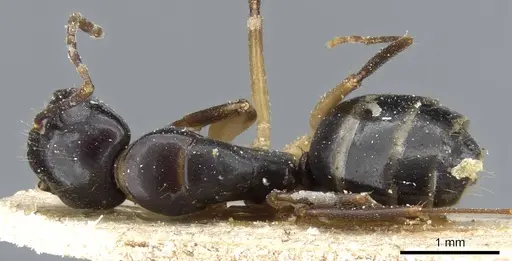
Literature
Loading distribution map...Loading products...