
Camponotus bellus
- Sci. Name
- Camponotus bellus
- Subgenus
- Myrmamblys
- Tribe
- Camponotini
- Subfamily
- Formicinae
- Author
- Forel, 1908
- Distribution
- Found in 1 countries
Introduction
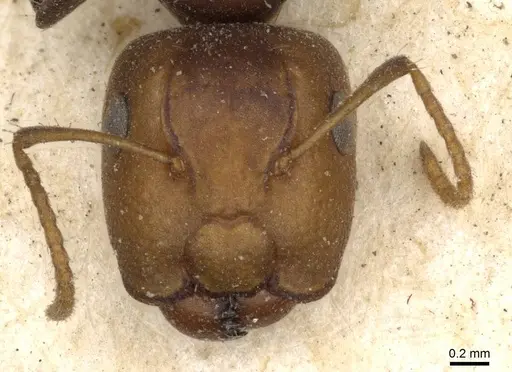
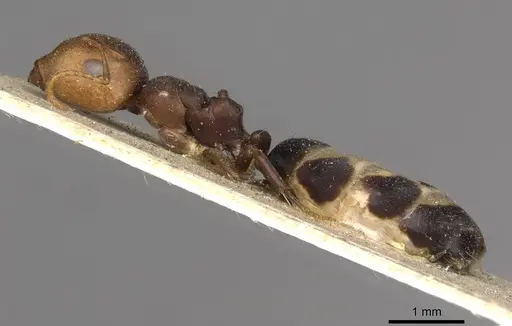
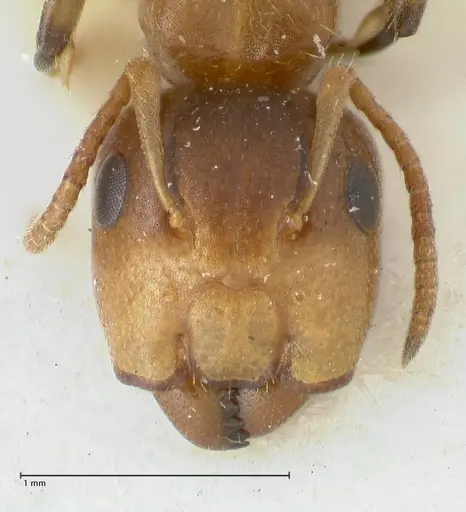
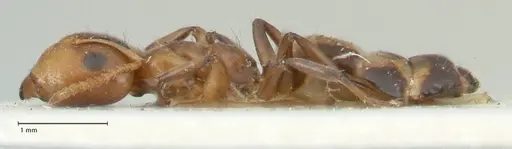
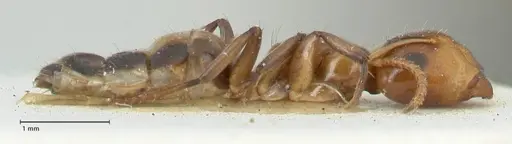
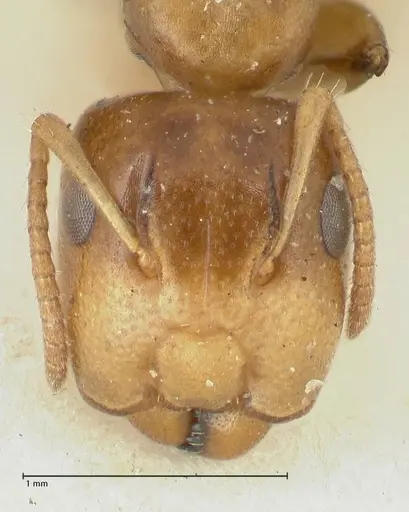
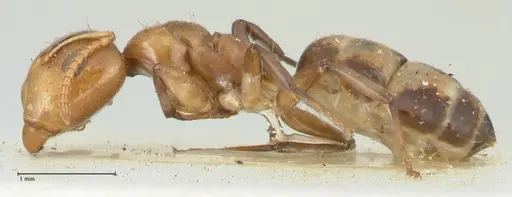
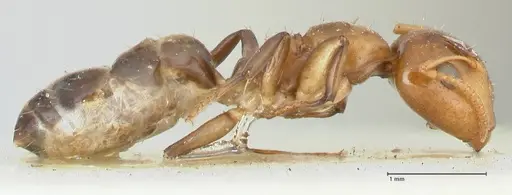
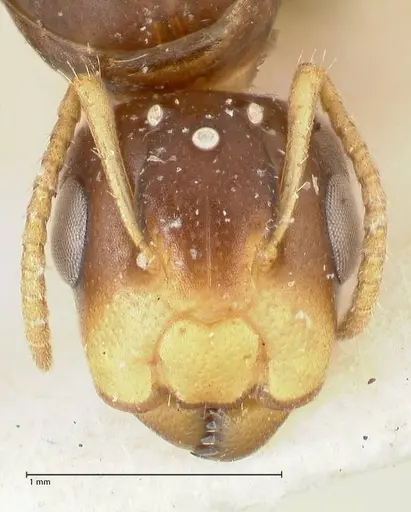
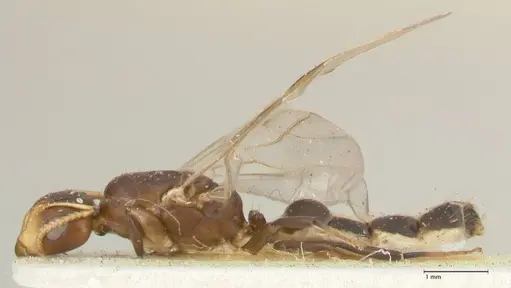
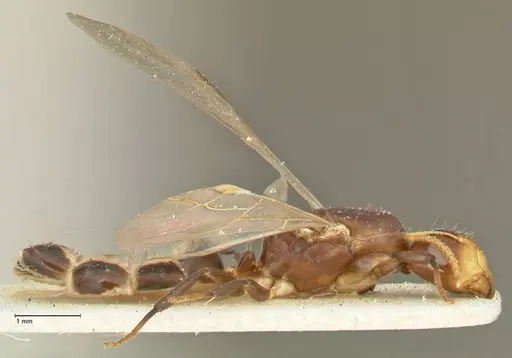
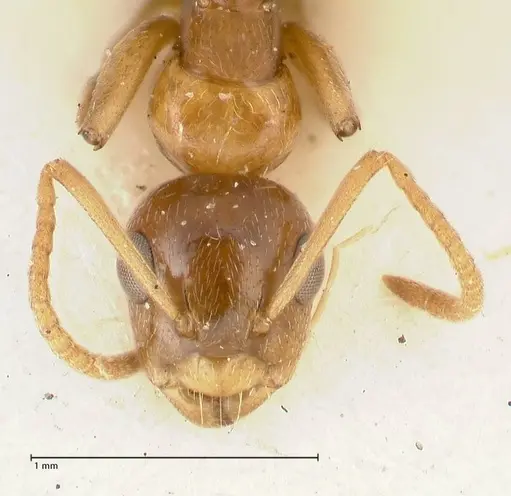
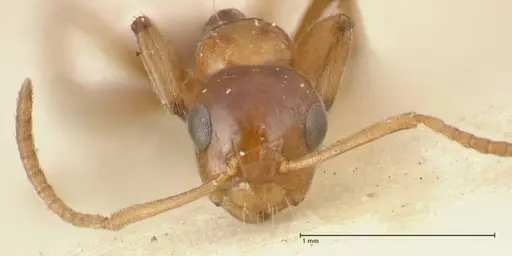
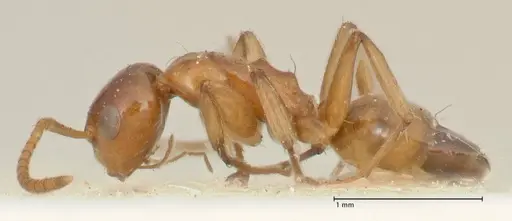
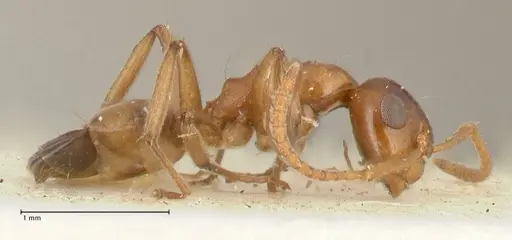
Camponotus bellus is a medium-sized ant species native to the Indomalaya region, originally described from Ambon Island, Indonesia. Workers are polymorphic, with major workers developing larger heads for defensive and food-processing roles. The species has been recorded across Indonesia (Ambon, Sumatra) and Singapore, with a recent new record in China's Yunnan Province . These ants inhabit undisturbed forest environments and belong to the Formicinae subfamily. As a Camponotus species, they are relatively slow-growing but can form substantial colonies over time.
Quick Summary
- Difficulty: Medium
- Origin & Habitat: Native to the Indomalaya region, found in Indonesia (Ambon, Sumatra) and Singapore, with a new record in China's Yunnan Province [1][2]. Inhabits undisturbed forest environments [1].
- Colony Type: Colony structure in the wild has not been directly documented for this species. Based on typical Camponotus patterns, likely single-queen colonies.
- Size & Growth:
- Queen: Size data unavailable, inferred from Camponotus genus patterns (~12-15mm)
- Worker: Polymorphic, inferred from Camponotus genus patterns (minor workers ~6-8mm, major workers ~10-12mm)
- Colony: Likely reaches several thousand workers at maturity based on typical Camponotus development
- Growth: Moderate, Camponotus species typically grow more slowly than smaller ants
- Development: Estimated 6-8 weeks at optimal temperature based on typical Camponotus development (Development is temperature-dependent, cooler temperatures slow growth significantly. First workers (nanitics) are typically smaller than mature workers.)
- Antkeeping:
- Temperature: Keep nest area at 24-26°C with a slight gradient. Room temperature (22-24°C) is acceptable. Avoid temperatures below 20°C or above 30°C.
- Humidity: Maintain moderate humidity. Keep nest substrate slightly moist but not waterlogged. These forest ants prefer stable moisture rather than wet conditions.
- Diapause: Not required, being a tropical/subtropical species from Indonesia and Singapore, they do not experience true hibernation.
- Nesting: In nature, Camponotus bellus likely nests in rotting wood, under bark, or in soil cavities. In captivity, a Y-tong (AAC) nest, plaster nest, or naturalistic setup with soil works well. They prefer dark, secure nesting areas.
- Behavior: Generally calm and non-aggressive compared to some other Camponotus species. Workers are primarily foragers and will search for sugar sources and protein. They have formic acid defense (spray from acidopore) but are not particularly aggressive toward keepers. Escape risk is moderate, use standard barriers. As Formicinae, they lack a functional sting and instead bite and spray formic acid.
- Common Issues: slow growth can frustrate beginners who expect rapid colony development, colonies may stall if temperature drops too low or fluctuates significantly, test tube setups can flood if water reservoirs are overfilled, use proper drainage, wild-caught colonies may carry parasites that cause colony collapse, major workers can block nest entrances, ensure passages are wide enough
Housing and Nest Setup
Camponotus bellus does well in various captive setups. A Y-tong (AAC) nest provides excellent visibility and humidity control. Plaster nests with water reservoirs maintain stable moisture levels. For founding colonies, a standard test tube setup works well, fill one tube with water, plug with cotton, and wrap the portion with water in foil to create darkness. Once the colony reaches 20-30 workers, you can consider moving to a formicarium. Ensure the nest has dark areas and narrow chambers that make the ants feel secure. An outworld for foraging should be simple with minimal decoration to make prey easy to find.
Feeding and Diet
Like most Camponotus species, C. bellus accepts a varied diet. Provide constant access to sugar sources, honey water, sugar water, or commercial ant nectar. For protein, offer insects like fruit flies, small crickets, mealworms, or waxworms. Feed protein 2-3 times per week, adjusting based on colony size. Remove uneaten prey after 24-48 hours to prevent mold. These ants are not specialized predators and will readily accept most standard ant foods. A diverse diet promotes healthy brood development.
Temperature and Seasonal Care
Maintain temperatures between 24-26°C for optimal brood development. A heating cable on one side of the nest creates a temperature gradient allowing ants to self-regulate. Place the heating on top of the nest, not underneath, to avoid excessive drying. As a tropical species from Indonesia and Singapore, they do not require hibernation. Avoid cold drafts and ensure temperature remains stable, fluctuations can stress colonies and slow development.
Colony Development and Growth
Camponotus colonies grow more slowly than many common species. After the queen lays her first eggs, expect 6-8 weeks for nanitic (first) workers to emerge. These initial workers are smaller than mature workers but will begin foraging to support the colony. Growth rate depends heavily on temperature and feeding, well-fed colonies at optimal temperatures develop faster. Major workers (soldiers) typically appear once the colony reaches several hundred workers. A mature colony may take 3-5 years to develop fully and can contain several thousand workers.
Handling and Temperament
Camponotus bellus is generally docile and suitable for antkeeping. Workers are not particularly aggressive and will typically flee rather than attack when disturbed. As Formicinae, they lack a functional sting but can bite and spray formic acid from their acidopore. The spray is primarily a defense mechanism and not dangerous to humans. When observing your colony, avoid sudden movements or vibrations that could stress the ants. These ants are more interesting to observe than to handle directly.
Frequently Asked Questions
How long does it take for Camponotus bellus to produce first workers?
First workers (nanitics) typically emerge 6-8 weeks after the queen lays eggs, assuming optimal temperature around 24-26°C. Cooler temperatures can significantly extend this timeline.
What do Camponotus bellus ants eat?
They accept a standard ant diet: sugar sources (honey, sugar water, nectar) for energy, and protein sources (insects like fruit flies, mealworms, crickets) for brood development. Feed protein 2-3 times per week.
What temperature do Camponotus bellus need?
Keep them at 24-26°C with a slight gradient. Room temperature (22-24°C) is acceptable. Avoid temperatures below 20°C or above 30°C.
Are Camponotus bellus good for beginners?
They are rated as medium difficulty. They are more forgiving than some species but grow more slowly, requiring patience. Their moderate size and generally calm temperament make them suitable for intermediate antkeepers.
How big do Camponotus bellus colonies get?
Mature colonies can reach several thousand workers over 3-5 years. They are polymorphic, meaning you'll see both smaller minor workers and larger major workers.
Do Camponotus bellus need hibernation?
No, as a tropical species from Indonesia and Singapore, they do not require true hibernation.
What type of nest is best for Camponotus bellus?
A Y-tong (AAC) nest, plaster nest, or naturalistic setup with soil works well. They prefer dark, secure nesting areas with humidity control. For founding colonies, a simple test tube setup is sufficient.
Can I keep multiple Camponotus bellus queens together?
This is not recommended. Camponotus species are typically single-queen. Combining unrelated queens often results in fighting. If you obtain a colony, assume it is single-queen unless you observe otherwise.
Why is my Camponotus bellus colony growing slowly?
Slow growth is normal for Camponotus species. Ensure temperatures are optimal (24-26°C), feeding is regular with adequate protein, and there are no stressors. Colonies may also slow down seasonally or when approaching carrying capacity.
Report an Issue
The current care sheet is based fully on literature. See inconsistencies, or something that's incorrect? Please , it will be resolved after review from an admin. Contributing to the blogs tab also helps providing information, to make us be able to further improve the caresheets. Thank you for your support!
References

This caresheet is licensed under CC BY-SA 4.0 .
Community Blogs
CASENT0910513
View on AntWeb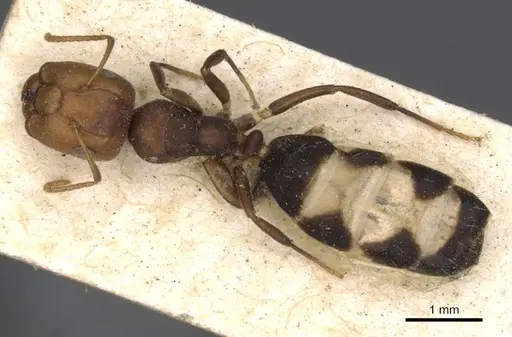
FOCOL2289
View on AntWeb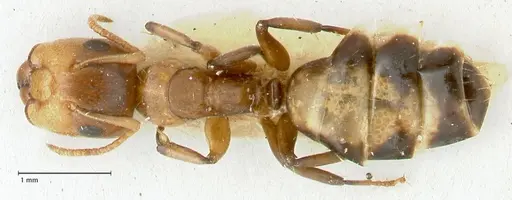
FOCOL2290
View on AntWeb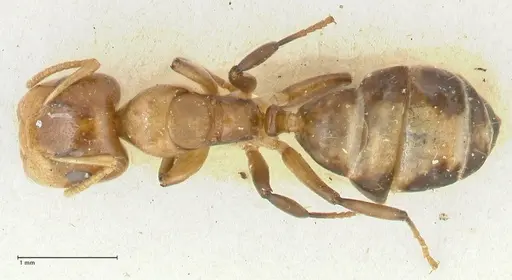
FOCOL2291
View on AntWeb
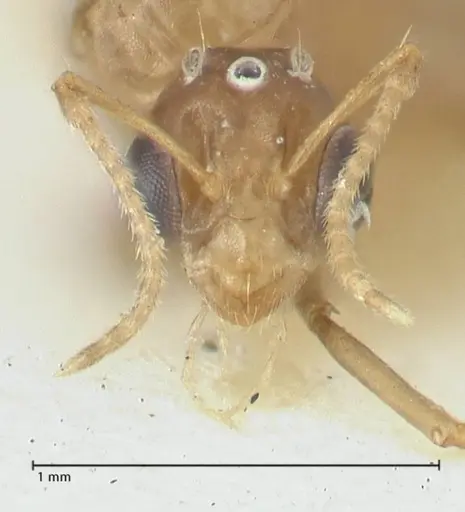
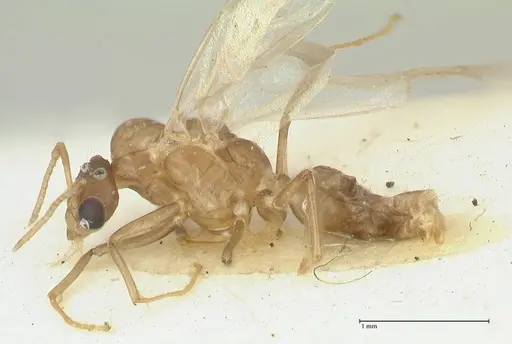
FOCOL2292
View on AntWeb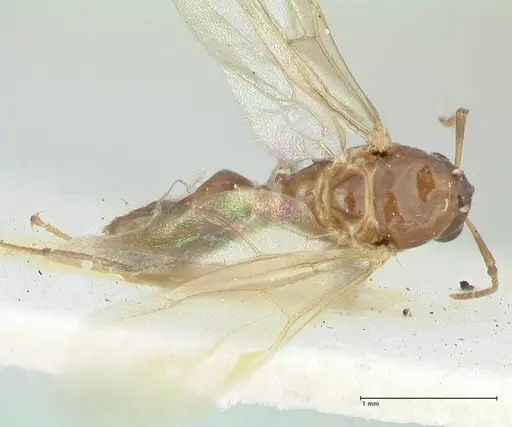
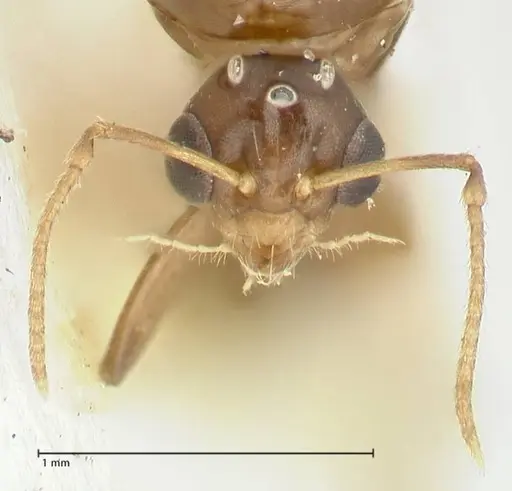
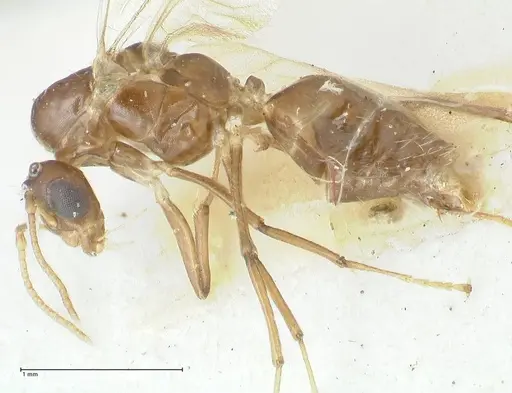
FOCOL2293
View on AntWeb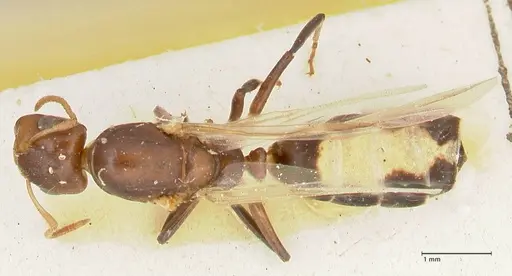
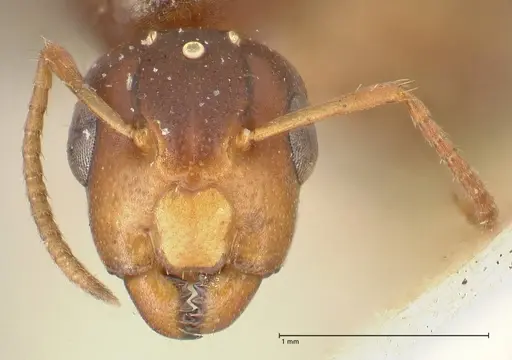
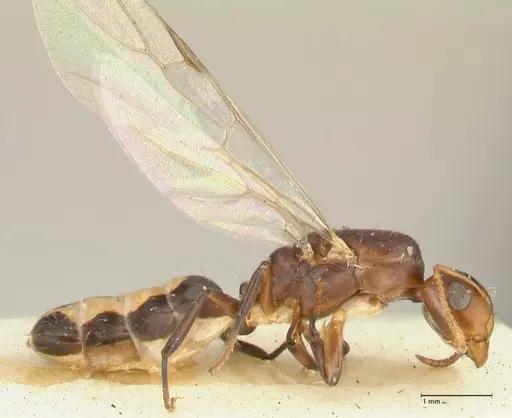
FOCOL2294
View on AntWeb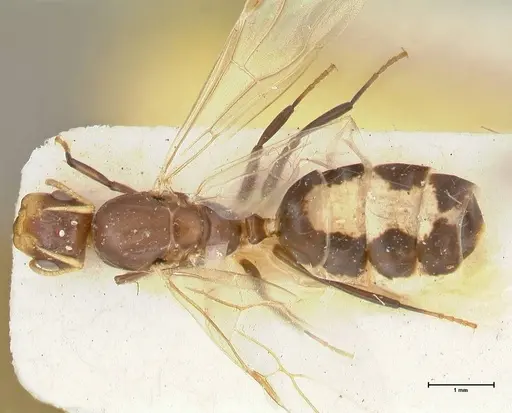
FOCOL2295
View on AntWeb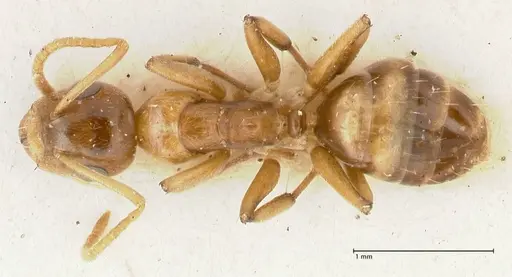
FOCOL2296
View on AntWeb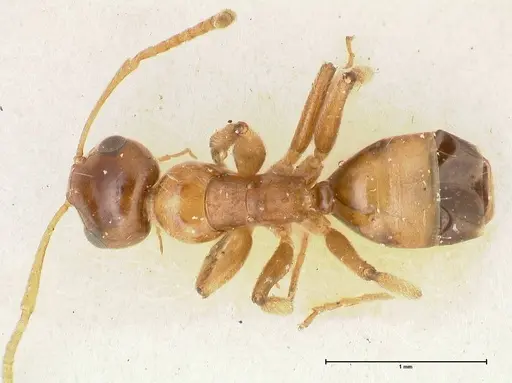
Literature
Loading distribution map...Loading products...