
Bayne's Sugar Ant
Camponotus baynei
- Sci. Name
- Camponotus baynei
- Subgenus
- Tanaemyrmex
- Tribe
- Camponotini
- Subfamily
- Formicinae
- Author
- Arnold, 1922
- Common Name
- Bayne's Sugar Ant
- Distribution
- Found in 1 countries
Introduction
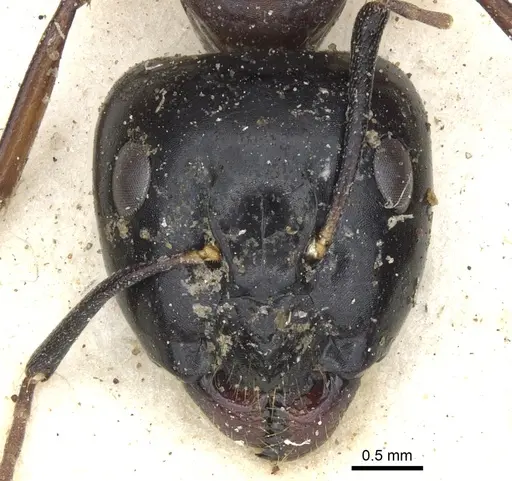
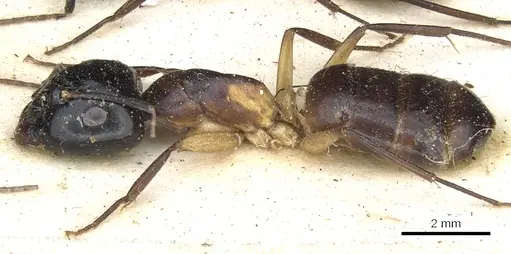
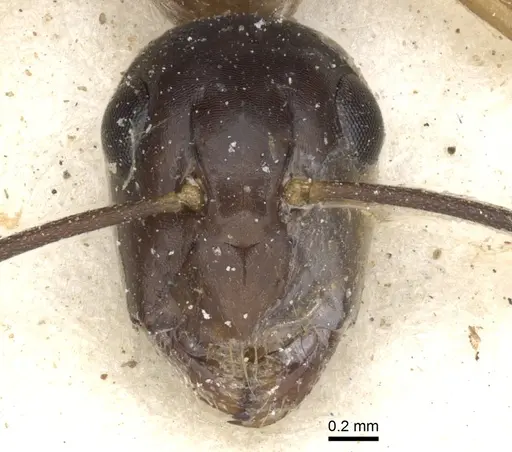
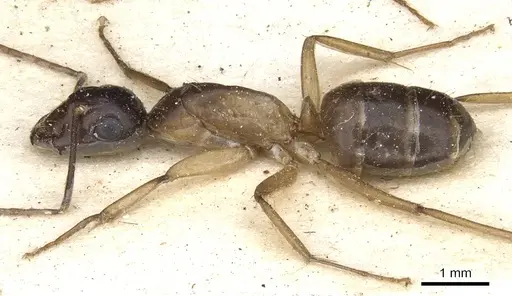
Camponotus baynei is a medium-sized carpenter ant native to the Cape Province of South Africa. Workers range from approximately 5-12mm depending on caste, with the characteristic Camponotus body shape and typical dark coloration. This species belongs to the subgenus Tanaemyrmex and is morphologically distinct from the Camponotus maculatus group despite historical classification . In the wild, these ants are nocturnal and form associations with certain butterflies - they tend the larvae of Orachrysops niobe (a lycaenid butterfly) which feed on the rootstock of Indigofera erecta plants at the Brenton-on-Sea locality . This mutualistic relationship is notable because the ants protect the butterfly larvae while gaining honeydew secretions.
Quick Summary
- Difficulty: Medium
- Origin & Habitat: Native to the Cape Province of South Africa, specifically found in coastal areas near Hermanus and Brenton-on-Sea (34°04'23"S 23°02'37"E). The species prefers natural areas and is sensitive to habitat disturbance, research shows it is found only in non-invaded sites, making it vulnerable to competitive pressure from invasive ants [4][5].
- Colony Type: Colony structure is unconfirmed. Based on typical Camponotus patterns, likely single-queen (monogyne) colonies with claustral founding, queens seal themselves in during founding and raise their first workers alone using stored fat reserves.
- Size & Growth:
- Queen: size data unavailable, inferred from Camponotus genus (~12-15mm for Tanaemyrmex subgenus)
- Worker: approximately 5-12mm (major and minor castes present) [6]
- Colony: up to several hundred workers, estimated based on typical Camponotus patterns
- Growth: Moderate, typical Camponotus growth pattern
- Development: approximately 6-8 weeks estimated based on typical Camponotus development at warm temperatures (Development time follows standard Camponotus patterns, claustral queens raise first brood in isolation. Exact timing for this species is unconfirmed.)
- Antkeeping:
- Temperature: Keep at 24-28°C for optimal brood development. A heating cable on one side of the nest creates a temperature gradient allowing ants to self-regulate. This species comes from a temperate coastal region, so room temperature in the low-to-mid 20s°C is suitable.
- Humidity: Moderate humidity around 50-60%. Provide a water tube as a moisture source. Being a nocturnal forager from coastal South Africa, they tolerate drier conditions better than rainforest species but still need access to water.
- Diapause: Likely required, being from South Africa's temperate Cape region, they benefit from a winter rest period. Reduce temperature to 15-18°C for 8-12 weeks during winter months (roughly November-February in the Southern Hemisphere). This is inferred from geographic range and genus patterns.
- Nesting: In nature, they likely nest in rotting wood or under stones like other Camponotus species. In captivity, Y-tong (AAC) nests or plaster nests work well. Provide narrow chambers for the smaller workers and slightly larger chambers for majors. Avoid very humid substrates as they prefer drier nest conditions.
- Behavior: Nocturnal foragers, they do not forage on aerial plant parts and are most active at night [3]. Workers are moderate in size and can deliver a bite combined with formic acid spray if provoked, though they are not particularly aggressive. Escape risk is moderate, use standard barrier methods (Fluon on test tube rims, fine mesh on outworlds). They form mutualistic relationships with butterflies in the wild, showing they are tolerant of other species when beneficial.
- Common Issues: sensitivity to invasive ants, wild colonies are displaced by invasive species like Linepithema humile, so keep separate from other ant colonies, nocturnal activity means you'll see most activity in evening hours, don't mistake this for low activity during the day, claustral founding takes time, new keepers may disturb founding queens prematurely, causing abandonment, moderate growth rate can test patience, don't expect rapid colony expansion like some faster-growing species
Nest Preferences and Housing
Camponotus baynei does well in standard ant-keeping setups. Y-tong (AAC) nests are ideal because they provide the dark, slightly dry conditions this species prefers. Plaster nests also work well, just avoid keeping them too wet. The subgenus Tanaemyrmex species typically prefer nesting in wood or dry cavities, so a naturalistic setup with wood pieces can mimic their natural habitat. For founding colonies, a standard test tube setup with a water reservoir works fine, just keep the cotton plug secure and the tube away from direct light. Once the colony reaches 20-30 workers, you can move them to a formicarium. Provide an outworld for foraging with a barrier like Fluon to prevent escapes. [1][6]
Feeding and Diet
Like other Camponotus species, these ants are omnivorous. They accept sugar sources readily, a drop of honey or sugar water should be offered at all times. For protein, offer insects like mealworms, crickets, or fruit flies. Given their nocturnal foraging behavior in the wild, you'll likely see most feeding activity in the evening hours. The association with lycaenid butterfly larvae in the wild suggests they readily form mutualistic relationships for honeydew, so sugar sources are definitely important. Feed protein 2-3 times per week depending on colony size, and always have a sugar source available. Remove uneaten prey after 24 hours to prevent mold. [2][6]
Temperature and Seasonal Care
Keep your colony at 24-28°C during the active season for optimal brood development. A small heating cable placed on part of the nest creates a gradient, the ants will move to their preferred temperature. During winter (roughly November-February, matching Southern Hemisphere seasons), reduce temperature to 15-18°C for a diapause period. This simulates their natural seasonal cycle in the Cape Province. The diapause is important for colony health and triggering reproductive behavior later. Do not feed heavily during diapause, the ants will be less active and consume less. Return to warm temperatures gradually in spring to trigger renewed activity and growth. [4][6]
Behavior and Colony Dynamics
This is a nocturnal species, don't expect to see heavy foraging activity during daylight hours [3]. Workers will typically explore and collect food in the evening and night. The presence of major workers (larger soldiers) is typical of Camponotus, and these majors can defend the colony and help process larger food items. Colonies grow moderately, don't expect the explosive growth of some Myrmica species. The founding phase takes several weeks as the queen raises her first brood alone. During this time, do not disturb the queen or move the setup. Once workers emerge (called nanitics or first workers), they will be smaller but will quickly grow as more brood develops. The species shows sensitivity to competition, so keep them separate from other ant species.
Growth and Development
Camponotus baynei follows the typical Camponotus development pattern. The queen lays eggs after mating (nuptial flight), then seals herself in a chamber. She lives entirely on stored fat reserves while raising the first brood. Eggs develop through larval and pupal stages to become workers. The entire process from egg to first worker takes approximately 6-8 weeks at optimal temperature (around 26°C). The first workers (nanitics) are typically smaller than mature workers but will be replaced by larger workers as the colony grows. Major workers develop as the colony expands, typically appearing when the colony reaches several dozen workers. Growth is moderate, a well-established colony might reach 100 workers in the first year and several hundred over several years. [6]
Frequently Asked Questions
How long does it take for Camponotus baynei to raise first workers?
Expect approximately 6-8 weeks from egg to first worker at optimal temperature (around 26°C). The queen is likely claustral, she seals herself in and raises the first brood alone using stored fat reserves. Don't disturb the founding setup during this time.
What do Camponotus baynei ants eat?
They are omnivorous. Offer a constant sugar source (honey or sugar water) and protein foods like mealworms, crickets, or fruit flies 2-3 times per week. They are nocturnal, so you'll see most feeding activity in the evening.
Do Camponotus baynei ants need hibernation?
Yes, they likely benefit from a winter rest period. Reduce temperature to 15-18°C for 8-12 weeks during winter. This matches their natural seasonal cycle in South Africa's Cape Province and helps maintain colony health.
Are Camponotus baynei good for beginners?
They are intermediate in difficulty. The founding phase requires patience and minimal disturbance. Once established, they are relatively straightforward to care for. Their nocturnal activity and moderate growth rate may require some adjustment in expectations.
What temperature is best for Camponotus baynei?
Keep them at 24-28°C during the active season. A heating cable on part of the nest creates a gradient. During winter diapause, reduce to 15-18°C.
How big do Camponotus baynei colonies get?
Based on typical Camponotus patterns, colonies likely reach several hundred workers over several years. They are not supercolonial and typically have a single queen.
Can I keep multiple Camponotus baynei queens together?
This species is likely monogyne, single-queen colonies. Unlike some ants that can form multi-queen colonies, Camponotus baynei typically has one queen per colony. Do not attempt to combine unrelated queens.
When should I move Camponotus baynei to a formicarium?
Move them once they reach 20-30 workers and the test tube is becoming crowded. Y-tong or plaster nests work well. They prefer drier conditions than many ants, so avoid overly humid setups.
Why is my Camponotus baynei colony not active during the day?
This is normal, they are nocturnal. In the wild, they do not forage on aerial plant parts and are most active at night [3]. You'll see the most activity in evening hours.
Report an Issue
The current care sheet is based fully on literature. See inconsistencies, or something that's incorrect? Please , it will be resolved after review from an admin. Contributing to the blogs tab also helps providing information, to make us be able to further improve the caresheets. Thank you for your support!
References

This caresheet is licensed under CC BY-SA 4.0 .
Community Blogs
CASENT0903518
View on AntWeb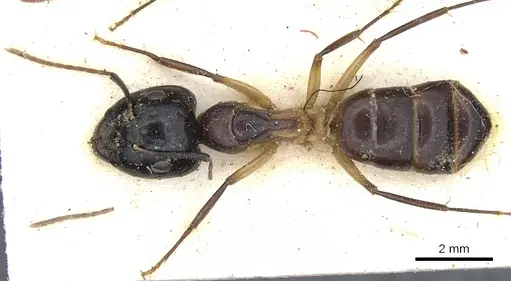
CASENT0903519
View on AntWeb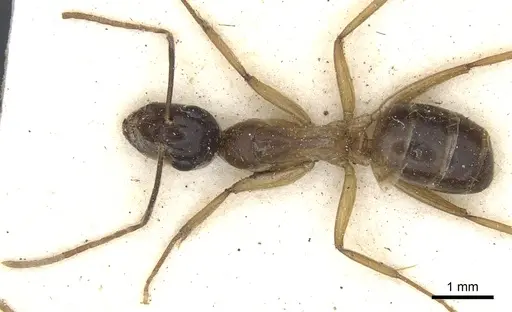
Literature
Loading distribution map...Loading products...