
Kakamega Sugar ant
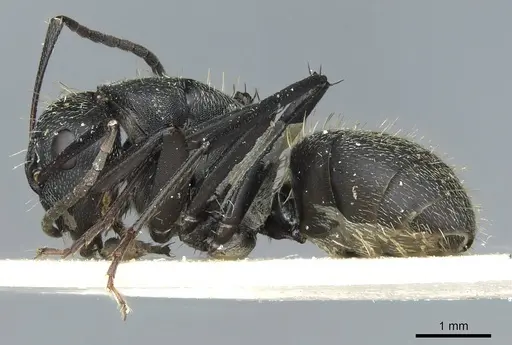
Camponotus bayeri
- Sci. Name
- Camponotus bayeri
- Subgenus
- Myrmotrema
- Tribe
- Camponotini
- Subfamily
- Formicinae
- Author
- Forel, 1913
- Common Name
- Kakamega Sugar ant
- Distribution
- Found in 3 countries
Introduction
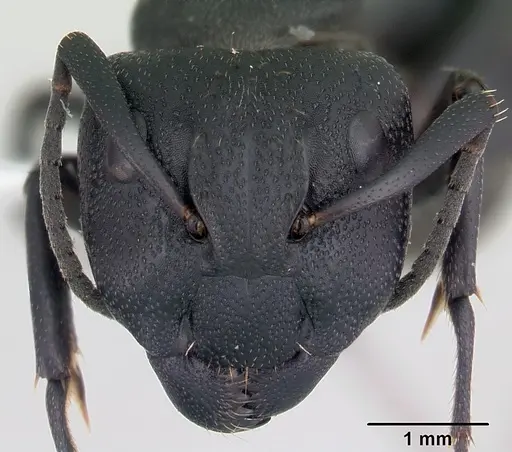
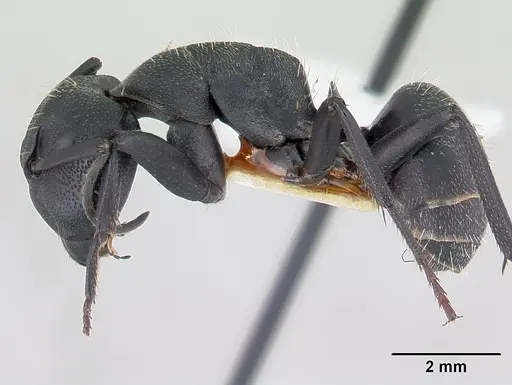
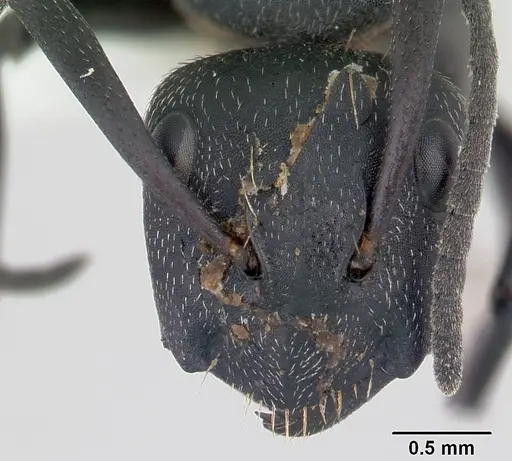
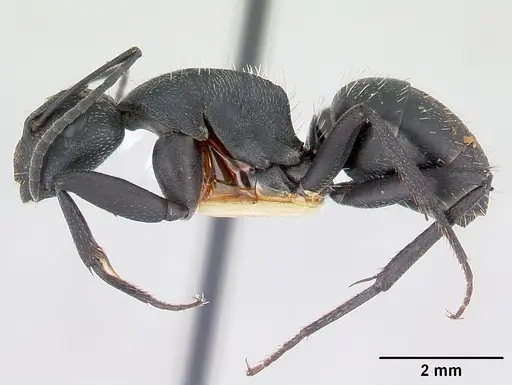
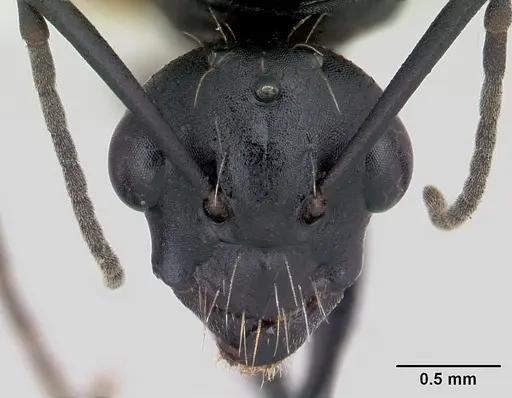
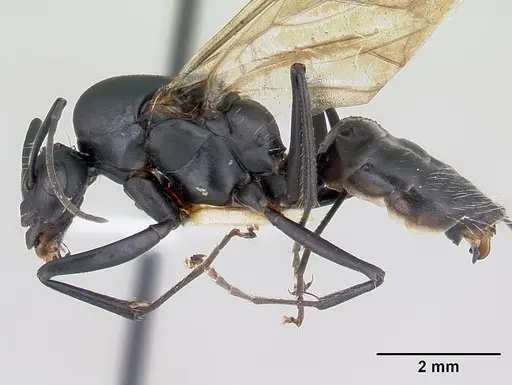
Camponotus bayeri is a medium-sized African carpenter ant belonging to the subgenus Myrmotrema. Workers vary in size with major workers larger than minors. They have the typical Camponotus body shape with a rounded thorax and a single node between the mesosoma and gaster. This ant is found in central and east Africa, with confirmed populations in the Democratic Republic of Congo, Kenya, Rwanda, Nigeria, and South Sudan [AntWiki]. What makes this species unusual is its nesting preference - in Kenya, researchers found them exclusively nesting in termite mounds in old glades . This suggests they may have a mutualistic relationship with termites or prefer the stable microclimate that termite mounds provide. This differs from most Camponotus species, which typically nest in rotting wood or under stones.
Quick Summary
- Difficulty: Medium
- Origin & Habitat: Central and East Africa, Democratic Republic of Congo, Kenya, Rwanda, Nigeria, and South Sudan. Found in forested areas and old glades, with a unique association to termite mounds for nesting [4][1][2][3].
- Colony Type: Colony structure is unconfirmed. No specific data on queen number for this species.
- Size & Growth:
- Queen: Size data unavailable for this species, inferred from typical Camponotus queen size range
- Worker: Size data unavailable for this species, inferred from typical Camponotus worker size range (5-15mm)
- Colony: Colony size is unconfirmed for this species
- Growth: Growth rate is unconfirmed for this species
- Development: Development time is unconfirmed for this species (No species-specific development data exists)
- Antkeeping:
- Temperature: Keep warm, roughly 24-28°C based on their tropical African origin. A slight gradient allowing cooler areas is beneficial. Avoid prolonged temperatures below 20°C.
- Humidity: Moderate to high humidity. Their association with termite mounds suggests they tolerate humid conditions well. Keep nest substrate moist but not waterlogged.
- Diapause: Unlikely required. As a tropical African species, they likely do not enter true diapause. A slight reduction in temperature during cooler months may slow activity naturally.
- Nesting: Based on their natural history, they prefer enclosed spaces. Y-tong (AAC) nests or plaster nests work well. Their unique association with termite mounds suggests they prefer stable, humid conditions. Test tube setups work for founding colonies.
- Behavior: Camponotus bayeri likely has typical carpenter ant behavior, generally calm and not overly aggressive. Workers are moderately active foragers, likely with some nocturnal tendency given their tropical origin. They are not known to be particularly aggressive toward keepers. As with most Camponotus, they may spray formic acid as a defense mechanism when threatened. Standard escape prevention measures are recommended given their moderate size.
- Common Issues: tropical species may struggle if kept too cool, maintain warm temperatures year-round, limited natural history data means colony requirements are estimated rather than directly observed, wild-caught colonies may carry parasites or diseases from their native habitat, queen founding can be slow, patience is required during the founding period, their association with termite mounds may indicate specific humidity requirements that differ from typical Camponotus
Nest Preferences and Housing
Camponotus bayeri shows a unique preference for termite mounds in the wild. In Kenya, researchers found them exclusively nesting in termite mounds in old glades [4]. This suggests they prefer stable, humid microenvironments rather than typical wood nesting. For captive care, Y-tong (AAC) nests or plaster nests work well since they provide good humidity control. Test tube setups are suitable for founding colonies, use a standard test tube with a water reservoir connected via cotton. The key is maintaining consistent humidity without letting the nest become waterlogged. Given their tropical origin, avoid dry conditions. A naturalistic setup with soil and a moisture gradient can mimic their natural termite mound association. Ensure the nest has multiple chambers connected by narrow passages.
Feeding and Diet
Like most Camponotus species, this ant is omnivorous with a preference for protein sources. Feed them a varied diet including sugar water or honey (offered on a cotton ball or directly in a feeder), and protein sources like mealworms, crickets, or other small insects. In the wild, African carpenter ants often tend aphids or scale insects for honeydew, so sugar sources are likely well-accepted. Feed protein regularly, and ensure sugar water is always available. Remove uneaten prey after 24-48 hours to prevent mold. Given their tropical origin, they may have higher protein needs for colony growth. Observe your colony's preferences, some colonies favor certain foods over others.
Temperature and Seasonal Care
As a tropical African species from DRC, Kenya, and Rwanda, this ant requires warm conditions year-round. Maintain temperatures in the nest area around 24-28°C. A slight temperature gradient (22-28°C) allows the colony to self-regulate. Room temperature may be insufficient in cooler climates, consider using a heating cable or mat on one side of the nest to create a warm zone. Unlike temperate species, they do not require true hibernation or diapause. However, slight seasonal temperature variations are natural, you might allow temperatures to drop a few degrees during winter months, which may slow colony activity but is not harmful. Avoid temperatures below 18°C for extended periods. High humidity complements the warm conditions.
Colony Founding and Development
Queen founding behavior is unconfirmed for this species. The process typically takes 6-8 weeks at optimal temperature for most Camponotus species, though it may take longer if temperatures are suboptimal. After workers emerge, the colony grows gradually as the queen continues laying eggs. Major workers typically appear once the colony reaches several dozen workers. Growth rate varies, expect months to reach significant worker counts under good conditions. Patience is essential during founding, as disturbing the queen during this period can be fatal.
Behavior and Temperament
Camponotus bayeri likely has a generally calm temperament, typical of most carpenter ants. Workers are moderately active and likely forage at various times. They are not particularly aggressive and rarely attack unless the nest is directly threatened. When disturbed, they may use their formic acid spray defense, this is harmless to humans but can be irritating if sprayed in eyes. Escape risk is moderate, standard escape prevention (Fluon barriers, tight-fitting lids) should still be used. Workers communicate through chemical trails and may establish foraging routes to food sources. They are generally hardy in captivity if basic requirements are met.
Frequently Asked Questions
How long does it take for Camponotus bayeri queen to lay first eggs?
After founding begins, expect 1-2 weeks before the queen lays her first eggs. She will remain sealed in her chamber until the first workers emerge, typically 6-8 weeks at optimal temperature (24-28°C). Patience is critical, do not disturb the founding chamber during this time.
What do Camponotus bayeri ants eat?
They are omnivorous like most Camponotus. Offer sugar water or honey constantly for energy, and protein sources like mealworms, crickets, or other small insects regularly. They likely accept honeydew in captivity if you keep aphids, though this is optional.
Do Camponotus bayeri ants need hibernation?
No. As a tropical African species from DRC, Kenya, and Rwanda, they do not require hibernation. Maintain warm temperatures (24-28°C) year-round. A slight seasonal temperature drop in winter is acceptable but not necessary.
How big do Camponotus bayeri colonies get?
Colony size is not directly documented for this species. Based on typical Camponotus patterns, colonies may reach several hundred workers over 2-3 years. Major workers appear once the colony reaches moderate size.
Are Camponotus bayeri good for beginners?
This species is rated as Medium difficulty. While not the easiest species, they are generally hardy once basic requirements (warmth, humidity, proper feeding) are met. The main challenge is their limited natural history data, care is based on genus inference rather than species-specific research.
What temperature is best for Camponotus bayeri?
Keep nest temperatures roughly 24-28°C. A gradient allowing cooler areas around 22°C is beneficial. Use a heating cable on one side of the nest if room temperature is below 24°C. Avoid temperatures below 18°C.
Can I keep multiple Camponotus bayeri queens together?
This is not recommended. Colony structure is unconfirmed for this species, but most Camponotus are single-queen. Combining unrelated queens typically results in fighting. If you acquire multiple founding queens, house them separately.
When should I move Camponotus bayeri from a test tube to a formicarium?
Move the colony when the test tube becomes crowded or the water reservoir runs dry, typically when the colony reaches 30-50 workers. Ensure the new nest maintains appropriate humidity. A Y-tong or plaster nest works well for this species.
Why is my Camponotus bayeri colony not growing?
Common causes include: temperatures below 24°C (slows development), low humidity (can kill brood), insufficient protein (limits egg production), or the queen being disturbed during founding. Check all parameters and ensure the queen is healthy and unmolested.
Report an Issue
The current care sheet is based fully on literature. See inconsistencies, or something that's incorrect? Please , it will be resolved after review from an admin. Contributing to the blogs tab also helps providing information, to make us be able to further improve the caresheets. Thank you for your support!
References

This caresheet is licensed under CC BY-SA 4.0 .
Community Blogs
CASENT0178247
View on AntWeb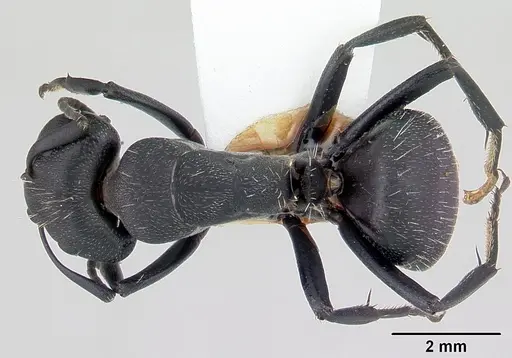
CASENT0178248
View on AntWeb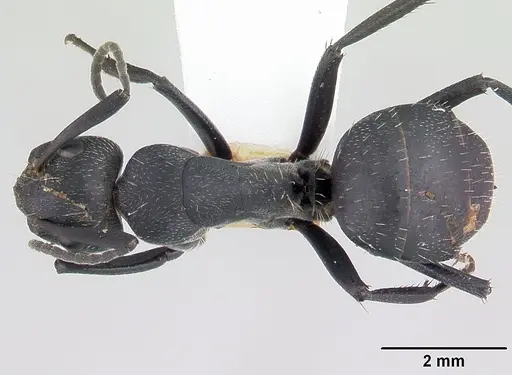
CASENT0178249
View on AntWeb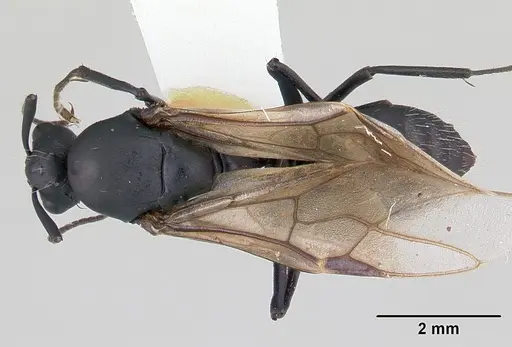
RMCAENT000017816
View on AntWeb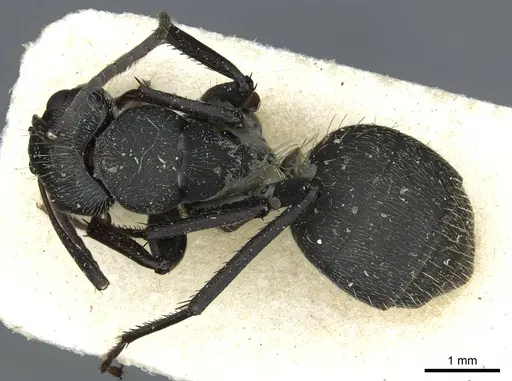
Literature
Loading distribution map...Loading products...