
Camponotus aurosus
- Sci. Name
- Camponotus aurosus
- Subgenus
- Myrmosaga
- Tribe
- Camponotini
- Subfamily
- Formicinae
- Author
- Roger, 1863
- Distribution
- Found in 2 countries
Introduction
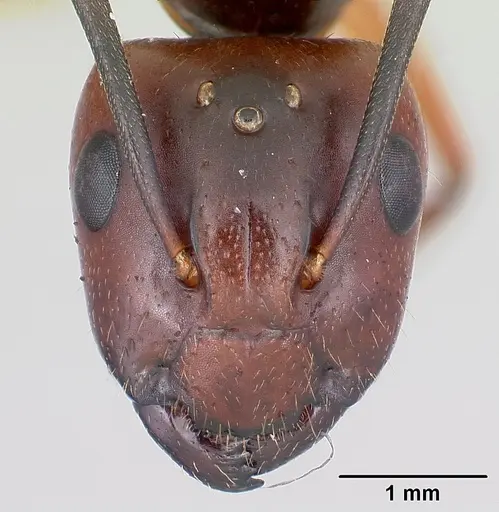
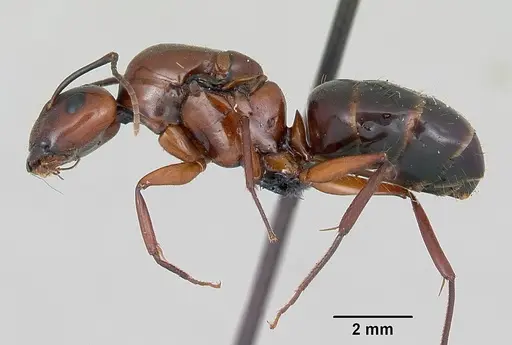
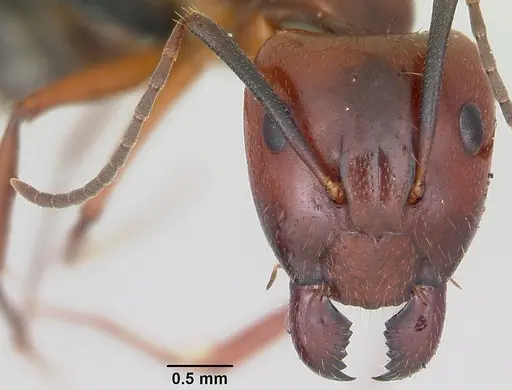
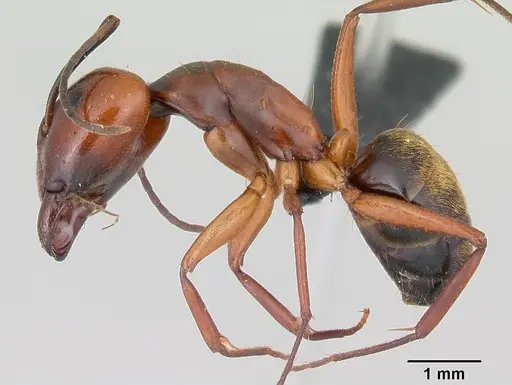
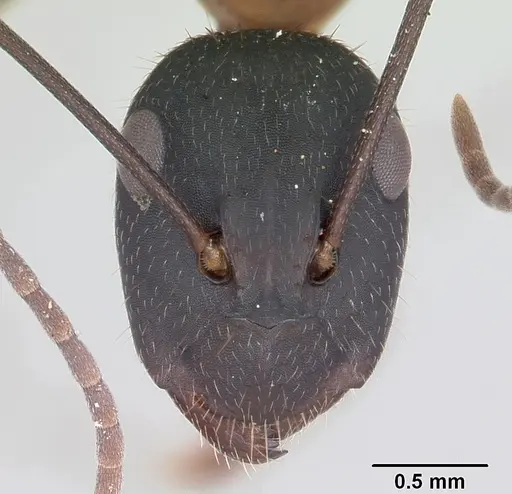
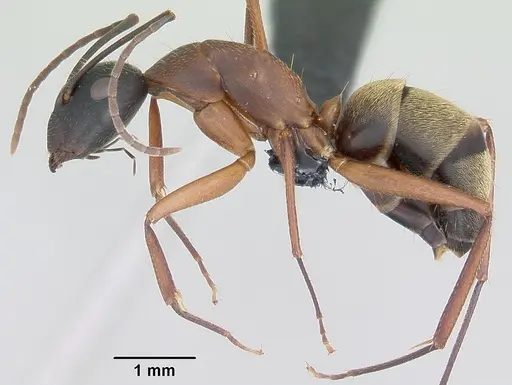
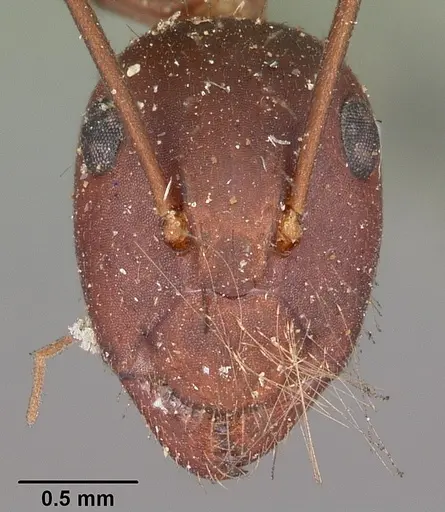
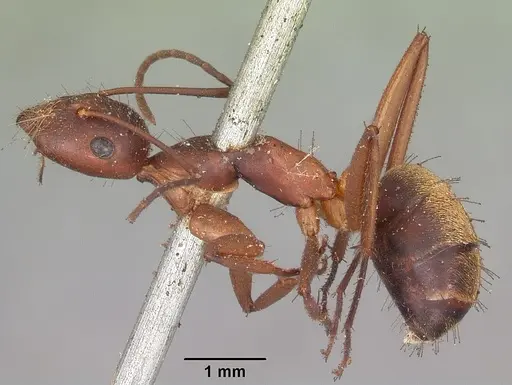
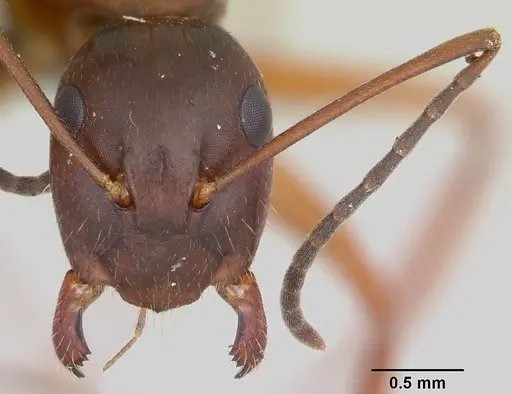
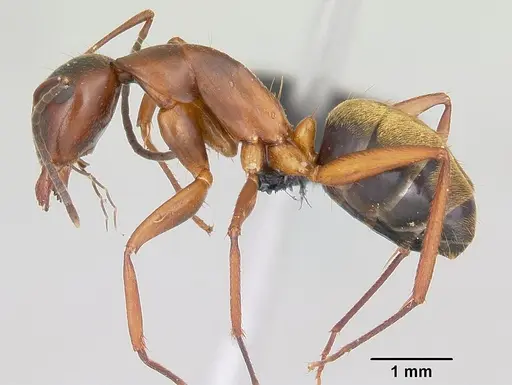
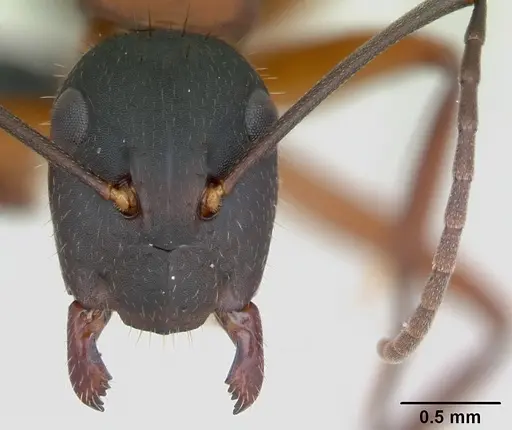
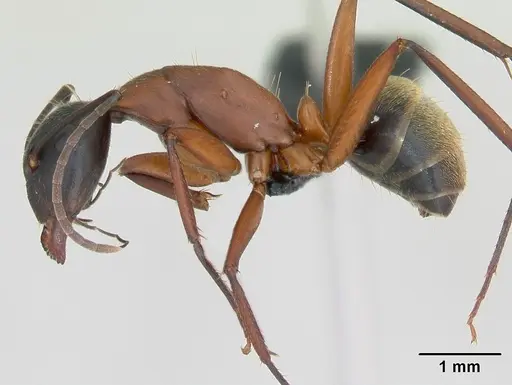
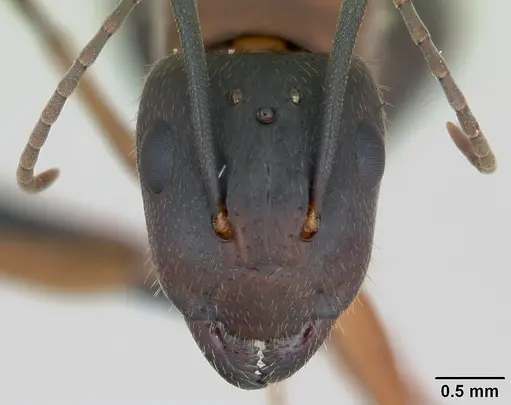
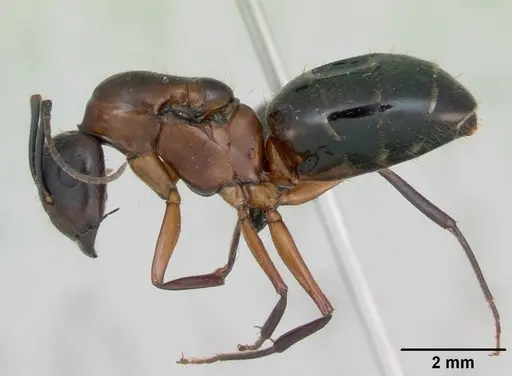
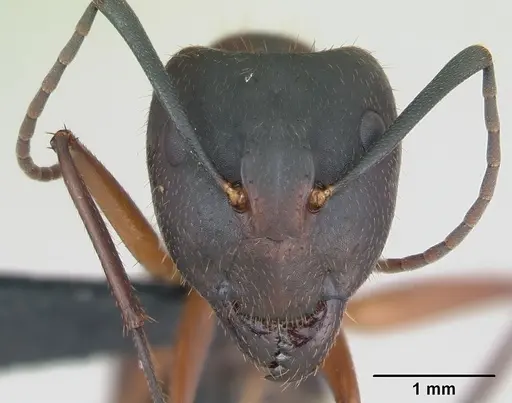
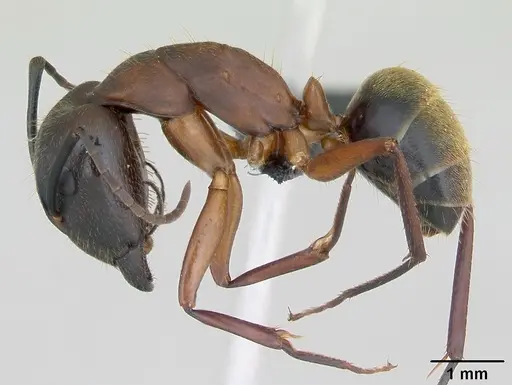
Camponotus aurosus is a carpenter ant species native to the islands of Mauritius, Réunion, and Madagascar in the Indian Ocean . Workers are distinctive with a black head and gaster, while the mesosoma (the middle body section) is reddish orange to brown. Minor workers have large, protruding eyes, while major workers develop larger heads with a slight concave notch on the back. The body is covered in fine hairs, particularly on the abdomen. This is a medium-sized Camponotus species with workers foraging on the ground and in lower vegetation [AntWiki]. These ants are part of the Myrmosaga subgenus and are found across the Malagasy region including Madagascar, Mauritius, and Réunion. They nest in a variety of locations including rotten logs, under stones, in the ground, inside tree trunks, and even in termite nests. This flexibility in nesting preferences makes them adaptable to different captive setups [AntWiki].
Quick Summary
- Difficulty: Medium
- Origin & Habitat: Mauritius, Réunion, and Madagascar, islands in the Indian Ocean. They live in both primary and disturbed rainforest habitats, foraging on the ground and in lower vegetation [3].
- Colony Type: Likely monogyne (single queen) colonies based on typical Camponotus patterns. Queens are larger than workers and establish nests in enclosed spaces [3].
- Size & Growth:
- Queen: ~12-15mm, inferred from Camponotus genus patterns
- Worker: ~6-12mm, minor workers ~6-8mm, major workers ~10-12mm based on Camponotus genus patterns
- Colony: Likely reaches several hundred workers based on typical Camponotus growth patterns
- Growth: Moderate, Camponotus species typically grow steadily but not rapidly
- Development: Estimated 6-8 weeks based on typical Camponotus development at warm temperatures (Development time depends on temperature, warmer conditions (24-28°C) speed up development while cooler temperatures slow it down)
- Antkeeping:
- Temperature: Keep at 24-28°C. Being from tropical islands, they prefer warm conditions. A heating cable on one side of the nest creates a suitable gradient [3].
- Humidity: Moderate to high, they inhabit rainforest environments. Keep the nest substrate moist but not waterlogged, with some drier areas available for the ants to regulate their own humidity [3].
- Diapause: No, being from tropical islands (Mauritius, Réunion, Madagascar), they do not require hibernation. Maintain consistent warm temperatures year-round [3].
- Nesting: They accept various nest types including Y-tong (AAC), plaster nests, and naturalistic setups with rotten wood or stones. Provide a dark, enclosed space for the queen and enough chambers for colony growth [3].
- Behavior: Workers are active foragers that search for food on the ground and lower vegetation. They are not particularly aggressive but will defend their nest if threatened. As carpenter ants, they can chew through soft materials to expand their nesting space but won't damage hard plastics or glass. Escape risk is moderate, use standard barrier methods like Fluon on the rim of the outworld. They are moderately active and will establish clear foraging trails. As Formicine ants, they lack a functional sting but can bite and spray formic acid from their acidopore as defense [3].
- Common Issues: queen death during founding is common, claustral queens seal themselves in and rely on stored fat reserves, so avoid disturbing the founding chamber for the first 4-6 weeks, mold can develop in the nest if humidity is too high or ventilation is poor, ensure adequate airflow while maintaining moisture, colonies may stagnate if temperatures are too cool, keep them warm (24-28°C) for optimal growth, wild-caught colonies may carry parasites that can devastate captive colonies, quarantine and observe new colonies carefully, major workers are large and need adequate space in the outworld for movement, avoid cramped setups that can cause stress
Housing and Nest Setup
Camponotus aurosus accepts various captive setups thanks to their flexible natural nesting preferences. Y-tong (AAC) nests work well because they provide dark, enclosed chambers that mimic the dark cavities these ants naturally choose. Plaster nests are also suitable as they allow you to control humidity levels. For a naturalistic approach, provide rotten wood pieces or flat stones on moist substrate, this recreates their natural habitat under stones and in rotting logs [3].
The outworld should be spacious enough for major workers to move around comfortably. These ants are moderate foragers, so they'll establish trails between the nest and feeding areas. Use a test tube setup for the founding queen, then transition to a proper nest once the colony reaches 15-20 workers. Ensure the nest has multiple chambers so the colony can expand as it grows [3].
Feeding and Diet
Like other carpenter ants, Camponotus aurosus is omnivorous and will accept a variety of foods. Protein sources are essential for brood development, offer insects like fruit flies, small crickets, mealworms, or waxworms. Sugar sources are readily accepted and provide energy for workers: honey water, sugar water, or commercial ant nectar works well.
Feed protein 2-3 times per week, adjusting based on colony size and appetite. Remove uneaten prey after 24-48 hours to prevent mold. Keep sugar water available at all times in a small dish or cotton ball. Fresh fruits can occasionally be offered as well. A varied diet promotes healthy colony growth and development [3].
Temperature and Seasonal Care
Being native to tropical islands in the Indian Ocean, Camponotus aurosus requires warm conditions year-round. Maintain temperatures between 24-28°C in the nest area. A heating cable placed on one side of the nest creates a temperature gradient that lets ants regulate their own temperature by moving between warmer and cooler chambers.
Since they come from a tropical climate, they do not require hibernation or diapause. Keep temperatures consistent throughout the year, avoid cold drafts or rooms that cool significantly in winter. Room temperature within the 24-28°C range is ideal. If your room is cooler, use a small heat mat or heating cable. Monitor colony activity: workers should be actively foraging, if they cluster near heat sources, increase temperature slightly [3].
Humidity and Water
Camponotus aurosus inhabits rainforest environments, so they need moderate to high humidity. Keep the nest substrate consistently moist but not waterlogged. The substrate should feel damp to the touch but not have standing water. For test tube setups, keep the water reservoir filled and ensure the cotton is keeping moisture in properly.
In Y-tong or plaster nests, mist the nest occasionally or use a water reservoir to maintain humidity. However, balance moisture with ventilation, stagnant, overly humid conditions promote mold growth. Provide a small water dish in the outworld for drinking. The ants will regulate their humidity by moving between moister and drier areas within the nest if given the choice [3].
Colony Development and Growth
A newly mated queen will seal herself in a claustral chamber and lay eggs without leaving to forage. She relies entirely on her stored fat reserves to survive and feed the first brood. This founding phase typically lasts 4-6 weeks before the first workers (nanitics) emerge. These first workers are usually smaller than mature workers but will begin foraging to support further growth.
Colony growth is moderate, expect the colony to reach 50 workers within a few months under good conditions. Growth rate depends heavily on temperature and feeding. Warmer temperatures (within the 24-28°C range) speed development, while cooler conditions cause stagnation. Major workers typically appear once the colony reaches a certain size. A mature colony may have several hundred workers [3].
Frequently Asked Questions
How long does it take for Camponotus aurosus to raise their first workers?
Expect 6-8 weeks from egg to first worker at optimal temperatures (24-28°C). The queen seals herself in during founding and relies on stored fat reserves, so avoid disturbing her for the first 4-6 weeks. Once workers emerge, they will begin foraging to support further colony growth.
What temperature do Camponotus aurosus need?
Keep them at 24-28°C. Being from tropical islands, they need warm conditions year-round. Use a heating cable on one side of the nest to create a gradient, or keep the colony in a warm room. Avoid temperatures below 20°C as this can cause stagnation.
Do Camponotus aurosus need hibernation?
No, they do not require hibernation. Being from tropical islands, they expect consistent warm temperatures year-round. Maintain 24-28°C throughout the year without seasonal temperature drops.
What do Camponotus aurosus eat?
They are omnivorous. Feed protein sources like fruit flies, small crickets, or mealworms 2-3 times per week. Also provide constant sugar water, honey water, or ant nectar. Remove uneaten prey after 24-48 hours to prevent mold.
Are Camponotus aurosus good for beginners?
They are rated as medium difficulty. They are more forgiving than some species but require warm temperatures year-round and proper humidity. Beginners should be prepared to maintain consistent conditions and avoid disturbing the founding queen.
How big do Camponotus aurosus colonies get?
Based on typical Camponotus patterns, colonies likely reach several hundred workers. Major workers appear as the colony grows and can be significantly larger than minor workers.
Can I keep multiple Camponotus aurosus queens together?
No, Camponotus aurosus is likely monogyne, colonies have a single queen. Multiple unrelated queens will fight. Only keep one queen per colony.
What nest type is best for Camponotus aurosus?
They accept various setups. Y-tong (AAC) nests work well for their dark, enclosed chambers. Plaster nests allow humidity control. Naturalistic setups with rotten wood or stones also work. Choose based on your humidity control needs.
Why is my Camponotus aurosus colony not growing?
Check temperature first, they need 24-28°C for optimal growth. Cooler conditions cause stagnation. Also verify humidity is adequate (moist but not waterlogged) and that you're feeding enough protein. Disturbing the queen during founding can also cause colony failure.
Report an Issue
The current care sheet is based fully on literature. See inconsistencies, or something that's incorrect? Please , it will be resolved after review from an admin. Contributing to the blogs tab also helps providing information, to make us be able to further improve the caresheets. Thank you for your support!
References

This caresheet is licensed under CC BY-SA 4.0 .
Community Blogs
CASENT0056472
View on AntWeb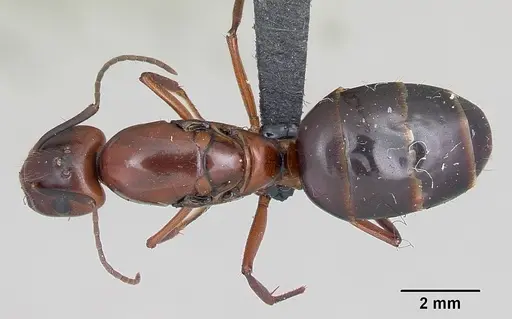
CASENT0056473
View on AntWeb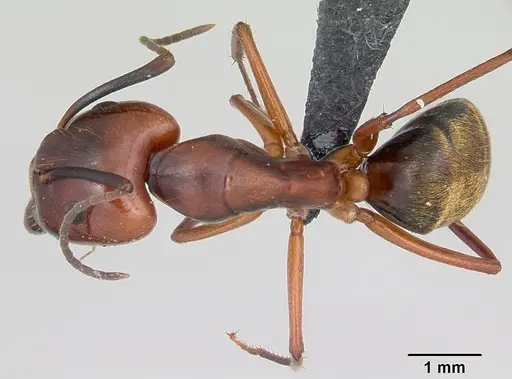
CASENT0064815
View on AntWeb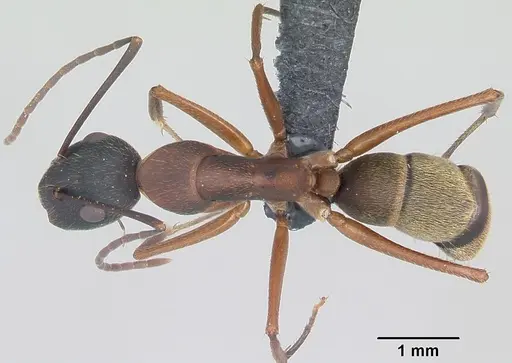
CASENT0104620
View on AntWeb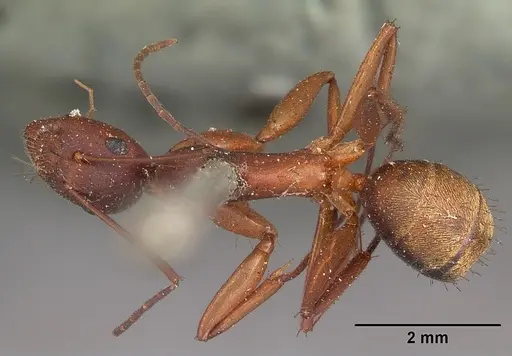
CASENT0104992
View on AntWeb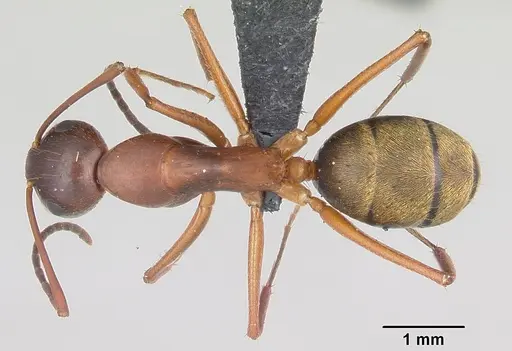
CASENT0109866
View on AntWeb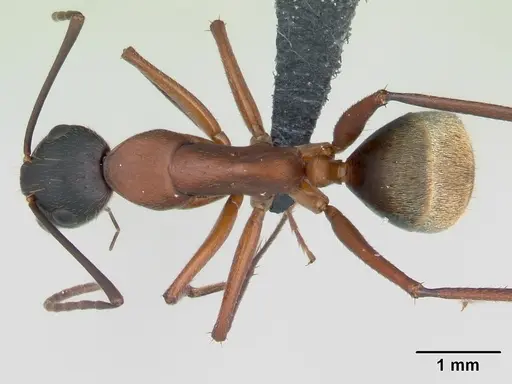
CASENT0135246
View on AntWeb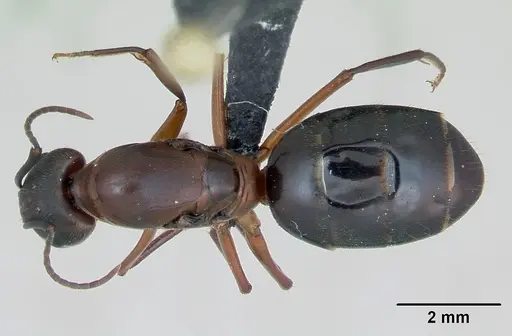
CASENT0135247
View on AntWeb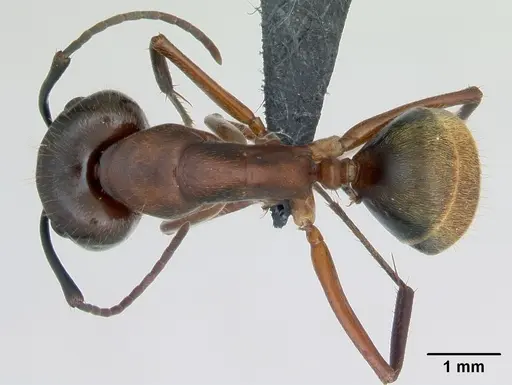
Literature
Loading distribution map...Loading products...