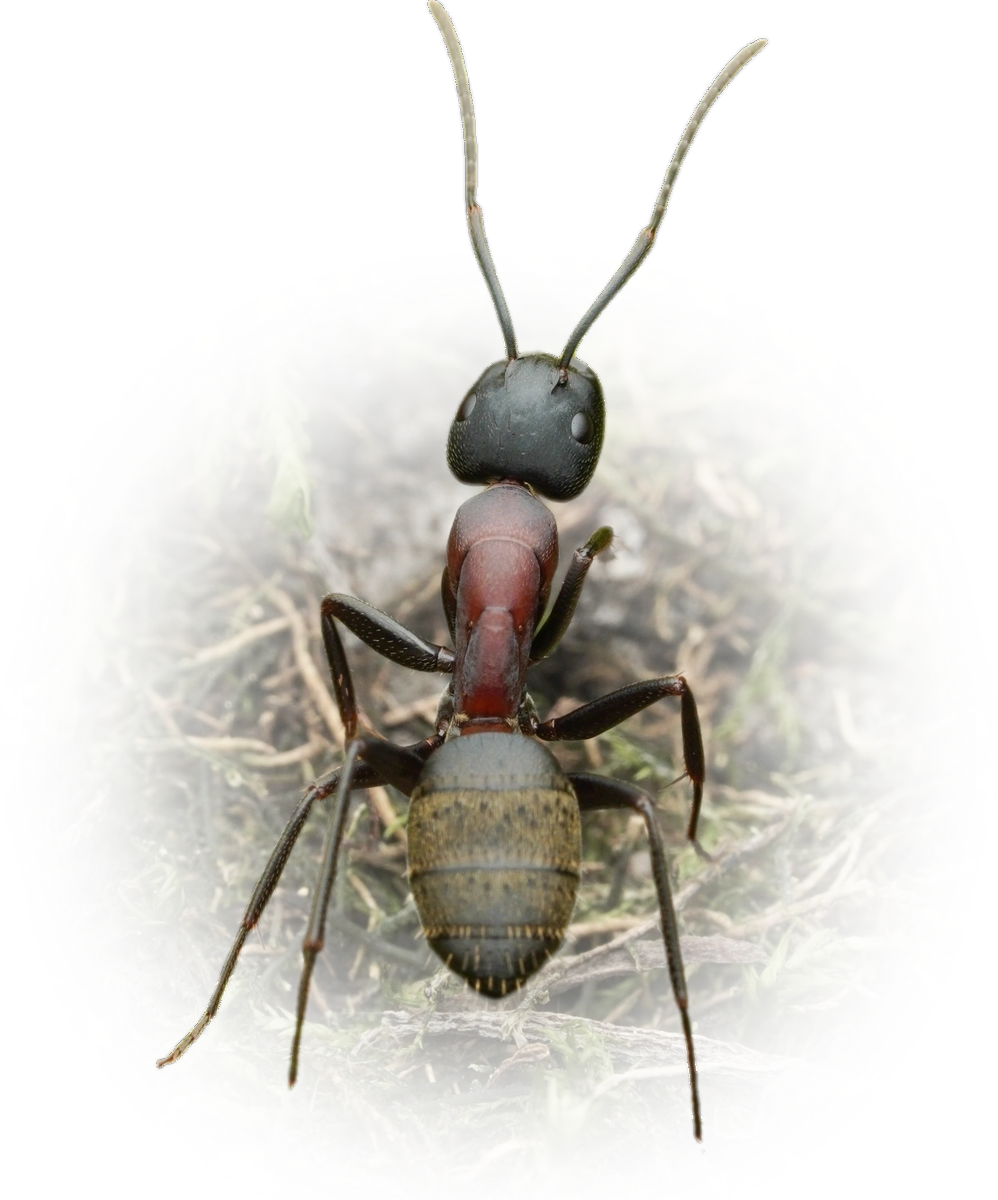
Camponotus atrox
- Sci. Name
- Camponotus atrox
- Tribe
- Camponotini
- Subfamily
- Formicinae
- Author
- Emery, 1925
- Distribution
- Found in 2 countries
Introduction
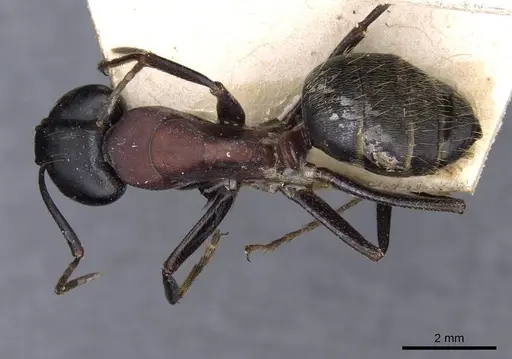
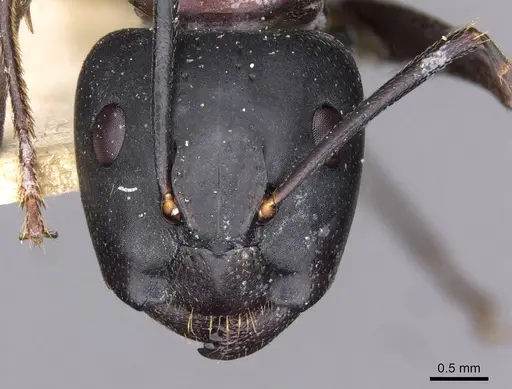
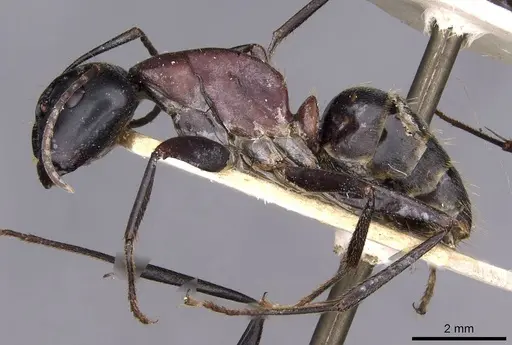
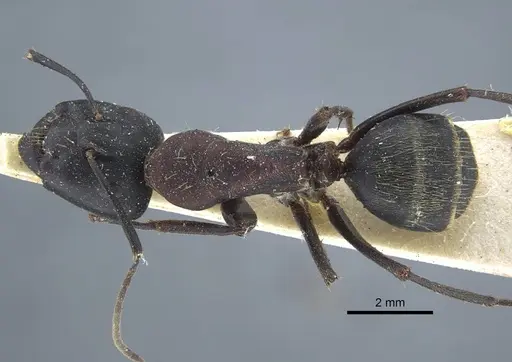
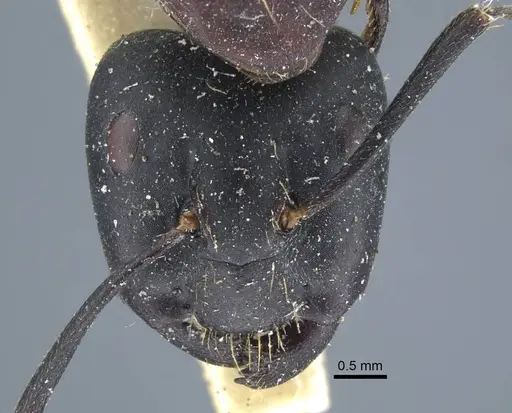
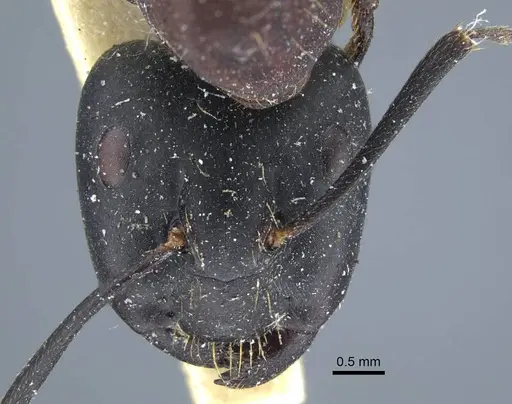
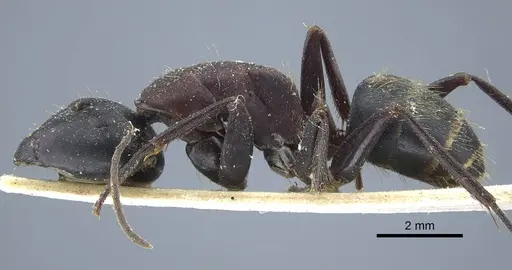
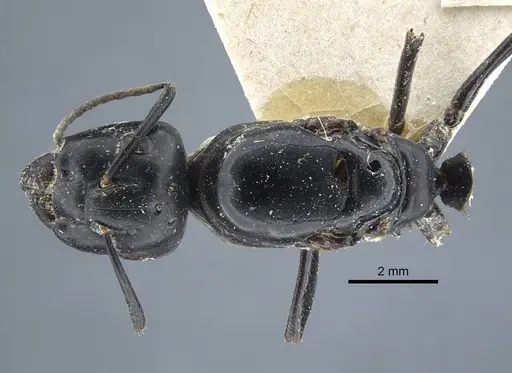
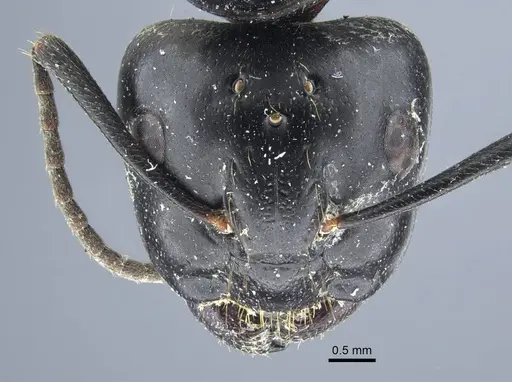
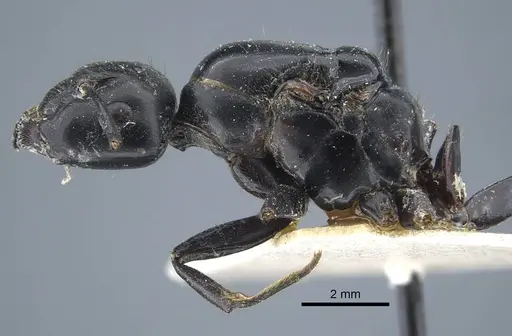
Camponotus atrox is a carpenter ant endemic to the Korean Peninsula. Workers have a robust build typical of Camponotus species with a dark brown to black coloration. This species belongs to the Formicinae subfamily and is closely related to Camponotus japonicus - they are in the same morphometric group . In the wild, they are forest ground foragers, actively searching for food along the forest floor. Their mitochondrial genome has been sequenced and shows unique features, including the longest A+T-rich region of all sequenced ant genomes . A notable aspect of C. atrox is its potential to expand its range upward into higher mountain areas as global warming progresses, potentially replacing C. japonicus in those habitats .
Quick Summary
- Difficulty: Easy
- Origin & Habitat: Korean Peninsula, found throughout both North and South Korea, typically at altitudes around 500 meters in forested areas [2][3].
- Colony Type: Likely single-queen colonies (monogyne) based on typical Camponotus patterns, this is inferred from genus behavior rather than species-specific studies.
- Size & Growth:
- Queen: Size data unavailable, inferred from Camponotus genus to be approximately 9-12mm
- Worker: Size data unavailable, the research provides head measurements (not body length) but no total body length data [1]
- Colony: Estimated up to several thousand workers based on typical Camponotus colony sizes
- Growth: Moderate, typical for Camponotus genus
- Development: 6-8 weeks (estimated based on typical Camponotus development at room temperature) (Development follows standard Camponotus patterns, queens seal themselves in and raise first workers alone using stored fat reserves)
- Antkeeping:
- Temperature: Keep at room temperature (20-24°C). As a Korean species, they prefer cooler conditions than tropical ants. A gentle gradient with one side slightly warmer (around 24°C) allows workers to choose their preferred temperature.
- Humidity: Moderate humidity (50-60%). These forest floor foragers prefer conditions similar to damp woodland, keep the nest substrate slightly moist but not waterlogged. Provide a water tube for drinking water.
- Diapause: Yes, as a Korean temperate species, they require winter hibernation. Reduce temperature to 5-10°C for 3-4 months (typically November to February in the Northern Hemisphere). Stop feeding during this period.
- Nesting: Y-tong (AAC) nests work well, or a plaster/naturalistic setup with soil substrate. They prefer enclosed nests with narrow chambers. As wood-nesting ants, they will excavate in plaster or wood-based formicaria.
- Behavior: Generally calm and non-aggressive compared to some other Camponotus species. Workers are active foragers that search for food along surfaces. They are not particularly defensive and rarely sting, they may bite if threatened but this is uncommon. Escape risk is moderate, they are larger ants so standard barriers work well, but they can climb smooth surfaces. Major workers (soldiers) may develop in mature colonies and have larger heads for defense.
- Common Issues: hibernation failure, colonies often die if not given proper winter rest period, overheating, being a Korean species, they prefer cooler conditions and can die if kept too warm, dry conditions, forest floor species need adequate moisture in the nest, slow founding, claustral queens take time to establish, beginners may give up too soon, small colony vulnerability, founding colonies are very fragile and easily stressed
Nest Preferences
Camponotus atrox is a carpenter ant that naturally nests in rotting wood, under stones, and in soil cavities in forested areas. In captivity, they do well in Y-tong (AAC) nests with narrow chambers scaled to their size. Plaster nests with soil substrate also work well and allow for natural excavation behavior. The nest should have a water tube attached to maintain humidity. Avoid very dry conditions, these forest floor ants prefer their nest to have some moisture. A small outworld for foraging is sufficient, connected to the nest via tubing. [2][3]
Feeding and Diet
Like other Camponotus species, C. atrox is omnivorous. They accept sugar sources readily, offer sugar water, honey, or diluted honey water as a constant energy source. For protein, provide small insects like fruit flies, small crickets, mealworms, or other appropriately-sized prey. They are active foragers so food placed in the outworld will be discovered quickly. Feed protein once or twice per week, and keep sugar water available at all times. Remove uneaten prey after 24-48 hours to prevent mold.
Temperature and Seasonal Care
As a Korean species, Camponotus atrox is adapted to temperate conditions. Keep the nest at room temperature (20-24°C) with a slight gradient if possible. They prefer cooler conditions than many tropical ant species, so avoid placing their nest near heat sources. During winter (roughly November-February), they require a hibernation period at 5-10°C. This is essential for colony health, colonies that are not hibernated may become stressed and have reduced lifespans. Do not feed during hibernation. In spring, gradually warm the colony back to room temperature and resume feeding. [2]
Behavior and Colony Development
This species has a calm temperament, workers go about their business without excessive aggression or territorial behavior. Majors (larger workers) may develop in established colonies and assist with defense and seed processing. Colonies grow at a moderate pace typical of Camponotus. The founding queen seals herself in a small chamber and does not leave to forage, she lives entirely on her stored fat reserves while raising the first brood. This claustral founding takes several months. Once the first workers (nanitics) emerge, they take over foraging and the colony begins to grow. Be patient with founding colonies, they are vulnerable and growth is slow at first.
Growth and Development
Camponotus atrox follows the typical Camponotus development pattern. The queen lays eggs after establishing the colony, and these develop through larval and pupal stages before emerging as workers. Total development time from egg to worker is approximately 6-8 weeks at optimal temperature (around 22°C). The first workers (nanitics) are typically smaller than regular workers. As the colony grows, larger workers develop and the colony becomes more active. Major workers may appear in well-established colonies. Growth is moderate, a colony may reach several hundred workers in 2-3 years under good conditions. [1]
Frequently Asked Questions
Is Camponotus atrox good for beginners?
Yes, this is a good species for beginners. They are relatively calm, not aggressive, and have straightforward care requirements. The main challenge is providing proper hibernation, which is essential for their health.
How long does it take for the first workers to emerge?
Expect 6-8 weeks from egg to first worker at room temperature. The queen is claustral, she seals herself in and raises the first brood alone using stored fat reserves. Be patient, as founding colonies are slow to develop.
What temperature do they need?
Keep them at room temperature (20-24°C). As a Korean species, they prefer cooler conditions than tropical ants. Avoid overheating them, room temperature is ideal without additional heating.
Do they need hibernation?
Yes, hibernation is essential. As a temperate Korean species, they require a winter rest period of 3-4 months at 5-10°C (typically November to February). Reduce temperature gradually and stop feeding during this period.
Can I keep multiple queens together?
No, Camponotus atrox is monogyne, colonies have a single queen. Multiple unrelated queens will fight. Only keep one queen per colony.
What do they eat?
They are omnivorous. Offer sugar water, honey, or diluted honey as a constant energy source. For protein, provide small insects like fruit flies, small crickets, or mealworms. Feed protein 1-2 times per week.
How big do colonies get?
Mature colonies can reach several thousand workers over several years. Growth is moderate, expect a few hundred workers in the first 2-3 years under good conditions.
When should I move them to a formicarium?
Keep founding colonies in a test tube setup until they have 20-30 workers. Moving too early can stress the colony. Once established, they can be moved to a Y-tong or plaster nest.
Why are my ants dying during hibernation?
Hibernation failures often result from improper conditions. Ensure temperature stays consistently cool (5-10°C), not freezing. Keep the nest slightly moist but not wet. Avoid disturbing the colony during hibernation. Some mortality is normal, but sudden deaths often indicate temperature fluctuations.
Report an Issue
The current care sheet is based fully on literature. See inconsistencies, or something that's incorrect? Please , it will be resolved after review from an admin. Contributing to the blogs tab also helps providing information, to make us be able to further improve the caresheets. Thank you for your support!
References

This caresheet is licensed under CC BY-SA 4.0 .
Community Blogs
Literature
Loading distribution map...Loading products...