
Camponotus atricolor
- Sci. Name
- Camponotus atricolor
- Subgenus
- Myrmentoma
- Tribe
- Camponotini
- Subfamily
- Formicinae
- Author
- Nylander, 1849
- Distribution
- Found in 5 countries
Introduction
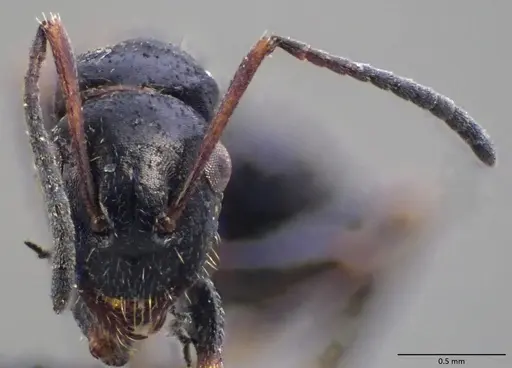
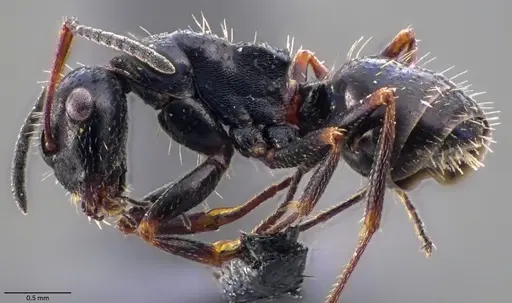
Camponotus atricolor is a medium-sized, highly polymorphic ant belonging to the Camponotus lateralis species group. Workers range from approximately 4mm (minors) to 8-10mm (majors), with a mostly black body and yellowish markings on the pronotum and antennae. This species is native to southern and central Europe, ranging from Austria and Hungary through the Balkans to Turkey and the Caucasus region . It inhabits warm, dry, sunny areas including dry grasslands and open forests, nesting in the ground under stones . The species has a complex taxonomic history - some researchers consider it a synonym of the closely related Camponotus piceus, but genetic analysis confirms it as a distinct species .
Quick Summary
- Difficulty: Easy
- Origin & Habitat: Southern and central Europe, from Austria and Hungary through the Balkans to Turkey and the Caucasus. This is a xerothermophilous species, it prefers warm, dry, sunny spots like dry grasslands and open forests. Nests are built in the ground, typically under stones [2][1].
- Colony Type: Single-queen colonies (monogyne). Queens found new nests alone by sealing themselves in a chamber, this is called claustral founding, which is typical for Camponotus species.
- Size & Growth:
- Queen: Size data unavailable, no specific measurements exist for C. atricolor queens. Based on typical Camponotus genus patterns, queens are likely large (~12-15mm).
- Worker: Highly polymorphic: minor workers approximately 4-5mm, major workers approximately 8-10mm, inferred from Camponotus genus patterns [3].
- Colony: Colonies can reach several thousand workers based on typical Camponotus growth patterns.
- Growth: Moderate, Camponotus species typically take 6-10 weeks from egg to first worker at optimal temperature.
- Development: 6-10 weeks at optimal temperature (estimated based on genus patterns) (Development time depends on temperature, warmer conditions speed up development but should not exceed what the species naturally encounters in its range.)
- Antkeeping:
- Temperature: Keep the nest around 22-26°C during active season. This is a warm-climate species from southern Europe, so they handle heat better than cold. A heating cable on one side of the nest creates a useful gradient [1].
- Humidity: Low to moderate. This is a xerothermophilous (warmth-loving and dry-preferring) species, keep the nest relatively dry, with only a small water source. Avoid damp conditions that could cause mold.
- Diapause: Yes, as a temperate European species, they need a winter rest period. Reduce temperature to around 10-15°C for 2-3 months during winter, mimicking natural seasonal cycles [1].
- Nesting: In nature they nest in the ground under stones. In captivity, a Y-tong (AAC) nest or plaster nest works well, these provide the dry, stable conditions they prefer. Ensure chambers are appropriately sized for their polymorphic workers.
- Behavior: These ants are generally calm and not aggressive. They are moderate foragers that primarily hunt for protein (insects) and collect honeydew. Majors serve as defenders and help process larger prey. They are not particularly aggressive toward keepers but will defend if threatened. Escape risk is moderate, use standard barriers and ensure lids fit tightly.
- Common Issues: mold growth from overwatering, they prefer dry conditions, colonies failing to develop if kept too cold or damp, escape through small gaps, check all connections and use fluon on rim, slow growth compared to tropical species, don't overfeed or disturb too often, queen death during founding if humidity is too high or disturbance is frequent
Housing and Nest Setup
Camponotus atricolor does well in Y-tong (AAC) nests or plaster formicariums. These provide the dry, stable conditions this xerothermophilous species needs. The nest should have chambers sized appropriately for their polymorphic workers, major workers are significantly larger than minors, so ensure passages are wide enough. A small water reservoir or cotton wick for humidity is sufficient, avoid making the nest too damp. Place the nest in a warm area of your ant setup, around 22-26°C. The outworld can be kept at room temperature. Use a standard test tube setup for the founding queen, then transfer to a formicarium once the colony reaches 20-30 workers. [2][1]
Feeding and Diet
Like most Camponotus species, C. atricolor is omnivorous but prefers protein-rich foods. Feed them small insects like fruit flies, small crickets, mealworms, and other appropriately-sized prey. They will also accept sugar sources like honey water or sugar water, especially once workers are established. Feed protein 2-3 times per week and keep a constant sugar water source available. Remove uneaten prey after 24-48 hours to prevent mold. In the wild, they forage for insects and collect honeydew from aphids, replicate this with varied protein sources.
Temperature and Seasonal Care
This species comes from warm parts of Europe, so they prefer temperatures in the low-to-mid 20s°C range. Keep the nest at 22-26°C during the active season. A heating cable or heating mat on one side of the nest creates a temperature gradient that lets ants choose their comfort zone. During winter (roughly November to February), they need a diapause period. Reduce temperature to 10-15°C, this can be done in a basement, garage, or refrigerator. Do not feed during diapause but keep a small water source available. Return to normal temperatures gradually in spring to trigger renewed activity. [1]
Colony Development and Growth
A newly mated queen will seal herself into a small chamber (claustral founding) and lay eggs without leaving to forage. She lives entirely on her stored fat reserves while raising the first brood. This first batch of workers, called nanitics, are typically smaller than normal workers. After the first workers emerge, the colony enters a growth phase. Camponotus colonies grow more slowly than many tropical species, expect 6-10 weeks from egg to first worker at optimal temperature. Growth rate is moderate, and colonies can live for many years with a healthy queen producing workers continuously. The presence of major (soldier) workers typically increases as the colony matures. [1]
Behavior and Temperament
Camponotus atricolor is a relatively calm species that is not particularly aggressive. Workers go about their foraging and nest maintenance without excessive disturbance. When threatened, majors may defend the colony, but they pose minimal risk to keepers. They are primarily nocturnal or crepuscular foragers in the wild, though they will forage during the day in captivity. The polymorphic worker caste means you will see both small minors and large majors, majors primarily serve as defenders and help process larger prey items. They are not known for escaping aggressively, but standard escape prevention measures should still be used. [2]
Frequently Asked Questions
Is Camponotus atricolor a good species for beginners?
Yes, this is a good beginner species. They are relatively hardy, tolerate some variation in care conditions, and are not aggressive. Their moderate growth rate and straightforward temperature requirements make them manageable for new antkeepers.
How long does it take for the first workers to appear?
Expect 6-10 weeks from egg to first worker at optimal temperature (around 24-26°C). This is typical for Camponotus species. The first workers (nanitics) will be smaller than mature workers.
What temperature should I keep my colony at?
Keep the nest at 22-26°C during the active season. This species prefers warmth and handles heat better than cold. A heating cable on part of the nest creates a gradient they can regulate themselves.
Do they need hibernation?
Yes, as a temperate European species they require a winter diapause. Reduce temperatures to 10-15°C for 2-3 months during winter (typically November through February). This mimics their natural seasonal cycle and helps maintain colony health.
How big do colonies get?
Colonies can grow to several thousand workers over several years. The highly polymorphic worker caste means you'll see a range of sizes from minor workers to major soldiers.
What should I feed my Camponotus atricolor?
Feed them small insects (fruit flies, small crickets, mealworms) as protein 2-3 times per week. Also provide a constant source of sugar water or honey. Remove uneaten food after 24-48 hours to prevent mold.
Can I keep multiple queens together?
No, this is a monogyne (single-queen) species. Multiple unrelated queens will fight. Only keep one queen per colony. If you find a wild colony, it will have just one functional queen.
When should I move my colony to a formicarium?
Move from a test tube setup to a formicarium once the colony reaches 20-30 workers and the test tube space becomes cramped. Make sure the formicarium has appropriately sized chambers for their polymorphic workers.
Why is my colony growing slowly?
Slow growth is normal for Camponotus species, they are not fast growers. Ensure temperatures are warm enough (22-26°C), provide adequate protein, and avoid disturbing the colony too often. Also check that the queen is still laying eggs. If conditions are optimal, growth will accelerate as more workers hatch.
Report an Issue
The current care sheet is based fully on literature. See inconsistencies, or something that's incorrect? Please , it will be resolved after review from an admin. Contributing to the blogs tab also helps providing information, to make us be able to further improve the caresheets. Thank you for your support!
References

This caresheet is licensed under CC BY-SA 4.0 .
Community Blogs
ANTWEB1060071
View on AntWeb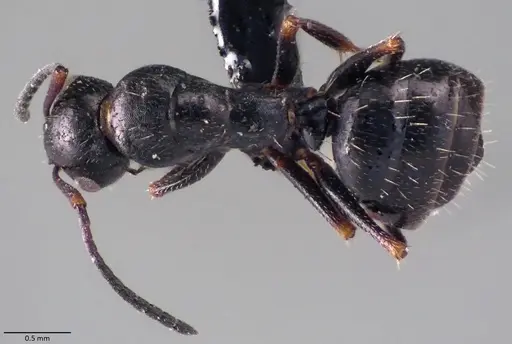
Literature
Loading distribution map...Loading products...