
St Lucia Sugar ant
Camponotus arminius
- Sci. Name
- Camponotus arminius
- Subgenus
- Myrmopelta
- Tribe
- Camponotini
- Subfamily
- Formicinae
- Author
- Forel, 1910
- Common Name
- St Lucia Sugar ant
- Distribution
- Found in 1 countries
Introduction
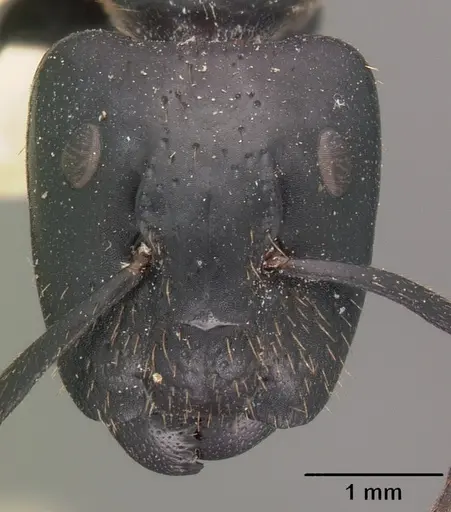
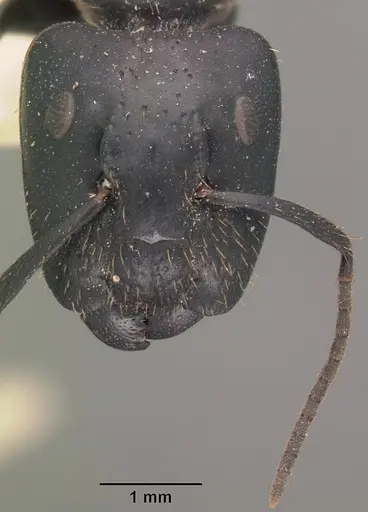
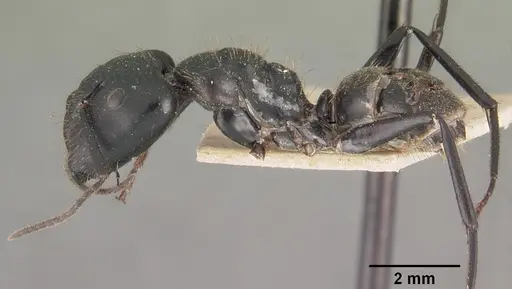
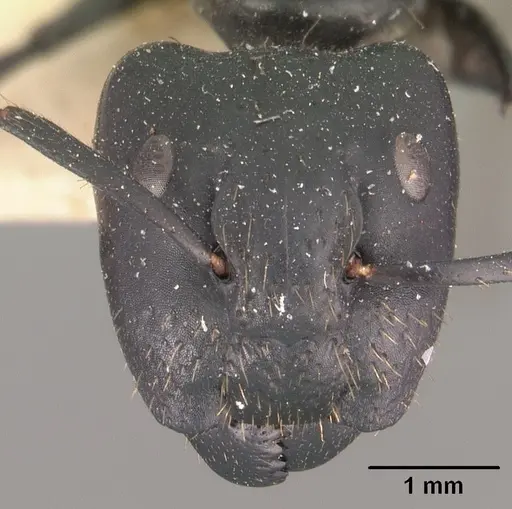
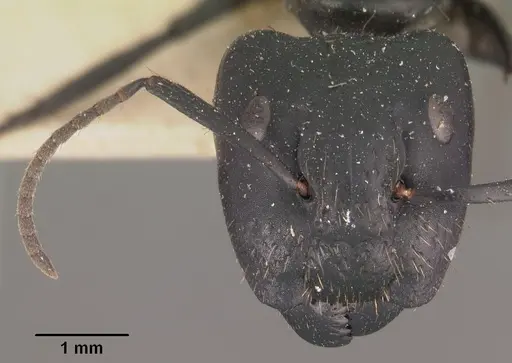
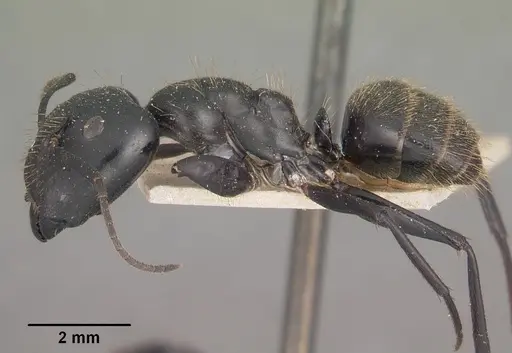
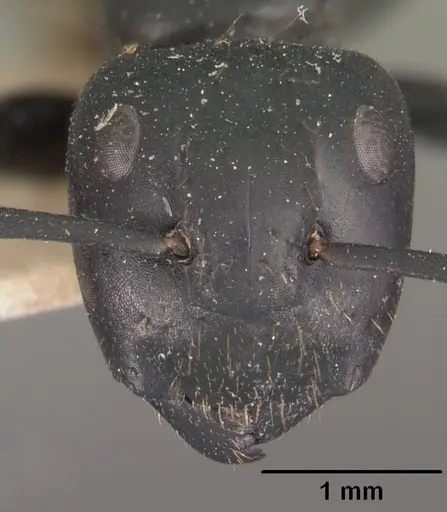
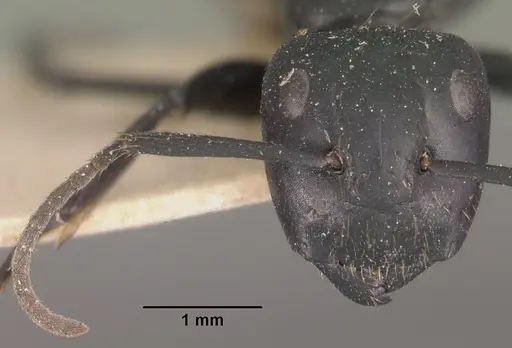
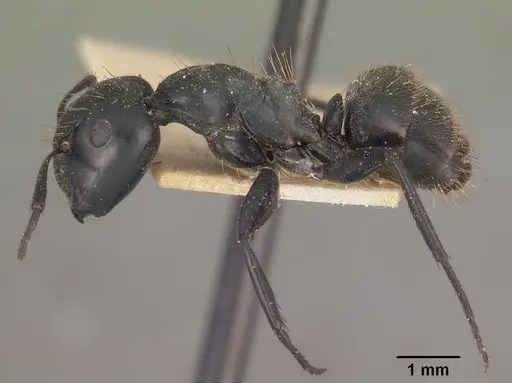
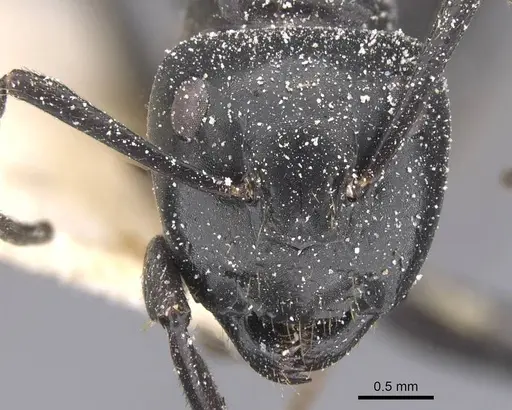
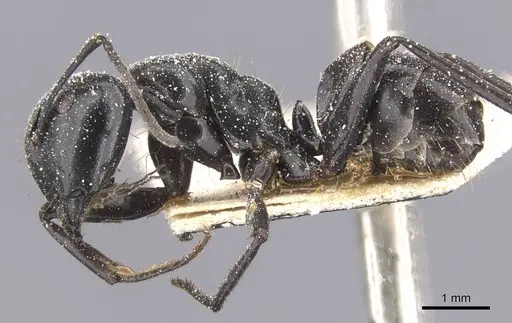
Camponotus arminius is an African carpenter ant species native to Mozambique and Yemen. As a member of the Formicinae subfamily and Camponotini tribe, they feature the typical carpenter ant body plan with a rounded thorax and distinct pedicel connecting to the gaster. Workers come in two size castes - majors with larger heads and minors - a common trait in Camponotus species. The species was originally described as a subspecies of Camponotus barbarossa in 1910 before being elevated to full species status. They inhabit tropical regions in East Africa where they nest in wood and forage using long trails to collect extrafloral nectar and plant secretions .
Quick Summary
- Difficulty: Medium
- Origin & Habitat: Native to the Afrotropical region, specifically Mozambique and Yemen. These ants live in tropical to subtropical climates with warm temperatures year-round. In the wild, they nest in rotting wood and forages extensively, forming long trails to extrafloral nectaries and plant secretions [1][2].
- Colony Type: Colony structure is unconfirmed. The genus Camponotus typically forms single-queen colonies, but specific data for this species is unavailable.
- Size & Growth:
- Queen: Size data unavailable, inferred from typical Camponotus queen size (~12-16mm)
- Worker: Size data unavailable, typical Camponotus workers range from 4-12mm depending on caste
- Colony: Likely several thousand workers at maturity based on genus patterns
- Growth: Moderate, Camponotus species typically grow more slowly than smaller ants
- Development: Estimated 6-8 weeks at optimal temperature based on typical Camponotus development (Development time varies with temperature, warmer conditions within range accelerate development)
- Antkeeping:
- Temperature: Keep at 24-28°C. As a tropical African species, they need warm conditions year-round. A heating cable on one side of the nest creates a gradient allowing workers to self-regulate.
- Humidity: Moderate humidity around 50-60%. Provide a water tube as a moisture source. The nest substrate should have some damp areas but not be waterlogged.
- Diapause: No, being a tropical species, they do not require hibernation. Keep temperatures stable year-round.
- Nesting: Y-tong (AAC) nests or plaster nests work well for carpenter ants. They prefer dark, enclosed spaces. A test tube setup works for founding colonies.
- Behavior: Generally calm and non-aggressive compared to some ant species. They are moderate foragers and will establish long trails to food sources, collecting honeydew and plant secretions in addition to protein. Workers are moderately sized and can defend the colony if threatened. Escape risk is moderate, use standard barrier methods like fluon on the rim of the outworld. They are primarily nocturnal or crepuscular foragers. As Formicinae ants, they lack a functional sting and instead use formic acid spray from their acidopore combined with biting for defense.
- Common Issues: Tropical species may decline if temperatures drop below 22°C, keep warm, Slow founding phase can lead to beginner impatience and overfeeding, Wild-caught colonies may carry parasites that can devastate captive colonies, Queens can be difficult to locate and catch during nuptial flights, Colony growth is slower than smaller ant species, patience is required
Housing and Nest Setup
For founding colonies, a simple test tube setup works well. Fill a test tube with water and plug the wet end with cotton, creating a humid chamber. Place the queen in and seal the other end with cotton or a foam stopper. The queen will seal herself into a chamber and lay eggs. Once the first workers (nanitics) emerge, you can transition to a small outworld feeding area. For established colonies, Y-tong (AAC) nests or plaster formicaria work well. Carpenter ants prefer dark, enclosed spaces and will readily move into acrylic or ytong nests. Provide a water tube connected to the nest for moisture. The outworld should have a barrier like fluon to prevent escapes.
Feeding and Diet
Camponotus arminius is an omnivorous species that collects honeydew and plant secretions in the wild, along with hunting small insects. In captivity, offer a mix of sugar sources (honey, sugar water) and protein (dead insects like fruit flies, mealworms, crickets). Feed protein 2-3 times per week, and keep a sugar source available at all times. Remove uneaten food after 24-48 hours to prevent mold. They are moderate foragers and will send workers out to collect food, forming characteristic long trails. [2]
Temperature and Heating
As a tropical African species, Camponotus arminius requires warm conditions. Keep the nest area at 24-28°C for optimal brood development. A heating cable placed on top of the nest (never under it, as excessive heat can dry out the nest) creates a gentle warmth gradient. Room temperature is often insufficient unless your home is naturally warm. Monitor colony behavior, if workers cluster near the heated area, the temperature is good. If they avoid the heated side, reduce heat slightly. Avoid temperature fluctuations, as these stress the colony.
Colony Growth and Development
Camponotus colonies grow more slowly than many smaller ant species. After the queen seals herself in, she will lay eggs and tend to the brood alone. First workers (nanitics) typically emerge after 6-8 weeks at optimal temperature, though this can vary. These initial workers are smaller than normal workers. The colony will grow gradually, with worker numbers increasing over several years. Major workers (soldiers) typically appear once the colony reaches several hundred workers. Be patient, a healthy colony can live for many years.
Seasonal Care
Unlike temperate species, Camponotus arminius does not require hibernation or diapause. Maintain warm, stable temperatures year-round. The colony may show slightly reduced activity during cooler months if your room temperature drops, but they should remain active if kept in the warm range. There is no need for a winter cooling period. Simply maintain consistent care throughout the year. [1]
Frequently Asked Questions
How long does it take for Camponotus arminius to get their first workers?
Expect 6-8 weeks from egg to first worker at optimal temperature (24-28°C). This is typical for Camponotus species. The queen will seal herself in and tend the brood alone during the founding period.
What do Camponotus arminius eat?
They are omnivorous. Offer sugar sources (honey, sugar water) constantly and protein (dead insects like fruit flies, mealworms) 2-3 times per week. In the wild, they also collect honeydew and plant secretions from extrafloral nectaries.
Can I keep multiple Camponotus arminius queens together?
Not recommended. Unless confirmed otherwise, assume single-queen colonies. Combining unrelated queens typically results in fighting. Only keep one queen per colony.
Do Camponotus arminius need hibernation?
No. As a tropical African species, they do not require hibernation. Keep them warm year-round at 24-28°C.
Are Camponotus arminius good for beginners?
They are moderate difficulty. The main challenges are maintaining warm temperatures and being patient during the slow founding phase. They are calmer than many ant species but require more consistent temperature control than temperate species.
When should I move Camponotus arminius to a formicarium?
Wait until the colony has at least 20-30 workers before moving to a formicarium. The founding test tube setup should be their home until then. Make sure the formicarium has appropriate humidity and darkness preferences.
How big do Camponotus arminius colonies get?
At maturity, colonies likely reach several thousand workers based on typical Camponotus patterns. This takes several years of growth from the founding queen.
What temperature is best for Camponotus arminius?
Keep nest temperatures between 24-28°C. This tropical species needs warmth year-round. A heating cable on top of the nest can help maintain optimal temperatures.
Why is my Camponotus arminius colony declining?
Common causes include: temperatures below 22°C, insufficient protein in diet, mold from uneaten food, or stress from excessive disturbance. Check temperature first, then review feeding and husbandry practices.
Report an Issue
The current care sheet is based fully on literature. See inconsistencies, or something that's incorrect? Please , it will be resolved after review from an admin. Contributing to the blogs tab also helps providing information, to make us be able to further improve the caresheets. Thank you for your support!
References

This caresheet is licensed under CC BY-SA 4.0 .
Community Blogs
CASENT0102445
View on AntWeb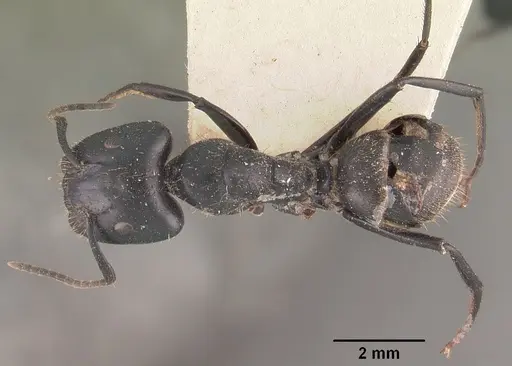
CASENT0102446
View on AntWeb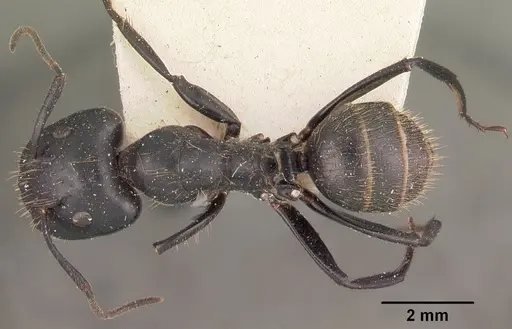
CASENT0102496
View on AntWeb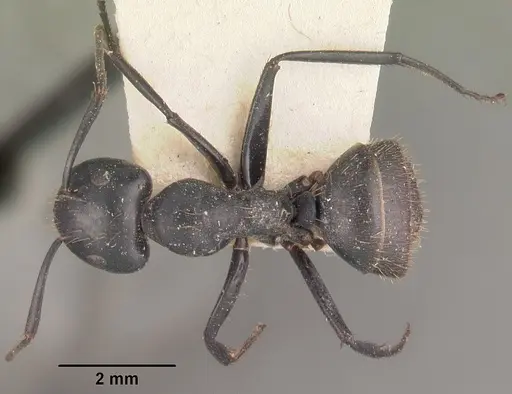
CASENT0235240
View on AntWeb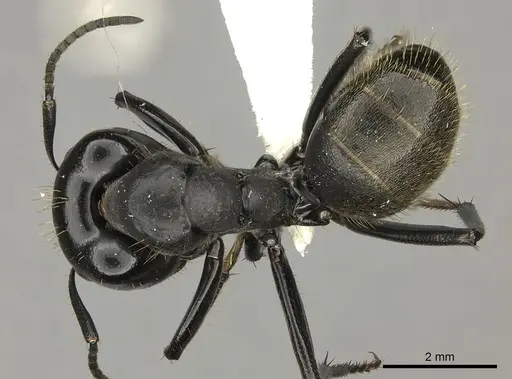
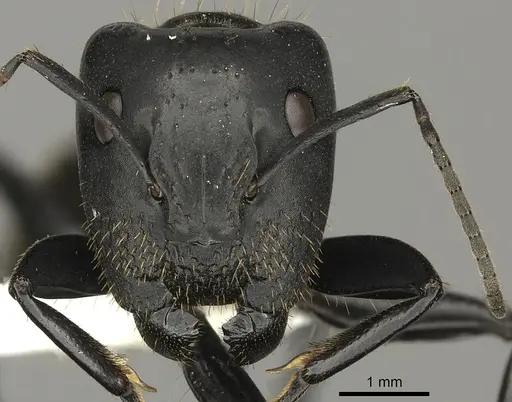
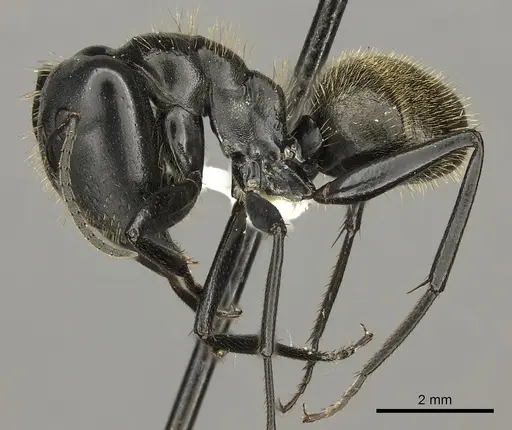
CASENT0280294
View on AntWeb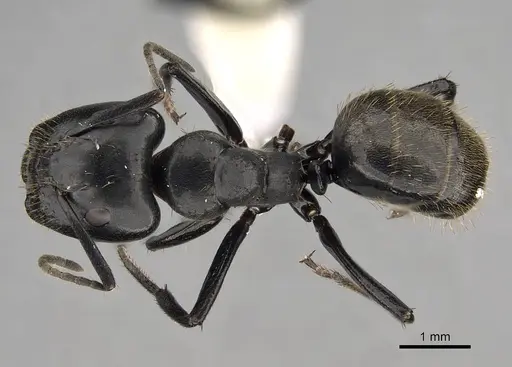
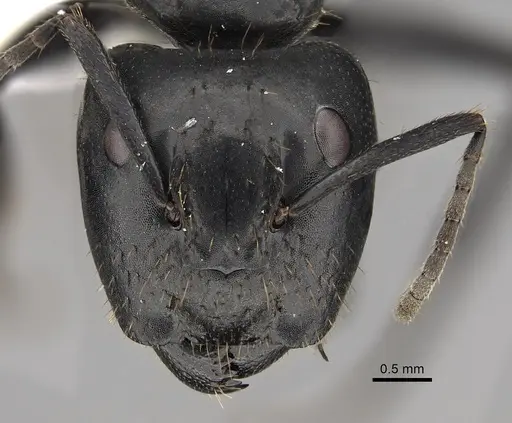
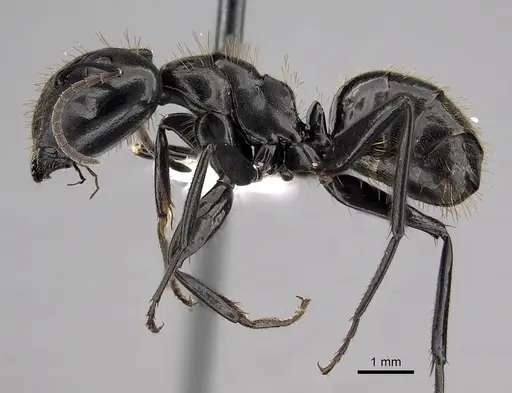
CASENT0280295
View on AntWeb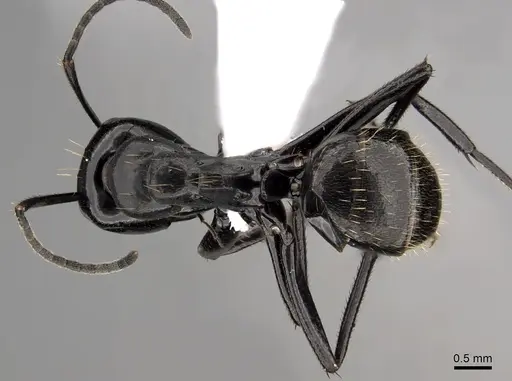
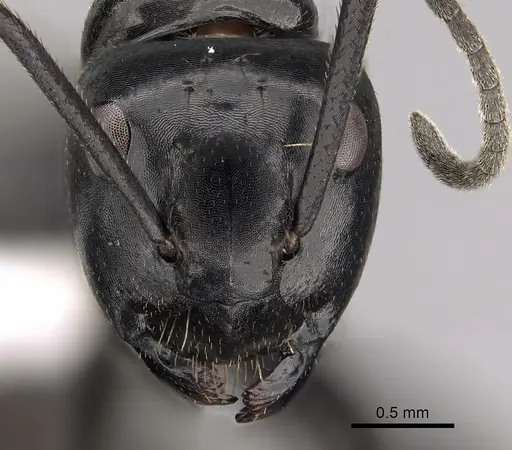
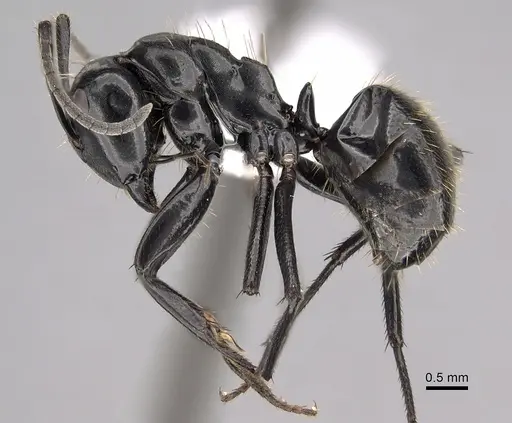
CASENT0910562
View on AntWeb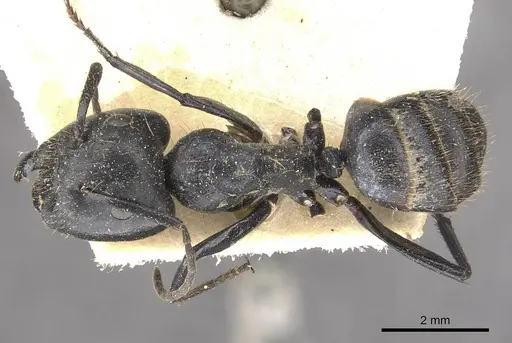
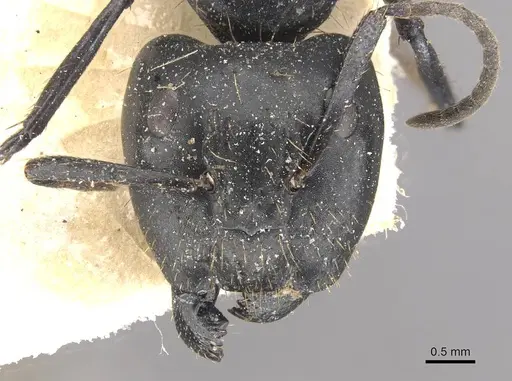
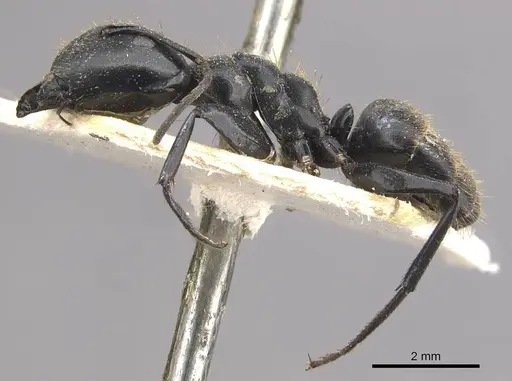
CASENT0911747
View on AntWeb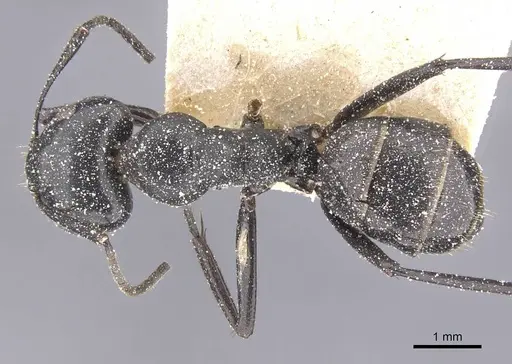
Literature
Loading distribution map...Loading products...