
Camponotus arcuatus
- Sci. Name
- Camponotus arcuatus
- Subgenus
- Myrmophyma
- Tribe
- Camponotini
- Subfamily
- Formicinae
- Author
- Mayr, 1876
- Distribution
- Found in 1 countries
Introduction
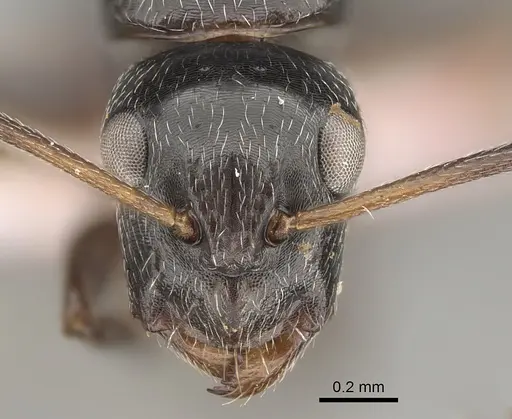
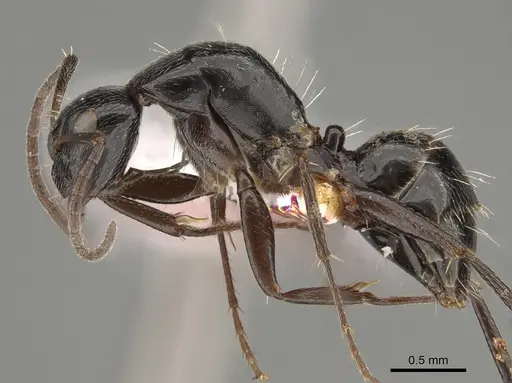
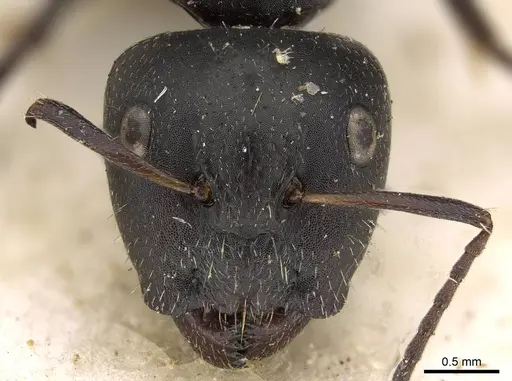
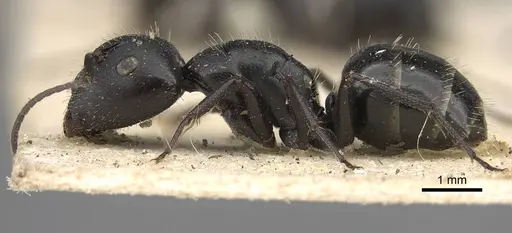
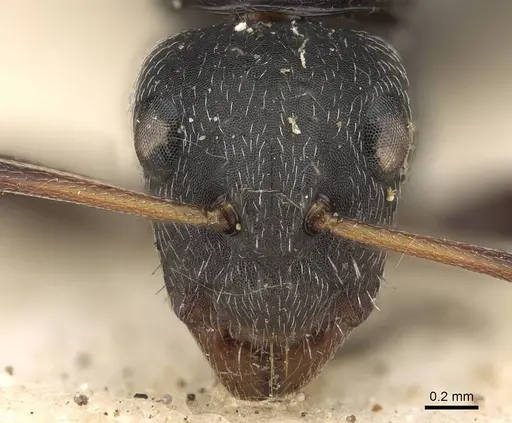
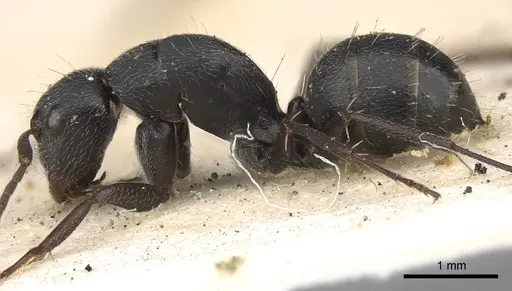
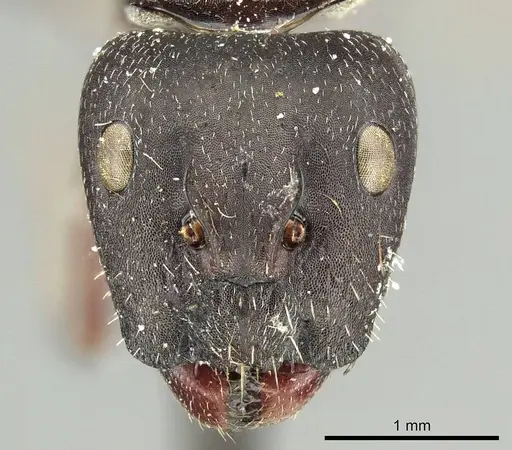
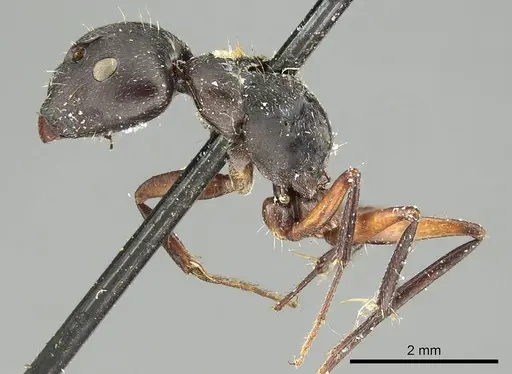
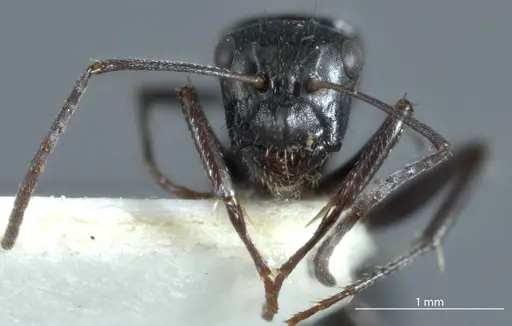
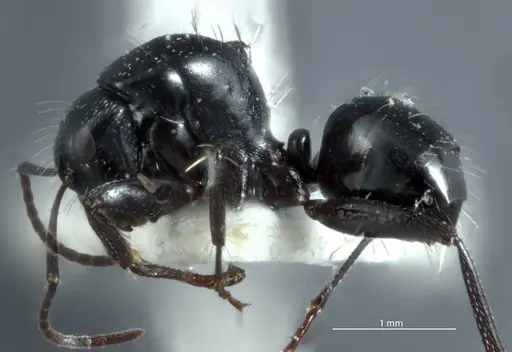
Camponotus arcuatus is a carpenter ant species native to eastern Australia, specifically Queensland around Rockhampton. Workers measure 5-8mm in total length and have a distinctive black, opaque body with a nearly bronzed and glossy forehead in major workers. The mandibles, antennae, and limbs are reddish-brown. Only the minor worker caste has been formally described in scientific literature, making this a somewhat mysterious species in terms of complete caste morphology [AntWiki]. The species name 'arcuatus' refers to the arched clypeus, a distinctive feature visible in specimens. This species has also been recorded in New Guinea . What makes C. arcuatus interesting is its limited documented range and the fact that it represents an Australian Camponotus species that hasn't been widely kept in captivity. The minor worker is described as a shiny black ant of the goldfields, and it may be closely related to Camponotus arcuatus aesopus . Like other carpenter ants, they likely nest in wood but can also establish colonies in soil cavities.
Quick Summary
- Difficulty: Medium
- Origin & Habitat: Eastern Australia (Queensland, Rockhampton) and New Guinea. This species inhabits tropical to subtropical regions of eastern Australia [1][2].
- Colony Type: Colony structure is unconfirmed. No specific literature describes queen number or colony organization for this species.
- Size & Growth:
- Queen: Size data unavailable, no documented measurements exist for queens of this species
- Worker: 5-8mm total length [1]
- Colony: Unknown, no documented colony sizes exist for this species
- Growth: Unknown, no specific growth data exists for this species
- Development: Unknown, development time has not been studied for this species (Development time in ants typically depends on temperature, with warmer conditions accelerating growth)
- Antkeeping:
- Temperature: Keep nest area around 22-26°C with a slight gradient. Australian species from Queensland can tolerate low-to-mid 20s°C. A heating cable on one side of the nest creates a suitable gradient.
- Humidity: Moderate humidity around 50-70%. Provide a water source but avoid waterlogged conditions.
- Diapause: Unknown, Queensland experiences cooler winters, so a reduced activity period may be beneficial, but specific requirements are unstudied.
- Nesting: Y-tong (AAC) nests work well for Camponotus. Provide narrow chambers. They may also accept wooden formicaria since they are carpenter ants. Test tube setups work for founding colonies.
- Behavior: Camponotus arcuatus will likely show typical carpenter ant behavior. They are generally not aggressive but will defend their nest if threatened, this species can bite and spray formic acid as a defense mechanism (typical for Formicinae). Workers are moderately active and forage for sugar sources and protein. Escape risk is moderate due to their 5-8mm worker size, standard barrier methods like fluon on test tube rims should prevent escapes.
- Common Issues: slow colony growth due to lack of species-specific data, founding colonies are fragile, queens may seal themselves in and any disturbance can cause abandonment, wild-caught colonies may harbor parasites that can devastate captive colonies, humidity control is important, too wet causes mold, too dry causes desiccation, only minor workers are described, majors may appear later in colony development or not at all, no specific development data exists, keepers must rely on general Camponotus husbandry
Nest Preferences and Setup
Camponotus arcuatus can be housed in various nest types suitable for carpenter ants. For founding colonies, a standard test tube setup works well, fill the tube with water, plug with cotton, and leave the queen in darkness. The queen may seal herself into a chamber and remain there until her first workers (nanitics) emerge. For established colonies, Y-tong (AAC) nests provide good visibility and humidity control. The chambers should be appropriately sized for their 5-8mm workers, not too large, as ants feel safer in snugger spaces. Wooden formicaria are also suitable since this is a carpenter ant genus. Avoid overly humid conditions as this species comes from a relatively dry region of Queensland.
Feeding and Diet
Like other Camponotus species, C. arcuatus is omnivorous with a preference for sugar sources. Offer sugar water, honey, or diluted maple syrup as a constant energy source. For protein, provide small insects like fruit flies, small crickets, or mealworms. Camponotus ants have a social stomach and will share liquid food with nestmates through trophallaxis. Feed protein 2-3 times per week, removing any uneaten prey after 24 hours. Fresh killed insects are preferred over dried. A varied diet helps ensure healthy colony development.
Temperature and Seasonal Care
Maintain nest temperatures around 22-26°C for optimal brood development. Queensland experiences warm to hot temperatures for most of the year, so these ants can handle warm conditions. Use a heating cable or heating mat on one side of the nest to create a gentle temperature gradient, allowing workers to regulate their own temperature by moving between warmer and cooler areas. During winter, expect reduced activity. Watch for natural slowdowns in activity rather than forcing hibernation. Avoid temperatures below 15°C for extended periods.
Behavior and Colony Dynamics
Camponotus arcuatus will display typical carpenter ant behaviors. Workers are moderately sized and will forage actively once the colony establishes. They are not particularly aggressive but will bite and spray formic acid if their nest is threatened. The colony will likely develop slowly at first, the queen spends energy producing the first brood (nanitics) which are typically smaller than normal workers. Once nanitics emerge, the colony enters a growth phase where the queen focuses on egg production while workers take over all foraging and nest maintenance. Major workers (soldiers) may appear as the colony grows, though only minor workers have been formally described for this species [3].
Frequently Asked Questions
How long does it take for Camponotus arcuatus to produce first workers?
This is unknown, no specific development data exists for this species. Based on general Camponotus patterns, expect several months from egg to first worker at optimal temperature (around 24-26°C). The claustral queen (if claustral) would seal herself in and rely on stored fat reserves until her first nanitic workers emerge.
Can I keep multiple Camponotus arcuatus queens together?
Not recommended unless you have specific evidence of multi-queen colony structure. Camponotus are typically single-queen species. Combining unrelated foundress queens often results in fighting.
What do Camponotus arcuatus ants eat?
They need a balanced diet of sugar and protein. Offer sugar water, honey, or maple syrup constantly. For protein, provide small insects like fruit flies, small crickets, or mealworms 2-3 times per week. Remove uneaten prey within 24 hours.
Are Camponotus arcuatus good for beginners?
This species is rated as medium difficulty. While not as challenging as some exotic species, they require patience. The lack of species-specific data and slow colony growth make them better suited for keepers who already have some experience with ant keeping basics.
When should I move my colony to a formicarium?
Wait until the colony has at least 20-30 workers before transitioning to a larger nest. Moving too early can stress the colony. Use a gradual transition method, connect the test tube to the formicarium and let workers explore before sealing the tube.
Do Camponotus arcuatus need hibernation?
Based on their Queensland origin, a light winter rest period may be beneficial but is not strictly required. If your colony shows reduced activity during winter months, you can reduce temperatures to 15-18°C for 2-3 months. Do not feed heavily during this period.
Why are my Camponotus arcuatus dying?
Common causes include: humidity issues (too wet causes mold, too dry causes desiccation), temperature stress (below 15°C or above 30°C), disturbance during founding (queens that are too frequently exposed often abandon or eat their brood), and parasites from wild-caught colonies. Ensure the founding setup is dark and undisturbed for at least 3-4 weeks after the queen seals herself in.
How big do Camponotus arcuatus colonies get?
Colony size is not well documented. Based on worker size and genus patterns, large colonies may reach several hundred workers, but this takes several years of growth.
What size escape prevention do I need for Camponotus arcuatus?
Their 5-8mm worker size means standard barrier methods work well. Apply fluon (PTFE) to test tube rims and formicarium edges. Avoid paper towel barriers as they can chew through. Standard aquarium silicone barriers are usually sufficient.
Report an Issue
The current care sheet is based fully on literature. See inconsistencies, or something that's incorrect? Please , it will be resolved after review from an admin. Contributing to the blogs tab also helps providing information, to make us be able to further improve the caresheets. Thank you for your support!
References

This caresheet is licensed under CC BY-SA 4.0 .
Community Blogs
CASENT0887732
View on AntWeb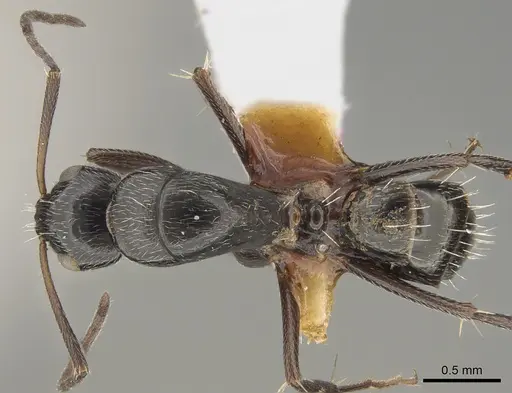
CASENT0906930
View on AntWeb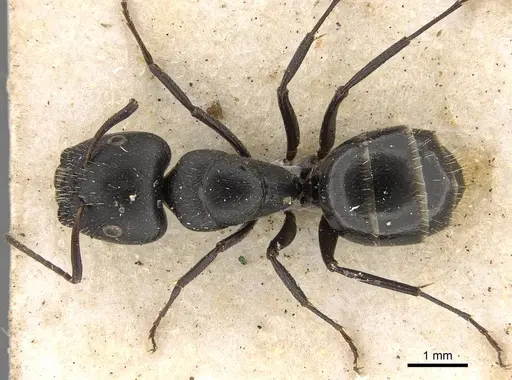
CASENT0906931
View on AntWeb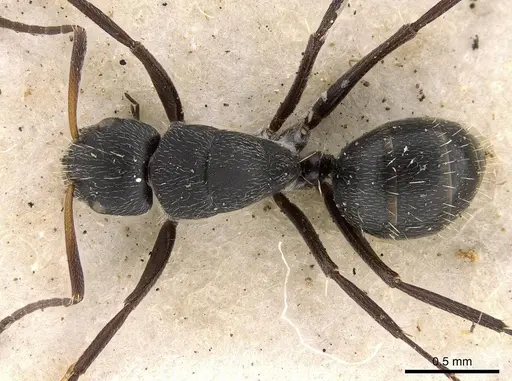
CASENT0915753
View on AntWeb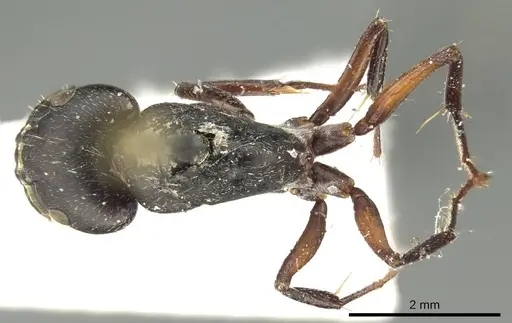
JDM32-000931
View on AntWeb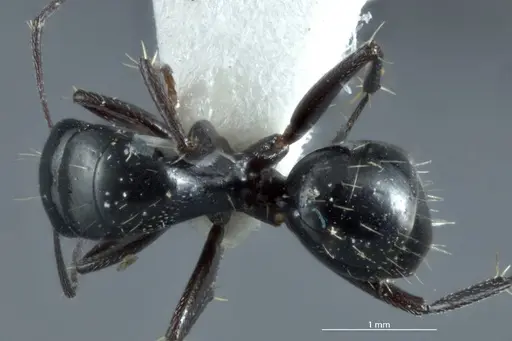
Literature
Loading distribution map...Loading products...