
Longhead sugar ant
Camponotus angusticeps
- Sci. Name
- Camponotus angusticeps
- Subgenus
- Myrmosericus
- Tribe
- Camponotini
- Subfamily
- Formicinae
- Author
- Emery, 1886
- Common Name
- Longhead sugar ant
- Distribution
- Found in 1 countries
Introduction
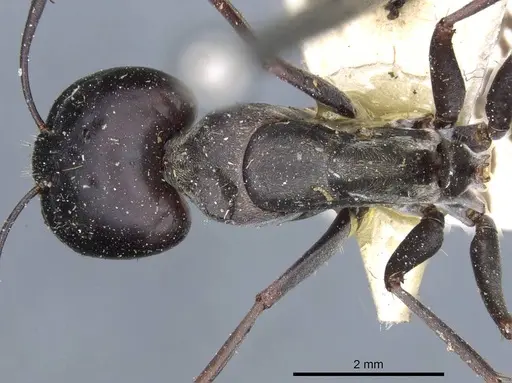
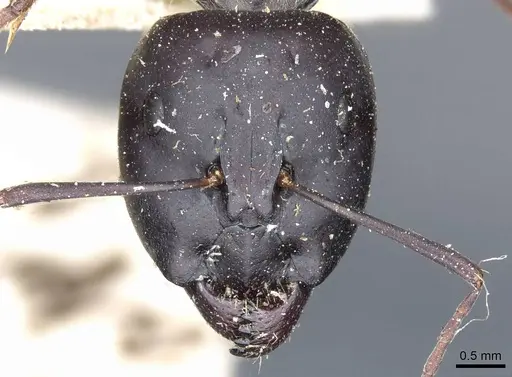
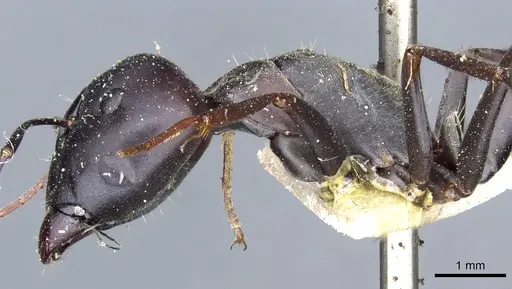
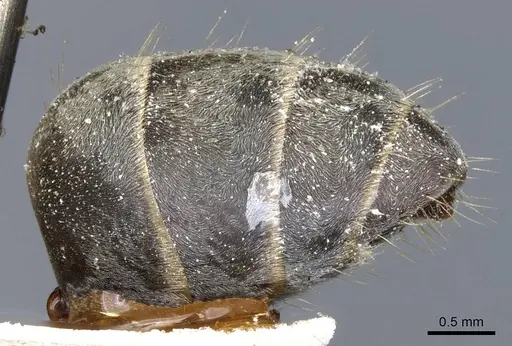
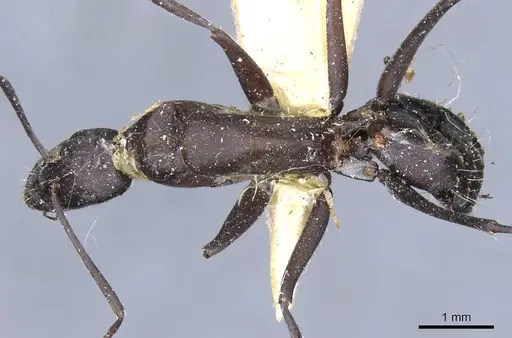
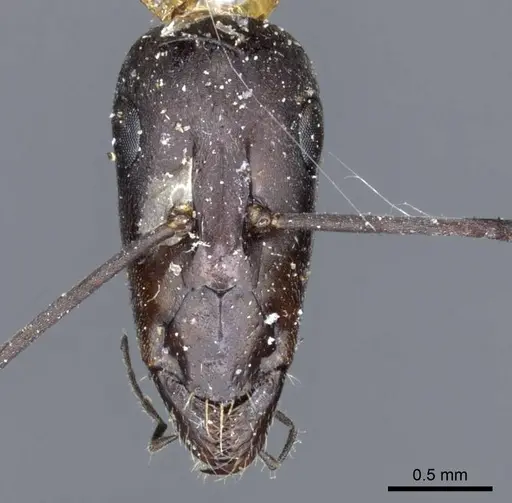
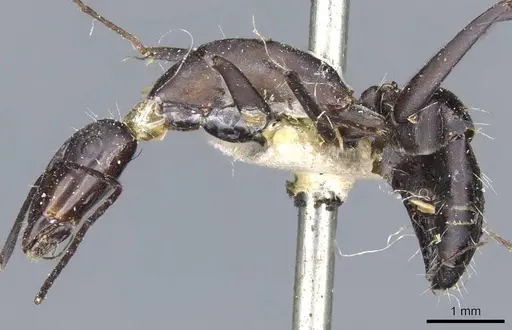
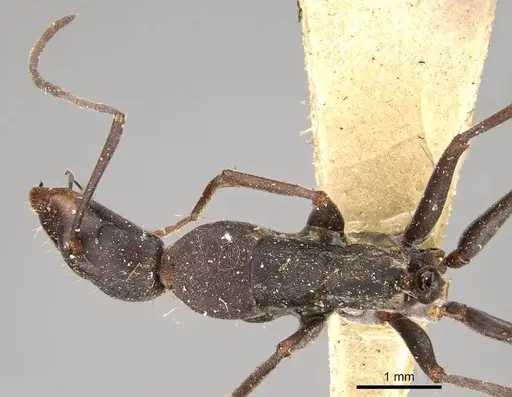
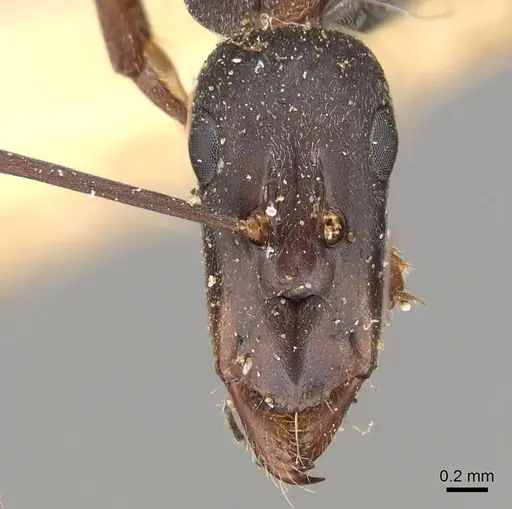
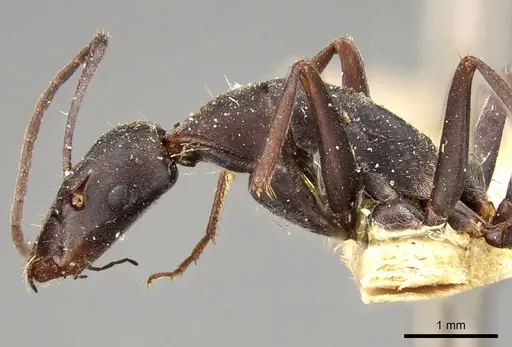
Camponotus angusticeps is a carpenter ant species native to southern Africa, specifically the Cape Floristic Region of South Africa. Workers are dark brown to black with the typical Camponotus body shape and a narrow head (the species name 'angusticeps' means narrow-headed). This species inhabits the fynbos vegetation zone, a unique Mediterranean climate shrubland. Colonies nest in soil and under stones in the rocky fynbos terrain .
Quick Summary
- Difficulty: Easy
- Origin & Habitat: Cape Floristic Region, South Africa, found in Restioid Fynbos, Proteoid Fynbos, and Ericaceous Fynbos habitats. This is a Mediterranean climate with hot dry summers and cool wet winters [2].
- Colony Type: Likely monogyne based on typical Camponotus genus patterns. Colonies reach moderate sizes of several hundred workers.
- Size & Growth:
- Queen: size data unavailable, inferred from Camponotus genus (~12-15mm)
- Worker: up to 10mm
- Colony: up to several hundred workers
- Growth: Moderate
- Development: 6-8 weeks at optimal temperature, inferred from Camponotus genus patterns (Development may be slower due to cooler Cape Region climate compared to tropical species)
- Antkeeping:
- Temperature: Keep at 20-24°C. Room temperature is usually sufficient. A gentle heat gradient is beneficial but not required.
- Humidity: Moderate humidity around 50-60%. The fynbos region is relatively dry, so avoid overly damp conditions.
- Diapause: Yes, they need a winter rest period of 2-3 months during the southern hemisphere winter (roughly June-August). Keep at 10-15°C during this period. This mimics their natural seasonal cycle in South Africa.
- Nesting: Test tubes work well for founding colonies. Established colonies can be kept in Y-tong nests or naturalistic setups with soil and stones. They do well with some dry areas in the nest.
- Behavior: Generally calm and non-aggressive for a Camponotus species. Workers are moderate foragers, actively searching for honeydew and small prey. They do not sting, instead, they may bite and spray formic acid, which is the typical defense mechanism for Formicinae ants. Escape risk is moderate, use standard barrier methods.
- Common Issues: queen loss during founding is common, ensure founding setup is stable and undisturbed, winter diapause failure can weaken or kill colonies if not provided proper cooling period, overheating is more dangerous than cold, keep away from direct heat sources, colonies may abandon nests if humidity is too high or inconsistent, slow initial growth causes some keepers to give up too early, be patient through the founding phase
Nest Preferences and Setup
Camponotus angusticeps naturally nests in soil and under stones in the fynbos region. For captive care, test tubes work excellently for queen founding, use a standard test tube setup with a water reservoir sealed with a cotton plug. The queen will seal herself in a chamber and remain there until her first workers emerge. For established colonies, Y-tong nests work well. These ants do not require high humidity, a moderate level around 50-60% is ideal. Provide a gradient with some drier areas so ants can self-regulate. Avoid overly moist or waterlogged substrates as this can cause fungal problems. Naturalistic setups with a soil layer and flat stones on top can mimic their natural fynbos habitat [2].
Feeding and Diet
Like most Camponotus species, C. angusticeps is omnivorous. Their diet in nature consists primarily of honeydew from aphids and scale insects, plus small insects and other arthropods. For captive colonies, offer sugar water or honey water as a constant energy source. Protein should come from small insects like fruit flies, small mealworms, or crickets. Feed protein prey 2-3 times per week, adjusting based on colony size. Remove uneaten prey after 24 hours to prevent mold. They are not particularly aggressive hunters, so prey should be small enough for workers to handle.
Temperature and Seasonal Care
This species comes from the temperate Cape Floristic Region and does best at moderate temperatures of 20-24°C. Room temperature is usually sufficient for most of the year. They can tolerate brief temperature fluctuations but should be kept away from direct heat sources, air conditioners, or drafts. The most critical seasonal requirement is winter diapause. During the southern hemisphere winter (June-August), reduce temperatures to 10-15°C for 2-3 months. This mimics their natural seasonal cycle and is essential for colony health and longevity. Do not feed during diapause but ensure water is available. [2]
Behavior and Colony Dynamics
Camponotus angusticeps has a typically calm temperament for carpenter ants. Workers are moderately active and will forage both day and night, though they tend to be more active during cooler hours. Majors (larger workers) typically remain in or near the nest and may assist with brood care and food processing, while minors handle most foraging. The colony grows moderately, expect several months from founding to first workers, then gradual growth over 1-2 years to reach several hundred workers. They are not aggressive defenders. However, they can chew through soft materials when expanding nests, so provide appropriate housing materials.
Frequently Asked Questions
How long does it take for Camponotus angusticeps to have first workers?
Expect 6-8 weeks from egg to first worker at room temperature (20-24°C). This is typical for Camponotus species. The queen is claustral, she seals herself in and raises the first brood alone without foraging.
Do Camponotus angusticeps need hibernation?
Yes, they require a winter rest period of 2-3 months during southern hemisphere winter (June-August). Keep them at 10-15°C during this time. This is essential for colony health and mimics their natural seasonal cycle in the Cape Floristic Region.
What temperature is best for Camponotus angusticeps?
Keep them at 20-24°C. Room temperature is typically ideal. They can tolerate brief variations but avoid overheating from direct heat sources.
Are Camponotus angusticeps good for beginners?
Yes, this is a good beginner species. They are relatively calm, easy to feed, and tolerate standard captive conditions well. The main challenges are the slow initial growth and the need for winter diapause.
How big do Camponotus angusticeps colonies get?
Colonies typically reach several hundred workers over 1-2 years. This is moderate size for a Camponotus species.
What do Camponotus angusticeps eat?
They are omnivorous. Offer sugar water or honey constantly, plus small insects (fruit flies, small mealworms) 2-3 times per week as protein. Remove uneaten prey after 24 hours.
Can I keep multiple Camponotus angusticeps queens together?
This species is likely monogyne (single queen). Combining unrelated queens is not recommended as they will likely fight. Single-queen colonies are the norm for this species.
When should I move Camponotus angusticeps to a formicarium?
Keep them in a test tube setup through the founding stage until the colony has 20-30 workers. At this point, they can be moved to a larger formicarium or Y-tong nest.
Why is my Camponotus angusticeps colony not growing?
Growth is naturally slow, expect several months to first workers, then gradual increase. Ensure proper temperature (20-24°C), adequate protein feeding, and that the queen is still alive and laying eggs. Also verify they received their winter diapause if approaching one year old.
Report an Issue
The current care sheet is based fully on literature. See inconsistencies, or something that's incorrect? Please , it will be resolved after review from an admin. Contributing to the blogs tab also helps providing information, to make us be able to further improve the caresheets. Thank you for your support!
References

This caresheet is licensed under CC BY-SA 4.0 .
Community Blogs
Literature
Loading distribution map...Loading products...