
Camponotus alii
- Sci. Name
- Camponotus alii
- Subgenus
- Tanaemyrmex
- Tribe
- Camponotini
- Subfamily
- Formicinae
- Author
- Forel, 1890
- Distribution
- Found in 2 countries
Introduction
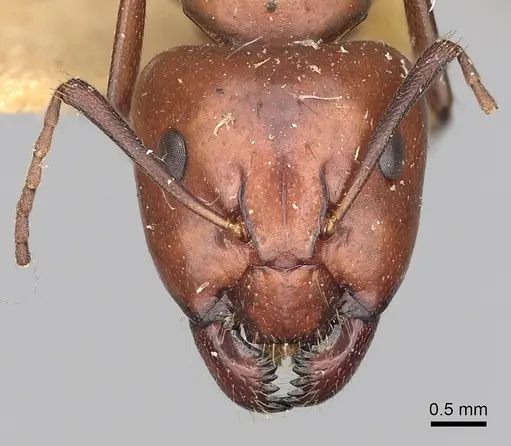
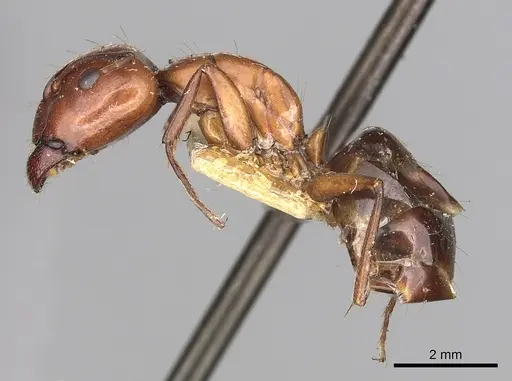
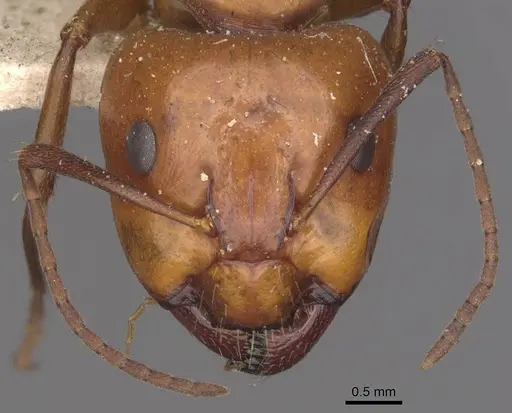
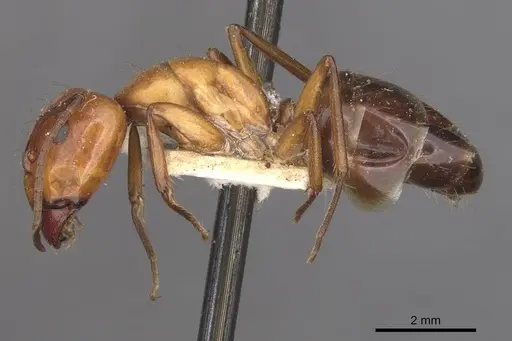
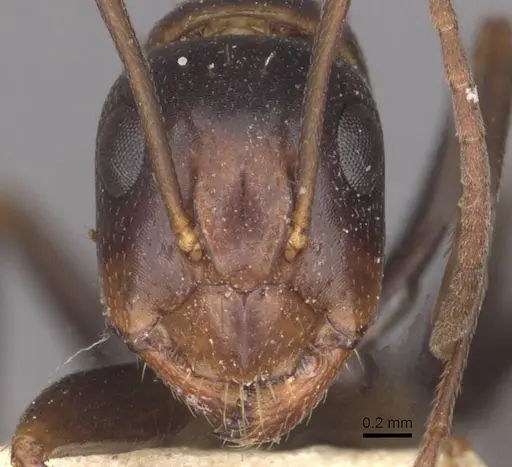
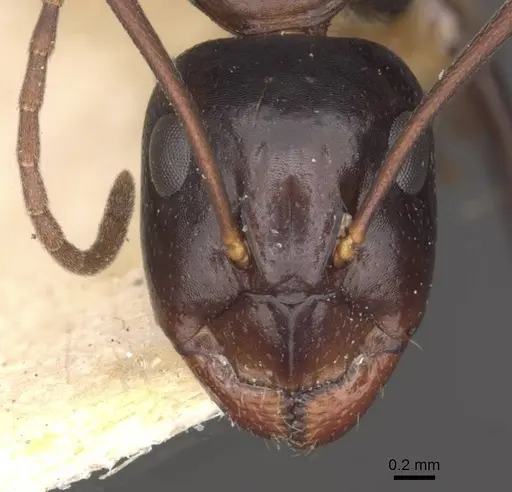
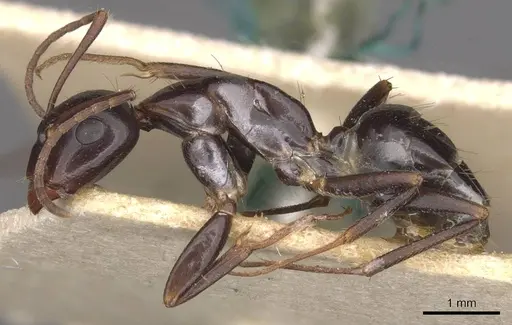
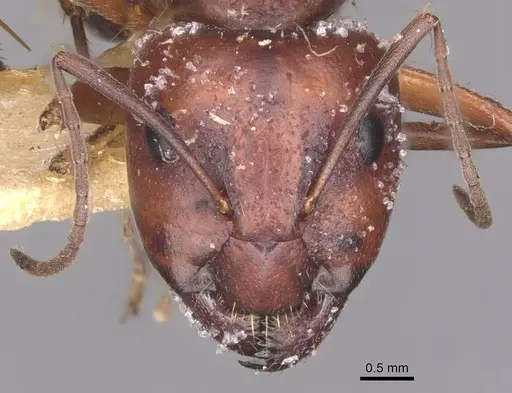
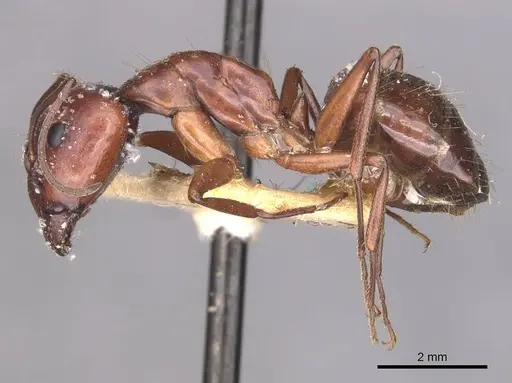
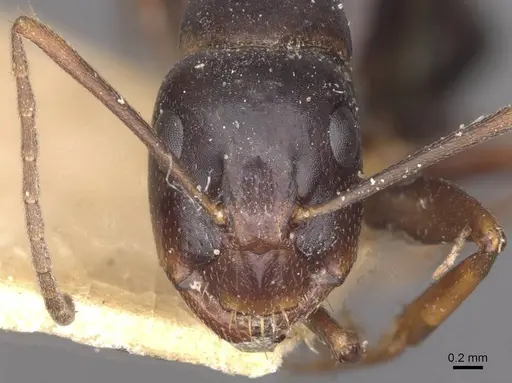
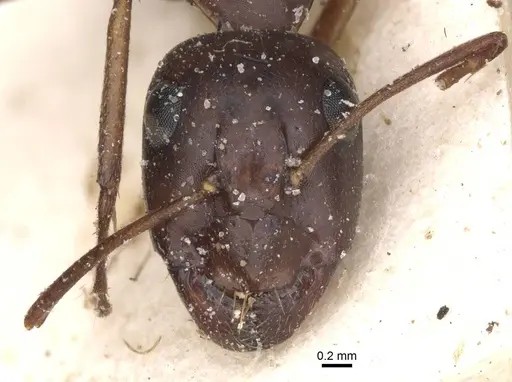
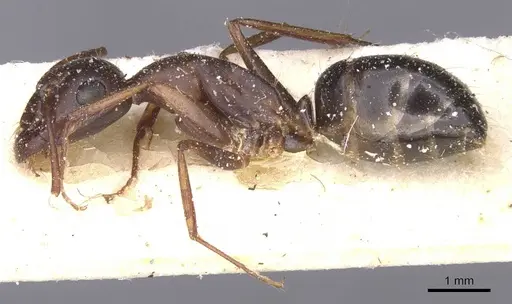
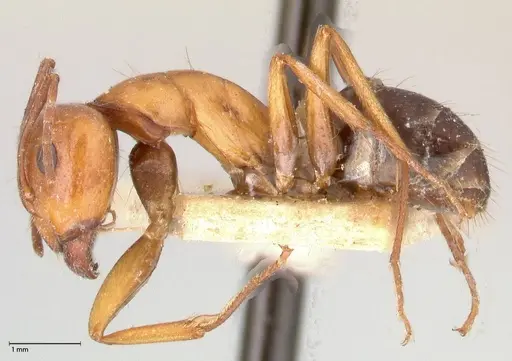
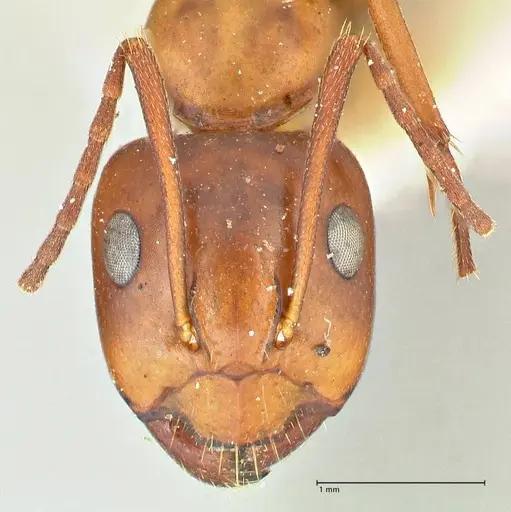
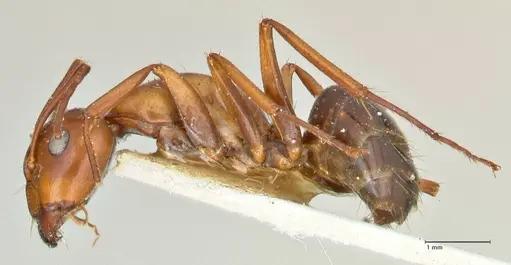
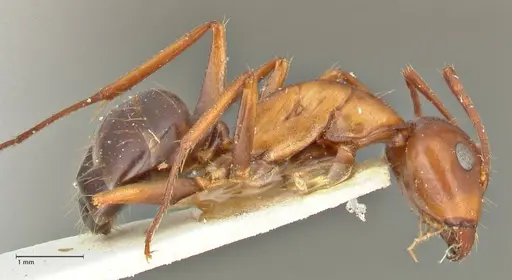
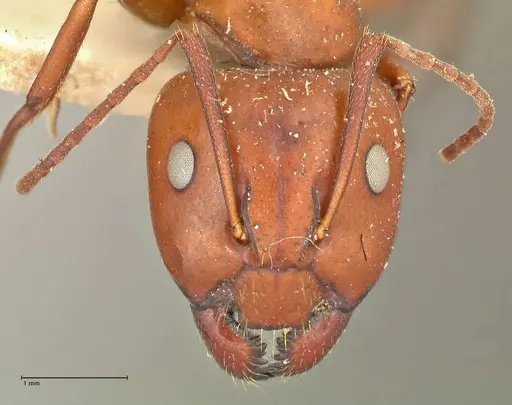
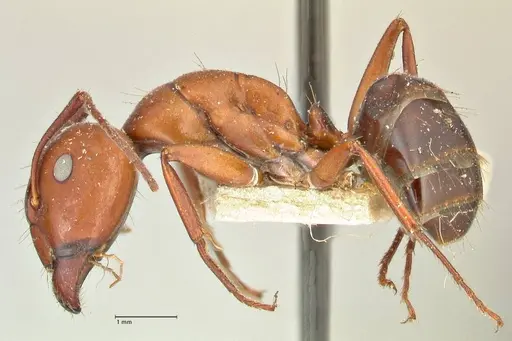
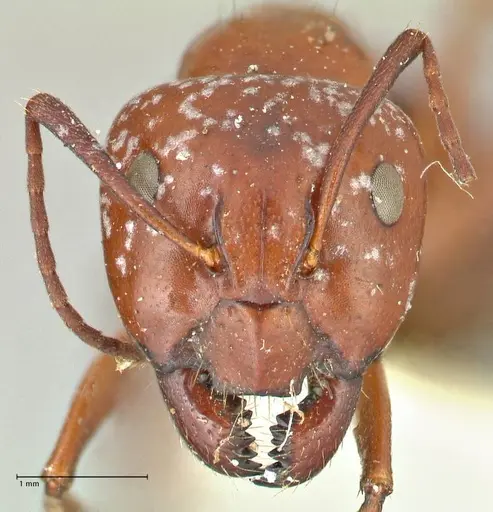
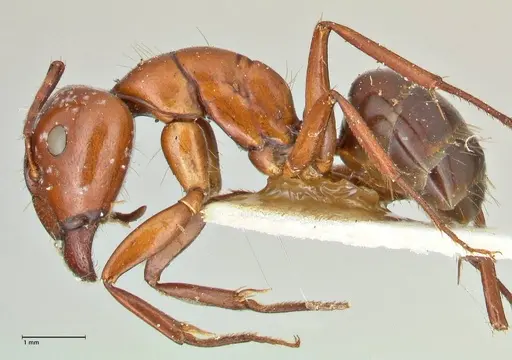
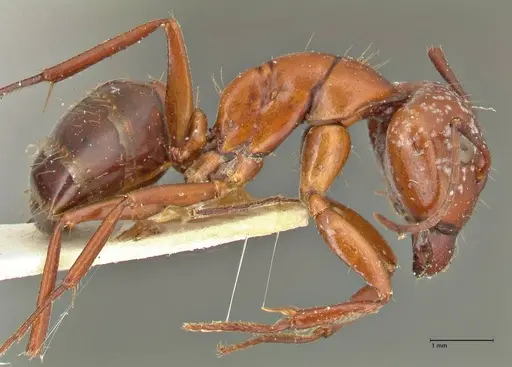
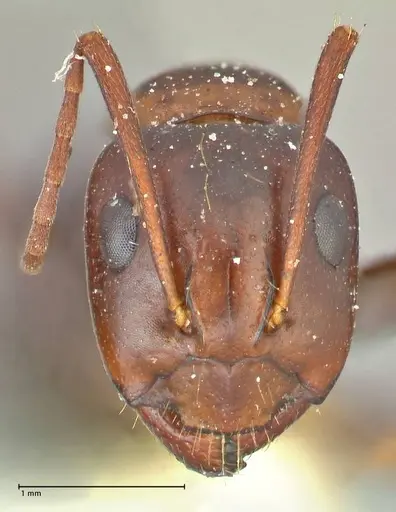
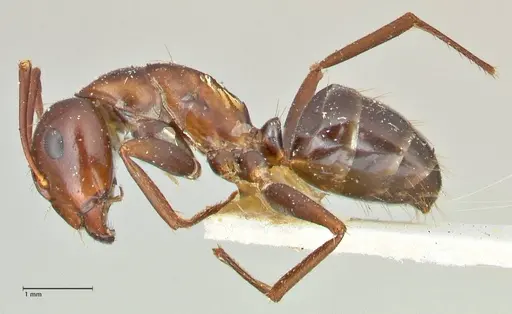
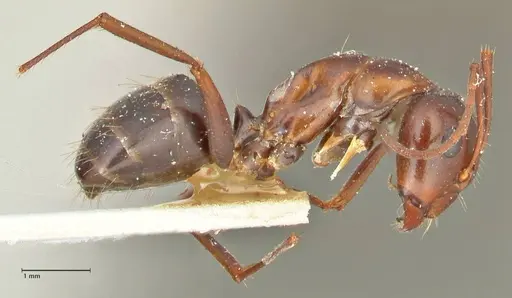
Camponotus alii is a medium-to-large carpenter ant native to North Africa and the Middle East. Workers show significant size variation, ranging from 4mm in minor workers to 10.5mm in major workers, with specimens from higher elevations like the Hoggar mountains tending to be larger than those from northern regions . The species has a dark reddish-brown to black coloration typical of many Camponotus ants, with a relatively robust body structure. This ant is part of the Camponotini tribe within the Formicinae subfamily. This species has an interesting distribution pattern, being common in the Maghreb region (Morocco, Algeria, Libya) where it ranks as the fourth most abundant ant species in some areas with 8% relative abundance , while also extending into the Arabian Peninsula and recently documented in Iran. Workers are omnivorous and have been observed foraging on plant matter, including licking caper flowers . The species thrives in mountainous regions from 1000-3000m elevation but also colonizes oases and sandy watercourses in desert areas.
Quick Summary
- Difficulty: Medium
- Origin & Habitat: North Africa and Middle East, found in Algeria, Morocco, Libya, Saudi Arabia, and United Arab Emirates [3]. Inhabits mountainous regions (1100-3000m elevation in Hoggar and Atlas mountains) as well as oases and sandy oueds in desert regions [1]. Collected in oak forest canopies in the Moyen and High Atlas of Morocco [4].
- Colony Type: Single queen colonies, inferred from typical Camponotus patterns
- Size & Growth:
- Queen: ~12-15mm, inferred from Camponotus genus
- Worker: 4-10.5mm (minor workers around 4mm, major workers up to 10.5mm) [1]
- Colony: Several thousand workers estimated based on typical Camponotus colony development
- Growth: Moderate
- Development: ~6-10 weeks, inferred from Camponotus genus patterns (Development time is estimated from related Camponotus species as no specific study exists for C. alii)
- Antkeeping:
- Temperature: Keep at 24-28°C for optimal development. Room temperature (20-24°C) is acceptable, with a slight heat gradient preferred. This species originates from warm Mediterranean to subtropical climates so moderate warmth is beneficial.
- Humidity: Moderate humidity requirements. Provide a water tube and keep nest substrate slightly moist. Avoid overly damp conditions as this species naturally inhabits both mountainous forests and semi-arid oases [1][4].
- Diapause: Yes, a winter rest period at 10-15°C for 2-3 months is recommended. Based on typical Camponotus requirements for temperate-origin species and the seasonal temperature changes in their native range.
- Nesting: Y-tong (AAC) nests work well for this medium-to-large species. Plaster nests are also suitable. Provide narrow to medium-sized chambers scaled to their polymorphic worker sizes. Naturalistic setups with stones or rotting wood mimic their natural oak forest habitat [4].
- Behavior: Workers are omnivorous, foraging for nectar, honeydew, and small insects. They are moderately active and typically show daytime foraging patterns. Major workers can deliver a mild bite but are not particularly aggressive. This species lacks a functional sting, instead, it may bite and spray formic acid from its acidopore, typical of Formicinae ants. Escape prevention should be moderate, while not as small as some ants, they can still escape through gaps. Use standard barrier methods like fluon on test tube setups.
- Common Issues: colonies may struggle if kept too cold, maintain warm temperatures for proper brood development, overfeeding can lead to mold in nest setups, remove uneaten protein promptly, slow founding phase, queens may seal themselves in and take weeks before first workers emerge, larger colonies need space, upgrade to formicarium before crowding causes stress, wild-caught colonies may have parasites, quarantine and monitor new colonies
Nest Preferences and Housing
Camponotus alii adapts well to various captive nest setups. Y-tong (AAC) nests work excellently for this species, providing proper darkness and humidity control. Plaster nests are also suitable and help maintain stable moisture levels. Given their polymorphic workers (4-10.5mm), provide chambers that accommodate both minor and major workers comfortably. A formicarium with multiple connected chambers allows the colony to organize as it grows. For founding colonies, a standard test tube setup with a water reservoir works well, the queen will seal herself in and remain there until her first workers emerge. Naturalistic setups using flat stones over soil can mimic their natural oak forest habitat, though AAC nests are easier to maintain and observe. [4][2]
Feeding and Diet
As omnivorous ants, Camponotus alii accepts a varied diet. In captivity, offer protein sources like mealworms, small crickets, and other small insects twice weekly. They also readily consume sugar water, honey, or diluted syrup as an energy source. In the wild, workers have been observed foraging on plant matter including caper flowers [1], suggesting they can utilize nectar and honeydew. Provide a constant sugar water source and offer protein every 2-3 days. Remove uneaten protein promptly to prevent mold. Fresh water should always be available.
Temperature and Seasonal Care
Maintain nest temperatures between 24-28°C for optimal brood development. This species originates from warm Mediterranean to subtropical regions, so moderate warmth is beneficial. Room temperature (20-24°C) can work but may slow development. A heating cable on one side of the nest creates a temperature gradient allowing workers to self-regulate. For overwintering, a 2-3 month diapause period at 10-15°C is recommended, simulating their natural seasonal cycle. This rest period helps maintain colony health and triggers proper reproductive cycles. Reduce feeding during diapause and avoid disturbing the colony. [1][3][2]
Colony Development and Growth
Camponotus alii follows typical carpenter ant development patterns. The claustral queen seals herself in a chamber and survives entirely on stored fat reserves while raising her first brood. Eggs hatch into larvae, which then pupate before emerging as nanitic (first) workers, typically smaller than normal workers. After the first workers emerge, the queen stops foraging and becomes solely an egg-layer. Colony growth is moderate, major workers appear as the colony expands, providing defense and seed processing. A healthy colony can reach several thousand workers over several years. Patience is key during the founding phase, which can take 6-10 weeks for first workers to emerge. [1]
Defense Mechanism
Camponotus alii belongs to the subfamily Formicinae and tribe Camponotini. Like other ants in this group, it lacks a functional sting. Instead, major workers can bite the target and spray a stream of concentrated formic acid from an acidopore into the wound. This is the primary defense mechanism for the Camponotini tribe. The bite itself is mild, and most keepers handle this species without issues.
Behavior and Temperament
This species displays typical Camponotus behavior, relatively docile with moderate foraging activity. Workers are omnivorous and will forage for both protein and sugar sources. Major workers can deliver a mild bite if threatened but are not particularly aggressive toward keepers. They are primarily diurnal foragers. The colony will establish foraging trails and defend their territory. Escape risk is moderate, while not tiny, they can still squeeze through small gaps, so standard barrier methods should be used. Their polymorphic workforce (small workers and large majors) is fascinating to observe as tasks become specialized within the colony. [1]
Frequently Asked Questions
How long does it take for Camponotus alii first workers to emerge?
First workers (nanitics) typically emerge 6-10 weeks after the queen lays eggs, depending on temperature. Warmer temperatures (24-28°C) speed development, while cooler conditions slow it down. The claustral queen seals herself in and raises the first brood alone without foraging.
Is Camponotus alii a good species for beginners?
Camponotus alii is rated as medium difficulty. While not as challenging as some exotic species, it requires attention to temperature and proper feeding. The slow founding phase can test patience, but established colonies are relatively hardy. Beginners should start with a healthy queen and be prepared for the weeks-long wait before first workers.
What do Camponotus alii ants eat?
They are omnivorous. Offer protein (small insects like mealworms, crickets) 2-3 times per week, and provide constant access to sugar water, honey, or diluted syrup. They also accept nectar and honeydew substitutes. Remove uneaten protein to prevent mold.
Do Camponotus alii colonies need hibernation?
Yes, a winter diapause is recommended. Keep the colony at 10-15°C for 2-3 months during winter. This mimics their natural seasonal cycle in North Africa and the Middle East and helps maintain colony health. Reduce feeding during this period.
How big do Camponotus alii colonies get?
Colonies can reach several thousand workers over several years. Workers are polymorphic, ranging from 4mm minor workers to 10.5mm major workers. The largest workers appear as the colony grows and provides defense and specialized tasks.
Can I keep multiple Camponotus alii queens together?
No, this is a monogyne species with a single queen per colony. Unlike some ants that accept multiple queens, C. alii colonies function with one reproductive queen. Attempting to introduce additional queens will typically result in fighting.
What temperature is best for Camponotus alii?
Keep nest areas at 24-28°C for optimal development. Room temperature (20-24°C) is acceptable but may slow growth. A gentle heat gradient allows workers to choose their preferred temperature. Avoid temperatures below 15°C except during winter diapause.
Report an Issue
The current care sheet is based fully on literature. See inconsistencies, or something that's incorrect? Please , it will be resolved after review from an admin. Contributing to the blogs tab also helps providing information, to make us be able to further improve the caresheets. Thank you for your support!
References

This caresheet is licensed under CC BY-SA 4.0 .
Community Blogs
CASENT0249888
View on AntWeb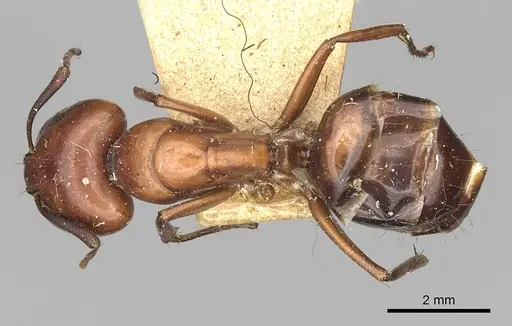
CASENT0910103
View on AntWeb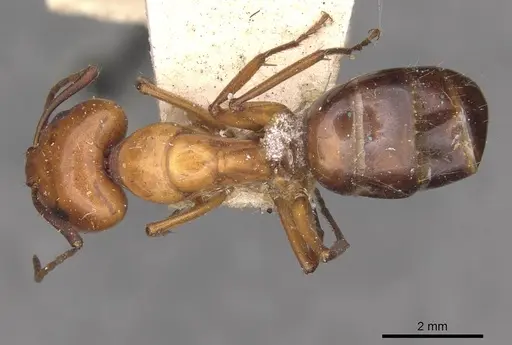
CASENT0910104
View on AntWeb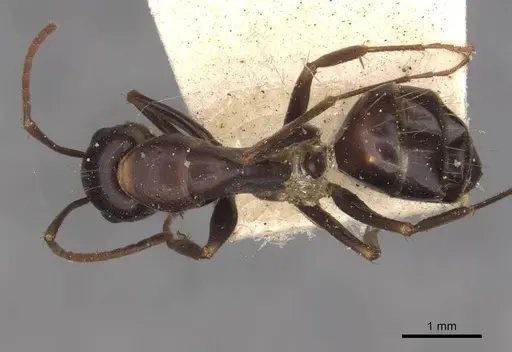
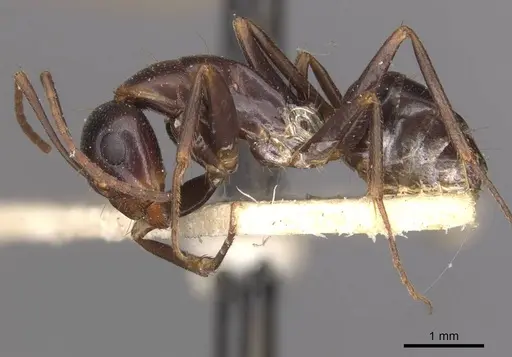
CASENT0910105
View on AntWeb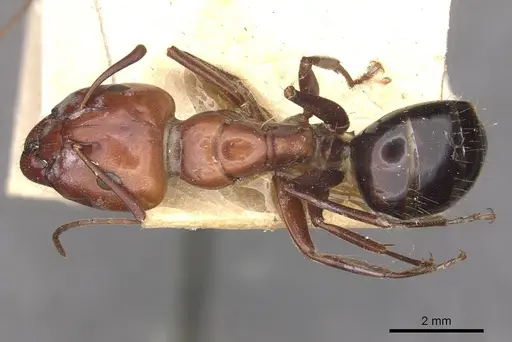
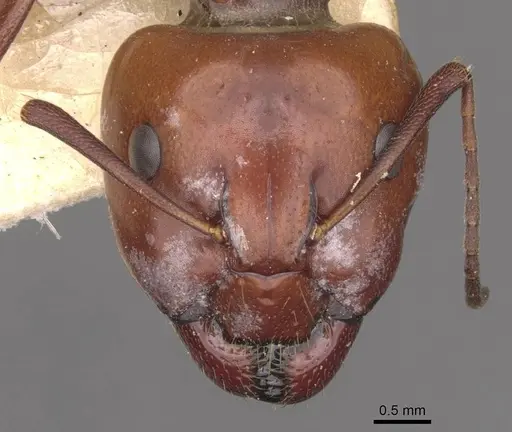
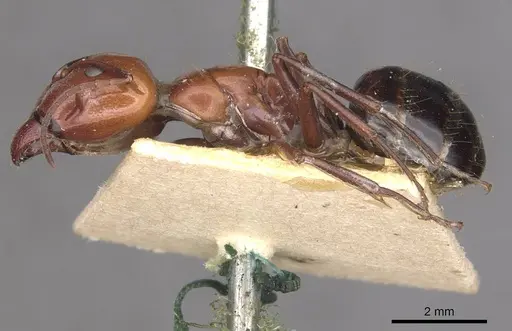
CASENT0910106
View on AntWeb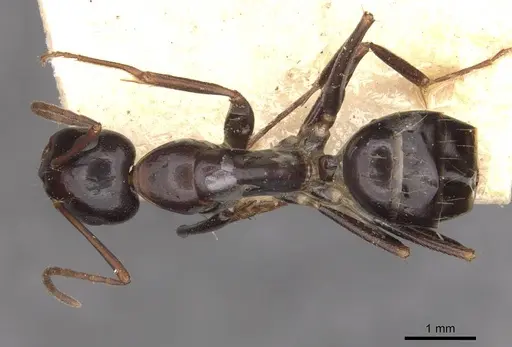
CASENT0910107
View on AntWeb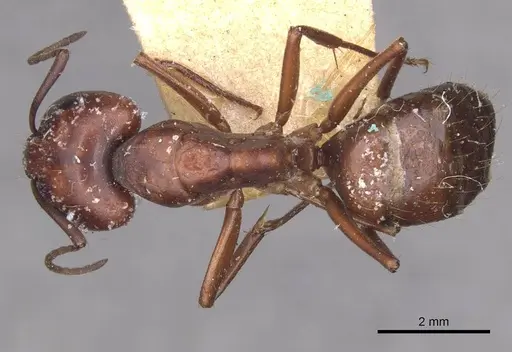
CASENT0910108
View on AntWeb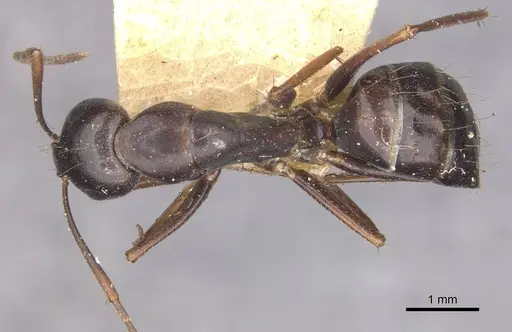
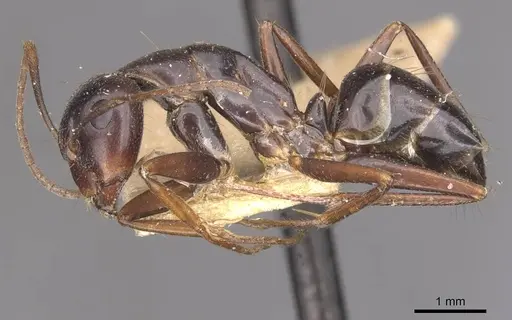
CASENT0911896
View on AntWeb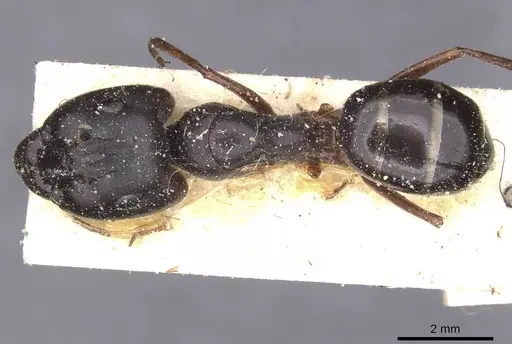
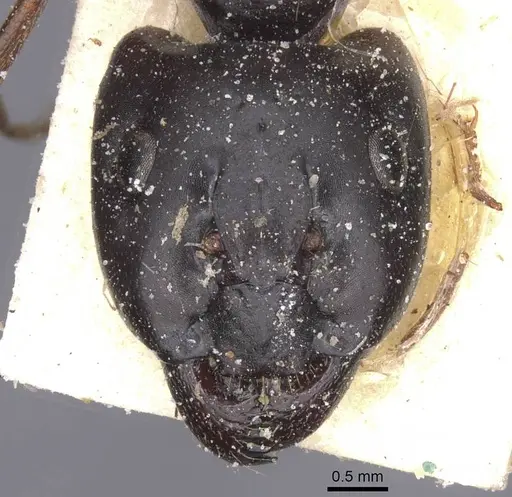
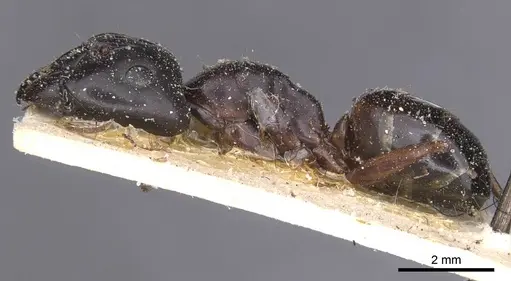
CASENT0911897
View on AntWeb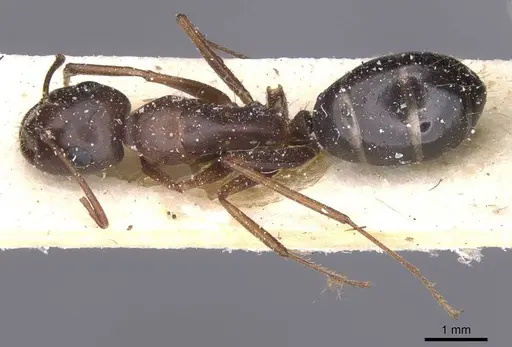
CASENT0922717
View on AntWeb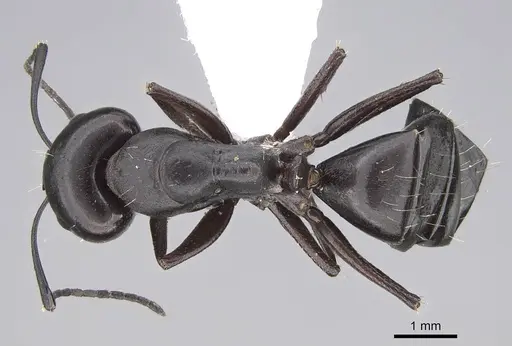
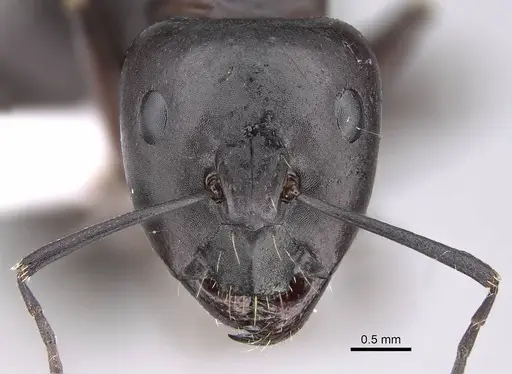
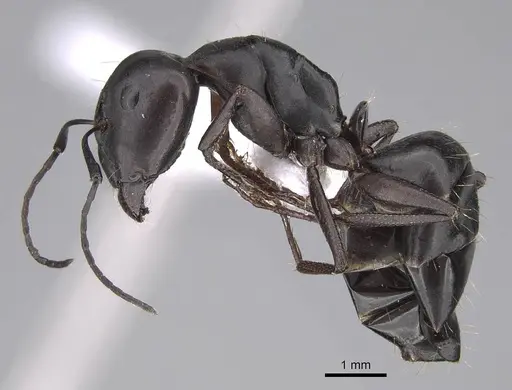
FOCOL0557
View on AntWeb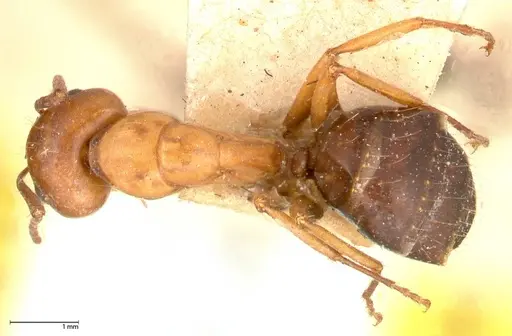
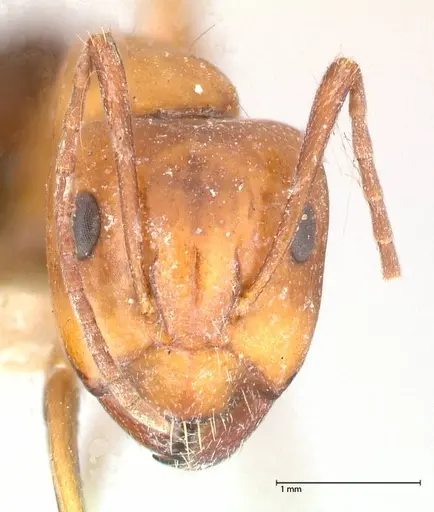
FOCOL2415
View on AntWeb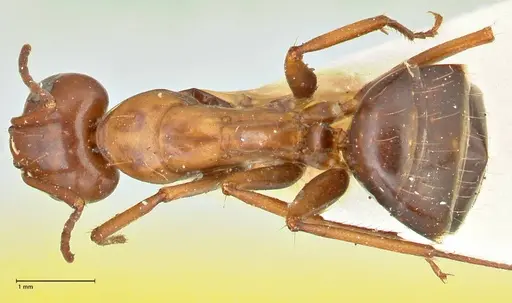
FOCOL2416
View on AntWeb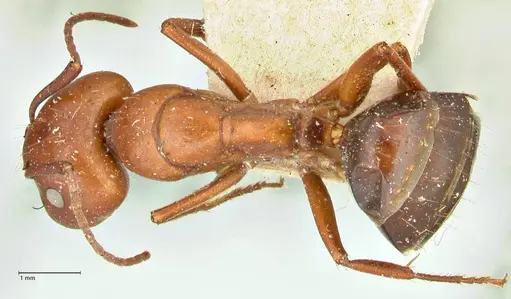
FOCOL2417
View on AntWeb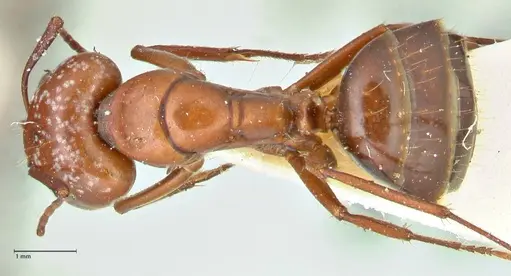
FOCOL2418
View on AntWeb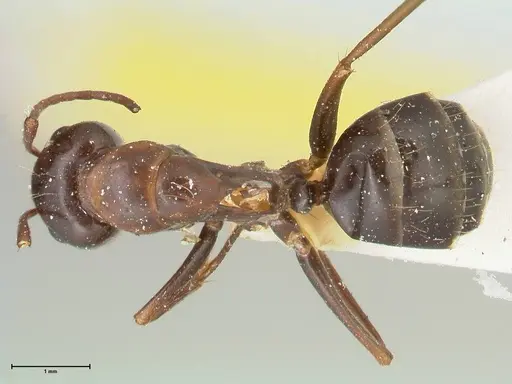
Literature
Loading distribution map...Loading products...