
Camponotus albosparsus
- Sci. Name
- Camponotus albosparsus
- Subgenus
- Tanaemyrmex
- Tribe
- Camponotini
- Subfamily
- Formicinae
- Author
- Bingham, 1903
- Distribution
- Found in 8 countries
Introduction
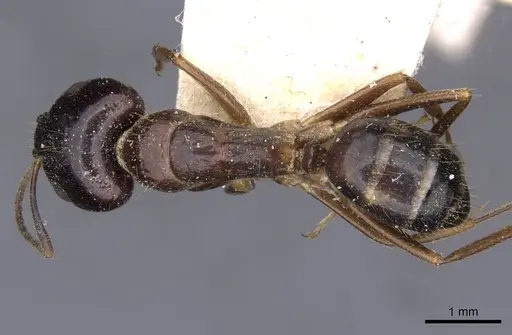
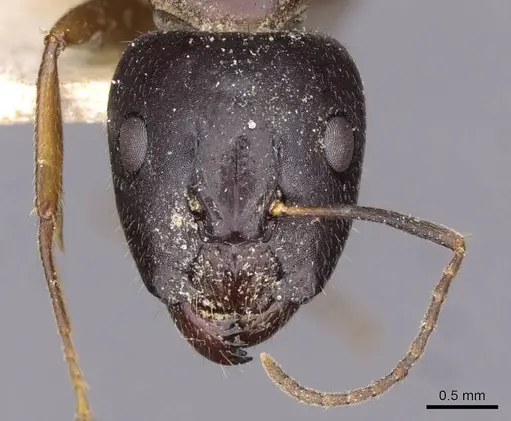
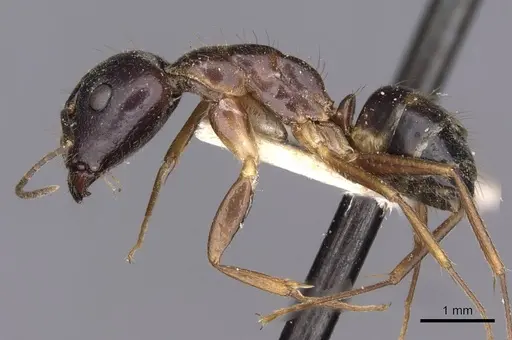
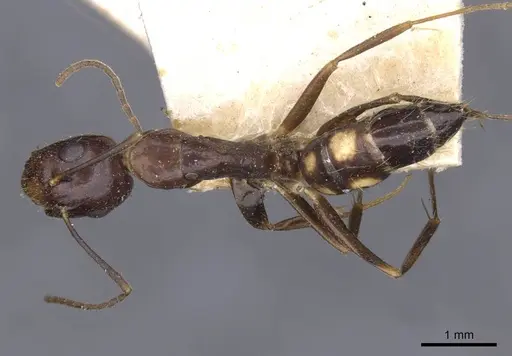
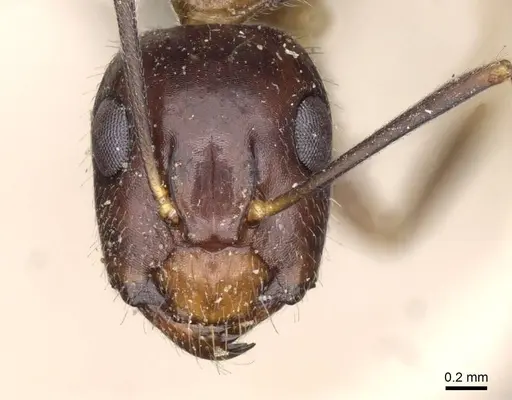
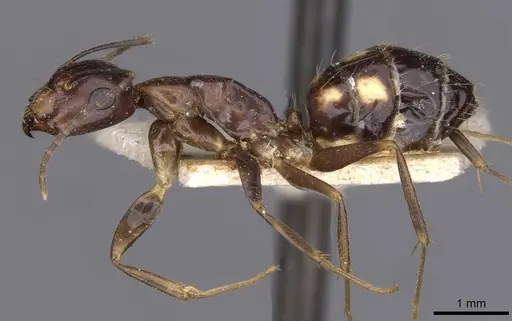
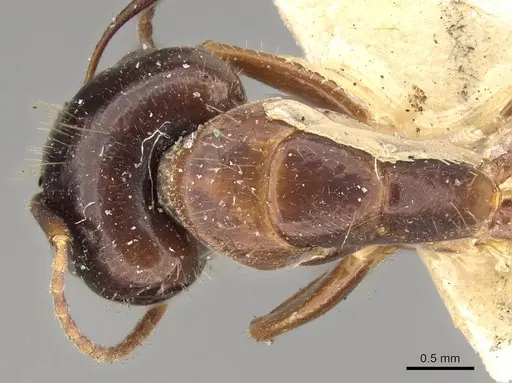
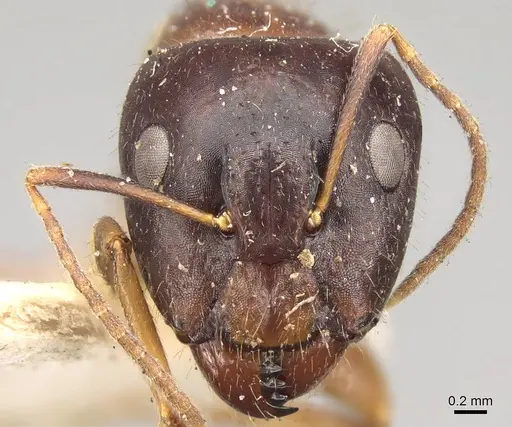
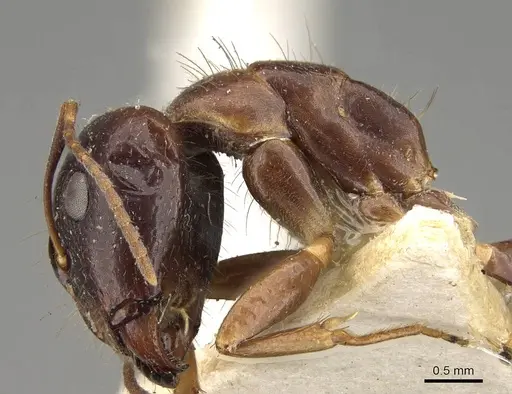
Camponotus albosparsus is a medium-sized carpenter ant found across southern Asia, from India through southern China to Japan and Taiwan. Workers measure 4-9mm, with majors significantly larger than minors. They have a distinctive appearance: a dark brown to black head, brown mesosoma and legs, and a black gaster marked with two pairs of yellow spots on the first two abdominal segments. This species nests in soil and under stones in open forest margins and grasslands, with workers foraging on the ground. This species is part of the Camponotus subgenus Tanaemyrmex. Workers have 6-7 teeth on their mandibles and the scape is relatively short compared to other carpenter ants. The petiole is relatively high with an inverted V-shaped profile in side view.
Quick Summary
- Difficulty: Easy
- Origin & Habitat: Southern Asia including India, China, Japan, Taiwan, Hong Kong, and Singapore. Found in open forest margins, grasslands, and agricultural areas. Nests in soil and under stones. Workers forage on the ground. [3][1][4]
- Colony Type: Colony structure is unconfirmed. Most Camponotus species are single-queen but specific data for C. albosparsus is unavailable.
- Size & Growth:
- Queen: 11-13mm [2]
- Worker: Minor workers 4-6mm, major workers 7-9mm [2][1]
- Colony: Colony size data unavailable, typical for Camponotus species, colonies likely reach several hundred workers
- Growth: Growth rate is unconfirmed
- Development: Development timeline is unconfirmed for this species (Development time varies with temperature in most ant species)
- Antkeeping:
- Temperature: Keep nest area at room temperature (20-26°C). Observe colony behavior to determine optimal range for your specific population.
- Humidity: Keep substrate moderately moist but not waterlogged. These ants prefer well-drained soil conditions in nature.
- Diapause: Diapause requirements are unconfirmed for this species. Based on the geographic range spanning temperate Japan to tropical India, different populations may have different cold tolerance. Observe colony behavior and reduce temperatures slightly during winter months.
- Nesting: Soil-based nests work well. A naturalistic setup with a dirt chamber or a Y-tong (AAC) formicarium with soil-filled chambers mimics their natural nesting preferences. They do well in test tube setups for founding colonies. Provide a dark nesting area.
- Behavior: These ants are relatively docile. Workers forage on the ground searching for honeydew, insects, and sugary liquids. They have a moderate escape risk due to their size, standard barrier methods like Fluon work well. Majors are present in established colonies and help with nest defense and food processing. As Formicinae ants, they lack a functional sting and instead spray formic acid from their acidopore as a defense mechanism.
- Common Issues: colonies may fail if kept at extreme temperatures, maintain moderate room temperature, escape prevention is important for minor workers, use proper barriers, overfeeding can lead to mold in nest chambers, remove uneaten food promptly, founding queen behavior is unconfirmed, claustral founding is typical for Camponotus but not verified for this species
Housing and Nest Setup
Camponotus albosparsus does well in several nest types. For founding colonies, a standard test tube setup works well, fill the tube one-third with water, plug with cotton, and place the queen in the dark. Once the colony reaches 20-30 workers, you can move them to a formicarium. A Y-tong (AAC) nest with soil-filled chambers or a naturalistic setup with dirt chambers mimics their natural soil-nesting preferences. They do well in acrylic nests if you provide appropriate moisture. Avoid completely dry nests, they need some substrate moisture. Place the nest in a quiet area away from direct sunlight and vibrations. [3]
Feeding and Diet
Like most carpenter ants, C. albosparsus is omnivorous. They accept sugar sources readily, offer honey water, sugar water, or diluted maple syrup. For protein, provide insects like fruit flies, small crickets, mealworms, or frozen bloodworms. They are not specialized predators, so any appropriately-sized feeder insects work. Remove uneaten prey after 24-48 hours to prevent mold. A constant sugar source is recommended once workers are established. Feed protein 2-3 times per week, adjusting based on colony size and consumption.
Temperature and Seasonal Care
This species is found across a wide geographic range from temperate Japan to tropical India, so different populations may have different temperature tolerances. Most captive colonies do well around 20-26°C year-round. Use a heating cable on one side of the nest to create a temperature gradient so ants can choose their preferred zone. Avoid temperatures above 30°C or below 15°C for extended periods. During winter months, a slight reduction in temperature is generally beneficial.
Colony Development and Growth
A newly mated queen will seal herself into a chamber and lay her first eggs. The exact timing of first worker emergence is unconfirmed for this species but typically takes 4-8 weeks in most Camponotus species. After the first workers emerge, the colony begins foraging for food to support further growth. Growth is moderate, expect 20-30 workers by the end of the first year under good conditions. Major workers appear once the colony is well-established, typically when there are 50+ workers.
Behavior and Handling
Camponotus albosparsus is a relatively docile carpenter ant species. They are not aggressive and rarely bite even when disturbed. Workers are ground-foragers and will explore their outworld searching for food. They are moderately active and interesting to watch. The presence of major workers adds visual interest, these larger workers help with nest defense and processing tough food items. They are not particularly shy and will emerge to forage even with some activity nearby. Standard escape prevention with Fluon on container edges works well, though minors can squeeze through small gaps so ensure all connections are tight. As Formicinae ants, they defend by biting and spraying formic acid from their acidopore rather than stinging.
Frequently Asked Questions
How long does it take for Camponotus albosparsus to get their first workers?
First workers typically emerge 4-8 weeks after the queen lays eggs, though this is not specifically documented for this species. Warmer conditions within their range may speed development. The queen will have sealed herself in and you may not see any activity for several weeks, this is normal for claustral founding species.
What do Camponotus albosparsus ants eat?
They are omnivorous. Offer a constant sugar source like honey water or sugar water, and protein sources like fruit flies, small crickets, mealworms, or frozen bloodworms 2-3 times per week. Remove uneaten prey after a day or two to prevent mold.
Do Camponotus albosparsus ants need hibernation?
Diapause requirements are unconfirmed. Based on their wide geographic range from Japan to India, different populations likely have different cold tolerance. Observe your colony, if they become less active in winter, a slight temperature reduction for 1-2 months may be beneficial.
Are Camponotus albosparsus good for beginners?
Yes, this is a good beginner species. They are relatively docile, not aggressive, and have straightforward care requirements. They tolerate some variation in conditions and are not prone to escaping like tiny species.
How big do Camponotus albosparsus colonies get?
Colony size is not specifically documented, but based on typical Camponotus patterns, mature colonies likely reach several hundred workers over 3-5 years.
When should I move my colony to a formicarium?
Move them once they reach 20-30 workers. Before that, a test tube setup is fine. When moving, create a connection between the test tube and the formicarium and let them relocate on their own, do not shake or force them.
What temperature is best for Camponotus albosparsus?
Aim for 20-26°C. This species has a wide geographic range, so different populations may have different optimal temperatures. Use a heating cable on part of the nest to create a gradient so ants can choose their preferred temperature zone.
Can I keep multiple Camponotus albosparsus queens together?
Colony structure is unconfirmed for this species. Most Camponotus are single-queen, so combining unrelated queens is not recommended as they may fight. If you have multiple founding queens, house them separately.
Why is my Camponotus albosparsus colony dying?
Common causes include: temperatures too cold (below 15°C) or too hot (above 30°C), improper humidity (too wet or too dry), lack of food, or too much mold from overfeeding. Check these factors and adjust accordingly.
Report an Issue
The current care sheet is based fully on literature. See inconsistencies, or something that's incorrect? Please , it will be resolved after review from an admin. Contributing to the blogs tab also helps providing information, to make us be able to further improve the caresheets. Thank you for your support!
References

This caresheet is licensed under CC BY-SA 4.0 .
Community Blogs
Literature
Loading distribution map...Loading products...