
Camponotus aequatorialis
- Sci. Name
- Camponotus aequatorialis
- Subgenus
- Tanaemyrmex
- Tribe
- Camponotini
- Subfamily
- Formicinae
- Author
- Roger, 1863
- Distribution
- Found in 2 countries
Introduction
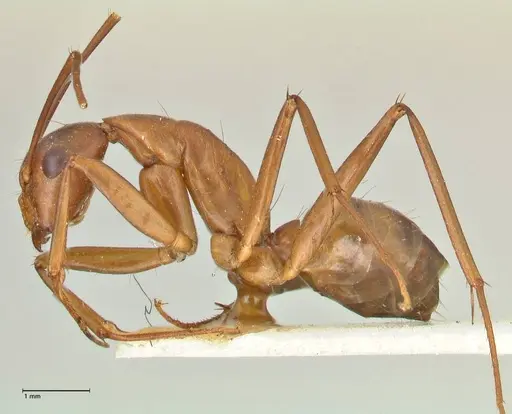
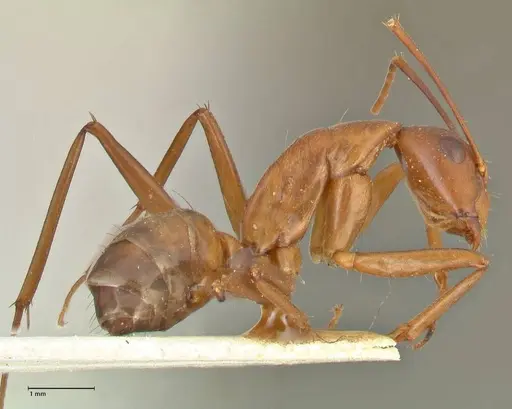
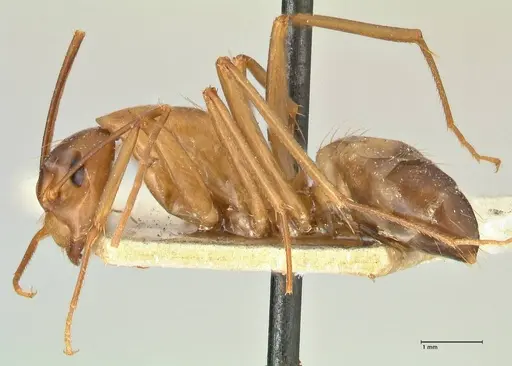
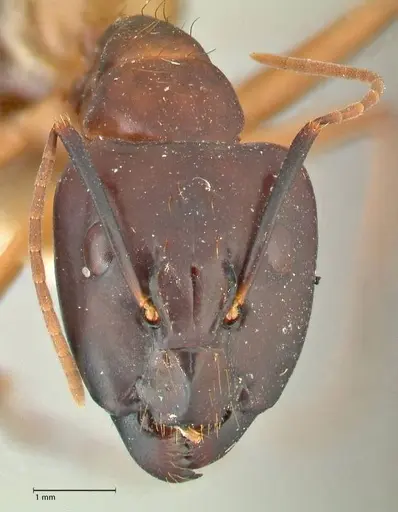
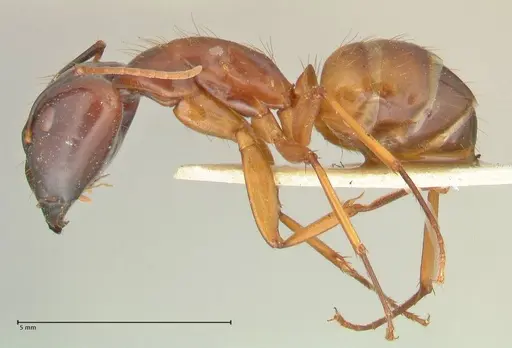
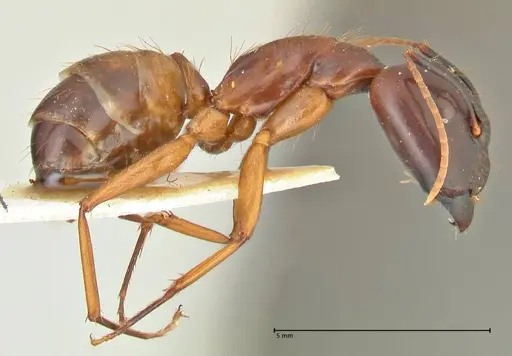
Camponotus aequatorialis is a Carpenter ant species native to Central Africa, specifically documented in Gabon and the Tshopo province of the Democratic Republic of Congo . Workers vary in size with major workers significantly larger than minors. This is a large, robust ant species with the characteristic elbowed antennae and constricted petiole typical of the genus. As a tropical species from the African rainforest belt, they prefer warm and humid conditions in captivity. Like other Formicine ants, they lack a functional sting and defend by biting and spraying formic acid from their acidopore.
Quick Summary
- Difficulty: Medium
- Origin & Habitat: Native to Central Africa, specifically documented in Gabon and the Tshopo province of the Democratic Republic of Congo [1][2]. As a tropical species from the Congo basin, they inhabit rainforest environments with high humidity and warm temperatures year-round.
- Colony Type: Colony structure is unconfirmed for this specific species. Based on typical Camponotus patterns, likely monogyne (single queen colonies), though some species in the genus can be polygyne. The presence of ergatoid (wingless) replacement queens has not been documented for this species.
- Size & Growth:
- Queen: Approximately 15-20mm, inferred from typical Camponotus queen size [3]
- Worker: Major workers approximately 10-15mm, minor workers approximately 5-8mm [3]
- Colony: Likely reaches several thousand workers over time, typical of Camponotus genus [3]
- Growth: Moderate, Camponotus colonies typically grow steadily but not rapidly
- Development: Approximately 6-10 weeks at optimal temperature based on typical Camponotus development [3] (Development time depends heavily on temperature, warmer conditions accelerate development. First workers (nanitics) are typically smaller than normal workers.)
- Antkeeping:
- Temperature: Keep at 24-28°C. As a tropical species from Central Africa, they need consistent warmth. A heating cable on one side of the nest creates a temperature gradient allowing workers to self-regulate [3].
- Humidity: Maintain moderate to high humidity (60-80%). These ants come from tropical rainforest regions, so they prefer damp conditions. Keep the nest substrate consistently moist but not waterlogged. Mist occasionally and provide a water tube for drinking [3].
- Diapause: No, as a tropical species, they do not require hibernation. However, slight temperature reductions during winter months (down to around 20-22°C) may slow activity naturally.
- Nesting: Use a nest that retains moisture well. Y-tong (AAC), plaster, or naturalistic setups with soil work well. Ensure chambers are appropriately sized for their large workers. Avoid completely dry conditions.
- Behavior: Camponotus aequatorialis is typically docile and not aggressive toward keepers. Workers are primarily nocturnal or crepuscular, becoming more active during cooler hours. They are not known to be escape artists compared to smaller ants, but their large size means they can still climb smooth surfaces. They forage for honeydew, nectar, and insects. Major workers can deliver a mild bite if provoked, though this is rare. They are generally calm colony residents suitable for observation.
- Common Issues: colonies may stall if temperatures drop below 22°C for extended periods, dry conditions cause brood failure and worker deaths, monitor humidity closely, wild-caught colonies may carry parasites that can decimate captive populations, slow initial growth during founding phase can lead to overfeeding or disturbance by impatient keepers, large colony size requires eventual upgrade to spacious formicarium
Nest Preferences
Camponotus aequatorialis will adapt to various nest types, but they prefer setups that retain moisture well. A Y-tong (AAC) nest works excellently, the acrylic chambers are easy to observe and maintain. Plaster nests or naturalistic setups with damp soil also suit them well. The nest should have chambers large enough accommodate their major workers, which can reach approximately 15mm. Provide a water tube connected to a cotton reservoir for drinking water. Since they come from tropical rainforest environments, the nest substrate should remain consistently damp but never sitting in standing water. [3]
Feeding and Diet
Like other Carpenter ants, Camponotus aequatorialis is omnivorous with a preference for sugar sources. Offer sugar water (1:1 ratio) or honey diluted with water as a constant food source. Protein is essential for brood development, offer insects such as fruit flies, small crickets, mealworms, or waxworms. Feed protein prey 2-3 times per week, adjusting based on colony size. Remove uneaten prey after 24-48 hours to prevent mold. They will also accept fruit occasionally, though sugar and protein-rich foods are preferred. Fresh killed insects are better than live ones for newly established colonies. [3]
Temperature and Care
Maintain temperatures between 24-28°C for optimal brood development. This tropical species does not tolerate cool conditions well, temperatures below 20°C can slow development significantly and prolonged cold may kill colonies. Use a heating cable or mat on one side of the nest to create a gentle gradient (around 24-30°C across the setup). Place the heating element on top of the nest to avoid drying out the substrate. Room temperature around 24°C is acceptable if your home stays consistently warm. Monitor both temperature and humidity levels, adjusting heating as needed during different seasons. [3]
Behavior and Temperament
This species is generally calm and suitable for antkeeping. Workers are not particularly aggressive and rarely bite unless directly threatened. They are primarily nocturnal, becoming most active during evening and night hours when foraging. Major workers (soldiers) are significantly larger and may patrol the nest area. They communicate using chemical trails and will recruit nestmates to food discoveries. Their large size makes them easier to observe than many ant species. They are not known escape artists like some smaller species, but adult workers can still climb smooth surfaces, so standard escape prevention measures apply. [3]
Colony Growth Timeline
After the queen seals herself in her claustral chamber, she will not emerge until her first workers (nanitics) emerge, typically after 6-10 weeks depending on temperature. These first workers are smaller than normal workers but will begin foraging for food to feed the developing brood. The colony will grow steadily from this point, with worker numbers increasing gradually over the first year. Major workers typically appear once the colony reaches several hundred workers. Full colony maturity, with thousands of workers, may take 2-3 years under optimal conditions. Patience is key, Camponotus colonies are long-lived and can thrive for many years once established. [3]
Frequently Asked Questions
How long does it take for Camponotus aequatorialis to produce first workers?
First workers typically emerge after 6-10 weeks from when the queen lays eggs, assuming optimal temperatures around 24-28°C. This is typical for the Camponotus genus. Cooler temperatures will significantly slow development.
What temperature do Camponotus aequatorialis ants need?
Keep them at 24-28°C. As a tropical species from Central Africa, they need consistent warmth. Avoid temperatures below 20°C for extended periods.
Do Camponotus aequatorialis ants need hibernation?
No, they do not require hibernation. As a tropical species, they remain active year-round with consistent temperatures. Slight seasonal temperature variations are acceptable but not necessary.
What do Camponotus aequatorialis eat?
They are omnivorous. Offer sugar water or honey as a constant energy source. Feed protein (insects like fruit flies, mealworms, crickets) 2-3 times per week for brood development.
Are Camponotus aequatorialis good for beginners?
They are intermediate difficulty. While more forgiving than some species due to their larger size, they require warm, humid conditions typical of tropical ants. Their moderate growth rate requires patience.
How big do Camponotus aequatorialis colonies get?
Colonies can reach several thousand workers over 2-3 years under optimal conditions. Major workers can reach approximately 15mm, with minor workers around 5-8mm.
Can I keep multiple queens together?
Colony structure is unconfirmed for this specific species. Based on typical Camponotus patterns, most are monogyne (single queen). Combining unrelated queens is not recommended without evidence they accept co-foundresses.
When should I move Camponotus aequatorialis to a formicarium?
Keep them in a test tube or small setup for the first 6-12 months until the colony reaches 50-100 workers. Once the colony outgrows the setup or you see constant activity crowding the outworld, upgrade to a formicarium.
What humidity level do they need?
Maintain 60-80% humidity. Keep the nest substrate consistently moist but not waterlogged. Mist occasionally and provide a water tube for drinking.
Report an Issue
The current care sheet is based fully on literature. See inconsistencies, or something that's incorrect? Please , it will be resolved after review from an admin. Contributing to the blogs tab also helps providing information, to make us be able to further improve the caresheets. Thank you for your support!
References

This caresheet is licensed under CC BY-SA 4.0 .
Community Blogs
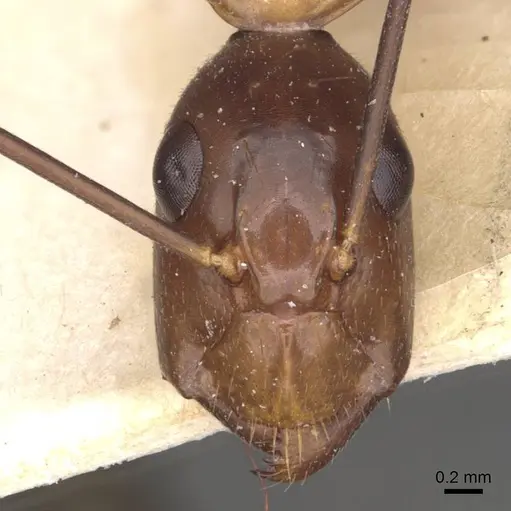
CASENT0910041
View on AntWeb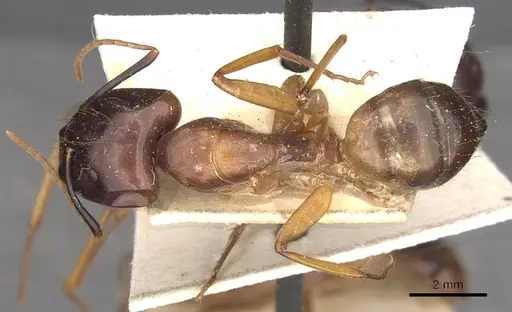
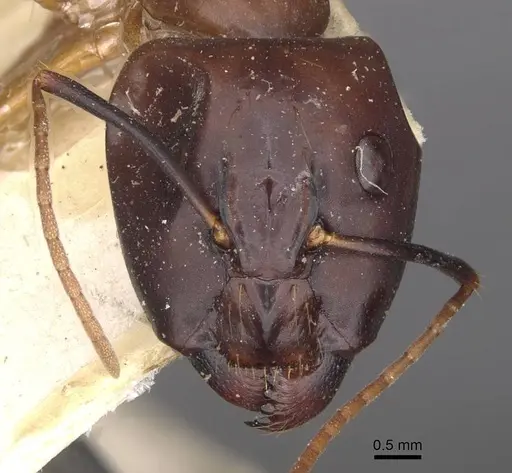
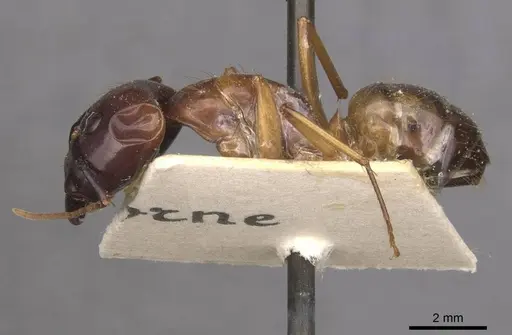
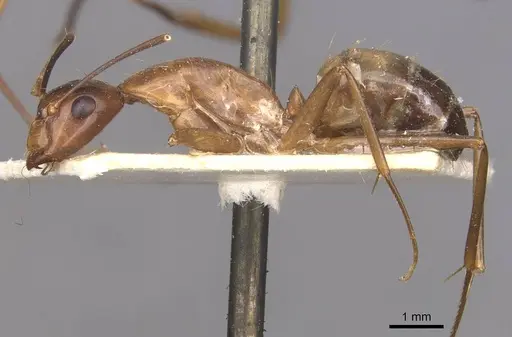
CASENT0910042
View on AntWeb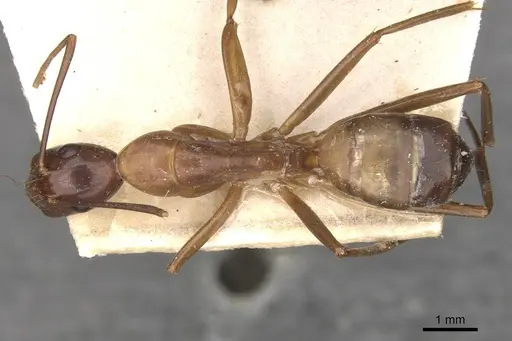
FOCOL2373
View on AntWeb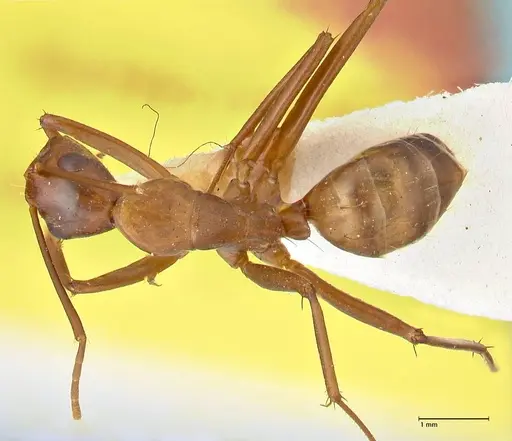
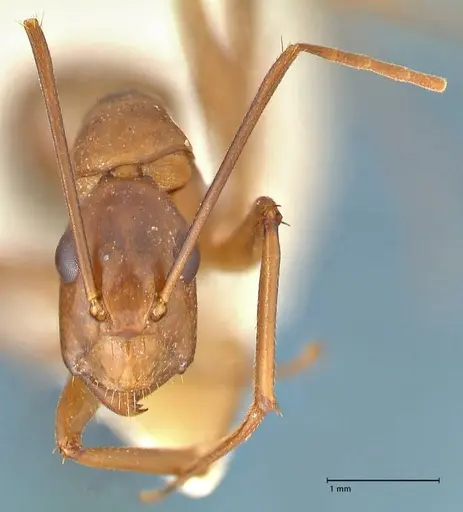
FOCOL2374
View on AntWeb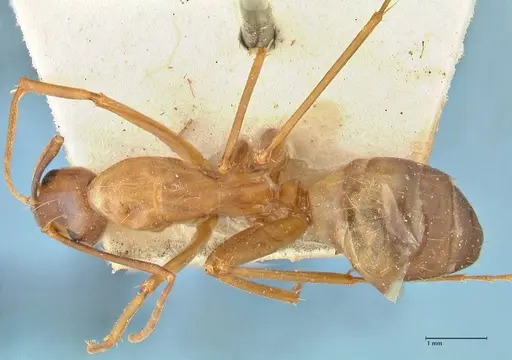
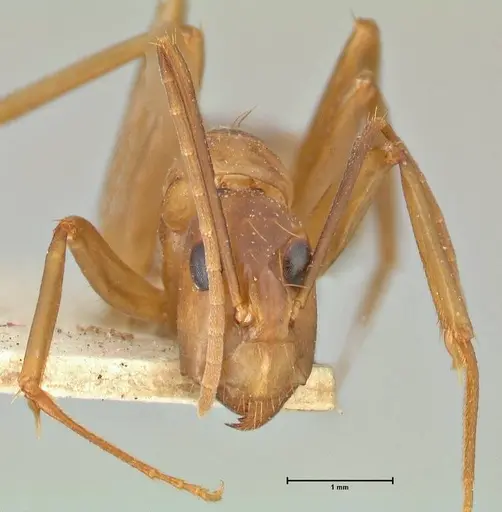
FOCOL2375
View on AntWeb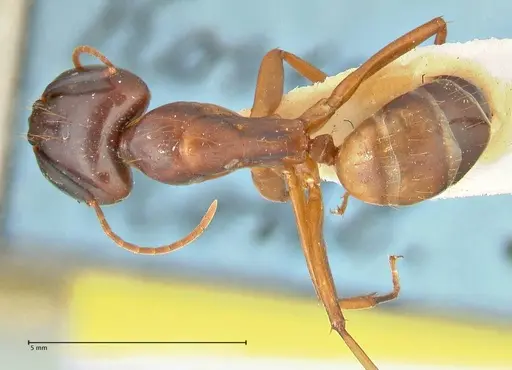
Literature
Loading distribution map...Loading products...