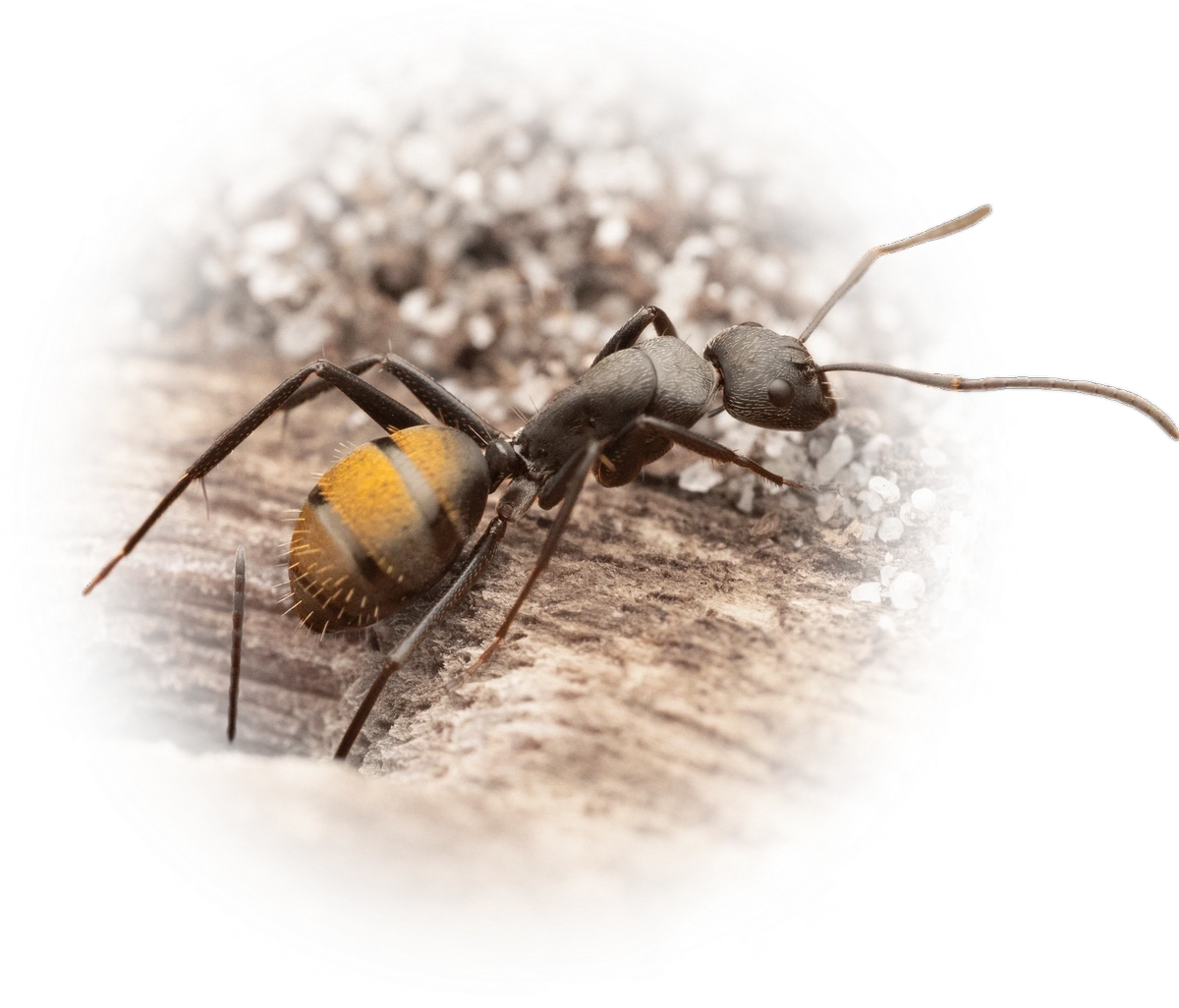
Golden-tailed Sugar Ant
Camponotus aeneopilosus
- Sci. Name
- Camponotus aeneopilosus
- Subgenus
- Myrmophyma
- Tribe
- Camponotini
- Subfamily
- Formicinae
- Author
- Mayr, 1862
- Common Name
- Golden-tailed Sugar Ant
- Distribution
- Found in 1 countries
Introduction
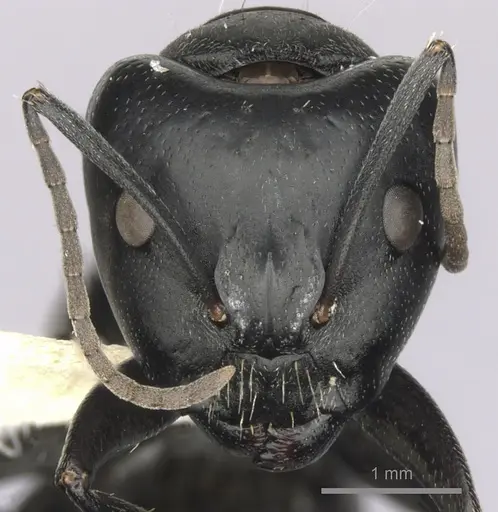
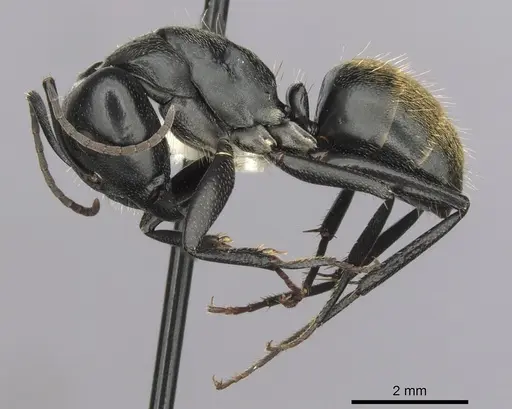
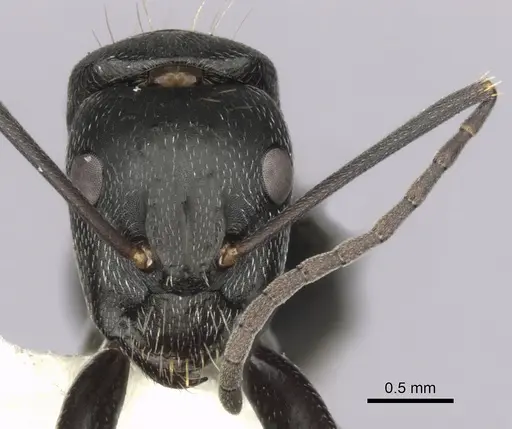
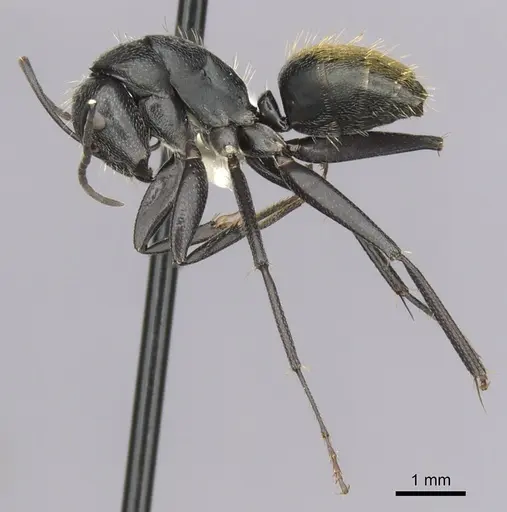
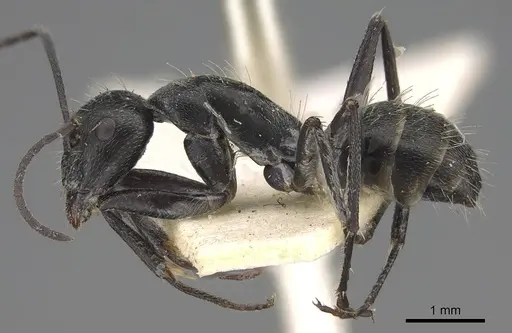
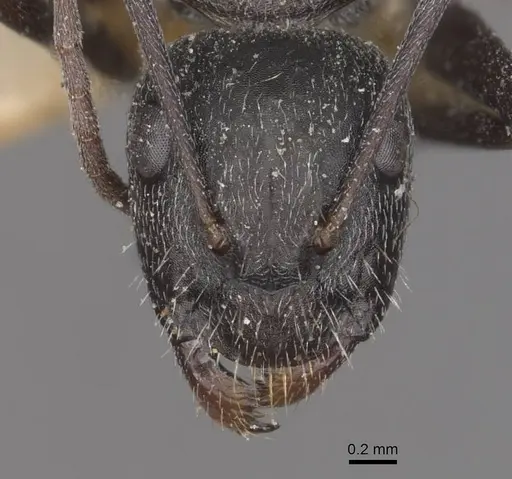
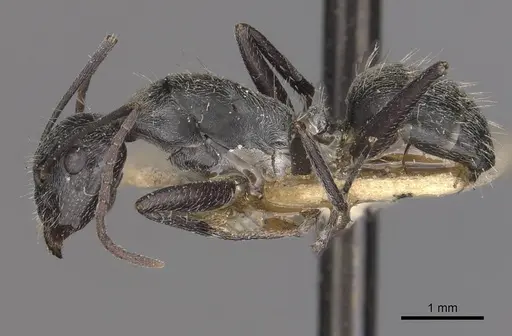
Camponotus aeneopilosus is a medium-to-large carpenter ant native to eastern Australia. It is found along the coast from northern Victoria to North Queensland . Workers reach about 10mm in length and are easily recognized by their striking brass-yellow or golden pubescence covering the upper side of the gaster . The clypeus (the shield-shaped plate above the mouth) has a distinctive S‑shaped notch on its rear margin, and the mandibles are black. This species is part of an old Gondwanan ant lineage, closely related to Camponotus claripes and Camponotus dromas . These ants are behaviorally submissive compared to many other Australian ants. In foraging experiments, they recruited only weakly to food sources (up to 7 workers at baits) and were frequently displaced by the more aggressive Iridomyrmex purpureus (meat ants) . Despite this, they can persist in areas invaded by other dominant ants like Pheidole megacephala . This docile nature makes them appealing for keepers who want a calmer ant that won't dominate the setup.
Quick Summary
- Difficulty: Medium
- Origin & Habitat: Eastern Australia (northern Victoria to North Queensland) in woodland and forest habitats [1][3]
- Colony Type: Colony structure is not documented in research. For now, it's safest to assume single-queen (monogyne) colonies, but this has not been confirmed.
- Size & Growth:
- Queen: ~12-15mm, inferred from typical Camponotus queen sizes
- Worker: ~10mm [3]
- Colony: Likely up to several hundred workers, but no direct data available
- Growth: Moderate
- Development: 6-10 weeks at optimal temperature, based on typical Camponotus development patterns (Development speed depends on temperature, warmer conditions speed it up, cooler slows it down.)
- Antkeeping:
- Temperature: Keep warm around 22-26°C, although the exact preferences have not been published. Provide a temperature gradient so ants can choose their spot.
- Humidity: Moderate humidity. Keep the nest substrate slightly moist but not waterlogged.
- Diapause: Likely required, the species originates from temperate Australia. Reduce temperature to 10-15°C for 2-3 months during winter. This is inferred from the geographic range and is not directly confirmed in the literature.
- Nesting: Y‑tong (AAC) or plaster nests work well. Avoid acrylic nests. Provide dark, enclosed chambers. A test tube setup is suitable for founding colonies.
- Behavior: Calm and non‑aggressive. Workers are relatively slow‑moving and show weak recruitment to food (up to 7 workers at a bait) [7]. They are not known to bite or sting, making them easy to handle. Escape risk is moderate, they are not tiny, so standard barriers are effective. They are primarily nocturnal or crepuscular foragers, so expect most activity in the evening or early morning.
- Common Issues: colonies may fail if kept too warm year‑round without a winter rest period, slow growth can lead to overfeeding, only offer food that will be consumed within a day, test tube water reservoirs can cause flooding if overfilled, use proper cotton‑to‑water ratios, wild‑caught colonies may carry parasites that cause problems in captivity, the founding behavior is unconfirmed, so success with captive queens may be unpredictable, keep founding colonies undisturbed in a dark, quiet spot
Nest Preferences and Housing
Camponotus aeneopilosus does well in standard ant‑keeping setups. A Y‑tong (AAC) or plaster nest is recommended, these materials allow you to watch colony development while providing appropriately sized chambers. Test tube setups are also suitable, especially for founding colonies. For the outworld, provide a simple foraging area with a water station and a protein food dish. Because these ants are relatively large (around 10mm), they need a bit more space than tiny species but are not demanding. A small formicarium connected to an outworld is enough for colonies up to about 100 workers. You can add substrate or decorations for a naturalistic look, but keep it simple for easy cleaning. Avoid acrylic nests, as they do not regulate humidity well. [3]
Feeding and Diet
Like most Camponotus species, these ants are omnivorous. Provide a constant sugar source, a drop of honey or sugar water works well. For protein, offer small insects such as fruit flies, small crickets, or mealworms 2-3 times per week. Remove any uneaten food after 24 hours to prevent mold. During the founding stage, the queen does not need food, she survives on stored fat reserves until the first workers emerge. Once workers appear, start offering small amounts of sugar and protein.
Temperature and Seasonal Care
Maintain temperatures around 22-26°C for optimal colony development. These ants come from temperate Australia, so they handle room temperature well if your home is in that range. A heating cable on one side of the nest creates a gradient they can choose between. Most importantly, they likely need a winter diapause period. During autumn, gradually reduce the temperature to 10-15°C and keep it there for 2-3 months. This mimics their natural seasonal cycle and is probably essential for long‑term health. Do not feed them during hibernation. In spring, slowly warm them back up and resume feeding. This advice is based on the species’ temperate origin and typical Camponotus needs, it has not been directly confirmed in published research. [1]
Behavior and Colony Dynamics
This species is known for its calm, non‑aggressive temperament. Workers move deliberately and recruit weakly to food sources, you will not see massive foraging swarms. They are behaviorally submissive to more dominant ants like Iridomyrmex purpureus [7], which translates to a peaceful captive colony that won't cause problems. Queens are protective of their brood and will relocate them if disturbed. Workers can live several years, and colonies grow steadily over time. The golden pubescence on the gaster becomes more noticeable as workers age.
Growth and Development
Camponotus aeneopilosus follows typical carpenter ant development. After mating, the queen seals herself in a chamber (claustral founding is presumed) and lays eggs. The eggs hatch into larvae, which later pupate and emerge as adult workers. This process takes roughly 6-10 weeks at warm temperatures. The first workers (nanitics) are smaller than normal workers but will immediately care for the queen and subsequent brood. Growth is moderate, expect several months before you have a decent number of workers. Colonies can live for many years with a healthy queen producing new workers annually. Note that the details of founding and development have not been specifically studied for this species, this timeline is based on patterns seen in other Camponotus species.
Frequently Asked Questions
How long does it take for Camponotus aeneopilosus to produce first workers?
Expect 6-10 weeks from egg to first worker at room temperature (22-26°C). This varies with temperature, warmer speeds development, cooler slows it. The queen will seal herself in and raise the first brood alone without any food, but this specific behavior has not been confirmed for this species.
What do I feed Camponotus aeneopilosus?
Offer a constant sugar source (honey or sugar water) and protein 2-3 times per week. Small insects like fruit flies, small crickets, or mealworms work well. Remove uneaten food after 24 hours to prevent mold.
Do Camponotus aeneopilosus need hibernation?
They likely need a winter rest period because they come from temperate Australia. Reduce temperatures to 10-15°C for 2-3 months during winter. This has not been directly confirmed in research, but is strongly recommended based on their natural habitat.
Are Camponotus aeneopilosus good for beginners?
They can be a good beginner species because they are calm and relatively easy to care for. However, the founding behavior is unconfirmed, which might make raising a colony from a wild‑caught queen more challenging. If you start with a small established colony, the care is straightforward. Be sure to provide a winter rest period.
How big do Camponotus aeneopilosus colonies get?
Based on typical Camponotus growth, colonies likely reach up to several hundred workers over several years. They are not supercolonies but grow steadily with a healthy queen.
Can I keep multiple Camponotus aeneopilosus queens together?
The colony structure is not documented. It is safest to assume they are monogyne (single‑queen) and keep only one queen per colony. Multiple unrelated queens will likely fight. If you find a colony in the wild, it probably has only one queen.
When should I move Camponotus aeneopilosus to a formicarium?
You can keep them in a test tube for the first 6-12 months until the colony reaches about 30-50 workers. Once the test tube becomes crowded or the water reservoir needs frequent refilling, transfer to a small Y‑tong or plaster nest.
Why is my Camponotus aeneopilosus colony dying?
Common causes include: lack of a winter rest period, overfeeding leading to mold, disturbance during the founding stage, or parasites from wild‑caught colonies. Check that temperatures are appropriate and minimize handling stress.
What makes Camponotus aeneopilosus distinctive?
They have striking brass‑yellow or golden pubescence on the gaster, making them one of the most visually distinctive Australian carpenter ants [2]. They are also behaviorally submissive, they recruit weakly to food and are displaced by more aggressive ant species like Iridomyrmex purpureus [7].
Report an Issue
The current care sheet is based fully on literature. See inconsistencies, or something that's incorrect? Please , it will be resolved after review from an admin. Contributing to the blogs tab also helps providing information, to make us be able to further improve the caresheets. Thank you for your support!
References

This caresheet is licensed under CC BY-SA 4.0 .
Community Blogs
CASENT0280171
View on AntWeb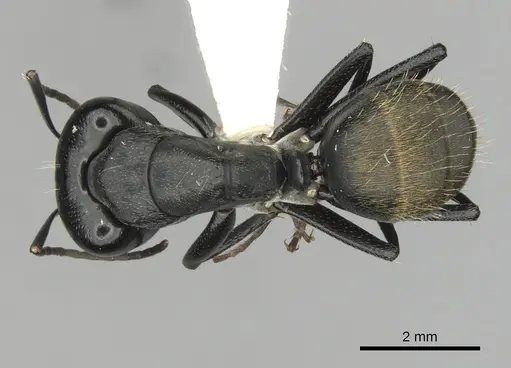
CASENT0280172
View on AntWeb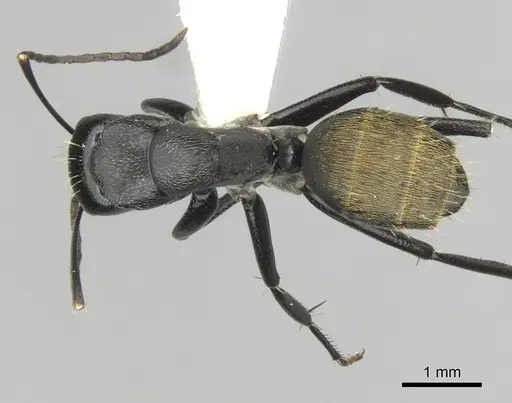
CASENT0887672
View on AntWeb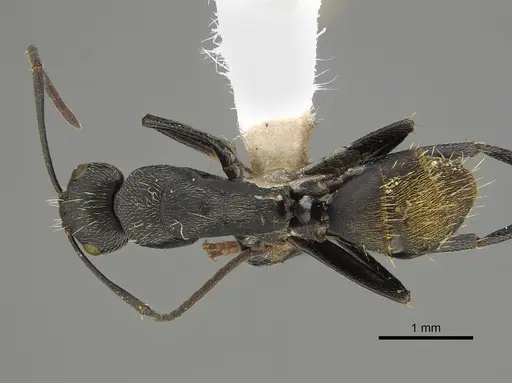
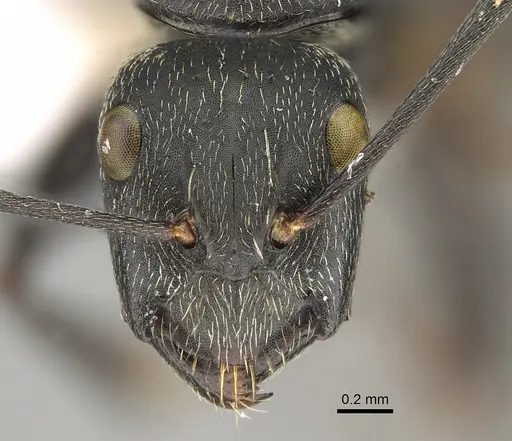
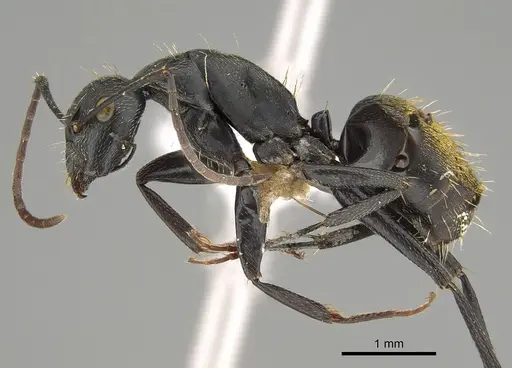
CASENT0906929
View on AntWeb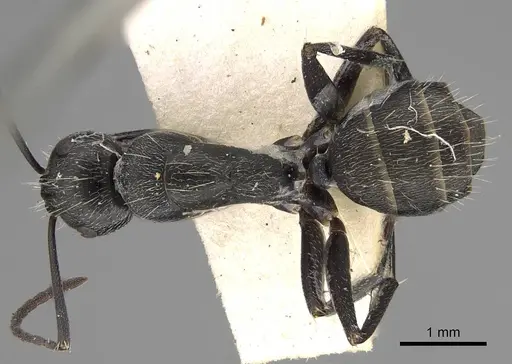
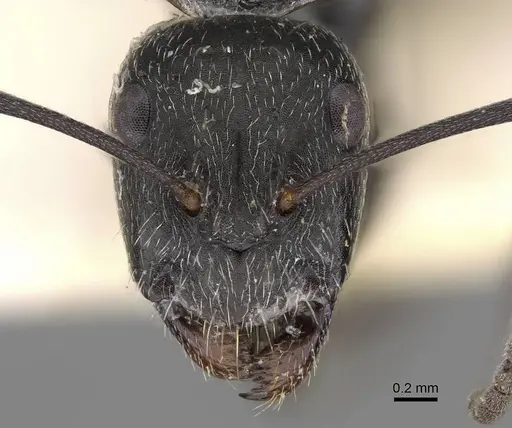
CASENT0910363
View on AntWeb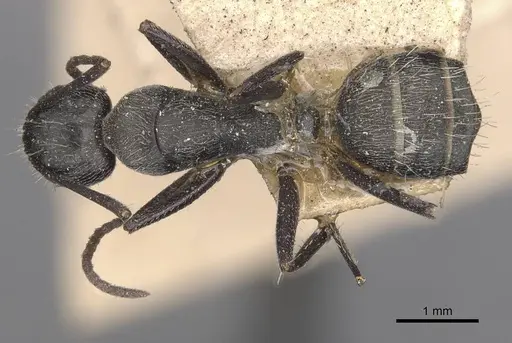
Literature
Loading distribution map...Loading products...