
Egyptian Carpenter Ant
Camponotus aegyptiacus
- Sci. Name
- Camponotus aegyptiacus
- Subgenus
- Tanaemyrmex
- Tribe
- Camponotini
- Subfamily
- Formicinae
- Author
- Emery, 1915
- Common Name
- Egyptian Carpenter Ant
- Distribution
- Found in 6 countries
Introduction
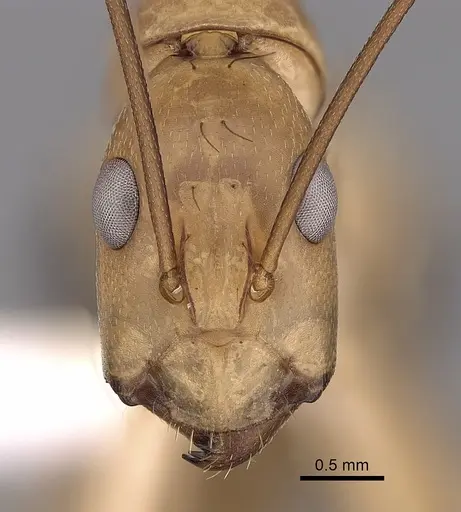
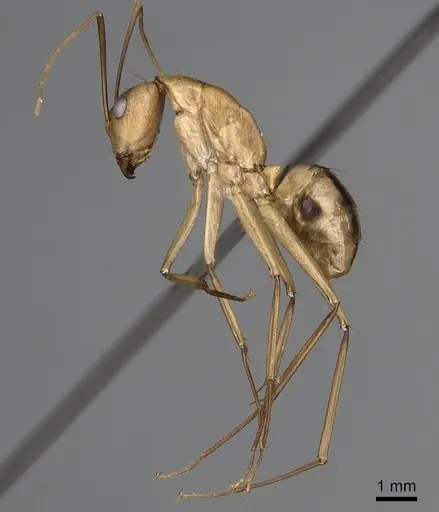
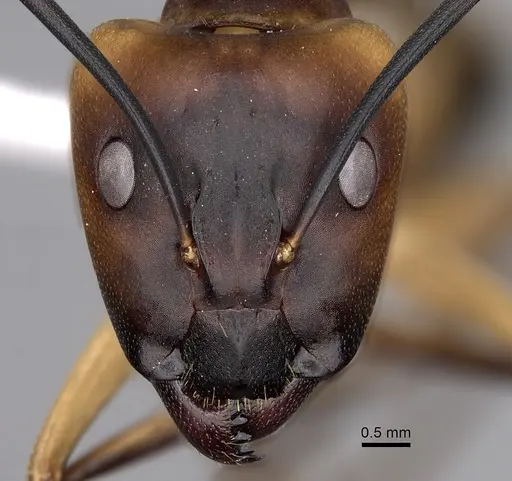
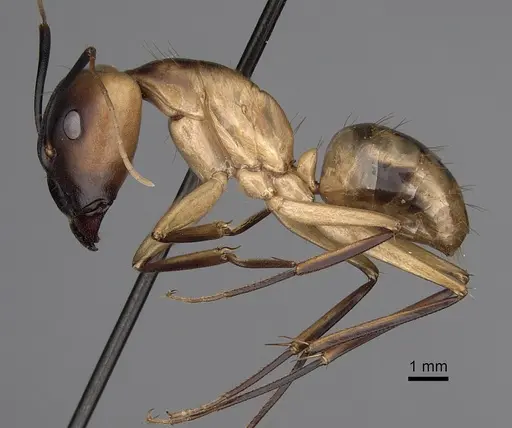
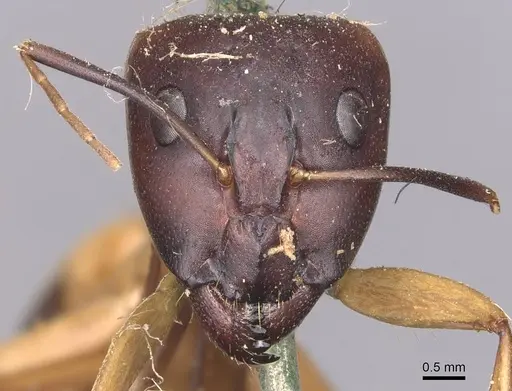
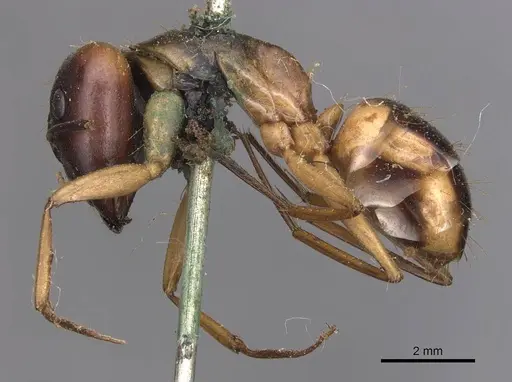
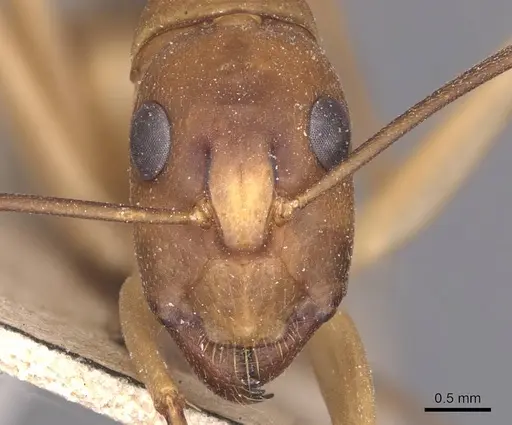
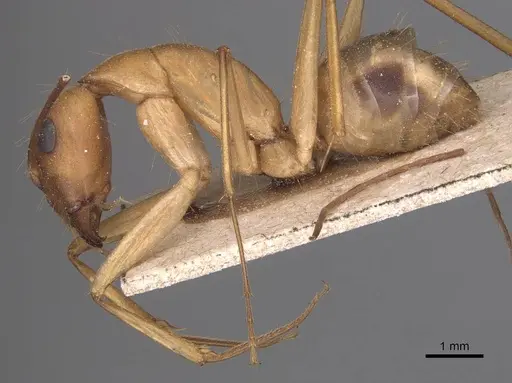
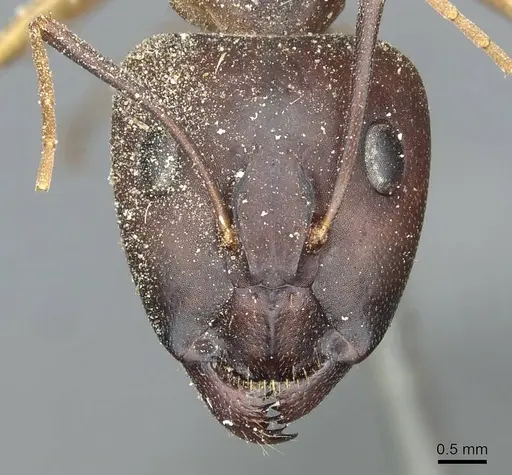
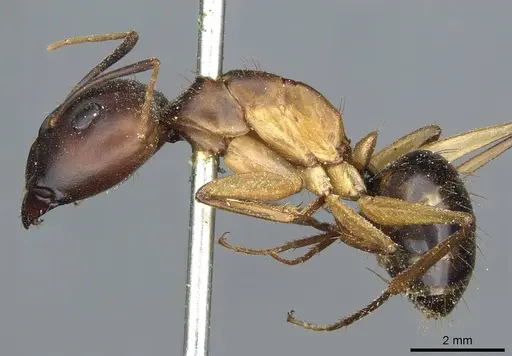
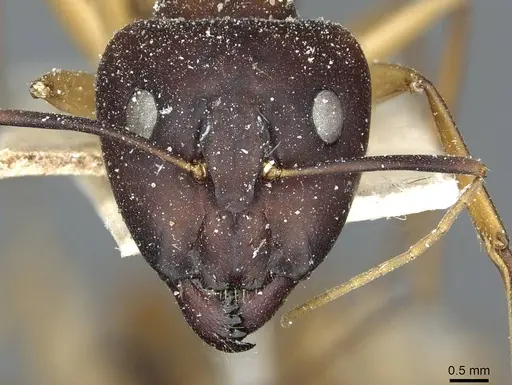
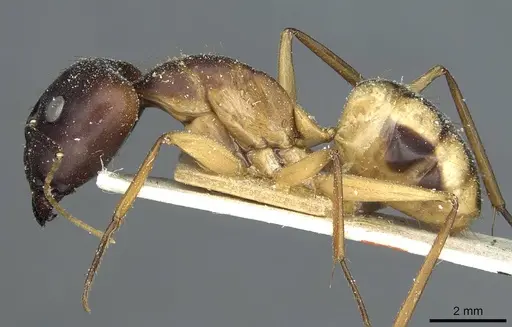
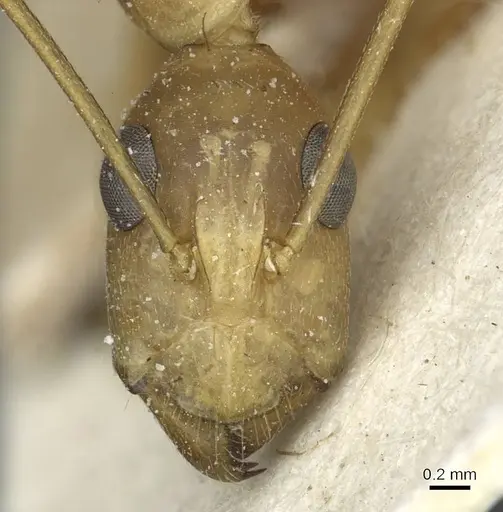
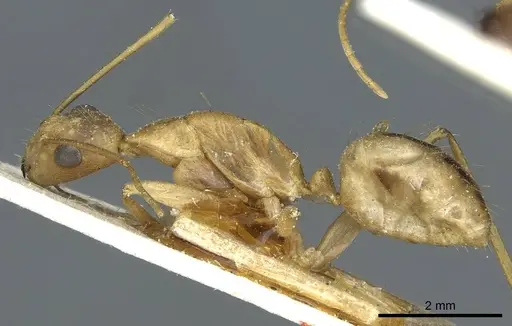
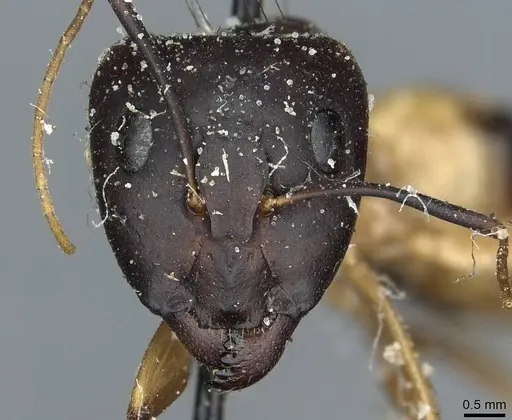
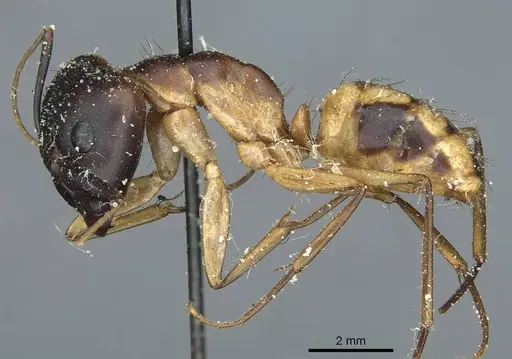
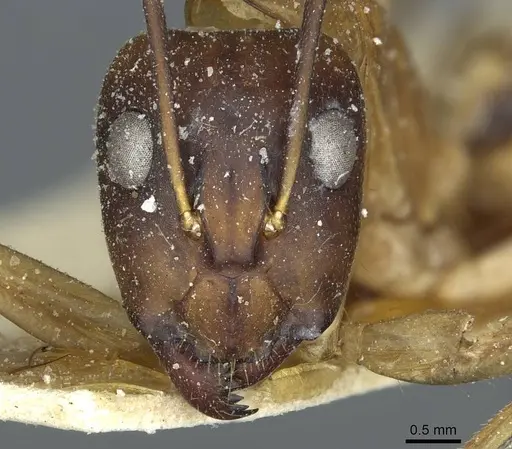
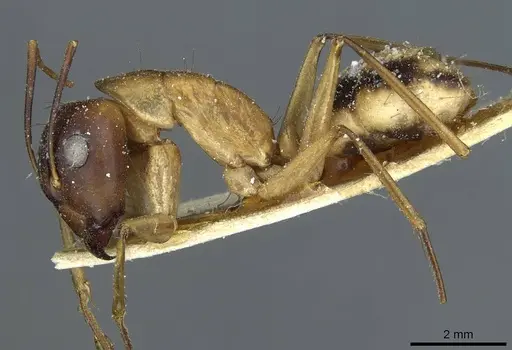
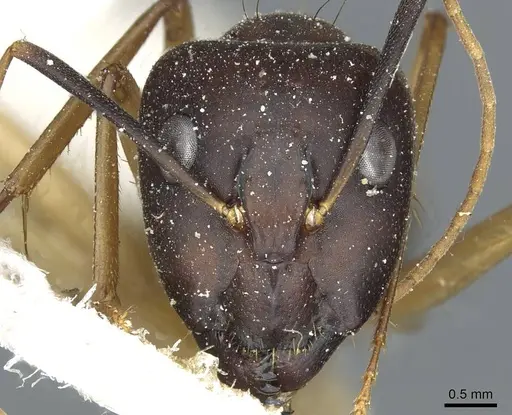
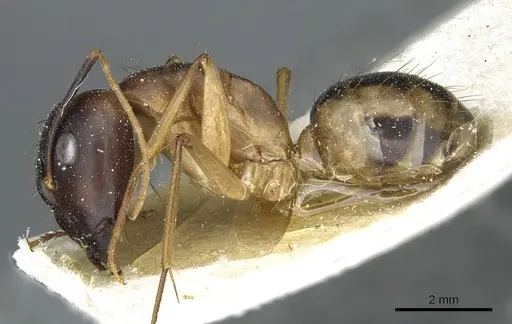
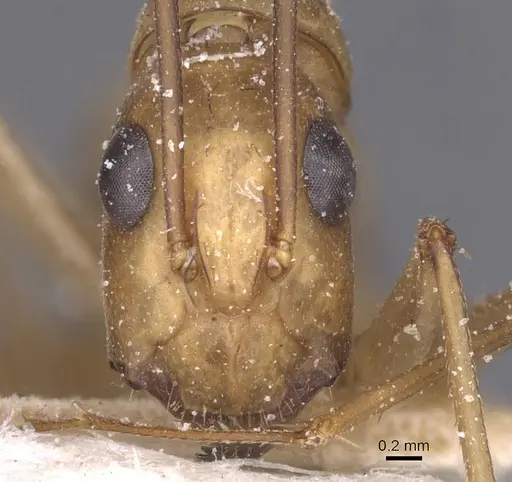
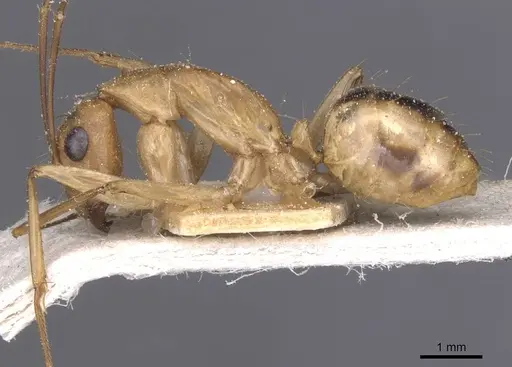
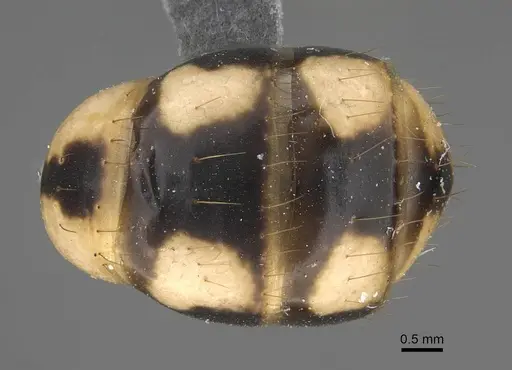
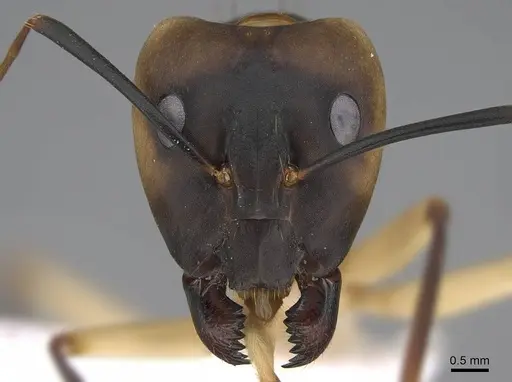
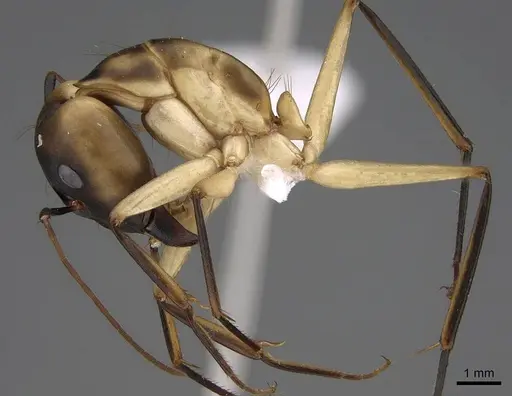
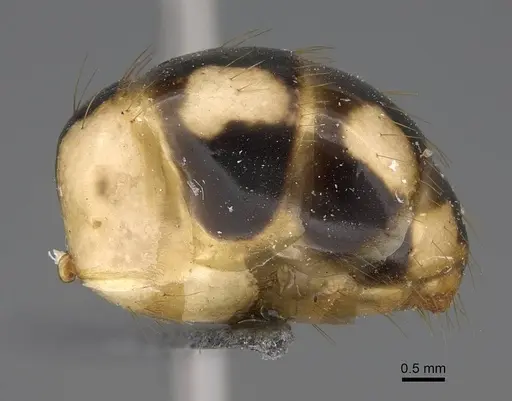
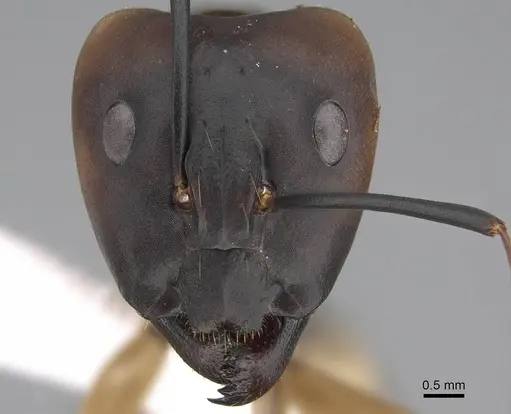
Camponotus aegyptiacus is a large, strongly polymorphic carpenter ant native to North Africa and the Arabian Peninsula. Workers range from small pale yellow individuals to large soldiers reaching 14-18mm in total length, with darker brown to black-brown coloration on the head and alitrunk . The species is easily recognized by the distinctive three yellow blotches on each side of the gaster that often merge laterally into an irregular banded pattern . Originally described from Egypt, this ant has spread across a wide range including Egypt, Libya, Oman, Saudi Arabia, Yemen, Kuwait, and parts of West and East Africa . This is a desert-adapted species that thrives in hot, dry environments. Workers are nocturnal foragers, actively searching for food at night across the desert floor and ascending trees and shrubs . They are omnivorous, feeding on honeydew, dead insects, and various organic matter. The species nests under rocks in rocky soil habitats . Males are known to fly to lights in the evening, indicating nocturnal nuptial flights .
Quick Summary
- Difficulty: Medium
- Origin & Habitat: North Africa and Arabian Peninsula, Egypt, Libya, Oman, Saudi Arabia, Yemen, Kuwait, and parts of West/East Africa (Benin, Eritrea, Kenya, Senegal). Found in desert and semi-desert habitats, typically nesting under rocks in rocky soil [3].
- Colony Type: Colony structure is unconfirmed. Colonies are strongly polymorphic with distinct minor and major worker castes [6].
- Size & Growth:
- Queen: Size data unavailable, inferred from large soldier size (~16-20mm based on Camponotus genus patterns)
- Worker: Small workers approximately 8-10mm, large workers (soldiers) 14-18mm in total length [1]
- Colony: Colony size at maturity is unconfirmed
- Growth: Moderate, typical for large Camponotus species
- Development: Development timeline is unconfirmed for this species (Large Camponotus species typically require several months for first workers to emerge. Development time depends on temperature.)
- Antkeeping:
- Temperature: Warm conditions required, aim for 24-28°C. This is a desert species adapted to high temperatures [3].
- Humidity: Low to moderate humidity. Keep nest substrate relatively dry, similar to their natural desert habitat. Provide a water source but avoid overly damp conditions.
- Diapause: Diapause requirements are unconfirmed. As a species from a warm climate, it may not require a cold period, but a slight reduction in temperature during winter months may be beneficial.
- Nesting: Y-tong (AAC) nests work well for this larger species. They naturally nest under rocks in rocky soil, so a naturalistic setup with a stone over compact soil can also work. Provide a dry nest chamber.
- Behavior: Generally calm temperament for a large carpenter ant. Workers are nocturnal foragers, so activity peaks at night [2]. They are not particularly aggressive but will defend the nest if threatened. Major workers can deliver a moderately painful sting. Escape prevention is important, use fluon on test tube rims and ensure formicarium connections are secure. Their large size makes them easier to contain than tiny ants, but they are strong and may attempt to chew through cotton barriers.
- Common Issues: colonies may struggle if kept too cold, maintain warm temperatures above 24°C, overwatering can be fatal, this desert species prefers drier conditions, slow founding phase, queens need patience during the first few months, wild-caught colonies may carry parasites that can devastate captive colonies, large soldiers may block nest connections if passages are too narrow
Housing and Nest Setup
Camponotus aegyptiacus adapts well to various nest types. Y-tong (AAC) nests are ideal because they provide the dark, compact chambers these ants prefer. You can also use test tubes for founding colonies, fill one tube with water reservoir and cotton, then connect to a foraging area. For larger colonies, acrylic nests or formicariums with compact chambers work well. This species tolerates drier conditions than many ants, so avoid setups that retain excessive moisture. Provide a temperature gradient within the nest area, with one side warmer (around 28°C) and another cooler. A heating cable on one side of the nest helps maintain these warm conditions. Ensure the foraging area is large enough for multiple workers to move and for you to place food. Cover any ventilation holes with fine mesh, while not tiny, they can still escape through surprisingly small gaps. [3][1]
Feeding and Diet
These ants are omnivorous and not picky eaters. In captivity, they readily accept sugar water, honey, or diluted syrup as an energy source. For protein, offer dead insects like mealworms, crickets, or fruit flies. They are nocturnal foragers in the wild [2], so placing food in the foraging area in the evening often yields better results. Remove uneaten protein after 24-48 hours to prevent mold. A constant sugar source should be available, a small dish of sugar water refreshed every few days works well. Young colonies typically accept small prey items, larger colonies can handle bigger insects. Some keepers report success with other protein sources like boiled egg or cat food, but insects remain the most natural and accepted food.
Temperature and Seasonal Care
As a desert species from North Africa and Arabia, Camponotus aegyptiacus requires warm conditions. Keep the nest area at 24-28°C for optimal brood development. Temperatures below 20°C can slow development significantly and may stress the colony. A heating cable placed on top of the nest (never underneath where it can dry out the water reservoir) helps maintain warmth. During winter, you can reduce temperatures slightly to simulate natural seasonal cycles, but this is not strictly required if you maintain warm year-round conditions. Watch for colony activity levels, if workers spend more time clustering near the heated area, increase temperature slightly. Avoid temperature fluctuations, as stable warmth promotes healthy colony growth. [3][2]
Colony Founding and Growth
Founding behavior is unconfirmed for this species. Large Camponotus queens are typically claustral, sealing themselves in a chamber and raising first workers from stored fat reserves. This phase can take several months depending on temperature. First workers (nanitics) are typically smaller than normal workers. After the first workers emerge, the colony enters a growth phase where the queen continues laying eggs and workers expand the nest. Growth rate is moderate, expect several months before you have a dozen workers, and a year or more to reach 100+ workers. Be patient during founding, overfeeding or disturbing the queen during this phase often causes colony failure. Keep the founding setup dark and undisturbed.
Behavior and Temperament
Camponotus aegyptiacus workers are primarily nocturnal, becoming most active in the evening and night hours [2]. They are not particularly aggressive but will defend the colony if the nest is disturbed. Major workers (soldiers) have functional stings and can deliver a noticeable sting if handled roughly or if the colony feels threatened. Workers communicate through chemical signals and may form foraging trails to food sources. In the wild, they ascend trees and shrubs to forage [3], so in captivity they will explore vertical space in the formicarium. They are generally calm foragers and do not exhibit the frantic, erratic movement seen in some smaller ant species. Their large size makes them easier to observe and handle than tiny ants, and they are less likely to escape unexpectedly.
Common Problems and Solutions
Several issues can trouble keepers of this species. Temperature-related problems are most common, keeping colonies too cold leads to sluggish behavior and poor brood development. Maintain warmth above 24°C. Overwatering is another frequent mistake, as a desert species, they prefer drier conditions. Allow the nest substrate to dry between waterings. Slow growth frustrates many beginners, remember that large Camponotus species take time. Do not overfeed or disturb the nest frequently. Wild-caught colonies may arrive with internal parasites that can decimate the colony, quarantine and observe new colonies before introducing them to existing setups. Finally, ensure all connections between nest areas are secure, while large, they can squeeze through gaps in poorly designed formicariums.
Frequently Asked Questions
How long does it take for Camponotus aegyptiacus to produce first workers?
Development timeline is unconfirmed for this species. Large Camponotus species typically require 6-12 weeks from egg to first worker at optimal temperature (24-28°C), but this varies based on how warm you keep the colony.
What do Camponotus aegyptiacus ants eat?
They are omnivorous. Offer a constant sugar source (sugar water, honey, or diluted syrup) and protein sources like dead insects (mealworms, crickets, fruit flies). They are nocturnal foragers, so evening feeding often works best.
What temperature do Camponotus aegyptiacus need?
Keep them warm at 24-28°C. This desert species is adapted to hot conditions and will be most active in this temperature range. A heating cable on one side of the nest creates an ideal gradient.
Are Camponotus aegyptiacus good for beginners?
They are intermediate in difficulty. Their large size makes them easier to observe and house than tiny ants, but they require warm temperatures and specific humidity conditions. Beginners should be prepared for the slow founding phase.
How big do Camponotus aegyptiacus colonies get?
Colony size at maturity is unconfirmed. Large Camponotus species can reach several thousand workers, but specific data for this species is not available.
Do Camponotus aegyptiacus need hibernation?
Diapause requirements are unconfirmed. As a species from a warm climate (North Africa and Arabian Peninsula), it likely does not require a cold period, but a slight temperature reduction during winter months may be beneficial.
When are nuptial flights for Camponotus aegyptiacus?
Males fly to lights in the evening, indicating nocturnal nuptial flights. Exact timing varies by region but typically occurs during warm summer months. In captivity, you would need to simulate these conditions.
Can I keep multiple Camponotus aegyptiacus queens together?
Colony type is unconfirmed for this species. Combining unrelated queens is not recommended as they will likely fight. A single established queen colony is the standard approach.
Why is my Camponotus aegyptiacus colony not growing?
Common causes include temperatures below 24°C, overwatering (they prefer dry conditions), disturbing the nest too frequently, or insufficient protein. Check these factors and ensure the queen is still laying eggs.
Report an Issue
The current care sheet is based fully on literature. See inconsistencies, or something that's incorrect? Please , it will be resolved after review from an admin. Contributing to the blogs tab also helps providing information, to make us be able to further improve the caresheets. Thank you for your support!
References

This caresheet is licensed under CC BY-SA 4.0 .
Community Blogs
CASENT0280280
View on AntWeb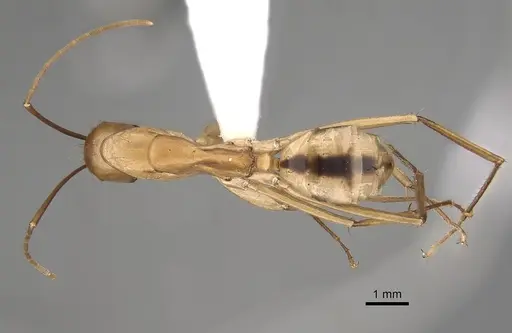
CASENT0280281
View on AntWeb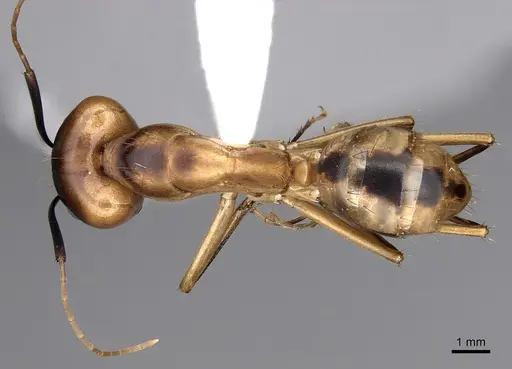
CASENT0905264
View on AntWeb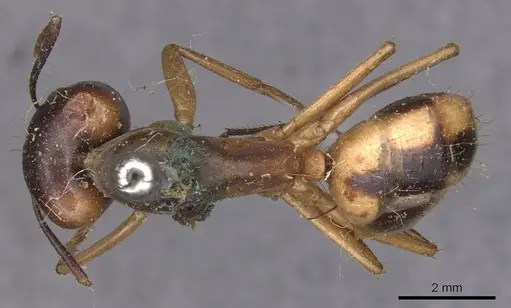
CASENT0905265
View on AntWeb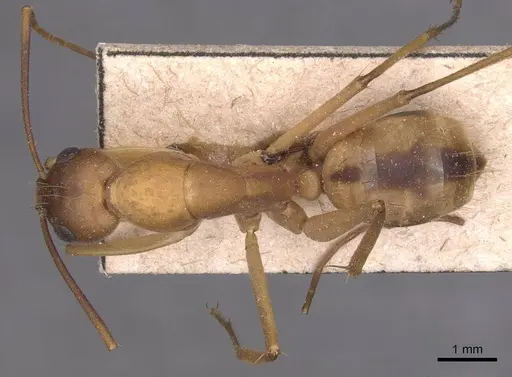
CASENT0911887
View on AntWeb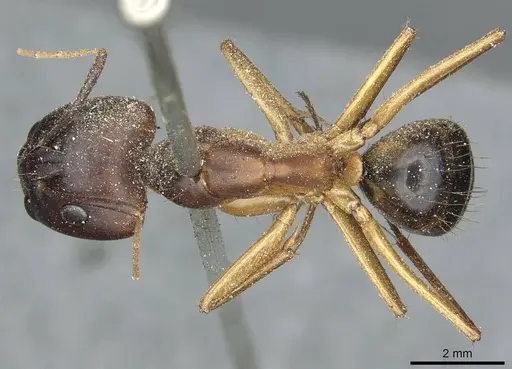
CASENT0911888
View on AntWeb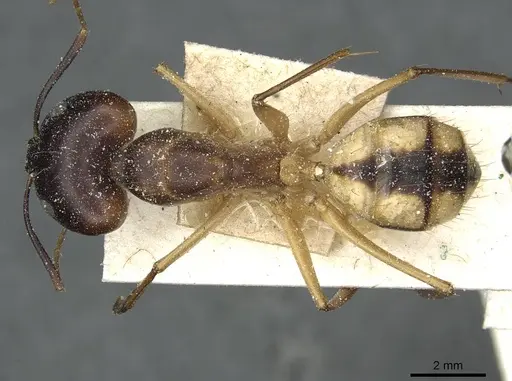
CASENT0911889
View on AntWeb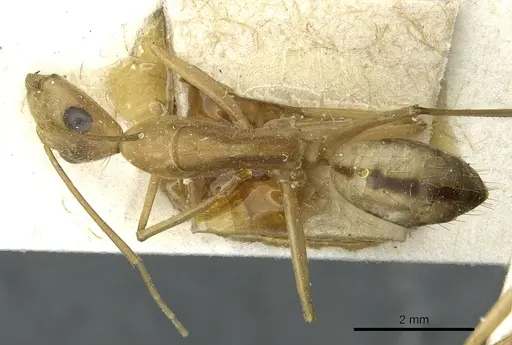
CASENT0911890
View on AntWeb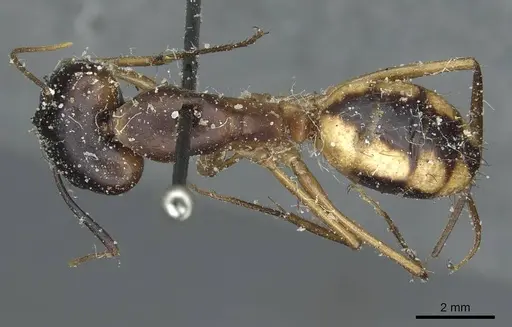
CASENT0911891
View on AntWeb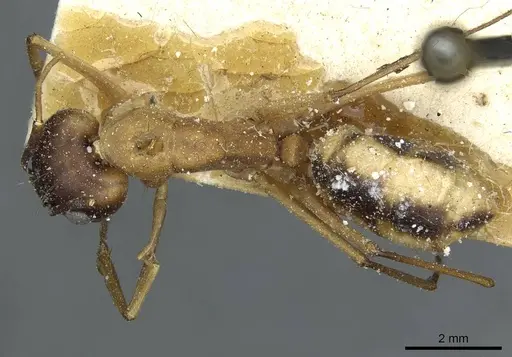
CASENT0911892
View on AntWeb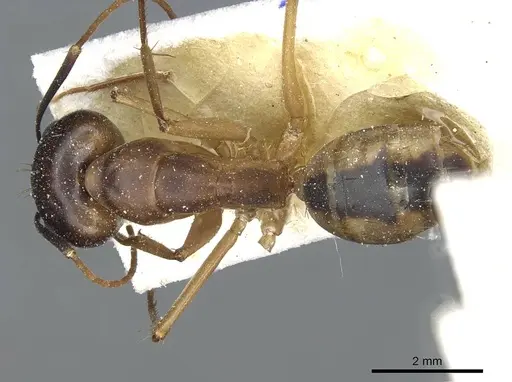
CASENT0911893
View on AntWeb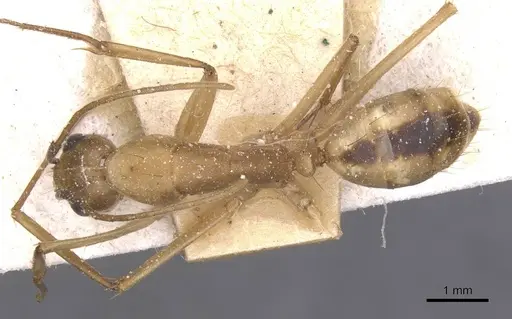
CASENT0922848
View on AntWeb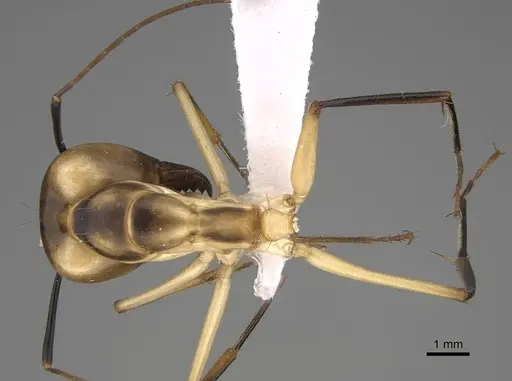
CASENT0922849
View on AntWeb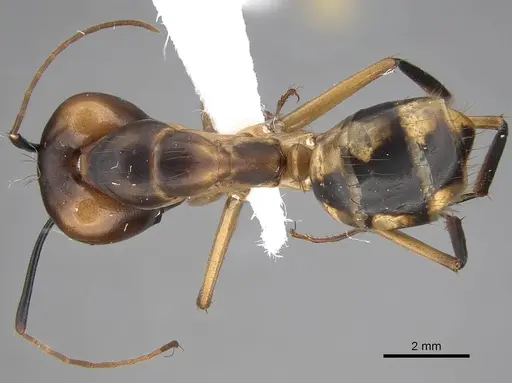
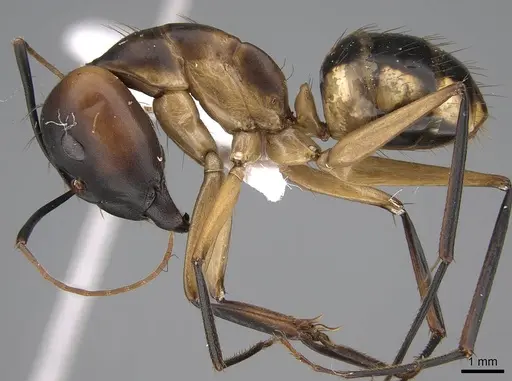
CASENT0922850
View on AntWeb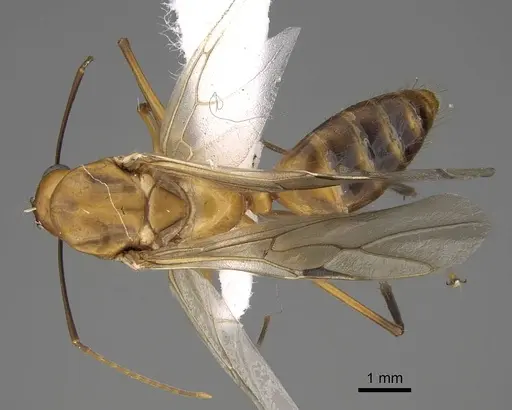
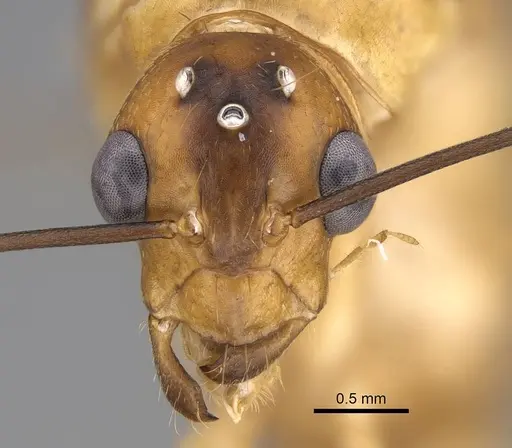
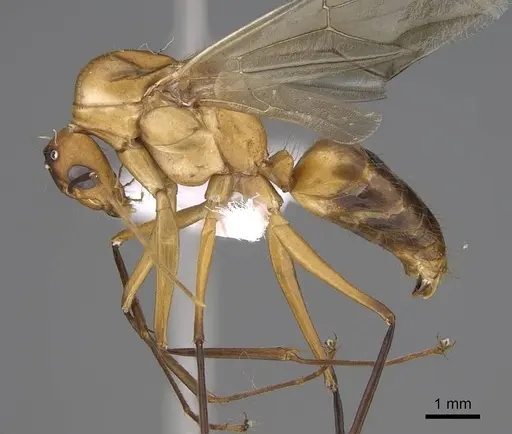
Literature
Loading distribution map...Loading products...