
Camponotus acvapimensis
- Sci. Name
- Camponotus acvapimensis
- Subgenus
- Tanaemyrmex
- Tribe
- Camponotini
- Subfamily
- Formicinae
- Author
- Mayr, 1862
- Distribution
- Found in 17 countries
Introduction
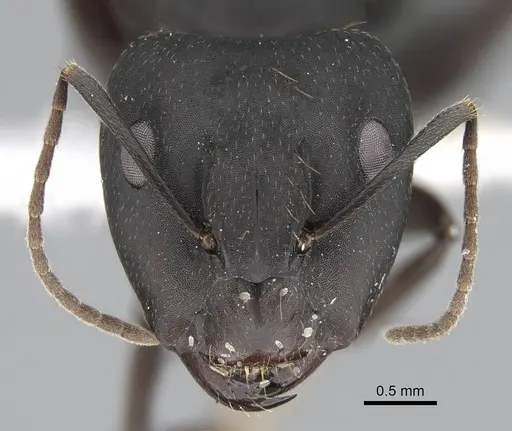
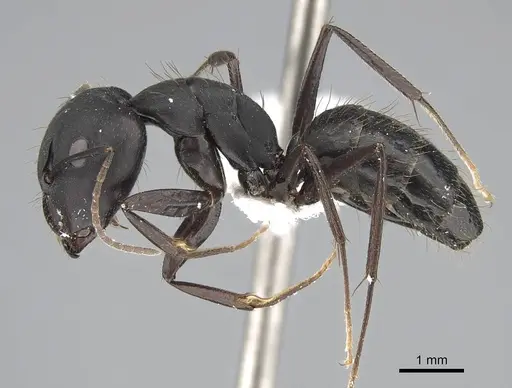
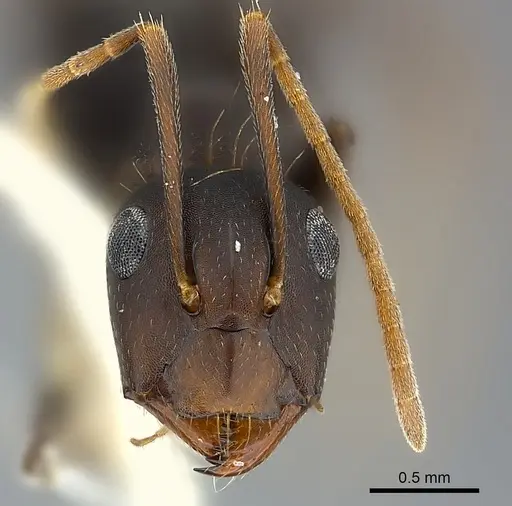
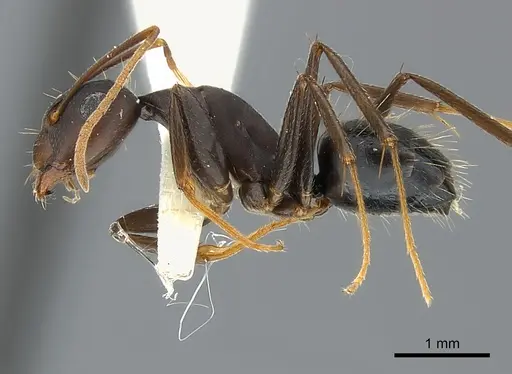
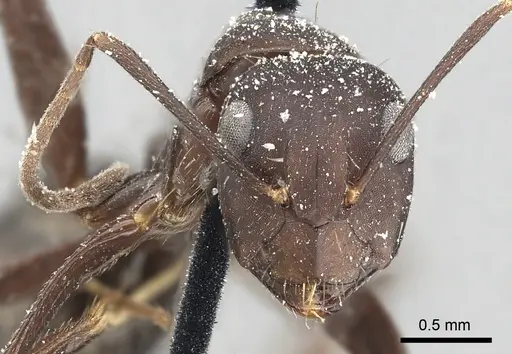
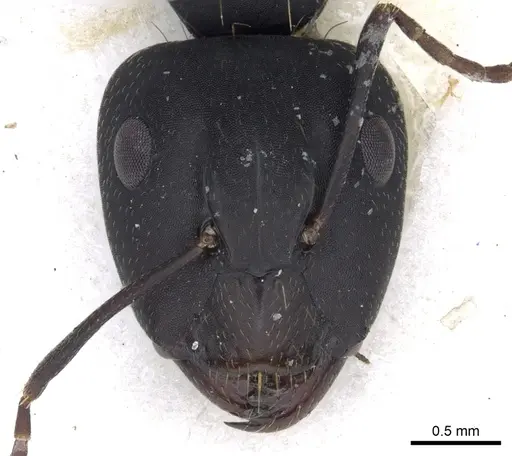
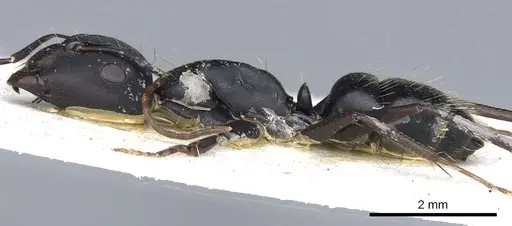
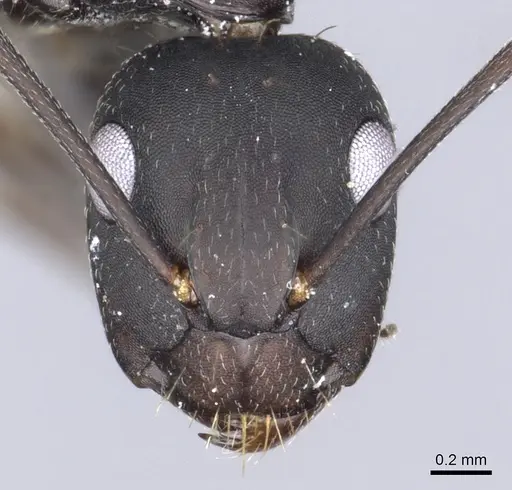
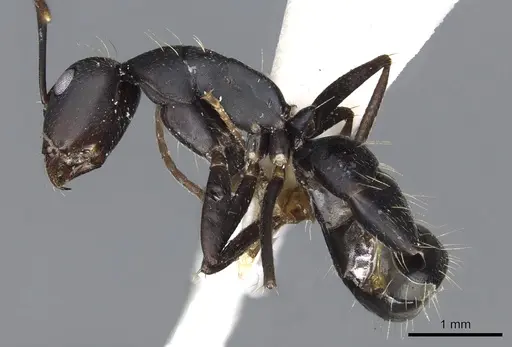
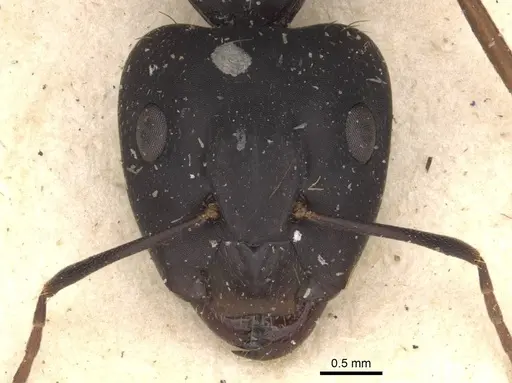
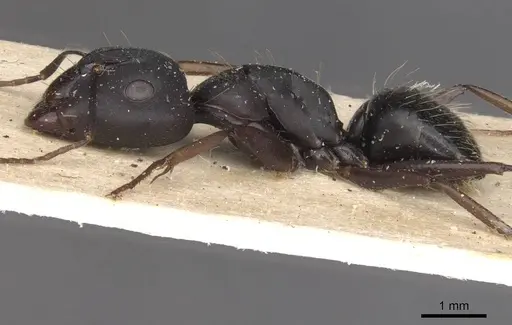
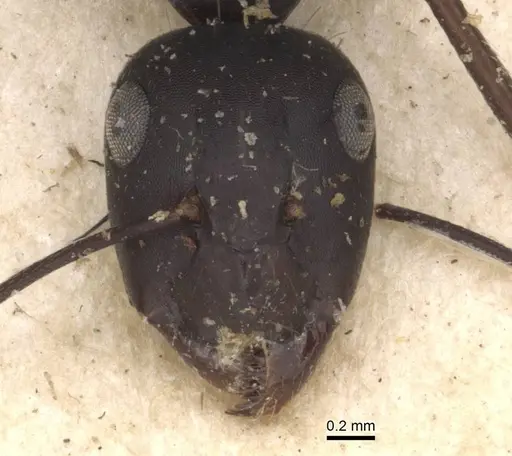
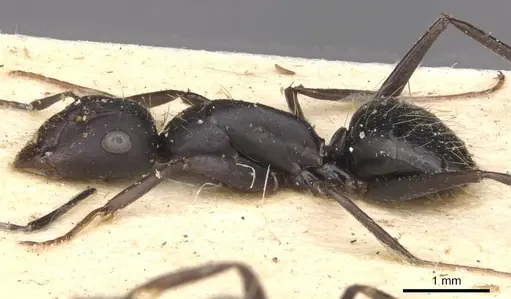
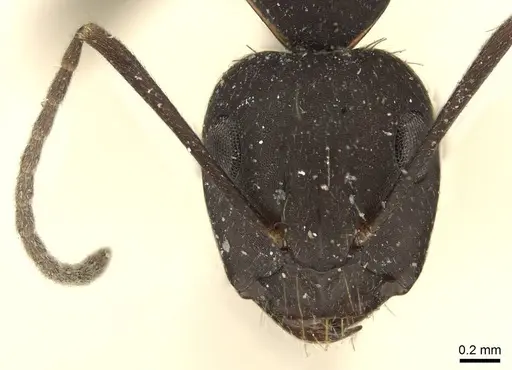
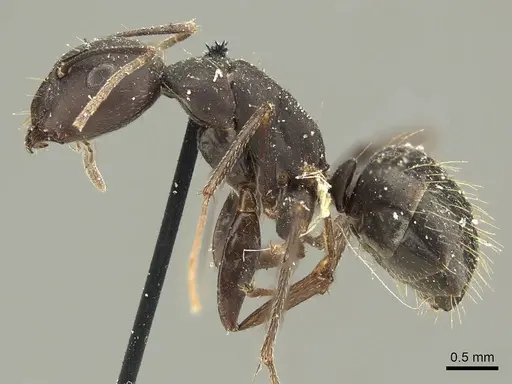
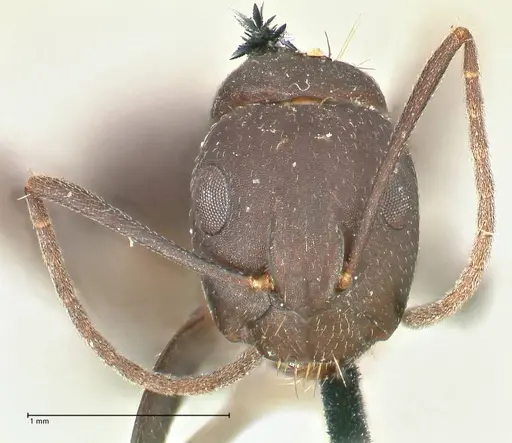
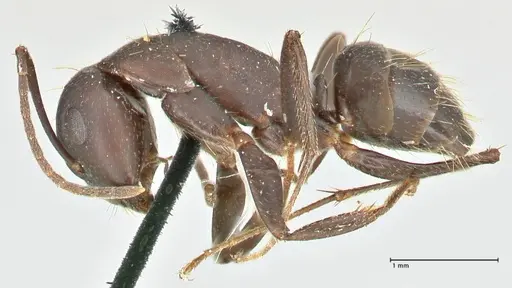
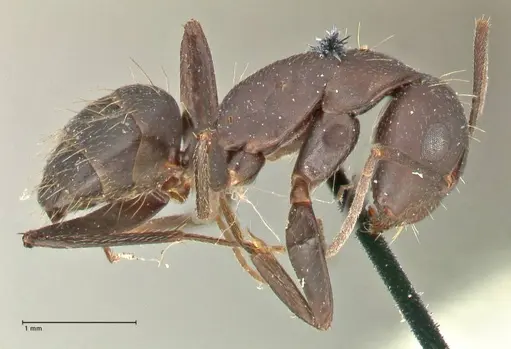
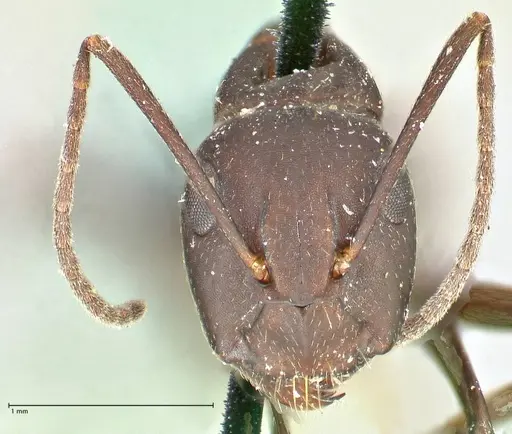
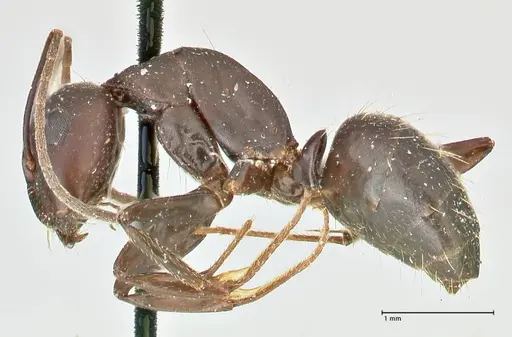
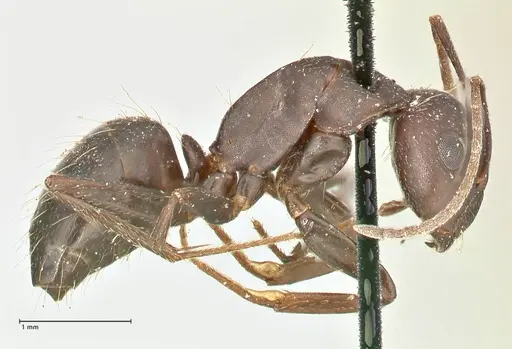
Camponotus acvapimensis is a dull black ant of moderate size, widely distributed across the African forest zone and savannas, extending from West Africa through tropical Africa to Yemen and Socotra . Workers have hairs on the ventral head and vertex, with the species appearing monomorphic due to low size variation . Originally a savannah species, it nests in branches and insolated ground, forages on the ground, in vegetation, and on trees [AntWiki]. This ant is famous for its relationship with Homoptera - it actively tends aphids, coccids, and other sap-sucking insects, often building protective soil shelters or 'tents' over them [AntWiki]. Colonies can reach 4,000-6,000 individuals with up to 1,200 nests per hectare in suitable habitat .
Quick Summary
- Difficulty: Medium
- Origin & Habitat: West Africa through tropical Africa, originally a savannah species now found in forest zones and agricultural areas [3][6]
- Colony Type: Single-queen colonies, colonies build extensive underground networks with multiple chambers [5]
- Size & Growth:
- Queen: size data unavailable, inferred from Camponotus genus (~12-15 mm)
- Worker: moderate size, monomorphic, inferred from Camponotus genus (~5-10 mm) [1]
- Colony: up to 6,000 workers per colony [5]
- Growth: Moderate
- Development: estimated 6-10 weeks at optimal temperature based on Camponotus genus patterns (Development time estimated from related Camponotus species, specific data for this species unavailable)
- Antkeeping:
- Temperature: 24-28°C (tropical species, keep warm)
- Humidity: Moderate, 50-70%. Provide moist substrate but allow drying between waterings. This savanna species tolerates drier conditions than forest ants.
- Diapause: No, being a tropical African species, they do not require hibernation. Keep warm year-round.
- Nesting: Y-tong or plaster nests work well. Provide both moist and dry areas. They will dig in soil if given the opportunity. Test tubes work for founding, naturalistic setups with soil substrate are also acceptable.
- Behavior: Foraging workers are very active and can be aggressive toward other ant species, particularly Oecophylla longinoda [3]. They are avid tenders of Homoptera and will farm aphids and scale insects, this is a key part of their behavior you'll observe in captivity. Workers build protective structures over their 'livestock'. They are generalist foragers, collecting honeydew and small prey. Escape risk is moderate, use standard Camponotus escape prevention. They are subordinate species in ant communities, meaning they avoid conflict with more dominant ants but compete effectively when those species are absent [7][8].
- Common Issues: farming harmful Homoptera, if you don't want aphids on your plants, keep this ant away from live vegetation, colonies can be aggressive toward other ant colonies if housed nearby, large colony size requires spacious housing as they expand, tropical species may struggle if temperatures drop below 20°C, workers may annoy you by tending aphids on any plant in their enclosure
Housing and Nest Setup
Camponotus acvapimensis does well in Y-tong or plaster nests with channels. They prefer nests with multiple chambers since wild colonies have many chambers (4,000-6,000 individuals in natural nests) [5]. For founding colonies, use a standard test tube setup with a water reservoir. Once the colony reaches 20-30 workers, you can move them to a larger formicarium. Provide a foraging area with easy access to protein foods and sugar water. Because they tend Homoptera, avoid placing live plants in their enclosure unless you want them to farm aphids. A simple outworld with a test tube or small nest attached works well for starting colonies.
Feeding and Diet
In the wild, Camponotus acvapimensis is an avid tender of Homoptera, they farm aphids, coccids, membracids, and other sap-sucking insects for honeydew [3]. They also forage for sugary secretions from plants and small prey. In captivity, offer sugar water or honey constantly as an energy source. For protein, provide insects like fruit flies, small crickets, mealworms, and other small arthropods. They will readily accept these foods. Avoid placing potted plants in their enclosure unless you want to observe their farming behavior, they will find and tend any aphids present. This species is not particularly specialized in its diet and will accept a wide range of foods typical for Camponotus.
Temperature and Seasonal Care
As a tropical African species, Camponotus acvapimensis needs warm conditions year-round. Keep the nest area at 24-28°C for optimal brood development. They do not require hibernation or diapause, maintaining warm temperatures year-round is essential. A heating cable or mat on one side of the nest can create a temperature gradient, allowing workers to self-regulate. Room temperature in most homes (20-24°C) may be acceptable, but colonies will be more active and develop faster when kept warmer. Avoid temperatures below 20°C for extended periods. Monitor colony behavior, if workers cluster near the heat source, increase temperature slightly. [3]
Behavior and Colony Dynamics
This is an active, generalist forager with interesting behaviors. Workers build protective soil shelters called 'étables' over Homoptera in the wild to protect their honeydew source [4]. They are known to be antagonistic toward Oecophylla longinoda, a more dominant tree-dwelling ant species [3]. In ant communities, they function as a subordinate species, they avoid direct competition with dominant ants but colonize areas when those species are absent [7][8]. Colonies expand through nuptial flights, with new queens starting colonies independently (claustral founding). Workers are moderately sized and all similar in size (monomorphic). The colony will grow to several thousand workers over several years.
Growth and Development
Camponotus acvapimensis follows typical Camponotus development patterns. After mating, a claustral queen seals herself in a chamber and raises the first brood using stored fat reserves. The first workers (nanitics) are typically smaller than mature workers. Development from egg to worker takes approximately 6-10 weeks at optimal temperature, though specific data for this species is not available. Growth rate is moderate, colonies reach several hundred workers within the first year under good conditions. Maximum colony size in the wild is 4,000-6,000 workers [5]. Colonies are long-lived, with queens potentially living for many years.
Frequently Asked Questions
How long does it take for Camponotus acvapimensis to produce first workers?
Expect first workers (nanitics) around 6-10 weeks after the queen lays eggs, assuming optimal temperature (24-28°C). This is estimated from typical Camponotus genus development, as specific timing for this species has not been documented.
Can I keep multiple Camponotus acvapimensis queens together?
This species is monogyne, colonies have a single queen. Combining unrelated queens is not recommended and has not been documented in research. If you catch multiple queens, house them separately.
What do Camponotus acvapimensis eat?
They are generalist feeders. Provide constant access to sugar water or honey for energy. For protein, offer small insects like fruit flies, pinhead crickets, or mealworms. They will also farm any aphids present in their enclosure.
Are Camponotus acvapimensis good for beginners?
They are rated as medium difficulty. They are more forgiving than some exotic species since they tolerate a wider range of conditions, but they do require warm temperatures year-round and can be aggressive. Their farming behavior with Homoptera is interesting but can be problematic if you have plants nearby.
Do Camponotus acvapimensis need hibernation?
No. As a tropical African species, they do not require hibernation or winter cooling. Keep them warm year-round at 24-28°C for best growth and activity.
How big do Camponotus acvapimensis colonies get?
Wild colonies reach up to 6,000 workers [5]. In captivity, well-fed colonies can reach similar sizes over several years. They build extensive multi-chamber nests to accommodate their population.
Why are my Camponotus acvapimensis building shelters?
This is normal behavior, they build protective structures over Homoptera (aphids, scale insects) to protect their honeydew source. If you see this, it means they are farming insects in their enclosure, which is completely natural for this species.
What temperature is best for Camponotus acvapimensis?
Keep nest areas at 24-28°C. They are a tropical species and thrive in warm conditions. A heating cable on one side of the nest creates a gradient they can regulate themselves. Avoid temperatures below 20°C.
Report an Issue
The current care sheet is based fully on literature. See inconsistencies, or something that's incorrect? Please , it will be resolved after review from an admin. Contributing to the blogs tab also helps providing information, to make us be able to further improve the caresheets. Thank you for your support!
References

This caresheet is licensed under CC BY-SA 4.0 .
Community Blogs
ANTWEB1025363
View on AntWeb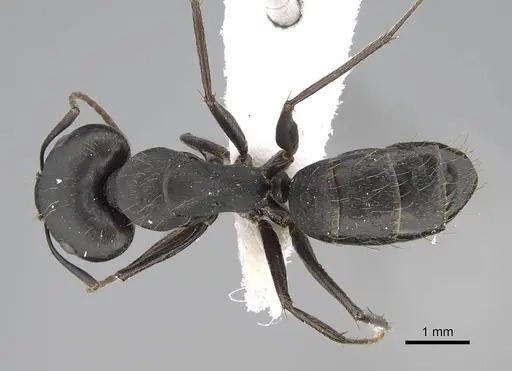
CASENT0217601
View on AntWeb
CASENT0249859
View on AntWeb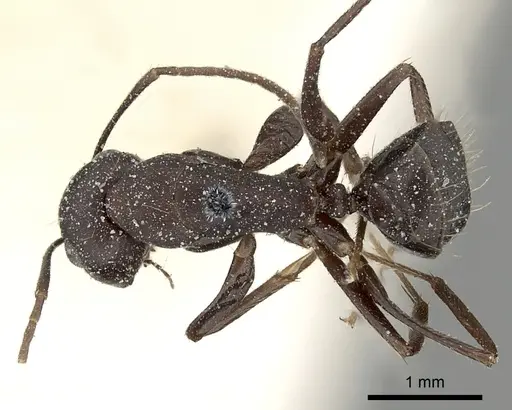
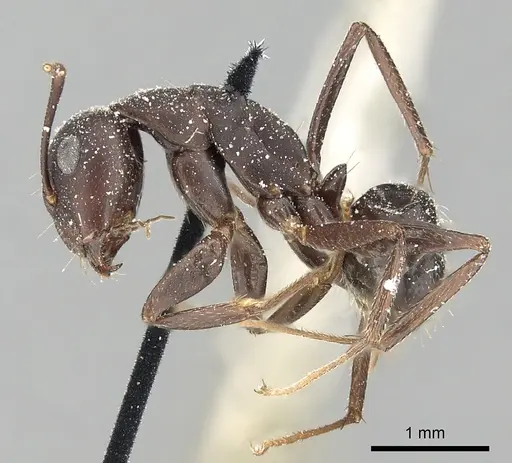
CASENT0746632
View on AntWeb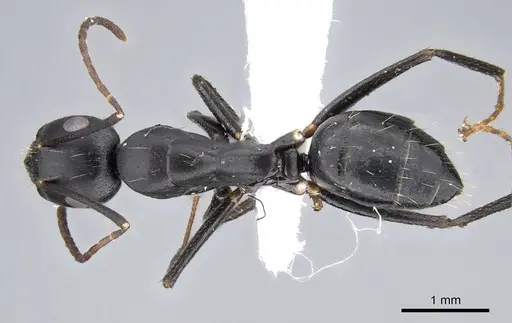
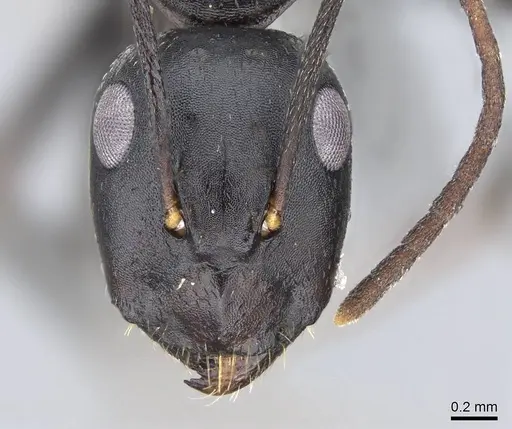
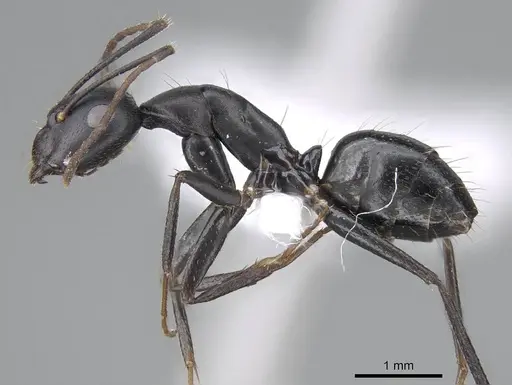
CASENT0903527
View on AntWeb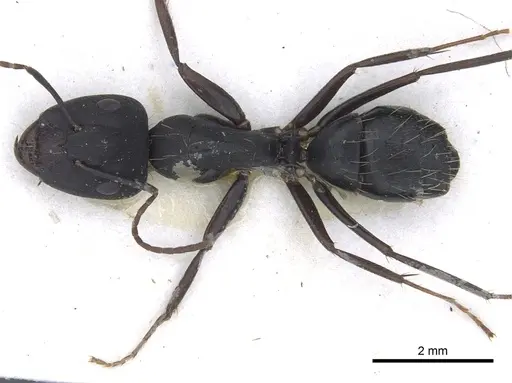
CASENT0903528
View on AntWeb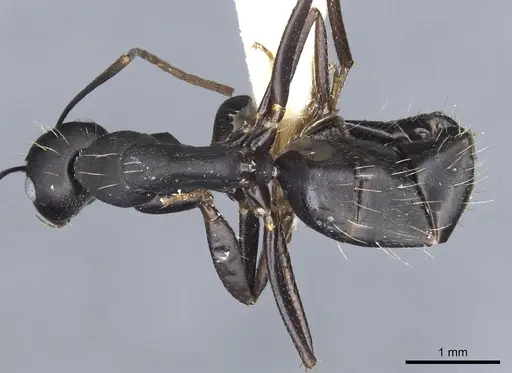
CASENT0910101
View on AntWeb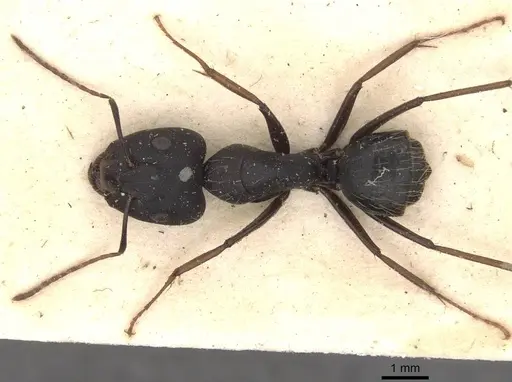
CASENT0910102
View on AntWeb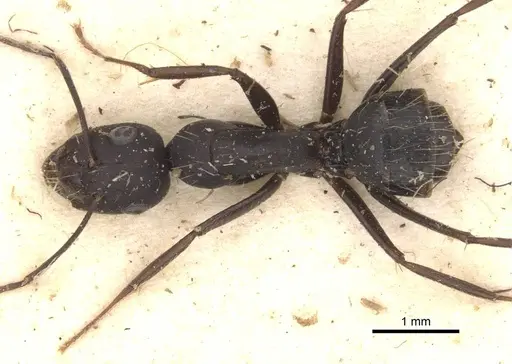
CASENT0915680
View on AntWeb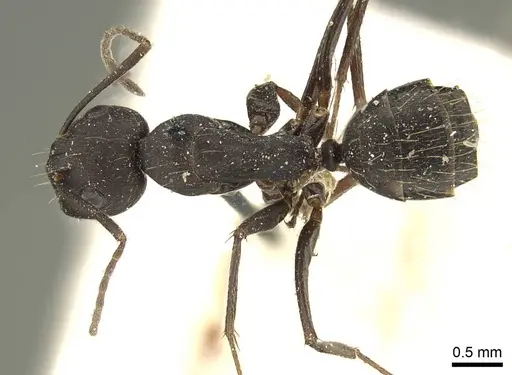
FOCOL2420
View on AntWeb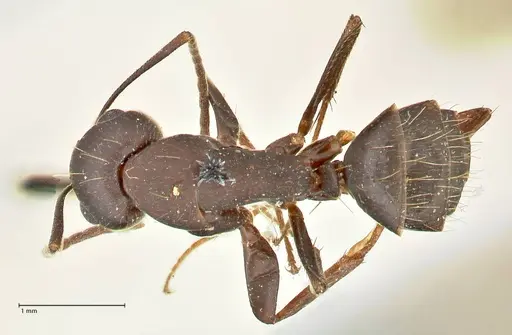
FOCOL2421
View on AntWeb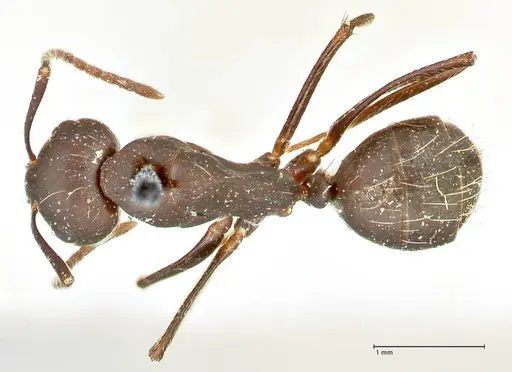
Literature
Loading distribution map...Loading products...