
Calyptomyrmex foreli
- Sci. Name
- Calyptomyrmex foreli
- Tribe
- Crematogastrini
- Subfamily
- Myrmicinae
- Author
- Emery, 1915
- Distribution
- Found in 1 countries
Introduction
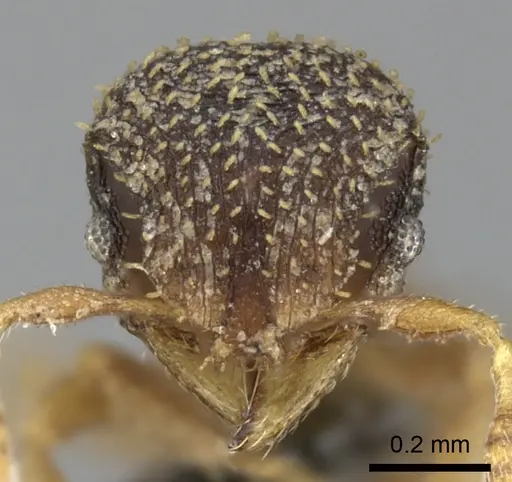
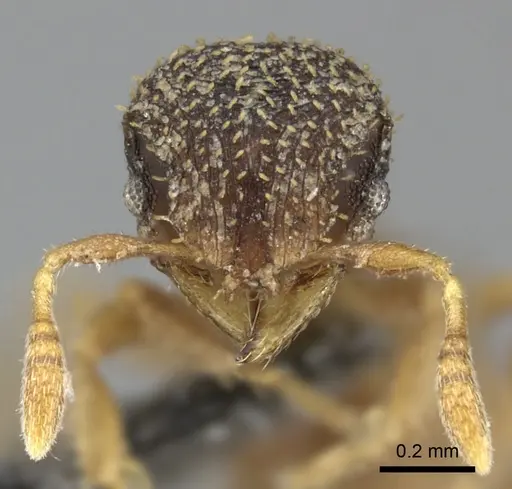
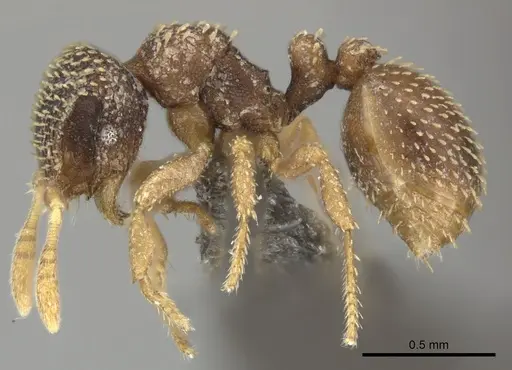
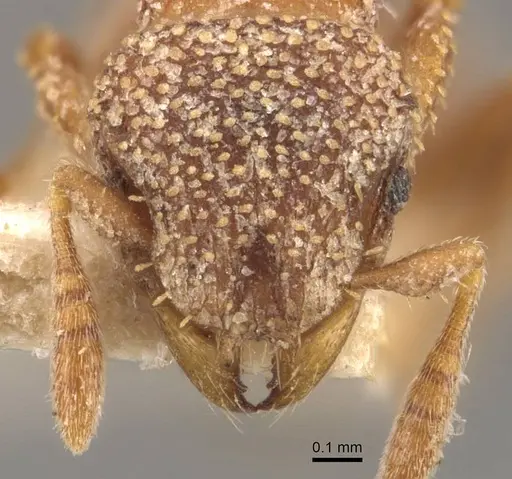
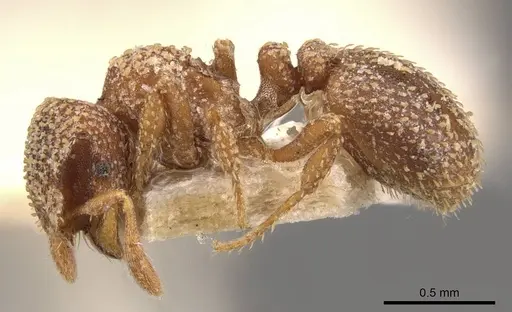
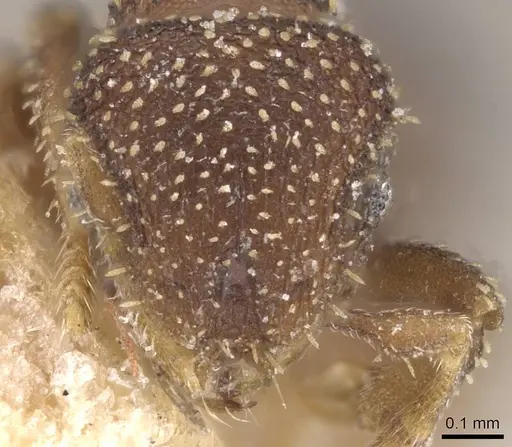
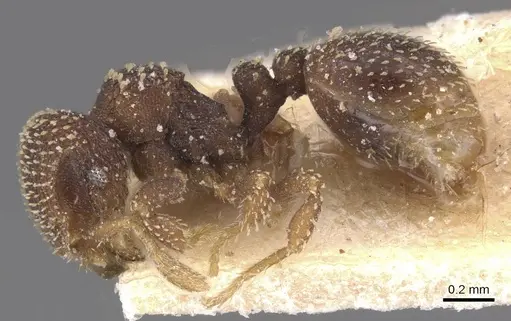
Calyptomyrmex foreli is a small Myrmicinae ant species native to the Afrotropical region, documented from Eritrea, Ethiopia, Gabon, Kenya, and South Africa [AntWiki]. Originally described as Dicroaspis emeryi in 1910 before being renamed by Emery in 1915, this species remains poorly studied in both wild and captive settings. Workers display the characteristic genus features including a broadly rounded head and compact body form. These ants inhabit rotting wood and decaying organic matter in forest environments, where they occupy a specialized ecological niche as cryptic foragers.
Quick Summary
- Difficulty: Unknown, likely Expert due to limited available care information
- Origin & Habitat: Afrotropical region, documented from Eritrea, Ethiopia, Gabon, Kenya, and South Africa. In nature, they nest in rotting wood and decaying organic matter in forest habitats [1][2].
- Colony Type: Colony structure is unconfirmed. No documented data exists on whether they are monogyne or polygyne.
- Size & Growth:
- Queen: Size data unavailable, no specific measurements documented in scientific literature
- Worker: Size data unavailable, no specific measurements documented in scientific literature
- Colony: Unknown, no colony size data available
- Growth: Unknown, no development data available
- Development: Unconfirmed, no direct measurements exist (Development time has not been documented in scientific literature for this species)
- Antkeeping:
- Temperature: Start around 22-26°C and observe colony activity. No specific thermal studies exist for this species, but forest-dwelling Myrmicinae typically prefer moderate, stable temperatures. Adjust based on colony behavior.
- Humidity: Keep nest substrate moderately moist but not waterlogged. These forest-dwelling ants prefer damp conditions similar to rotting wood habitats.
- Diapause: Unknown, no published data on overwintering requirements. Given their African distribution spanning tropical to subtropical regions, they likely do not require a true diapause.
- Nesting: In captivity, provide setups that mimic their natural rotting wood habitat. Y-tong (AAC) nests or plaster nests with moisture retention work well. Provide narrow chambers and tight passages scaled to their small size.
- Behavior: Behavior is poorly documented. Based on genus-level observations, Calyptomyrmex workers are typically slow-moving, cryptic ants that forage within confined spaces and under cover. They are not aggressive. Escape risk is moderate due to their small size, use standard barrier methods.
- Common Issues: lack of available care information makes proper husbandry challenging, no documented diet preferences, must experiment with accepted foods, unknown founding behavior means establishing colonies from wild-caught queens is risky, slow growth and lack of data may frustrate keepers expecting visible progress, wild-caught colonies may have unknown parasites or health issues
Nest Preferences and Housing
Calyptomyrmex foreli nests in rotting wood and decaying organic matter in their natural habitat [1]. In captivity, provide a nest environment that mimics these damp, enclosed conditions. Y-tong (AAC) nests work well because they retain moisture and provide the dark, enclosed spaces these cryptic ants prefer. Plaster nests with a water reservoir also maintain appropriate humidity. The chambers should be appropriately sized for their small worker size, narrow passages and tight spaces are better than large open areas. Always provide an outworld area for foraging that is easy to clean.
Feeding and Diet
Diet preferences are not documented for this species. Based on typical Calyptomyrmex behavior and their forest-floor niche, they likely scavenge for small arthropods, honeydew, and decaying organic matter. In captivity, start with a varied diet including sugar water or honey as an energy source, and small protein sources like fruit flies, pinhead crickets, or mealworm pieces. Given their small size, prey items should be appropriately sized. Remove uneaten food promptly to prevent mold.
Temperature and Seasonal Care
No specific temperature requirements have been documented for Calyptomyrmex foreli. As a forest-dwelling species from tropical to subtropical Africa, they likely prefer temperatures in the low-to-mid 20s Celsius. Avoid extreme temperatures, keep them away from direct sunlight and drafts. A heating cable on one side of the nest can create a temperature gradient, allowing the colony to self-regulate. Their seasonal requirements are unknown, but given their African distribution, they likely do not require a true hibernation diapause.
Colony Establishment and Founding
The founding behavior of Calyptomyrmex foreli has not been documented in scientific literature. If you obtain a wild-caught queen, provide her with a small test tube setup with moist cotton or substrate, keep her in darkness, and do not disturb her for several weeks. Do not attempt to feed the founding queen. Only introduce food once the first workers emerge.
Behavior and Observation
Calyptomyrmex foreli is a cryptic, slow-moving ant that prefers dark, enclosed spaces. They are not aggressive and pose no threat to keepers. Observation is one of the main challenges with this species, they will spend most of their time hidden within the nest structure. When they do venture into the outworld, it is typically at night or when disturbed. Their small size means they can be easily overlooked. These ants are not suitable for keepers who want highly active, visible colonies.
Frequently Asked Questions
How long does it take for Calyptomyrmex foreli to produce first workers?
The exact timeline is unconfirmed. No scientific documentation exists for development time in this species.
What do Calyptomyrmex foreli ants eat?
Diet is not documented for this species. Based on genus-level observations, they likely accept small insects, honeydew, and sugar sources. Start with sugar water or honey and small protein sources. Remove uneaten food promptly.
What temperature do Calyptomyrmex foreli ants need?
No specific requirements exist in scientific literature. Based on their African forest habitat, start around 22-26°C and observe colony behavior. Avoid temperatures above 30°C or below 18°C.
Do Calyptomyrmex foreli ants need hibernation?
Diapause requirements are unknown. Given their distribution across tropical and subtropical Africa, they likely do not require a true hibernation.
How big do Calyptomyrmex foreli colonies get?
Colony size is unknown, no published data exists on maximum colony size for this species.
Is Calyptomyrmex foreli a good species for beginners?
No. This species is not recommended for beginners due to the complete lack of documented care information. Every aspect of their husbandry requires experimentation and guesswork.
Can I keep multiple Calyptomyrmex foreli queens together?
Colony structure is unconfirmed. There is no data on whether they are monogyne or polygyne. Combining unrelated queens is not recommended.
What type of nest is best for Calyptomyrmex foreli?
Nests that mimic their natural rotting wood habitat work best. Y-tong (AAC) nests or plaster nests with moisture retention provide the dark, damp conditions they prefer.
Do Calyptomyrmex foreli ants sting?
Stinging behavior is not documented for this species. As a Myrmicinae member, they have a stinger but their small size likely limits effectiveness against humans.
Where is Calyptomyrmex foreli found in the wild?
This species is native to the Afrotropical region, specifically documented from Eritrea, Ethiopia, Gabon, Kenya, and South Africa [1][2].
Report an Issue
The current care sheet is based fully on literature. See inconsistencies, or something that's incorrect? Please , it will be resolved after review from an admin. Contributing to the blogs tab also helps providing information, to make us be able to further improve the caresheets. Thank you for your support!
References

This caresheet is licensed under CC BY-SA 4.0 .
Community Blogs
CASENT0235830
View on AntWeb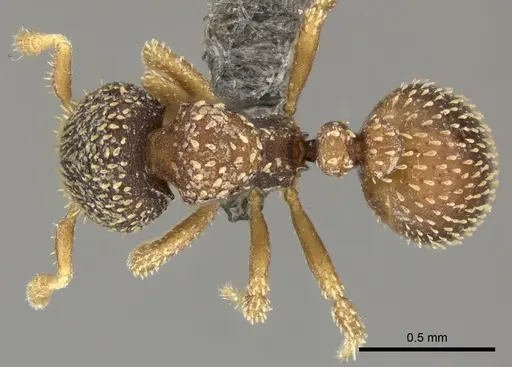
CASENT0904679
View on AntWeb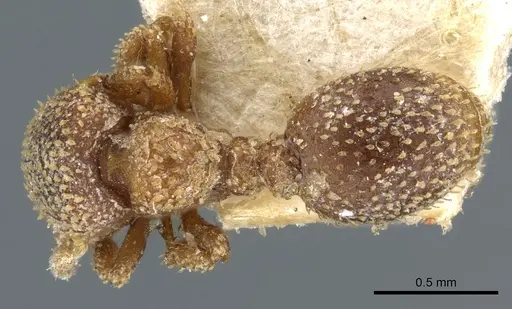
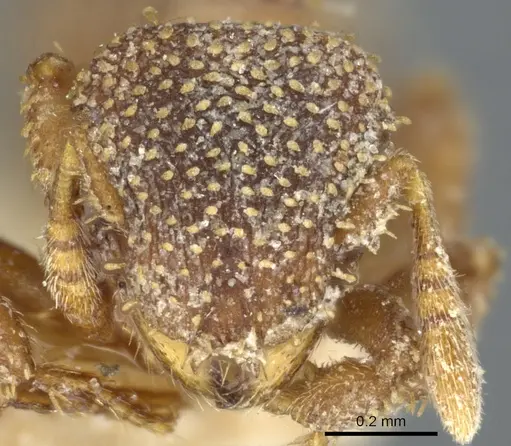
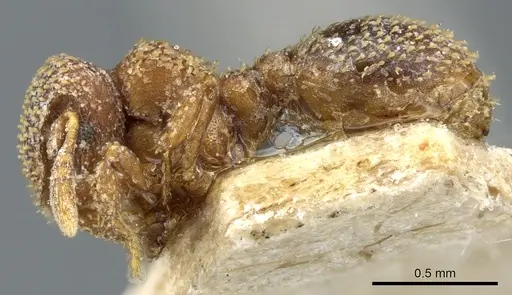
CASENT0908926
View on AntWeb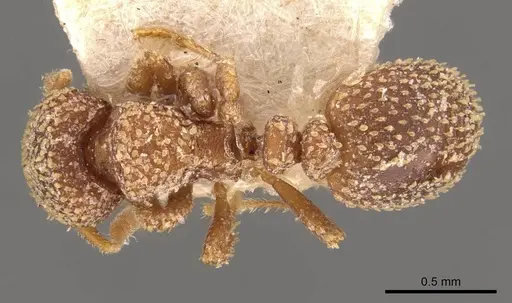
CASENT0913953
View on AntWeb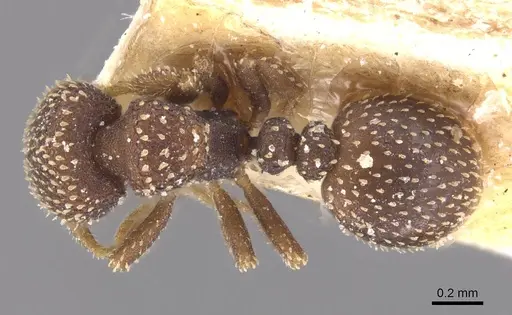
Literature
Loading distribution map...Loading products...