
Calyptomyrmex barak
- Sci. Name
- Calyptomyrmex barak
- Tribe
- Crematogastrini
- Subfamily
- Myrmicinae
- Author
- Bolton, 1981
- Distribution
- Found in 6 countries
Introduction
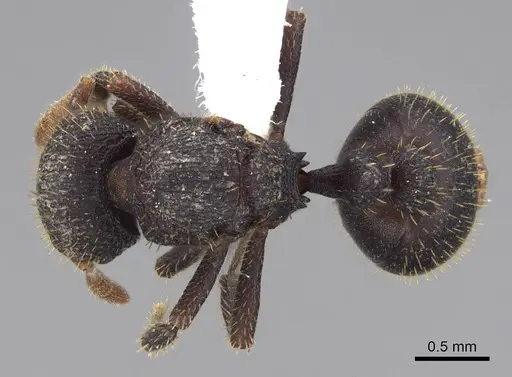
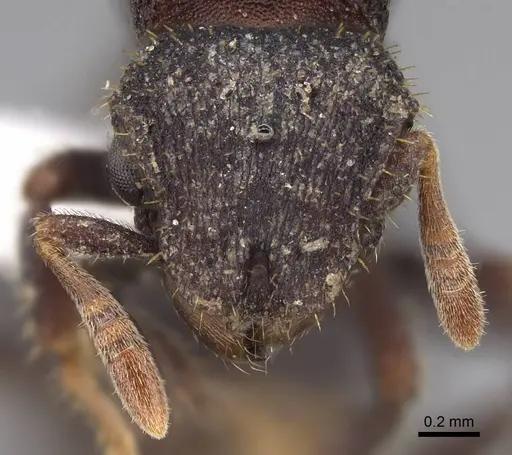
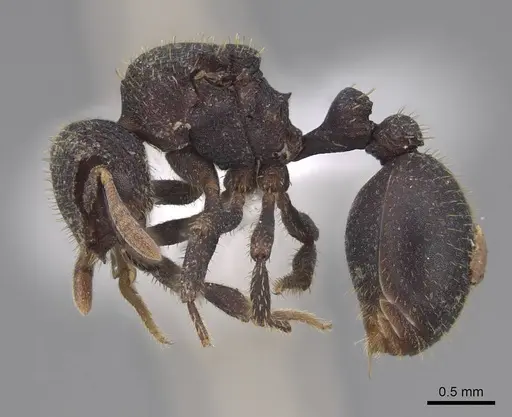
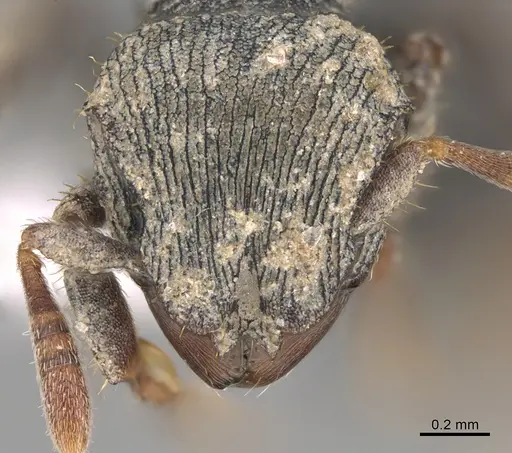
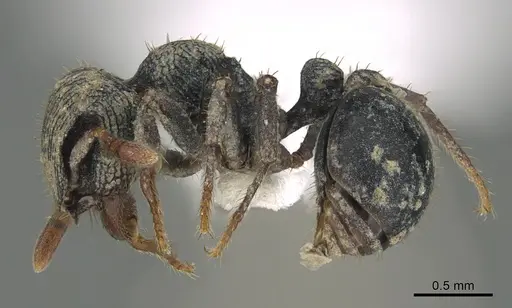
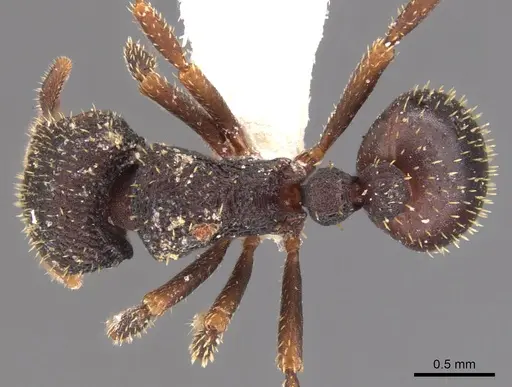
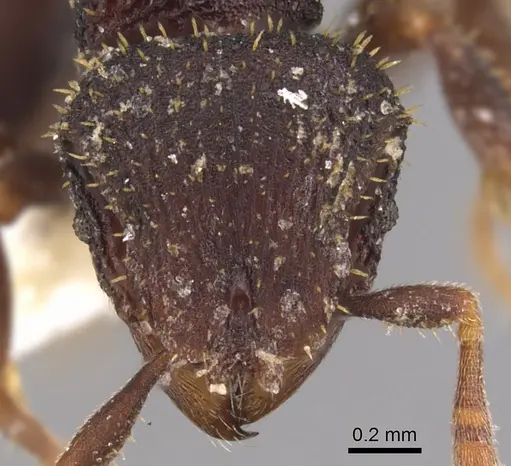
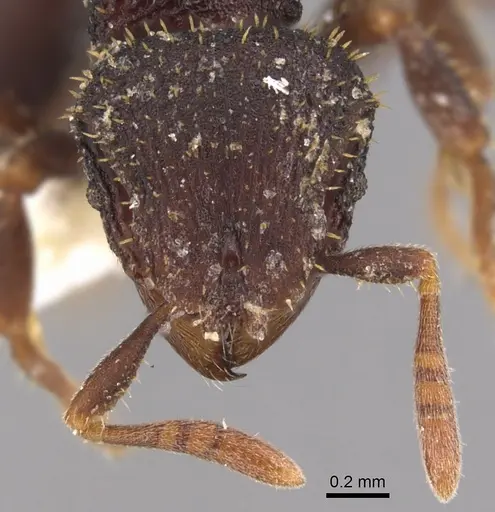
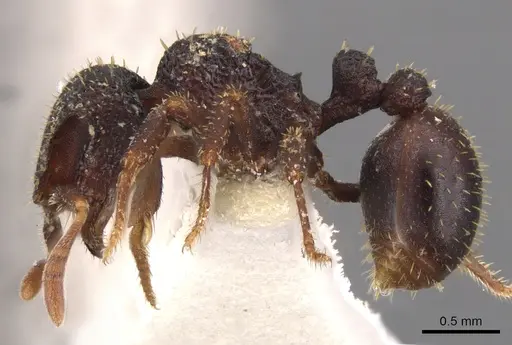
Calyptomyrmex barak is a tiny rainforest ant species from the Myrmicinae subfamily, found across West Africa and into Rwanda. Workers are small ants that live in rotting wood and leaf litter on the forest floor. The genus Calyptomyrmex is known for their cryptic lifestyle - they nest in tiny cavities within decaying wood and are rarely seen except when foraging. This species was described by Bolton in 1981 from specimens collected in Ghana, Nigeria, Ivory Coast, and Gabon [AntWiki]. The species name 'barak' honors the collector. These ants are seldom kept in captivity and are considered a specialist of pristine rainforest microhabitats.
Quick Summary
- Difficulty: Medium
- Origin & Habitat: West African rainforest zones, Ghana, Nigeria, Ivory Coast, Gabon, and Rwanda. They live in rotting wood, under bark, and within leaf litter on the forest floor. Found at low elevation (around 110m) in Gabon and in montane forest sites in Rwanda [2][3][1].
- Colony Type: Colony structure is unconfirmed. No data on queen number or ergatoid (wingless replacement) queens exists for this species.
- Size & Growth:
- Queen: Size data unavailable, no specific measurements exist for this species
- Worker: Size data unavailable, no specific measurements exist for this species
- Colony: Likely small colonies based on typical genus patterns
- Growth: Unknown
- Development: Unknown, no development data exists for this species (No direct development data exists for this species.)
- Antkeeping:
- Temperature: Keep around 24-28°C, mimicking stable tropical rainforest conditions. A gentle gradient allowing them to self-regulate is ideal.
- Humidity: High humidity is essential, these ants live in rotting wood and leaf litter in humid forests. Keep nest substrate consistently moist but not waterlogged.
- Diapause: Unlikely, being a tropical rainforest species, they probably do not require a diapause period.
- Nesting: In captivity, they do well in naturalistic setups with rotting wood pieces, cork, or a Y-tong/plaster nest with small chambers. They prefer tight, enclosed spaces scaled to their tiny size. Avoid tall open chambers, they feel exposed in large spaces. Provide multiple small chambers connected by narrow tunnels.
- Behavior: These are shy, cryptic ants that avoid light and disturbance. Workers are slow-moving and forage primarily at night or in dim conditions. They are not aggressive and will retreat rather than fight. Escape prevention is critical due to their very small size, they can squeeze through standard test tube cotton and tiny gaps. Use fine mesh and tight-fitting barriers. They are not known to sting and pose no danger to keepers.
- Common Issues: escape prevention is critical, their tiny size means they squeeze through gaps that larger ants cannot, colonies are slow-growing and small, making them vulnerable to stress, they are sensitive to drying out, nest must stay humid, wild-caught colonies may have parasites or fail to adapt to captivity, they are rarely available and poorly documented in the antkeeping hobby
Natural History and Distribution
Calyptomyrmex barak is found across the Afrotropical region, with confirmed records from Ghana, Nigeria, Ivory Coast, Gabon, and Rwanda. The original type specimens were collected from rotting stumps and logs in rainforest environments, with the holotype from Ghana (Baudua) and paratypes from multiple West African sites [1]. In Rwanda, this species was first recorded in 2022 from montane forest sites at Kitabi, Igishigishigi, and Pindura in Nyungwe National Park [3]. They appear to be lowland specialists in Gabon (found at 110m elevation) but may tolerate higher elevations in Rwanda's montane forests [2][3]. The species is considered a cryptic forest-floor dweller, rarely collected except through leaf litter extraction methods.
Nest Preferences and Housing
In nature, Calyptomyrmex barak nests within rotting wood and under bark on the forest floor. They prefer tiny cavities within decayed wood, not exposed soil chambers. For captive care, naturalistic setups work best, provide small pieces of rotting wood, cork, or leaf litter material they can nest within. A Y-tong nest with small, tight chambers also works well if you add some natural substrate material. The key is providing enclosed spaces that feel secure, these ants are cryptic and become stressed in open, bright conditions. Keep the nest humid and provide a water tube for moisture. Avoid large, open formicarium spaces scaled for bigger ants. [1]
Feeding and Diet
Calyptomyrmex are likely omnivorous like most Myrmicinae, feeding on small insects, honeydew, and nectar in nature. In captivity, offer small live prey such as fruit flies, pinhead crickets, and small mealworms. They will likely accept sugar water or honey as well. Feed small amounts of protein 2-3 times per week, and keep a sugar source available at all times. Because of their tiny size, prey items should be appropriately scaled, very small insects or pre-killed portions. Remove uneaten prey after 24-48 hours to prevent mold.
Temperature and Seasonal Care
As a tropical rainforest species from West Africa, Calyptomyrmex barak requires warm, stable temperatures around 24-28°C. They are not tolerant of cool conditions. In most room temperature homes (around 20-22°C), you may need to provide gentle heating using a heating cable or mat placed on one side of the nest to create a temperature gradient. This allows the ants to self-regulate by moving to warmer or cooler areas. High humidity is equally important, aim for 70-80% relative humidity within the nest area. Unlike temperate species, they do not require hibernation or diapause. However, they may slow down slightly during cooler winter months if your home temperature drops. [2]
Behavior and Handling
These are shy, non-aggressive ants that prefer to stay hidden. Workers are slow-moving and forage primarily in dim conditions or at night. They will not sting and pose no danger to keepers. The main challenge is their tiny size, they are excellent escape artists and can squeeze through remarkably small gaps. Use fine mesh (at least 0.5mm or smaller), tight-fitting lids, and barrier methods like fluon on tube rims. When observing them, use red light or dim lighting as they avoid bright light. Be patient, these ants are not active foragers and may take time to emerge for food.
Frequently Asked Questions
Is Calyptomyrmex barak suitable for beginners?
This species is not ideal for beginners. They are rarely available, poorly documented in captivity, and require specific conditions (high humidity, warm temperatures, tiny escape-proof housing). They are also slow-growing and small, making them vulnerable to mistakes. If you're interested in Calyptomyrmex, start with more common species first.
How long does it take for Calyptomyrmex barak to produce first workers?
Exact development time is unknown for this species. No development data exists in the literature.
What do Calyptomyrmex barak ants eat?
They likely accept small live prey (fruit flies, tiny crickets, springtails), sugar water, and honey. Feed small protein items 2-3 times per week with a constant sugar source available. Scale prey to their tiny worker size.
Do Calyptomyrmex barak ants sting?
No, these ants are not known to sting and pose no danger to humans. They are completely harmless to keepers.
What temperature do Calyptomyrmex barak ants need?
Keep them warm at 24-28°C. They are tropical rainforest ants and need consistently warm conditions. A heating cable on one side of the nest can help maintain proper temperatures.
How big do Calyptomyrmex barak colonies get?
Colony size is unconfirmed but likely remains small, probably under a few hundred workers based on typical genus patterns. They are not large colony builders.
Can I keep multiple Calyptomyrmex barak queens together?
This has not been documented. Colony structure data does not exist for this species. Combining unrelated queens is not recommended as it has not been studied.
Why are my Calyptomyrmex barak ants escaping?
Their tiny size makes them excellent escape artists. Use fine mesh (0.5mm or smaller), tight-fitting lids, and apply fluon or other barriers to all openings. Check test tubes and formicarium connections regularly.
Do Calyptomyrmex barak ants need hibernation?
No, being a tropical rainforest species, they do not require hibernation. They may slow slightly during cooler winter months but no special winter care is needed.
What type of nest should I use for Calyptomyrmex barak?
Naturalistic setups with rotting wood pieces, cork, or a Y-tong nest with small, tight chambers work best. They need enclosed spaces scaled to their tiny size, avoid large, open chambers that make them feel exposed.
Report an Issue
The current care sheet is based fully on literature. See inconsistencies, or something that's incorrect? Please , it will be resolved after review from an admin. Contributing to the blogs tab also helps providing information, to make us be able to further improve the caresheets. Thank you for your support!
References

This caresheet is licensed under CC BY-SA 4.0 .
Community Blogs
Literature
Loading distribution map...Loading products...