
Calomyrmex purpureus
- Sci. Name
- Calomyrmex purpureus
- Tribe
- Camponotini
- Subfamily
- Formicinae
- Author
- Mayr, 1876
- Distribution
- Found in 1 countries
Introduction
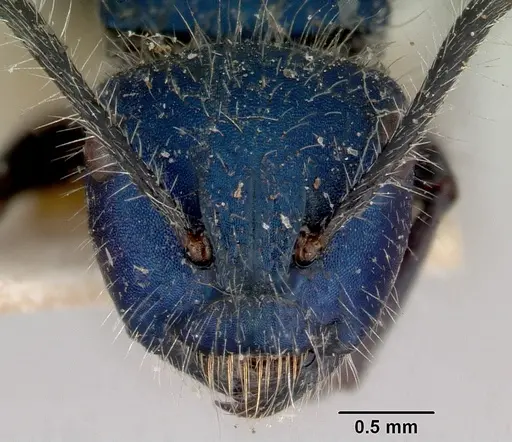
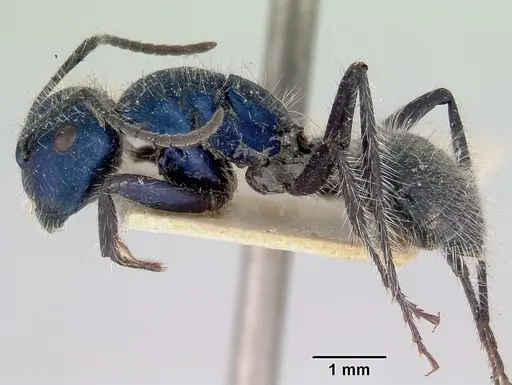
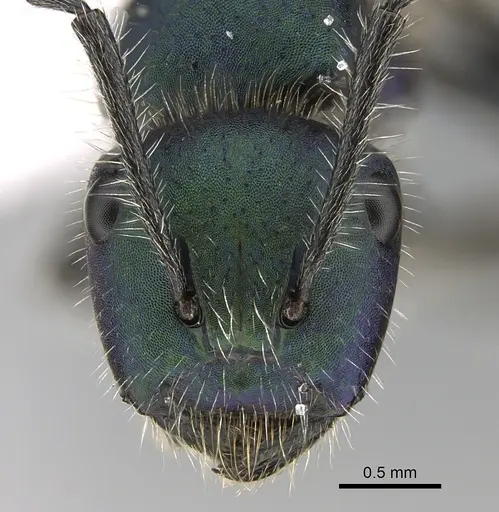
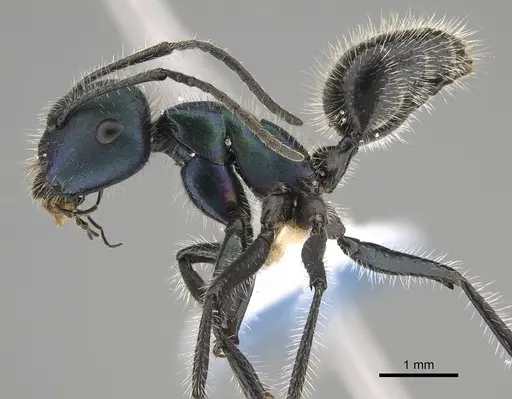
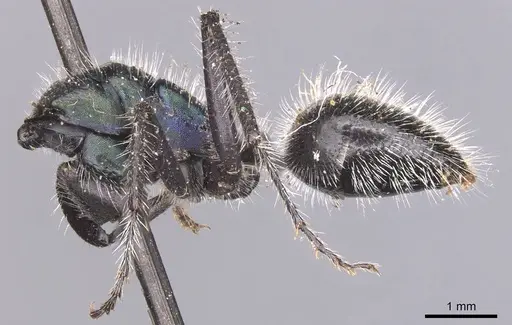
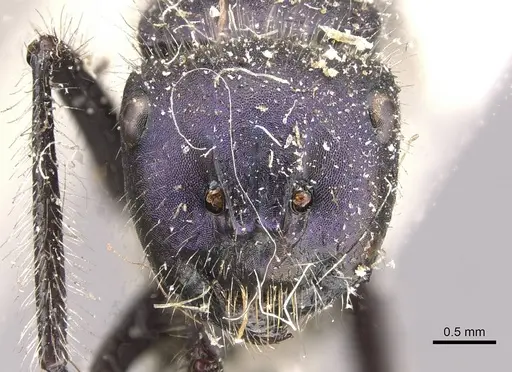
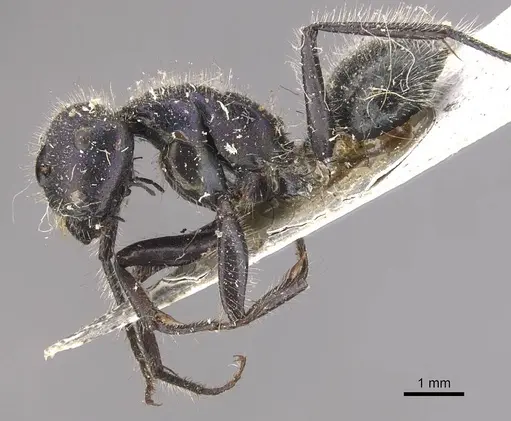
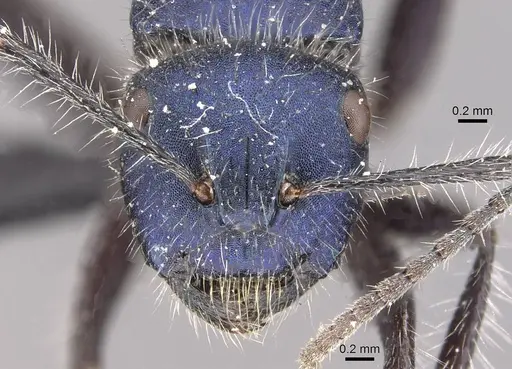
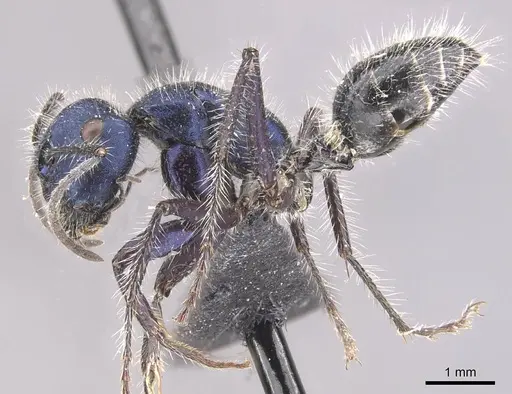
Calomyrmex purpureus is an Australian ant species in the subfamily Formicinae. Workers have a densely punctate mesosoma, meaning the middle body section is covered in tiny pits giving them a distinctive textured appearance . The species was originally described as Camponotus purpureus in 1876 before being moved to the genus Calomyrmex by Emery in 1896 . It is found in Queensland and Western Australia . This species remains poorly studied with almost no scientific literature on its specific biology, colony structure, or captive care requirements.
Quick Summary
- Difficulty: Unknown, likely Medium based on genus
- Origin & Habitat: Australia (Queensland and Western Australia). Natural habitat preferences are not well documented, but related Australian Formicinae typically inhabit woodland and forest edges [2].
- Colony Type: Unconfirmed. Colony structure has not been documented in scientific literature.
- Size & Growth:
- Queen: Size data unavailable, no measurements exist for this species
- Worker: Size data unavailable, no measurements exist for this species
- Colony: Unknown, likely several hundred workers based on typical Formicinae colony sizes
- Growth: Unknown, estimated Moderate based on genus
- Development: Unknown, estimated 6-10 weeks based on related Formicinae at warm temperatures (No direct development data exists for this species.)
- Antkeeping:
- Temperature: Estimated 22-28°C based on Australian distribution. Provide a gentle gradient if possible.
- Humidity: Estimated 50-70%, Australian species typically tolerate drier conditions. Provide a moist area and allow ants to self-regulate.
- Diapause: Unknown, Australian Formicinae may have reduced activity in cooler months but true diapause requirements are unconfirmed.
- Nesting: No specific data. Likely nests in soil or under stones in natural habitat. Test tubes work well for founding colonies, larger colonies can be moved to Y-tong or naturalistic setups.
- Behavior: Behavior is undocumented in scientific literature. Based on genus patterns, they are likely moderate foragers that accept sugar and protein. Formicinae ants lack a functional sting but can bite and spray formic acid as a defense mechanism. Escape risk is moderate, use standard barrier methods.
- Common Issues: limited scientific data makes specific care recommendations uncertain, colony development timeline is unknown, keepers must monitor and adapt, founding colonies may be slow to establish without established protocols, no documented diet preferences, experimentation may be needed, hibernation or cool-season requirements are unknown
General Overview
Calomyrmex purpureus is an Australian ant species belonging to the subfamily Formicinae, making it a relative of well-known genera like Camponotus and Lasius. The species was originally described by Mayr in 1876 as Calomyrmex purpureus before being reclassified into the genus Calomyrmex by Emery in 1896 [2]. It is found across parts of Queensland and Western Australia, with a subspecies Calomyrmex purpureus smaragdinus also recognized [3]. Workers are characterized by their densely punctate mesosoma, meaning the middle body section is covered in tiny pits or impressions [1]. This is a poorly studied species with almost no scientific literature on its specific biology, behavior, or captive care requirements.
Defense Mechanism
Like other Formicinae ants, Calomyrmex purpureus lacks a functional sting. Instead, they defend by biting the target and spraying a stream of concentrated formic acid from an acidopore into the wound. This is the standard defense mechanism for the Formicinae subfamily.
Nest Preferences and Housing
Natural nesting behavior is not documented for this species. Based on typical Calomyrmex and related Australian Formicinae patterns, they likely nest in soil cavities, under stones, or in decaying wood in their natural habitat. For captive care, standard antkeeping setups work well. Founding colonies do best in test tube setups with a water reservoir. Once established with 50 or more workers, you can consider moving them to a Y-tong nest or a naturalistic setup with soil and decorative elements. Since specific humidity preferences are unknown, provide a moist area in the nest while allowing some drier areas for self-regulation. Ensure the setup allows for proper ventilation to prevent mold.
Feeding and Diet
Diet preferences have not been scientifically documented for Calomyrmex purpureus. As a Formicine ant, they likely accept both sugar sources and protein. Offer sugar water or honey water as a constant energy source. For protein, typical ant foods like mealworms, crickets, or other small insects should be accepted. Start with small offerings and observe what the colony takes readily. Remove uneaten food after 24-48 hours to prevent mold. Since this species is poorly studied, you may need to experiment to determine their preferences.
Temperature and Seasonal Care
Specific temperature requirements are not documented for this species. Based on its Australian distribution (Queensland and Western Australia), it likely prefers warmer conditions in the range of 22-28°C. Australian ants are generally adaptable to temperature variations, but consistent warmth promotes faster colony growth. Provide a temperature gradient if possible, allowing ants to move between warmer and cooler areas of the nest. Whether true diapause (hibernation) is required is unknown. If you keep the colony at room temperature (around 20-24°C), they will likely show reduced activity in winter months naturally.
Colony Development and Growth
No specific data exists on the development timeline from egg to worker for this species. Based on typical Formicinae patterns, you can expect first workers (nanitics) to emerge in approximately 6-10 weeks under warm conditions (around 25°C). Initial colony growth is typically slow as the queen raises her first brood alone. Once nanitics emerge, the colony enters a growth phase where worker numbers increase gradually. The maximum colony size is unknown but is likely several hundred workers based on typical Formicinae colony sizes. Be patient with founding colonies, they can take months to establish and begin rapid growth.
Behavior and Temperament
Specific behavioral observations for Calomyrmex purpureus are not documented in scientific literature. Based on genus-level knowledge, Formicinae ants like this are typically moderate in temperament, not particularly aggressive but will defend their nest if threatened. Workers likely forage individually or in small groups rather than forming massive raiding columns. They probably use chemical trails to communicate food discoveries, as is typical for the subfamily. Escape prevention should be standard, use Fluon or similar barriers on the rim of the outworld.
Frequently Asked Questions
How long does it take for Calomyrmex purpureus to produce first workers?
The exact timeline is unknown since this species has not been scientifically studied. Based on typical Formicinae development, expect first workers in approximately 6-10 weeks under warm conditions (around 25°C). This is an estimate, your colony may be faster or slower.
What do Calomyrmex purpureus ants eat?
Diet is unconfirmed for this species. As Formicinae, they likely accept both sugar (honey water, sugar water) and protein (insects like mealworms, crickets). Start by offering both and see what they prefer. Remove uneaten food within 48 hours.
What temperature should I keep Calomyrmex purpureus at?
Specific requirements are unknown. Based on their Australian distribution, aim for 22-28°C. Room temperature (around 22-24°C) is likely suitable. A slight temperature gradient allows the colony to self-regulate.
Do Calomyrmex purpureus ants need hibernation?
Diapause requirements are unconfirmed. Based on Australian Formicinae patterns, they may have reduced activity in cooler months but true hibernation may not be necessary if kept at stable room temperature year-round.
How big do Calomyrmex purpureus colonies get?
Maximum colony size is unknown. Based on typical Formicinae, expect several hundred workers at maturity. Growth is slow initially but accelerates once the first workers establish the colony.
Is Calomyrmex purpureus a good species for beginners?
Difficulty level is unknown due to limited scientific data. Based on genus patterns, it is likely manageable for intermediate keepers. However, the lack of documented care information means you may need to experiment to find what works best.
Can I keep multiple Calomyrmex purpureus queens together?
Colony structure is unconfirmed. Most Formicinae are monogyne (single queen), but polygyny has not been documented for this species. It is not recommended to combine unrelated queens without evidence they will tolerate each other.
When should I move my Calomyrmex purpureus colony to a formicarium?
Keep founding colonies in test tubes until they have 30-50 workers. Moving too early can stress the colony. Once established, a Y-tong or naturalistic setup works well for larger colonies.
Why is my Calomyrmex purpureus colony not growing?
Without documented care requirements, troubleshooting is difficult. Check basics: temperature (22-28°C), humidity (moist but not waterlogged), and food availability. Founding colonies are often slow. If the queen dies or no eggs are produced, the colony may fail. Consider slight adjustments to conditions and be patient.
Report an Issue
The current care sheet is based fully on literature. See inconsistencies, or something that's incorrect? Please , it will be resolved after review from an admin. Contributing to the blogs tab also helps providing information, to make us be able to further improve the caresheets. Thank you for your support!
References

This caresheet is licensed under CC BY-SA 4.0 .
Community Blogs
CASENT0172015
View on AntWeb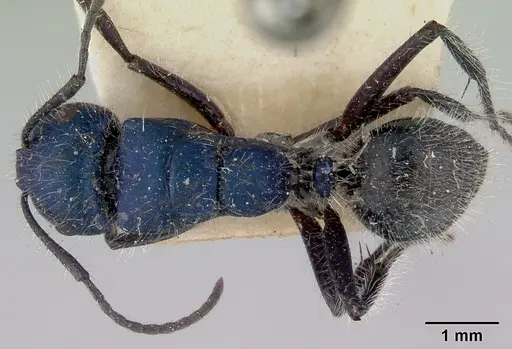
CASENT0887759
View on AntWeb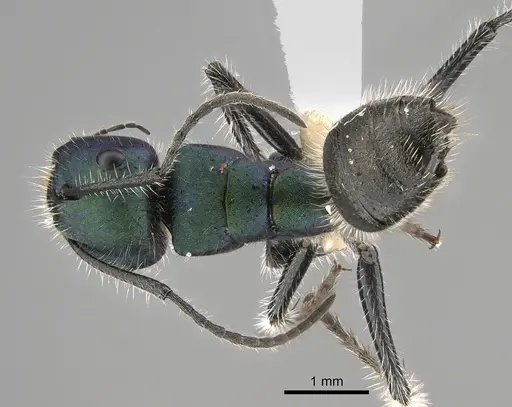
CASENT0905537
View on AntWeb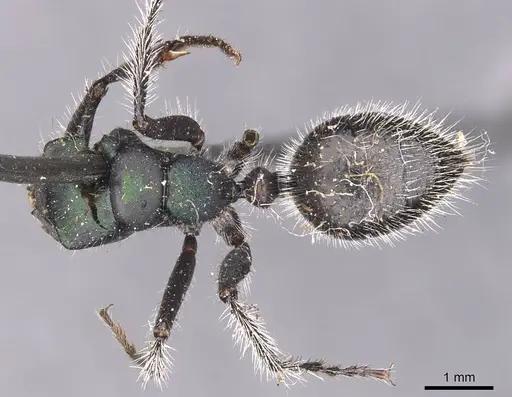
CASENT0910763
View on AntWeb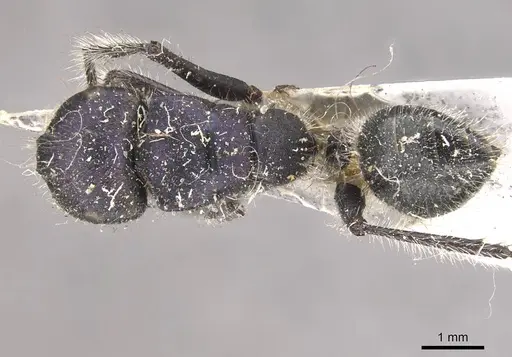
CASENT0910764
View on AntWeb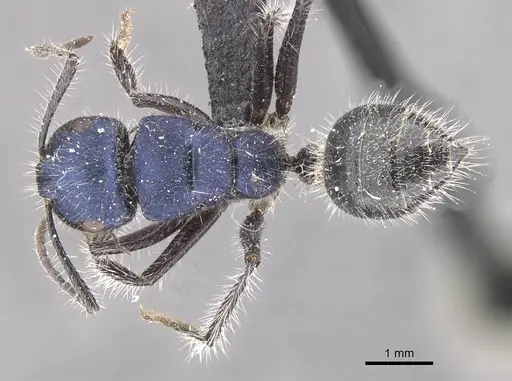
Literature
Loading distribution map...Loading products...