
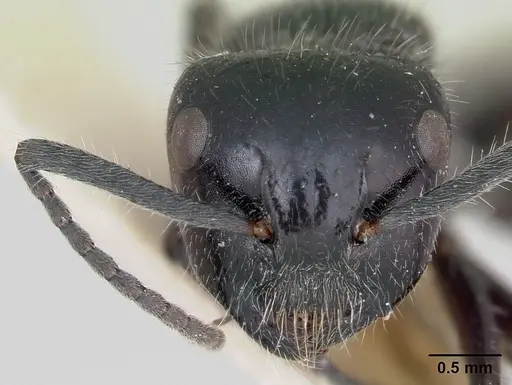
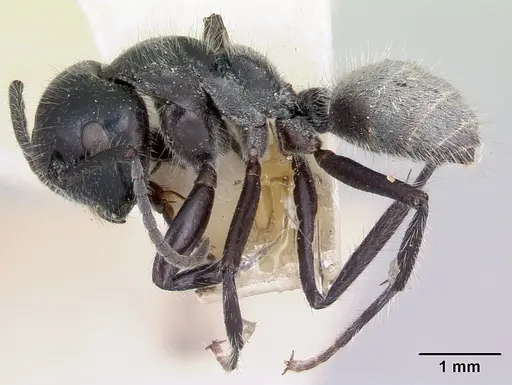
Calomyrmex albertisi
- Sci. Name
- Calomyrmex albertisi
- Tribe
- Camponotini
- Subfamily
- Formicinae
- Author
- Emery, 1887
- Distribution
- Found in 2 countries
Introduction
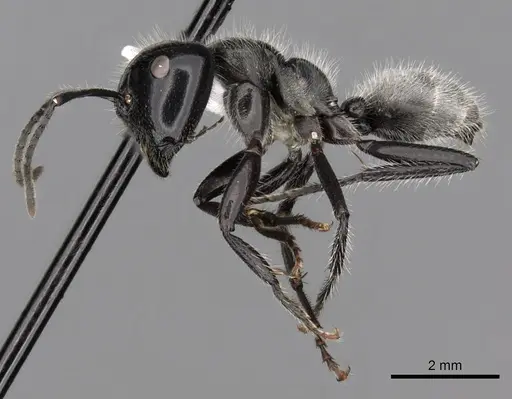
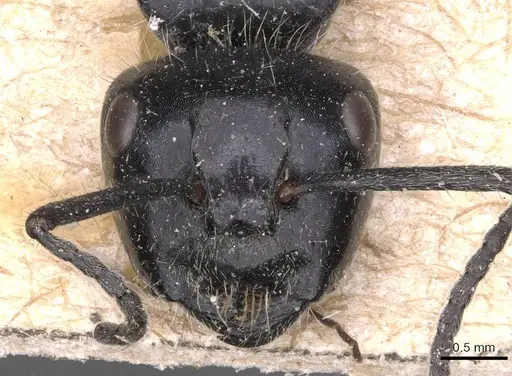
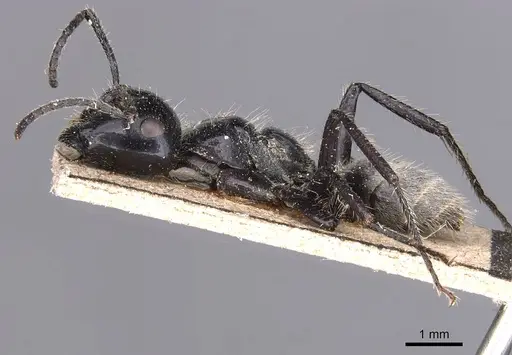
Calomyrmex albertisi is an ant species belonging to the subfamily Formicinae, found in Australia and Papua New Guinea. Originally described as Camponotus albertisi by Emery in 1887, it was later transferred to the genus Calomyrmex. The genus is restricted to Australia and Papuasia, representing an easternmost distribution in New Guinea . These ants are part of the Camponotini tribe, which includes well-known ants like Camponotus and Polyrhachis. A notable feature of this species is its relationship with Blochmannia bacteria, symbiotic organisms that help process nutrients from their diet of honeydew and plant-based sugars .
Quick Summary
- Difficulty: Medium
- Origin & Habitat: Australia and Papua New Guinea, particularly the Fly River region of Papua New Guinea. They inhabit tropical and subtropical environments [1][4].
- Colony Type: Unconfirmed. Colony structure has not been documented for this species.
- Size & Growth:
- Queen: Size data unavailable, no specific measurements exist in the literature
- Worker: Size data unavailable, no specific measurements exist in the literature
- Colony: Unknown for this species
- Growth: Unknown
- Development: Unknown, specific development timing has not been documented for this species (Development time is unknown as no species-specific data exists)
- Antkeeping:
- Temperature: Keep warm and stable, roughly low-to-mid 20s°C. Tropical origin suggests they prefer warmth. A gentle temperature gradient allows workers to regulate their exposure to heat.
- Humidity: Keep the nest substrate consistently moist but not waterlogged. Provide some drying between waterings.
- Diapause: No diapause required. As a tropical species, they do not need a hibernation period. Maintain consistent warm temperatures year-round.
- Nesting: Accepts most standard nest types. Y-tong (AAC), plaster nests, or naturalistic setups with soil work well. Provide a dark nesting chamber as they prefer sheltered conditions.
- Behavior: Generally calm workers. They will readily tend sap-sucking insects for honeydew. Foraging activity is moderate, they search for sugar sources and small prey. Escape risk is moderate, ensure enclosures have secure lids as they can climb smooth surfaces. They lack a functional sting and pose minimal danger to keepers.
- Common Issues: this species is rarely available in the antkeeping hobby, specific colony structure has not been confirmed, tropical requirements mean temperature must be maintained consistently, Blochmannia symbiosis suggests they benefit from honeydew/sugar sources but specific dietary needs are not well documented
Natural History and Distribution
Calomyrmex albertisi originates from Papua New Guinea, originally described from the Fly River region by Carlo Emery in 1887. The species also occurs in Australia, making it one of the few ant species found across both regions. The genus Calomyrmex is restricted to Australia and Papuasia, with this species representing its easternmost distribution in New Guinea [1]. These ants inhabit tropical and subtropical environments where they typically nest in soil or under stones in forest margins, grassland areas, and disturbed habitats. The genus is part of the Camponotini tribe, which includes many common ants like carpenter ants (Camponotus) and weaver ants (Polyrhachis).
Nutritional Symbiosis
One of the most interesting aspects of Calomyrmex albertisi is its relationship with Blochmannia bacteria. These symbiotic bacteria live inside the ants' bodies and help them digest nutrients, particularly amino acids, from their diet. This relationship is common across the Camponotini tribe, the ants acquire these bacteria by feeding them to their larvae, and the bacteria are passed down through generations [2][3]. In captivity, this means you should provide sugar sources (honey water, sugar water) alongside protein. The Blochmannia symbiosis also explains why these ants benefit from tending sap-sucking insects like aphids and scale insects, the honeydew provides essential nutrients that the bacteria help process.
Housing and Nest Preferences
Calomyrmex albertisi accepts various nest types commonly used in antkeeping. Y-tong (acrylic and cotton) nests work well, providing dark chambers that these ants prefer. Plaster nests or naturalistic setups with a soil chamber also suit them. The key is providing a humid but not waterlogged nest chamber with some open space for foraging. Since they are tropical ants, avoid temperatures below room temperature as this can slow their metabolism and reduce activity. A small water test tube connected to the foraging area provides drinking water and helps maintain humidity.
Feeding and Diet
Based on the Blochmannia symbiosis and typical Camponotini behavior, these ants will readily accept sugar sources including honey water, sugar water, and naturally honeydew from aphids if available. For protein, offer small insects like fruit flies, small crickets, or mealworms. Unlike some specialized predators, Calomyrmex albertisi is likely omnivorous, focusing on carbohydrates from honeydew and sugars while supplementing with protein from small prey. Feed sugar water constantly and protein regularly. Remove uneaten prey after 24 hours to prevent mold. [2][3]
Temperature and Seasonal Care
As a tropical species from Papua New Guinea and northern Australia, Calomyrmex albertisi requires warm conditions year-round. Maintain temperatures in the low-to-mid 20s°C in the nest area. Unlike temperate species, they do not require diapause or hibernation. A heating cable or mat on one side of the nest can create a temperature gradient, allowing workers to choose their preferred warmth level. Room temperature in heated homes may suffice, but monitor colony activity, sluggish colonies may need additional warmth. Avoid cold temperatures for extended periods.
Defense Mechanism
Calomyrmex albertisi belongs to the Formicinae subfamily, which lacks a functional sting. Instead, these ants bite the target and spray a stream of concentrated formic acid from an acidopore into the wound. This is the standard defense mechanism for the Camponotini tribe.
Frequently Asked Questions
How long does it take for Calomyrmex albertisi to produce first workers?
This is unknown. Specific development timing has not been documented for this species.
What do Calomyrmex albertisi ants eat?
They accept sugar sources (honey water, sugar water) and small protein prey (fruit flies, small crickets, mealworms). The Blochmannia bacteria in their gut help them process carbohydrates, so sugar sources are particularly important.
Do Calomyrmex albertisi ants need hibernation?
No, they do not require hibernation. As a tropical species from Papua New Guinea and Australia, they need consistent warm temperatures year-round.
Are Calomyrmex albertisi good for beginners?
This species is rated as medium difficulty. While not the most challenging ant, it is rarely available in the hobby and has specific tropical temperature requirements. Beginners may want to start with more common species before attempting Calomyrmex.
How big do Calomyrmex albertisi colonies get?
Colony size is not well documented for this species. Growth rate is unknown.
What temperature is best for Calomyrmex albertisi?
Keep them warm and stable, roughly low-to-mid 20s°C. A temperature gradient allows workers to regulate their own exposure to heat. Avoid cold temperatures for extended periods.
Can I keep multiple Calomyrmex albertisi queens together?
Colony structure has not been confirmed for this species. The number of queens per colony is unknown. Combining unrelated queens is not recommended without documented evidence of polygyny.
When should I move Calomyrmex albertisi to a formicarium?
Move them when the colony reaches a moderate size and the test tube becomes crowded. Ensure the formicarium has appropriately sized chambers and maintains proper humidity.
Why is my Calomyrmex albertisi colony not growing?
Check temperature (should be warm, low-to-mid 20s°C), ensure sugar water is always available, and verify humidity is adequate but not excessive. Slow growth can also result from low queen fertility or insufficient protein in the diet.
Report an Issue
The current care sheet is based fully on literature. See inconsistencies, or something that's incorrect? Please , it will be resolved after review from an admin. Contributing to the blogs tab also helps providing information, to make us be able to further improve the caresheets. Thank you for your support!
References

This caresheet is licensed under CC BY-SA 4.0 .
Community Blogs
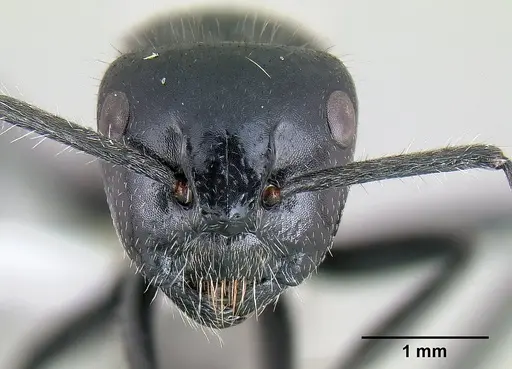
CASENT0003286
View on AntWeb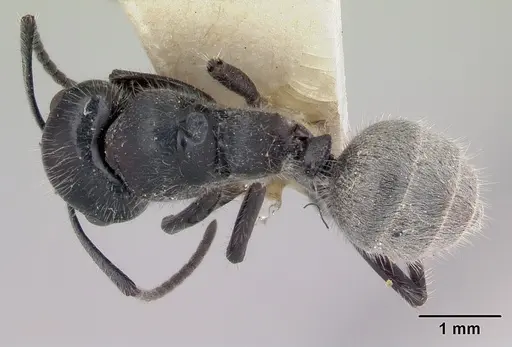
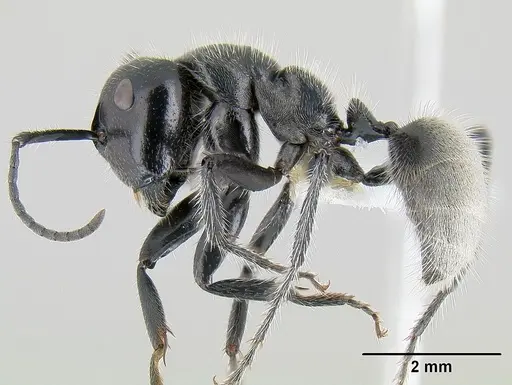
CASENT0106006
View on AntWeb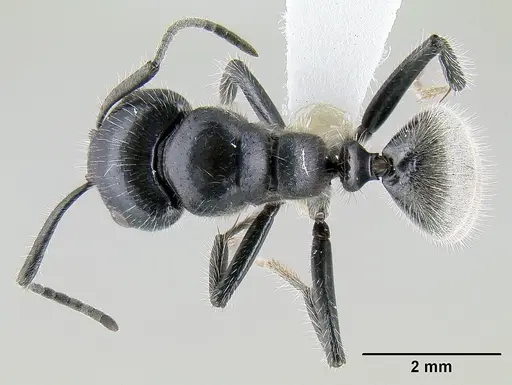
CASENT0249960
View on AntWeb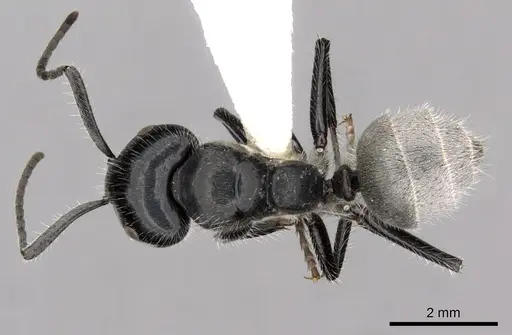
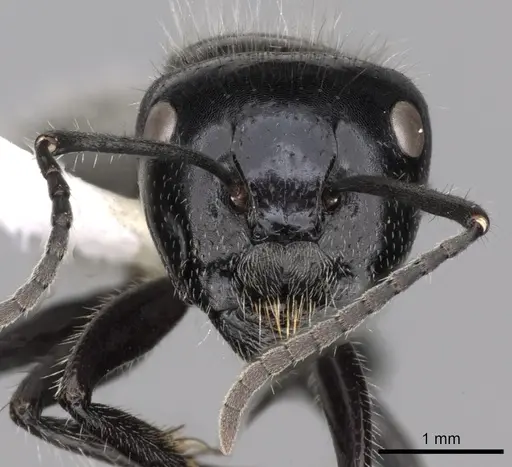
CASENT0905538
View on AntWeb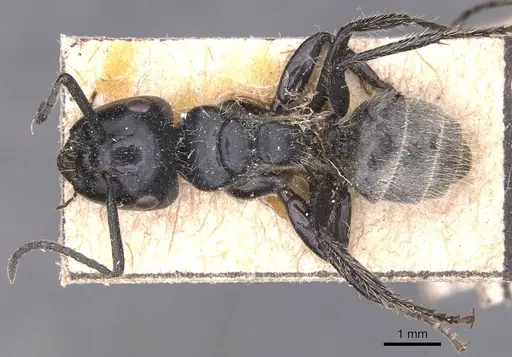
Literature
Loading distribution map...Loading products...