
Brachyponera pilidorsalis
- Sci. Name
- Brachyponera pilidorsalis
- Tribe
- Ponerini
- Subfamily
- Ponerinae
- Author
- Yamane, 2007
- Distribution
- Found in 2 countries
Introduction
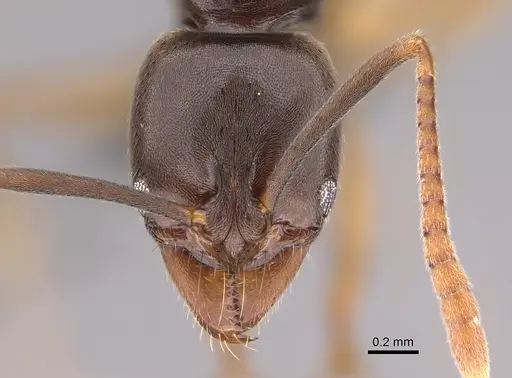
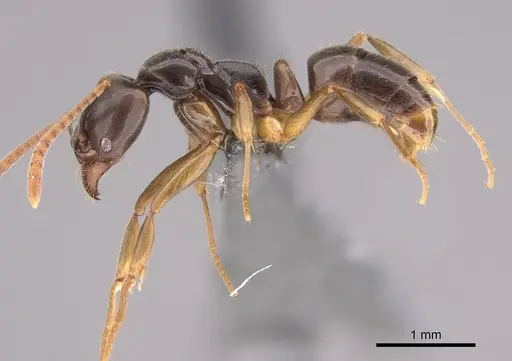
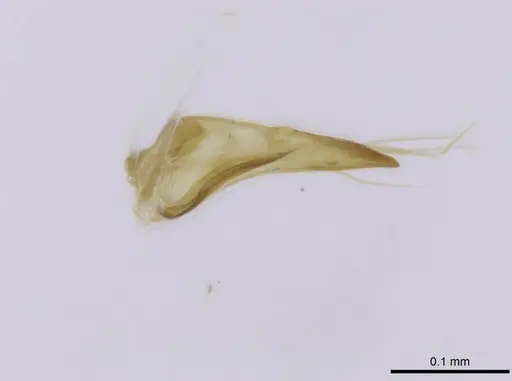
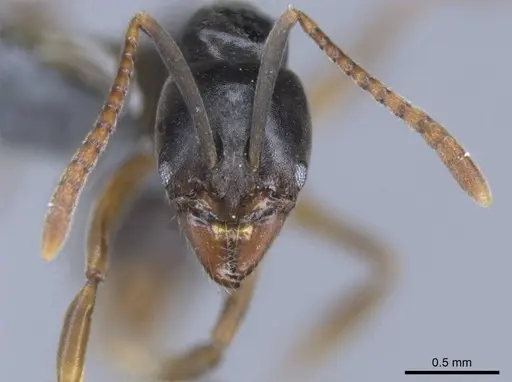
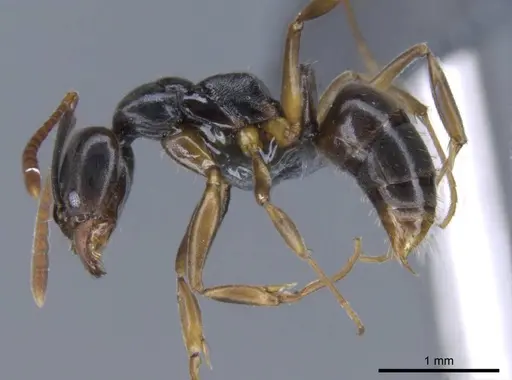
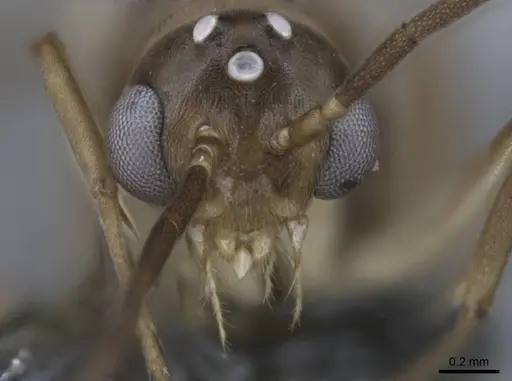
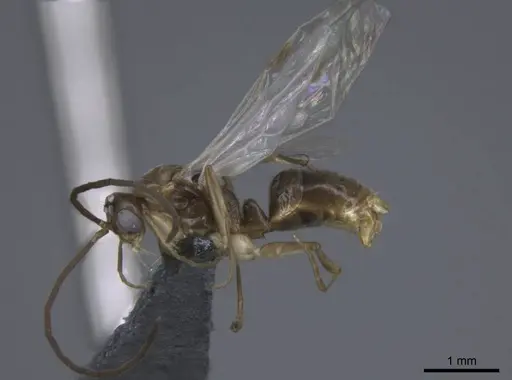
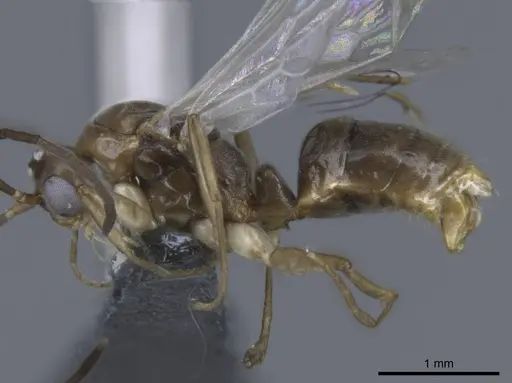
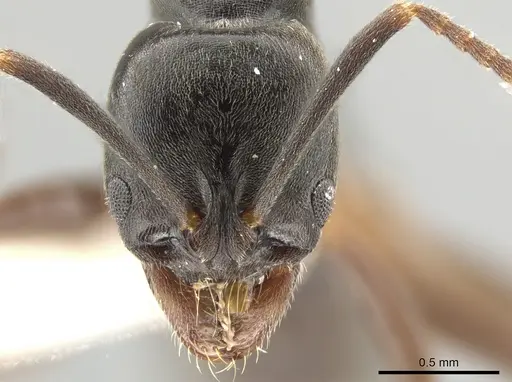
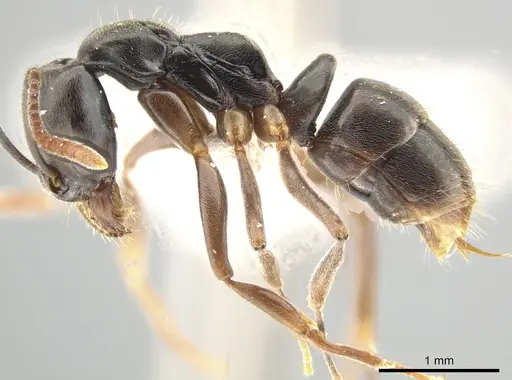
Brachyponera pilidorsalis is a small ponerine ant native to the rainforests of Southeast Asia, found in Borneo, Malaysia, Brunei, and Indonesia. Workers have numerous long standing hairs on their mesosoma and gaster, which gives them their scientific name (pili = hair, dorsalis = back). The species is very similar to its relatives Brachyponera nigrita and Brachyponera batak, with a distinctly punctate metapleuron and a transverse groove on the mesopleuron. Queens from the Malay Peninsula tend to be larger than those from Borneo. This species nests in rotting wood in good forest habitats, making it a typical forest-floor ant of the Bornean and Malaysian rainforests . The species was previously classified as Pachycondyla pilidorsalis before being moved to Brachyponera in 2014.
Quick Summary
- Difficulty: Medium
- Origin & Habitat: Native to Southeast Asian rainforests, found in Borneo, Brunei, Malaysia (Peninsula and Sabah), and Indonesia (Java). They nest in rotting wood in good forest habitats at low to mid elevations [1][2].
- Colony Type: Colony structure is unconfirmed. Males have never been collected, suggesting nuptial flights may be infrequent or occur in small numbers [1].
- Size & Growth:
- Queen: size data unavailable, inferred from Brachyponera genus (~5-7 mm total length)
- Worker: size data unavailable, inferred from Brachyponera genus (~4-6 mm total length)
- Colony: Unknown, appears small based on collection difficulty [3]
- Growth: Unknown, estimated moderate based on related species
- Development: Unconfirmed, estimated 6-10 weeks based on related Ponerine species (Direct development data unavailable. Ponerine ants typically have slower development than Myrmicinae species.)
- Antkeeping:
- Temperature: Keep at 24-28°C, they are tropical forest ants from Borneo and Malaysia. A gentle heat gradient allows workers to regulate their temperature.
- Humidity: High humidity required, rainforest species. Keep nest substrate consistently moist but not waterlogged. Provide a water source.
- Diapause: No, being a tropical species, they do not require hibernation. Keep temperatures stable year-round.
- Nesting: In captivity, they do well in naturalistic setups with rotting wood or cork, or in plaster nests with moist substrate. They prefer dark, humid nest chambers. A Y-tong or test tube setup with moist cotton also works for founding colonies.
- Behavior: This is a Ponerine ant, which means they are more primitive ants with a potent sting. They are predatory and will hunt small invertebrates. Workers are relatively small but active foragers on the forest floor. They likely have a moderate escape risk due to their small size, use standard barriers. The sting pain level is unknown but Ponerine stings are generally painful. They are not aggressive toward humans but will defend if threatened.
- Common Issues: limited documented care information, much is inferred from related species, high humidity requirements can lead to mold if ventilation is poor, tropical species sensitive to temperature drops below 22°C, predatory diet may be difficult to meet with standard ant foods, males have never been collected, colony establishment may be challenging
Housing and Nest Setup
Brachyponera pilidorsalis naturally nests in rotting wood in rainforest habitats. In captivity, you can replicate this with a naturalistic setup using cork or pieces of rotting wood placed in a terrarium with moist substrate. They also do well in plaster formicaria with chambers filled with moist soil or sand. A test tube setup with a water reservoir (cotton-stopped) can work for founding colonies, though you may need to upgrade to a larger nest as the colony grows. They prefer darker nest conditions and will typically nest in the more humid areas of their enclosure. Provide some dry areas as well so they can regulate humidity themselves. [1][2]
Feeding and Diet
As a Ponerine ant, B. pilidorsalis is predatory. The stable isotope study shows a δ15Ncor value of 6.92,indicating they are secondary consumers, meaning they eat other small invertebrates rather than just plant matter or honeydew [3]. Feed them small live prey like fruit flies, pinhead crickets, mealworms, and other small insects. You can offer dead prey but live prey is preferred as it triggers hunting behavior. They may accept sugar water or honey occasionally, but protein from insects should be their primary food. Feed small prey items 2-3 times per week, adjusting based on colony size and consumption.
Temperature and Humidity
Being from tropical Borneo and Malaysia, these ants need warm and humid conditions. Keep temperatures in the range of 24-28°C. They can tolerate slightly higher temperatures (up to 30°C) but avoid temperatures below 22°C for extended periods. A small heat cable or mat on one side of the nest can create a temperature gradient. Humidity should be high, aim for 70-80% relative humidity. The nest substrate should feel consistently moist but never waterlogged. Use a hygrometer to monitor conditions. Good ventilation is important to prevent mold while maintaining humidity. [2]
Behavior and Temperament
Ponerine ants are more primitive than many common pet ants and possess a functional sting. While this species is not aggressive, they will sting if threatened or handled roughly. The sting pain level is not documented but Ponerine stings are generally painful. Workers are active foragers that hunt small invertebrates on the forest floor. They are not known for escape artistry but being small, standard barrier precautions should still be taken. They are not colonygressive and typically live in small colonies. Queens can live for many years, ant queens in general can exceed 20 years in some species [4]. Workers of this species lack ovaries and spermatheca, meaning they cannot reproduce, only the queen can lay fertilized eggs [5].
Colony Development
Little is known about the specific colony development of B. pilidorsalis. Males have never been collected, which may indicate nuptial flights are rare or occur in small numbers [1]. Based on related species, expect slow colony growth initially. The first workers (nanitics) will be smaller than mature workers. Colony size likely remains modest, the species appears to have small colonies in the wild based on collection difficulty. Development from egg to worker likely takes 6-10 weeks at optimal temperatures, which is slower than many common ant species. Patience is key with this species.
Frequently Asked Questions
How long does it take for Brachyponera pilidorsalis to produce first workers?
The exact timeline is unconfirmed, but based on related Ponerine species, expect 6-10 weeks from egg to worker at optimal temperatures (24-28°C). Initial colony growth is slow, be patient with founding colonies.
Can I keep Brachyponera pilidorsalis in a test tube setup?
Yes, test tubes work well for founding colonies. Use a water reservoir with cotton stop to maintain humidity. You may need to upgrade to a larger nest (plaster or naturalistic) as the colony grows beyond 20-30 workers.
What do Brachyponera pilidorsalis eat?
They are predatory ants that need live or dead small invertebrates. Feed them fruit flies, small crickets, mealworms, and other tiny insects. They may occasionally accept sugar water or honey but protein from insects should be their main food source.
Are Brachyponera pilidorsalis good for beginners?
This species is rated as Medium difficulty. While not the hardest ant to keep, the limited documented care information and specific humidity/temperature requirements make it better suited for antkeepers with some experience. Their predatory diet and need for high humidity require more attention than easier species.
Do Brachyponera pilidorsalis need hibernation?
No, they are tropical ants from Borneo and Malaysia and do not require hibernation. Keep temperatures stable year-round in the 24-28°C range.
How big do Brachyponera pilidorsalis colonies get?
Colony size is not well documented but appears to remain small based on collection data. Growth is slow compared to many common ant species.
When should I move my colony to a formicarium?
Move from test tube to a larger nest when the colony reaches around 20-30 workers or the test tube becomes crowded. A naturalistic setup with rotting wood or a plaster nest with moist chambers works well.
Can I keep multiple Brachyponera pilidorsalis queens together?
The colony structure is unconfirmed. Males have never been collected, suggesting this may be a facultatively sexual species or one with rare nuptial flights. Combining unrelated queens has not been documented and is not recommended.
Why is my Brachyponera pilidorsalis colony dying?
Common causes include: temperatures below 22°C, humidity too low or too high (causing mold), improper feeding (not enough live prey), or stress from too much light. Check your temperature and humidity levels first. Ensure they have access to small live prey regularly.
Report an Issue
The current care sheet is based fully on literature. See inconsistencies, or something that's incorrect? Please , it will be resolved after review from an admin. Contributing to the blogs tab also helps providing information, to make us be able to further improve the caresheets. Thank you for your support!
References

This caresheet is licensed under CC BY-SA 4.0 .
Community Blogs
CASENT0746013
View on AntWeb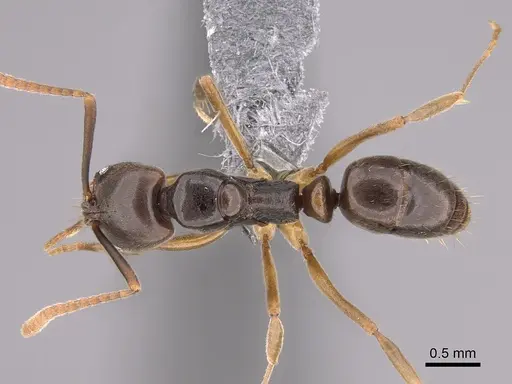
CASENT0746993
View on AntWeb
CASENT0746994
View on AntWeb
CASENT0746995
View on AntWeb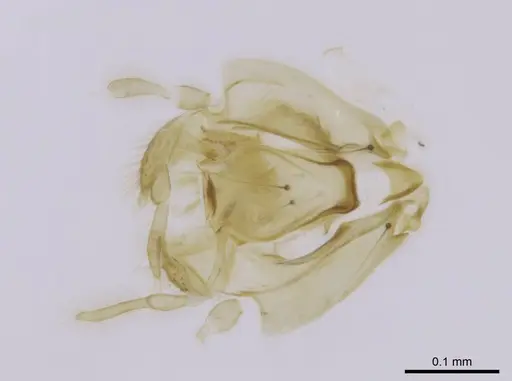
CASENT0746996
View on AntWeb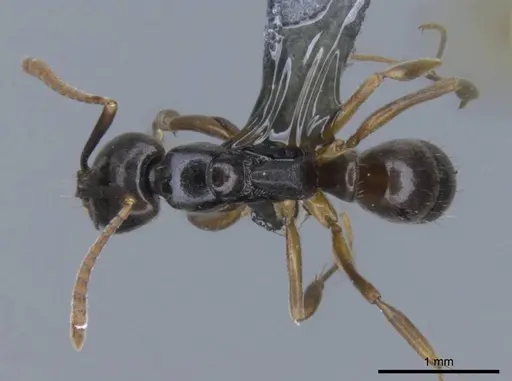
CASENT0746998
View on AntWeb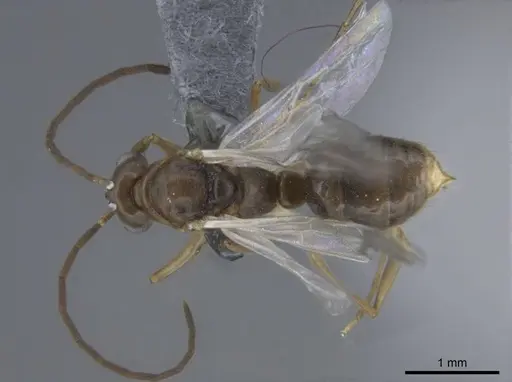
ZRC
View on AntWeb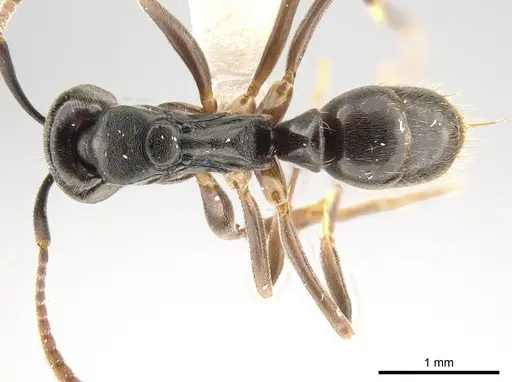
Literature
Loading distribution map...Loading products...