
Brachyponera obscurans
- Sci. Name
- Brachyponera obscurans
- Tribe
- Ponerini
- Subfamily
- Ponerinae
- Author
- Walker, 1859
- Distribution
- Found in 9 countries
Introduction
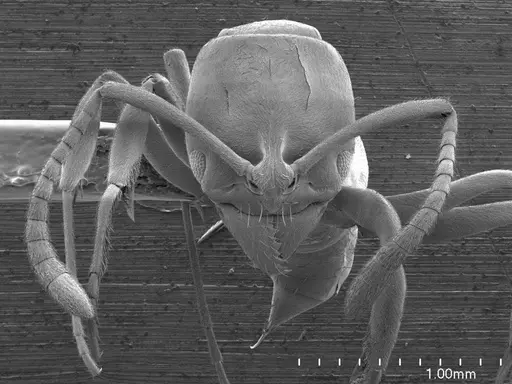
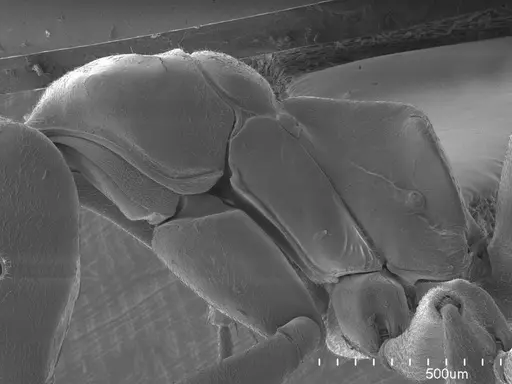
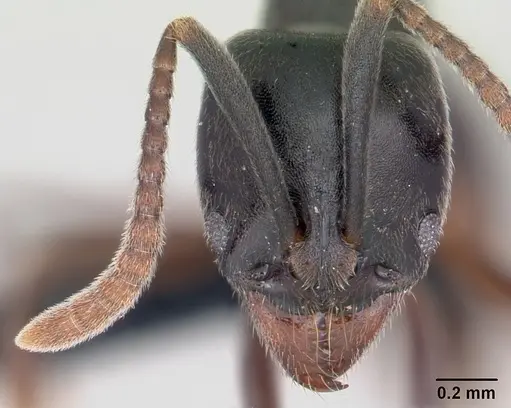
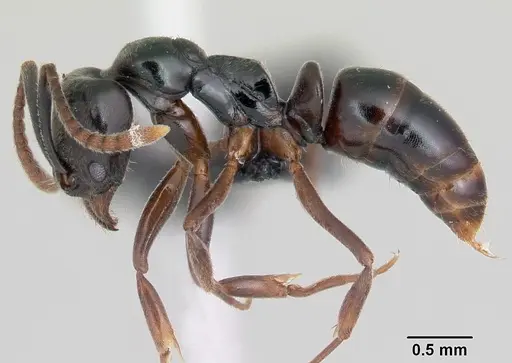
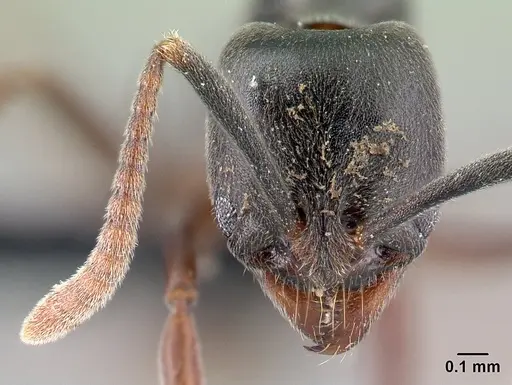
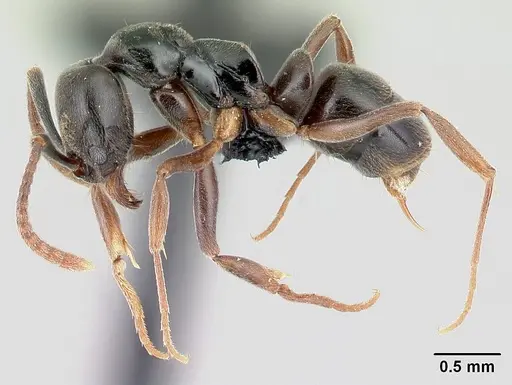
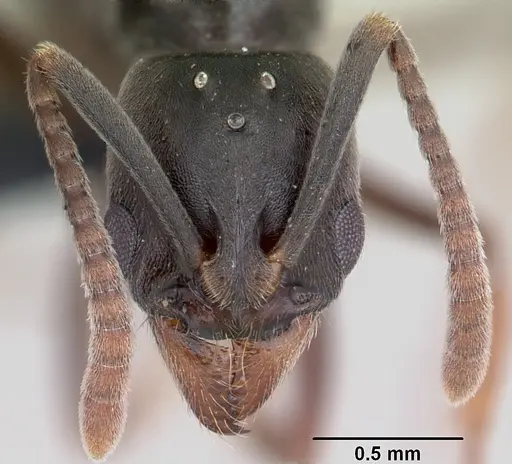
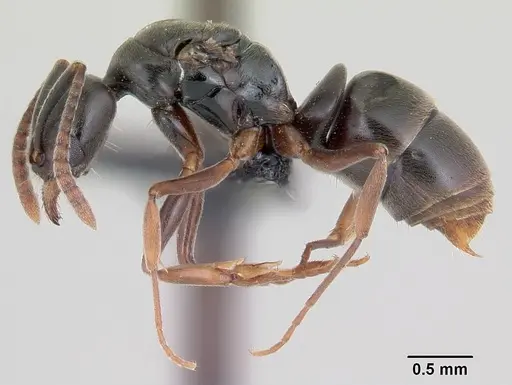
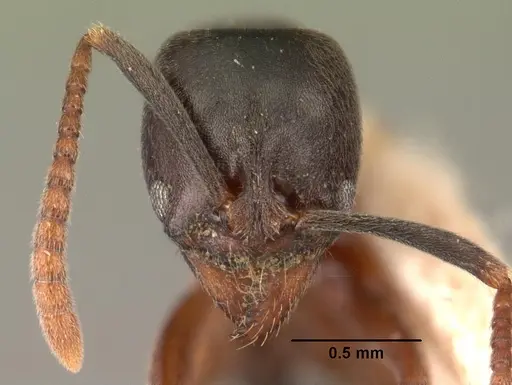
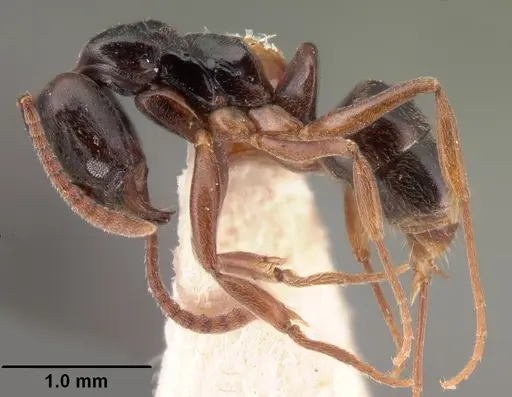
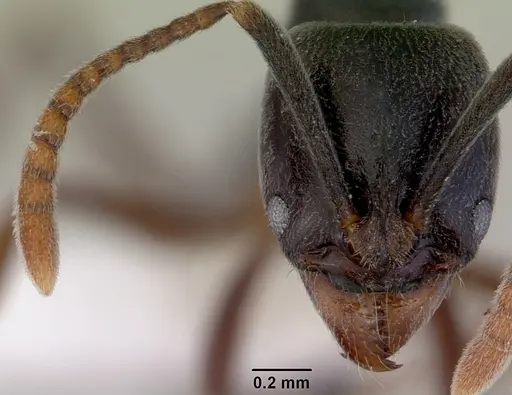
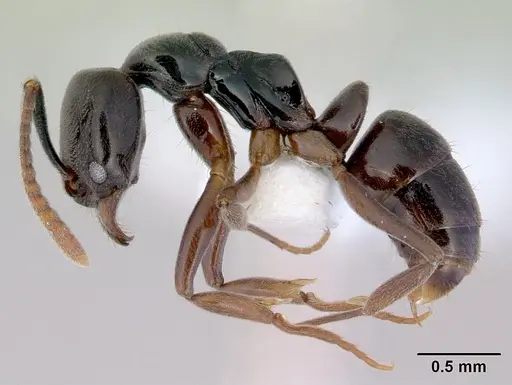
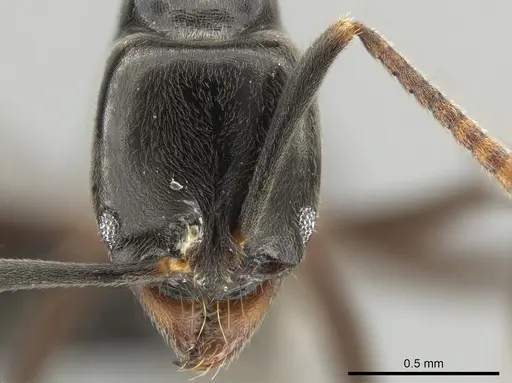
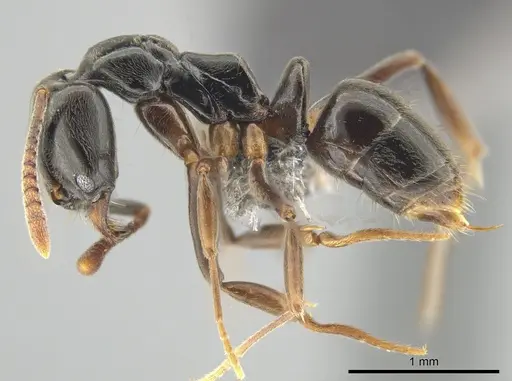
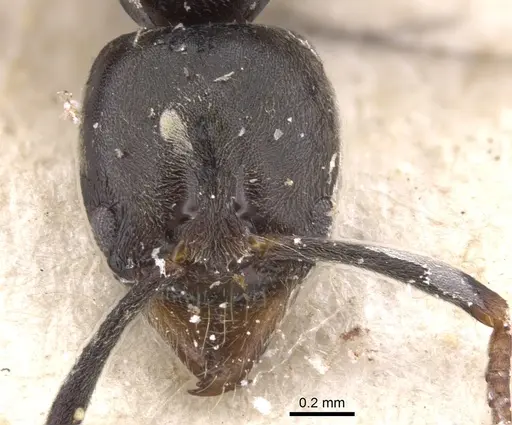
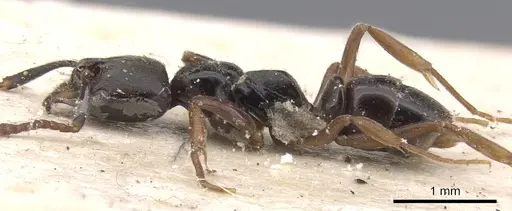
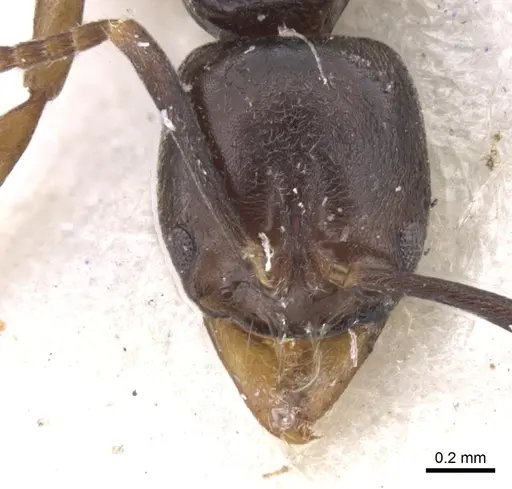
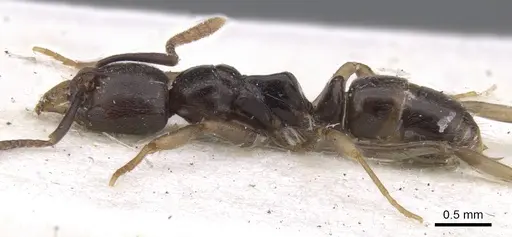
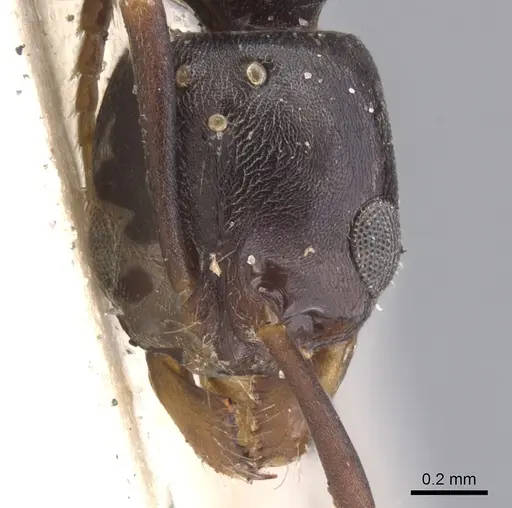
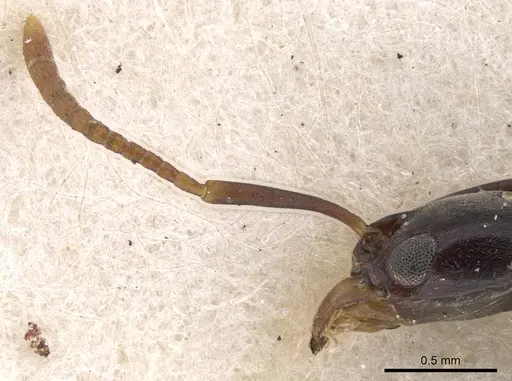
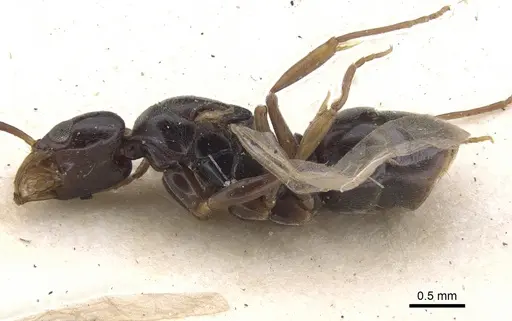
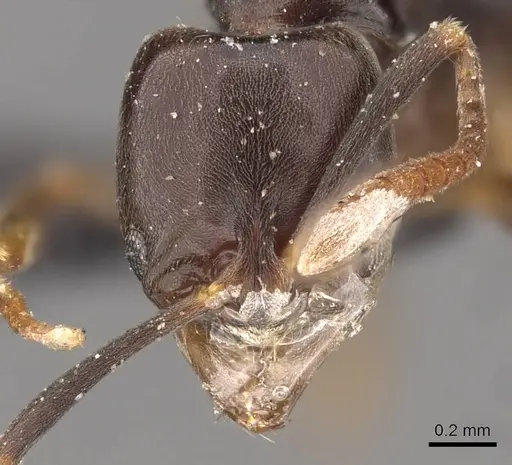
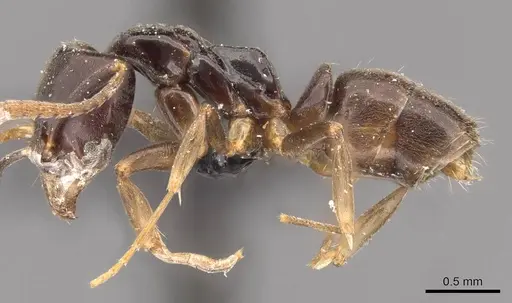
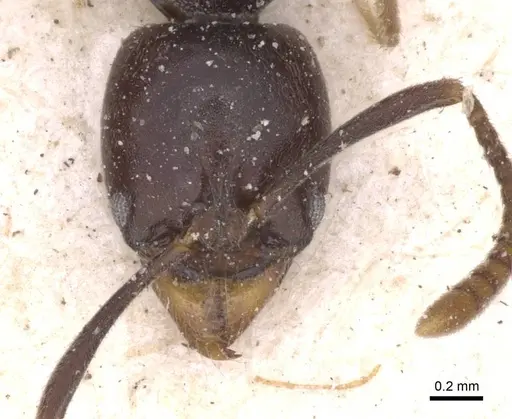
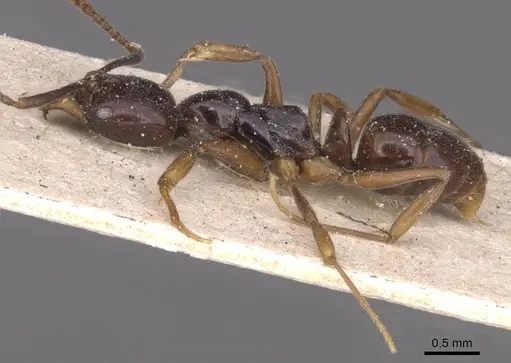
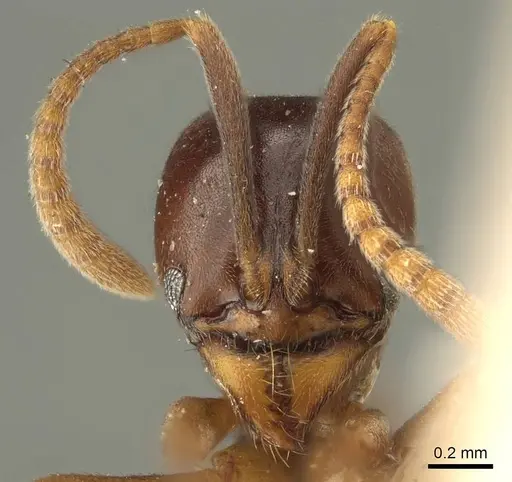
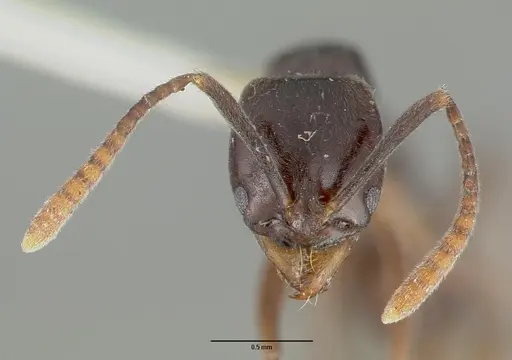
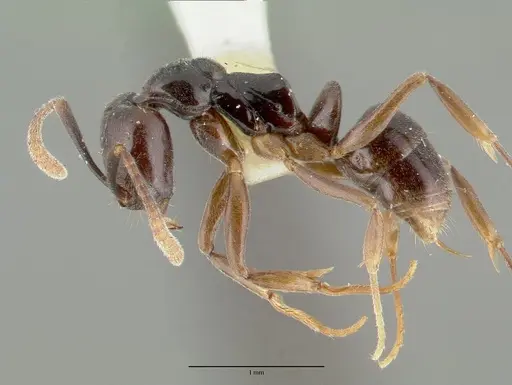
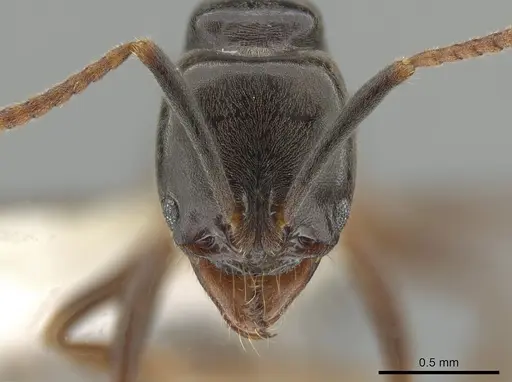
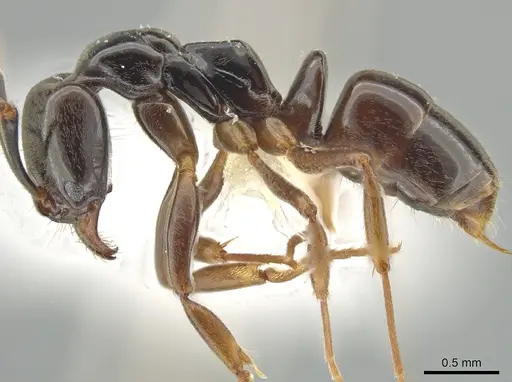
Brachyponera obscurans is a small Ponerine ant measuring approximately 4.1mm in total length. Workers are yellowish brown to tan in color with a 12-segmented antenna and triangular mandibles bearing nine teeth. This species is native across South and Southeast Asia, from Sri Lanka and India through Malaysia, Indonesia, the Philippines, and into southern China . They inhabit secondary forests and forest edges, nesting under rotten wood litter and leaf litter on highly moist soil. Colonies typically contain around 400 workers and often share habitat with termite colonies (Macrotermes barneyi) without observed conflict . Unlike their close relative Brachyponera chinensis (the invasive Asian needle ant), this species is not considered aggressive or invasive .
Quick Summary
- Difficulty: Medium
- Origin & Habitat: Native to South and Southeast Asia including Sri Lanka, India, Malaysia, Singapore, Philippines, Indonesia, Borneo, and southern China. Found in secondary forests and forest edges, nesting under rotten wood and leaf litter on very moist soil [3][1].
- Colony Type: Colony structure is unconfirmed, the single observed field colony contained approximately 400 workers but queen number was not documented [3].
- Size & Growth:
- Queen: Approximately 4mm, inferred from worker size and genus patterns [1][3]
- Worker: 4.1mm total length [1]
- Colony: Approximately 400 workers per colony in natural nests [3]
- Growth: Moderate, development timeline is based on typical Ponerine patterns as species-specific data is unavailable
- Development: Estimated 6-10 weeks under optimal conditions, this is inferred from related Ponerine species as no species-specific data exists (Development time is estimated based on genus patterns since no published data is available for this species)
- Antkeeping:
- Temperature: Keep at 24-28°C. They inhabit tropical to subtropical regions and need warm conditions. A gentle gradient allowing workers to self-regulate is recommended [3].
- Humidity: High humidity is essential. Natural nests are found under rotten wood litter on highly moist soil. Keep substrate consistently damp but not waterlogged [3].
- Diapause: Unlikely to require true diapause given their tropical to subtropical distribution. May reduce activity during cooler months but hibernation is not necessary.
- Nesting: Prefers moist, naturalistic setups with good cover. Y-tong (AAC) nests with damp substrate or plaster nests work well. They nest under objects in nature, so provide hiding spots and leaf litter material [3].
- Behavior: This is a diurnal species that forages in leaf litter and under cover [5]. Workers are small and not particularly aggressive, but like all Ponerines they have a functional stinger for defense. They are not escape artists due to their moderate size, but standard escape prevention (fluon barriers) is still recommended. Workers forage individually rather than in obvious trails.
- Common Issues: high humidity maintenance is critical, they die quickly in dry conditions, colonies are relatively small (around 400 workers) so don't expect massive colonies, frequently confused with the invasive B. chinensis, verify identification carefully using size and behavior [4], may be stressed by bright lighting, provide dark corners in the outworld, slow colony growth compared to many common hobby ants
Housing and Nest Setup
Brachyponera obscurans requires a setup that maintains high humidity while providing dark, covered spaces for nesting. In the wild, they nest under rotten wood and leaf litter on moist soil, so replicate these conditions in captivity [3]. A Y-tong (AAC) nest with damp substrate works well, or a plaster nest kept consistently moist. The outworld should include hiding spots like pieces of bark, leaf litter, or artificial plants where workers can forage feeling secure. Because they are diurnal and forage under cover, avoid bright lighting directly on their foraging areas [5]. A small water tube for drinking and sugar water is essential.
Feeding and Diet
Like most Ponerine ants, Brachyponera obscurans is a predator that likely feeds on small invertebrates in the wild. Offer small live prey such as fruit flies, pinhead crickets, and small mealworms. They will also accept sugar sources like honey water or sugar water, which provides energy for active foragers. Feed protein prey 2-3 times per week and keep sugar water available at all times. Remove uneaten prey after 24-48 hours to prevent mold. Their small colony size means they don't need large quantities of food, a few small prey items per feeding is sufficient. [3]
Temperature and Humidity Management
Maintain temperatures between 24-28°C for optimal colony health and development. This species comes from tropical to subtropical regions and requires consistent warmth [3]. Use a heating cable on one side of the nest to create a gentle gradient if room temperature falls below this range. Humidity is critical, the substrate should feel consistently damp but never waterlogged. Check regularly and rehydrate when the surface begins drying. Poor humidity quickly leads to colony decline. A water reservoir in the nest setup helps maintain stable moisture levels.
Colony Dynamics and Growth
Colonies reach approximately 400 workers in natural settings, which is moderate for Ponerine ants [3]. Growth rate is not particularly fast, expect several months from founding to first workers (nanitics), and another year or more to reach significant numbers. Unlike many common hobby ants, they will not form massive supercolonies. The colony structure is unconfirmed, the single documented field colony had approximately 400 workers but queen number was not specified. Be patient with this species, they are slow but steady growers.
Identification Alert: B. chinensis vs B. obscurans
Brachyponera obscurans is frequently confused with its close relative Brachyponera chinensis, the invasive Asian needle ant that has spread to North America and Europe. B. chinensis is slightly larger and more aggressive, with documented stinging incidents [4]. Before acquiring this species, verify the exact identification from a reliable source. If you encounter a Brachyponera species showing aggressive behavior or stinging humans, it is more likely B. chinensis. This confusion has caused misidentification issues in scientific literature as well. B. obscurans is slightly smaller than B. chinensis [4].
Frequently Asked Questions
How long does it take for Brachyponera obscurans to produce first workers?
Expect 6-10 weeks from egg to first worker under optimal conditions (24-28°C). This is estimated based on typical Ponerine development patterns since species-specific timing hasn't been documented. The first workers (nanitics) will be smaller than mature workers.
Can I keep multiple Brachyponera obscurans queens together?
Colony structure is unconfirmed, no published data exists on whether this species is single-queen (monogyne) or multi-queen. The single documented field colony had approximately 400 workers but queen number was not recorded. Until more data is available, combining unrelated queens may risk fighting.
What size colony should I expect with Brachyponera obscurans?
Mature colonies reach approximately 400 workers in the wild. This is moderate for Ponerine ants, they will never form the massive colonies seen in some Formicinae or Myrmicinae species. If you want a large, impressive colony, this may not be the best species.
Are Brachyponera obscurans good for beginners?
This species is rated as medium difficulty. The main challenges are maintaining high humidity and having patience with their relatively slow growth. If you have kept other Ponerine ants successfully, this species is manageable. Beginners may struggle with their humidity requirements.
What should I feed my Brachyponera obscurans colony?
Offer small live prey like fruit flies, small crickets, or mealworms 2-3 times per week. Keep sugar water or honey water available at all times for energy. Remove uneaten prey after a day to prevent mold issues.
Do Brachyponera obscurans need hibernation?
Probably not. Being from tropical and subtropical regions, they likely don't require a true diapause. They may reduce activity during cooler periods, but a full hibernation is not necessary. Keep them at their normal temperature year-round.
Why is my Brachyponera obscurans colony declining?
The most common causes are low humidity (they need consistently moist conditions), too low temperature (below 24°C), or poor nutrition. Check your setup and ensure the nest substrate stays damp. Also verify you have the correct species, aggressive behavior suggests B. chinensis instead [4].
When should I move Brachyponera obscurans to a formicarium?
Wait until the colony has at least 20-30 workers and the founding chamber is becoming crowded. For this species, that typically means 6-12 months after founding. Moving too early can stress the colony. A Y-tong or plaster nest with damp substrate works well.
Is Brachyponera obscurans invasive like Brachyponera chinensis?
No, B. obscurans is not considered invasive. However, it is frequently confused with B. chinensis (the Asian needle ant), which IS highly invasive and has spread to North America and Europe. Always verify the exact species identification before purchasing or releasing any ant colony [4].
Report an Issue
The current care sheet is based fully on literature. See inconsistencies, or something that's incorrect? Please , it will be resolved after review from an admin. Contributing to the blogs tab also helps providing information, to make us be able to further improve the caresheets. Thank you for your support!
References

This caresheet is licensed under CC BY-SA 4.0 .
Community Blogs
ANTWEB1008564
View on AntWeb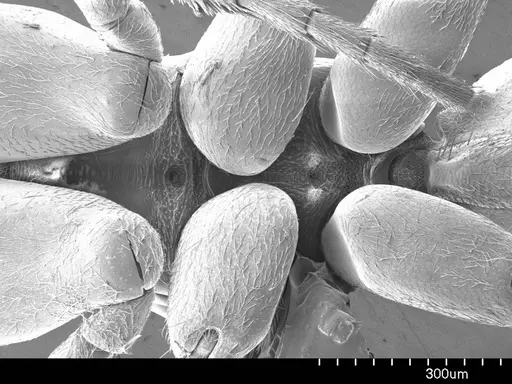
CASENT0056032
View on AntWeb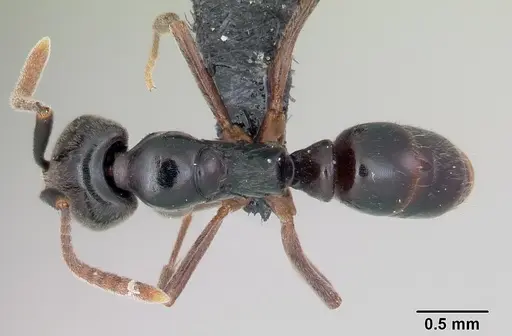
CASENT0059638
View on AntWeb
CASENT0059658
View on AntWeb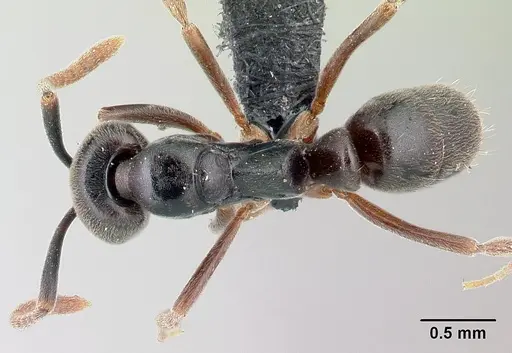
CASENT0059666
View on AntWeb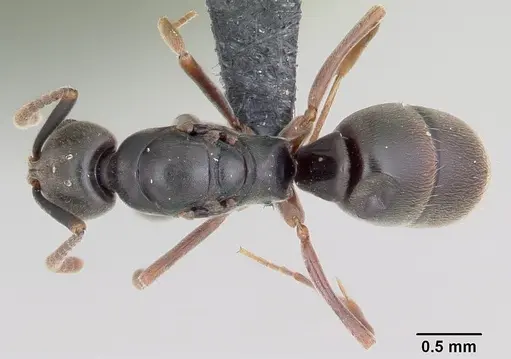
CASENT0060571
View on AntWeb
CASENT0100815
View on AntWeb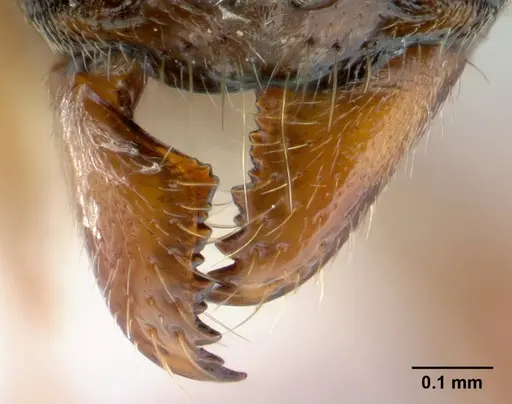
CASENT0101497
View on AntWeb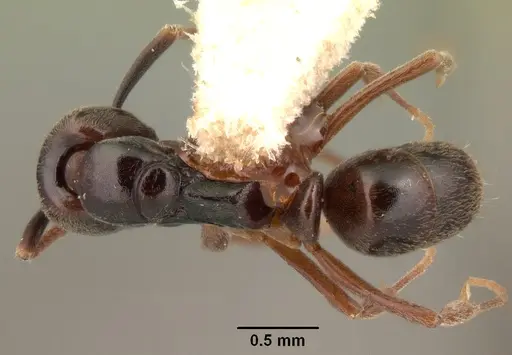
CASENT0172432
View on AntWeb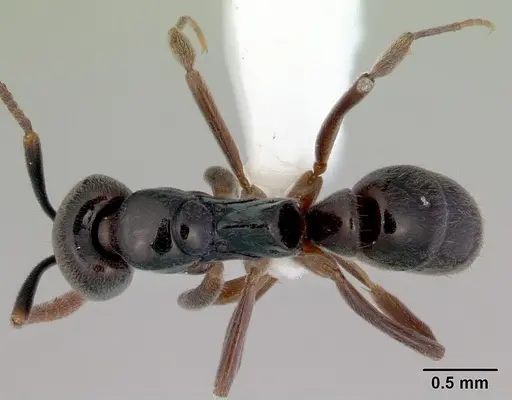
CASENT0650372
View on AntWeb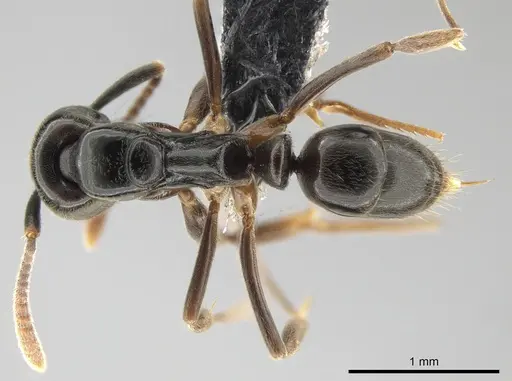
CASENT0902495
View on AntWeb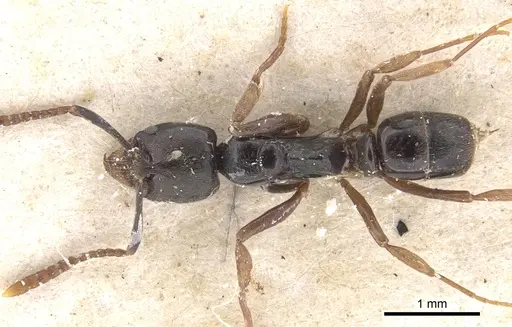
CASENT0902497
View on AntWeb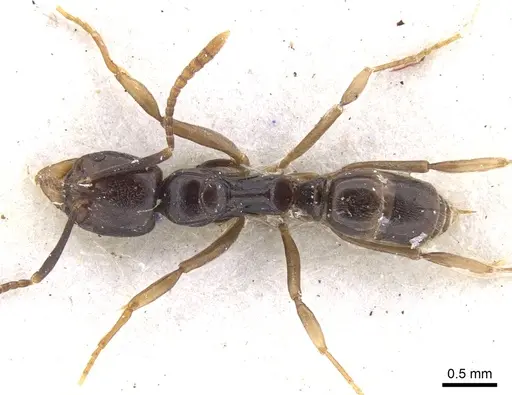
CASENT0902498
View on AntWeb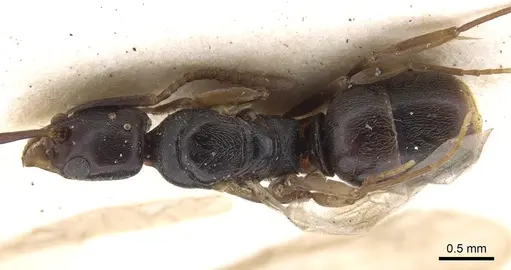
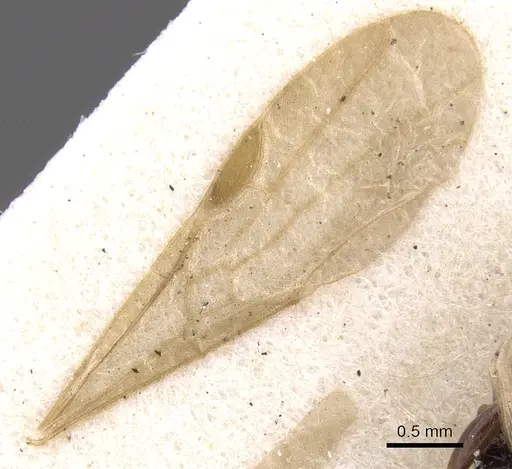
CASENT0903938
View on AntWeb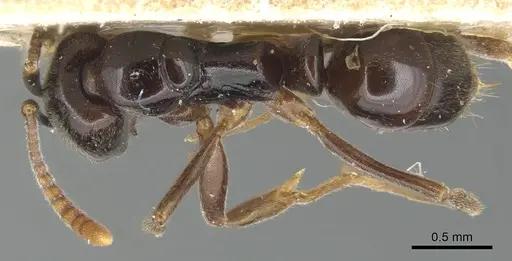
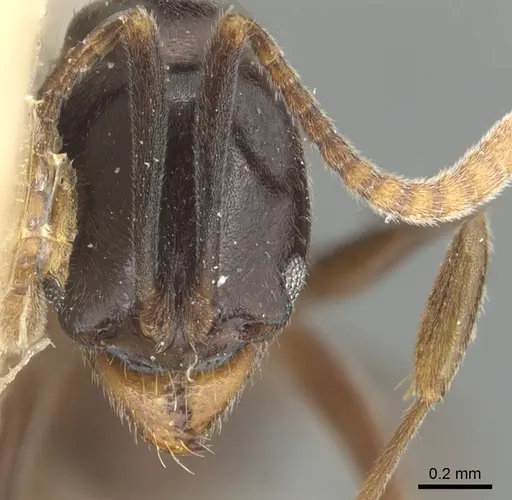
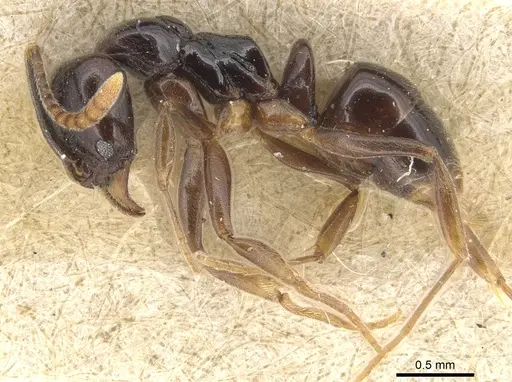
CASENT0907286
View on AntWeb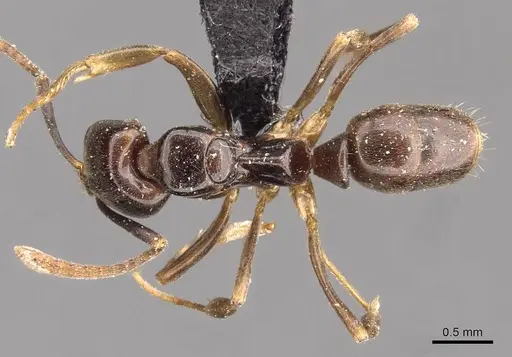
CASENT0915259
View on AntWeb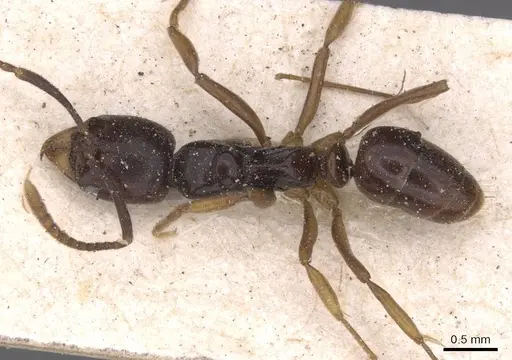
CASENT0915660
View on AntWeb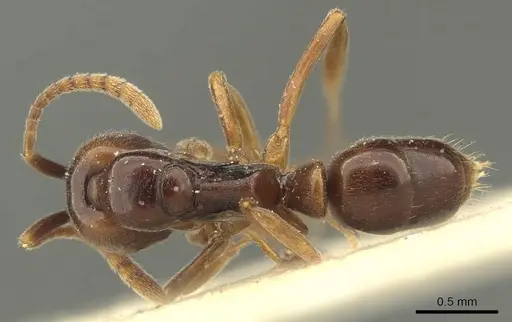
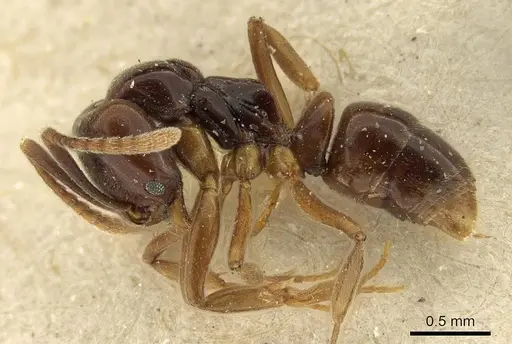
CASENT0916594
View on AntWeb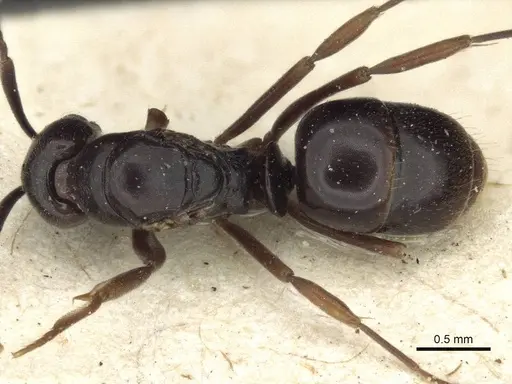
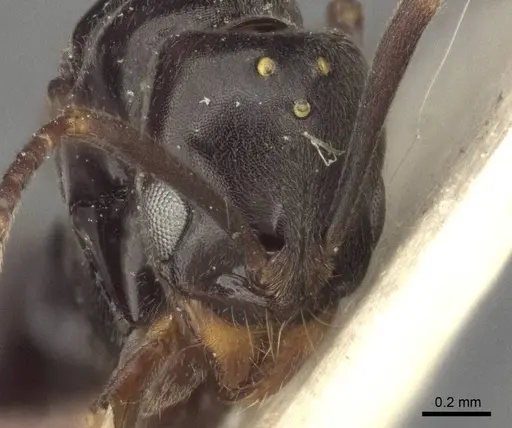
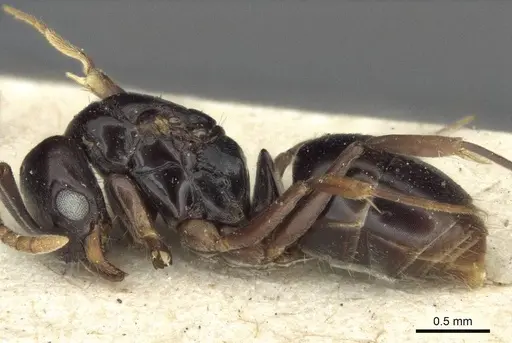
CASTYPE06966
View on AntWeb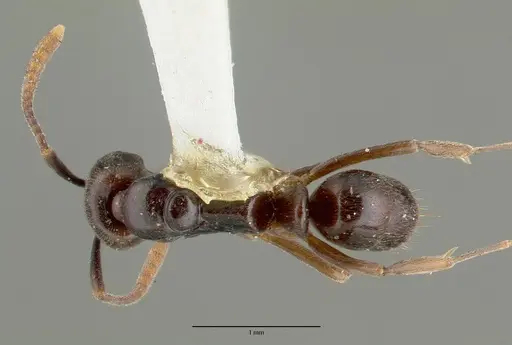
JTLC000006853
View on AntWeb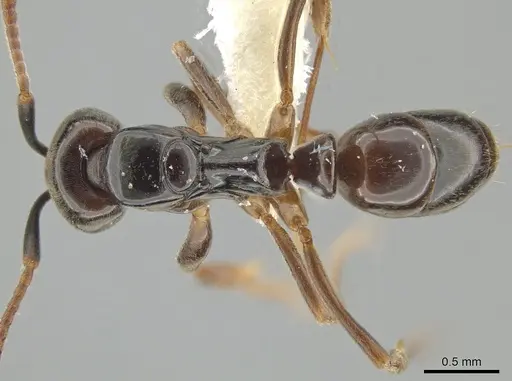
Literature
Loading distribution map...Loading products...