
Brachymyrmex santschii
- Sci. Name
- Brachymyrmex santschii
- Tribe
- Myrmelachistini
- Subfamily
- Formicinae
- Author
- Menozzi, 1927
- Distribution
- Found in 2 countries
Introduction
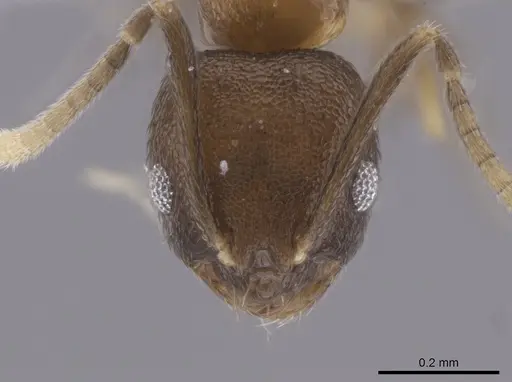
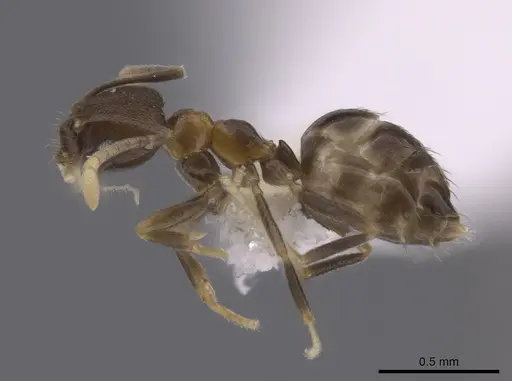
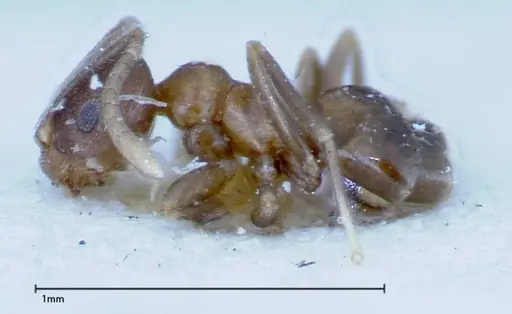
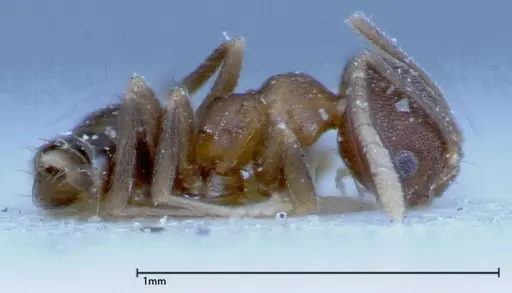
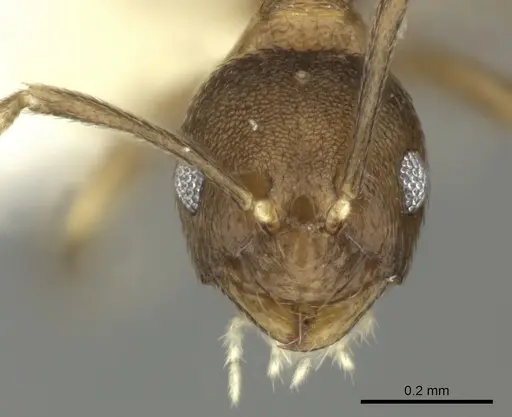
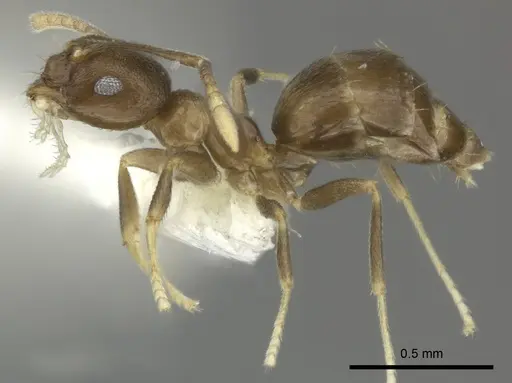
Brachymyrmex santschii is a tiny ant species native to the Neotropical region, found in Costa Rica, Panama, and southern Brazil. Workers are small ants with a distinctive brownish body featuring strongly alveolate (honeycomb-like) sculpture on the head and mesosoma. Their antennae scapes extend past the back of the head. These ants live in cloud forest leaf litter and are typically collected using Winkler extractors, which sift through leaf litter to find tiny invertebrates. This species appears to have a narrow elevational range in Costa Rica, primarily found around 1070m elevation in the Monteverde cloud forest [AntWiki]. One interesting note about Brachymyrmex santschii is that it's been documented tending aphids on oak trees in Costa Rica - specifically Myzocallis pepperi on Quercus sapotifolia . This is a common behavior in the Formicinae subfamily, where ants protect aphids in exchange for honeydew. The species was originally described by Menozzi in 1927 and underwent a comprehensive taxonomic revision in 2019 that clarified its identification features .
Quick Summary
- Difficulty: Medium
- Origin & Habitat: Cloud forests of Costa Rica, Panama, and southern Brazil (Paraná and Santa Catarina). They live in leaf litter in humid, shaded forest environments at elevations around 1070m in Costa Rica's cloud forests [1][2][3].
- Colony Type: Colony structure is unconfirmed. No research data exists on queen number or colony social structure for this species.
- Size & Growth:
- Queen: Size data unavailable, no queen measurements exist. Worker size is approximately 2mm inferred from Brachymyrmex genus patterns [1]
- Worker: Approximately 2mm, inferred from Brachymyrmex genus patterns (head measurements 0.40-0.44mm HL, 0.37-0.40mm HW are head-only, not body size) [1]
- Colony: Unknown, no colony size data exists in the research
- Growth: Unknown, no development data exists for this species
- Development: Unknown, no direct development data exists for this species (Development timeline is unstudied. Small tropical ant species typically develop faster than larger temperate species, but specific timing is unknown.)
- Antkeeping:
- Temperature: Keep around 20-24°C. Based on their cloud forest origin, they prefer cooler, stable temperatures. Avoid overheating, they come from shaded, humid forest floors [1].
- Humidity: High humidity is essential. These ants live in cloud forest leaf litter, so aim for 70-85% humidity. Keep the nest substrate consistently moist but not waterlogged.
- Diapause: Unlikely, being a tropical species from low latitudes, they don't require a true diapause.
- Nesting: They naturally nest in leaf litter and rotting wood in forest floors. In captivity, use naturalistic setups with moist substrate, or test tube setups with good humidity control. Y-tong nests or plaster nests with small chambers work well given their tiny size. Avoid acrylic nests.
- Behavior: These are small, ground-dwelling ants that are likely docile and non-aggressive. They forage in leaf litter and have been recorded tending aphids on trees, which suggests they'll accept sugar sources. Their tiny size means they're not capable of stinging humans, they're harmless to keepers. Escape prevention is critical because of their very small size, they'll squeeze through gaps that larger ants cannot [5].
- Common Issues: escape prevention is critical due to their tiny size, use fine mesh and tight-fitting lids, high humidity requirements can lead to mold if ventilation is poor, small size makes them easy to lose during colony transfers, wild-caught colonies may be difficult to establish due to unknown founding biology, limited availability in the antkeeping hobby means captive-bred colonies are rare, biology is poorly studied, limited guidance available for captive care
Nest Preferences and Housing
Brachymyrmex santschii naturally lives in cloud forest leaf litter, where they nest in moist, rotting wood and among decomposing leaves on the forest floor. In captivity, replicate these conditions. Because they're so tiny, they need appropriately scaled housing, standard test tubes work but should have proper water reservoir management. A naturalistic setup with a moist soil/leaf litter mixture works well, or you can use a Y-tong nest with small chambers designed for small ants. Whatever setup you choose, ensure excellent escape prevention, these ants are incredibly small and will find any gap larger than 0.5mm. Keep the nest area humid (70-85%) but provide some ventilation to prevent mold buildup. A layer of moist substrate about 1-2cm deep works well for naturalistic setups. [1][2][5]
Feeding and Diet
Based on the single documented observation of this species tending Myzocallis pepperi aphids on oak trees in Costa Rica, Brachymyrmex santschii will likely accept both sugar sources and protein [4]. In captivity, offer sugar water, honey, or diluted honey water as a constant sugar source. For protein, small soft-bodied prey is appropriate given their tiny size, fruit flies, small pinhead crickets, or tiny mealworm pieces work well. Being a small leaf-litter ant, they'll also likely scavenge. Feed protein sources 2-3 times per week, and keep sugar water available at all times. Remove any uneaten prey after 24-48 hours to prevent mold issues in their humid setup.
Temperature and Environmental Conditions
These ants come from cloud forest environments, which means they prefer cooler, more stable temperatures than many tropical ants. Keep their enclosure in the range of 20-24°C, avoid temperatures above 28°C, as this could stress or kill them. Room temperature in most homes (around 20-22°C) should work well without additional heating. If you need to warm them slightly, use a very gentle heat source placed on one side of the enclosure to create a mild gradient. The most important factor is consistency, avoid sudden temperature swings. Since they're from a humid forest environment, they don't tolerate dry conditions well. Keep them away from air conditioning vents, heaters with dry air, and direct sunlight. [1][2]
Behavior and Colony Dynamics
Brachymyrmex santschii is a small, ground-dwelling ant that lives in leaf litter environments [5]. Based on their taxonomy (subfamily Formicinae) and similar species, they're likely docile and non-territorial. Workers forage individually or in small groups through leaf litter rather than forming large foraging trails. The colony size is unknown, no research data exists on mature colony sizes. These ants don't have a functional stinger, so they're completely harmless to keepers. Their primary defense is simply being small and going unnoticed. The main behavioral concern for keepers is their escape ability, despite being tiny, they're active and will find any weakness in your enclosure setup.
Finding and Acquiring Colonies
This species is not commonly kept in the antkeeping hobby and is rarely available from commercial suppliers. If you want to keep Brachymyrmex santschii, your best option would be to collect a founding queen during nuptial flights if you live in their range (Costa Rica, Panama, or southern Brazil). However, since their biology is poorly studied, the timing of nuptial flights is unknown. Wild-caught colonies can be difficult to establish because we don't fully understand their founding requirements. If you obtain a colony, be patient, small ant species often take time to establish and grow. Consider connecting with antkeeping communities or researchers in Costa Rica if you're serious about keeping this species. [1][2]
Frequently Asked Questions
How long does it take for Brachymyrmex santschii to produce first workers?
The exact timeline is unknown, no development data exists for this species. Expect some trial and error to find optimal conditions.
What do Brachymyrmex santschii ants eat?
They likely accept both sugar and protein. Based on their documented aphid-tending behavior, offer sugar water or honey as a constant food source. For protein, small soft-bodied prey like fruit flies, tiny crickets, or small mealworm pieces work well. Feed protein 2-3 times per week.
What temperature do Brachymyrmex santschii ants need?
Keep them around 20-24°C. They're from cloud forest environments and prefer cooler, more stable temperatures than many tropical ants. Avoid temperatures above 28°C. Room temperature in most homes works well.
How big do Brachymyrmex santschii colonies get?
The maximum colony size is unknown, no research data exists on colony sizes for this species.
Can I keep multiple Brachymyrmex santschii queens together?
This hasn't been studied. No data exists on whether they're single-queen or multi-queen species. It's not recommended to combine unrelated queens without evidence they can coexist.
What humidity do Brachymyrmex santschii ants need?
High humidity is essential, aim for 70-85%. They come from cloud forest leaf litter where conditions are constantly moist. Keep the nest substrate consistently damp but not waterlogged, and ensure good ventilation to prevent mold.
Do Brachymyrmex santschii ants need hibernation?
Unlikely. Being a tropical species from low latitudes, they don't require a true diapause. They may slow down slightly during cooler periods, but a full hibernation isn't necessary.
Why are my Brachymyrmex santschii ants escaping?
Escape prevention is critical with this species due to their very tiny size. They can squeeze through gaps as small as 0.5mm. Use fine mesh (at least 0.5mm or smaller), tight-fitting lids, and barrier gel or fluon on enclosure edges. Check all connections and seams regularly.
Is Brachymyrmex santschii good for beginners?
Not ideal for beginners. Their biology is poorly understood, they require high humidity, their tiny size makes them prone to escaping, and they're rarely available in the antkeeping hobby. If you're interested in Brachymyrmex, consider more common species first while learning the ropes.
Report an Issue
The current care sheet is based fully on literature. See inconsistencies, or something that's incorrect? Please , it will be resolved after review from an admin. Contributing to the blogs tab also helps providing information, to make us be able to further improve the caresheets. Thank you for your support!
References

This caresheet is licensed under CC BY-SA 4.0 .
Community Blogs
CASENT0249937
View on AntWeb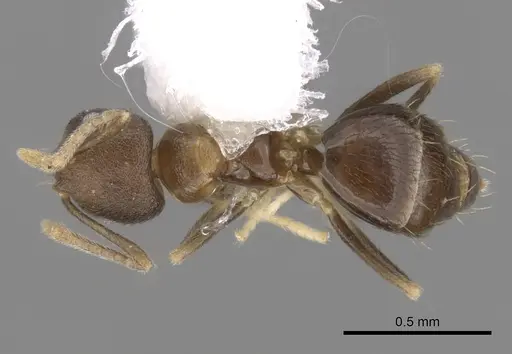
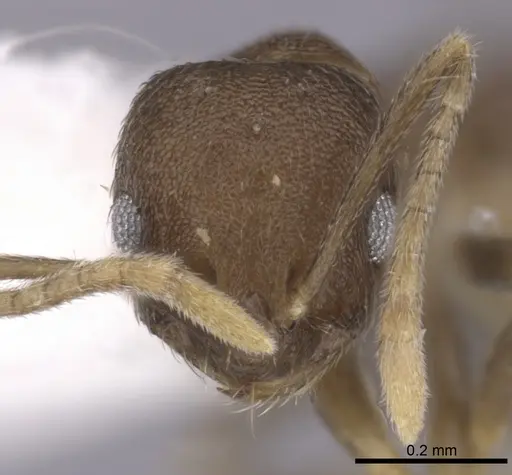
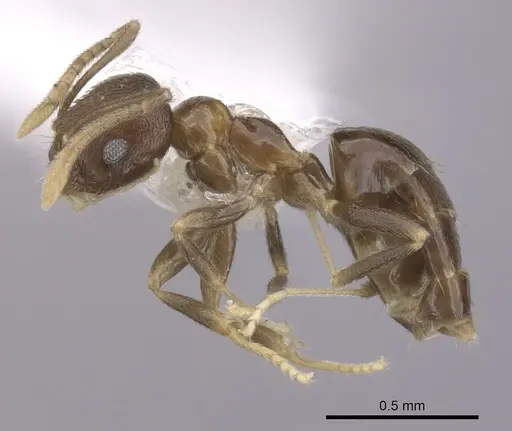
CASENT0653666
View on AntWeb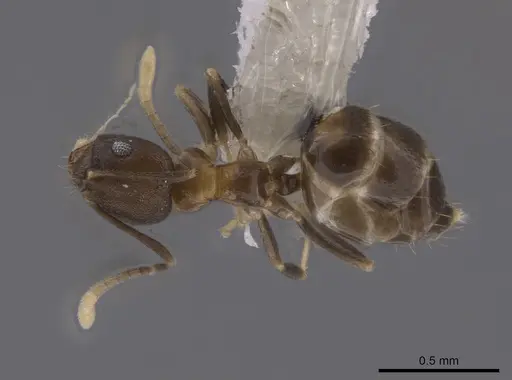
FOCOL0155
View on AntWeb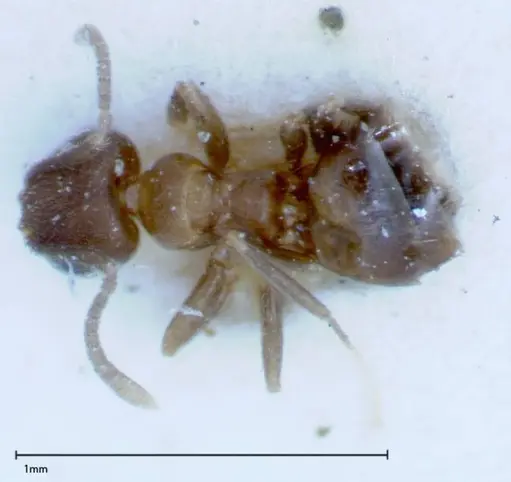
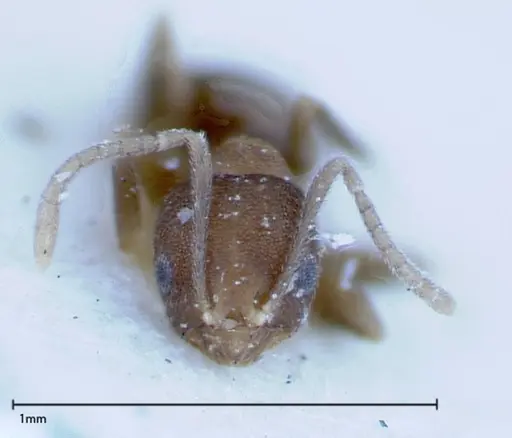
INBIOCRI001281234
View on AntWeb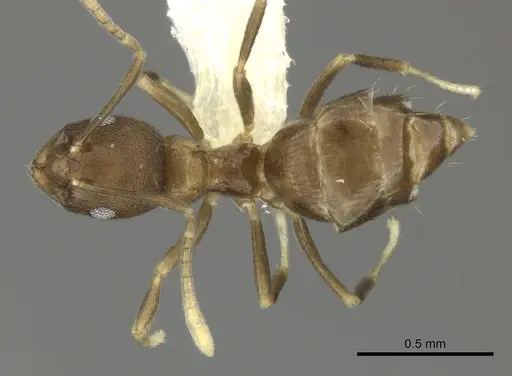
Literature
Loading distribution map...Loading products...