
Brachymyrmex pilipes
- Sci. Name
- Brachymyrmex pilipes
- Tribe
- Myrmelachistini
- Subfamily
- Formicinae
- Author
- Mayr, 1887
- Distribution
- Found in 1 countries
Introduction
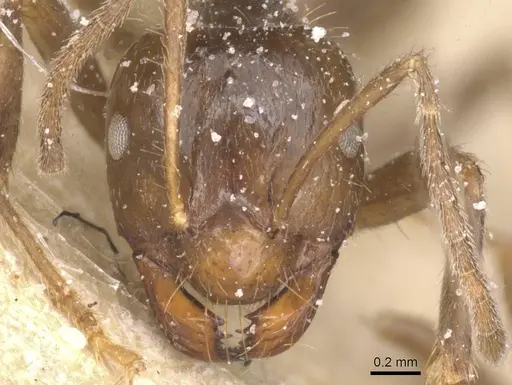
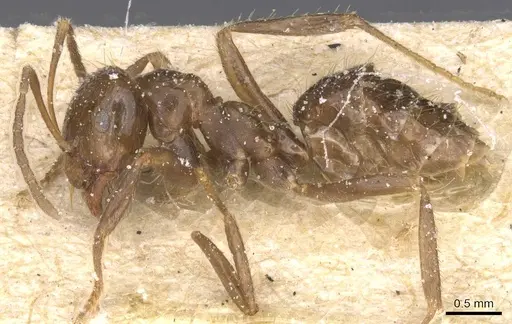
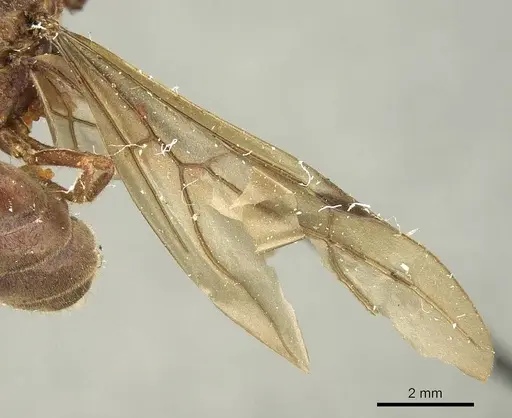
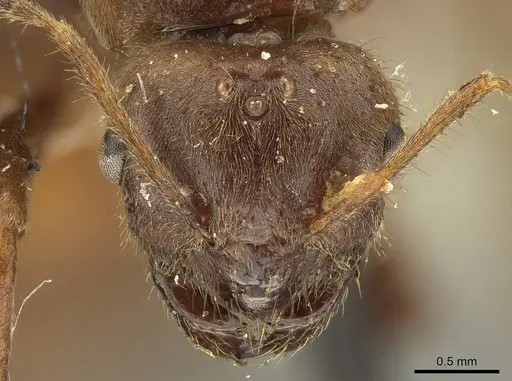
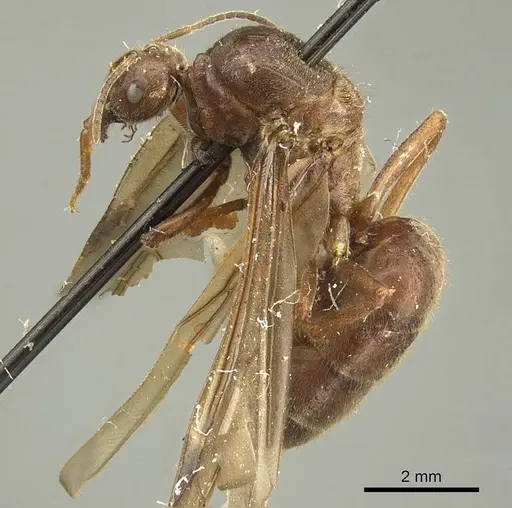
Brachymyrmex pilipes is a small Neotropical ant native to southeastern Brazil, found in the Atlantic Forest regions of Paraná, Santa Catarina, São Paulo, and Rio de Janeiro. Workers measure approximately 2-4mm total length and display a distinctive two-tone coloration: light brown body with a notably darker gaster. This species stands out from most other Brachymyrmex by having dimorphic workers - both major and minor workers, which is unusual for the genus. They have tumuliform (bulging) metathoracic spiracles, fine striations on the mesosoma, and conspicuous erect hairs covering their body. Queens reach approximately 7-9mm total length and are dark brown .
Quick Summary
- Difficulty: Medium
- Origin & Habitat: Southeastern Brazil, Atlantic Forest regions in Paraná, Santa Catarina, São Paulo, and Rio de Janeiro. Found in relatively well-preserved mature forest areas with remnants of primary forest [1][2].
- Colony Type: Colony structure is unconfirmed. The species has not been studied for queen number or colony organization in the wild.
- Size & Growth:
- Queen: ~7-9mm total length (inferred from mesosoma measurements)
- Worker: Minor: ~2-3mm, Major: ~3-4mm total length (inferred from mesosoma measurements)
- Colony: Unknown, no colony size data available
- Growth: Unknown, no development timing data available
- Development: Unknown, no direct development data for this species (Development time is unconfirmed for this species.)
- Antkeeping:
- Temperature: Likely 22-28°C based on Brazilian tropical origin. Start in the mid-range (around 24-26°C) and observe colony activity.
- Humidity: Likely moderate to high humidity given Atlantic Forest origin. Keep nest substrate slightly moist but not waterlogged. Provide a water source.
- Diapause: Unlikely to require diapause, Brazilian tropical species. Keep at stable temperatures year-round.
- Nesting: In nature they inhabit forest floor environments. Likely nesting in soil, under stones, or in rotting wood. For captivity, standard test tubes work well for founding colonies. As colonies grow, a naturalistic setup with soil or a Y-tong/plaster nest would suit their natural nesting preferences.
- Behavior: This is a small, inconspicuous ant that is likely generalist in its foraging habits. Workers are omnivorous, feeding on nectar, honeydew, and small insects. The dimorphic worker caste (major and minor workers) is unusual for Brachymyrmex, majors likely serve defensive and food-processing roles. They are not aggressive and pose no sting risk to humans. Escape prevention is important due to their small size, use fine mesh and tight-fitting barriers [3].
- Common Issues: small size means escapes are likely without fine mesh barriers, colony development may be slow, don't overfeed or abandon proper husbandry, wild-caught colonies may have parasites that affect captive survival, humidity control is important, too wet causes mold, too dry may kill brood, this species is rarely kept in captivity so baseline care information is limited
Appearance and Identification
Brachymyrmex pilipes is a small ant with a distinctive appearance that sets it apart from most other Brachymyrmex species. The most notable feature is the dimorphic worker caste, you will see both larger major workers (about 3-4mm total length) and smaller minor workers (about 2-3mm total length). This dimorphism is unusual in the genus, where workers are typically monomorphic. The body is light brown with a noticeably darker gaster (abdomen), and the entire body is covered in conspicuous erect hairs that are especially dense on the upper surface. They have distinctive tumuliform metathoracic spiracles, these appear as raised bumps on the back near the waist. The mesosoma has fine longitudinal striations, and there is a row of thick hairs along the front edge of the clypeus (the face plate above the jaws). Queens are larger at about 7-9mm total length and are dark brown overall [1][2].
Natural History and Distribution
This species is endemic to southeastern Brazil, specifically the Atlantic Forest regions in the states of Paraná, Santa Catarina, São Paulo, and Rio de Janeiro. The Atlantic Forest is a biodiversity hotspot with a warm, humid subtropical to tropical climate. Specimens have been collected from areas of relatively well-preserved mature forest with some remnants of primary forest. They are ground-dwelling ants that have been collected using pitfall traps, indicating they forage at ground level. Studies in other parts of Brazil have recorded this species in both native forest and modified landscapes, suggesting some tolerance for habitat alteration. They are omnivorous, feeding on nectar, honeydew, and small invertebrates [1][2][4][3].
Housing and Nesting
For a newly caught queen, a standard test tube setup works well for founding. Keep the test tube humid but not flooded, a small water reservoir at one end with a cotton barrier is ideal. Once the colony reaches 10-20 workers, you can consider moving them to a more permanent setup. Given their natural habitat in forest floor environments, a naturalistic setup with moist soil or a Y-tong/plaster nest would suit their preferences. The nest should have chambers scaled to their small size. Ensure excellent escape prevention, these are tiny ants that can squeeze through surprisingly small gaps. Use fine mesh on any ventilation holes and apply fluon or similar barrier to the rim of the nest [1].
Feeding and Diet
Brachymyrmex pilipes is omnivorous, like most ants in the Formicinae subfamily. They will likely accept sugar sources (honey water, sugar water) and protein sources (small insects like fruit flies, pinhead crickets, or mealworms). In the wild, they forage for nectar, honeydew from aphids, and small invertebrates. Feed them a few drops of sugar water twice a week, and offer small protein prey items once or twice weekly. Remove uneaten prey after 24-48 hours to prevent mold. As the colony grows, you can increase food amounts accordingly. This species is small, so prey items should be appropriately sized, tiny insects are better than large ones [3].
Temperature and Seasonal Care
As a Brazilian tropical species from the Atlantic Forest, Brachymyrmex pilipes likely prefers warm temperatures in the range of 22-28°C. Start around 24-26°C and observe your colony's behavior. Stable temperatures are likely important. Unlike temperate species, they probably do not require a true hibernation period. However, they may show reduced activity during cooler months. Avoid sudden temperature swings and keep them away from air conditioning vents or drafty areas. Room temperature in most homes (20-24°C) may be acceptable, but warmer is likely better for colony growth.
Colony Development
The development timeline for this species is not documented in scientific literature. The queen will remain in the nest chamber, laying eggs and tending to the brood until the first workers emerge. After that, colony growth depends on temperature, feeding, and overall health. This species has dimorphic workers, so you may notice larger major workers appearing as the colony matures, these likely serve specialized roles. Be patient with this species, as small tropical ants often develop more slowly than some of the more common pet species. Do not disturb the founding chamber unnecessarily during the founding period.
Frequently Asked Questions
How long does it take for Brachymyrmex pilipes to produce first workers?
The exact development time is unknown for this species. Based on similar small tropical ants, expect several weeks to a few months from egg to first worker at optimal temperature (around 24-26°C).
What do Brachymyrmex pilipes ants eat?
They are omnivorous. Offer sugar water or honey water as a constant carbohydrate source, and small protein prey like fruit flies, pinhead crickets, or small mealworms a few times per week. Remove uneaten prey after 24 hours.
What temperature do Brachymyrmex pilipes ants need?
Likely 22-28°C based on their Brazilian tropical origin. Start around 24-26°C and adjust based on colony behavior. Stable temperatures are important.
Are Brachymyrmex pilipes good for beginners?
This is a rarely kept species with limited available care information. If you are an experienced antkeeper looking for an unusual species, this could be interesting. For complete beginners, species with more established care guides (like Lasius or Camponotus) may be better choices.
How big do Brachymyrmex pilipes colonies get?
Colony size is unknown, no wild colony size data has been documented. Based on the genus, colonies are likely moderate (likely under a few hundred workers at maximum).
Do Brachymyrmex pilipes need hibernation?
Unlikely, as a Brazilian tropical species, they probably do not require a true hibernation period. They may show reduced activity in cooler months but should be kept at stable warm temperatures year-round.
What makes Brachymyrmex pilipes different from other Brachymyrmex?
This species has dimorphic workers (both major and minor workers), which is unusual for the genus. They also have distinctive tumuliform (bulging) metathoracic spiracles and fine striations on the mesosoma. Their gaster is notably darker than the rest of the body.
Can I keep multiple Brachymyrmex pilipes queens together?
Not documented, the colony structure (monogyne vs polygyne) has not been studied for this species. It is not recommended to combine unrelated queens, as aggression is likely.
What is the best nest type for Brachymyrmex pilipes?
Test tubes work well for founding colonies. Once established, a naturalistic setup with moist soil or a Y-tong/plaster nest with small chambers would suit their forest floor nesting preferences.
Report an Issue
The current care sheet is based fully on literature. See inconsistencies, or something that's incorrect? Please , it will be resolved after review from an admin. Contributing to the blogs tab also helps providing information, to make us be able to further improve the caresheets. Thank you for your support!
References

This caresheet is licensed under CC BY-SA 4.0 .
Community Blogs
CASENT0911610
View on AntWeb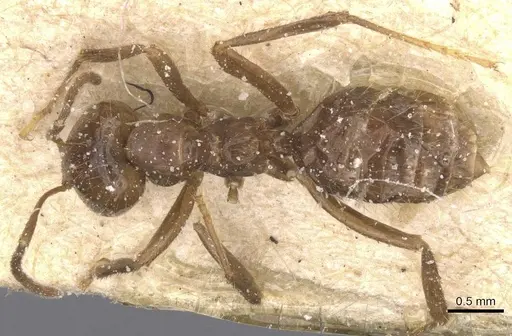
CASENT0915736
View on AntWeb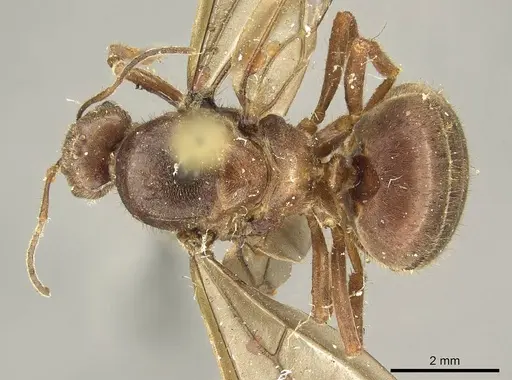
Literature
Loading distribution map...Loading products...