
Brachymyrmex pictus
- Sci. Name
- Brachymyrmex pictus
- Tribe
- Myrmelachistini
- Subfamily
- Formicinae
- Author
- Mayr, 1887
- Distribution
- Found in 7 countries
Introduction
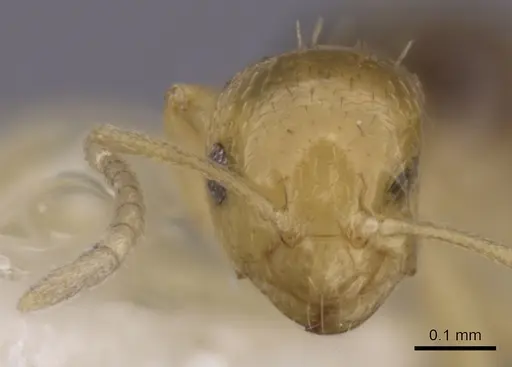
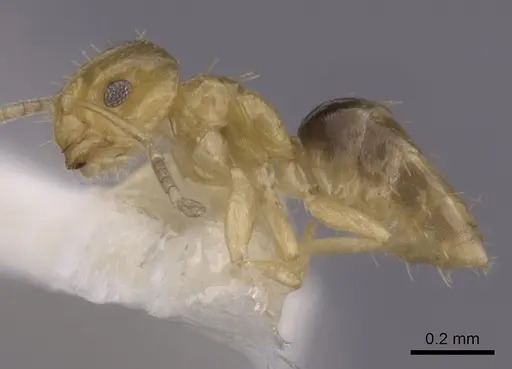
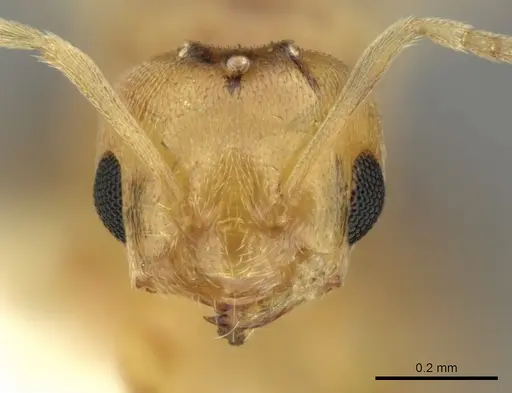
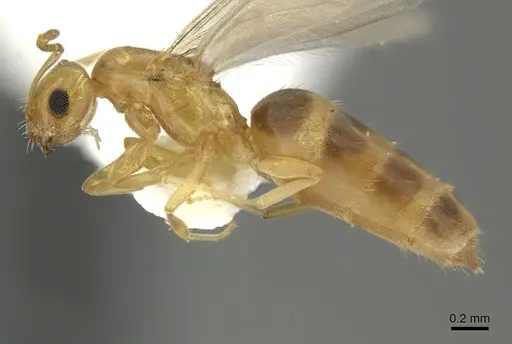
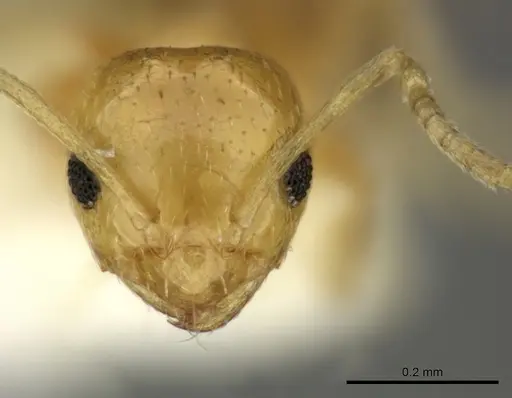
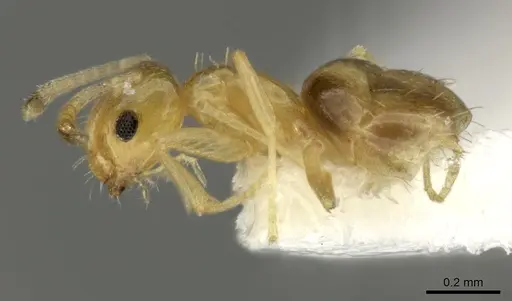
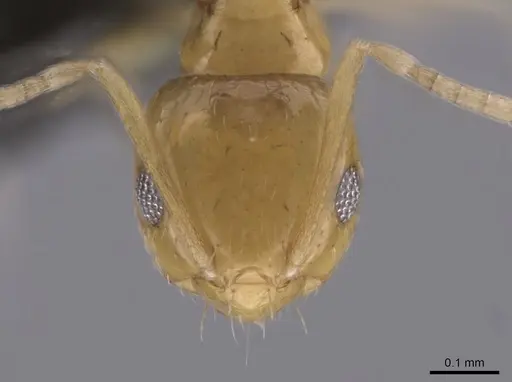
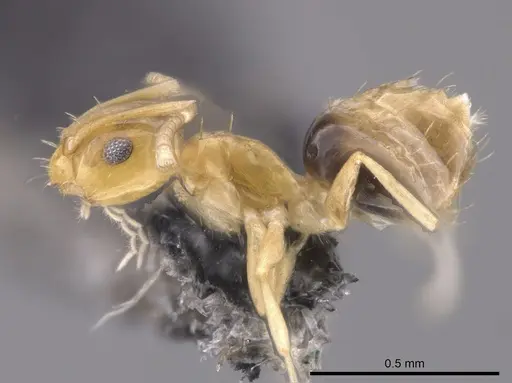
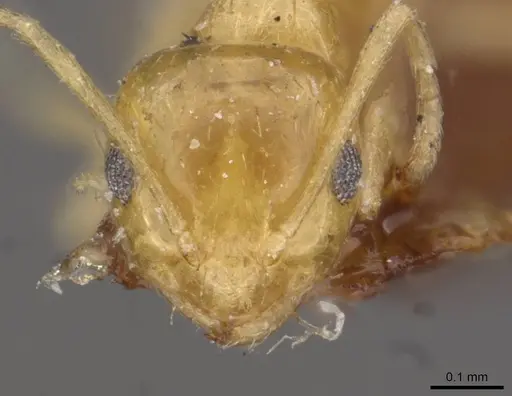
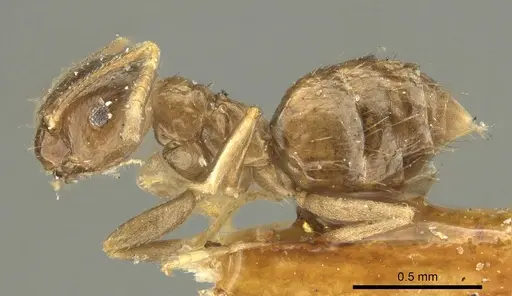
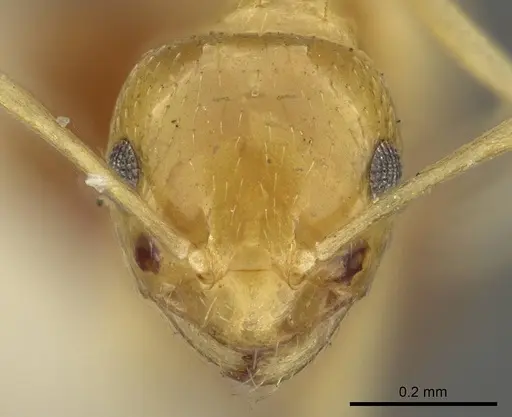
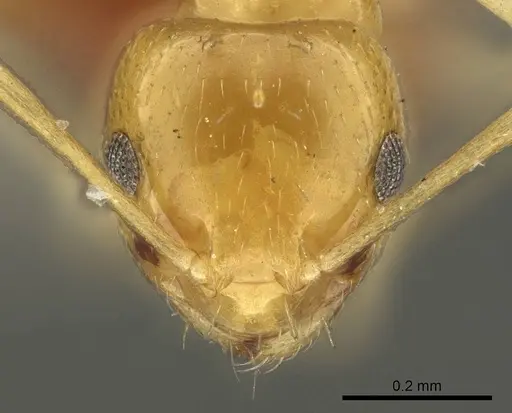
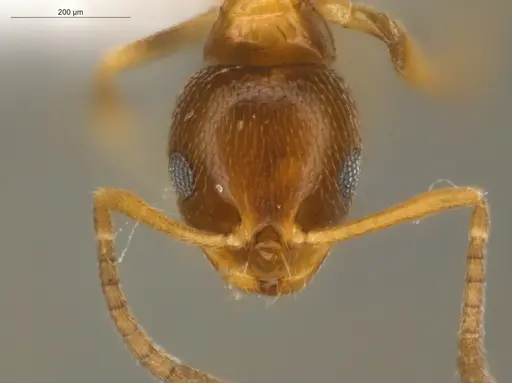
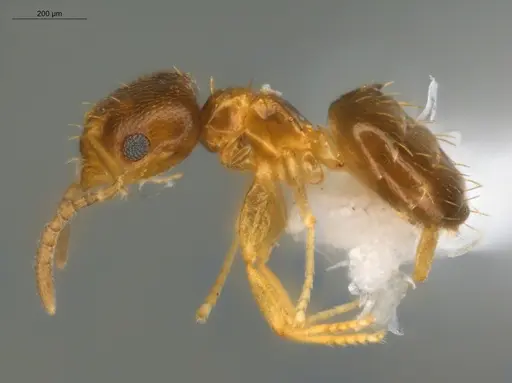
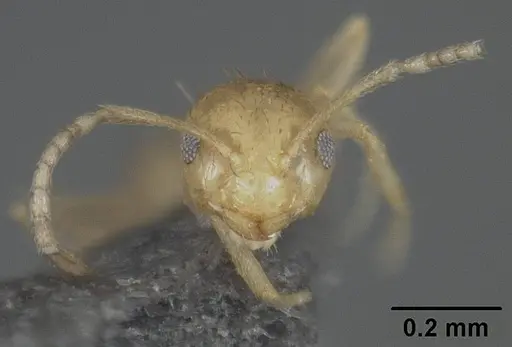
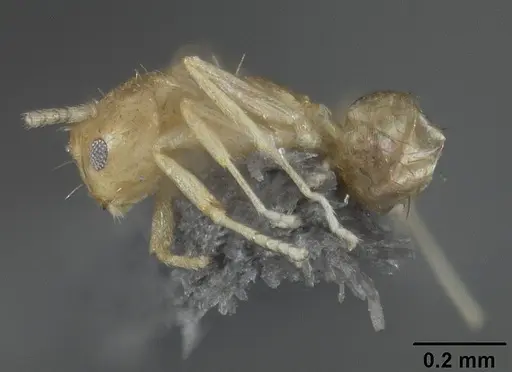
Brachymyrmex pictus is a tiny Neotropical ant known for its striking two-tone coloring: the head and thorax are yellow while the gaster (back section) is black or has black spots . Workers are exceptionally small, making them one of the smaller ant species you'll encounter. This species has been found across northern South America and Central America, from Brazil and Peru through to Panama and Jamaica . The species appears to be arboreal, nesting naturally in hollow twigs and tree petioles [AntWiki].
Quick Summary
- Difficulty: Medium
- Origin & Habitat: Neotropical species found across Bolivia, Brazil, Colombia, Ecuador, French Guiana, Guatemala, Guyana, Jamaica, Panama, Peru, and Venezuela [1]. In the wild, colonies nest in hollow twigs and tree petioles, specifically recorded from Tachigalia paniculata in Guyana and Tripalis americana in Panama [1]. They forage in both soil and leaf litter layers and are considered sensitive to environmental changes [4].
- Colony Type: Colony structure is unconfirmed, the number of queens per colony has not been documented in scientific literature.
- Size & Growth:
- Queen: size data unavailable, no direct measurements for queens exist in the literature
- Worker: approximately 2mm, inferred from genus patterns for Brachymyrmex
- Colony: Likely small, estimated under 500 workers based on typical Brachymyrmex patterns
- Growth: Moderate, estimated based on genus
- Development: estimated 6-8 weeks at tropical temperatures based on related Formicinae (Direct development data unavailable, estimate based on genus-level patterns for small tropical ants)
- Antkeeping:
- Temperature: Keep at 24-28°C, these are tropical ants that prefer warm conditions. A gentle gradient allowing them to move between warmer and cooler areas works best.
- Humidity: Moderate to high, they naturally inhabit humid forest environments. Keep nest substrate slightly moist but not waterlogged, with some drier areas available.
- Diapause: No, as a tropical species, they do not require hibernation. Keep temperatures stable year-round.
- Nesting: Arboreal by nature, they nest in hollow twigs and small cavities. In captivity, they do well in small Y-tong (AAC) nests or test tube setups with narrow chambers scaled to their tiny size. Avoid large, open spaces.
- Behavior: These ants are small and generally non-aggressive. They forage on the ground and in leaf litter, and being arboreal, they may explore vertically. Because of their very small size, escape prevention must be excellent, they can squeeze through the tiniest gaps. They are not known to sting and pose no danger to keepers.
- Common Issues: escape prevention is critical, they are tiny and can slip through standard barrier gaps, sensitive to environmental changes, avoid moving nest frequently, small colony size means slow population growth, patience required, test tube setups must have very small water reservoirs to prevent flooding in their tiny chambers
Housing and Nest Setup
Brachymyrmex pictus is an arboreal species that naturally nests in hollow twigs and small plant cavities [1][3]. In captivity, they do well in small Y-tong (AAC) nests or test tube setups with chambers scaled to their tiny size. The key is providing appropriately sized passages, too large and they feel exposed, too small and they cannot navigate properly. Because they are so small, even standard test tube ports can be too large, consider using cotton barriers with very small access points or fine mesh to prevent escapes.
Feeding and Diet
Like most Brachymyrmex species, these ants likely have an omnivorous diet. They forage in leaf litter and soil, so they probably consume small insects, honeydew, and other sugary substances [4]. Offer sugar water or honey as a constant energy source, and provide small protein sources like fruit flies, pinhead crickets, or other tiny prey items. Because of their small size, prey items should be appropriately sized, anything larger than their head is difficult for them to handle. Feed small protein offerings 2-3 times per week and keep sugar water available at all times.
Temperature and Humidity
As a Neotropical species, B. pictus prefers warm and humid conditions. Keep the nest area at 24-28°C, which mimics their natural tropical environment. A heating cable on one side of the nest can create a gentle gradient, but avoid overheating. For humidity, aim for moderate to high levels, the nest substrate should feel slightly moist but never waterlogged. These ants are sensitive to environmental changes, so avoid placing their setup near drafts, air conditioning units, or direct sunlight that could cause temperature swings [4]. A small water reservoir in their test tube setup helps maintain humidity.
Colony Establishment and Growth
The founding behavior of this species has not been documented in scientific literature. Based on related Formicinae patterns, queens likely seal themselves in to found colonies claustrally, living off stored fat reserves until their first workers emerge. The founding process probably takes 4-6 weeks, with first workers (nanitics) being smaller than normal workers. Growth rate is moderate, these are small ants with relatively small colonies. Expect your colony to grow slowly at first as the queen establishes her first brood. Once you have a stable worker population of 20-30, growth typically accelerates. Be patient, small ant species often take longer to reach maturity than larger species.
Behavior and Observation
These ants are generally calm and non-aggressive, making them interesting to observe. Workers forage both on the ground and in leaf litter, and being an arboreal species, they may explore vertically if given the opportunity [4]. They are not known to sting and pose no danger to keepers. The most notable visual trait is their two-tone coloring, yellow head and thorax contrasting with a black or spotted gaster [1][2]. Because they are so small, you may need good lighting and magnification to observe them clearly. They are sensitive to disturbances, so minimize nest inspections once the colony is established.
Escape Prevention
Escape prevention is absolutely critical with this species. At only around 2mm in length, they can squeeze through gaps that would hold back larger ants. Use fine mesh on all openings, and consider applying Fluon or similar barriers to all edges. Any connection between the nest and outworld must be tightly sealed, standard ant farm tubing is often too loose. Check all seals regularly, especially if your colony is active and exploring. A small colony can easily escape through a gap you did not notice.
Frequently Asked Questions
How long does it take for Brachymyrmex pictus to produce first workers?
Based on typical Brachymyrmex patterns, expect first workers (nanitics) in about 6-8 weeks after the queen lays her first eggs. This timeline assumes temperatures around 26°C. The queen seals herself in during founding and lives off stored fat reserves until her first workers emerge.
What do Brachymyrmex pictus ants eat?
They are omnivorous. Offer sugar water or honey constantly for energy, and provide small protein sources like fruit flies, tiny crickets, or other small insects 2-3 times per week. Prey should be appropriately sized for their tiny workers.
Are Brachymyrmex pictus ants dangerous?
No, they are not dangerous. They are very small and non-aggressive. They do not have a painful sting and pose no threat to humans. They make safe, observation-friendly pets.
What temperature do Brachymyrmex pictus ants need?
Keep them at 24-28°C. These are tropical ants that prefer warm conditions. A gentle gradient allowing them to choose their preferred temperature works best. Avoid temperatures below 20°C or above 32°C.
Do Brachymyrmex pictus ants need hibernation?
No, they do not need hibernation. As a Neotropical species, they are active year-round and prefer stable temperatures. Keep them warm throughout the year.
How big do Brachymyrmex pictus colonies get?
Based on typical Brachymyrmex patterns, colonies likely reach a few hundred workers at maximum. They are not among the largest ant species. Growth is moderate and takes patience.
Can I keep multiple Brachymyrmex pictus queens together?
Not enough is known about their colony structure to recommend combining unrelated queens. In the wild, colony structure has not been documented. It is safest to start with a single queen.
Why are my Brachymyrmex pictus escaping?
They are extremely small and can slip through tiny gaps. Check all connections, seals, and barriers. Use fine mesh and apply Fluon to all edges. Even standard ant keeping equipment may have gaps too large for them.
What is the best nest type for Brachymyrmex pictus?
Small Y-tong (AAC) nests or test tube setups with narrow chambers work best. They naturally nest in hollow twigs, so a naturalistic setup with small-diameter tubes is ideal. Avoid large, open spaces.
Are Brachymyrmex pictus good for beginners?
They are rated as medium difficulty. While not aggressive, their tiny size makes escape prevention challenging. They also require warm, stable conditions and are sensitive to environmental changes. Some ant keeping experience is helpful.
Report an Issue
The current care sheet is based fully on literature. See inconsistencies, or something that's incorrect? Please , it will be resolved after review from an admin. Contributing to the blogs tab also helps providing information, to make us be able to further improve the caresheets. Thank you for your support!
References

This caresheet is licensed under CC BY-SA 4.0 .
Community Blogs
CASENT0249952
View on AntWeb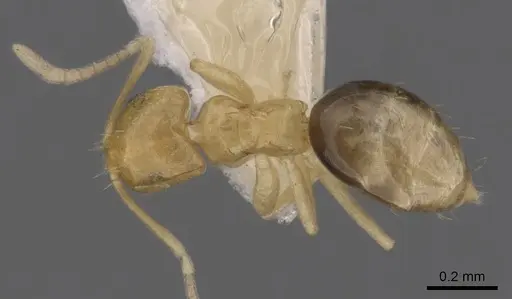
CASENT0619185
View on AntWeb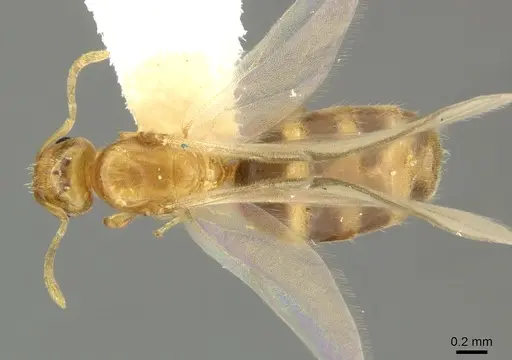
CASENT0619186
View on AntWeb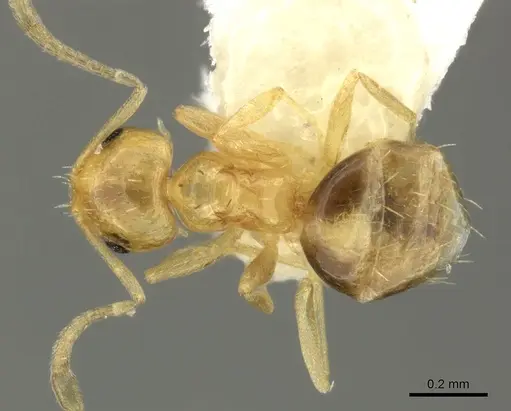
CASENT0653682
View on AntWeb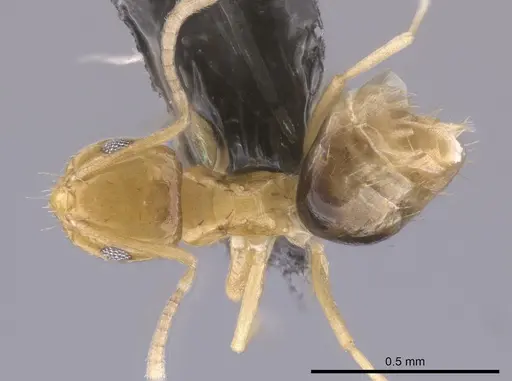
CASENT0909939
View on AntWeb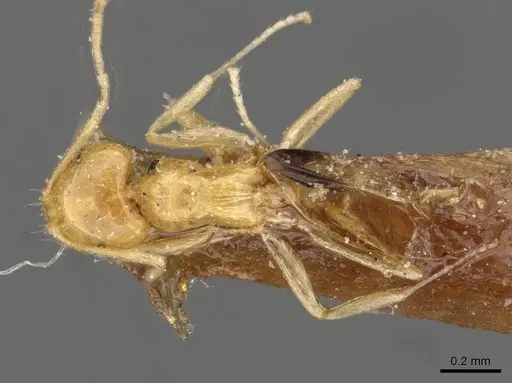
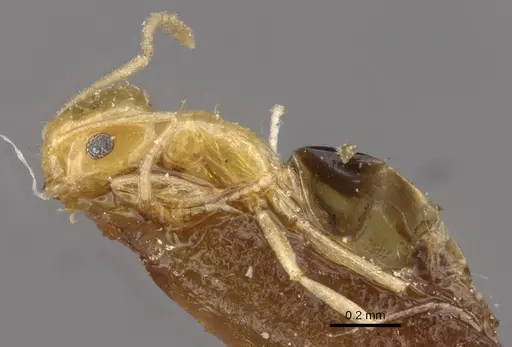
CASENT0915734
View on AntWeb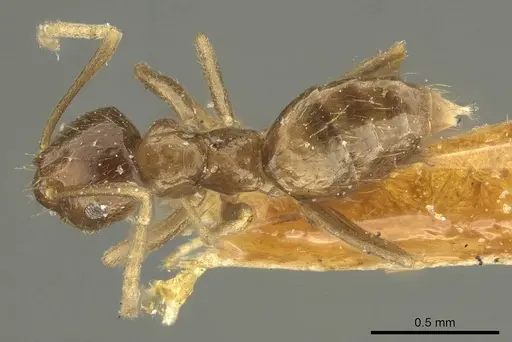
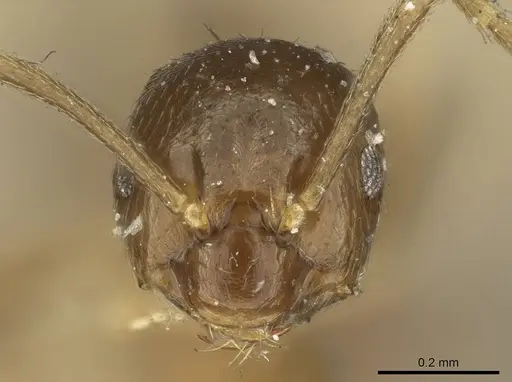
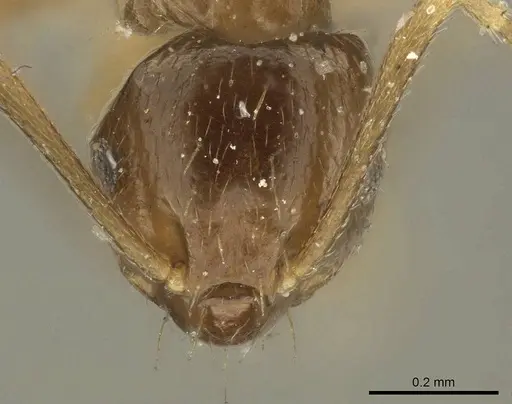
CASENT0915735
View on AntWeb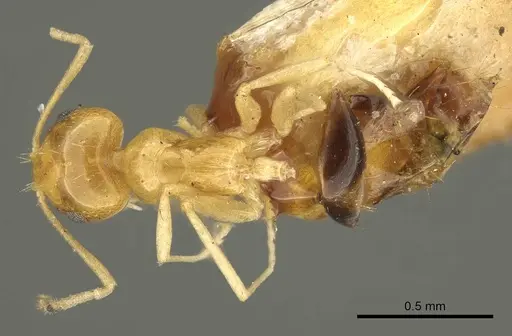
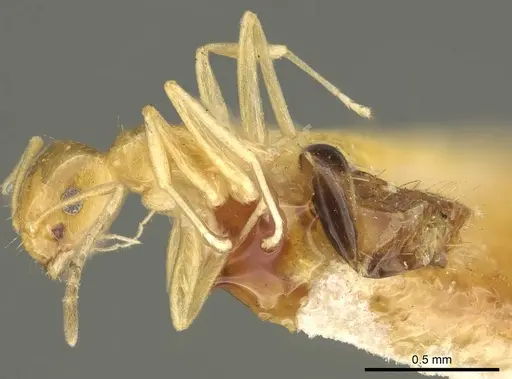
CBUMAGENT41831
View on AntWeb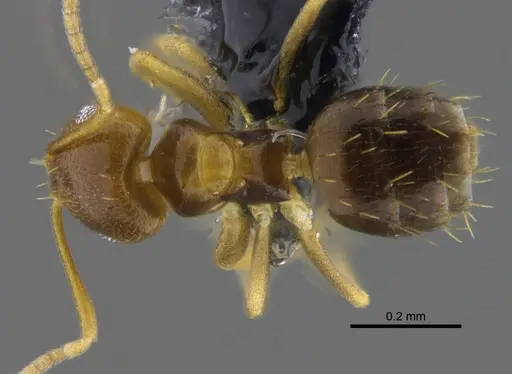
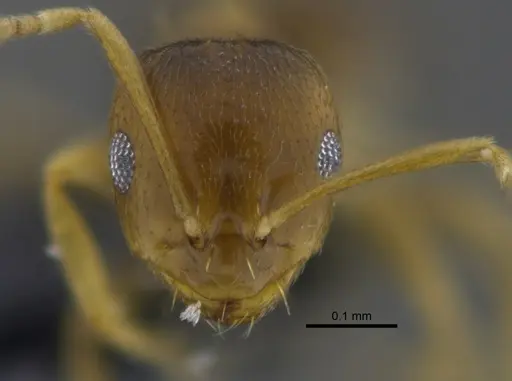
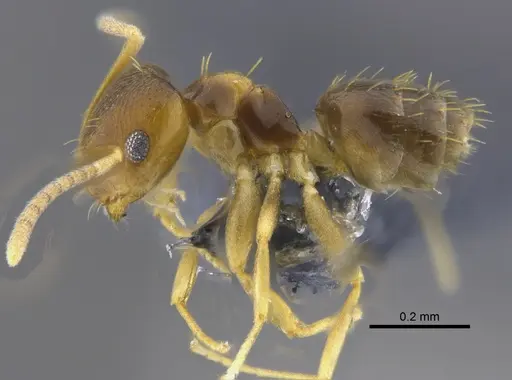
ECOFOG-SAV18-0003-06
View on AntWeb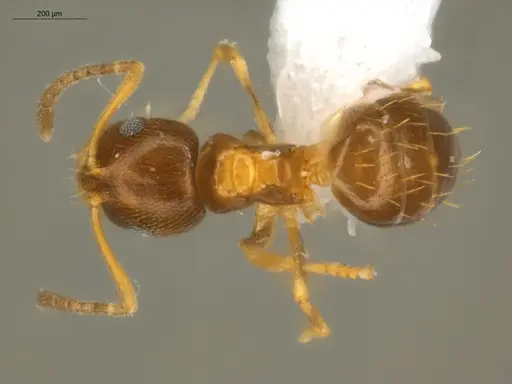
USNMENT01124250
View on AntWeb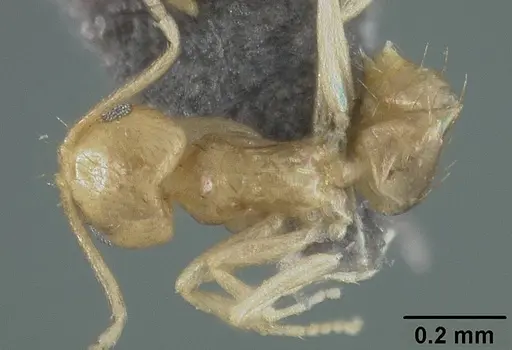
Literature
Loading distribution map...Loading products...